
Reviewed · COOKING CLASSES
Cooking Class Typical Food in Arequipa
Peru comes alive in the kitchen. This two-hour Arequipa cooking class gives you a practical way to meet Peruvian food, from ceviche and lomo saltado to the local specialty rocoto relleno. You work with ingredients, prepare a starter, main course, and dessert, then sit down to eat what you made.
I like the choice of three menus and the large garden kitchen, which gives the class a more relaxed setting than a cramped demonstration room. I also like that instruction is available in English or Spanish, with drinks and tasting included. The main caution is value: at $57 per person, the class needs to offer plenty of hands-on work, and one recent 2 out of 5 assessment from March 20, 2025 said the session involved little more than cutting vegetables and felt expensive for what was provided.
In This Review
- Key points to know before booking
- What this Arequipa cooking class is really about
- Choosing between three Peruvian menus
- Traditional Peruvian menu
- Traditional Arequipeño menu
- Marine menu
- The preparation: expect a compact working session
- Eating what you prepare
- English, Spanish, and the social side
- Price, timing, and what is included
- Who will enjoy this most
- Should you book the Arequipa cooking class?
- FAQ
- Where does the cooking class take place?
- How long does the experience last?
- What times is the class available?
- Which languages does the instructor speak?
- What food can I prepare?
- Are ingredients included?
- Can I eat the food I prepare?
- Are drinks included?
- How much does the class cost?
- Can I cancel for a refund?
Key points to know before booking
- Three menu choices: Select a traditional Peruvian menu, a traditional Arequipeño menu, or a marine menu, subject to ingredient availability.
- Local specialties: The Arequipeño option includes queso soltero and rocoto relleno, two dishes that make this more than a standard international cooking lesson.
- Hands-on preparation: You prepare a starter, main course, and dessert instead of only watching a chef work.
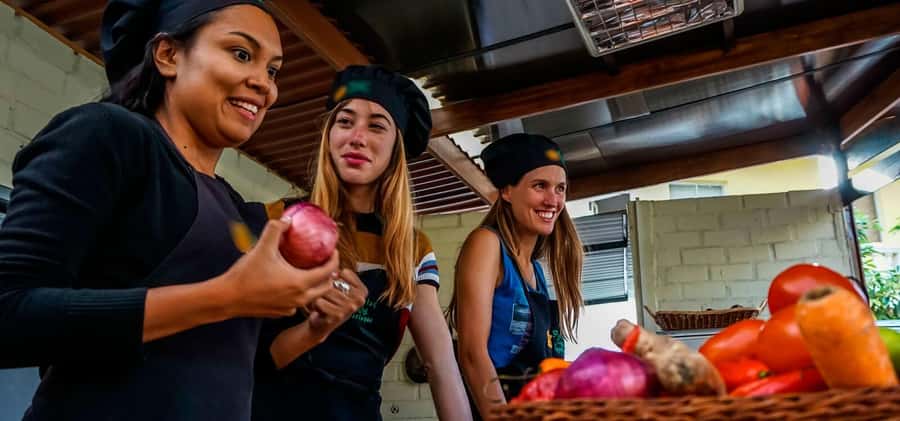
- Garden kitchen setting: The class takes place in a large kitchen environment with space for shared cooking and photos.
- Short but useful format: The activity is advertised as two hours, with the detailed schedule stating one hour and 45 minutes.
- Flexible booking: You can cancel up to 24 hours before the class for a full refund and reserve without paying immediately.
What this Arequipa cooking class is really about
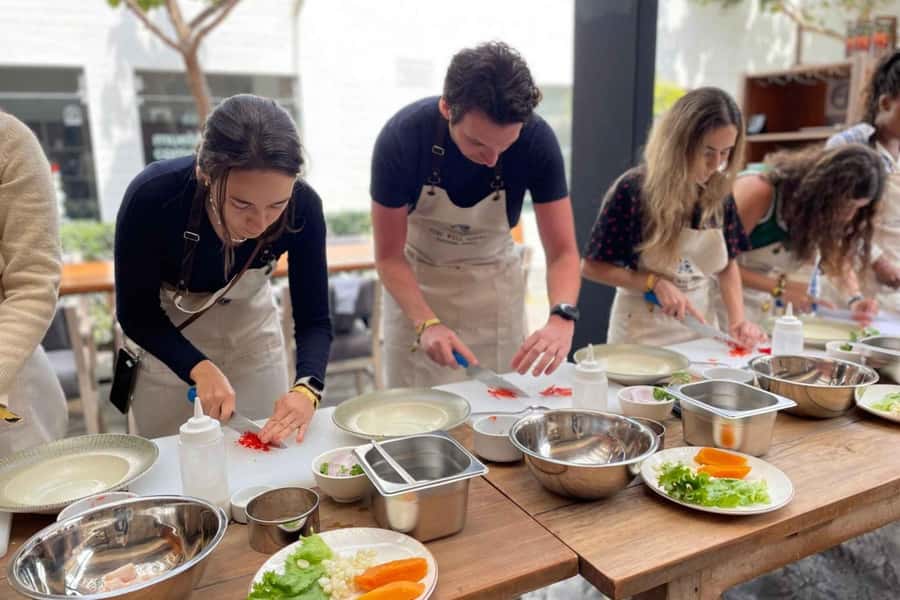
This is a food activity built around doing, not simply eating. You receive the ingredients for a three-course menu, follow instructions from an English or Spanish-speaking instructor, and help prepare the dishes by hand.
That matters in Arequipa. The city has its own food identity, and the class gives you a chance to compare broad Peruvian favorites with dishes tied more closely to the Arequipa region. You are not only learning a recipe. You are getting a small introduction to the ingredients and cooking methods used in local homes and restaurants.
The class is listed at $57 per person. That is not a bargain-priced market lesson, so I would judge it by the amount of active preparation you receive. If you chop, mix, season, assemble, and cook several parts of the meal, the price may make sense as a combined cooking lesson and lunch or dinner. If your role is mainly vegetable preparation while the instructor handles the important steps, the value becomes much weaker.
The score is 3.9 from three ratings, which suggests a mixed but not broadly negative response. Since the number of ratings is small, I would pay close attention to the exact menu and the expected level of participation before booking.
More cooking classes:
- Arequipa: Peruvian Cooking Class
★ 4.4 · 9 reviews - Cusco: Peruvian Cooking Class, Cocktails & Local Market Tour
★ 4.9 · 512 reviews - Cooking class and market tour with a local chef
★ 5.0 · 186 reviews
Choosing between three Peruvian menus
The menu is assigned according to availability, so you may not receive your first choice. That is an important point to settle before you commit, especially if you are booking the class mainly for one famous dish.
Traditional Peruvian menu
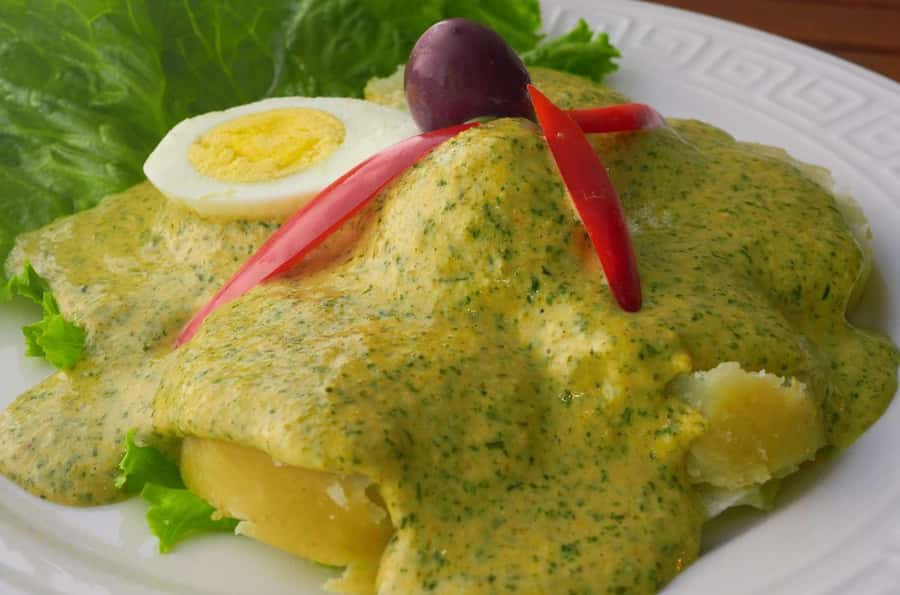
The standard Peruvian menu includes causa, lomo saltado, and dessert. This is likely the safest choice if you want a broad introduction to familiar Peruvian food.
Causa is a potato-based dish that shows how much Peru can do with a simple staple. Lomo saltado combines beef, vegetables, and a savory cooking style that reflects Peru’s famous Chinese-Peruvian influence. Preparing it gives you more than a recipe to take home, since the dish depends on timing, cutting, and balancing its sauce.
This menu suits first-time visitors who want recognizable Peruvian dishes rather than a strongly regional selection. If you are cooking with a mixed group, it may also be the easiest menu for different tastes.
Traditional Arequipeño menu
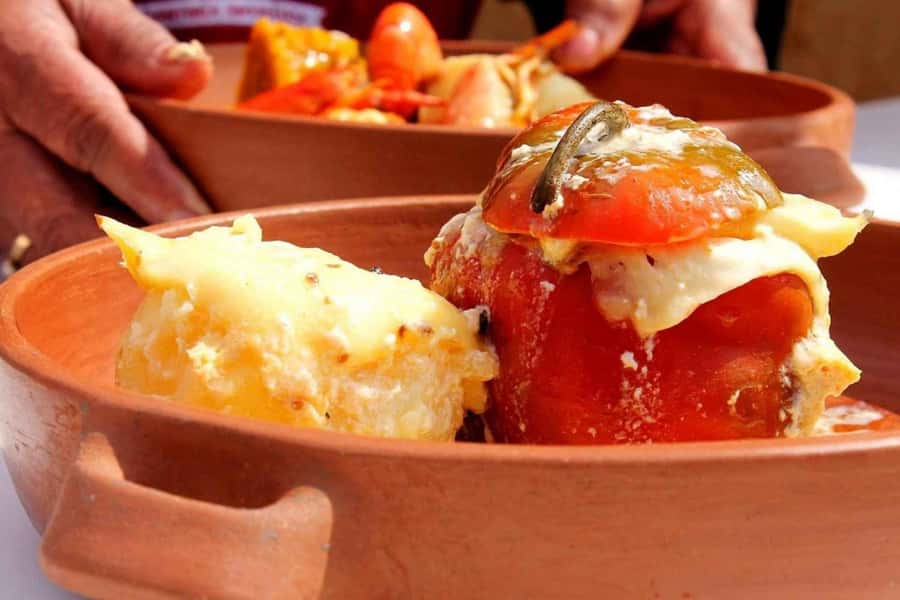
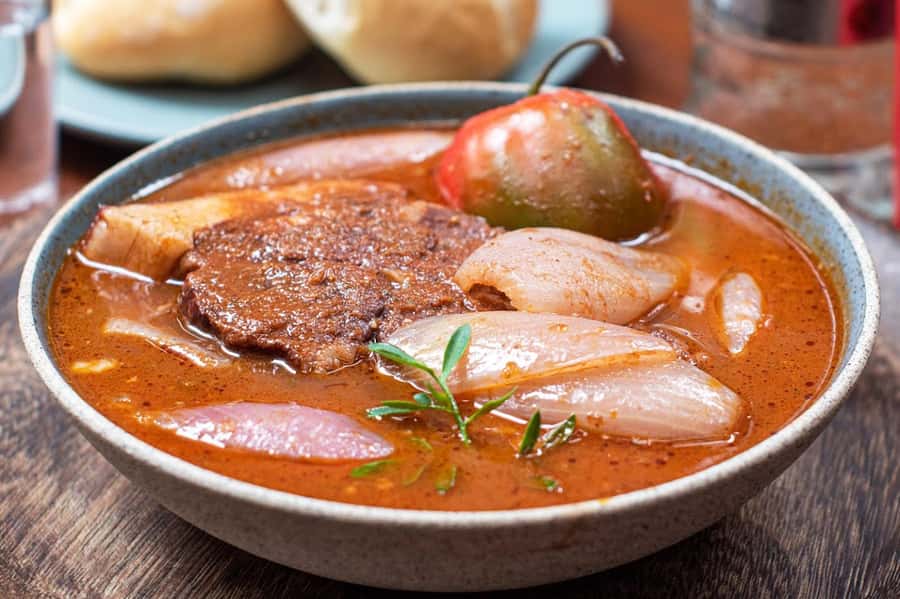
The Arequipeño menu includes queso soltero, rocoto relleno, and dessert. For me, this is the most interesting option because it connects the class directly to the city and region.
Queso soltero is a local salad-style dish built around fresh ingredients and cheese. Rocoto relleno is one of Arequipa’s best-known specialties, a hot pepper filled and prepared as a substantial dish. The use of rocoto gives the meal a clear regional character, but spice tolerance can vary, so ask the instructor about the heat level and preparation.
Choose this menu if you want the class to teach you something specific to Arequipa. It may be less familiar than lomo saltado, but that is exactly why it can be more useful for your time in the city.
More food and drink outings:
- Arequipa Tasting Tour
★ 5.0 · 92 reviews - Arequipa Food Tour: Ancestral Cuisine & City Tour
★ 5.0 · 11 reviews - Arequipa: Colca Canyon Trekking 2 days and 1 night + food
★ 4.8 · 3 reviews - Lima: Ultimate Peruvian Food Tour
★ 4.9 · 700 reviews
Marine menu
The marine menu includes ceviche, pescado a la chorrillana, and dessert. It is the natural pick for anyone who wants to focus on Peru’s coastal cooking traditions.
Ceviche is a dish where fresh ingredients and careful preparation matter greatly. Pescado a la chorrillana offers a different treatment of fish, giving you a chance to work with more than one style in the same meal.
This menu is a good match if you already know you enjoy seafood. If you are uncertain about fish or raw preparations, select another menu if availability allows.
The preparation: expect a compact working session
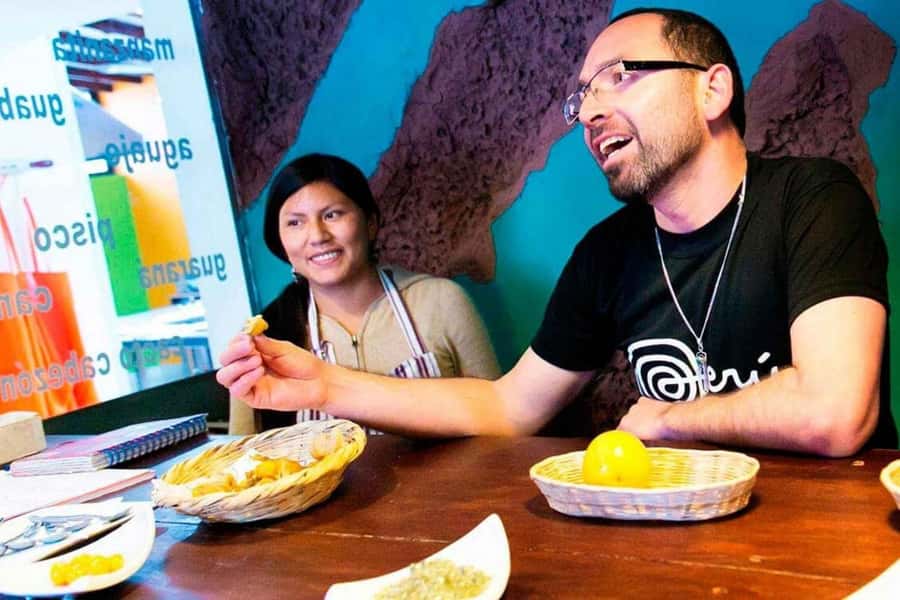
The class begins with the ingredients needed for a starter, main course, and dessert. The supplied information does not give a step-by-step timetable, so the exact order may change with the menu and the day’s cooking needs.
You can expect the instructor to guide you through manual preparation using local ingredients and traditional methods. The wording suggests a practical lesson, but the amount of work for each participant is the key question. Ask early which tasks you will personally handle.
This is especially important because the class lasts only about one hour and 45 minutes in its detailed description. Three courses require efficient organization. You may move quickly from chopping to mixing to cooking, with the instructor stepping in to keep the meal on schedule.
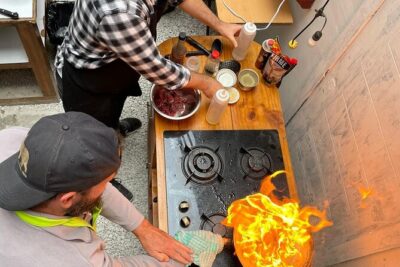
The kitchen is described as large and safe, which is a useful feature. A spacious cooking area can make shared preparation easier and gives you room to watch demonstrations without crowding around one counter. It also makes taking photos more comfortable, though you should keep your phone clear of the food-preparation area.
The garden setting adds a pleasant change from a restaurant table. You are cooking in an environment designed for a group experience, with time to exchange food ideas and compare your results with other people in the class.
Still, the recent low rating raises a practical concern. The participant said the experience involved mainly cutting vegetables and did not match the activity description. That does not prove every class follows the same pattern, but it gives you a sensible question to ask: How much of the cooking will I do myself? A clear answer can help you decide if $57 is fair.
Eating what you prepare
The final tasting is included, along with soft drinks and water. This is useful because the class price covers the meal produced during the session, not just the instruction.
The tasting also gives you a quick test of the recipes. If you plan to recreate the dishes at home, pay attention to texture, seasoning, and the order in which ingredients are added. The class is described as a souvenir from Peru that you can prepare after returning home, and that is one of its strongest practical benefits.
You may not leave with printed recipes, since none are listed among the inclusions. Bring a phone or small notebook if you want to record measurements and cooking steps, but ask permission before photographing written instructions or other people.
The meal is likely to be more satisfying if you choose a menu that matches your interests. The traditional Peruvian menu offers familiar favorites, the Arequipeño menu gives you a stronger local connection, and the marine menu focuses on fish and ceviche.
English, Spanish, and the social side
A live instructor is available in English and Spanish. That makes the activity workable for international visitors, though the quality of the experience will still depend on how clearly instructions are given and how much direct help you receive.
The class includes time to share experiences with other people and take photos. This makes it a social activity rather than a private lesson. You should enjoy that format if you like cooking beside a small group and comparing different approaches.
If you prefer quiet, one-to-one instruction, this may feel less focused. The supplied details do not state the group size, so you cannot assume a private class or a low number of participants. Ask about group size if personal instruction is important to you.
The class runs at 11 a.m. and 4 p.m., Monday through Saturday. The late-morning time works well if you want the meal to replace lunch. The 4 p.m. session may suit your schedule better after sightseeing, and the food can function as an early evening meal.
There is no Sunday time listed. Check the current schedule before arranging your day around it.
Price, timing, and what is included
At $57 per person, this class sits in the midrange for a short food activity. You are paying for ingredients, instruction, use of the kitchen, the prepared meal, soft drinks, water, and a social setting.
The included three-course menu helps the price. If you would otherwise pay for a starter, main dish, dessert, and drinks at a restaurant, the class may provide reasonable value while adding a skill you can use at home.
The price is harder to defend if you are mostly observing. The one recent 2 out of 5 assessment specifically objected to the cost compared with the limited cutting work completed. I would not ignore that warning. Before booking, confirm the menu, the cooking tasks, and whether the instructor demonstrates or lets you carry out each major step.
Extra personal expenses are not included. The activity details do not identify any specific required purchases, so plan to pay only for personal extras unless the provider gives you new information.
The class offers free cancellation up to 24 hours in advance for a full refund. You can also reserve now and pay later, which helps if your Arequipa schedule may change.
Who will enjoy this most
I would recommend this class most strongly to you if you enjoy food as a way to understand a place. It is a good fit for people who want to learn local dishes, take part in a social activity, and eat a meal they helped prepare.
The Arequipeño menu makes the class particularly appealing for anyone who wants more than the usual ceviche and lomo saltado lesson. Ask for queso soltero and rocoto relleno if regional food is your priority, but remember that the menu depends on availability.
Families and mixed-age groups may also like the large kitchen and short format, though no age policy is provided. Couples and solo participants can expect a shared setting rather than a private cooking appointment.
I would be more cautious if you are an experienced cook seeking advanced technique. The class is described as practical and introductory, and the limited duration leaves little room for detailed lessons on knife skills, sauces, or food science.
I would also hesitate if the $57 price is your main concern. The activity can offer fair value, but only when the hands-on part matches the description.
Should you book the Arequipa cooking class?
Book it if you want a short, social introduction to Peruvian food and you are happy to cook in a group. The three menu choices, regional Arequipeño dishes, included meal, English or Spanish instruction, and garden kitchen make it an appealing addition to an Arequipa visit.
My first choice would be the traditional Arequipeño menu, if available. It gives the class the clearest local purpose. Choose the traditional Peruvian menu for familiar favorites, or the marine menu if ceviche and fish are the main reason you are interested.
Before paying, confirm how much preparation you will do and which menu is available that day. That single check addresses the main value concern and can separate a worthwhile cooking lesson from an expensive vegetable-cutting session.
FAQ
Where does the cooking class take place?
The class takes place in the Arequipa Region of Peru, in a large kitchen environment with a garden.
How long does the experience last?
The activity is presented as two hours, while the detailed duration states one hour and 45 minutes.
What times is the class available?
Classes are offered at 11 a.m. and 4 p.m., Monday through Saturday.
Which languages does the instructor speak?
The live instructor provides guidance in English and Spanish.
What food can I prepare?
Depending on availability, you may prepare a traditional Peruvian menu with causa and lomo saltado, a traditional Arequipeño menu with queso soltero and rocoto relleno, or a marine menu with ceviche and pescado a la chorrillana. Each menu also includes dessert.
Are ingredients included?
Yes. Ingredients for the starter, main course, and dessert are included.
Can I eat the food I prepare?
Yes. Tasting the prepared food is included in the activity.
Are drinks included?
Soft drinks and water are included.
How much does the class cost?
The listed price is $57 per person.
Can I cancel for a refund?
You can cancel up to 24 hours in advance for a full refund. You can also reserve now and pay later.
More Workshops
- The First Class Machu Picchu Train by Inca Rail
★ 4.0 · 182 reviews - The Textile Workshop Experience in Cusco Region
★ 5.0 · 118 reviews - Sacred Valley Textile Workshop – Dyeing & Weaving in Cusco
★ 5.0 · 92 reviews - Beginner Surf Lesson in Lima, Perú
★ 4.5 · 88 reviews
More Food Outings
- Lima: Historic Center Street Food, Market, and Eateries Tour
★ 4.9 · 216 reviews - Food and Culture Full day Tour in the Sacred Valley
★ 5.0 · 144 reviews - Experience Lima: Taste 12 Snacks and Visit Top Monuments
★ 5.0 · 138 reviews - Lima Street Food Tour Beyond Netflix
★ 5.0 · 117 reviews
Just added around Arequipa
- From Arequipa: Colca Canyon and Condor Watching Day Trip★ 3.7 · 3 reviews
- Arequipa : Colca Canyon 2-Day Adventure★ 5.0 · 3 reviews
- 3-day trek to the Colca Canyon from Arequipa ending in Puno★ 4.2 · 3 reviews
- Colca Canyon Day Trip: From Arequipa to Puno★ 3.5 · 3 reviews
- 2 day 1 night trek / Colca Canyon★ 3.0 · 3 reviews
- From Arequipa: Full Day Colca Canyon Tour★ 4.5 · 3 reviews
- Arequipa: Catarata de Pillones and Bosque de Piedras Tour★ 4.3 · 3 reviews
- Walking tour through the Historic Center of Arequipa★ 4.0 · 3 reviews
Cooking Classes, compared.
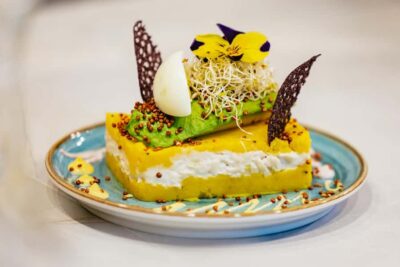
Peruvian Cooking Class, Cocktails & Local Market Tour
Read our review →
Cooking class and market tour with a local chef
Read our review →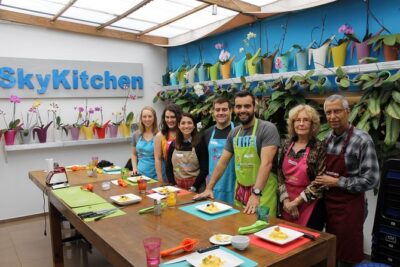
Market Tour, Tasting of 35 Fruits, and 4-Course Peruvian Cooking Class in Lima
Read our review →
#1 Rated Cooking Classes with Local Market Tour & Pickup
Read our review →
Miraflores: Amazing Peruvian Cooking Class Ceviche Seafood and Pisco Sour
Read our review →
Private Cooking + Market with Maido’s Former Creative Chef (+trasportation)
Read our review →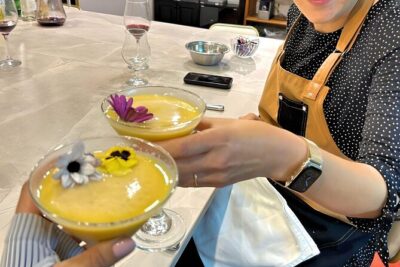
Vegan Peruvian Cooking Class Cocktails and Local Market in Cusco
Read our review →Browse the lists this tour appears in