
Reviewed · COLCA CANYON TOURS
3-day trek to the Colca Canyon from Arequipa ending in Puno
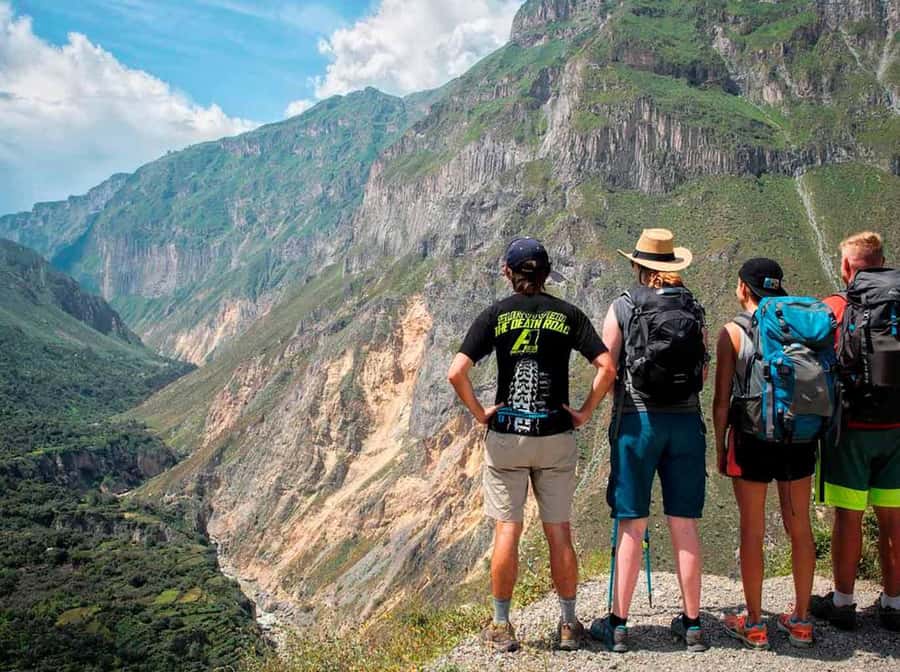
Three days makes the canyon feel personal. This Colca Canyon trek combines the Cruz del Cóndor, village walks, local family lodging, and a final bus ride to Puno, all for $175 per person. I like the chance to sleep inside the canyon rather than simply viewing it from a road, and I like the direct route from Arequipa to Puno. The tradeoff is a very early start, a hard uphill walk on the final morning, and a schedule that can suffer if the pickup runs late.
The strongest part of the experience is the human scale. You pass through San Juan de Chuccho, Cosñirhua, and Malata, with time to see terraces and meet local residents. The overnight stays are basic, but the included meals and guide make the trip easier to manage. Guide José earned especially warm praise for his explanations of Peru, local plants, and wildlife.
In This Review
- Key points to know before booking
- Why this trek is more than a viewpoint visit
- Day 1: Cruz del Cóndor, Cabanaconde, and San Juan de Chuccho
- Day 2: Village paths from San Juan to Sangalle Oasis
- Day 3: The three-hour climb and the road to Puno
- What the $175 price really includes
- Guides, meals, and the quality of the overnight stays
- Who should book this Colca Canyon route
- Practical advice for a smoother trip
- Should you book the three-day trek?
- FAQ
- How long does the Colca Canyon trek last?
- Where does the tour begin?
- Where does the tour end?
- Is the Colca tourist ticket included?
- Are meals included?
- Is accommodation included?
- How difficult is the walking?
- Are the hot springs included?
- What languages are available?
- Can I cancel the booking?
Key points to know before booking
- The condor stop comes early: Leave Arequipa at 3:00 a.m. for the Cruz del Cóndor viewpoint, where the canyon drops away below the soaring birds.
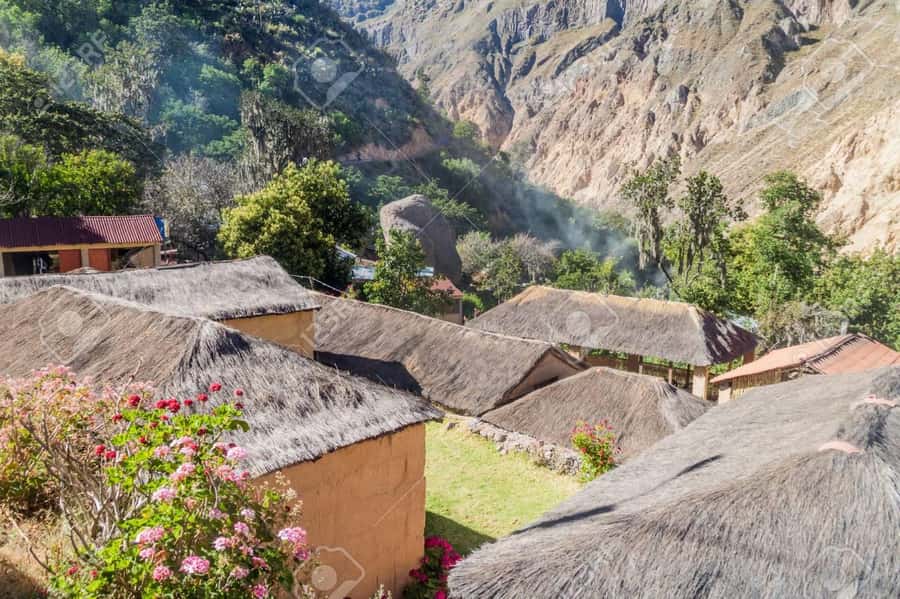
- The trek sleeps inside the canyon: San Juan de Chuccho offers basic dormitory rooms in a local family home, followed by a lodge at Sangalle Oasis.
- The final morning is the hardest: The ascent from Sangalle to Cabanaconde begins at 5:00 a.m. and takes about three hours.
- The route finishes in Puno: After breakfast in Cabanaconde, buses continue through Chivay, Patapampa, Toccra Pampa, Patahuasi, and Lagunillas Lagoon.
- The $175 price covers the main services: Transport, three breakfasts, two lunches, two dinners, two nights of lodging, guiding, and the transfer to Puno are included.
- Bring extra soles and a snack: The Colca tourist ticket, final lunch, hot springs, drinks, and personal purchases are not included.
Why this trek is more than a viewpoint visit
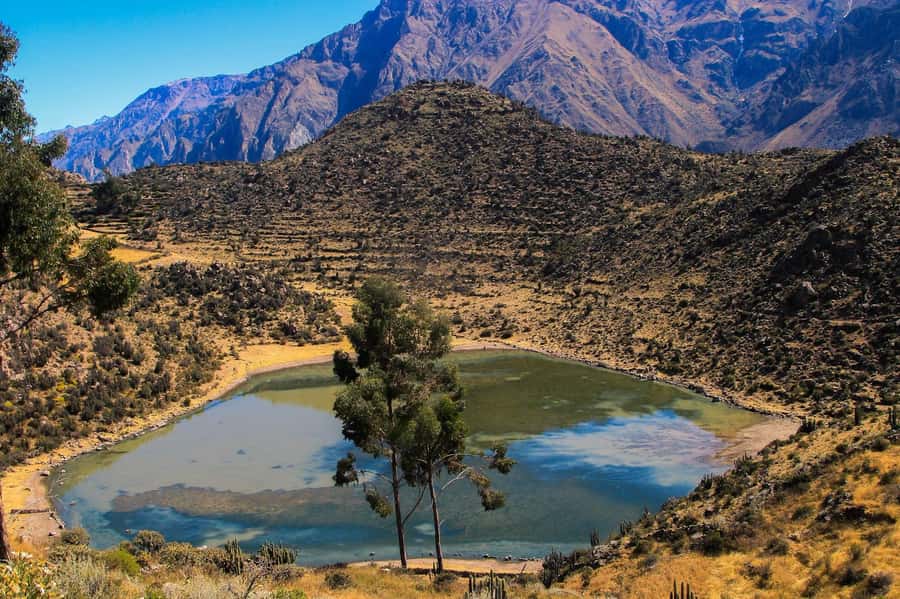
Many Colca Canyon outings are built around roadside stops. You get a condor viewpoint, a few photographs, and a long ride back to Arequipa. This trip gives you something different: you walk down into the canyon and spend two nights there.
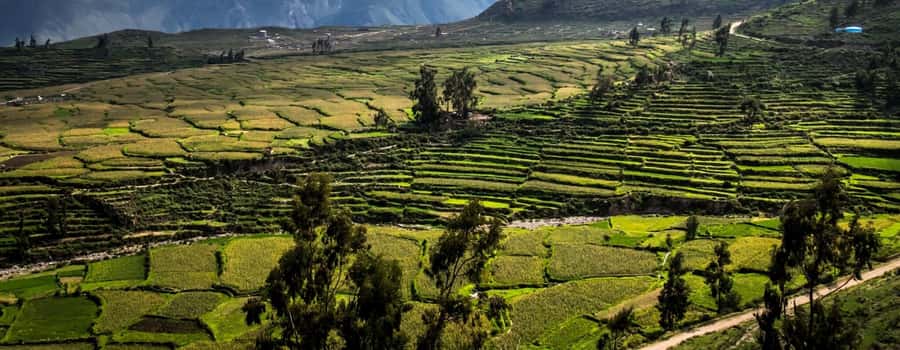
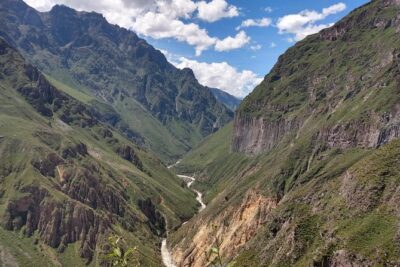
That change in pace matters. The canyon is not only a dramatic notch in the earth. It is also a lived-in place, with small settlements, cultivated terraces, family homes, and routes linking one village to another. Walking between these towns gives you a better sense of how people use the canyon.
The three-day plan also solves a common transport problem. Instead of returning to Arequipa after the trek, you continue to Puno on the third day. That makes the $175 fare more useful for anyone traveling onward to Lake Titicaca.
Still, this is not a gentle sightseeing trip. The route involves a long descent on the first day and a sustained climb on the last. You should be comfortable walking for several hours and managing a very early start.
More Colca Canyon Tours in Arequipa
- 2-Day Tour Colca Canyon in Arequipa with end in Puno
★ 4.6 · 248 reviews - Turist Bus Colca Canyon (Chivay) To Puno
★ 5.0 · 83 reviews - From Puno to Arequipa: 2 Days/1 Night Colca Canyon Tour
★ 3.6 · 83 reviews
Day 1: Cruz del Cóndor, Cabanaconde, and San Juan de Chuccho
The day begins at about 3:00 a.m. with pickup in Arequipa. That is painfully early, but it allows the group to reach Chivay for breakfast and continue to the Cruz del Cóndor at a useful time.
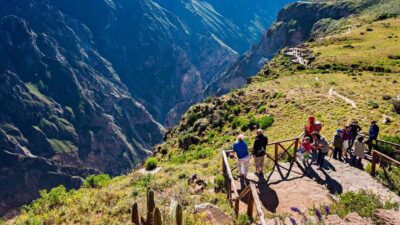
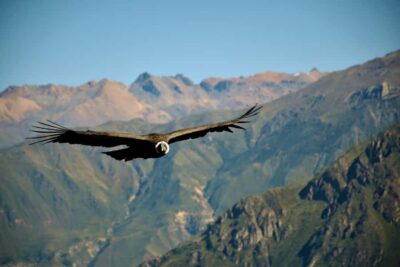
The viewpoint is one of the major reasons people come to Colca. From here, you look into the canyon and watch Andean condors use the rising air to circle above the cliffs. The birds are the stars, but the scale of the canyon is just as memorable.
Timing is important at this stop. A delayed departure can shorten the visit to Cruz del Cóndor or remove another planned viewpoint, including the Mirador de los Volcanos. A previous booking account described a one-hour delay caused by returning for late passengers. I would arrive early, keep your morning flexible, and ask the guide what stops are still planned if the bus falls behind.
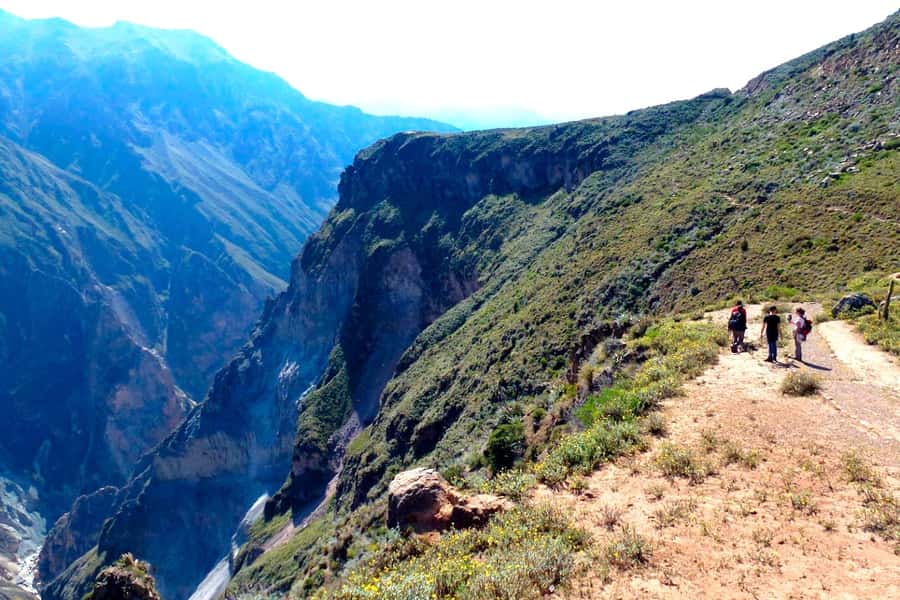
After the condor viewpoint, the vehicle continues to Cabanaconde. This is where the walking portion begins. The first day takes you down toward San Juan de Chuccho, with the walk lasting about three and a half hours.
The route gives you a very different view of Colca. From above, the canyon looks vast and remote. Inside it, you notice the paths, terraces, vegetation, and villages that make the area feel inhabited rather than empty. The descent can be tough on knees and ankles, so walking poles would be useful if you already own them, though the tour information does not confirm that poles are provided.
At San Juan de Chuccho, you have free time to see local terraces and visit with residents. This is one of the most appealing parts of the tour because the visit is not limited to a bus window. You have time to look around before dinner.
Accommodation is in a local family home, in basic dormitory rooms. Do not book this expecting hotel comforts. The appeal is the setting and the local connection, not privacy or polished facilities. One of the best signs from the available feedback is that the lodging and meals received strong praise, with one visitor describing both as very good.
Dinner is included, as is the first night. Since shops inside the canyon can charge more, carry some water and simple snacks from Arequipa or Chivay. One booking account reported being quoted a very high price for water at the first lodging, then finding a cheaper shop nearby. That is a useful reminder to ask the guide where the nearest reasonable shop is before buying.
Day 2: Village paths from San Juan to Sangalle Oasis
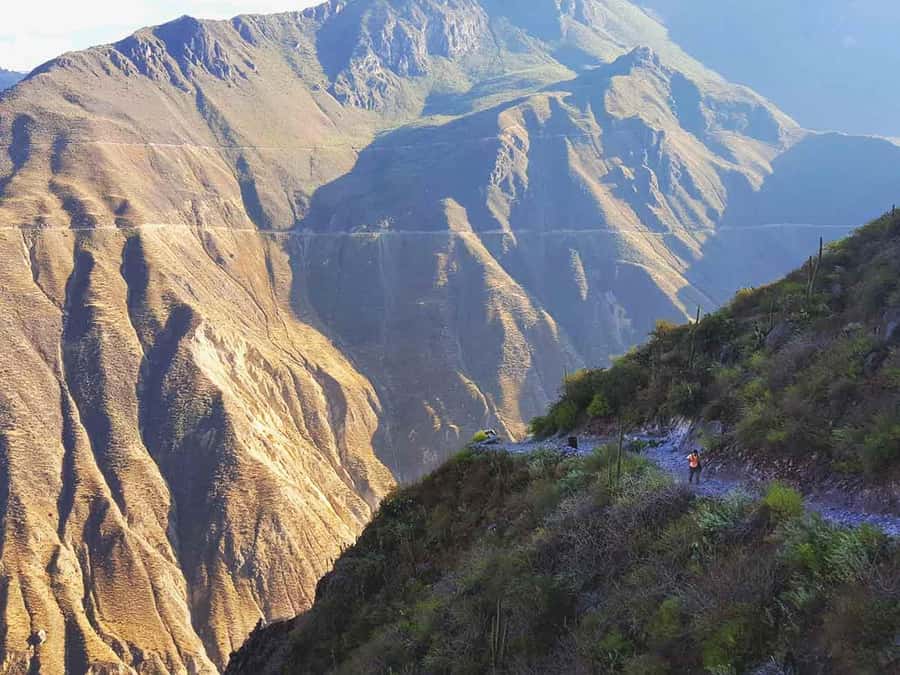
After breakfast, the second day follows the canyon route toward Sangalle, often called the oasis. The walk takes about three hours and passes through Cosñirhua and Malata.
This is the most relaxed walking day. You are not racing to finish a major climb, and the route gives you time to notice how the settlements fit into the canyon. The villages provide a break from the raw cliffs and offer a closer look at daily life in the area.
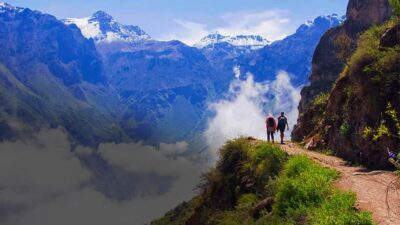
The stop at Malata and the approach to Sangalle also show why the canyon is worth exploring on foot. Roadside viewpoints give you scale, but the path gives you texture: terraces, homes, village routes, and changes in the canyon walls as you move through it.
Sangalle is the reward for the day. After lunch, you have a free afternoon to use the pools and rest. The warm water is welcome after two days of walking, though the optional entrance fee is not included. The tour details list the hot springs at 15 soles, while another part of the information gives a figure of $5, so confirm the current fee locally.
The evening includes dinner and a second night of accommodation. The lodging is described as a lodge at Sangalle, but the exact room standard is not given. Expect a simple trekking base rather than a full-service resort.
This pause at the oasis is a major reason to choose three days instead of compressing the canyon into two. You have time to sit still, enjoy the pools, and avoid turning every hour into a march. The downside is that the next morning starts very early.
Day 3: The three-hour climb and the road to Puno
The final day begins at 5:00 a.m. with the climb from Sangalle to Cabanaconde. The ascent takes about three hours, and this is the toughest physical section of the route.
You should think carefully about this timing. After two days in the canyon, your legs may be tired, and the climb begins before sunrise. Breakfast comes after you reach Cabanaconde, not before the ascent. One booking account specifically advised carrying food because the first substantial meal of the morning comes only after the three-hour climb.
That advice is worth following. Pack a small breakfast snack, such as bread, fruit, or something salty, along with water. The tour includes three breakfasts, but the schedule places this one after the climb.
Once you reach Cabanaconde, the group has breakfast and boards transport toward Chivay. The tour then shifts from trekking to a long sightseeing transfer. You may visit towns, viewpoints, and the thermal baths before continuing toward Puno.
At Chacapi Thermal Baths, you get about 40 minutes to soak. The entrance is optional and costs extra. Forty minutes is enough for a short recovery stop, but not a long spa visit, so bring a towel only if you are comfortable carrying it during the trek.
Chivay is the lunch stop, but the meal is not included. The guide transfers you to another tourist bus for the journey to Puno. This change is worth understanding in advance. The trek vehicle does not simply carry you all the way through without interruption, so keep your day bag and valuables with you during the transfer.
The road includes several scenic stops:
- Pampas Apachetas de Patapampa: The highest point on the route, with views toward mountains and volcanoes.
- Toccra Pampa: A place to see alpacas and vicuñas in their natural area.
- Patahuasi: A facilities stop.
- Lagunillas Lagoon: A chance to watch migratory birds.
- Puno: The tour ends in the city at about 7:00 p.m.
This is a long final day. The trek finishes in the morning, but the road journey continues for hours. I would not schedule an important evening activity in Puno. Use the ride as a scenic transition, not as a quick shuttle.
More Hiking & Trekking in Arequipa
- From Arequipa Trek : 2-Days of Hiking in the Colca Canyon
★ 4.5 · 35 reviews - Arequipa: 2-day Colca Canyon Trekking, Ending in Puno
★ 4.8 · 8 reviews - 2 day 1 night trek / Colca Canyon
★ 3.0 · 3 reviews - From Arequipa: Sillar Route Trek
★ 4.2 · 461 reviews
What the $175 price really includes
At $175 per person, the tour offers solid value if you need to travel from Arequipa to Puno and want a canyon trek along the way. Included are tourist transport, hotel pickup, a professional guide, three breakfasts, two lunches, two dinners, two nights of accommodation, and transport to Puno.
The meals matter more than they may first appear. Food inside the canyon can be limited or costly, and having breakfast and dinner arranged removes several practical worries. The basic lodging also keeps the price below what a private, hotel-based trip would cost.
You will need extra money for the mandatory Colca tourist ticket, listed as 70 soles. The final lunch in Chivay is also extra, as are the Chacapi hot springs and drinks. Add these costs before deciding that the advertised fare is your full budget.
The value is strongest for a traveler who already plans to go from Arequipa to Puno. You receive the trek, the canyon transport, and the cross-region transfer in one plan. If you only want to see the canyon and return to Arequipa, the included ride to Puno has less value.
Guides, meals, and the quality of the overnight stays
The guide can shape this experience more than any single viewpoint. The tour operates in English and Spanish, and guide José received particularly strong praise for explaining Peru, its wildlife, and its plant life. That kind of interpretation helps turn a demanding walk into a more meaningful one.
The available feedback is generally positive about organization, accommodation, and meals. One French-speaking visitor described the guide as excellent and recommended the whole arrangement. Another gave the experience top marks and said nothing was lacking.
There is also a clear warning about consistency. One booking account described a late start, a shortened condor stop, and a missed volcano viewpoint. The same account raised concerns about the guide’s condition and the late start to the final climb. I cannot treat one report as a guarantee of poor service, but it is a reason to confirm the pickup time and speak up if the schedule begins slipping.
The tour asks you to trust the operator with several moving parts: early hotel pickup, a canyon descent, two different accommodation sites, a morning climb, a bus transfer in Chivay, and a long ride to Puno. Most of the feedback suggests this works well, but the schedule leaves little spare time.
Who should book this Colca Canyon route
I would recommend this trip to you if you want a walking-based canyon experience rather than a quick lookout tour. It suits people who value village visits, simple local lodging, included meals, and a direct connection between Arequipa and Puno.
It is also a good fit if you enjoy a mix of activity and scenery. Day 2 is relatively easy, the Sangalle pools offer a rest, and the final road journey includes mountain, wildlife, and lagoon stops.
I would think twice if you dislike early mornings, basic dormitory accommodation, or steep uphill walks. The final climb is not a minor detail. Three hours uphill before breakfast can feel much longer than three hours on a flat trail.
For a short Colca visit, a two-day plan may be enough. A three-day trip earns its keep by giving you a full day inside the canyon and an afternoon at Sangalle. If you prefer a slower pace and want the route to Puno, the extra day makes sense.
Practical advice for a smoother trip
Arrive at the stated meeting point at least 30 minutes early. The information describes hotel pickup but also tells passengers to wait in the main square, so confirm the exact pickup location with the operator before departure.
Pack light, but bring the essentials:
- Water and snacks for the walks
- A snack for the final climb before breakfast
- Cash in soles for the Colca ticket, hot springs, lunch, drinks, and shops
- Clothing suitable for a very early start and changing temperatures
- Comfortable walking shoes
- A small bag you can carry during the canyon sections
Keep your belongings with you when changing buses in Chivay. Since the tour ends in Puno around 7:00 p.m., plan your evening conservatively.
Free cancellation is available up to 24 hours before departure, and you can reserve without paying immediately. Those terms are useful if your Peru route is still shifting, but they do not change the physical demands of the walk.
Should you book the three-day trek?
Book it if you want to walk into Colca Canyon, sleep in the canyon, visit its villages, and continue to Puno. The combination of local lodging, included meals, condor viewing, Sangalle pools, and onward transport gives the trip a practical shape.
Skip it if you want a short sightseeing outing, a polished hotel stay, or a relaxed final morning. The 3:00 a.m. departure and 5:00 a.m. climb require real stamina.
My main advice is simple: confirm the pickup point, bring food for the last morning, carry extra soles, and ask the guide early about any schedule delay. With those details handled, this is a fairly priced way to see Colca Canyon from inside rather than merely from above.
FAQ
How long does the Colca Canyon trek last?
The experience lasts three days and ends in Puno at approximately 7:00 p.m. on the third day.
Where does the tour begin?
The tour begins in Arequipa with pickup at about 3:00 a.m. Passengers are also instructed to wait in the main square 30 minutes before the tour, so confirm the precise pickup arrangement in advance.
Where does the tour end?
The tour ends in the city of Puno.
Is the Colca tourist ticket included?
No. The mandatory Colca tourist ticket costs 70 soles and must be paid separately.
Are meals included?
Yes. The tour includes three breakfasts, two lunches, and two dinners. Lunch in Chivay on the final day is not included.
Is accommodation included?
Yes. Two nights are included: one night in a basic dormitory at a local family home in San Juan de Chuccho and one night at Sangalle Oasis.
How difficult is the walking?
The first day includes approximately three and a half hours of walking from Cabanaconde to San Juan de Chuccho. Day 2 takes about three hours to Sangalle. Day 3 includes a three-hour uphill walk from Sangalle to Cabanaconde.
Are the hot springs included?
No. The Chacapi Thermal Baths are optional and allow about 40 minutes. The listed fee is 15 soles, although another supplied price gives the cost as $5, so confirm the current charge.
What languages are available?
The tour provides a live guide in English or Spanish.
Can I cancel the booking?
You can cancel up to 24 hours in advance for a full refund. The tour also offers a reserve-now, pay-later option.
More Treks and Day Hikes
- From Cusco: 7 Lakes Ausangate Trek with Breakfast and Lunch
★ 4.8 · 360 reviews - From Arequipa: 2-Day Colca Canyon Trekking Tour
★ 4.8 · 243 reviews - Cusco: Rainbow Mountain Tour and Red Valley Hike (Optional)
★ 4.7 · 149 reviews - Cusco: Full-Day Rainbow Mountain & Red Valley Trekking Tour
★ 4.5 · 121 reviews
More Colca Canyon Trips
- Tour Fullday Colca Canyon with Breakfast and Typical Lunch
★ 4.3 · 35 reviews - From Arequipa: Fullday Tour Colca Canyon + Transfer To Puno
★ 4.4 · 17 reviews - From Arequipa: One Day Trip to Colca Canyon Ending in Puno
★ 4.0 · 14 reviews - From Arequipa: Tour Colca Canyon 2 Days with End in Puno
★ 4.2 · 12 reviews
Just added around Chivay
- From Arequipa: Colca Canyon and Condor Watching Day Trip★ 3.7 · 3 reviews
- Arequipa : Colca Canyon 2-Day Adventure★ 5.0 · 3 reviews
- Colca Canyon Day Trip: From Arequipa to Puno★ 3.5 · 3 reviews
- 2 day 1 night trek / Colca Canyon★ 3.0 · 3 reviews
- From Arequipa: 1 Day Tour to the Colca Canyon + Buffet lunch★ 4.2 · 3 reviews
- 2-Day Colca Canyon Tour to Puno with accommodation★ 3.9 · 3 reviews
- From Puno: 2-Day Tour to Colca Canyon ending in Arequipa★ 4.1 · 4 reviews
- From Arequipa: Colca Canyon Full-Day Tour with Breakfast★ 3.3 · 4 reviews
Colca Canyon Tours, compared.
2-Day Tour Colca Canyon in Arequipa with end in Puno
Read our review →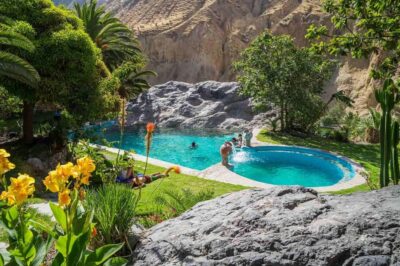
Browse the lists this tour appears in