
Reviewed · COOKING CLASSES
Cooking class and market tour with a local chef
Cusco makes more sense at a market stall. This four-hour cooking class pairs a walk through San Pedro Market with hands-on preparation of Peruvian dishes, led by Cusco-born chef Ronal. I like the market tasting, where you try local fruits, cheeses, and other ingredients before cooking, and I like the choice of main course, which lets you prepare either lomo saltado or ceviche. The main drawback is that transportation is not included, and the four-hour session may feel long if you are not interested in food.
The class costs $57 per person, which is fair for a professional chef, market visit, ingredients, a starter, main course, cocktail, utensils, apron, and recipes sent afterward. Ronal gets especially high marks for clear instruction, local insight, and handling allergies and vegetarian diets. Still, this is an active kitchen class, not a demonstration, so you should be comfortable standing, chopping, and taking part.
In This Review
- Key points to know before booking
- Starting at 264 San Juan de Dios Street
- San Pedro Market and the ingredients behind Peruvian cooking
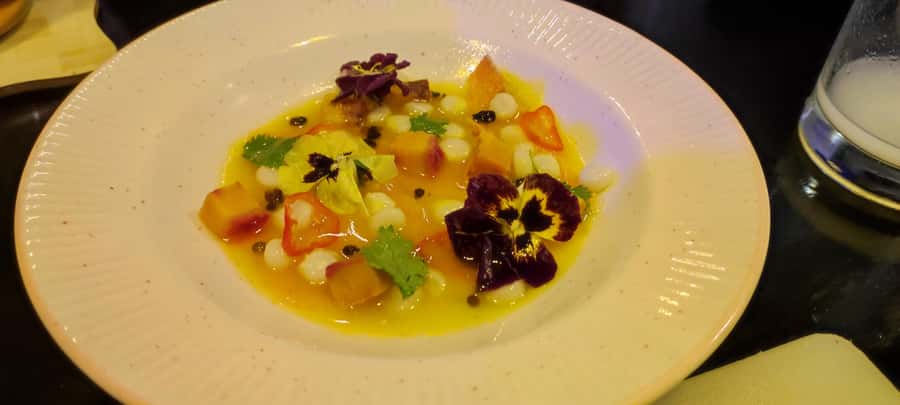
- Preparing rocoto relleno, the shared starter
- Choosing between lomo saltado and ceviche
- Making a pisco sour or passion fruit drink
- A small-group class with room to ask questions
- Is $57 a fair price?
- Who should book this Cusco cooking class?
- Should you book it?
- FAQ
- How long does the cooking class and market tour last?
- What dishes can I prepare?
- What drinks are included?
- Where is the meeting point?
- Is transportation included?
- Can the class accommodate dietary restrictions?
- Can I cancel or pay later?
Key points to know before booking
- San Pedro Market comes first: You sample Peruvian fruits and cheeses and learn how local ingredients fit into daily food culture.
- Ronal leads the class: His Cusco background gives the market walk a personal touch, while his professional cooking experience keeps the kitchen lesson practical.
- You choose your main dish: Prepare lomo saltado with beef and native potatoes, or trout ceviche with mango, avocado, corn, and sweet potato.
- Everyone makes the same starter: Rocoto relleno, a baked stuffed pepper covered with local cheese, is the shared opening dish.
- The cocktail is part of the lesson: Choose a classic pisco sour, passion fruit sour, or a nonalcoholic Peruvian fruit drink.
- Dietary needs are taken seriously: Vegetarian, dairy-free, gluten-free, allergy-related, and other adjustments have been accommodated.
Starting at 264 San Juan de Dios Street
The meeting point is at 264 San Juan de Dios Street, directly across from the Aranwa Boutique Hotel. Look for a glass and wooden door with no advertising on it. That detail matters because the entrance is easy to miss if you are expecting a large sign.
Transportation is not included, so plan to reach the workshop on your own. Since the location is in central Cusco, you will want to leave enough time to arrive without rushing, especially if you are still getting used to the city’s altitude.
The class lasts four hours. That gives you enough time for the market, ingredient explanations, preparation, cooking, and a sit-down meal, but it is not a quick tourist stop. You are signing up for a full food experience, not simply a tasting with a short recipe demonstration.
The class is offered in English and Spanish. If you have food allergies or strong dietary preferences, tell the provider when you book and remind the chef at the start. The kitchen has adapted dishes for vegetarians, people avoiding dairy, gluten-free diners, and other food restrictions.
More Cooking Classes in Cusco
- Cusco: Peruvian Cooking Class, Cocktails & Local Market Tour
★ 4.9 · 512 reviews - Private Andean Cooking Class, Pachamanca
★ 5.0 · 54 reviews - Vegan Peruvian Cooking Class Cocktails and Local Market in Cusco
★ 5.0 · 46 reviews
San Pedro Market and the ingredients behind Peruvian cooking
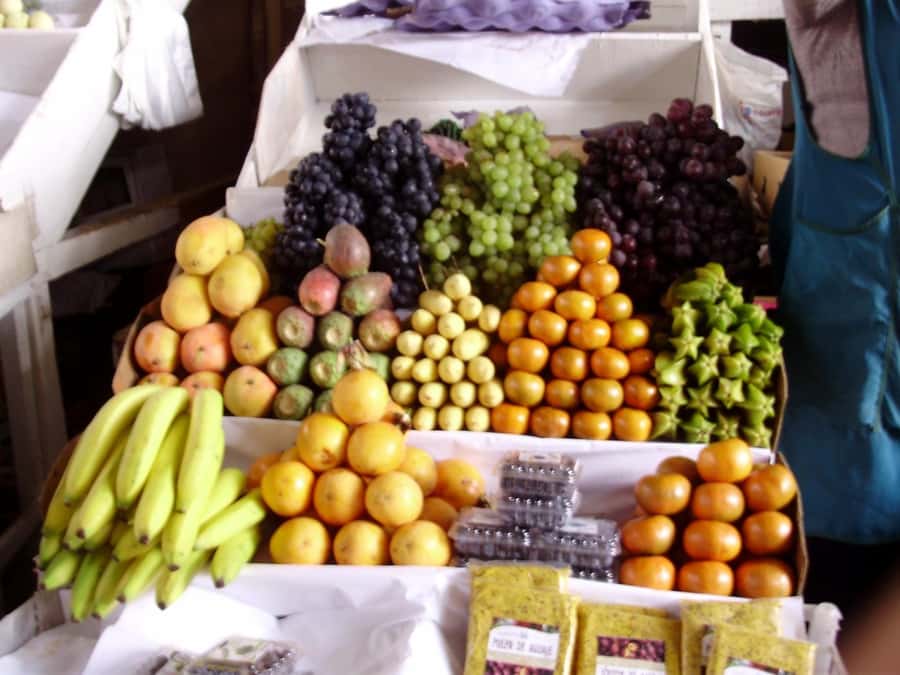
The market visit is one of the best reasons to book this class. Instead of treating food as something that appears on a restaurant plate, Ronal introduces you to the produce, dairy, meat, herbs, and other ingredients used in Cusco kitchens.
You can taste local fruits and cheeses, and the visit gives you a better sense of how much variety Peru puts on the table. The fruit tasting is not just a snack before class. It helps you notice flavor, ripeness, and ingredients you may otherwise walk past without recognizing.
Potatoes are an important part of the conversation. Peru is known for having thousands of potato varieties, and the market helps make that fact more than a number in a guidebook. You see the food as a daily product, not just a cultural symbol printed on a menu.
The market can also be a useful place to ask questions. Ronal explains ingredients, preparation, local customs, and the connection between Cusco’s food and culture. His advice extends beyond recipes, with practical tips about herbs, digestion, and adjusting to high altitude.
Morning and afternoon sessions offer slightly different moods. A morning visit may feel easier for browsing because the market can be less crowded, while an afternoon class may suit you if you want to cook later in the day. Starting earlier in your Cusco stay is also sensible if you want to learn which local foods to seek out during the rest of your visit.
One point to keep in mind is that markets are working food spaces. You may see meat from animals that form part of the local diet. If that would make you uncomfortable, consider this before booking.
Preparing rocoto relleno, the shared starter
After the market, you return to the cooking studio and begin preparing the meal. The first dish is rocoto relleno, a traditional stuffed chili made with meat, onions, peas, carrots, peanuts, and dried grapes. It is topped with local cheese and baked.
This is a useful introduction to the balance found in Peruvian cooking. The filling brings savory and sweet notes, while the pepper and cheese give the dish its main character. The cooking process also gives the group time to work together before moving into the individual main courses.
The starter is the same for everyone, unlike the main dish and drink. That simplifies the class and lets the chef explain one preparation clearly to the whole group. Dietary adjustments can still be discussed, but you should not expect every part of the meal to be entirely different for each person.
The hands-on format suits beginners. Ronal demonstrates techniques such as cutting ingredients and then helps as you work. You do not need advanced kitchen skills, but you should be ready to use a knife and take part rather than watch from the side.
The class has received praise for its clean setting and good-quality equipment. Aprons, kitchen tools, bar utensils, and water are included. That means you can arrive in ordinary sightseeing clothes without packing cooking gear.
Choosing between lomo saltado and ceviche
The main course is where the class becomes more personal. You choose between lomo saltado and ceviche before the cooking begins, so think about your preference when you book and confirm it at the start.
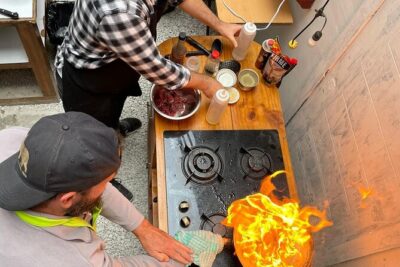
Lomo saltado combines beef tenderloin, rice, onions, tomato, soy sauce, oyster sauce, vinegar, and native potato fries. It is a hearty dish with a clear Peruvian-Chinese influence in its use of soy sauce and stir-frying. The contrast between tender beef, sharp onion, juicy tomato, rice, and potatoes makes it an easy favorite if you want a warm and filling meal.
Ceviche uses trout, mango, avocado, lime juice, onions, celery, ginger, corn, and sweet potato. This version is not limited to the classic fish, lime, and onion combination. The fruit, herbs, and vegetables add different textures and give you a chance to see how acidity changes fresh ingredients.
The ceviche is prepared with trout rather than the sea fish you may find in coastal Peru. That choice fits the Cusco setting and makes the dish distinct from the ceviche served in Lima or other coastal areas.
Vegetarian options are available, and the chef has adapted dishes for specific needs. One useful detail is that the class can handle more than a simple meat-free substitution. Individual participants have received alternatives designed so they still take part in the same meal and do not feel left out.
If you are unsure which main to choose, lomo saltado is the safer pick for a hot, substantial plate. Choose the ceviche if you want to focus on fresh ingredients, citrus, and a lighter meal. Both dishes involve real preparation, so you learn techniques you can use at home.
More cooking classes:
- Cusco Cooking Class by ChocoMuseo in Cusco
★ 5.0 · 29 reviews - Cusco: Peruvian Cooking Class & Market Tour
★ 4.9 · 19 reviews - Cusco: 3-Hour Peruvian Cooking Class
★ 4.7 · 16 reviews - Market Tour, Tasting of 35 Fruits, and 4-Course Peruvian Cooking Class in Lima
★ 5.0 · 86 reviews
Making a pisco sour or passion fruit drink
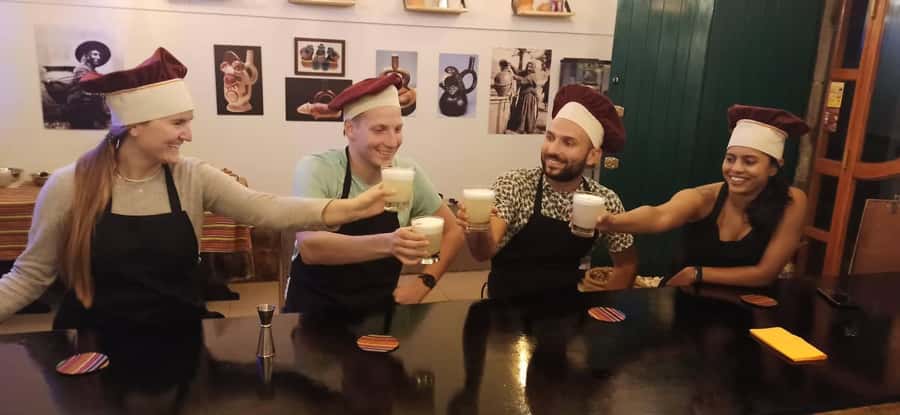
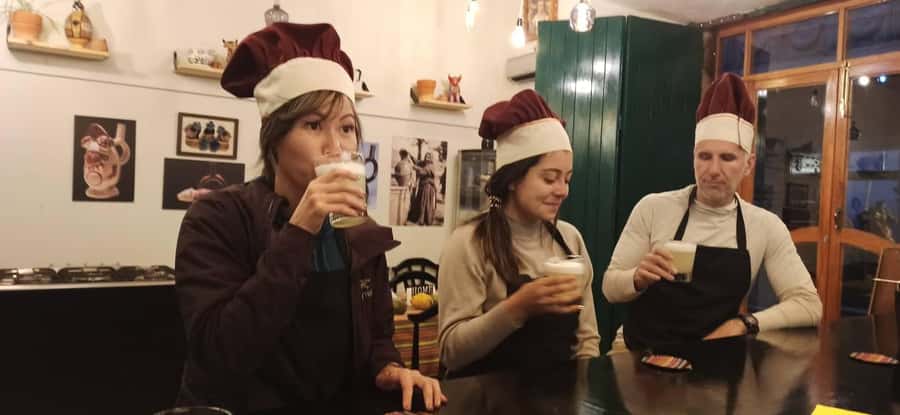
The drink lesson adds a relaxed bar session to the cooking class. Pisco is Peru’s national spirit, made from grapes, and the standard option is a pisco sour with lime, syrup, and egg white.
You can also choose a passion fruit sour made with fresh passion fruit juice. The fruit gives the cocktail a different level of sweetness and acidity, while the preparation shows how the basic pisco sour formula can be changed.
A nonalcoholic option is available as well. It uses Peruvian fruits and honey, making it a practical choice for anyone who does not drink alcohol or wants to avoid spirits during a busy day of sightseeing.
The included drink is part of the value, but you should not expect an open bar. One participant felt the $57 price would have felt even better with a second pisco sour. That is a fair point, especially if you compare this with a cooking class that includes several drinks, but the main value here is the market and meal rather than alcohol.
Alcohol and drugs are not allowed beyond the planned cocktail activity. If you are sensitive to alcohol at high altitude, choose the nonalcoholic drink.
A small-group class with room to ask questions
The class often has an easy social feel. Solo participants can meet other people while chopping, cooking, and sharing the finished meal. Families have also enjoyed the activity with older children, including children aged 11 and 13.
Group size can vary. Some sessions have been small enough to feel like a private lesson, while others include a friendly mix of people. A smaller group gives you more time to ask Ronal about ingredients, Cusco, and cooking techniques, but you should not book on the assumption that every class will be private.
Ronal is the main strength of the experience. He explains what you are doing, gives tips from a chef’s point of view, and tastes the food as you go to help keep the final result on track. That last detail is helpful for beginners, who may not yet know how to correct seasoning or judge when a dish is ready.
The class is also more than a list of cooking instructions. Ronal connects ingredients with local customs, Cusco’s culture, and the way people eat. That makes the market visit worthwhile even if you already know your way around a kitchen.
Recipes are sent by email after the class. This is a small but valuable touch. You can recreate the dishes at home instead of leaving with only a full stomach and a few blurred phone photos.
Is $57 a fair price?
At $57 per person, this is not the cheapest way to eat in Cusco. You can order a good Peruvian meal for much less, and a simple market visit costs nothing beyond your own purchases.
The price makes more sense when you count what is included: a professional chef and guide, a market tour, fresh ingredients, kitchen and bar equipment, an apron, water, a cocktail, the shared starter, and your chosen main course. You also receive instruction, cultural context, and recipes for later.
I consider it good value if you want an activity that replaces both a meal and part of a sightseeing day. It is less attractive if you only want to sample food or if you already plan to take several cooking classes in Peru.
The class also helps you avoid the common problem of buying unfamiliar market ingredients without knowing what to do with them. You taste first, learn how the food is used, then cook it yourself. That sequence gives the price a practical edge.
Free cancellation is available up to 24 hours before the activity, and you can reserve now and pay later. Those terms are useful if your Cusco schedule may change, though you should still check the available start times before committing.
Who should book this Cusco cooking class?
I would recommend it most strongly to food-focused visitors, first-time cooks, solo visitors, couples, and families with older children. It works well early in a Cusco stay because the market advice can help you make better food choices for the rest of your time in the city.
It is also a good fit for people who want a cultural activity without spending a full day on a major archaeological site. You get local food, conversation, market life, and a proper meal in four hours.
You should think twice if you dislike group participation, cannot comfortably stand and chop, or want a quiet restaurant meal. The activity is not suitable for babies and very young children, and the stated restrictions include children under six, people over 70, people with altitude sickness, and people above the listed weight limits.
Altitude deserves special care. The chef can offer natural medicine for altitude discomfort and digestive teas when necessary, but that is not a substitute for medical care. If you currently have altitude sickness, do not treat the class as a remedy or push through the session.
Should you book it?
Book this class if you want to understand Cusco through food rather than simply eat another restaurant meal. The market visit, Ronal’s instruction, flexible menu, and recipe follow-up give it more substance than a standard cooking demonstration.
I would book it early in your stay, choose your main dish before class, and mention every dietary restriction in advance. Skip it if your schedule is tight, you dislike handling meat or fish, or the idea of a four-hour kitchen session does not appeal. For most food lovers, though, $57 buys a useful, social, and genuinely tasty introduction to Peruvian cooking.
FAQ
How long does the cooking class and market tour last?
The experience lasts four hours, including the market visit, cooking workshop, cocktail preparation, and meal.
What dishes can I prepare?
The shared starter is rocoto relleno. You choose between lomo saltado and ceviche for the main course. Vegetarian adaptations are available.
What drinks are included?
You choose one included drink: a classic pisco sour, a passion fruit sour, or a nonalcoholic drink made with Peruvian fruits and honey.
Where is the meeting point?
Meet at 264 San Juan de Dios Street, across from the Aranwa Boutique Hotel. The workshop entrance is a glass and wooden door with no advertising.
Is transportation included?
No. You must arrange your own transportation to and from the meeting point.
Can the class accommodate dietary restrictions?
Yes. The class can adapt to dietary restrictions, including vegetarian, dairy-free, gluten-free, and allergy-related needs. Tell the provider in advance and confirm your needs when you arrive.
Can I cancel or pay later?
You can cancel up to 24 hours before the activity for a full refund. You can also reserve your place and pay later.
More Workshops
- The First Class Machu Picchu Train by Inca Rail
★ 4.0 · 182 reviews - The Textile Workshop Experience in Cusco Region
★ 5.0 · 118 reviews - Sacred Valley Textile Workshop – Dyeing & Weaving in Cusco
★ 5.0 · 92 reviews - Chocolate Workshop in Cusco with Premium Organic Cacao
★ 5.0 · 75 reviews
More Market Mornings
- Pisac Indian Market and Ollantaytambo Fortress with Lunch
★ 4.5 · 395 reviews - Cusco City Sightseeing, San Pedro Market, Cathedral and Qorikancha Temple
★ 4.5 · 139 reviews - Lima: Historic Center Street Food, Market, and Eateries Tour
★ 4.9 · 216 reviews - Belen Market and La Venecia Loretana Tour With A Local Guide
★ 5.0 · 85 reviews
Just added around Cusco
- Cusco: Rainbow Mountain and viewpoint red valley ( optional)★ 4.8 · 3 reviews
- Montaña de Colores: tour en cuatrimotos día completo★ 3.3 · 3 reviews
- Tour Pallay Punchu Trek Full Day★ 4.2 · 3 reviews
- Excursion Cusco – Puno – Titicaca Observatory Train★ 5.0 · 3 reviews
- Cusco: Palcoyo Mountain Day Trip with Breakfast and Lunch★ 4.8 · 3 reviews
- Maras Moray★ 5.0 · 3 reviews
- From Cusco:Chinchero, Moray, Maras, Ollantaytambo with lunch★ 5.0 · 3 reviews
- Tour to Laguna Humantay with breakfast and lunch from Cusco★ 4.7 · 3 reviews
Cooking Classes, compared.
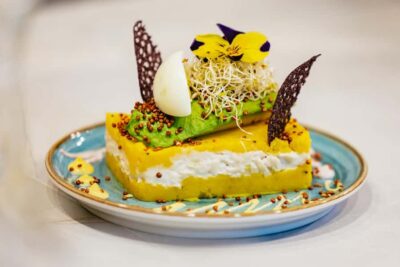
Peruvian Cooking Class, Cocktails & Local Market Tour
Read our review →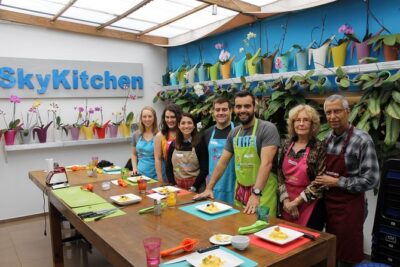
Market Tour, Tasting of 35 Fruits, and 4-Course Peruvian Cooking Class in Lima
Read our review →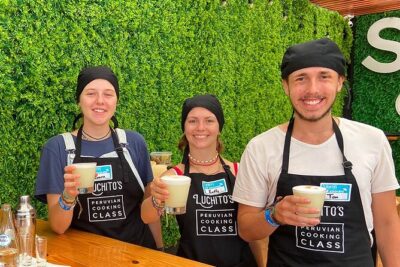
#1 Rated Cooking Classes with Local Market Tour & Pickup
Read our review →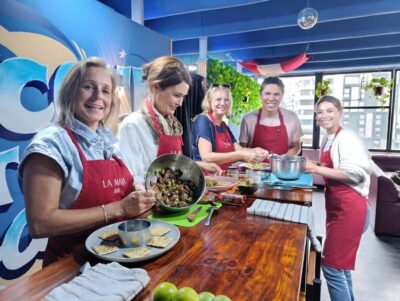
Miraflores: Amazing Peruvian Cooking Class Ceviche Seafood and Pisco Sour
Read our review →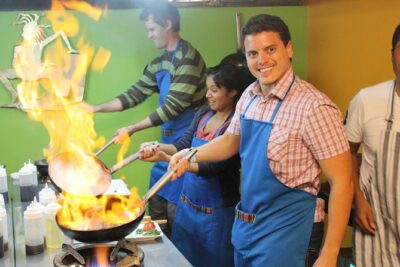
Private Cooking + Market with Maido’s Former Creative Chef (+trasportation)
Read our review →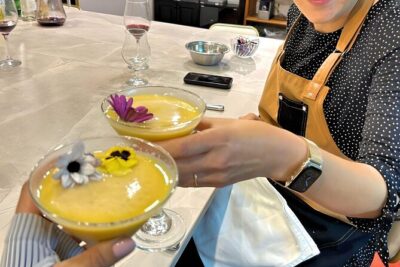
Vegan Peruvian Cooking Class Cocktails and Local Market in Cusco
Read our review →
Browse the lists this tour appears in