
Reviewed · COOKING CLASSES
Cusco: 3-Hour Peruvian Cooking Class
Peru makes its best introductions at the table. This three-hour Cusco cooking class combines a guided visit to the central market with hands-on preparation of Peruvian dishes, giving you more than a meal. I especially like the market visit, where produce and potatoes become part of the lesson, and the chance to prepare a pisco sour rather than simply order one. The main point to consider is that the first person booked chooses between lomo saltado and ají de gallina, so your preferred main dish is not guaranteed.
The class meets at ChocoMuseo by Plaza Regocijo, a handy central location, and keeps the group to 10 people. Guides such as Miguel and Yil have added useful food and cultural details, along with knife skills and plenty of good humor. One practical warning: rice and potatoes may be prepared well before the main course, so they can arrive cool.
In This Review
- Key points at a glance
- Starting at ChocoMuseo by Plaza Regocijo
- The central market turns shopping into a lesson
- Preparing ceviche with an instructor
- Choosing between lomo saltado and ají de gallina
- Mixing a pisco sour in Cusco
- Ending with chocolate fondue and local fruit
- What the guides add to the experience
- Is $49 a fair price?
- Who should book this class?
- Should you book the Cusco cooking class?
- FAQ
- Where does the cooking class meet?
- How long does the experience last?
- What languages are available?
- How many people can join the class?
- What dishes are included?
- Can I choose the main course?
- Are vegetarian options available?
- Can I replace the pisco sour?
- Is wine included in the price?
- What does the $49 price cover?
- How late can I cancel for a full refund?
- How far ahead should I book?
Key points at a glance
- Central market first: You shop for the ingredients while learning about Peruvian produce, fruit, vegetables, and potatoes.
- Four-part menu: The cooking includes ceviche, one main dish, a pisco sour, and chocolate fondue with local fruit.
- Two main-course choices: The first booking selects lomo saltado or ají de gallina, so tell the provider your preference when you reserve.
- Small class size: A maximum of 10 people gives you a better chance to follow the chef and handle the preparation yourself.
- English or Spanish instruction: Guides including Miguel and Yil explain the food, techniques, and cultural background in either language.
- Good value at $49: The fee covers the market visit, ingredients, instruction, cooking supplies, water, and the meal you prepare.
Starting at ChocoMuseo by Plaza Regocijo
The class begins inside ChocoMuseo, on the corner of Plaza Regocijo. Look for the green and orange flags hanging from the balconies. This clear meeting point matters in Cusco, where a central plaza can have several nearby entrances and businesses.
The location also makes the class easy to fit into a day of sightseeing. You do not need to arrange a separate transfer in the information provided, and the activity is based around the central area. Check the exact start time when you book, since several starting times may be available.
The room is designed for a small group of no more than 10 people. That is a useful size for a practical class. You can watch the instructor closely, ask questions, and take part in the preparation instead of standing at the back of a large demonstration.
The setting is friendly rather than formal. You should expect to work, taste, ask questions, and share the final meal with the group. This is not a restaurant meal with a cooking show attached. The food is the focus, and the work is part of the fun.
More Cooking Classes in Cusco
- Cusco: Peruvian Cooking Class, Cocktails & Local Market Tour
★ 4.9 · 512 reviews - Cooking class and market tour with a local chef
★ 5.0 · 186 reviews - Private Andean Cooking Class, Pachamanca
★ 5.0 · 54 reviews
The central market turns shopping into a lesson
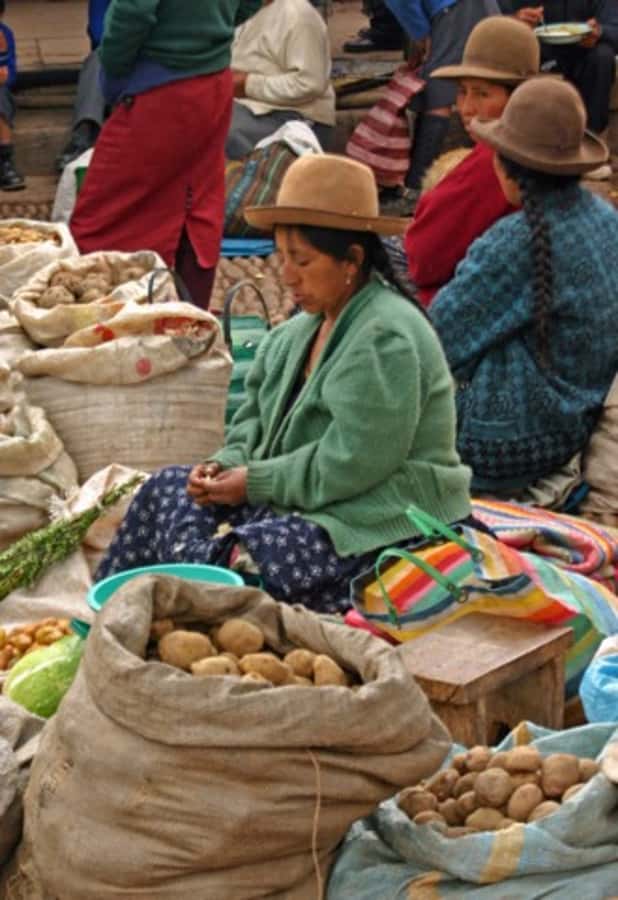
The market visit is one of the strongest parts of the experience. Instead of meeting a prepared basket of anonymous ingredients, you see where the food begins and learn about the range available in Peru.
Your guide leads you through the Peruvian Central Market and helps select the ingredients used later in class. This gives the meal a useful sense of place. You are not only learning a recipe. You are seeing the produce, fruit, vegetables, and potatoes that shape everyday Peruvian cooking.
A guide may explain the origins and uses of the ingredients as you shop. Miguel, in particular, has been praised for explaining the ingredients and guiding the group through the selection process. Yil has also brought in facts about Cusco, food, and local culture while showing participants different fruits.
The market stop is also a good lesson in Peru’s range of ingredients. Potatoes receive special attention, and one class included a great deal of discussion about vegetables and potatoes. That is fitting in Peru, where potatoes are central to many meals, even if the class itself does not attempt to cover every variety.
You should expect the market to be a working food market, not a polished display made only for tourists. That means the experience can feel more useful and real, but it may also be less tidy or predictable than a cooking-school pantry. The point is to see ingredients in their normal setting and understand what you are about to cook.
Preparing ceviche with an instructor
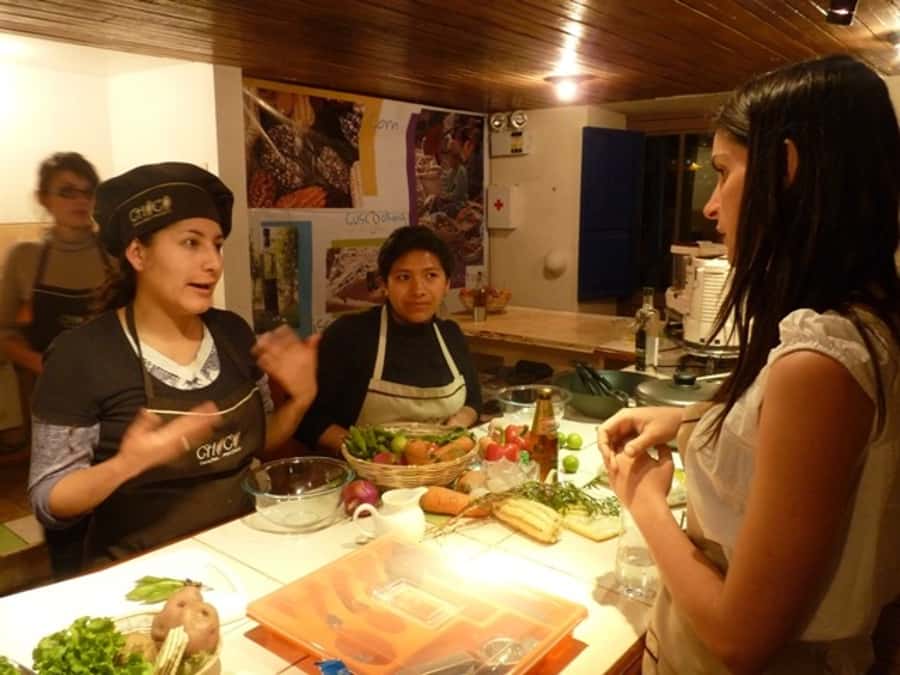
Back at the kitchen, the group prepares ceviche for the first course. Ceviche is one of Peru’s best-known dishes, so it makes sense as the opening recipe. The class lets you see the ingredients and steps rather than receiving a finished plate without explanation.
The instructor takes you through the preparation under direct tuition. You can expect guidance on handling ingredients, combining the components, and serving the dish. The supplied information does not specify every recipe measurement or technique, so you should treat this as an interactive lesson rather than a printed masterclass with a fixed syllabus.
That distinction is important. You may leave with a better feel for the dish, but the exact recipe can depend on the chef and the ingredients available that day. The class is strongest for people who want to cook, taste, and ask questions as they go.
The menu gives you four things to prepare or enjoy: ceviche, a main dish, a pisco sour, and chocolate fondue with local fruit. The description also refers to a three-course meal with a pisco sour, so the course structure is best understood as a meal with three food portions plus the drink.
Choosing between lomo saltado and ají de gallina
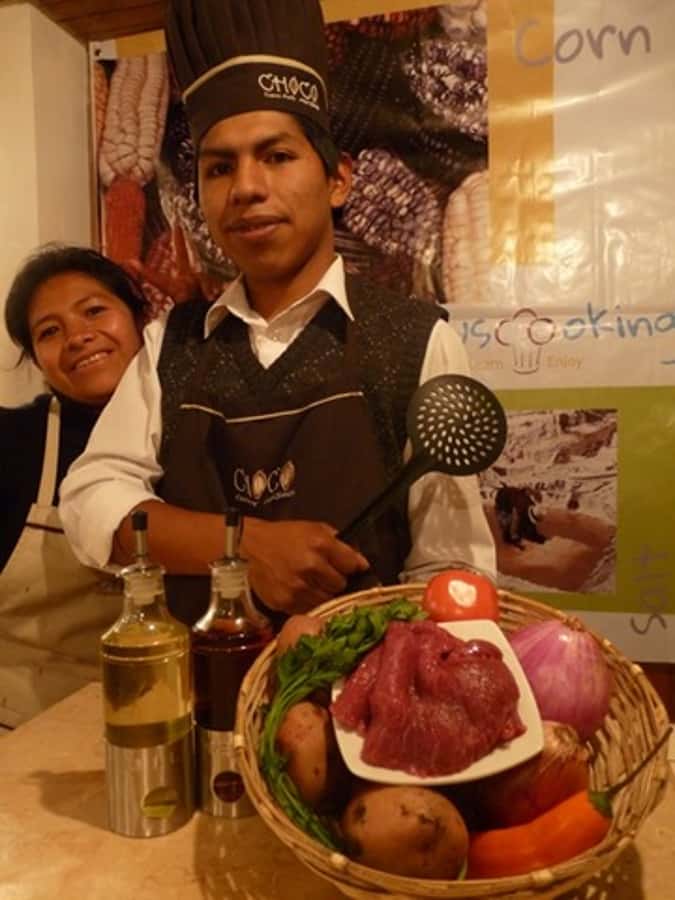
The main course is the one part of the menu you need to plan around. The choice is either lomo saltado or ají de gallina, and the first participant booked decides which dish the whole class prepares.
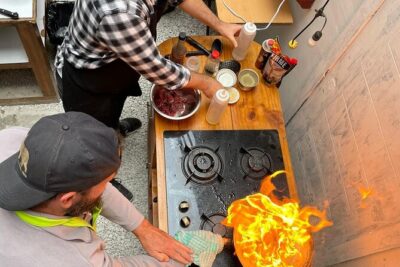
Lomo saltado is a sautéed beef dish. It is a hearty option and gives you practice with quick cooking and combining the meat with the other components. Ají de gallina is chicken in a yellow pepper sauce, offering a different style of Peruvian comfort food.
When you reserve, tell the provider which one you prefer. Your request is useful, but it does not override the first booking. If your trip depends on trying one particular dish, book early and contact the provider promptly with your choice.
Vegetarian replacements are available upon request. The information does not specify the exact vegetarian main dish, so ask ahead rather than waiting until the class begins. The same applies if you do not want the pisco sour. It can be replaced with fresh fruit juice when requested.
One small issue deserves attention. Rice and potatoes may be prepared too early and arrive cool by the time the main course is served. That is not a deal breaker, but it is worth knowing if you judge a cooking class by restaurant-style timing. A class involves several people, several dishes, and instruction, so the kitchen rhythm may not match a professional restaurant.
More cooking classes:
- Vegan Peruvian Cooking Class Cocktails and Local Market in Cusco
★ 5.0 · 46 reviews - Cusco Cooking Class by ChocoMuseo in Cusco
★ 5.0 · 29 reviews - Cusco: Peruvian Cooking Class & Market Tour
★ 4.9 · 19 reviews - Market Tour, Tasting of 35 Fruits, and 4-Course Peruvian Cooking Class in Lima
★ 5.0 · 86 reviews
Mixing a pisco sour in Cusco
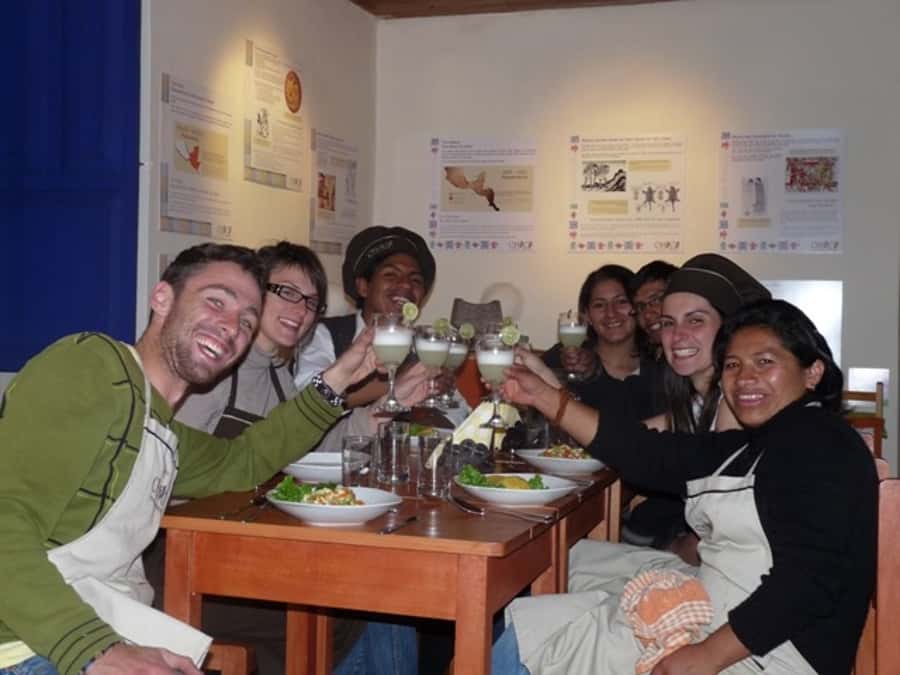
The pisco sour lesson adds a drink to the cooking experience and helps you understand one of Peru’s best-known refreshments through your own work. You learn how to prepare it, then serve it with the meal.
Some classes may use chicha in the pisco sour, adding a local variation that has been especially well received. If you prefer not to drink alcohol, ask in advance for fresh fruit juice instead. This is a simple but important choice for families, non-drinkers, and anyone still adjusting to Cusco’s altitude.
Wine is available for purchase, but it is not included. Other alcoholic drinks are also extra. Water is included, so you do not need to purchase a basic drink with the meal.
The pisco sour is a genuine part of the lesson rather than an unrelated bar stop. You can see how the drink is made and enjoy the result alongside the food. If you want to take the recipe home, pay attention to the proportions and method, since the class is designed to teach preparation rather than just provide a tasting.
Ending with chocolate fondue and local fruit
Dessert is chocolate fondue with local seasonal fruit. It is a straightforward ending, but it gives the class a lighter final task after the savory dishes.
The local fruit also connects the dessert back to the market visit. You have seen the ingredients in their original setting, then used them in a shared meal. That connection is one of the best reasons to choose a market-based class instead of a lesson held entirely indoors.
You should not expect an elaborate pastry course. The appeal is the combination of chocolate, fruit, and a relaxed finish. It gives you time to sit down, eat what you prepared, and talk with the other people in the group.
What the guides add to the experience
The instructor makes a large difference in a class like this. The available information names Miguel and Yil, both of whom have been praised for explaining ingredients, guiding participants step by step, and adding cultural details.
Miguel has been particularly strong at helping with ingredient selection, preparation, and plating. He has also been praised for turning the lesson into a social evening, with laughter alongside the cooking. Yil has brought history and culture into the market visit, explained fruit, and helped participants produce a tasty pisco sour.
The teaching appears to include practical knife skills, which is a useful benefit if you cook at home. One participant specifically enjoyed learning handy knife techniques. That makes the class more valuable than a simple tasting, since you gain a small set of skills you can use after returning home.
Instruction is offered in English and Spanish. If you need one of those languages, confirm it at booking. With a maximum of 10 people, the class should give you reasonable access to the instructor, though your exact amount of hands-on time can depend on the group.
Is $49 a fair price?
At $49 per person, the class is reasonably priced for a three-hour experience that includes several separate elements. You are paying for a guided market visit, ingredients, cooking supplies, instruction, water, and the meal itself.
The value is strongest if you want an activity rather than only dinner. A normal meal gives you the food. This class gives you the market context, preparation skills, a drink lesson, and a social evening before you sit down to eat.
The price also covers ingredients for a four-part menu. That helps keep the total predictable. Wine and other alcoholic drinks are extra, and gratuity is not included, so budget for those only if you want them.
I would compare this activity with the cost of booking a market tour and dinner separately. The combined format saves time and gives the market visit a clear purpose. You are not simply looking at produce, then moving on. You use what you have seen and selected.
The value is less compelling if you dislike group cooking, want a highly polished restaurant meal, or need complete control over the main course. The first booking chooses between the two meat dishes, and the timing of rice and potatoes may not be perfect.
Who should book this class?
I would recommend it to food-focused visitors who want a practical introduction to Peru. It suits couples, solo visitors, friends, and small groups who enjoy talking while they work.
It is also a good choice if you want to learn a few techniques without giving up a large part of your Cusco day. Three hours is long enough for a market visit and a full meal, but short enough to fit around other plans.
Families and non-drinkers can request fruit juice in place of the pisco sour. Vegetarians can request a meat-free replacement, but do so before arrival. The information does not state an age limit or provide details about accessibility, so ask the provider directly if those points affect your booking.
You should think twice if you have a strict food preference and will be unhappy with the other main dish. Book early if lomo saltado or ají de gallina matters to you, and mention your choice at once.
Free cancellation is available up to 24 hours before the activity for a full refund. You can also reserve and pay later, which helps if your Cusco schedule is still changing. Most important, book at least 24 hours ahead. The provider warns that a last-minute reservation may be canceled if there is not enough time to prepare.
Should you book the Cusco cooking class?
Book this class if you want to understand Peruvian food by shopping for it, preparing it, and eating it with a small group. The central market, practical knife skills, named instructors such as Miguel and Yil, and the pisco sour lesson give the three hours real substance.
Skip it if you want a quiet restaurant meal, a guaranteed choice of main course, or perfectly synchronized side dishes. For most food lovers, though, $49 is a fair price for a friendly introduction to Cusco through its ingredients and cooking traditions. Just reserve early, state your dietary needs, and ask for your preferred main dish before someone else books first.
FAQ
Where does the cooking class meet?
It takes place inside ChocoMuseo, on the corner of Plaza Regocijo in Cusco. Look for the green and orange flags hanging from the balconies.
How long does the experience last?
The cooking class lasts three hours.
What languages are available?
Instruction is available in English and Spanish.
How many people can join the class?
The group is limited to 10 participants.
What dishes are included?
The menu includes ceviche, either lomo saltado or ají de gallina, a pisco sour, and chocolate fondue with local seasonal fruit.
Can I choose the main course?
You can request lomo saltado or ají de gallina, but the first participant booked chooses which main course the group prepares.
Are vegetarian options available?
Yes. Vegetarian replacements for the meat dish are available upon request.
Can I replace the pisco sour?
Yes. You can request fresh fruit juice instead of the pisco sour.
Is wine included in the price?
No. Wine is available for purchase, and other alcoholic drinks are not included. Water is included.
What does the $49 price cover?
The price covers the guided market visit, ingredients, cooking instruction, cooking supplies, water, and the meal prepared during the class.
How late can I cancel for a full refund?
You can cancel up to 24 hours in advance for a full refund.
How far ahead should I book?
You should book at least 24 hours ahead, since the provider may cancel a late reservation if there is not enough time to prepare.
More 3-Hour Experiences
- Cusco: 3-Hour Horse Riding Tour to the Temple of the Moon
★ 5.0 · 105 reviews - Private Guide in Machu Picchu for 3 Hours
★ 4.2 · 17 reviews - Private & Flexible 3-Hour Guided Tour of Machu Picchu
★ 3.0 · 4 reviews - From Puno: 3-Hour Uros Floating Islands Tour
★ 4.4 · 67 reviews
More Workshops
- The First Class Machu Picchu Train by Inca Rail
★ 4.0 · 182 reviews - The Textile Workshop Experience in Cusco Region
★ 5.0 · 118 reviews - Sacred Valley Textile Workshop – Dyeing & Weaving in Cusco
★ 5.0 · 92 reviews - Chocolate Workshop in Cusco with Premium Organic Cacao
★ 5.0 · 75 reviews
Just added around Cusco
- Cusco: Rainbow Mountain and viewpoint red valley ( optional)★ 4.8 · 3 reviews
- Montaña de Colores: tour en cuatrimotos día completo★ 3.3 · 3 reviews
- Tour Pallay Punchu Trek Full Day★ 4.2 · 3 reviews
- Excursion Cusco – Puno – Titicaca Observatory Train★ 5.0 · 3 reviews
- Cusco: Palcoyo Mountain Day Trip with Breakfast and Lunch★ 4.8 · 3 reviews
- Maras Moray★ 5.0 · 3 reviews
- From Cusco:Chinchero, Moray, Maras, Ollantaytambo with lunch★ 5.0 · 3 reviews
- Tour to Laguna Humantay with breakfast and lunch from Cusco★ 4.7 · 3 reviews
Cooking Classes, compared.
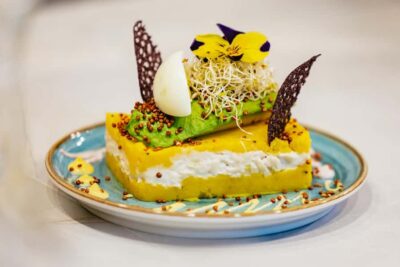
Peruvian Cooking Class, Cocktails & Local Market Tour
Read our review →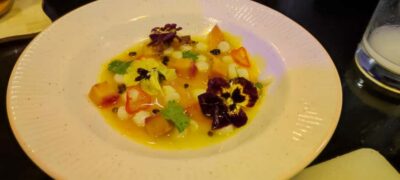
Cooking class and market tour with a local chef
Read our review →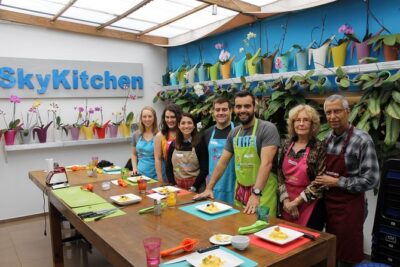
Market Tour, Tasting of 35 Fruits, and 4-Course Peruvian Cooking Class in Lima
Read our review →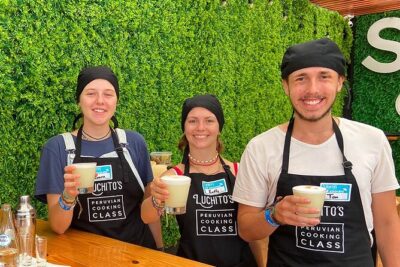
#1 Rated Cooking Classes with Local Market Tour & Pickup
Read our review →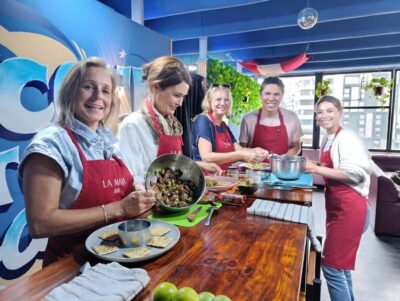
Miraflores: Amazing Peruvian Cooking Class Ceviche Seafood and Pisco Sour
Read our review →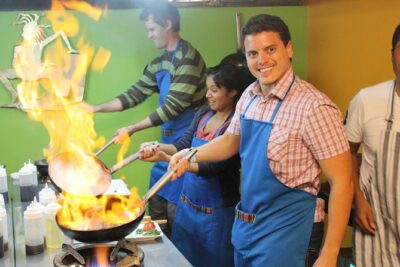
Private Cooking + Market with Maido’s Former Creative Chef (+trasportation)
Read our review →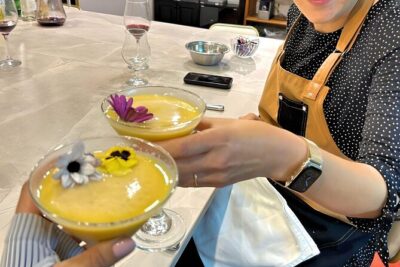
Vegan Peruvian Cooking Class Cocktails and Local Market in Cusco
Read our review →Browse the lists this tour appears in