
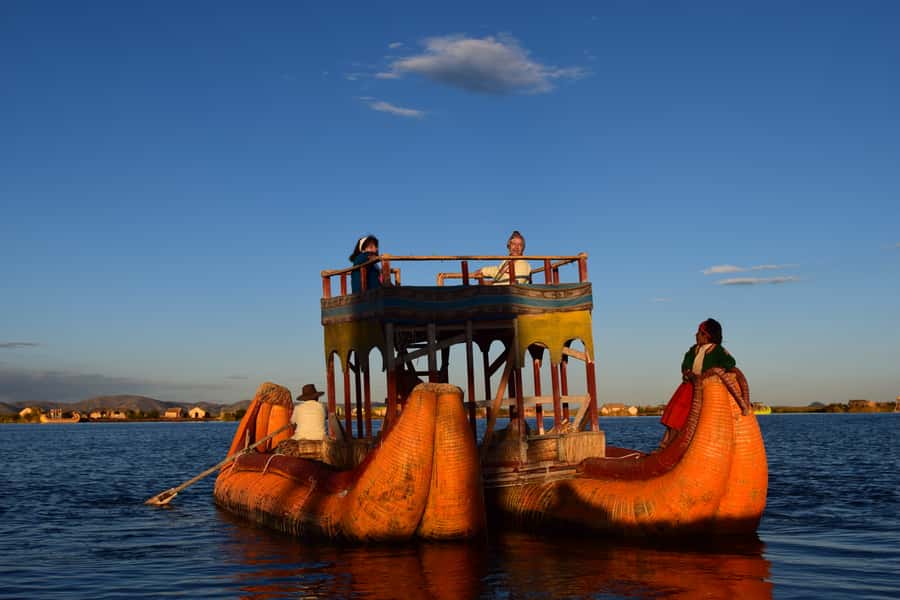
Reviewed · LAKE TITICACA TOURS
From Puno: 3-Hour Uros Floating Islands Tour
Reeds, water, and a culture unlike any other. This three-hour trip from Puno takes you across Lake Titicaca to the famous Uros Floating Islands, built from layers of totora reeds and maintained by Uros families. I like the short boat ride and the chance to walk through family homes, while the flexible 9:00 AM, noon, and 3:00 PM departures make this easy to fit into a busy Peru itinerary.
I also like that you get time to explore instead of being rushed from one photo stop to the next. Guides such as Richard, Hugo, Omar, and Samuel have earned especially warm praise for their English skills and personal explanations. The main drawback is that some stops can feel commercial, with craft sales and optional extras taking attention away from the culture.
In This Review
- Key points to know before you go
- Why the Uros Islands are worth your time
- Leaving Puno by comfortable motorboat
- The first island: homes, reeds, and everyday life
- The second island: wide lake views and small extras
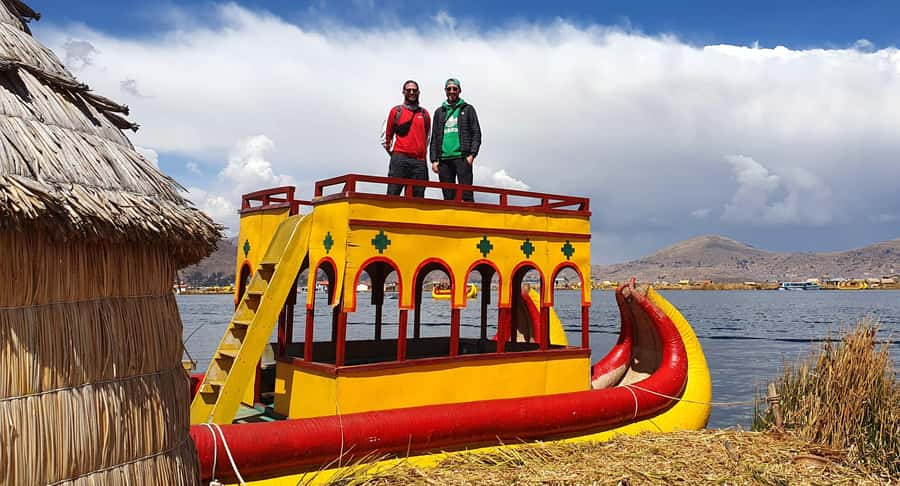
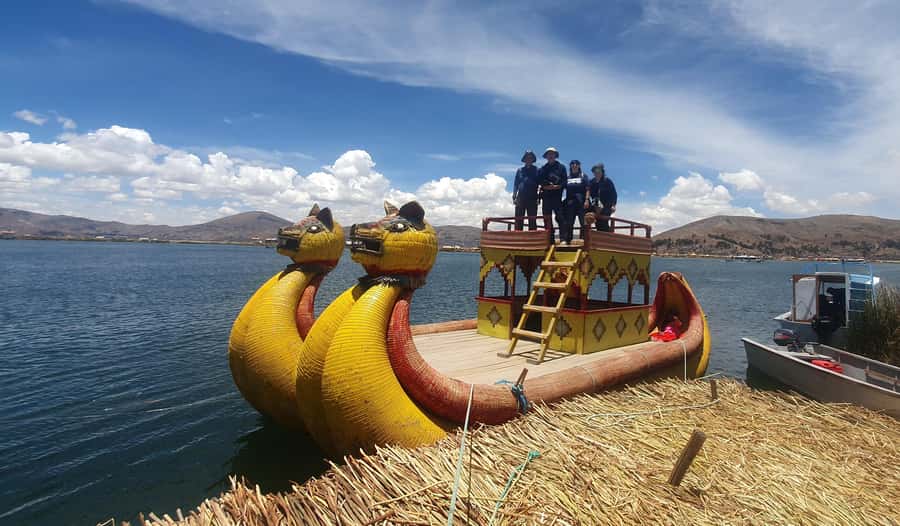
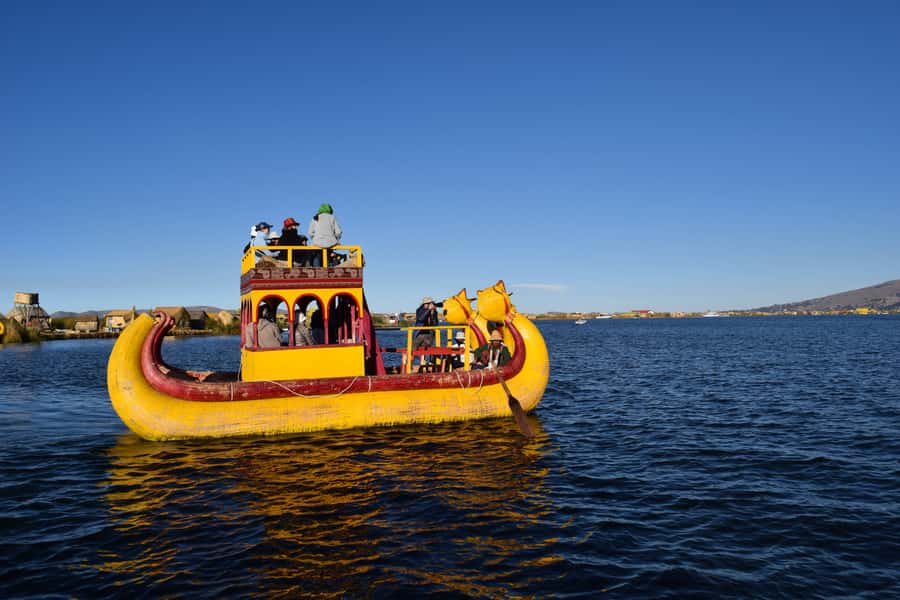
- The optional totora boat ride
- Private or small-group touring makes a difference
- Choosing between the three departure times
- What guides add to the experience
- Crowds, commerce, and the question of authenticity
- Who will enjoy this three-hour Lake Titicaca tour
- Should you book the Uros Floating Islands tour?
- FAQ
- How long does the Uros Floating Islands tour last?
- How far are the Uros Floating Islands from Puno?
- What departure times are available?
- Is hotel pickup included?
- Is the traditional reed boat ride included?
- What should I bring to the tour?
Key points to know before you go
- The islands are only about 25 to 30 minutes from Puno: You can experience Lake Titicaca without giving up a full day.
- You visit two Uros islands: The first focuses on family life and island construction, while the second offers views, snacks, crafts, and a passport stamp.
- Private tours can feel much more personal: A private boat and guide may let you set the pace and ask more questions.
- The traditional reed boat costs extra: Expect to pay about S/20, or approximately $5, directly to the local families.
- Three departure times offer useful flexibility: You can choose morning, midday, or afternoon.
- The experience is cultural as well as scenic: You learn how totora reeds hold homes, paths, and entire floating islands together.
Why the Uros Islands are worth your time
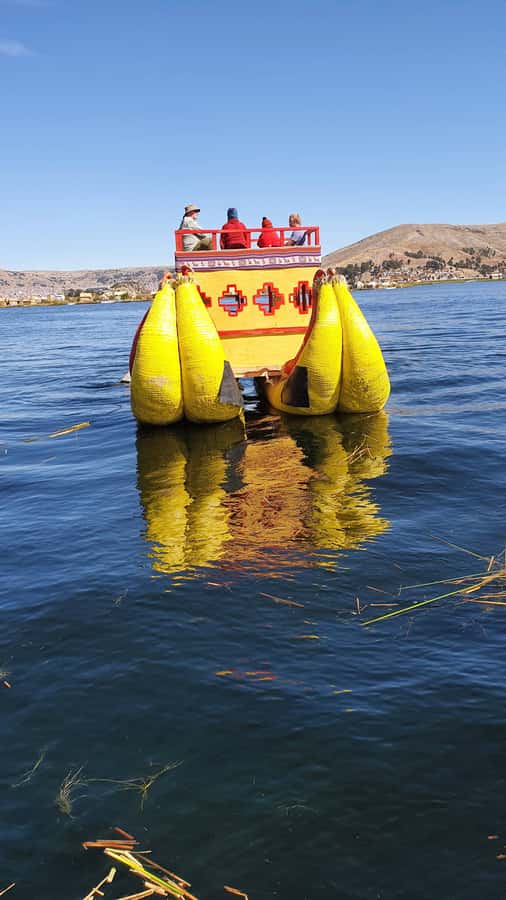
The Uros Floating Islands are not simply small pieces of land surrounded by water. They are made from totora reeds, the tall aquatic plants that grow around Lake Titicaca. The islands, walkways, houses, and traditional boats all depend on this material.
That construction method gives the visit its unusual character. Under your feet, the ground feels different from solid earth. The islands must be maintained and re-layered with fresh reeds, and your guide explains how this work supports daily life.
I like this experience because the lesson is physical. You do not only hear about the islands. You walk on them, look at the reed layers, and see how homes and community spaces fit together. It is a compact visit, but it gives you a clear sense of why the Uros are one of the most distinctive cultures around Lake Titicaca.
The visit also offers a useful contrast with mainland Puno. In the city, you are surrounded by streets, buildings, and traffic. Within half an hour, you are on open water, with the Andes on the horizon and reed islands beneath your feet.
More Lake Titicaca Tours in Puno
- From Puno: Uros, Amantaní & Taquile Islands 2-Day Tour
★ 4.5 · 452 reviews - From Puno: Floating Islands of the Uros Half-Day Tour
★ 4.4 · 394 reviews - Lake Titicaca 2-Day Tour to Uros, Amantani and Taquile
★ 4.4 · 199 reviews
Leaving Puno by comfortable motorboat
Pickup is available from central meeting points including Plaza Mayor, Pino Park, Parque de Las Aguas, and Puno. Hotel pickup and drop-off are included when arranged through the tour, though the stated meeting points are worth checking carefully when you book.
At the port, you board a motorboat with panoramic windows. The crossing takes roughly 25 to 30 minutes, depending on the exact route and conditions. That timing matters because it keeps the outing manageable. You get a proper trip across Lake Titicaca, but you do not spend most of your day in transit.
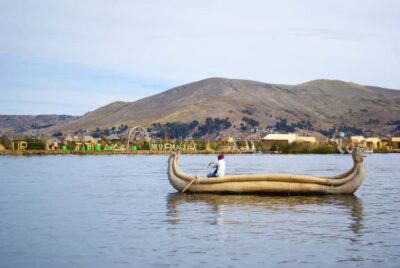
The ride is part of the experience, not just a transfer. As Puno fades behind you, the view opens toward the lake and the Andes. Guides speak in Spanish and English, and the boat ride is used to explain how the islands developed and why the Uros continue living on them.
Some private groups have had a boat to themselves, while small-group departures can include other visitors. If quiet conversation and a flexible pace matter to you, look for the private option during booking. The extra cost may be worthwhile for couples or families who want to ask many questions.
The first island: homes, reeds, and everyday life
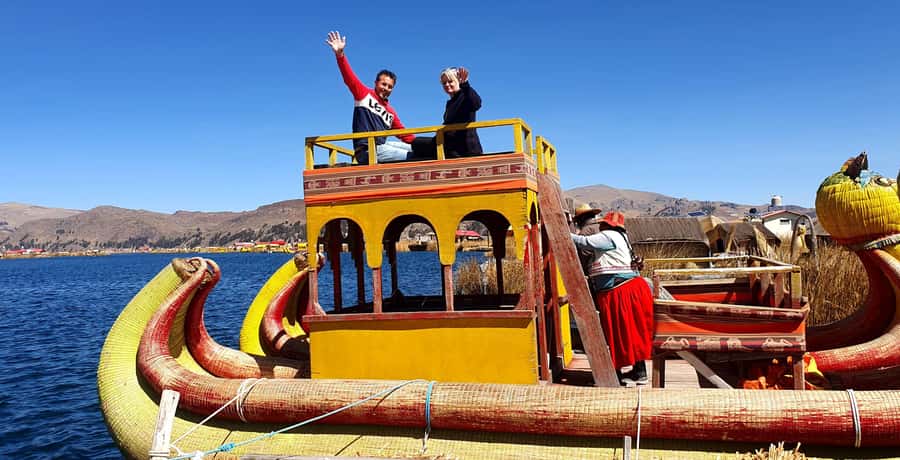
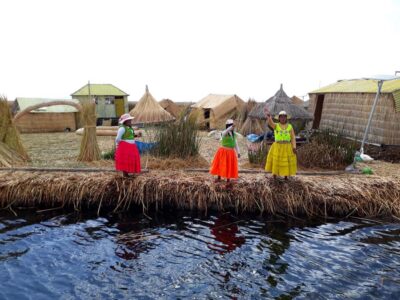
The first stop is the main community island. This is where the visit has its strongest cultural focus. You walk among the families’ homes and learn how the islands are built, repaired, and used.
The guide helps explain the work behind the setting. Layers of totora reeds create the island surface, and fresh material must be added over time. The Uros families also show aspects of their traditions and daily routines, giving you more than a quick scenic stop.
This is the place to slow down and look closely. Notice the reed surface underfoot, the construction of the homes, and the way the community spaces are arranged. You can ask about island maintenance, family life, local customs, and the role of Lake Titicaca in the community.
You may also have the option to wear traditional Uros clothing for a photograph. I would treat this as a light, optional part of the visit rather than the main attraction. The strongest moments come from listening and observing, not from collecting a costume photo.
The experience can feel personal on a private tour. One couple described meeting a local family and having time for detailed questions about Peruvian life. Another group valued Omar’s first-hand connection to the islands, since he grew up there. Guides with a local background can add important context, so it is worth asking questions rather than simply following the group from house to house.
The second island: wide lake views and small extras
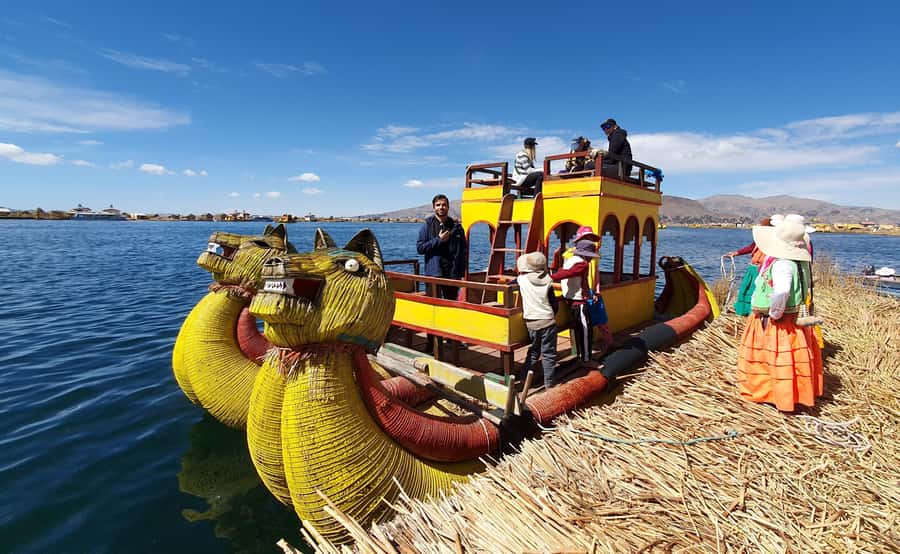
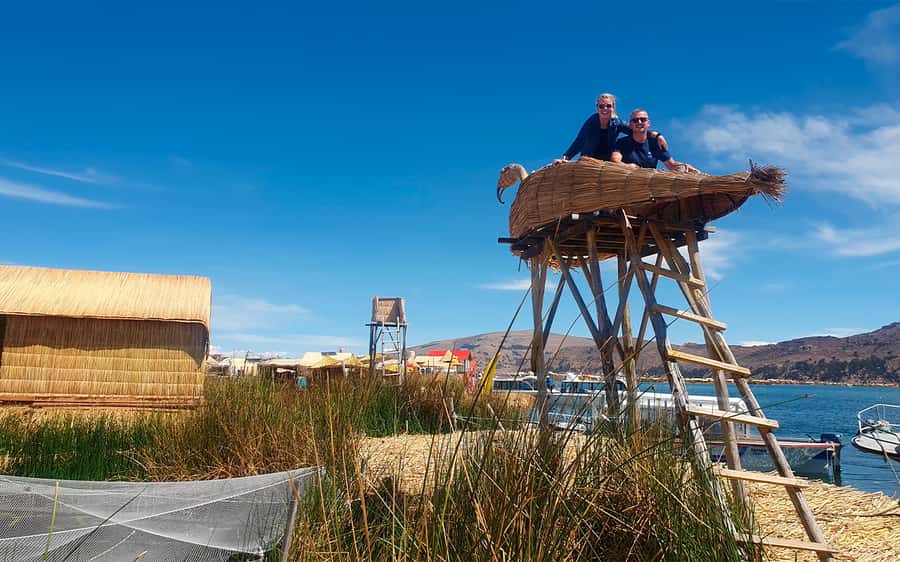
The second island is presented as a more relaxed stop. Wooden lookout platforms provide broad views across Lake Titicaca, and you get time to enjoy the setting at your own pace.
This is a good place for photographs, especially if you want a wider view of the water and distant Andes. The stop also includes practical tourist features: snacks, handmade crafts, and the chance to have your passport stamped with a Uros seal.
The stamp is a small detail, but it makes a nice travel keepsake. The craft stalls can also be worthwhile if you want to support local families or take home something connected to the visit. Still, you should expect some sales pressure. One visitor found that interactions with local families focused mainly on buying things, and another felt the overall visit was aimed too heavily at tourists.
That tension is part of the experience. The islands receive visitors, and selling crafts or rides helps create income. At the same time, repeated sales pitches can make the setting feel less intimate. You can enjoy the visit while keeping your purchases optional. A polite no is enough.
More islands and reed villages on Titicaca:
- Puno: Full-Day Tour of Lake Titicaca and Uros & Taquile
★ 4.4 · 178 reviews - Floating Islands of the Uros
★ 4.2 · 101 reviews - From Puno: full day tour to Uros and Taquile with Lunch
★ 4.6 · 95 reviews - Lake Titicaca, Uros and Taquile Full-Day Tour
★ 4.3 · 69 reviews
The optional totora boat ride
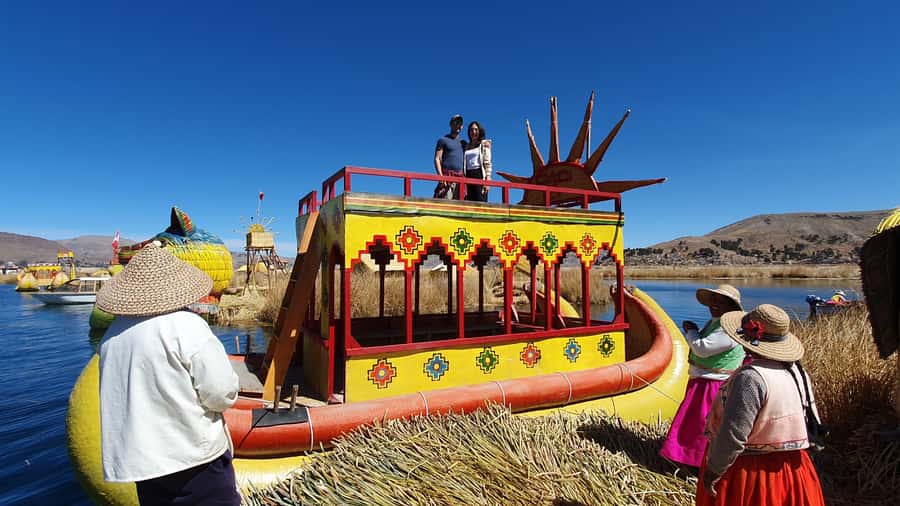
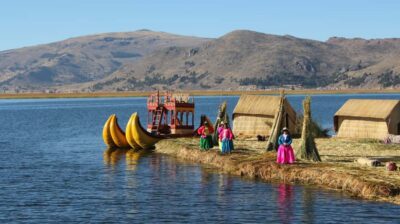
A traditional totora reed boat ride is available for about 20 minutes. It costs around S/20, or approximately $5 per person, paid directly to the families who built the boat.
This is not included in the $39 tour price, so bring some Peruvian soles if you want to take part. The ride adds another look at the reed-building tradition and gives you time on the water in a vessel made from the same plant that supports the islands.
I would see it as an optional add-on, not a required part of the tour. If your main goal is learning about the Uros and walking on the islands, the basic visit already covers that. If you enjoy traditional transport and want to support the local families directly, the extra cost is modest.
Ask your guide how the ride fits into the schedule. On a small or private tour, you may have more room to decide how you spend your time. On a shared departure, the group may follow a set rhythm.
Private or small-group touring makes a difference
The standard price is $39 per person, which is fair for a three-hour trip including transport, guide, entrance fees, and pickup and drop-off. You are paying for a short boat journey, an English or Spanish-speaking guide, and access to a place that would be difficult to visit independently.
The best value depends on your group size and priorities. A shared trip keeps the price down and works well if you mainly want to see the islands, hear the basic explanation, and return to Puno within half a day.
A private tour costs more, but it can change the feel of the visit. Private groups have enjoyed their own boat, avoided waiting for other participants, and asked more questions. One pair paid about $30 extra for a private arrangement and felt the personal guide made the visit special. Another group appreciated being able to choose how long to stay at each location.
For couples, families, and visitors with limited time, I would consider the private option if the price fits your budget. It is especially useful if you want a slower cultural visit rather than a quick circuit of the main sights.
Choosing between the three departure times
The tour runs at approximately 9:00 AM, 12:00 PM, and 3:00 PM. Each departure lasts about three hours, so your choice should depend on your wider Puno plans.
The morning departure gives you the rest of the day for other activities. It may also suit you if you prefer to complete major sightseeing early. One private group arranged an especially early start, so confirm the exact pickup time if your booking includes a customized departure.
The noon departure is useful if you want a slower start or need to fit the islands between other plans. It is also a practical choice for people arriving in Puno earlier that day, provided they have enough time to reach the meeting point.
The 3:00 PM option works for a late visit, but you should check your onward plans carefully. The stated duration is three hours, and boat travel is part of that schedule. Do not place a tight bus or train connection immediately after the tour.
What guides add to the experience
The guide can make or break a short cultural tour. The strongest feedback has focused on guides who speak clear English, explain the region well, and make space for questions.
Richard has been praised for excellent English and for helping create a personal visit. Hugo has been singled out for his warmth and passion for Puno and the Uros. Samuel provided useful information about the people, lake, and wider region, while Omar brought first-hand insight from growing up on the floating islands.
You should still remember that a three-hour visit cannot explain every part of Uros society. A good guide gives you a starting point and helps you understand what you are seeing. Ask specific questions about reed maintenance, homes, family routines, and how the islands operate today.
Guide quality can vary, and one visitor found the guide only adequate. That is a fair reminder to keep expectations realistic. The tour is a compact introduction, not an extended field study.
Crowds, commerce, and the question of authenticity
The Uros Islands are a major attraction near Puno, so you should not expect solitude at every stop. Some departures may feel calm, while others can bring several groups together around the same community spaces.
The private option appears to offer the best chance of a quieter experience, though it cannot remove the commercial side of the visit. Families sell handmade goods, traditional boat rides cost extra, and photographs may be part of the presentation.
That does not make the culture unreal. It does mean you should see the visit with open eyes. The Uros community has adapted to tourism, and tourism is part of the modern life you are observing.
I find the experience most rewarding when you focus on the construction of the islands, the importance of totora reeds, and the chance to speak with local families. Buy something only if you want it. Take the optional boat ride only if it interests you. You do not need to say yes to every extra to have a worthwhile visit.
Who will enjoy this three-hour Lake Titicaca tour
This tour suits you if you have only half a day in Puno but still want to experience Lake Titicaca beyond the city. It is also a good fit for first-time visitors who want a guided introduction without committing to a longer island trip.
Families may appreciate the short duration and the novelty of walking on floating reed islands. Couples can benefit from a private arrangement if they want more control over the pace. Photography fans will enjoy the boat ride, open water, reed architecture, and lookout platforms.
You should think twice if you use a wheelchair, since the activity is not suitable for wheelchair users. You may also find it frustrating if you dislike shopping stops or prefer a completely non-commercial cultural experience.
Bring your passport or identity card, especially if you want the Uros passport stamp. Take sun protection and a light layer for the boat, though those items are practical suggestions rather than stated tour requirements. Meals are not included, so plan to eat before or after the outing.
Should you book the Uros Floating Islands tour?
I would book this tour if you want a convenient, reasonably priced introduction to one of Lake Titicaca’s most unusual communities. The $39 price covers the main costs, the three-hour schedule is easy to fit into Puno, and the short boat ride gives you a genuine sense of leaving the mainland behind.
Choose a private or small-group version if personal questions, quiet time, and flexible pacing matter to you. Choose the standard shared option if your priority is seeing the islands at a lower price.
Go with realistic expectations. You will encounter craft sales and some tourist infrastructure alongside the reed homes and local explanations. For most visitors, the chance to walk on the floating islands, meet local families, and understand how totora reeds support an entire community makes the trip worthwhile.
FAQ
How long does the Uros Floating Islands tour last?
The tour lasts approximately three hours, including boat transportation between Puno and the islands.
How far are the Uros Floating Islands from Puno?
The islands are about 25 to 30 minutes from Puno’s port by motorboat.
What departure times are available?
Departures are available at approximately 9:00 AM, 12:00 PM, and 3:00 PM.
Is hotel pickup included?
Hotel pickup and drop-off are included, and meeting points include Plaza Mayor, Pino Park, Parque de Las Aguas, and Puno.
Is the traditional reed boat ride included?
No. The optional ride costs about S/20, or approximately $5 per person, for around 20 minutes and is paid directly to the local families.
What should I bring to the tour?
You should bring your passport or identity card. Meals are not included, and the activity is not suitable for wheelchair users.
More 3-Hour Experiences
- Cusco: 3-Hour Horse Riding Tour to the Temple of the Moon
★ 5.0 · 105 reviews - 5 iconic restaurants of Lima a 3-hour guided food tour in Barranco
★ 4.5 · 48 reviews - Belen Market & Floating City 2-3 Hour Private Tour
★ 4.9 · 38 reviews - Private Guide in Machu Picchu for 3 Hours
★ 4.2 · 17 reviews
Just added around Puno
- Discover the Celestial Wonder of Sillustani: Towers of Time★ 4.2 · 3 reviews
- Puno: Two-day excursion to Uros, Amantani and Taquile★ 4.2 · 3 reviews
- From Puno: Travel to Cusco in Titicaca Train All Inclusive★ 3.9 · 3 reviews
- 5h tour from Puno to Aramu Muru portal and Inca Ruins★ 4.6 · 3 reviews
- From Puno: Excursion to Uros and Taquile Islands + Income★ 4.7 · 4 reviews
- Puno: 2-day Uros Kayak Tour with Homestay at Amantani Island★ 4.6 · 4 reviews
- FromPuno: Uros and Amantani Islands Full-Day Tour with Lunch★ 4.5 · 4 reviews
- Puno: Lake Titicaca, Uros, and Taquile Full-Day Tour★ 4.5 · 4 reviews
Lake Titicaca Tours, compared.
Lake Titicaca 2-Day Tour to Uros, Amantani and Taquile
Read our review →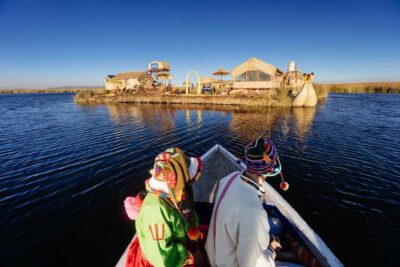
Full-Day Tour of Lake Titicaca and Uros & Taquile
Read our review →

Browse the lists this tour appears in