
Reviewed · MARKETS
Belen Market & Floating City 2-3 Hour Private Tour
Markets tell you how a city eats. This 150-minute private tour pairs the noisy, colorful Belen Marketplace with a traditional boat ride through Iquitos’ floating neighborhood, giving you a close look at daily life in Loreto. I like the direct contact with local food, jungle products, traditional medicine, and handmade goods. I also like that guide Kelwin receives repeated praise for his clear English, local insight, and calm way of handling the market.
The main drawback is that this is not a polished sightseeing outing. Belen can feel crowded, raw, and intense, while the tour involves a six-block walk, uneven public spaces, and a boat ride. You need a reasonable level of fitness, comfortable shoes, sun protection, and an open mind.
In This Review
- Five Things to Know Before You Go
- Meeting at the Iquitos Boulevard
- Entering Belen Marketplace
- What Makes the Local Guide Important
- Taking the Traditional Boat Through the Peruvian Venice
- Seeing Iquitos’ Floating City Up Close
- Returning by Tuk-Tuk or Mototaxi
- Is $40 Per Person Good Value?
- Who Will Enjoy This Tour Most?
- Useful Preparation for Belen and the River
- Should You Book the Belen Market and Floating City Tour?
- FAQ
- How long does the Belen Market and Floating City tour last?
- Where does the tour meet?
- Is hotel pickup included?
- What transportation is included?
- What languages does the guide speak?
- Is this a private tour?
- Can I cancel for a full refund?
Five Things to Know Before You Go
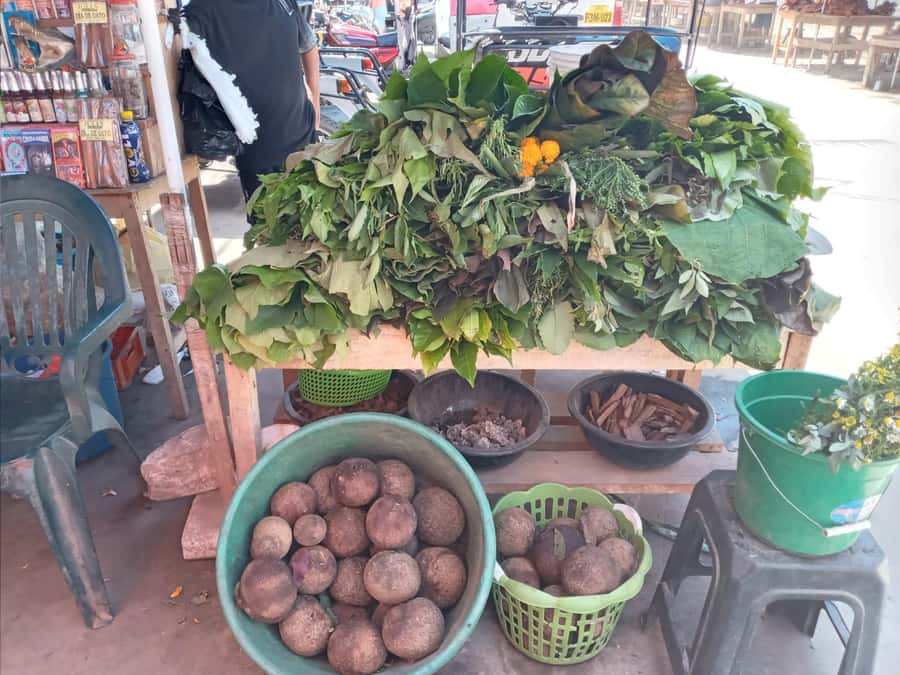
- Belen is more than a food market: You see products gathered from the jungle and river, plus crafts, remedies, amulets, and everyday goods.
- The floating city is a working neighborhood: Homes and businesses sit over the water, offering a rare look at how residents live and earn a living.
- Your guide matters here: Kelwin is repeatedly praised for his excellent English, local understanding, patience, and friendly manner.
- The tour is genuinely private: You travel with your own group rather than joining a large crowd, which makes questions and pacing easier.
- The $40 price covers more than a walk: It includes a guide, transportation, fees, the traditional boat ride, and the return by tuk-tuk or mototaxi.
Meeting at the Iquitos Boulevard
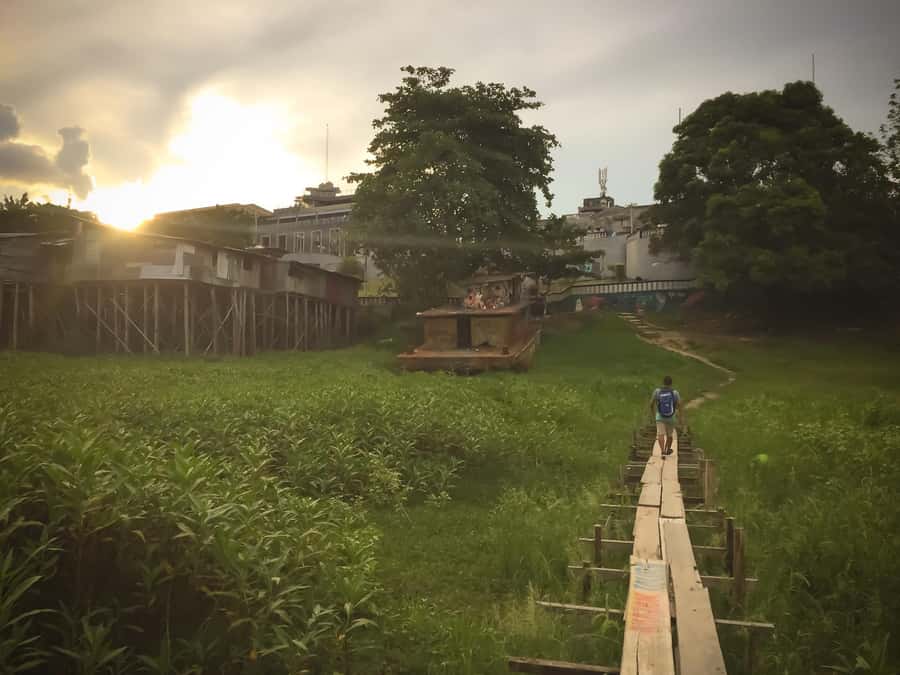
The tour begins at Malecón Maldonado and Calle Napo, in the first block, in front of Restaurante Fitzcarraldo. This is a useful central meeting point, but do not expect a door-to-door hotel service as part of the standard arrangement.
Free pickup is available only from four named hotels: DoubleTree Hotel by Hilton, Hotel de Turistas, Casa Morey, and El Dorado Classic. If you are staying elsewhere, you need to make your own way to the boulevard. The tour information also notes a six-block walk along the boulevard, so allow time to reach the starting point and wear shoes that can handle more than a hotel lobby.
That walk is part of the practical rhythm of the outing. You are moving through the city before reaching the market, not being delivered directly from one attraction to the next. Bring a charged phone, a reusable water bottle, a hat, and a T-shirt suitable for strong heat.
More market mornings:
- Belen Market and La Venecia Loretana Tour With A Local Guide
★ 5.0 · 85 reviews - Cusco: Peruvian Cooking Class, Cocktails & Local Market Tour
★ 4.9 · 512 reviews - Pisac Indian Market and Ollantaytambo Fortress with Lunch
★ 4.5 · 395 reviews
Entering Belen Marketplace
Belen is described as the largest and most important open-air marketplace in the Loreto region. The value of seeing it with a local guide is not simply the chance to take photographs. It is the chance to understand what you are looking at.
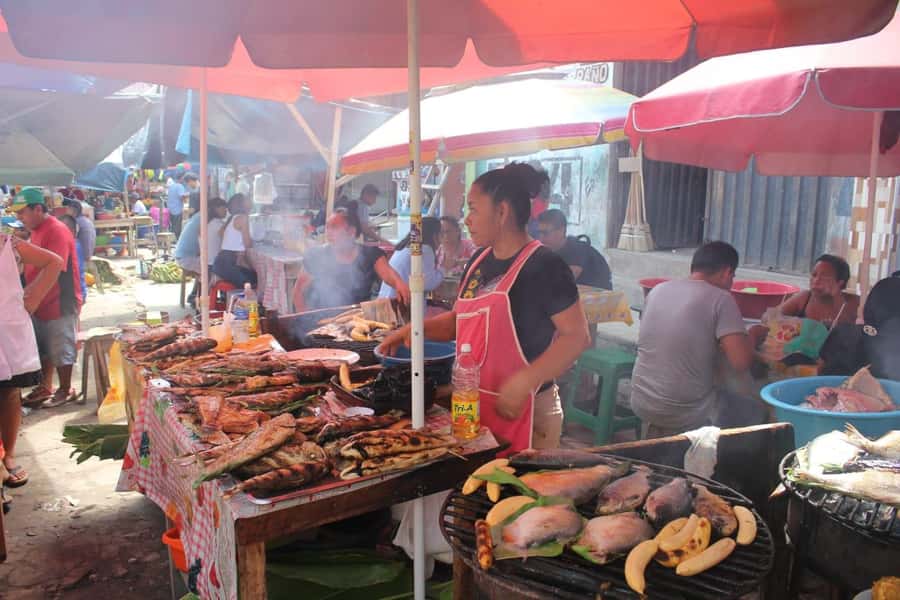
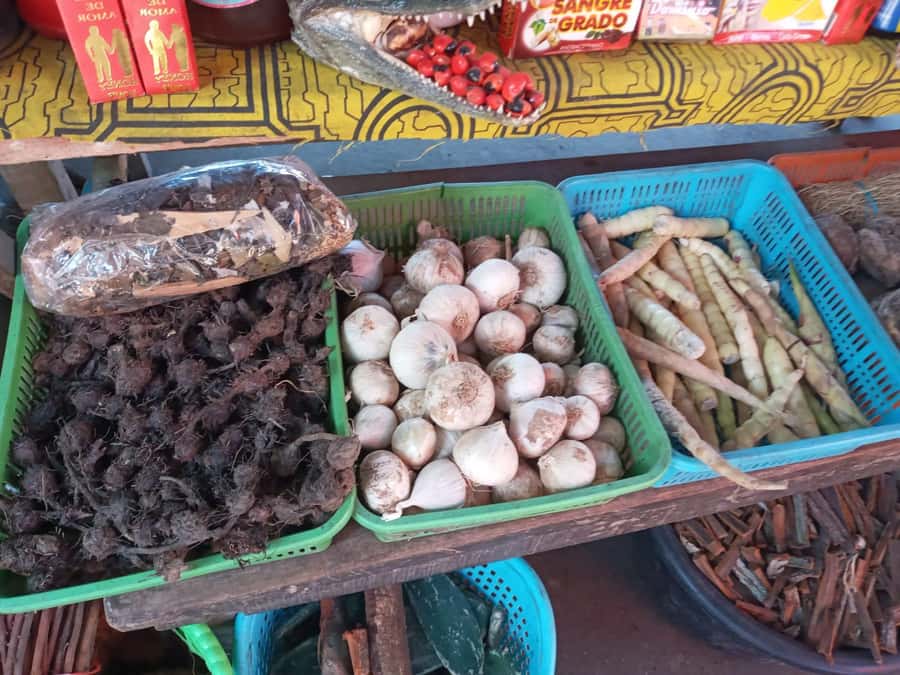
Stalls offer food and products harvested from the jungle and the river. You might find unfamiliar fruits, large portions of fish, unusual meats, handmade objects, traditional medicine, and amulets. The range is part of the lesson. Belen reflects the supplies, beliefs, tastes, and working life of the region in a way a standard city tour cannot.
I would give yourself permission to look slowly and ask questions. The most useful part of the market is often the explanation behind a product: what it is used for, where it comes from, and why it matters locally. The guide can help you separate a food item from a medicinal plant, a souvenir from a working tool, or a curious object from something with spiritual meaning.
The market may not suit everyone. It can be confronting if you are sensitive to strong smells, raw food, or unfamiliar meats. It is also not a place where you should handle products casually or photograph people without consideration. Keep your belongings close, follow Kelwin’s lead, and let him help with interactions.
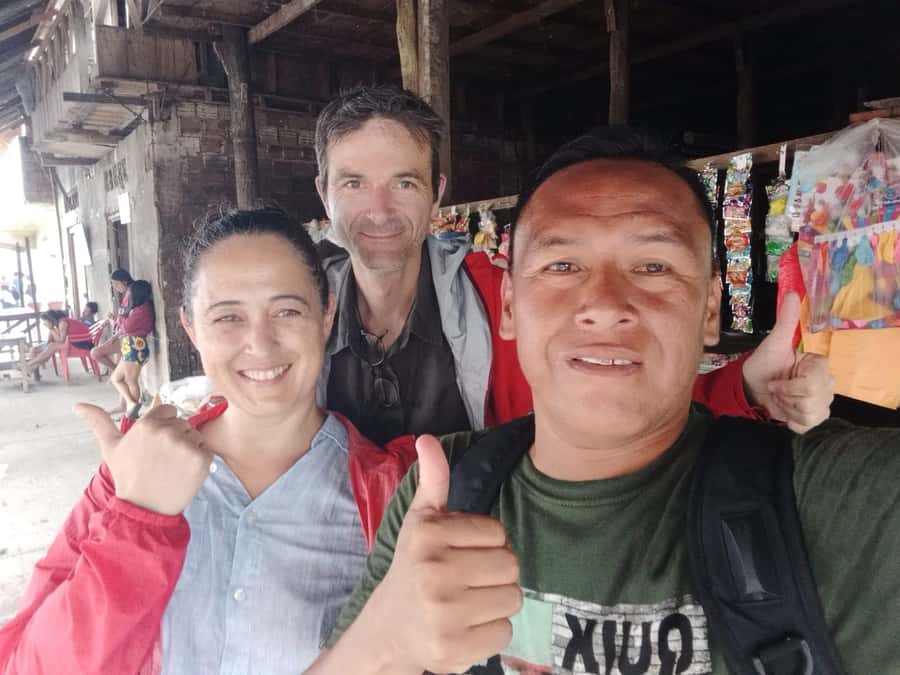
Several people who booked this outing praised Kelwin’s ability to keep vendors from pestering them. That is a practical advantage, especially if you do not speak much Spanish or if markets make you uncomfortable. His role is not just to point out products. He helps you move through the space with more ease.
What Makes the Local Guide Important
A market like Belen is difficult to interpret from a quick walk alone. Signs and labels may not explain much, and some products have no obvious equivalent in your daily life. Kelwin’s local connection gives the visit more context, and his English has been praised as clear and fluent.
His style also seems suited to curious visitors. Comments about his patience, warmth, and willingness to answer questions suggest that you can shape the visit around what interests you. Ask about the foods, the river products, the medicine, the market’s role in Iquitos, or the ways residents use the objects on sale.
The private format helps here. You are not trying to hear a guide over a large group, and you can ask for clarification without slowing down a busload of people. For a solo visitor, this can be especially useful. One person specifically valued the tour as a way to get to know Iquitos in a short window before departure.
Still, the pace is fairly brisk. Two and a half hours must cover the market, the walk, transport, the floating city, and the return. If you want a long shopping session or extensive time at every stall, this tour may feel short. It is better understood as a guided introduction than as a full morning devoted only to Belen.
Taking the Traditional Boat Through the Peruvian Venice
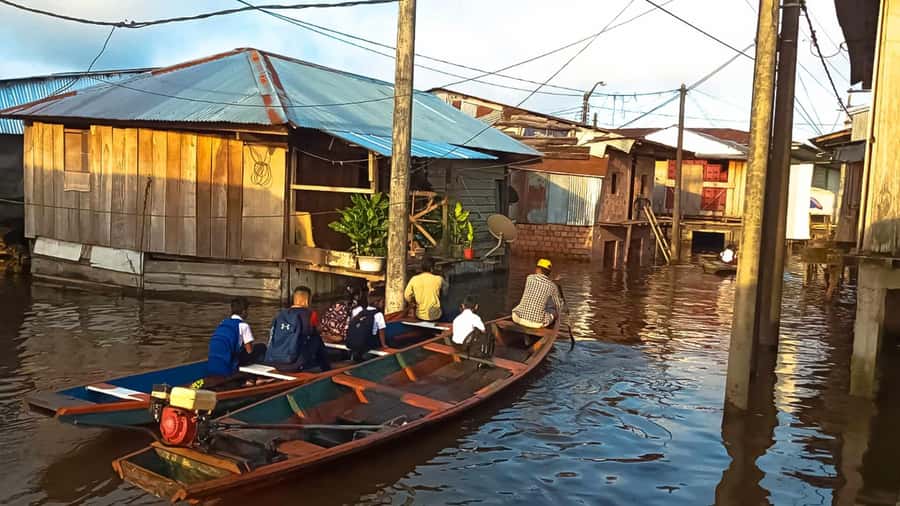
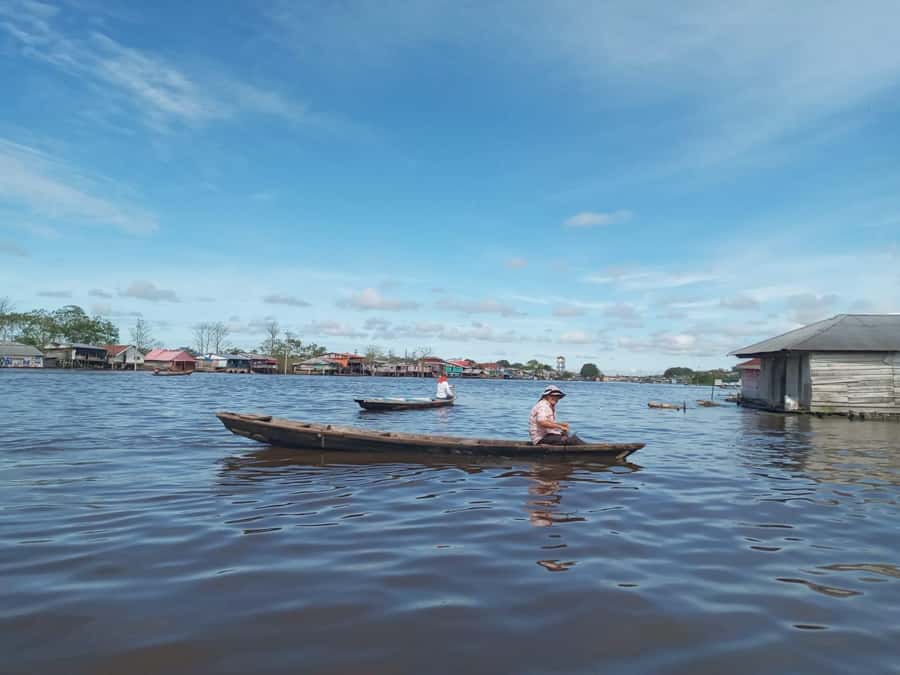
After the marketplace, you travel by traditional boat through what the tour calls the Peruvian Venice. This change in viewpoint is one of the strongest parts of the experience. On foot, you see the market as a public center of trade. From the water, you begin to understand why an entire neighborhood has developed above the river.
The boat ride is included in the price, along with private transportation and all fees and taxes. That keeps the outing simple, since you are not arranging a separate boat operator or negotiating another fare during the tour.
The water section is not presented as a quiet nature cruise. Its purpose is to show a living urban area. You see houses, working spaces, and daily movement on and around the water. The attraction is the human adaptation, not a promise of wildlife sightings or a wilderness excursion.
Bring your hat and water bottle, and keep your smartphone charged if you want photographs. A boat ride can be more exposed to the sun than the market streets. The supplied information does not specify boat size, shade, or seating arrangements, so you should ask the provider if those details matter to you.
A few more Peru trips worth weighing up
- Cusco: 3-Hour Horse Riding Tour to the Temple of the Moon
★ 5.0 · 105 reviews - From Puno: 3-Hour Uros Floating Islands Tour
★ 4.4 · 67 reviews - 5 iconic restaurants of Lima a 3-hour guided food tour in Barranco
★ 4.5 · 48 reviews - Private Guide in Machu Picchu for 3 Hours
★ 4.2 · 17 reviews
Seeing Iquitos’ Floating City Up Close
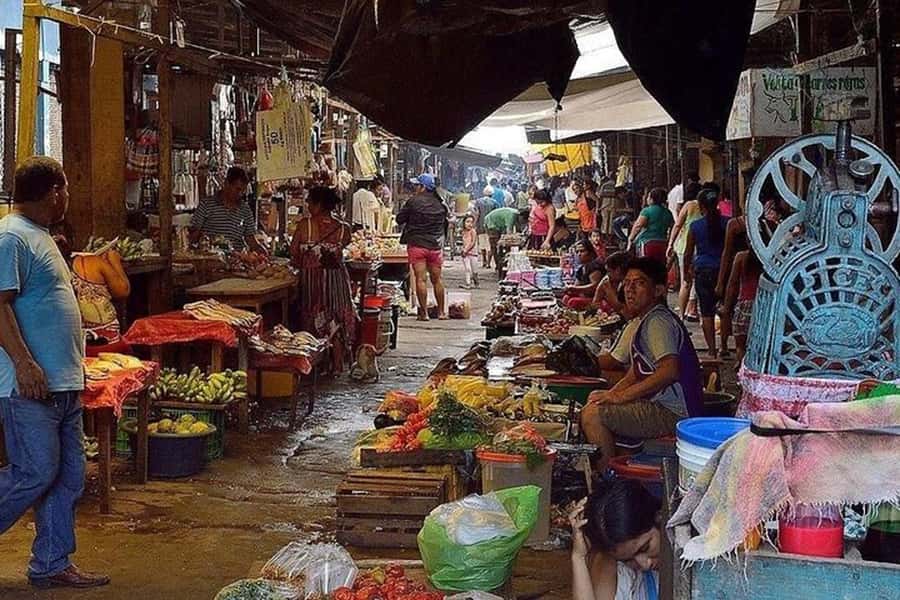
The floating city is built entirely over the water, and the tour gives you a chance to see how residents live and work there. This is not a staged village made for sightseeing. It is described as a real community, which gives the stop its importance and also calls for respectful behavior.
Look beyond the novelty of houses over water. The useful question is how ordinary tasks work in this setting. The boat offers a view of the relationship between homes, trade, transport, and the river. Your guide can supply the local explanation that turns an unusual scene into something you can understand.
The stop also adds balance to the market visit. Belen shows what people buy and sell. The floating neighborhood shows how some people organize daily life around the water. Together, the two parts present Iquitos as a city shaped by the river and the resources of the surrounding jungle.
Several comments describe the floating houses as impressive and educational. That combination is worth keeping in mind. You are not simply collecting an unusual photograph. You are seeing a form of city life that differs sharply from the streets and buildings most visitors know.
At the same time, you should avoid treating the neighborhood as a spectacle. Listen to the guide, follow local etiquette, and do not assume every resident wants to be photographed. The private group format can help your guide explain how to behave, but basic courtesy remains your responsibility.
Returning by Tuk-Tuk or Mototaxi
The return to the starting point is by tuk-tuk or mototaxi. This is a small but fitting finish to a city tour, since it adds another common form of local transport rather than sending you back in a private vehicle alone.
The exact vehicle may depend on the day and local conditions. The provided details do not promise a particular model every time, only that the return is by tuk-tuk or mototaxi. If you dislike open vehicles or need special seating, ask before booking.
Because the full outing lasts 150 minutes, the timing works well as a compact introduction to Iquitos. You can fit it into a day that includes other plans, a departure day, or a short stay. Do not expect a slow, unstructured morning. The tour has several moving parts, and the value comes from seeing two different sides of Belen within a limited period.
Is $40 Per Person Good Value?
At $40 per person, this is a strong value if you want guidance and transport rather than simply wandering around the market. The price includes a private guide, private transportation, all fees and taxes, the traditional boat ride, and the return transfer by tuk-tuk or mototaxi.
You also pay for local interpretation. That matters in Belen, where an object or food item may be interesting but hard to understand without explanation. The same applies to the floating city. A boat ride alone can show you houses over water, but a local guide can explain what you are seeing and answer questions as they arise.
The value is less clear if you only want a quick look and are comfortable arranging everything yourself. Lunch, drinks, gifts, medicine, amulets, and other purchases are not included. You also pay for your own transport to the meeting point unless you are staying at one of the four listed hotels.
Remember that this is a private tour, not a per-person seat on a large group excursion. If two or more people share the booking, the personal attention and included transport make the price easier to justify. For a solo visitor, the cost is higher than joining a group, but the shorter format and direct access to the guide may still be worthwhile.
Who Will Enjoy This Tour Most?
I would recommend this experience to you if you want a clear introduction to Iquitos beyond the main boulevard. It suits people who are curious about food, local commerce, traditional medicine, handmade goods, and everyday life on the water.
It is also a good match if you have limited time. The two to three hour format gives you a focused look at Belen without requiring a full day. Solo visitors may appreciate the private setting and the guide’s help with the market. English speakers can expect support from a guide praised for speaking English very well, while Spanish is also available.
You should reconsider it if you want a gentle, highly accessible outing. The tour involves a walk, market conditions, and a boat ride. It is not suitable for wheelchair users, visually impaired people, children under four, or babies under one. The booking information also lists children under two and under three as unsuitable, which reinforces that this is designed for older children and adults.
The information also lists vegans among those for whom the activity is not suitable. That is unusual for a sightseeing tour, but it may reflect the food displays and the nature of the market. If your diet or comfort level makes those scenes difficult, ask the provider before reserving.
You should be in good health for the activity. That does not mean you need to be athletic, but you should be comfortable walking and handling a public market and boat transfer in warm conditions.
Useful Preparation for Belen and the River
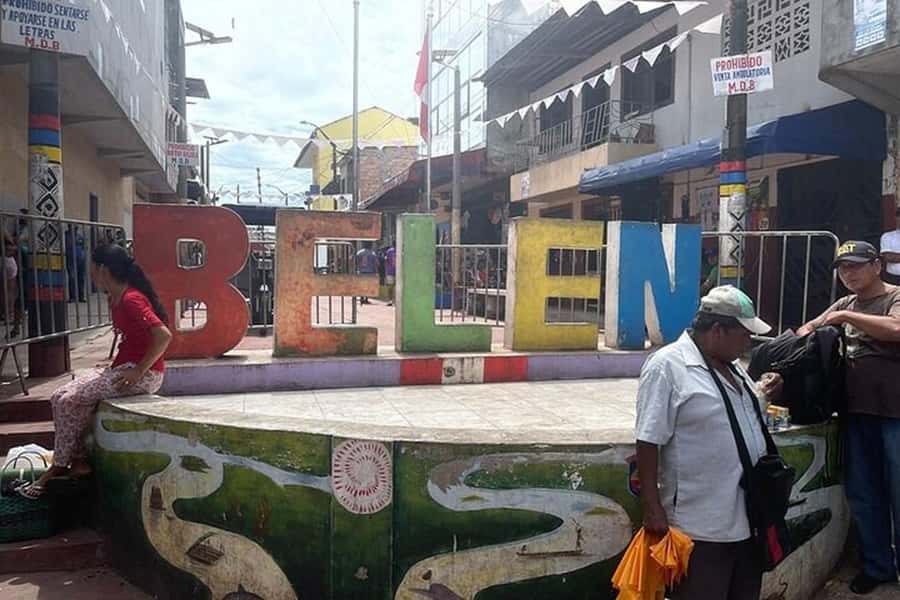
Wear comfortable shoes with secure soles. The tour includes a six-block walk, and market surfaces may not be smooth or quiet. A hat, T-shirt, and reusable water bottle are sensible choices for the heat.
Keep your phone charged. It can serve as a camera, meeting aid, and translation backup, though the guide speaks English and Spanish. Carry only what you need and keep valuables discreetly secured.
Budget separately for drinks, food, medicines, amulets, and gifts. You do not have to buy anything, but Belen is the sort of place where you may want to sample or take home something unfamiliar. Ask questions before purchasing traditional medicine or an amulet, and do not treat health claims as a substitute for professional medical advice.
The tour offers free cancellation up to 24 hours before the start, and you can reserve now and pay later. Those terms are helpful if your Iquitos schedule depends on flights, river connections, or changing plans.
Should You Book the Belen Market and Floating City Tour?
Book it if you want a short, personal, and locally guided look at Iquitos’ food market and floating neighborhood. The strongest reasons are the private format, the included boat ride, the manageable 150-minute length, and Kelwin’s repeated praise for his English, patience, local knowledge, and care with visitors.
Skip it if you need full accessibility, dislike markets with unusual food and medicine, or want a quiet nature trip. This is an urban culture outing with a practical, sometimes intense edge.
For most independent visitors with a free morning or afternoon, $40 is fair value. You get much more than a photo stop, but you should arrive ready to walk, listen, and respect a working community.
FAQ
How long does the Belen Market and Floating City tour last?
The tour lasts 150 minutes, or about two and a half hours.
Where does the tour meet?
The meeting point is Malecón Maldonado and Calle Napo, first block, in front of Restaurante Fitzcarraldo.
Is hotel pickup included?
Free pickup is available only from DoubleTree Hotel by Hilton, Hotel de Turistas, Casa Morey, and El Dorado Classic. Hotel pickup to the starting point is not included for other hotels.
What transportation is included?
The experience includes private transportation, a traditional boat ride through the Peruvian Venice, and a return to the starting point by tuk-tuk or mototaxi.
What languages does the guide speak?
The live guide is available in English and Spanish.
Is this a private tour?
Yes. The tour is offered for a private group.
Can I cancel for a full refund?
Yes. You can cancel up to 24 hours in advance for a full refund. You can also reserve now and pay later.
Just added around Iquitos
- Tarapoto: Full-Day to Laguna Azul (Blue Lake) – El Sauce★ 3.8 · 3 reviews
- Iquitos: 5 Days inside the Rainforest | Amazon Jungle Tour★ 5.0 · 3 reviews
- 2-Day All Inclusive Guided Jungle Tour from Iquitos★ 4.3 · 3 reviews
- Iquitos: Amazon River Tribes Full-Day Tour with Lunch★ 3.5 · 3 reviews
- Iquitos : Full Day Excursion to Monkey Island★ 4.4 · 3 reviews
- Iquitos: Piranha Fishing Experience in the Amazon jungle★ 4.7 · 4 reviews
- Iquitos: Amazon Jungle in 3 Days: Adventure and Culture★ 4.8 · 4 reviews
- Iquitos: Amazon Jungle in 2 Days: Adventure and Expedition★ 4.5 · 6 reviews
Markets, compared.
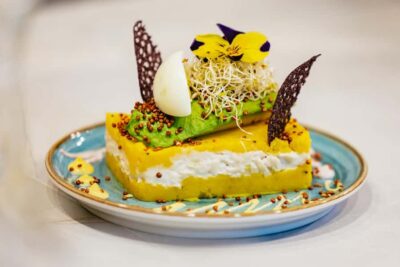
Peruvian Cooking Class, Cocktails & Local Market Tour
Read our review →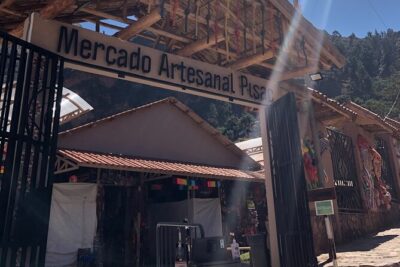
Pisac Indian Market and Ollantaytambo Fortress with Lunch
Read our review →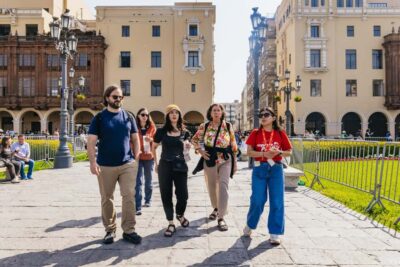
Historic Center Street Food, Market, and Eateries Tour
Read our review →
Cooking class and market tour with a local chef
Read our review →
Cusco City Sightseeing, San Pedro Market, Cathedral and Qorikancha Temple
Read our review →
Market Tour, Tasting of 35 Fruits, and 4-Course Peruvian Cooking Class in Lima
Read our review →
Belen Market and La Venecia Loretana Tour With A Local Guide
Read our review →
#1 Rated Cooking Classes with Local Market Tour & Pickup
Read our review →Browse the lists this tour appears in