
Reviewed · COOKING CLASSES
Cusco: Peruvian Cooking Class, Cocktails & Local Market Tour
Come hungry, leave with new recipes. This four-hour Cusco experience pairs a guided visit to San Pedro Market with a hands-on class covering ceviche, causa limeña, quinoa tamales, and two pisco cocktails. I like the market-first format, since you see the produce before it reaches your plate, and I like the small group of no more than 10 people, which gives Chef Jesus time to help. The main consideration is that the class involves plenty of assembling and guided preparation, not four hours of advanced cooking from scratch.
The $67 price is fair for the amount included: a market tour, ingredients, a professional chef, three dishes, two cocktails, dessert, and water. You should also allow for a long afternoon, especially if you have already eaten lunch. The food adds up quickly, and the pisco does its part in loosening conversation around the table.
In This Review
- Key points at a glance
- Starting at San Pedro Market
- Walking to the cooking studio
- Making two pisco cocktails
- Ceviche, causa limeña, and quinoa tamales
- Dessert with picarones and honey
- Why Chef Jesus makes a difference
- Is $67 a good value in Cusco?
- Who should book this Cusco cooking class?
- Final verdict: A strong food experience for $67
- FAQ
- Where does the Cusco cooking class begin?
- How long does the experience last?
- How much does the cooking class cost?
- What dishes will I prepare?
- How many cocktails are included?
- Are nonalcoholic drinks available?
- Is the class taught in English?
- Are vegetarian and vegan options available?
- Can the class accommodate gluten-free or sugar-free diets?
- Are children allowed to participate?
Key points at a glance
- San Pedro Market sets the scene: Explore sections devoted to fruit, bread, cheese, chocolate, cacao, quinoa, potatoes, and other local goods.
- Chef Jesus leads the class: Expect clear instructions, food history, plating tips, and help with each recipe.
- Three Peruvian dishes are prepared: Ceviche, causa limeña, and quinoa tamales form the savory part of the meal.
- Two cocktails are included: You make and drink two pisco cocktails, with nonalcoholic versions available.
- Dietary needs receive real attention: Vegetarian, vegan, gluten-free, and sugar-free options are available.
- The group stays small: A maximum of 10 participants makes this more personal than a large demonstration class.
Starting at San Pedro Market
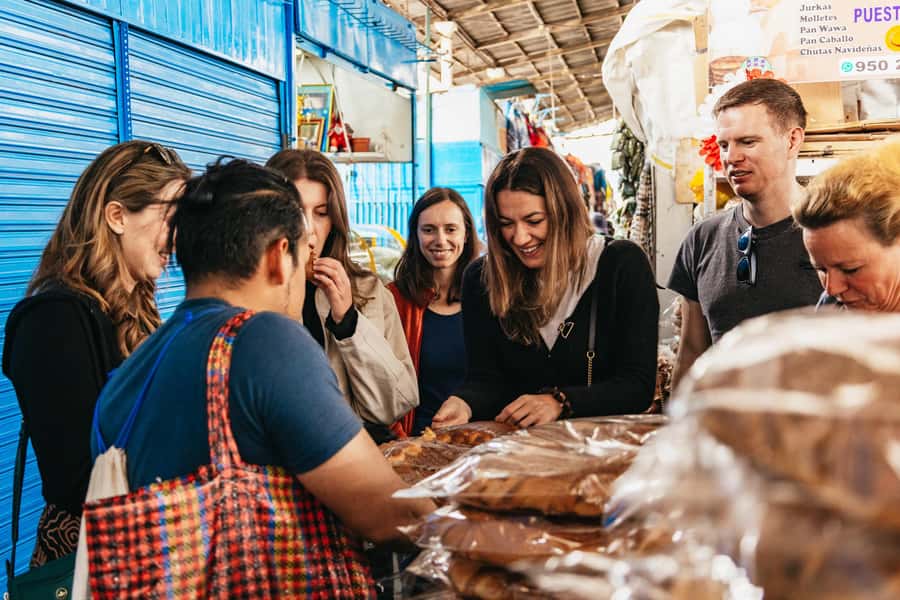
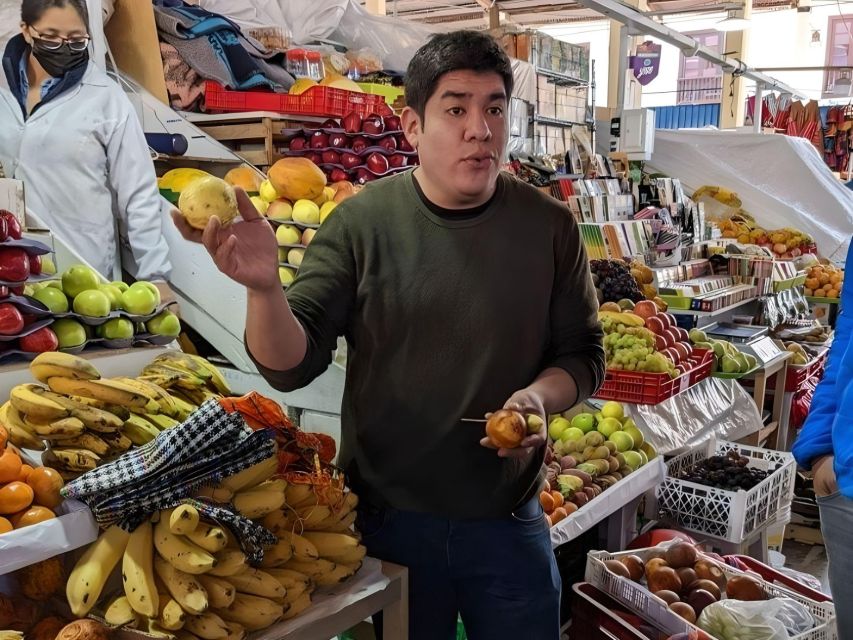
Meet at Door Number 1 of San Pedro Market. This is one of the oldest markets in Cusco, and it gives the class a useful beginning: before you chop, mix, or plate anything, you learn what local food looks like in its everyday setting.
The market visit covers familiar and less familiar ingredients. You might see piles of potatoes and quinoa beside passion fruit, local cheeses, fresh bread, chocolate, and cacao. The point is not simply to shop. Chef Jesus explains what the ingredients are and how they fit into Peruvian cooking.
Sampling is part of the fun. Past sessions have included tastes of cheese, bread, chocolate, coffee, and fruit. These small bites help you understand the ingredients instead of treating them as props for a cooking lesson. They also make the market stop feel like a food tour in its own right.
San Pedro can be a sensory place, with many products competing for your attention. Comfortable shoes matter, and comfortable clothes are the sensible choice. You will be on your feet at the start, then walk a short distance to the cooking studio in Cusco’s historic center.
One useful feature is that the chef may buy ingredients at the market for use later in the class. That creates a clear link between the stalls and your meal. You are not just looking at local produce, then heading to a kitchen stocked with unrelated ingredients.
A practical note: San Pedro Market has occasionally been closed for cleaning. When that happens, the market portion can shift to a local food market instead. The class can still work well because the chef can show you fresh produce and buy ingredients there, but you should not expect the exact same market setting every time.
More Cooking Classes in Cusco
- Cooking class and market tour with a local chef
★ 5.0 · 186 reviews - Private Andean Cooking Class, Pachamanca
★ 5.0 · 54 reviews - Vegan Peruvian Cooking Class Cocktails and Local Market in Cusco
★ 5.0 · 46 reviews
Walking to the cooking studio
After the market, you take a short walk to a modern, clean cooking studio in the historic center. This change of setting works well. The market provides the local context, while the studio gives you proper space to sit, prepare food, and eat without the distractions of a public market.
You get set up, tie on an apron, and receive instructions from the chef. The class is conducted in English, so it suits English-speaking visitors who want explanations rather than a silent demonstration.
The small-group format matters here. With up to 10 people, you can ask questions and get assistance without waiting behind a crowd. The atmosphere is social, too. You prepare food alongside people from different countries, then share the finished meal at one table.
Do not expect a formal culinary school session. This is a friendly introduction to Peruvian food. Some elements are prepared in advance, and parts of the class focus on assembling and plating rather than difficult knife work or elaborate cooking techniques. That is a benefit if you want a relaxed activity. Serious home cooks looking for advanced instruction may find it fairly gentle.
Making two pisco cocktails
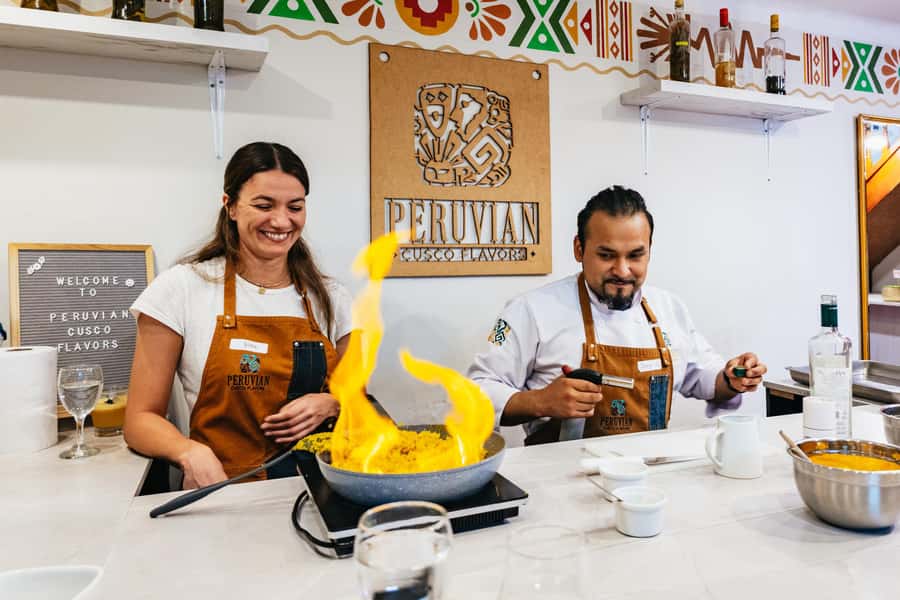
The class begins in the kitchen with a Peruvian cocktail. You make your own drink, then prepare a second one later in the session. Pisco is Peru’s best-known spirit, so the cocktails give you a direct taste of the country’s drinking culture as well as its food.
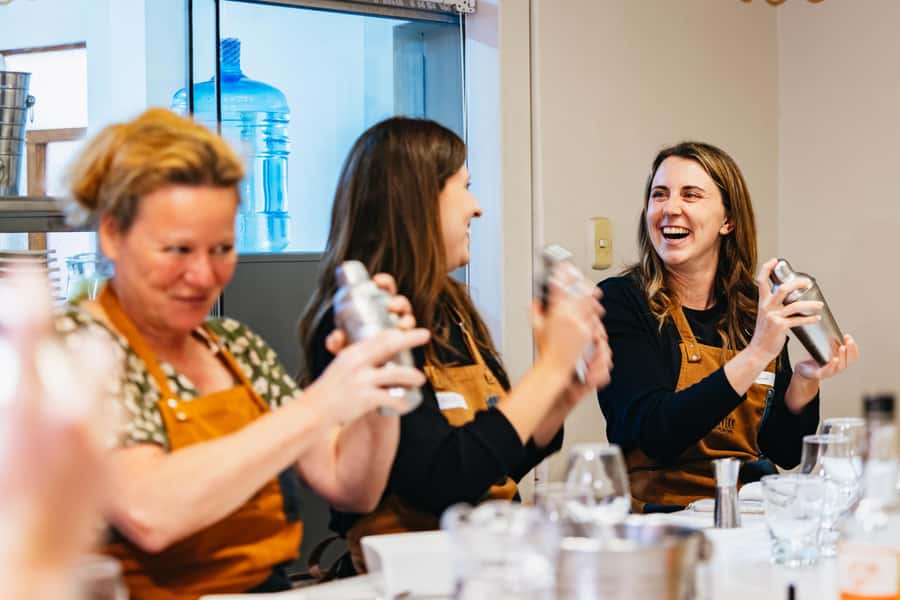
You do not need to be a cocktail expert. The chef guides you step by step, and the drinks are part of the activity rather than a separate bar service. This also helps the group settle in. Cooking with new people can feel awkward for the first few minutes, but a shared drink and a few simple tasks get conversation moving.
Nonalcoholic recipes are available. This is useful for anyone who does not drink, and it also lets younger participants take part in the cocktail-making portion. Children under 10 are not permitted, but one family booking with a 12-year-old found the format enjoyable, including mocktails.
Because two drinks are included, I would not plan another alcohol-heavy activity immediately afterward. The class includes a full meal as well, so treat it as lunch or dinner rather than a quick tasting.
Ceviche, causa limeña, and quinoa tamales
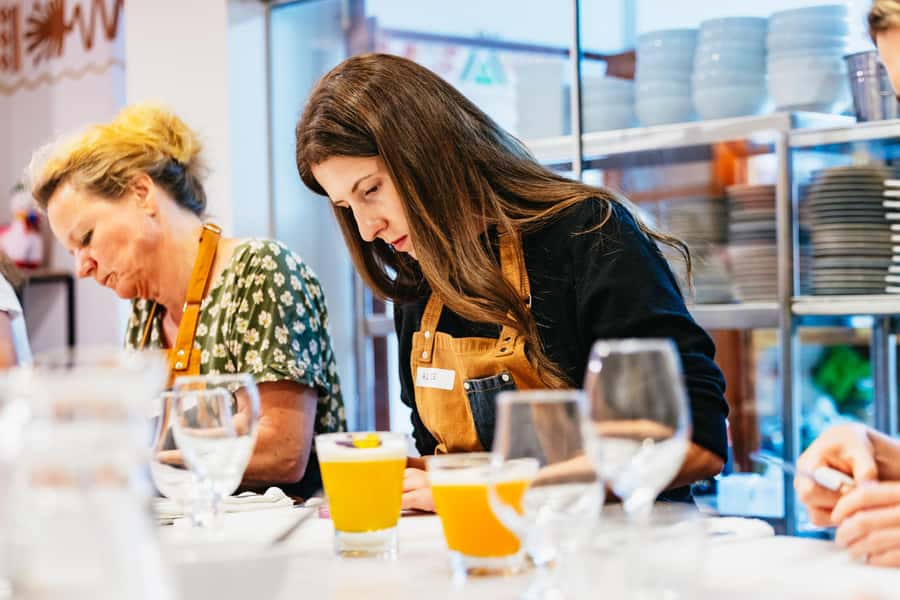
The three main recipes introduce different parts of Peruvian cooking.
Ceviche is the most immediately exciting dish for many people. The preparation shows how fresh ingredients, citrus, seasoning, and careful timing come together. You learn the steps from the chef, then eat the result during the class. If you enjoy seafood and sharp, fresh flavors, this is likely to be the highlight.
Ceviche may not suit every diet. The menu can be adapted, but you should state your needs clearly when booking and again at the beginning. One participant reported some confusion about a gluten-free request, even though it had been included in the reservation. That appears to be an exception rather than the general pattern, but repeating important dietary information is wise.
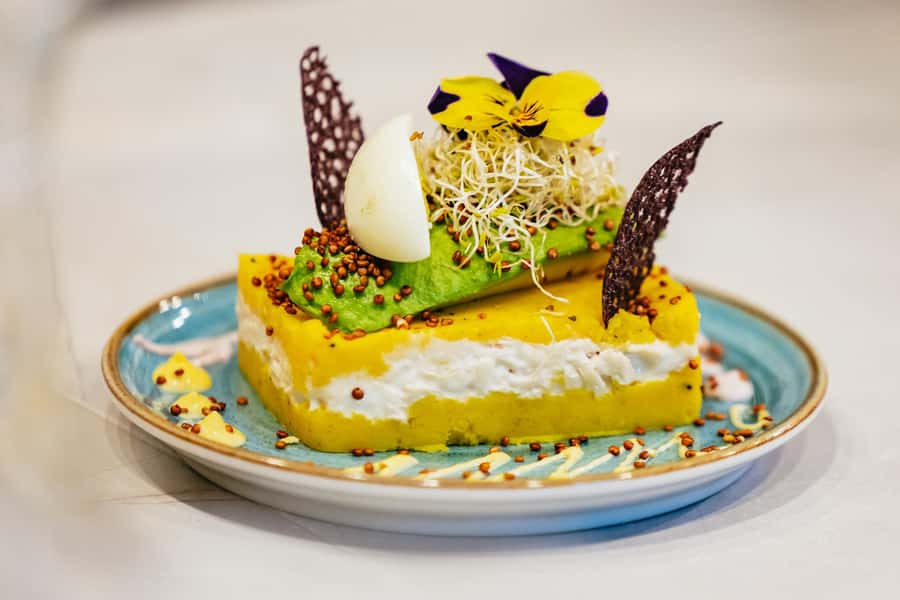
Causa limeña brings potatoes into focus. Peru is famous for its many potato varieties, and causa shows how a humble staple can become a carefully layered and attractive dish. The class includes guidance on shaping and plating it, which gives you a satisfying result even if you are not an experienced cook.
This is also the dish most likely to make you feel like a food stylist. You assemble the layers, work on the presentation, and see how color and form matter in Peruvian cuisine. It is less about hard cooking and more about balance, texture, seasoning, and neat construction.
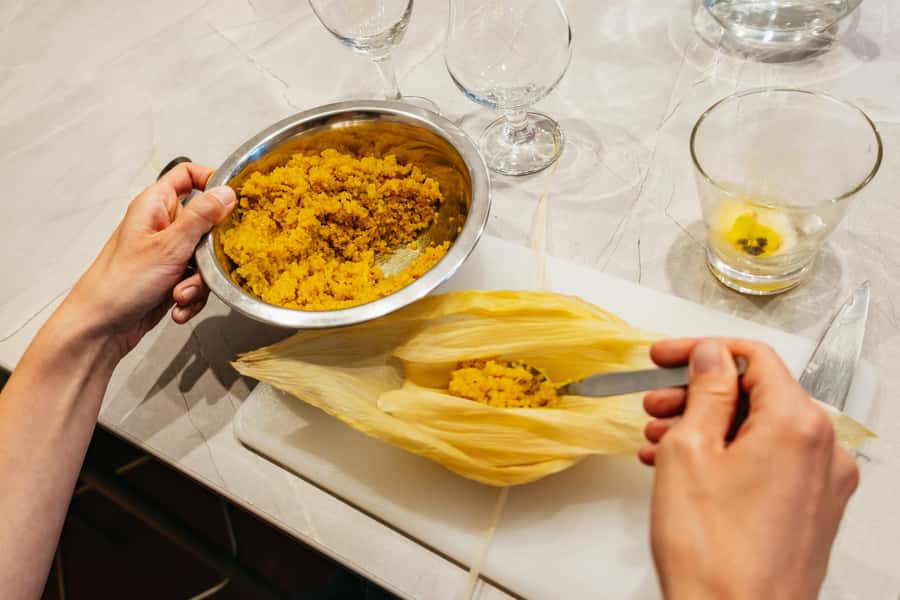
Quinoa tamales highlight an Andean ingredient with strong ties to the Cusco region. Quinoa is familiar to many people now, but handling it in a traditional Peruvian recipe gives it a different context. The tamal adds a softer, more substantial element to the meal and keeps the menu from being all seafood and potatoes.
The chef explains the background of each dish as you work. That is one of the strongest parts of the experience. You are not memorizing steps in isolation. You hear how ingredients connect to Peruvian culture and the country’s different culinary influences.
More cooking classes:
- Cusco Cooking Class by ChocoMuseo in Cusco
★ 5.0 · 29 reviews - Cusco: Peruvian Cooking Class & Market Tour
★ 4.9 · 19 reviews - Cusco: 3-Hour Peruvian Cooking Class
★ 4.7 · 16 reviews - Market Tour, Tasting of 35 Fruits, and 4-Course Peruvian Cooking Class in Lima
★ 5.0 · 86 reviews
Dessert with picarones and honey
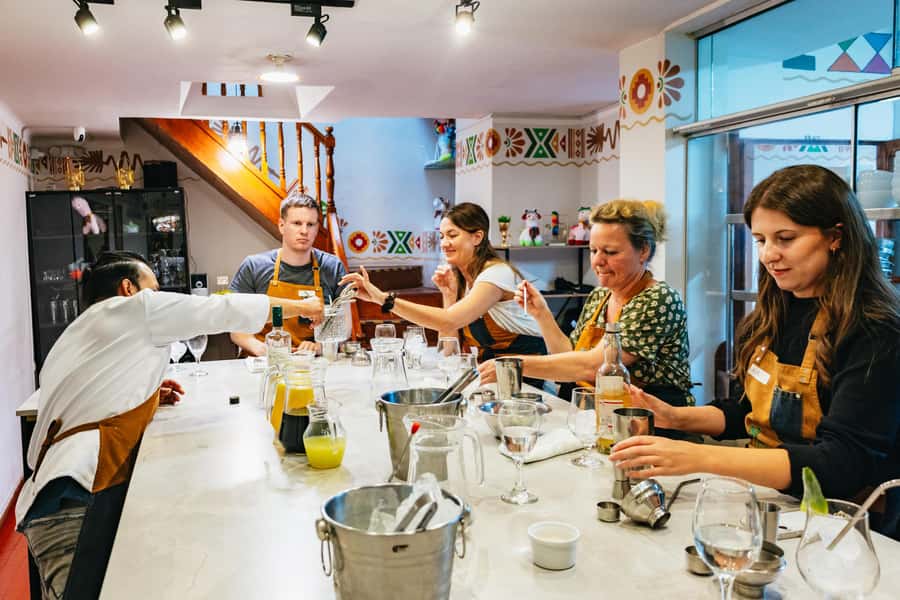
The final food is a tasting of picarones with honey, a sweet Peruvian finish. Picarones are a good choice for the end of a long class because they provide something warm and dessert-like after the savory dishes and cocktails.
A sugar-free option is available, and gluten-free needs can be accommodated. Vegan and vegetarian menus are also offered, though the exact substitutions may vary by session. Tell the team what you need before the activity begins so the chef can organize the right ingredients.
By this point, you will have sampled food in the market, made two cocktails, prepared three dishes, and eaten dessert. The advice to arrive with an empty stomach is sound. This is not a light snack with a short demonstration.
Why Chef Jesus makes a difference
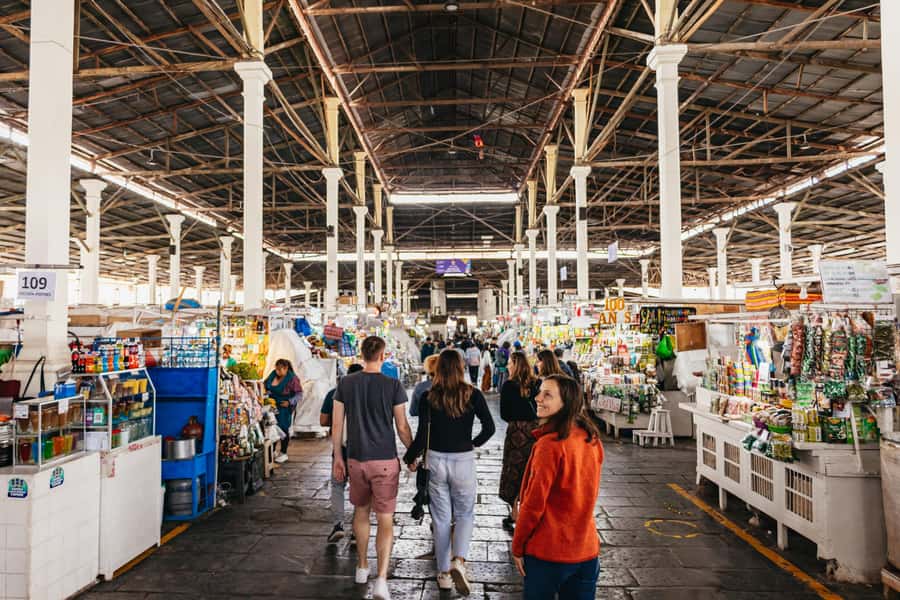
Chef Jesus is presented as the lead instructor, and the class depends heavily on the personality and teaching style of the chef. He explains the history of the dishes, talks through the ingredients, and helps participants with the practical work.
Other sessions have been led by chefs named Jorge and Eric, so the exact instructor may vary. The common thread is a friendly, professional teaching approach, with plenty of information about Peruvian cuisine and local products. If having Chef Jesus specifically matters to you, confirm the assigned chef when booking.
The best classes do not make you feel foolish for asking basic questions. This one is designed for ordinary visitors, not trained cooks. You can take part at a comfortable pace, and the chef helps with preparation, presentation, and dietary changes.
Some participants have received recipe copies by email after the class. That is a useful bonus because the dishes can seem simple while you are following along, then surprisingly hard to reproduce once you are back home without a chef beside you.
Is $67 a good value in Cusco?
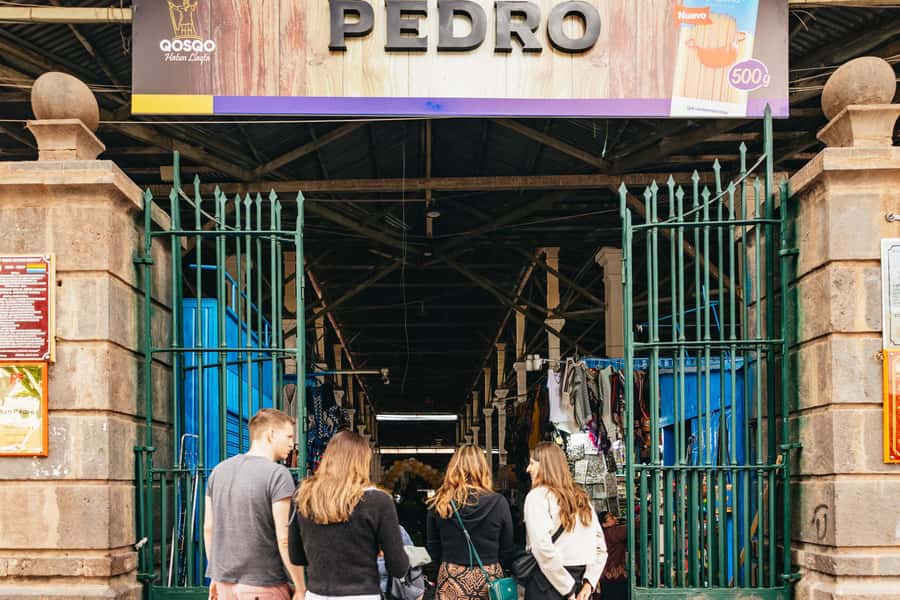
At $67 per person, the price is reasonable for a four-hour activity with this many parts. You are paying for more than a cooking lesson. The fee includes a professional chef, the market visit, ingredients, two cocktails, three dishes, picarones, and water.
Compare it with the cost of arranging the same afternoon yourself. You would need to find the market, identify ingredients, buy food, locate a kitchen, and pay for a meal and drinks. The guided format also gives you cultural context that you would miss by eating at a restaurant.
The strongest value comes from the combination of market and class. A cooking lesson alone can feel detached from local life. A market tour alone can leave you hungry and unsure what to do with what you saw. Together, they make a complete food-focused afternoon.
It is less good value if you want a short activity. Four hours is a serious block of time, and the meal is substantial. It also may not suit someone who wants to spend the afternoon hiking, sightseeing, or visiting several museums.
Free cancellation up to 24 hours before the activity and the option to reserve now and pay later make the booking less rigid. Starting times vary, so check availability for your date.
Who should book this Cusco cooking class?
I would choose this for anyone who wants a practical introduction to Peruvian food. It suits couples, solo visitors, friends, and small family groups with children aged 10 or older. The shared meal gives solo participants an easy way to meet people without having to force conversation.
It is especially useful during an acclimatization day in Cusco. The activity stays in the city, provides food and conversation, and does not require a long excursion. Several people have found it a good choice before heading to the Inca Trail, when a calm but engaging afternoon makes more sense than another demanding tour.
Vegetarians, vegans, and people avoiding gluten have good reason to consider it, since alternative menus are available and the chef has adjusted dishes and drinks for different needs. Still, communicate your requirements clearly and repeat them at the start.
I would skip it if you dislike group activities, seafood, alcohol-centered experiences, or eating a large meal in the middle of the day. You can choose nonalcoholic cocktails, but the class remains built around food and drink.
Final verdict: A strong food experience for $67
I recommend the Cusco Peruvian Cooking Class, Cocktails & Local Market Tour if you want to understand Peruvian cuisine by seeing, preparing, and eating it. The market visit is more than a quick photo stop, and the class gives you enough hands-on work to feel involved without turning the afternoon into a technical exam.
Book it for the market connection, Chef Jesus’s teaching, the generous menu, and the small group. Just arrive hungry, wear comfortable shoes, allow the full four hours, and confirm any dietary needs in advance. For many visitors, this is a better way to meet Cusco’s food culture than simply ordering another restaurant meal.
FAQ
Where does the Cusco cooking class begin?
Meet at Door Number 1 at San Pedro Market in Cusco.
How long does the experience last?
The experience lasts four hours.
How much does the cooking class cost?
The listed price is $67 per person.
What dishes will I prepare?
The class covers ceviche, causa limeña, and quinoa tamales. It finishes with a tasting of picarones with honey.
How many cocktails are included?
Two pisco cocktails are included.
Are nonalcoholic drinks available?
Yes. Nonalcoholic cocktail recipes are available.
Is the class taught in English?
Yes. The live guide and class language are English.
Are vegetarian and vegan options available?
Yes. Vegetarian and vegan menus are available.
Can the class accommodate gluten-free or sugar-free diets?
Yes. Gluten-free options and a sugar-free option for the picarones are available.
Are children allowed to participate?
Children under 10 are not permitted. Participants aged 10 and older may attend.
More Workshops
- The First Class Machu Picchu Train by Inca Rail
★ 4.0 · 182 reviews - The Textile Workshop Experience in Cusco Region
★ 5.0 · 118 reviews - Sacred Valley Textile Workshop – Dyeing & Weaving in Cusco
★ 5.0 · 92 reviews - Chocolate Workshop in Cusco with Premium Organic Cacao
★ 5.0 · 75 reviews
More Market Mornings
- Pisac Indian Market and Ollantaytambo Fortress with Lunch
★ 4.5 · 395 reviews - Cusco City Sightseeing, San Pedro Market, Cathedral and Qorikancha Temple
★ 4.5 · 139 reviews - Lima: Historic Center Street Food, Market, and Eateries Tour
★ 4.9 · 216 reviews - Belen Market and La Venecia Loretana Tour With A Local Guide
★ 5.0 · 85 reviews
Just added around Cusco
- Cusco: Rainbow Mountain and viewpoint red valley ( optional)★ 4.8 · 3 reviews
- Tour Pallay Punchu Trek Full Day★ 4.2 · 3 reviews
- Montaña de Colores: tour en cuatrimotos día completo★ 3.3 · 3 reviews
- Excursion Cusco – Puno – Titicaca Observatory Train★ 5.0 · 3 reviews
- Cusco: Palcoyo Mountain Day Trip with Breakfast and Lunch★ 4.8 · 3 reviews
- Maras Moray★ 5.0 · 3 reviews
- Tour to Laguna Humantay with breakfast and lunch from Cusco★ 4.7 · 3 reviews
- From Cusco:Chinchero, Moray, Maras, Ollantaytambo with lunch★ 5.0 · 3 reviews
Cooking Classes, compared.
Cooking class and market tour with a local chef
Read our review →
Market Tour, Tasting of 35 Fruits, and 4-Course Peruvian Cooking Class in Lima
Read our review →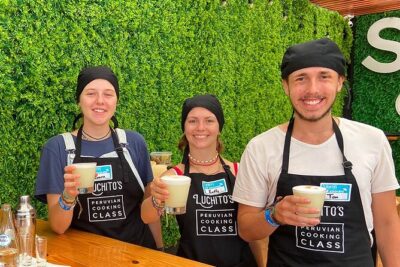
#1 Rated Cooking Classes with Local Market Tour & Pickup
Read our review →
Miraflores: Amazing Peruvian Cooking Class Ceviche Seafood and Pisco Sour
Read our review →
Private Cooking + Market with Maido’s Former Creative Chef (+trasportation)
Read our review →
Vegan Peruvian Cooking Class Cocktails and Local Market in Cusco
Read our review →
Browse the lists this tour appears in