
Reviewed · WORKSHOPS
Chocolate Workshop in Cusco with Premium Organic Cacao
Chocolate can be a fine Cusco evening plan. This two-and-a-half-hour class combines hands-on candy making with the story of cacao in Peru, using organic Chuncho cacao from the Sacred Valley. I like that you do more than watch a demonstration: you make about 21 pralines and 10 mendiants, prepare hot chocolate, and take your work home in a personalized box. I also like the sunset setting above Cusco, which gives the class a pleasant sense of place.
The main consideration is that this is a chocolate-making class, not a full cacao-bean processing tour. One past participant found that the session focused on melting chocolate, making truffles, and adding fillings rather than turning raw beans into chocolate. If you want a technical lesson on roasting, grinding, and tempering from the bean up, this may feel limited.
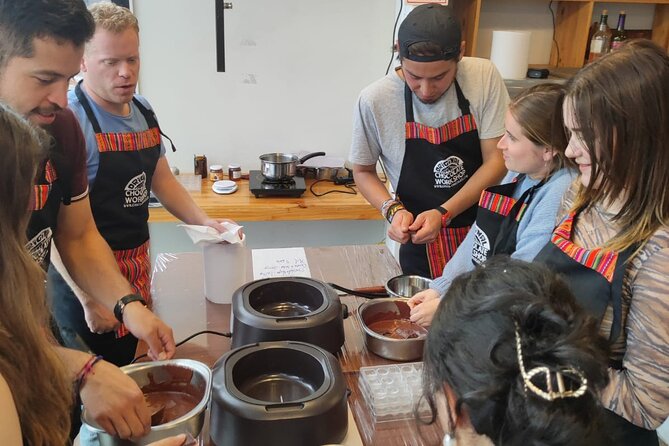
Instructors have included David, Abelardo, Randy, Titch, and others, so your teacher may vary. David is often praised for his humor and clear explanations, while Abelardo has Belgian training and has led especially engaging classes. The workshop is capped at 15 people, but smaller groups can happen, making it easier to get personal help.
In This Review
- Five things to know before you book
- Starting at 5:00 pm in central Cusco
- Learning how cacao became chocolate in Peru
- Making Belgian-style pralines and mendiants
- Hot chocolate and ganache add more than decoration
- A Cusco view that changes with the light
- What your personalized box means for the $45 price
- Who will enjoy this Cusco workshop most?
- Useful details for a smooth evening
- Should you book this chocolate class in Cusco?
- FAQ
- Where does the chocolate workshop take place?
- What time does the workshop start?
- How long does the workshop last?
- How much does the experience cost?
- How much chocolate will I make?
- What kind of cacao is used?
- Can children join the workshop?
- What happens if I need to cancel?
Five things to know before you book
- You make a generous amount of chocolate: Expect around 21 pralines and 10 mendiants, plus hot chocolate to drink during the class.
- The cacao comes from the Sacred Valley: The workshop uses 100% organic, artisanal Chuncho cacao, a local ingredient with a strong connection to Cusco.
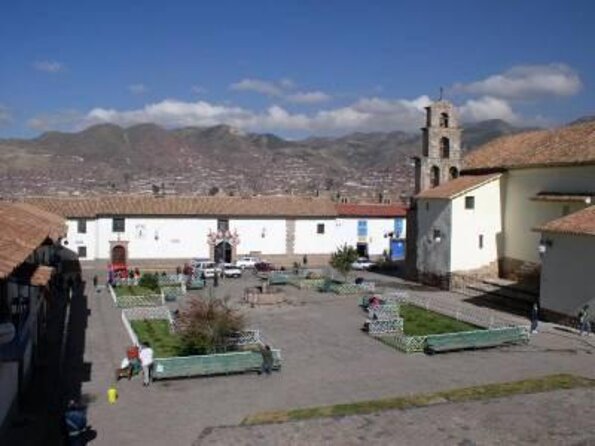
- The sunset view is part of the appeal: The venue looks over Cusco, and the 5:00 pm start often places the class around the city’s evening glow.
- The fillings are highly customizable: Choose from homemade local jams, organic nuts, coconut, dried fruit, and other toppings.
- It suits children aged 12 and older: Adults and children from age 12 can join, with a maximum group size of 15.
Starting at 5:00 pm in central Cusco
The workshop begins at C. Pasñapakana 133, Cusco 08000, and ends at the same place. The central location makes this an easy evening activity to add after a day in the city, though Cusco’s steep streets can make the walk feel more demanding than the map suggests.
The scheduled start time is 5:00 pm. That timing matters. You are not simply sitting indoors after dark. The class can coincide with sunset, and the view over Cusco is one of the most praised parts of the setting. You may see the city change from afternoon light to evening illumination while working with chocolate.
I would leave enough time to reach the meeting point without rushing. The activity is near public transportation, but the provided details do not specify a hotel pickup service. Plan to make your own way there and return to the same meeting point after the session.
The workshop is a good choice for your first or second evening in Cusco. You can enjoy a calm, seated activity while getting used to the altitude. One participant specifically found it a pleasant way to spend time while acclimating, and that makes sense: the class is social and active without requiring a long walk or strenuous exertion.
A few more Peru trips worth weighing up
- Cusco: Chocolate Workshop with the Best Local Organic Cacao
★ 4.5 · 23 reviews - 1.5h Cusco Chocolate Workshop – Truffles & Hot Chocolate
★ 4.3 · 8 reviews - Cusco: Bean to bar chocolate workshop
★ 5.0 · 3 reviews
Learning how cacao became chocolate in Peru
Before making anything, you spend time on the history and culture of chocolate. This gives the class more substance than a standard confectionery activity. Cacao is not just a sweet ingredient here. The workshop connects it to the Sacred Valley of the Incas and to the local food traditions of Cusco.
The cacao used is 100% organic, artisanal Chuncho cacao from the Sacred Valley. Chuncho is presented as one of the world’s finest organic cacao varieties, and the class gives you a direct way to taste it rather than simply hearing about it in a market or museum.
The exact level of historical detail can depend on your instructor. David has been praised for explaining each step clearly and keeping the mood light. Abelardo has Belgian training and has led sessions that combine practical instruction with a good deal of humor. Randy and Titch have also been described as capable and engaging instructors.
You should expect an accessible introduction rather than an academic lecture. The emphasis is on understanding the ingredient, tasting chocolate, and then using it yourself. That balance works well for families, couples, solo participants, and friends who want an activity with a local food connection.
Making Belgian-style pralines and mendiants
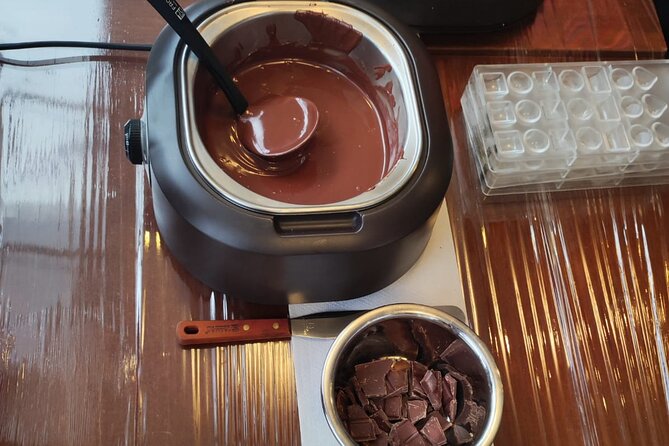
The main part of the class is practical. You learn to make pralines and mendiants in a Belgian style, using prepared chocolate and a range of fillings and toppings.
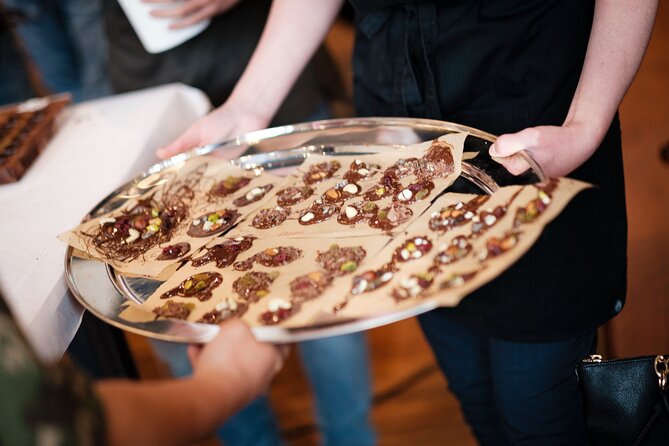
A praline is a filled chocolate bonbon. A mendiant is a small chocolate disk finished with toppings such as nuts or dried fruit. The two styles give you different ways to work with the same base ingredient. Pralines feel more like traditional boxed chocolates, while mendiants let you see and choose the toppings more directly.
You make around 21 pralines and 10 mendiants. That is a substantial quantity for a two-and-a-half-hour class, especially at a $45 price. You are not paying for one sample and a quick demonstration. You leave with a box of chocolates that you made yourself, assuming the session goes as planned.
The fillings are a strong part of the experience. You can choose from homemade local jams and a broad selection of local and organic nuts. Reviews also refer to coconut flakes and dried fruits. This makes the class more personal, since you can build combinations around the flavors you prefer.
The activity is hands-on, but it is not a professional pastry course. One participant noted that the session involved melting chocolate and shaping truffles and other sweets, rather than processing cacao beans. That is an important distinction. You will learn how chocolate is handled and turned into bonbons, but you should not book this expecting a full bean-to-bar production lesson.
Hot chocolate and ganache add more than decoration
The workshop includes two useful side lessons: making ganache and preparing hot chocolate.
Ganache is a smooth chocolate mixture used as a filling or base for sweets. Learning it gives you a better sense of how texture is created in a praline. You get to see how a simple mixture can become soft, creamy, and suitable for filling.
The hot chocolate is made during the session, not simply served from a pot. You prepare it yourself and use remaining chocolate to create a drink. Several participants singled out the hot chocolate as delicious, and it adds a nice break between the more detailed stages of the class.
This part also helps prevent waste. Instead of treating leftover chocolate as a problem, the class turns it into a warm drink. For you, that means another tasting opportunity and a practical idea you can try at home.
The pace should feel relaxed rather than rushed. You have time to listen, make the chocolates, choose toppings, and enjoy the drink. Still, chocolate work can become messy, and the final appearance of your bonbons may depend on your own care. The reward is not perfect pastry-shop presentation. It is the pleasure of making something edible with your own hands.
A completely different sort of day out from Cusco:
- Cusco: Humantay Lake Tour with Breakfast and Buffet Lunch
★ 4.9 · 2,976 reviews - From Cusco: Sacred Valley & Maras Salt Mines Tour with Lunch
★ 4.8 · 2,227 reviews - From Cusco: Moray, Maras Salt Mines & Chinchero Weavers Tour
★ 4.8 · 1,925 reviews - From Cusco: Full-Day Group Tour of Machu Picchu
★ 4.7 · 1,767 reviews
A Cusco view that changes with the light
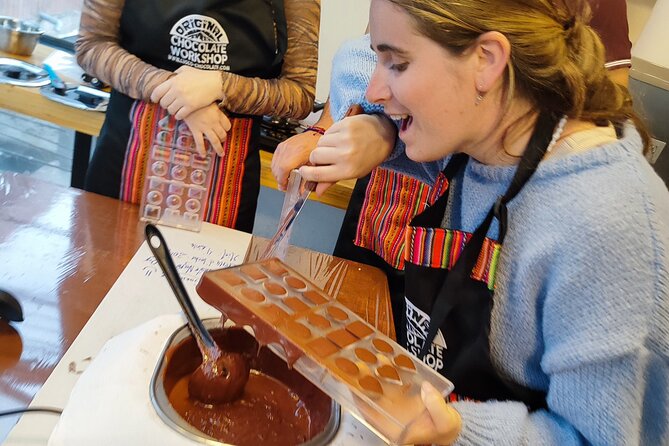
The setting is more than a room with tables. The workshop overlooks Cusco, and the view is especially appealing near sunset.
Several instructors have led sessions where the city view became a major part of the evening. The combination of chocolate, warm drinks, and the changing light over Cusco gives the class a relaxed social feel. You may find yourself looking out between steps rather than treating the view as a quick photo stop.
The walk to the venue can also be part of the outing. One participant enjoyed the route through the city, while another wished they had discovered the surrounding area earlier. The supplied details do not identify the neighborhood’s specific attractions, so I would not book the class solely as a walking tour. Still, it can help you see a part of Cusco beyond the busiest central sights.
If you are hoping for a quiet private lesson, remember that the maximum group size is 15. That is still a manageable number for a workshop, and personal attention is one of the stated features. Smaller groups can occur, including a class with only two participants and another with a family group of four.
The atmosphere appears to depend partly on the instructor. David is described as funny and positive, while Abelardo is noted for his engaging style. A good teacher matters here because clear guidance makes the difference between neat chocolates and a tray of lumpy surprises.
What your personalized box means for the $45 price
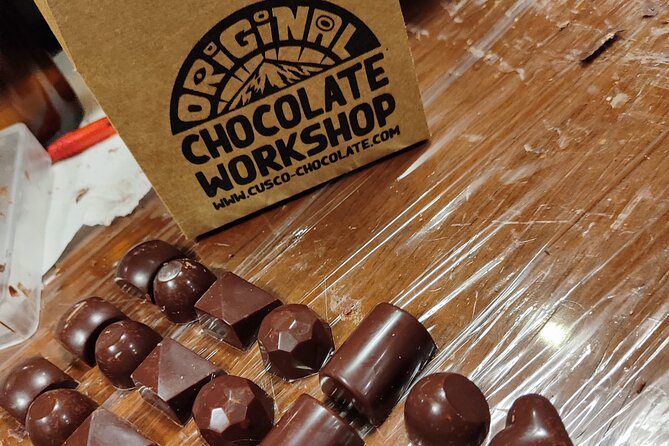
The price is $45 per person. For Cusco, that is not the cheapest food activity, but the quantity of chocolate makes the value easier to understand.
You receive a two-and-a-half-hour class, instruction, a hot chocolate lesson and drink, ganache preparation, your own pralines and mendiants, and a personalized box for carrying them home. If you value an activity that produces a souvenir you can eat or share, the price is reasonable.
The box is especially useful for people nearing the end of a Peru trip. Instead of buying another generic gift, you take home chocolates connected to the Sacred Valley and made during your stay in Cusco. They can be shared with family and friends, though you will probably want to keep a few for yourself.
The value is weaker if you dislike sweet foods, have little interest in cooking, or only want a short tasting. The session takes about two and a half hours, so you are making a genuine time commitment. It also may not satisfy anyone looking for advanced chocolate technique or raw cacao processing.
The high 4.9 rating from 75 reviews and recommendation rate of 99 percent suggest strong overall satisfaction. Still, those numbers should not erase the practical limitation: the class teaches bonbon making, not the entire path from cacao pod to finished chocolate bar.
Who will enjoy this Cusco workshop most?
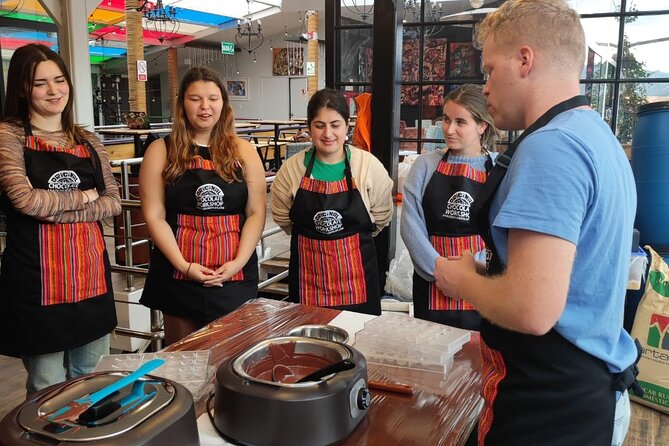
I would suggest this class to couples looking for an evening date, families with children aged 12 and older, friends who want a social activity, and solo visitors who like meeting people around a shared task.
It also suits anyone who wants a lighter day while adjusting to Cusco’s elevation. You remain in one place, but the class keeps you busy with mixing, filling, decorating, and tasting.
Food-focused visitors will appreciate the local cacao and toppings. The workshop gives you a way to learn about a Peruvian ingredient while using a Belgian method. That pairing is one of its most interesting features.
It may be less suitable for very young children, since the minimum age is 12, or for anyone expecting a farm visit. There is no information about a cacao plantation stop, bean harvesting, or factory production. The setting is in the heart of Cusco, and the focus is on the finished chocolate.
Useful details for a smooth evening
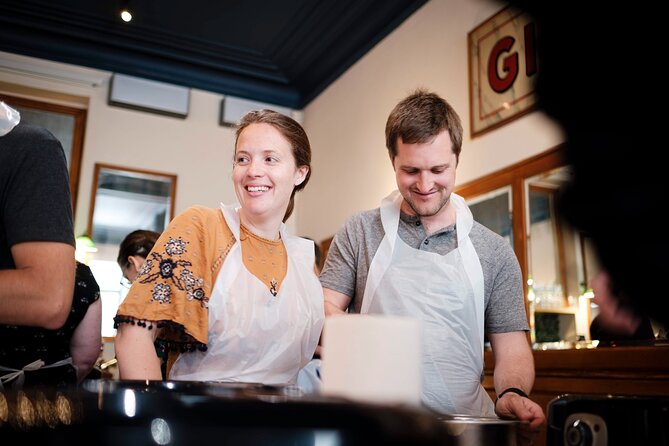
Confirmation is provided when you book. The activity allows service animals and is near public transportation. The class ends back at the original meeting point.
The group maximum is 15 people. If you prefer a more personal class, choosing a less popular start date might help, but the available information does not guarantee a small group. The workshop can have different instructors, so you may meet David, Abelardo, Randy, Titch, or another member of the teaching team.
You can cancel for a full refund up to 24 hours before the start time. Changes or cancellations made less than 24 hours before the activity are not accepted and are not refunded. The class also requires a minimum number of participants, and if that minimum is not met, you will be offered another date or activity, or a full refund.
Bring an appetite for chocolate and a little patience. The goal is not to produce identical sweets. It is to learn the basic process, make your own combinations, and enjoy the result with a Cusco view in the background.
Should you book this chocolate class in Cusco?
Book it if you want a friendly, practical evening activity with plenty of chocolate to take home. The strongest reasons are the organic Chuncho cacao, the generous number of bonbons, the hot chocolate lesson, and the sunset view over Cusco.
I would especially choose it for a first few days in the city, a family afternoon that needs a break from churches and ruins, or a final evening when you want a useful edible souvenir. The class has enough structure to feel worthwhile, but it remains casual and social.
Skip it if your main goal is learning how cacao beans are fermented, roasted, and ground. That process is not part of the described workshop. At $45, the class offers good value for hands-on candy making, a local ingredient, and a memorable setting, but it is best understood as a bonbon workshop rather than a complete cacao production tour.
FAQ
Where does the chocolate workshop take place?
It takes place at C. Pasñapakana 133, Cusco 08000, Peru, in the heart of Cusco.
What time does the workshop start?
The listed start time is 5:00 pm.
How long does the workshop last?
The workshop lasts approximately two hours and 30 minutes.
How much does the experience cost?
The price is $45 per person.
How much chocolate will I make?
You will make around 21 pralines and 10 mendiants of your own.
What kind of cacao is used?
The class uses 100% organic, artisanal Chuncho cacao from the Sacred Valley of the Incas in Cusco.
Can children join the workshop?
Yes. The workshop is available to adults and children aged 12 and older.
What happens if I need to cancel?
You can cancel up to 24 hours before the local start time for a full refund. Cancellations or changes made less than 24 hours before the start are not accepted and are not refunded.
Just added around Cusco
- Cusco: Rainbow Mountain and viewpoint red valley ( optional)★ 4.8 · 3 reviews
- Tour Pallay Punchu Trek Full Day★ 4.2 · 3 reviews
- Montaña de Colores: tour en cuatrimotos día completo★ 3.3 · 3 reviews
- Excursion Cusco – Puno – Titicaca Observatory Train★ 5.0 · 3 reviews
- Cusco: Palcoyo Mountain Day Trip with Breakfast and Lunch★ 4.8 · 3 reviews
- Maras Moray★ 5.0 · 3 reviews
- Tour to Laguna Humantay with breakfast and lunch from Cusco★ 4.7 · 3 reviews
- From Cusco:Chinchero, Moray, Maras, Ollantaytambo with lunch★ 5.0 · 3 reviews
Workshops, compared.
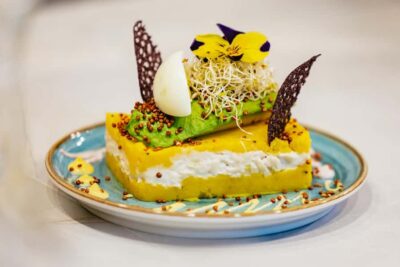
Peruvian Cooking Class, Cocktails & Local Market Tour
Read our review →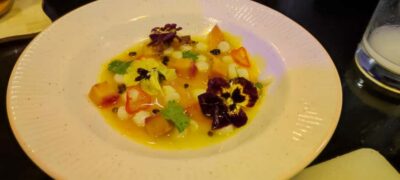
Cooking class and market tour with a local chef
Read our review →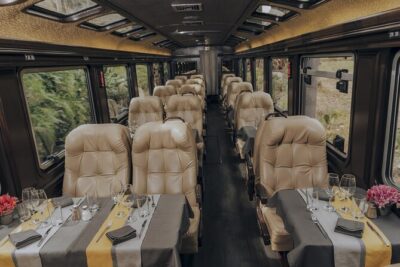
The First Class Machu Picchu Train by Inca Rail
Read our review →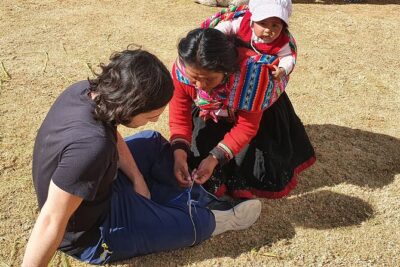
The Textile Workshop Experience in Cusco Region
Read our review →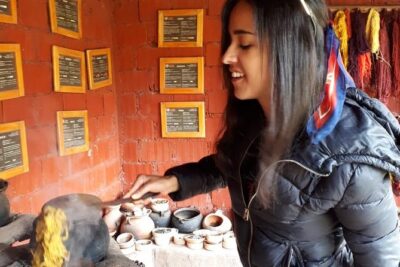
Sacred Valley Textile Workshop – Dyeing & Weaving in Cusco
Read our review →
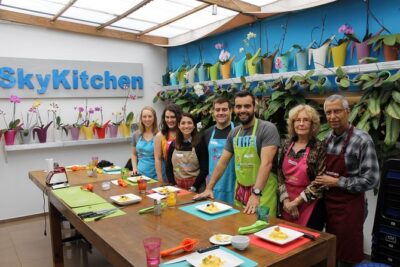
Market Tour, Tasting of 35 Fruits, and 4-Course Peruvian Cooking Class in Lima
Read our review →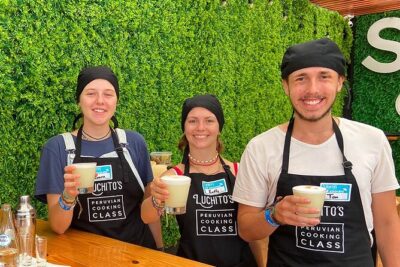
#1 Rated Cooking Classes with Local Market Tour & Pickup
Read our review →Browse the lists this tour appears in