
Reviewed · WORKSHOPS
Cusco: Chocolate Workshop with the Best Local Organic Cacao
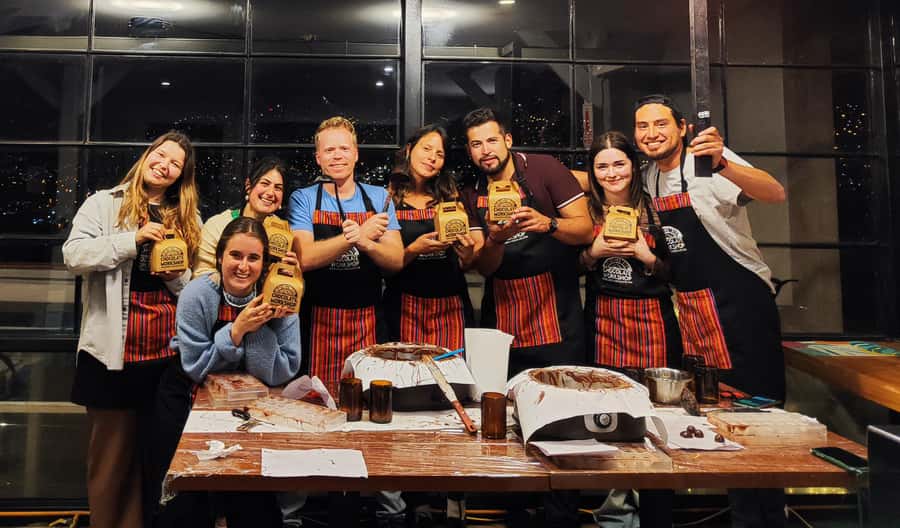
Chocolate tastes better with a view. This 150-minute workshop brings you to Limbus Restobar in central Cusco, where you learn to make Belgian-style pralines and mendiants with organic Chuncho cacao from the Cusco jungle. I especially like the hands-on format and the chance to take home about 21 pralines and 10 mendiants in a personal box. The hot chocolate lesson is another fine touch, especially after a day of sightseeing.
I also like the friendly teaching style reported from David, Marco, Alex, Ken, and Angel, with David receiving repeated praise for his humor and energy. The main consideration is that this is a chocolate-making class, not a full bean-to-bar tour: one participant hoped to see the cacao beans roasted and opened. Children under 12, unaccompanied minors, spectators, and people with diabetes cannot join.
In This Review
- Key points at a glance
- Meeting the class at Limbus Restobar
- Why Chuncho cacao matters here
- The opening lesson before the chocolate gets messy
- Tempering, ganache, and the hands-on work
- Making around 31 chocolates to take home
- The hot chocolate tasting
- What the $47 price really buys
- Who should book this Cusco activity
- Practical planning tips for your afternoon
- A good break from the usual Cusco circuit
- Should you book the Chuncho chocolate workshop?
- FAQ
- How long does the Cusco chocolate workshop last?
- How much does the workshop cost?
- Where is the meeting point?
- Is hotel pickup included?
- What chocolate will I make?
- How much chocolate can I take home?
- Is the workshop suitable for children?
Key points at a glance
- Local Chuncho cacao: Work with organic, artisanal cacao from the jungle of the Cusco Region, a local product presented as one of the world’s finest organic cocoas.
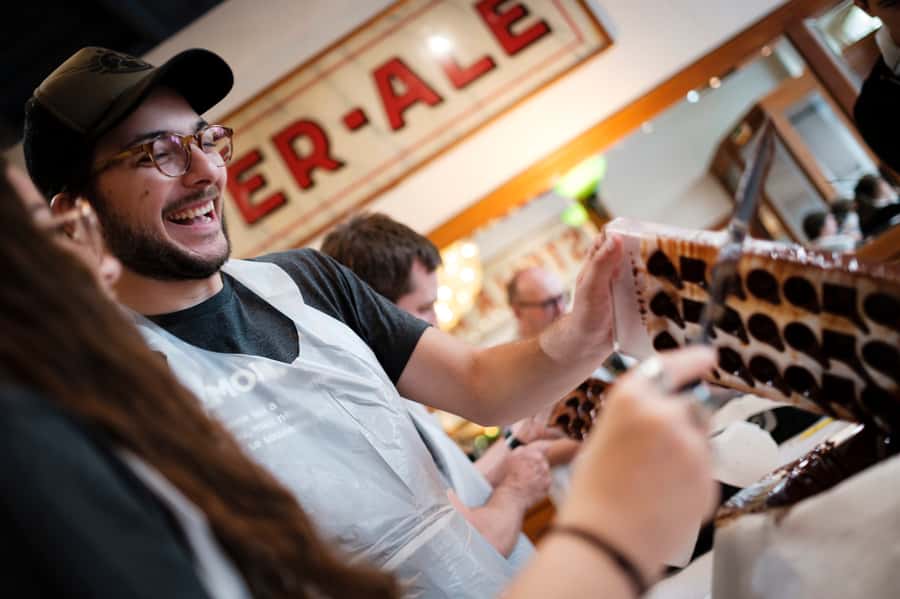
- Belgian-style technique: Make pralines, mendiants, ganache, and chocolate molds from scratch rather than simply watching a demonstration.
- A generous edible souvenir: Your 300 grams of chocolate becomes roughly 21 pralines and 10 mendiants to pack in a take-home box.
- Panoramic Cusco setting: The class takes place at Limbus Restobar, known for its broad city view.
- Friendly multilingual instruction: Classes are offered in English, Spanish, and French, with instructors such as David praised for clear, playful teaching.
- A social, active outing: You mix, fill, shape, decorate, and taste, so this suits people who prefer doing something rather than sitting through a talk.
Meeting the class at Limbus Restobar
You do not get hotel pickup. Instead, go directly to Limbus Restobar and tell the receptionist you are there for the chocolate workshop, or el taller de chocolate. The receptionist directs you to the experience.
The location matters. Limbus is known for its panoramic view over Cusco, giving the class a memorable setting before the chocolate work begins. You may want to allow a few extra minutes to arrive, find the reception desk, and enjoy the view rather than rushing in at the scheduled start.
This is a useful pairing for a Cusco itinerary. You get a local food experience in the city, without giving up half a day for transport. The class lasts two and a half hours, so it fits well between other plans, though you should avoid booking it too close to a timed museum visit or dinner reservation.
A few more Peru trips worth weighing up
- Chocolate Workshop in Cusco with Premium Organic Cacao
★ 5.0 · 75 reviews - 1.5h Cusco Chocolate Workshop – Truffles & Hot Chocolate
★ 4.3 · 8 reviews - Cusco: Bean to bar chocolate workshop
★ 5.0 · 3 reviews
Why Chuncho cacao matters here
The workshop centers on Chuncho cacao, an organic and artisanal cacao from the jungle area of the Cusco Region. The experience presents it as one of the best organic cocoas in the world, and the local connection gives the class more meaning than a generic chocolate activity using anonymous couverture.
You learn why Peruvian chocolate is considered distinctive and how cacao connects the coast, Andes, and jungle regions of Peru. The exact depth of the talk can depend on the instructor and the pace of the group, but the class includes an introduction to cacao’s history and cultural role before the practical work starts.
I like this balance. You are not only melting chocolate and filling molds. You are given a reason to pay attention to the ingredient itself. The tasting becomes more interesting when you know the cacao comes from a nearby part of the country rather than treating it as a simple sweet.
Still, set your expectations correctly. The class does not promise a full farm or factory process. You may hear about cacao beans and their qualities, but one participant specifically wanted to see the beans roasted and opened. If your main goal is learning every stage from pod to finished bar, you should seek a different type of tour.
The opening lesson before the chocolate gets messy
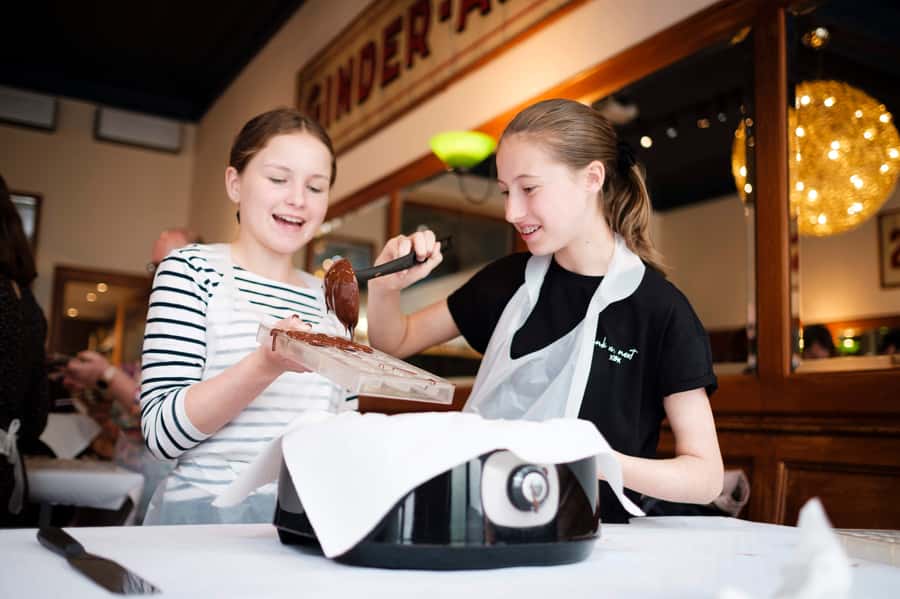
The class begins with an introduction to chocolate, cacao, and Peruvian culture. This early section helps explain why the local ingredient matters before you start working with it.
The instructors also introduce the Belgian style used for the pralines and mendiants. Pralines are filled chocolate bonbons, while mendiants are flatter chocolate pieces decorated with toppings. The difference gives you two formats to make, so the finished box has variety rather than a pile of identical sweets.
Instruction is available in English, Spanish, and French. That is helpful in an activity where timing and texture matter. Participants have praised the explanations of tempering techniques, cacao, and ganache, as well as the easy humor of instructors including David, Marco, and Alex.
David receives the most repeated personal praise. His cheerful style appears to help groups relax and take part, while Marco, Ken, and Angel are also described as welcoming and fun. That social tone is part of the value here. Chocolate making can feel awkward when nobody knows what to do, but clear demonstrations and a lively teacher make the work feel approachable.
Tempering, ganache, and the hands-on work
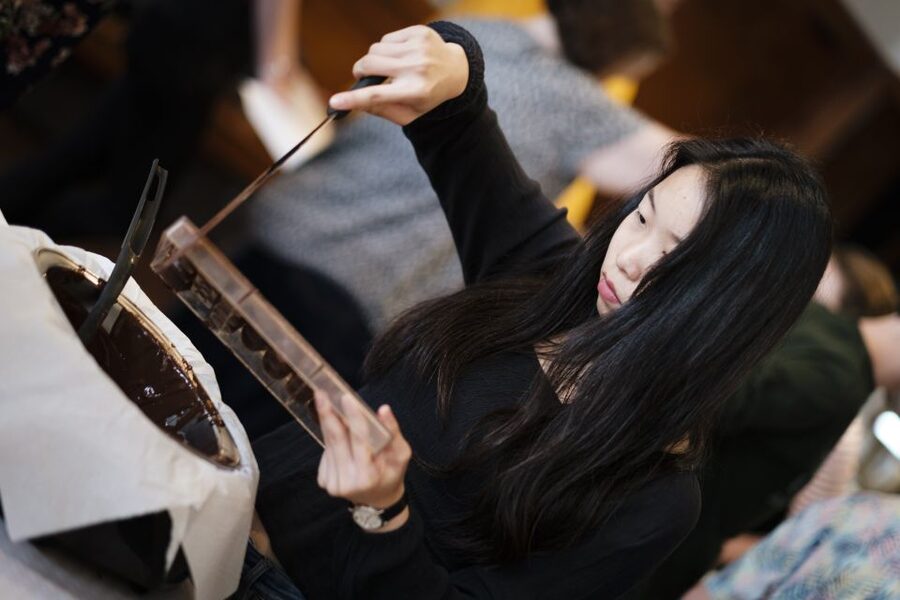
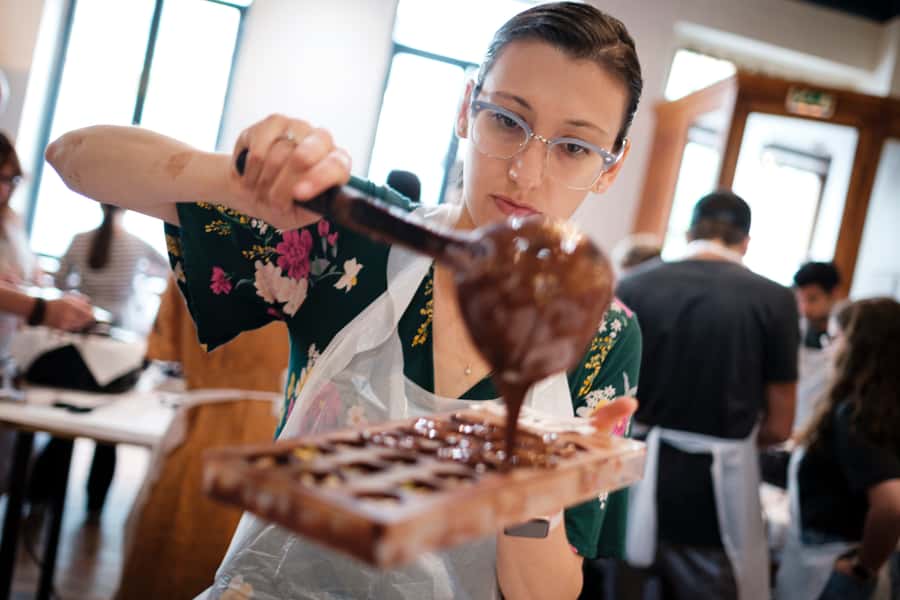
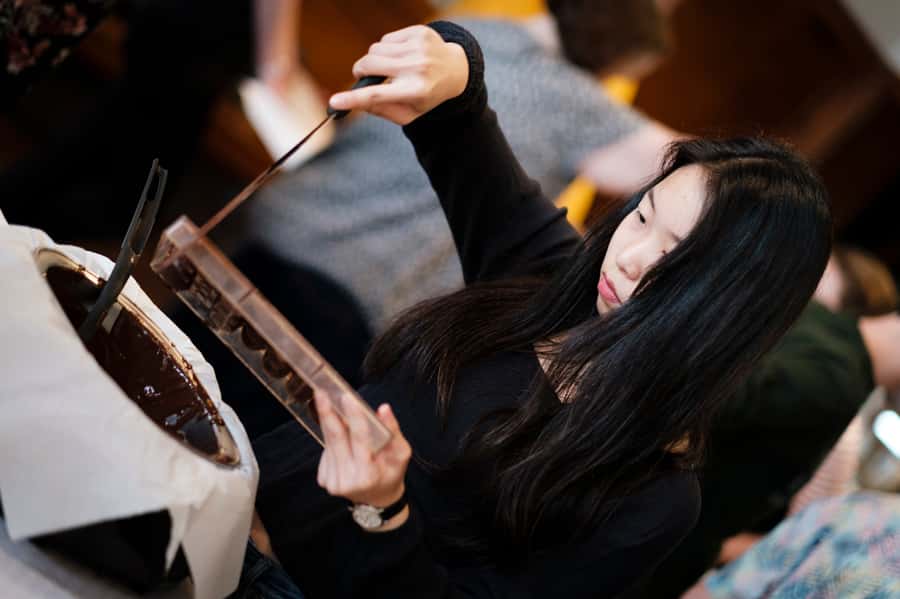
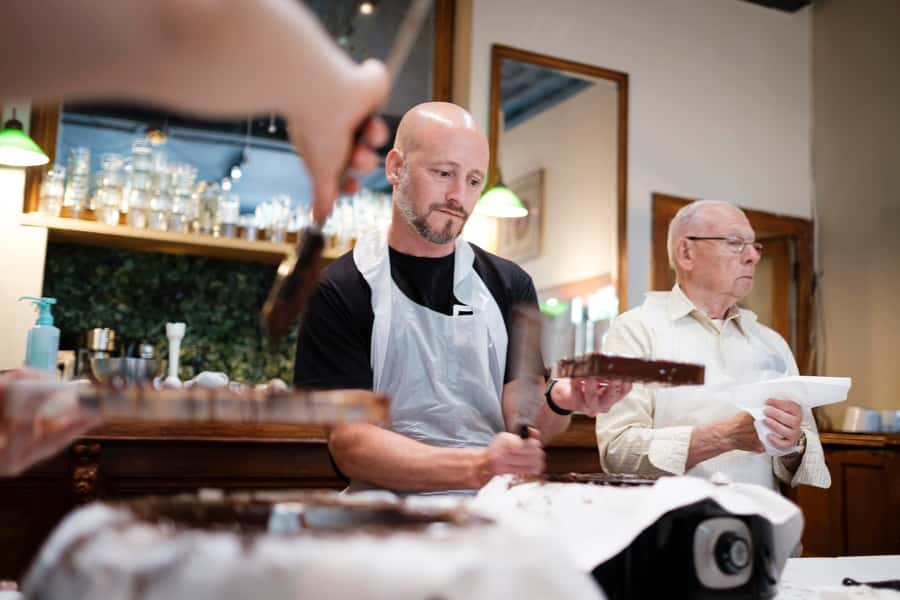
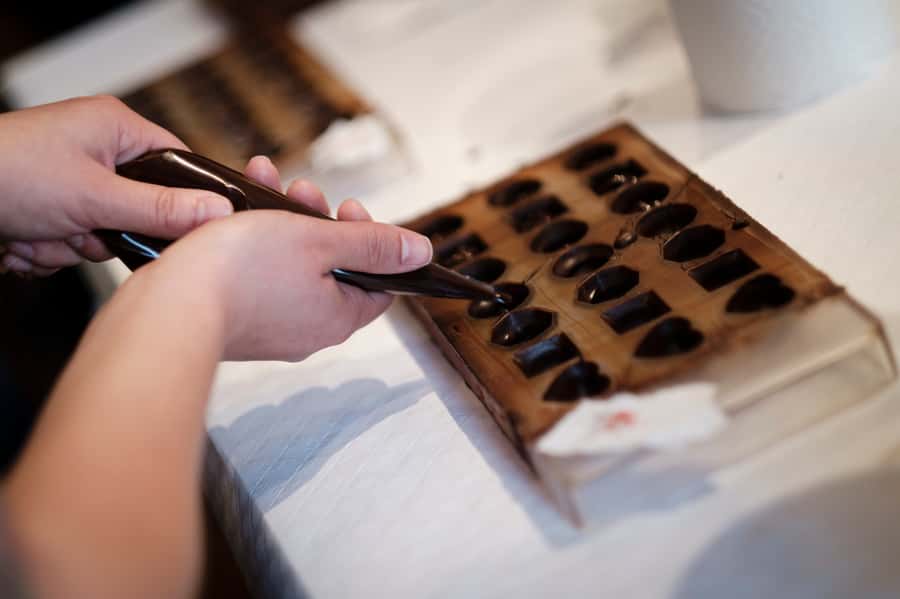
The practical section is the heart of the experience. You make the pralines and mendiants from scratch with the supplied chocolate, ingredients, and utensils. Tempering is included, which gives you a useful look at how chocolate is handled to produce a smoother finish and a firmer set.
You also prepare ganache, the soft chocolate filling used inside bonbons. This is where the class moves beyond simple dipping. You learn how a filling changes the taste and texture of a praline, then choose what you want to use in your own batch.
The exact order of each task may vary with the class, but you can expect demonstrations, guided preparation, filling, molding, and decoration. Assistance is provided from beginning to end, so this is not a test of pastry-school skill. You can ask for help as you work.
The ingredients include homemade local jam and a broad selection of local and organic nuts. These toppings let you give the chocolates different flavors and textures. A nut topping adds crunch, while jam or ganache makes the center softer and sweeter.
The activity is especially good for couples, friends, and small groups who enjoy making something together. You will have plenty to talk about while waiting for chocolate to set, and the finished sweets give everyone a clear result to compare.
A completely different sort of day out from Cusco:
- Cusco: Humantay Lake Tour with Breakfast and Buffet Lunch
★ 4.9 · 2,976 reviews - From Cusco: Sacred Valley & Maras Salt Mines Tour with Lunch
★ 4.8 · 2,227 reviews - From Cusco: Moray, Maras Salt Mines & Chinchero Weavers Tour
★ 4.8 · 1,925 reviews - From Cusco: Full-Day Group Tour of Machu Picchu
★ 4.7 · 1,767 reviews
Making around 31 chocolates to take home
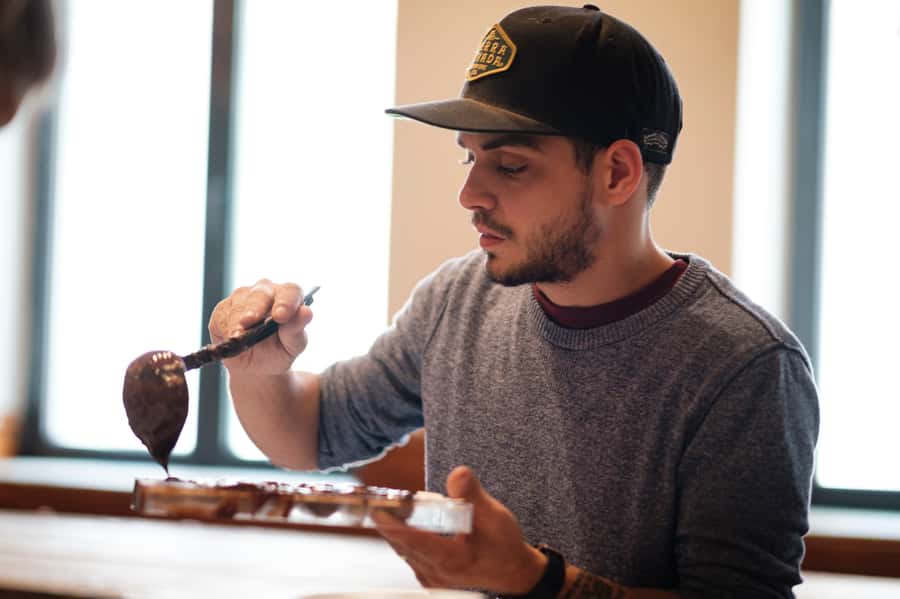
The stated allowance is 300 grams of chocolate per person. That becomes about 21 pralines and 10 mendiants, a generous amount for a short workshop.
The number is worth considering when judging the $47 price. You are not paying only for a tasting or a quick demonstration. The fee covers the two-and-a-half-hour lesson, all ingredients and equipment, hot chocolate, filtered water, instructor assistance, and a box for your finished chocolates.
The take-home box is a practical souvenir. Cusco offers plenty of small gifts, but a box of handmade chocolates carries the memory of the activity itself. You can share the result with family or friends, although you may find it difficult to give away sweets you made yourself.
The box also means you do not need to eat everything during the class. Ask how the chocolates should be stored if you plan to carry them around Cusco afterward. The supplied information confirms the box, but it does not specify storage instructions or how long the chocolates keep, so avoid assuming they are suitable for long, warm journeys without further advice.
The hot chocolate tasting
Hot chocolate is included, and the instructors teach you how to make it. This adds a warm, drinkable part to a class otherwise focused on molded sweets.
It is also a useful comparison. You taste the cacao in a different form, then see how it behaves in ganache, praline shells, and mendiants. The hot chocolate has been singled out as especially good, so it deserves more than a quick sip between tasks.
The tasting makes this experience feel connected to everyday Peruvian food culture rather than only European pastry technique. The workshop uses Belgian-style methods, but the ingredient and setting are local to Cusco. That combination is the point.
What the $47 price really buys
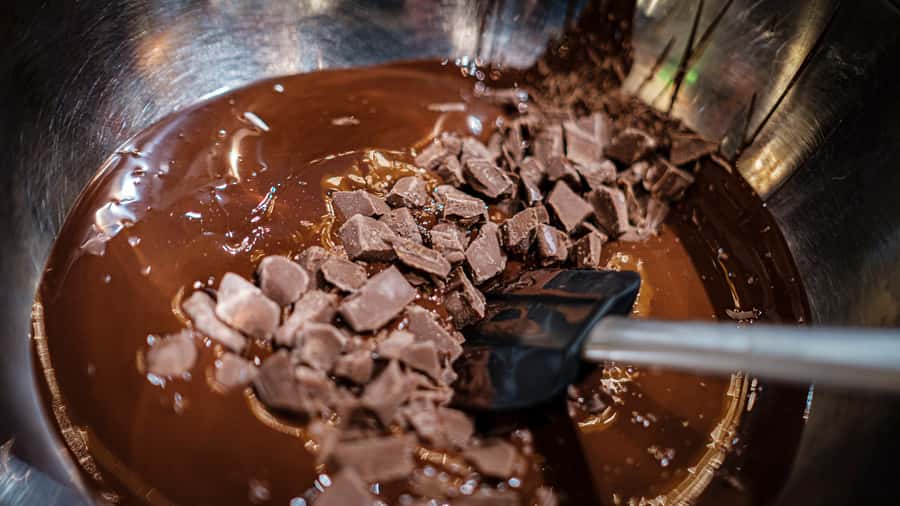
At $47 per person, this is not the cheapest snack stop in Cusco. You can buy excellent chocolate without paying for a class. The value comes from the amount of instruction, the time spent making the sweets, the ingredients, the view, the hot chocolate, and the take-home box.
You also receive a substantial edible result: approximately 300 grams of chocolate, shaped into about 21 pralines and 10 mendiants. If you enjoy cooking classes, this is a reasonable price for an activity that takes up a full 150 minutes and leaves you with something to share.
The value is weaker if you only want to taste cacao or watch someone else work. Spectators are not allowed, and the class is designed for active participation. You should book it because you want to make chocolate, not because you want a short tasting with a view.
The social factor helps justify the cost too. The class has been praised as interactive, funny, and enjoyable, with instructors who keep the energy up. That can turn a basic recipe lesson into one of the more relaxed stops in a busy Cusco visit.
Who should book this Cusco activity
I would recommend it to adults and children aged 12 or older who enjoy food, crafts, and informal instruction. It works especially well for:
- Couples looking for a shared activity
- Families with older children
- Friends who want a social break from museums and ruins
- First-time chocolate makers
- Visitors interested in Peruvian ingredients
- Anyone wanting a useful, edible souvenir
You do not need advanced cooking experience. The workshop includes tools, ingredients, demonstrations, and help throughout.
I would be more cautious if you have diabetes, since the activity is not suitable for people with diabetes. It is also not a good choice if you want to bring a nonparticipating partner or watch from the side, because spectators are not allowed.
If you are under 12, you cannot join. The information also says unaccompanied minors are not permitted, so families should confirm the age and supervision rules before booking.
Practical planning tips for your afternoon
Wear clothes you do not mind getting a little messy. The class is hands-on, and you will be handling chocolate, fillings, nuts, and decorations. The supplied information does not describe aprons or protective clothing, so do not assume every personal item will be covered.
Arrive at Limbus Restobar with enough time to check in at reception. The meeting point is not a separate street-side chocolate shop, and you need to identify yourself as a workshop participant so staff can direct you.
Keep the rest of your schedule flexible. The official duration is 150 minutes, but the experience includes several stages, from the introduction to the final packing. You will enjoy it more if you are not watching the clock.
The class has a cancellation option up to 24 hours in advance for a full refund, and you can reserve now and pay later. That makes it easier to fit into a changing Cusco plan. One booking record reports a cancellation only a few hours after booking and a delayed refund, so I would keep confirmation details and check the activity status before setting out.
A good break from the usual Cusco circuit
Cusco can fill your days with churches, archaeological sites, markets, and high-altitude walking. This workshop gives you a different way to spend an afternoon. You are still learning about Peru, but through cacao, local ingredients, and a shared table rather than another guided visit.
The view from Limbus Restobar gives the class extra character. The chocolate work gives it purpose. The instructors give it much of its charm, with David’s humor and warmth repeatedly helping the class feel easy and social.
The one clear limitation is scope. You will not necessarily see roasting, cracking, or the full production of cacao from bean to chocolate. For that reason, I would treat this as a making-and-tasting workshop with cultural context, not as a technical cacao production tour.
Should you book the Chuncho chocolate workshop?
Book it if you want a relaxed, practical Cusco activity where you make a generous box of sweets, taste hot chocolate, learn about local Chuncho cacao, and enjoy a city view. The strongest reasons are the hands-on format, the friendly instructors, and the amount of chocolate you take home.
Skip it if you dislike sweet foods, cannot eat chocolate, have diabetes, or want a detailed lesson on roasting and processing cacao beans. For most food-loving adults and families with children over 12, the $47 price is fair because you receive both an activity and a substantial souvenir.
FAQ
How long does the Cusco chocolate workshop last?
The workshop lasts 150 minutes, or two and a half hours.
How much does the workshop cost?
The price is $47 per person.
Where is the meeting point?
Meet at Limbus Restobar in Cusco. At reception, say you are attending the chocolate workshop, or el taller de chocolate, and staff will direct you.
Is hotel pickup included?
No. You must go directly to the workshop location at Limbus Restobar.
What chocolate will I make?
You will make Belgian-style pralines and mendiants from scratch. The class also includes making ganache and learning how to prepare hot chocolate.
How much chocolate can I take home?
Each person receives 300 grams of chocolate, with about 21 pralines and 10 mendiants, plus a box for taking the handmade chocolates home.
Is the workshop suitable for children?
Children under 12 are not allowed. Unaccompanied minors are also not permitted, and spectators cannot attend without participating.
Just added around Cusco
- Cusco: Rainbow Mountain and viewpoint red valley ( optional)★ 4.8 · 3 reviews
- Tour Pallay Punchu Trek Full Day★ 4.2 · 3 reviews
- Montaña de Colores: tour en cuatrimotos día completo★ 3.3 · 3 reviews
- Excursion Cusco – Puno – Titicaca Observatory Train★ 5.0 · 3 reviews
- Cusco: Palcoyo Mountain Day Trip with Breakfast and Lunch★ 4.8 · 3 reviews
- Maras Moray★ 5.0 · 3 reviews
- Tour to Laguna Humantay with breakfast and lunch from Cusco★ 4.7 · 3 reviews
- From Cusco:Chinchero, Moray, Maras, Ollantaytambo with lunch★ 5.0 · 3 reviews
Workshops, compared.
Peruvian Cooking Class, Cocktails & Local Market Tour
Read our review →
Cooking class and market tour with a local chef
Read our review →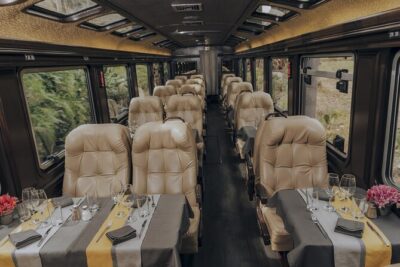
The First Class Machu Picchu Train by Inca Rail
Read our review →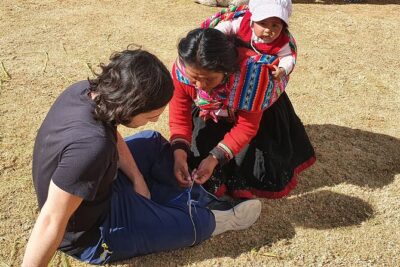
The Textile Workshop Experience in Cusco Region
Read our review →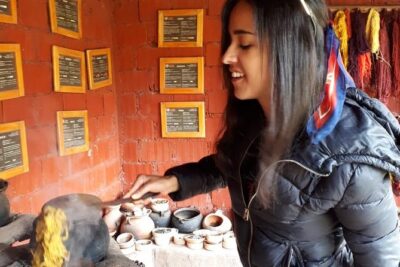
Sacred Valley Textile Workshop – Dyeing & Weaving in Cusco
Read our review →
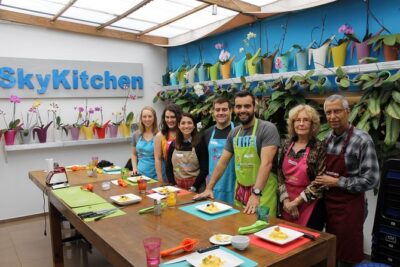
Market Tour, Tasting of 35 Fruits, and 4-Course Peruvian Cooking Class in Lima
Read our review →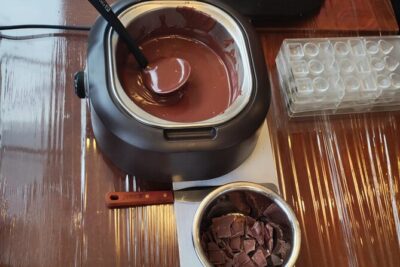
Chocolate Workshop in Cusco with Premium Organic Cacao
Read our review →Browse the lists this tour appears in