
Reviewed · WORKSHOPS
The Textile Workshop Experience in Cusco Region
Craft, food, and mountain views come together. At Andean Colors, you do far more than watch a demonstration. You help clean alpaca wool, spin it by hand, gather natural dye materials, color yarn, and weave your own bracelet or bookmark. I especially like the full hands-on process and the warm, personal guidance from Miguel, Paulita, Marco, and Paolina. The friendly llamas and alpacas are another highlight. The main drawback is practical: transportation is not included, and the workshop sits outside Cusco, so you need to plan the journey.
At $79 per person for about four hours, this is not the cheapest short activity around Cusco. Still, the price includes the workshop, materials, lunch, and time with the animals. I think it offers good value if you want a real connection with Andean craft rather than another stop where you simply watch someone work. Lunch may be hearty and homemade rather than restaurant-style elaborate, so set your expectations accordingly.
In This Review
- What makes this Cusco textile experience special
- Arriving at Racchi Ayllu outside Cusco
- Beginning with alpacas, llamas, and a short walk
- Cleaning alpaca wool the old-fashioned way
- Spinning fiber by hand with a simple tool
- Natural dyes made from plants, moss, and cactus insects
- Weaving your own bracelet or bookmark
- A traditional Andean lunch at the family table
- Shopping for better textiles at the on-site boutique
- Is four hours enough for the full program?
- The $79 price and who gets the best value
- Who should book Andean Colors?
- Should you book this textile workshop?
- FAQ
- Where does the textile workshop begin?
- Where does the experience end?
- How long does the workshop last?
- How much does the experience cost?
- Is transportation included?
- Is lunch included?
- What will I make during the workshop?
- Can I feed the llamas and alpacas?
- Is this a private tour?
- Can I cancel for a full refund?
What makes this Cusco textile experience special
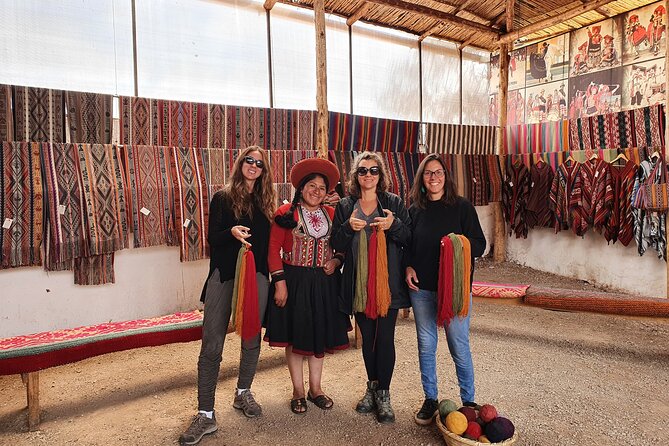
- You take part in every major textile step: Clean wool, spin fiber, prepare natural dyes, color yarn, and weave a small piece to take home.
- The dyeing uses local materials: Plants, moss, and cactus insects can produce striking colors, including green, yellow, purple, and pink.
- You can walk and feed llamas and alpacas: Fresh grass is provided, with mountain scenery behind you.
- Lunch is served as part of the visit: Traditional Andean food gives the four-hour workshop a relaxed, family-style feel.
- The visit supports local artisan mothers: Purchases at the boutique help sustain a project connected with single mothers and women artisans.
- It is a private activity: Only your own group participates, which allows the pace and explanations to feel personal.
Arriving at Racchi Ayllu outside Cusco
The experience begins at Andean Colors in Racchi ayllu, in the Cusco Region. The listed meeting point is Racchi ayllu, 08670, Peru, and the activity ends there as well.
That location matters. You leave the city behind and spend the afternoon in open countryside, with the Andes providing a far better backdrop than a busy shop in Cusco’s main plaza. The setting gives the textile work context. You are not just handling colored yarn in a classroom. You can look out toward pasture and mountains while learning how local materials become useful objects.
Transportation requires attention. Private transportation is not part of the $79 price, although the team can help arrange it. One reported arrangement cost $80 round trip from a Cusco hotel, while another person reached the site using public transportation. Confirm the current transport price and pickup details before you go.
The drive can take about an hour from Cusco, depending on your starting point and road conditions. If you add Maras and Moray, the outing becomes a much longer day, with more than 1.5 hours of driving mentioned for that combination. I would keep the textile visit as its own half-day unless you have plenty of time.
A few more Peru trips worth weighing up
- Cusco: Peruvian Cooking Class, Cocktails & Local Market Tour
★ 4.9 · 512 reviews - Cooking class and market tour with a local chef
★ 5.0 · 186 reviews - The First Class Machu Picchu Train by Inca Rail
★ 4.0 · 182 reviews
Beginning with alpacas, llamas, and a short walk
The animals often provide the easiest opening to the experience. You can feed llamas and alpacas with fresh grass, spend time near them, and take a short walk around the property. Some groups have also encountered goats and baby alpacas.
This is not a large animal park with a long list of staged activities. Its appeal is simpler. You get close to the animals connected with the wool you are about to handle, then walk through the countryside to gather plants used for dyeing. That link between animal, fiber, plant, and finished textile makes the rest of the workshop easier to understand.
Bring patience around the animals. They are friendly, but they are still animals, not photo props. The walk is short, so this activity suits families and people who want a gentle outdoor experience rather than a demanding hike.
The mountain views are a major part of the visit. You may walk to an overlook above the Sacred Valley area, and the scenery gives you plenty of photo opportunities. If you want clear pictures, allow time for the animals to cooperate. Alpacas rarely follow a photographer’s schedule.
Cleaning alpaca wool the old-fashioned way
The textile lesson begins with the raw material. You learn how wool is cleaned before it can become thread. This is a useful step because finished alpaca clothing in Cusco can look effortless in a shop, while the work behind that softness is anything but simple.
The workshop lets you handle the process instead of standing at the edge of a demonstration. You see how the fiber must be prepared before spinning, and the instructors guide you through each task. The pace is described as calm and patient, which helps if you have never worked with wool before.
Paulita and Paolina are especially associated with the teaching side of the visit, while Miguel and Marco help with explanations, hospitality, and the wider experience. English speakers have reported no trouble communicating, including with Miguel, who speaks fluent English and Spanish. That is useful in a workshop where small instructions matter.
Children can take part, too. Families with children aged eight to eleven have found that the team offers help when needed. Still, the work requires sitting, concentrating, and following steps, so very young children may enjoy the animals more than the spinning and weaving.
Spinning fiber by hand with a simple tool
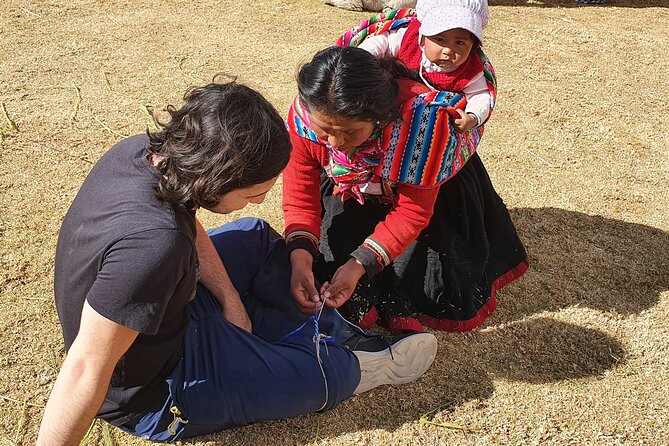
Spinning is one of the most memorable parts because it uses a small hand tool rather than a modern machine. You twist the fiber and use a top-like spindle with a stick to turn it into yarn.
It looks easy until you try it. The instructor gives you time to find the rhythm, and the private format means your group does not have to race through the lesson. I like this part because it changes your view of Andean textiles. After a few minutes of trying to keep the yarn even, you understand why a handmade hat, shawl, or poncho carries so much labor.
You may create several yarns in different colors during the session. The yarn you dye is yours to keep, along with the small woven item you make. That is a better souvenir than a generic textile bought without knowing how it was produced.
Do not expect to leave as a skilled spinner. The goal is not technical mastery in four hours. The value is in feeling the process and gaining respect for the craft.
A completely different sort of day out from Cusco:
- Cusco: Humantay Lake Tour with Breakfast and Buffet Lunch
★ 4.9 · 2,976 reviews - From Cusco: Sacred Valley & Maras Salt Mines Tour with Lunch
★ 4.8 · 2,227 reviews - From Cusco: Moray, Maras Salt Mines & Chinchero Weavers Tour
★ 4.8 · 1,925 reviews - From Cusco: Full-Day Group Tour of Machu Picchu
★ 4.7 · 1,767 reviews
Natural dyes made from plants, moss, and cactus insects
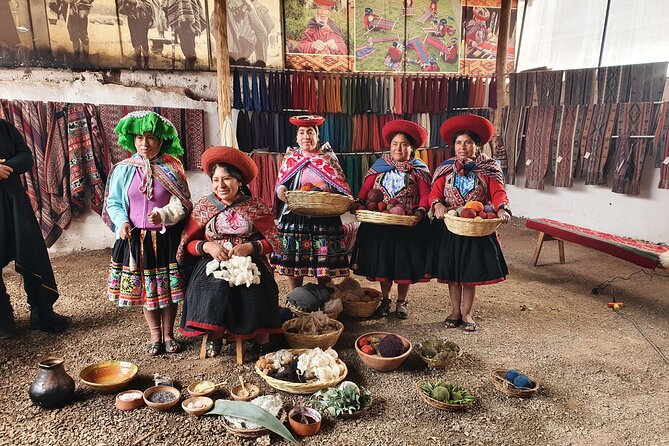
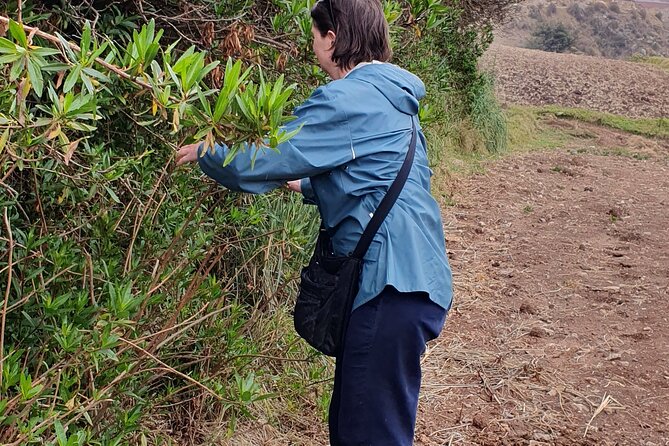
The dyeing section gives the workshop its strongest sense of discovery. You may gather leaves and other plant material during the walk, then learn how natural sources change the color of wool.
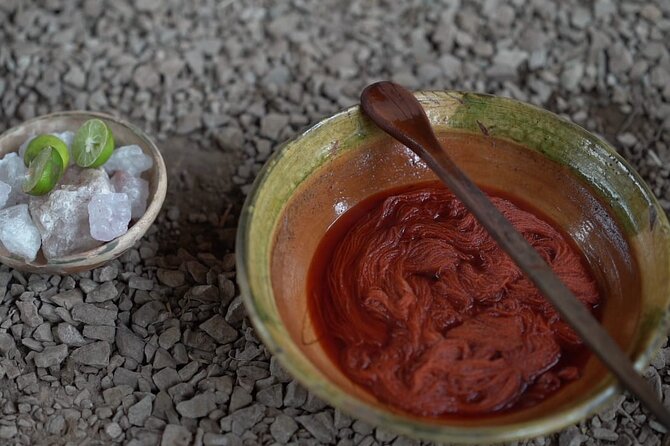
The materials described in the experience include leaves for green, dried moss for yellow, and dried insects from cactus for purple. Cactus is also connected with pink dyes. That detail alone helps explain why Andean textiles can carry such complex colors without relying on factory-made chemicals.
The lesson is practical rather than abstract. You see the materials, prepare them, and take part in dyeing the yarn. The shades you produce may not match the colors in a boutique exactly, which is part of the point. Natural dyeing depends on the material and process, and small differences make handmade work distinctive.
This is also a good place to ask about environmental care and the project’s social purpose. The team explains the resources used and how the work supports women artisans. The experience presents weaving as a living skill and a source of income, not merely a decorative tradition preserved for tourists.
Weaving your own bracelet or bookmark
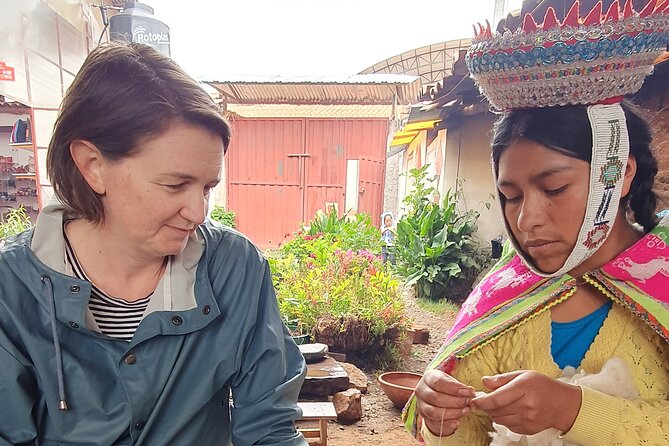
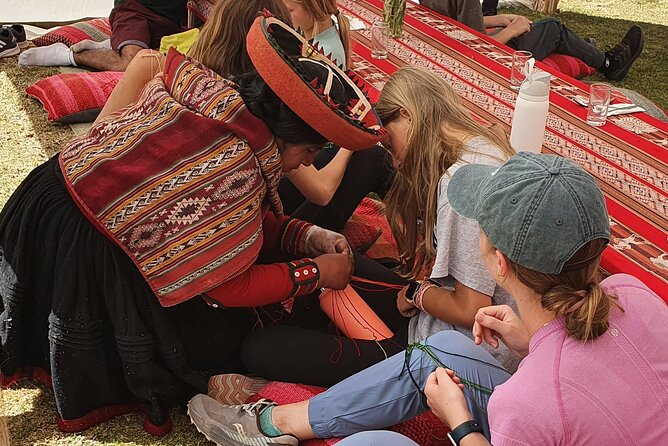
After cleaning, spinning, and dyeing, you move to the final craft. You learn an ancient weaving technique and make either a bracelet or bookmark.
The project is small enough to finish during the visit, but do not confuse small with simple. Weaving requires patience and steady hands. The instructors guide you through the pattern and help when the threads become confusing. A laid-back pace makes this suitable for beginners, including people who would not normally choose a craft activity.
You keep the finished piece. You may also take home the yarn you dyed. Those objects have modest practical value, but strong memory value. They remind you of the work behind Peruvian textiles and give you something personal to show family at home.
I would choose the bracelet if you want something wearable and the bookmark if you prefer a flatter keepsake. If you are traveling with children, the smaller project gives them a clear finish line.
A traditional Andean lunch at the family table
Lunch follows the workshop and is included in the price. The meal has been described as homemade, warm, and based on local flavors. Dishes may include soup, chicken, potatoes, carrots, and rice.
Expect simple Andean cooking rather than a polished tasting menu. One person found the meal delicious and among the best of a Peru trip, while another considered it pleasant but more basic than expected. That difference is worth noting. The food appears to be a strong part of the hospitality, but your enjoyment will depend on your expectations and personal taste.
The hosts may sit with you and talk about the area, the project, and the work. That shared meal helps the afternoon feel less like a timed attraction. It also gives you a chance to rest after the craft session.
Tell the operator about dietary restrictions in advance. The team has accommodated gluten-free diets and restrictions involving shellfish and red meat. Do not assume every request can be handled at the last minute, but the communication appears responsive when you provide details early.
Soda, bottled water, and breakfast are not included. Bring water, especially at altitude, and budget separately for any soft drinks.
Shopping for better textiles at the on-site boutique
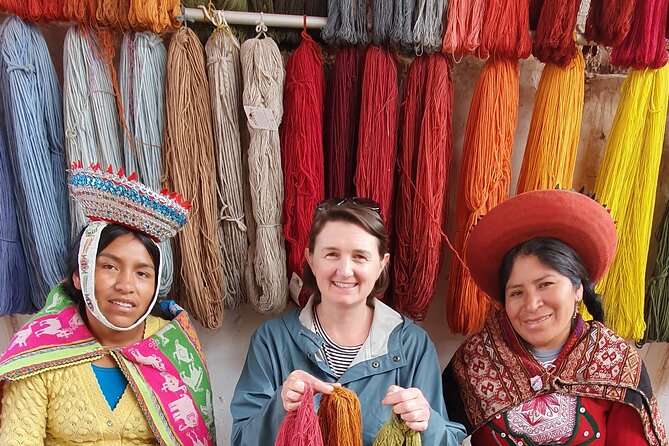
Andean Colors has a large boutique with authentic textiles and fine leather goods. You can shop after the workshop, when you have a better sense of the work involved in each item.
This timing is useful. A poncho, hat, pair of gloves, or cape means more after you have cleaned wool, spun fiber, and struggled with a small loom. You can also ask about materials, dyeing, and production instead of choosing only by color.
Prices and quality in Cusco’s main plaza can vary widely. One direct comparison found items bought there cost about twice as much and offered lower quality than similar goods at Andean Colors. I cannot treat that as a universal price rule, but it is sensible to wait before making major textile purchases in central Cusco.
The social purpose may also influence your choice. Purchases support a project connected with single artisan mothers and local women. Ask which products are made through the program if that matters to you. Buying here does not turn shopping into charity, but it can make the purchase feel more accountable and connected to the people doing the work.
Is four hours enough for the full program?
The advertised duration is about four hours. That is enough time for the main sequence: animals, a short walk, wool preparation, spinning, natural dyeing, weaving, lunch, and shopping.
The exact rhythm can vary. A private group can spend longer on questions or need extra help with weaving. Animal time may also expand if you are enjoying the setting. If you add outside sights such as Maras and Moray, the day will no longer feel like a compact workshop.
I would not schedule a strenuous hike immediately afterward. Cusco altitude can affect even fit people, and the activity works well as a gentle first full day while you adjust. You still need to walk and concentrate, but the pace is much calmer than a major mountain excursion.
The meeting point is near public transportation, and most people can participate. There is a bathroom and credit card payment has been available. Confirm current payment arrangements before arrival, since small operational details can change.
The $79 price and who gets the best value
At $79 per person, you are paying for more than a craft class. The price includes materials such as wool, dyes, and tools, the finished bracelet or bookmark, lunch, animal feed, and a private session for your group.
I consider the price fair for someone who values time with local hosts and wants to make something personally. A cheaper textile demonstration might show you the same broad steps, but it would not necessarily let you wash wool, gather dye materials, spin yarn, and weave your own piece.
The value is weaker if you mainly want animal photos or a quick shopping stop. You can find alpaca products elsewhere, and the workshop takes enough time that you should genuinely care about the process.
The private format is important. Solo visitors can receive close attention, couples can set a comfortable pace, and families can get help without holding up a large bus group. Transportation can add a substantial extra cost, so include that in your budget before deciding.
Who should book Andean Colors?
I would recommend this for:
- Families with children who enjoy hands-on activities
- Solo visitors who want a welcoming, structured outing
- Couples looking for something beyond ruins and viewpoints
- Anyone interested in natural dyes, handmade clothing, or sustainable craft
- People who want a calm first activity after arriving in Cusco
- Shoppers who prefer buying directly from a social enterprise
I would be more cautious if you dislike crafts, have limited time outside Cusco, or expect a luxury meal. The workshop is active but not physically demanding, and it is educational without feeling like a formal school lesson.
Free cancellation is available up to 24 hours before the start time. Changes or cancellations inside that window are not accepted for a refund, so leave room for altitude problems and transport delays when setting your schedule.
Should you book this textile workshop?
Yes, if you want to understand how Andean textiles are made instead of simply buying one. The strongest reason to go is the complete process: wool, spinning, natural color, weaving, and a finished keepsake, all explained with patient help.
Add the llamas, alpacas, mountain views, lunch, and social purpose, and the $79 price makes sense. Arrange transportation early, bring water, mention food restrictions ahead of time, and leave your afternoon open. If your idea of a good Cusco day includes learning a skill, meeting generous hosts, and coming home with something made by your own hands, book it.
FAQ
Where does the textile workshop begin?
It begins at Andean Colors in Racchi ayllu, 08670, Peru, in the Cusco Region.
Where does the experience end?
The activity ends back at the meeting point in Racchi ayllu.
How long does the workshop last?
The experience lasts approximately four hours.
How much does the experience cost?
The listed price is $79 per person.
Is transportation included?
No. Private transportation is not included, but the team can help arrange transportation. The site is near public transportation.
Is lunch included?
Yes. Lunch is included. Soda, bottled water, and breakfast are not included.
What will I make during the workshop?
You can make your own bracelet or bookmark using wool, dyes, and fabric tools provided during the activity.
Can I feed the llamas and alpacas?
Yes. Fresh grass is included so you can feed the llamas and alpacas during the encounter.
Is this a private tour?
Yes. Only your own group participates in the activity.
Can I cancel for a full refund?
Yes, if you cancel at least 24 hours before the experience start time. Cancellations or changes made less than 24 hours in advance are not refunded or accepted.
Just added around Cusco
- Cusco: Rainbow Mountain and viewpoint red valley ( optional)★ 4.8 · 3 reviews
- Montaña de Colores: tour en cuatrimotos día completo★ 3.3 · 3 reviews
- Tour Pallay Punchu Trek Full Day★ 4.2 · 3 reviews
- Excursion Cusco – Puno – Titicaca Observatory Train★ 5.0 · 3 reviews
- Cusco: Palcoyo Mountain Day Trip with Breakfast and Lunch★ 4.8 · 3 reviews
- Maras Moray★ 5.0 · 3 reviews
- Tour to Laguna Humantay with breakfast and lunch from Cusco★ 4.7 · 3 reviews
- From Cusco:Chinchero, Moray, Maras, Ollantaytambo with lunch★ 5.0 · 3 reviews
Workshops, compared.
Peruvian Cooking Class, Cocktails & Local Market Tour
Read our review →
Cooking class and market tour with a local chef
Read our review →
The First Class Machu Picchu Train by Inca Rail
Read our review →
Sacred Valley Textile Workshop – Dyeing & Weaving in Cusco
Read our review →
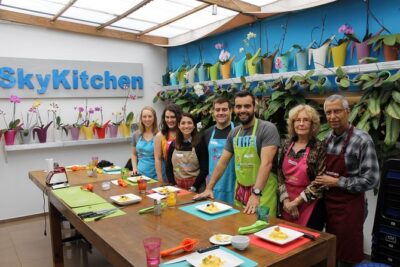
Market Tour, Tasting of 35 Fruits, and 4-Course Peruvian Cooking Class in Lima
Read our review →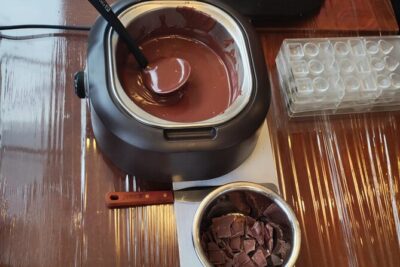
Chocolate Workshop in Cusco with Premium Organic Cacao
Read our review →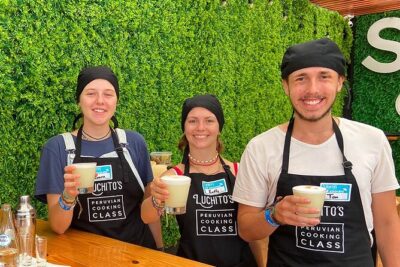
#1 Rated Cooking Classes with Local Market Tour & Pickup
Read our review →Browse the lists this tour appears in