
Reviewed · WORKSHOPS
Cusco: Bean to bar chocolate workshop
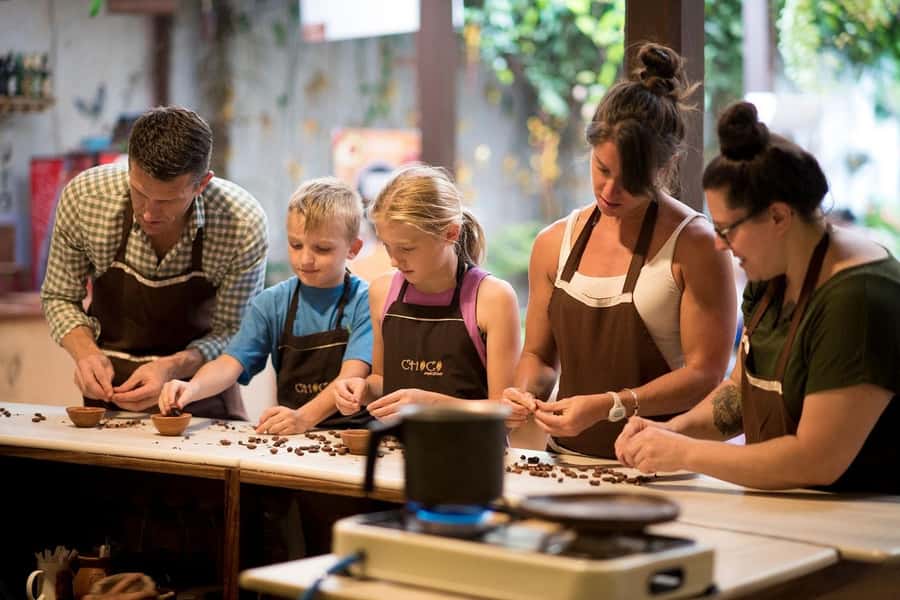
Chocolate in Cusco is more than a sweet souvenir. In this two-hour workshop, you follow cacao from bean to bar, then make your own organic chocolates with ingredients chosen to suit your taste. I like the hands-on work, especially roasting, peeling, and grinding the beans yourself. I also like that you leave with something you made rather than just another packaged treat.
The main consideration is that this is a focused workshop, not a broad food tour or a visit to a cacao farm. You will spend your time inside the chocolate workshop and museum, learning from English- or Spanish-speaking guides. If you want a longer excursion outside Cusco, this will feel limited, but if you want a practical break from ruins and mountain trips, it fits nicely.
In This Review
- Key things to know before making chocolate in Cusco
- Why this Cusco chocolate class is worth your time
- Starting with cacao beans, not a finished candy bar
- The Maya and conquistador hot chocolates
- Making a chocolate bar to match your taste
- What the two-hour schedule means for your Cusco plans
- Organic chocolate and the value of a handmade souvenir
- Who will enjoy this workshop most?
- Helpful booking and timing advice
- My final take: book it for the process
- FAQ
- How long does the Cusco chocolate workshop last?
- What languages are available?
- What will I learn during the class?
- Can I make my own chocolate bar?
- Can I take the chocolate home?
- What should I do for a last-minute reservation?
Key things to know before making chocolate in Cusco
- You handle the full cacao process: Roast the beans, remove the husks, grind the nibs on a metate, and refine the paste in a melangeur.
- Your chocolate is made to your taste: Choose ingredients for your own bar instead of receiving a fixed sample.
- The hot chocolate is part of the lesson: You make drinks using cacao paste, including versions linked to Maya and conquistador traditions.
- The class lasts two hours: That is long enough for real participation without taking over an entire day in Cusco.
- You can take your chocolates home: Unless you eat them before the class ends, your handmade sweets become a small edible souvenir.
- You need a working WhatsApp number: Include your country code, and contact the supplier by email before booking a last-minute place.
Why this Cusco chocolate class is worth your time
Cusco is best known for Inca stonework, high mountain trips, and the road to Machu Picchu. A chocolate workshop gives you a different way to understand Peru. Instead of looking at a finished product in a shop, you see how cacao changes in texture, aroma, and flavor as each step takes place.
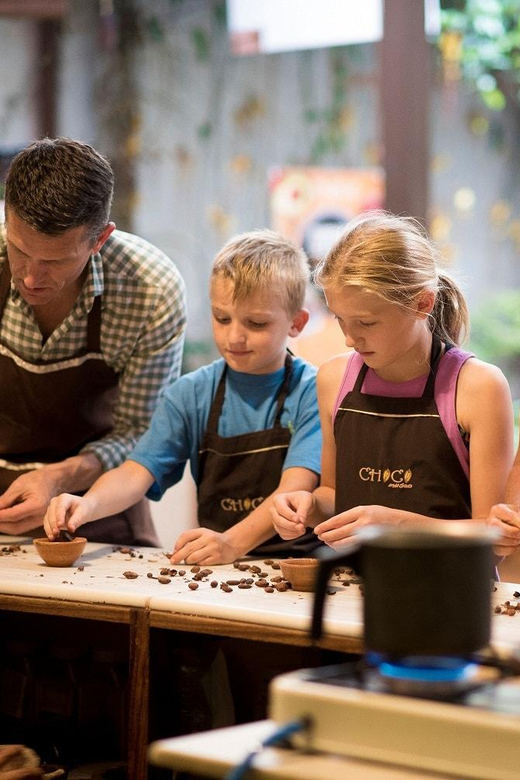
I like this kind of activity because it asks you to do more than listen. You roast the cacao beans. You remove the husks. You grind the nibs by hand. You help make the paste and then shape a chocolate bar. The work is simple enough for beginners, but it gives you a better sense of how much effort sits behind a small square of chocolate.
The workshop also connects modern chocolate making with older methods. Grinding cacao on a metate with a mano reflects the way the Aztecs prepared it. That detail gives the class a useful cultural layer without turning it into a lecture. You are learning through your hands, which makes the information easier to remember.
A few more Peru trips worth weighing up
- Chocolate Workshop in Cusco with Premium Organic Cacao
★ 5.0 · 75 reviews - Cusco: Chocolate Workshop with the Best Local Organic Cacao
★ 4.5 · 23 reviews - 1.5h Cusco Chocolate Workshop – Truffles & Hot Chocolate
★ 4.3 · 8 reviews
Starting with cacao beans, not a finished candy bar
The class begins with the cacao bean itself. This matters because most chocolate shops begin where the process has already been cleaned up and packaged. Here, you get to see the less polished stage first.
The first task is roasting the cacao beans. Roasting changes the beans and helps develop the flavor that you recognize as chocolate. It also gives you a chance to notice that cacao does not begin as a sweet candy. At this stage, the bean is a raw agricultural product with work still ahead.
Next, you remove the cacao husk. This is a small but important step. The usable interior of the bean is separated from its outer covering, leaving the cacao nibs ready for grinding. You may find this part less glamorous than molding the finished bar, but it explains how the bean becomes a workable chocolate ingredient.
The class then moves to the metate and mano. You grind the nibs by hand, using a method associated with ancient Aztec preparation. This is the most physical part of the workshop, and it slows the process down in a useful way. Modern chocolate is usually made with machines, so the hand grinding gives you a clear feel for the original method.
Finally, the cacao paste is refined in a melangeur. The melangeur helps smooth the ground mixture and gives you a look at the step between rough cacao paste and finished chocolate. A guest who took the class in July 2025 especially valued making the roasted, peeled, and ground paste for hot chocolate. That sequence is worth noting because it is the part that most clearly turns the workshop from a tasting into a real lesson.
The Maya and conquistador hot chocolates
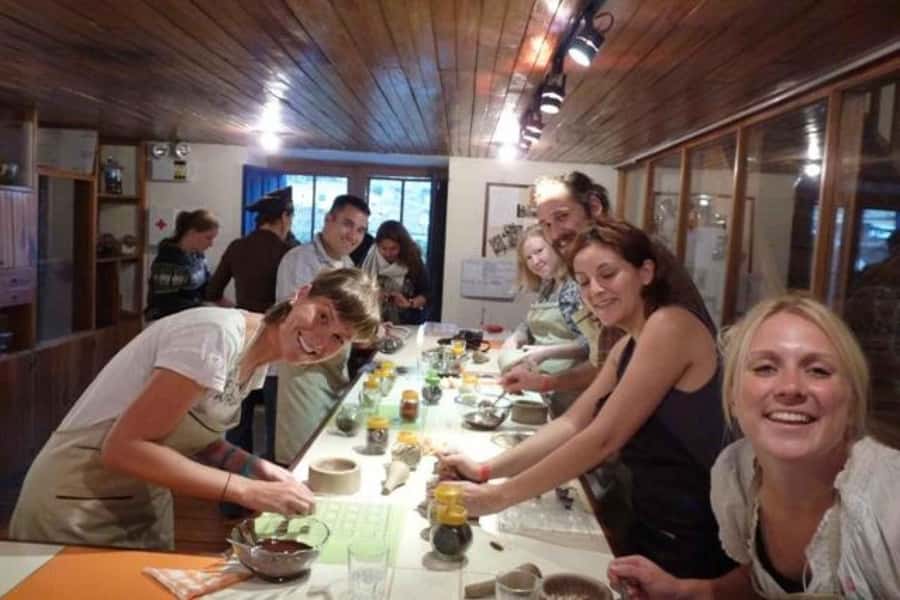
Hot chocolate is not treated as an afterthought here. You make drinks connected with Maya and conquistador traditions, giving you a way to compare different styles and historical uses of cacao.
The names point to an important change in the story of chocolate. Cacao was prepared as a drink long before the modern chocolate bar became common. The workshop uses the hot chocolate portion to show how cacao can be served in different forms, rather than presenting it only as a sweet dessert.
Do not expect every drink to taste like a familiar packet of cocoa. The class is about cacao and its transformation, so the drinks may help you notice the difference between a chocolate beverage made from cacao paste and a heavily sweetened commercial drink. The exact ingredients and recipes are not listed, but the Maya and conquistador versions are specifically included.
I like this part for practical reasons. After roasting and grinding, you get an immediate reward for your work. You also taste the cacao before moving on to your own molded chocolate, which helps connect the lesson to something you can enjoy right away.
Making a chocolate bar to match your taste
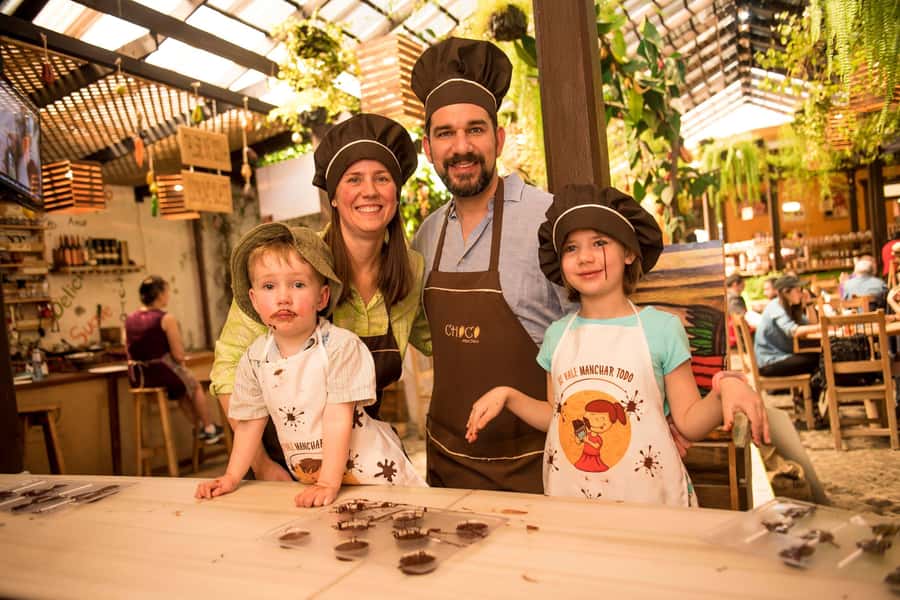
The final creative step is making your own chocolate bar. You choose the ingredients, so your finished bar does not have to follow one fixed recipe. That freedom is useful if you prefer certain flavors or want to make something that feels personal.
The supplied details do not list the ingredient choices, so you should ask the guide what is available at the session. The important point is that you are not simply handed a pre-made bar. You take part in molding and shaping the chocolate, then keep the result.
This is also where the workshop becomes a good activity for different ages and interests. A child can enjoy the molding and ingredient choices. An adult interested in food culture can pay closer attention to roasting and refining. A couple or small group can make different bars and compare them later.
There is one practical limit: handmade chocolate needs time to set, and the class lasts only two hours. The activity promises that you can take your chocolates home, but the exact packing method and timing are not given. If you are carrying chocolate through warm weather or continuing on a long day outside, ask how the finished bars will be stored.
A completely different sort of day out from Cusco:
- Cusco: Humantay Lake Tour with Breakfast and Buffet Lunch
★ 4.9 · 2,976 reviews - From Cusco: Sacred Valley & Maras Salt Mines Tour with Lunch
★ 4.8 · 2,227 reviews - From Cusco: Moray, Maras Salt Mines & Chinchero Weavers Tour
★ 4.8 · 1,925 reviews - From Cusco: Full-Day Group Tour of Machu Picchu
★ 4.7 · 1,767 reviews
What the two-hour schedule means for your Cusco plans
Two hours is a sensible length. You get enough time to work through four cacao processes, prepare drinks, and mold your chocolate without giving up a full day that could be used for the Sacred Valley or another major excursion.
I would place this class on a day when you want a calmer indoor activity. Cusco has plenty of demanding outings, including high-altitude mountain trips and long day tours. A chocolate class gives you a change of pace and does not require a full-day commitment.
Starting times vary, so check availability before choosing a slot. The meeting location is described as a chocolate workshop and museum in the Cusco Region, but the provided information does not give a precise address or state whether transportation is included. Confirm the meeting point and arrival instructions before you set out.
The group size is not specified. That means I would not assume a private lesson or a very small class. The live guide speaks English or Spanish, so choose your preferred language when booking or confirm it in advance if the option is not clear.
Organic chocolate and the value of a handmade souvenir
The workshop describes the chocolate as organic. That may appeal to you if you care about how food is produced, but the available details do not provide a certification, farm name, cacao variety, or percentage of cacao. I would enjoy the organic focus while avoiding assumptions about sourcing beyond what the class states.
The value is less about saving money on chocolate. A shop-bought bar will almost certainly be easier and faster to purchase. The class earns its place in your budget by combining instruction, tasting, practical work, drinks, and a take-home item.
No price is provided in the supplied information, so I cannot judge the exact cost against other Cusco activities. My rule is simple: compare the fee with what you would pay for a standard museum visit and a chocolate purchase, then ask if the extra cost buys you genuine participation. Here, the answer is likely to be yes because you roast, peel, grind, refine, drink, and mold rather than only sample.
If the price is high for your budget, you should know what you are paying for. You are paying for time with the process and the guide, not for a large quantity of finished chocolate. The activity is best viewed as a food lesson with an edible souvenir.
Who will enjoy this workshop most?
I would recommend the class to you if you enjoy learning by doing. It suits people curious about cacao, families looking for an activity that is not another church or archaeological site, and couples who want a small shared project.
It is also a good pick for a short stay in Cusco. You can fit a two-hour class around other plans more easily than a full-day food excursion. Since the activity takes place in a workshop and museum, it may also be useful when you want an indoor plan.
You may want to skip it if you have little interest in chocolate or if you expect a farm visit. There is no stated cacao plantation stop, cooking meal, transportation service, or broad tasting menu. The focus is the bean-to-bar process and your own finished chocolates.
It may also disappoint you if you want a polished pastry class. The hand grinding and cacao preparation are part of the appeal, but they can be slower and messier than simply dipping or decorating sweets. Go in expecting a practical introduction to cacao, not a professional chocolatier certification.
Helpful booking and timing advice
Use your correct mobile number with the country code, and make sure you have WhatsApp. This is specifically requested for communication about the activity, so an incorrect number could make meeting arrangements harder.
For a last-minute reservation, contact the supplier by email before booking to check that a place is available. The activity offers free cancellation up to 24 hours before the start time, and you can reserve now while paying later. Those terms are helpful if your Cusco schedule may change, but you should still verify the start time and meeting point before relying on them.
The provider is Uyuni Experience EIRL. The class is offered with live guidance in English and Spanish. If you have food allergies or a strong ingredient preference, ask what choices are available before the session, since the information supplied does not list the add-ins used for the bars.
My final take: book it for the process
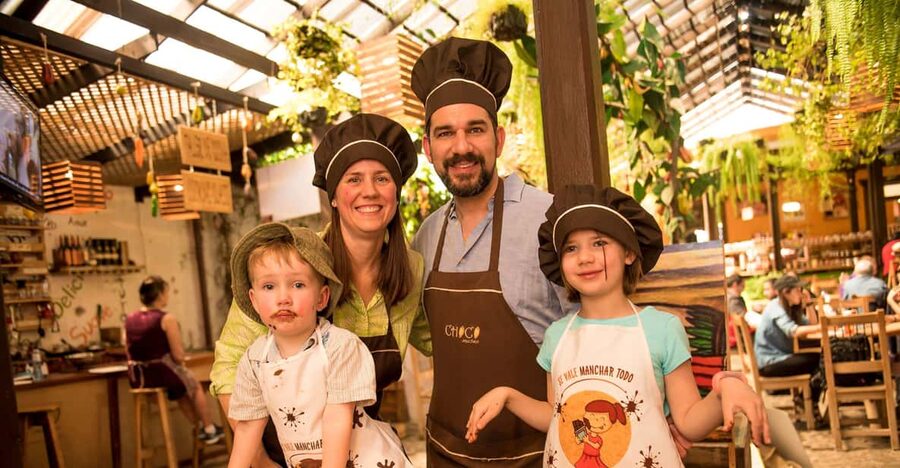
I would book this Cusco bean-to-bar chocolate workshop if I wanted a short, hands-on activity with a clear local food connection. The best part is not simply eating chocolate. It is feeling the difference between a roasted bean, a husked nib, coarse ground cacao, smooth paste, hot chocolate, and a molded bar.
The class earns extra credit for letting you make the hot chocolate paste yourself. That roasted, peeled, and ground sequence gives the experience real substance, and the Maya and conquistador drinks add context without requiring a full day.
Book it if you want an edible souvenir, practical work, and a break from Cusco’s major sightseeing circuit. Skip it if you need a farm visit, a full meal, or a detailed culinary tour. Before paying, confirm the price, meeting point, start time, language, ingredient choices, and last-minute availability. With those details clear, this is a smart two-hour addition to a Cusco itinerary.
FAQ
How long does the Cusco chocolate workshop last?
The workshop lasts two hours.
What languages are available?
A live guide leads the activity in English or Spanish.
What will I learn during the class?
You will learn the bean-to-bar process, including roasting cacao beans, removing the husks, grinding cacao nibs on a metate with a mano, and refining the cacao paste in a melangeur.
Can I make my own chocolate bar?
Yes. You will mold your own chocolate bar and choose ingredients to suit your taste.
Can I take the chocolate home?
Yes. You can take your handmade chocolates home, unless you eat them during or after the class.
What should I do for a last-minute reservation?
Check availability with the supplier by email before booking. You should also provide a correct phone number with your country code and have WhatsApp available.
More Workshops
- Cusco: Peruvian Cooking Class, Cocktails & Local Market Tour
★ 4.9 · 512 reviews - Cooking class and market tour with a local chef
★ 5.0 · 186 reviews - The First Class Machu Picchu Train by Inca Rail
★ 4.0 · 182 reviews - The Textile Workshop Experience in Cusco Region
★ 5.0 · 118 reviews
Just added around Cusco
- Cusco: Rainbow Mountain and viewpoint red valley ( optional)★ 4.8 · 3 reviews
- Montaña de Colores: tour en cuatrimotos día completo★ 3.3 · 3 reviews
- Tour Pallay Punchu Trek Full Day★ 4.2 · 3 reviews
- Excursion Cusco – Puno – Titicaca Observatory Train★ 5.0 · 3 reviews
- Cusco: Palcoyo Mountain Day Trip with Breakfast and Lunch★ 4.8 · 3 reviews
- Maras Moray★ 5.0 · 3 reviews
- Tour to Laguna Humantay with breakfast and lunch from Cusco★ 4.7 · 3 reviews
- From Cusco:Chinchero, Moray, Maras, Ollantaytambo with lunch★ 5.0 · 3 reviews
Workshops, compared.
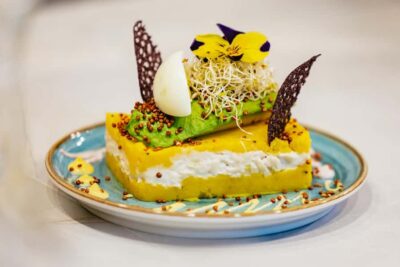
Peruvian Cooking Class, Cocktails & Local Market Tour
Read our review →
Cooking class and market tour with a local chef
Read our review →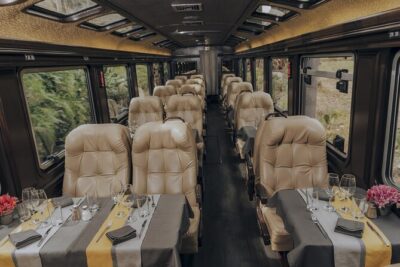
The First Class Machu Picchu Train by Inca Rail
Read our review →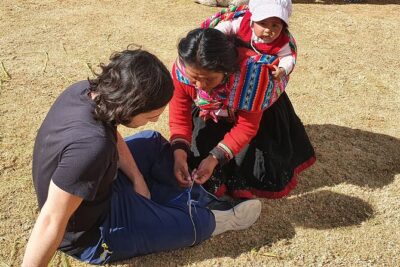
The Textile Workshop Experience in Cusco Region
Read our review →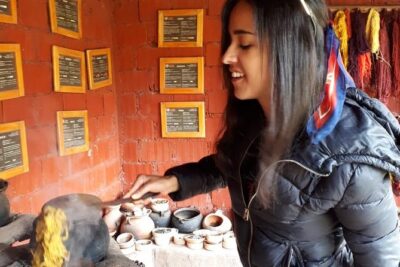
Sacred Valley Textile Workshop – Dyeing & Weaving in Cusco
Read our review →
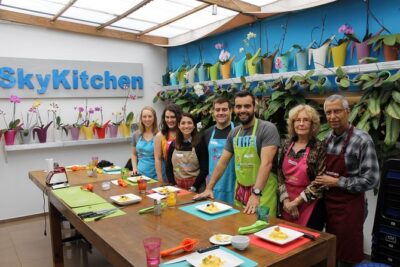
Market Tour, Tasting of 35 Fruits, and 4-Course Peruvian Cooking Class in Lima
Read our review →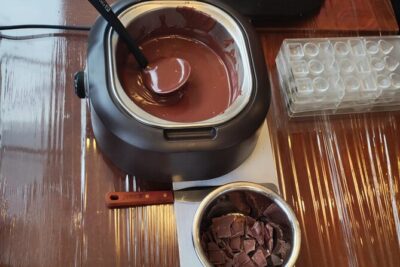
Chocolate Workshop in Cusco with Premium Organic Cacao
Read our review →Browse the lists this tour appears in