
Reviewed · LAKE TITICACA TOURS
From Puno: Floating Islands of the Uros Half-Day Tour
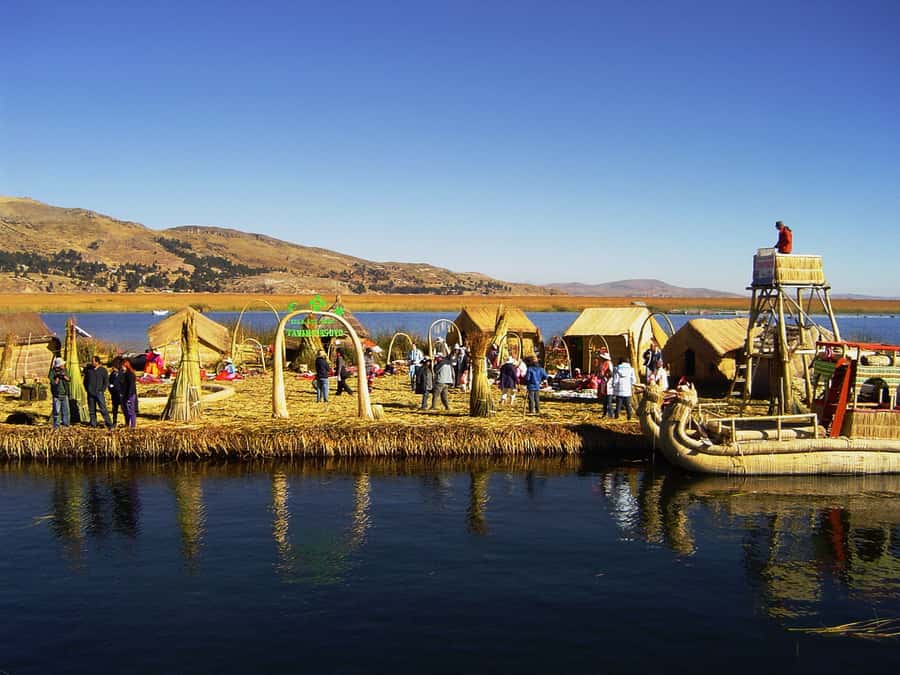
Reeds become islands here. This three-hour trip from Puno offers a close look at the Uros people, whose floating homes and islands are made from totora, a lake plant used for building, cooking, boats, and food. I especially like the short format and the chance to learn from guides with personal ties to the community, including Freddy, Roly, and Franky.
The tour also gives you wide views across Lake Titicaca, the highest navigable lake in the world. The main drawback is that the visit has a strong shopping element, and the traditional reed boat costs an extra 15 soles per person, despite being described as optional.
In This Review
- Key points to know before you go
- Why the Uros Islands are worth seeing
- Leaving Puno for Lake Titicaca
- Walking onto a floating island
- What you learn about totora
- The shopping stop and the question of pressure
- The traditional reed boat costs extra
- Making sense of the three-hour schedule
- Price, group size, and overall value
- Who should book this half-day visit?
- Should you book the Uros Islands tour?
- FAQ
- How long does the Uros Islands tour last?
- What is included in the price?
- Is the traditional reed boat included?
- Can I book hotel pickup?
- What should I bring?
- Is the tour suitable for people with mobility impairments?
Key points to know before you go
- Three hours is enough for a first look: You get boat transfers, island time, a guided explanation, and some free time without giving up an entire day in Puno.
- Totora is the star of the visit: You see how the plant is layered to form the islands and used for homes, cooking, food, and traditional boats.
- Local guides add real value: Freddy, Roly, and Franky were praised for clear English, friendly commentary, and firsthand connections to island life.
- Budget $10 plus 15 soles if you take the reed boat: The base price is low, but the extra ride is a common part of the visit and may feel hard to skip.
- Expect crafts and sales demonstrations: You can buy local textiles and souvenirs, though some people felt prices were high or the sales pitch lasted too long.
- Bring identification and travel light: A passport or ID card is required, and large bags are not allowed.
Why the Uros Islands are worth seeing
The Uros Islands are one of Lake Titicaca’s most unusual sights. They are not islands in the usual sense. Each one is built from layers of totora reeds, an aquatic plant that grows in the lake.
During the visit, you learn how the reeds are woven, placed, and replaced as they decay. The surface must be maintained over time, which helps explain why the islands are not simply a clever construction project left untouched. They are living places that need regular care.
The Uros people have a cultural history reaching back more than 3,000 years, with roots before the Inca period. The tour presents this story through the island’s construction, local customs, houses, boats, clothing, and handmade goods.
That combination makes the visit worthwhile even if you have only a few hours in Puno. You are not just looking at an unusual structure from a boat. You get to walk on the reed surface, see homes and boats, and hear how totora fits into daily life.
At the same time, it helps to arrive with realistic expectations. This is a working cultural visit arranged for tourism. You will see a prepared presentation, meet local hosts, and have time to shop. It is an introduction to Uros life, not a long, private stay within an untouched community.
More Lake Titicaca Tours in Puno
- From Puno: Uros, Amantaní & Taquile Islands 2-Day Tour
★ 4.5 · 452 reviews - Lake Titicaca 2-Day Tour to Uros, Amantani and Taquile
★ 4.4 · 199 reviews - Puno: Full-Day Tour of Lake Titicaca and Uros & Taquile
★ 4.4 · 178 reviews
Leaving Puno for Lake Titicaca
If you select hotel pickup, the tour collects you from a hotel in central Puno. The ride to the port takes about 10 to 15 minutes, depending on the exact pickup point.
The port transfer is simple, but it matters if you are planning the rest of your day. This trip lasts around three hours from pickup to return, so you can fit it around a morning arrival, an afternoon train, or another short activity.
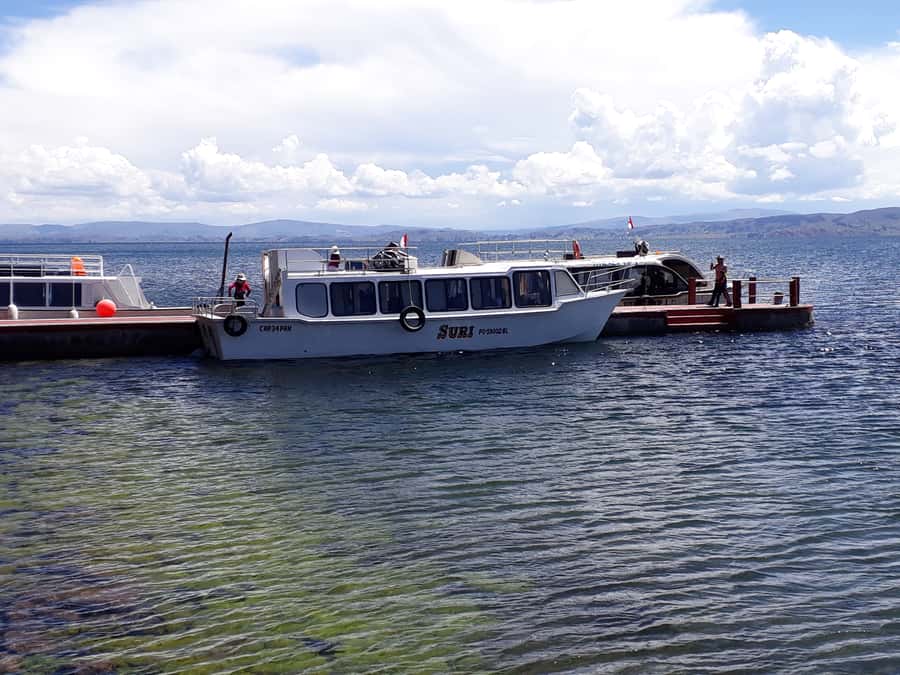
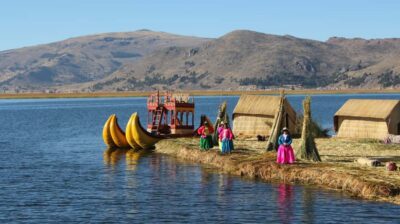
At the port, you board the tour boat for about 30 minutes to the floating islands. The ride is part of the appeal. Puno gives you a city view of the lake, while the boat carries you into a much more open setting, with water and distant mountain views around you.
The boat ride is not a luxury cruise. Still, several people found the boat clean and comfortable, and captains such as Bryan, Christian, and Christopher received praise for safe, smooth handling. If you are sensitive to cold or strong sun, bring an extra layer, sunglasses, and sun protection. The tour runs in rain or sunshine.
Walking onto a floating island
The first sight of the islands is the moment that makes this outing memorable. From the water, the reed surfaces and low houses look unlike anything around Puno.
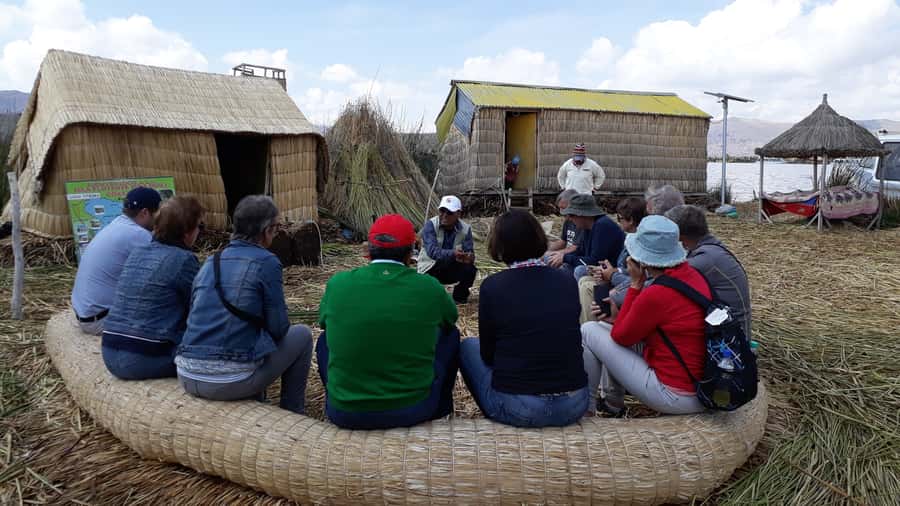
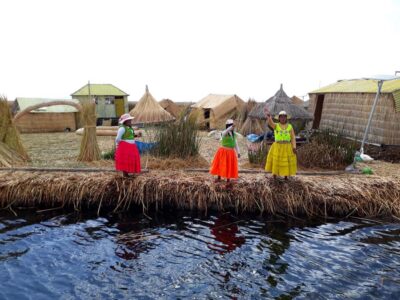
Once you step ashore, the guide explains how the island is made. Totora forms the upper surface, while further layers keep the island usable. You may see the plant in different forms and learn how it is handled for construction and transport.
The surface can feel unusual under your feet. It is not the same as walking on firm ground, and people with mobility impairments may find the visit difficult. The experience involves getting on and off a boat and walking around a reed island, so comfortable footwear is a sensible choice.
Guides are a major part of the tour’s quality. Freddy was especially praised for growing up in the Uros community and speaking English, Spanish, and Aymara. Roly and Franky were also praised for clear explanations and a friendly manner. A guide who can explain both the visible construction and the cultural background makes the visit far more useful than simply arriving, taking photos, and leaving.
One guide even used the ride to teach basic Aymara phrases. Small touches like this can make the visit feel more connected to the people you meet.
What you learn about totora
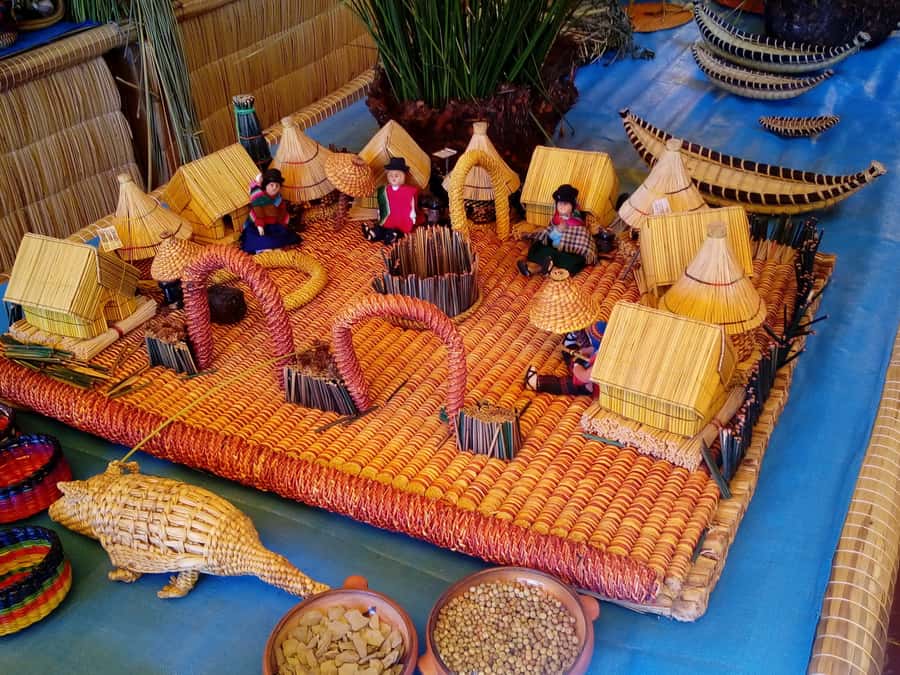
Totora is not just decoration. The plant is central to the Uros way of life presented on this tour.
You learn how it is used to build the island surface, houses, and boats. It also plays a role in cooking and cuisine. That broad use is what makes the demonstration interesting. Instead of seeing reeds as a single building material, you begin to understand them as a basic resource woven into daily life.
The island hosts may show how the reeds are arranged and maintained. You can also expect an explanation of the homes and traditional boats. Some visits include local clothing demonstrations, giving you a chance to take photos in traditional dress.
This part can feel staged, but staged does not mean useless. The demonstration gives you a clear explanation of a construction method that would be hard to understand from photographs alone. I would treat it as a cultural introduction and listen carefully, while remembering that you are seeing a presentation designed for visitors.
The best questions are practical ones: How often is the surface repaired? Which parts of the plant are used for different purposes? How are the homes arranged? A good guide can turn a quick stop into a much more meaningful lesson.
More islands and reed villages on Titicaca:
- Floating Islands of the Uros
★ 4.2 · 101 reviews - From Puno: full day tour to Uros and Taquile with Lunch
★ 4.6 · 95 reviews - Lake Titicaca, Uros and Taquile Full-Day Tour
★ 4.3 · 69 reviews - From Puno: 3-Hour Uros Floating Islands Tour
★ 4.4 · 67 reviews
The shopping stop and the question of pressure

Craft sales are built into the visit. Local women may display carpets, textiles, and other handmade products, and you will have time to browse.
Buying something can be a useful way to support the community, especially if you find a piece you genuinely want. Several people described the island hosts as warm and welcoming, and one person specifically encouraged buying a local product as a reminder of the visit and a way to help the community.
Still, you should know that the sales portion is not always a minor detail. Some people felt pressured, and some found the same goods elsewhere in Peru for much less. Prices on the island may be higher than in markets around Puno.
My advice is simple: set your budget before you arrive. Look at the goods, ask the price clearly, and buy only if you want the item. You can be polite without purchasing. The point of the tour is to meet the community and understand the islands, not to fill a shopping bag.
The balance varies by group and host. Some visits feel relaxed, while others spend a large share of the island time presenting products. That is the main cultural compromise of this low-cost tour.
The traditional reed boat costs extra
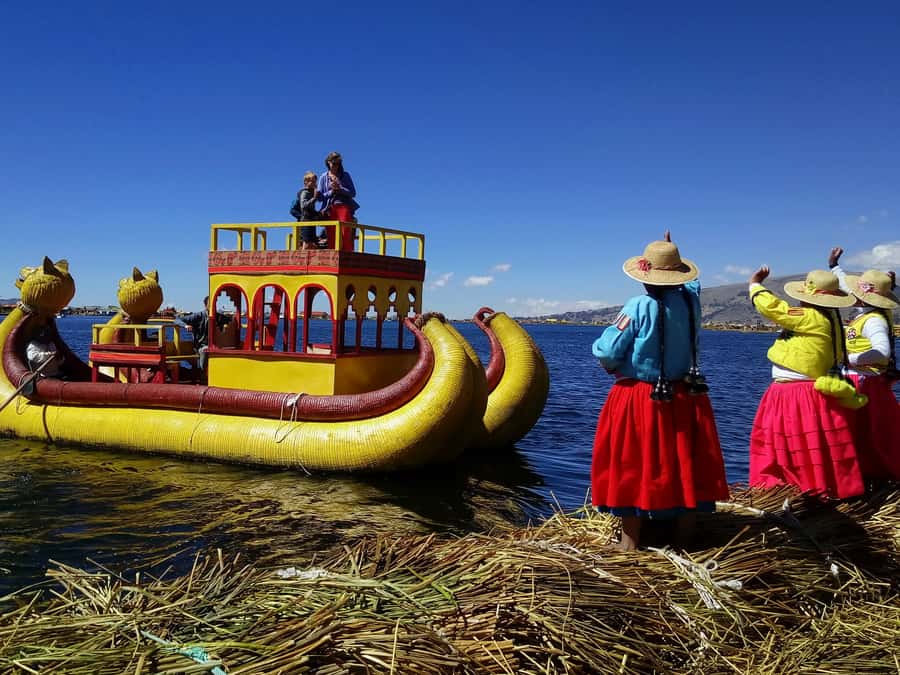
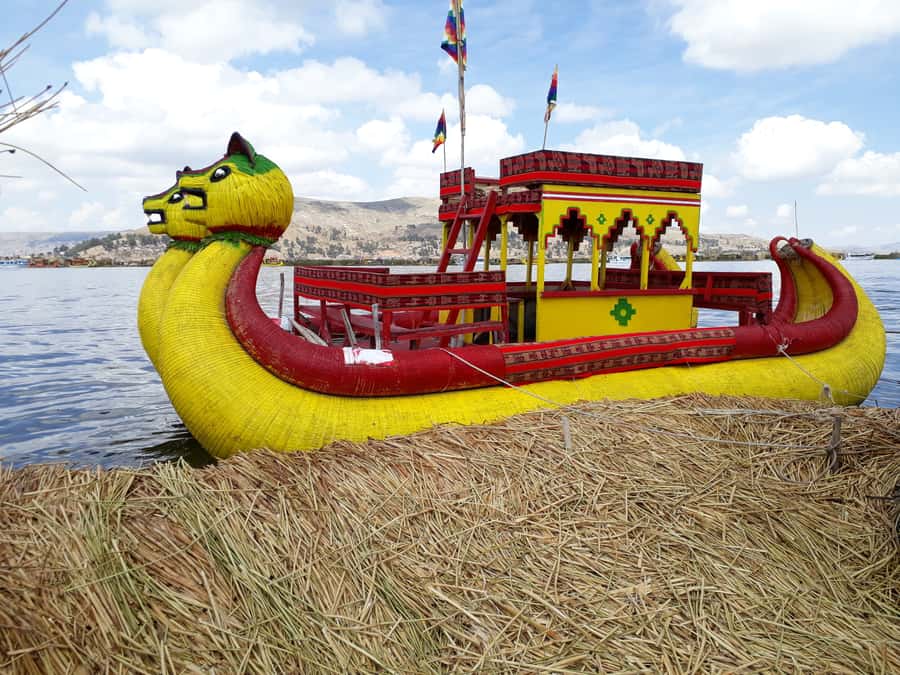
The tour may offer a ride in a balsa de totora, a traditional boat made from reeds. The fee is not included in the $10 tour price and is listed as 15 soles per person, paid directly to the Uros hosts.
The wording describes the ride as optional, but the practical experience can feel different. Multiple accounts indicate that the boat is treated as an expected part of the visit, and one person called the separate payment mandatory. Ask your guide at the start exactly how the stop will work so you are not surprised.
The ride itself can be fun and gives you another look at the lake and the boats built from totora. It may carry you to another island or a small stopping point with a restaurant, toilet, or chair. Do not expect a second major cultural site. One person felt this stop offered little and would have preferred more time with island families.
For some people, the extra 15 soles is a fair price for a memorable boat ride. For others, especially those on a tight schedule, it is an easy skip. Keep the cash ready if you decide to go.
Making sense of the three-hour schedule
The published timing is roughly:
- 10 to 15 minutes by van from central Puno to the port
- About 30 minutes by boat to the islands
- Around 105 minutes at the Uros Islands
- About 30 minutes by boat back
- Up to 15 minutes by van into Puno
That gives you enough time for the main explanation, a walk, photographs, shopping, and possibly the reed boat. It does not give you the slower pace of a full-day Lake Titicaca trip.
I like this format for a first visit. If you are staying in Puno for only one night, three hours lets you see the city’s most distinctive nearby attraction without spending most of the day on the water.
The shorter schedule also works well if you have already planned kayaking or another lake activity. One person arranged to meet the tour at the islands after a two-hour kayak activity, with the operators coordinating the handoff.
The trade-off is depth. You may visit one main island and a secondary stopping point rather than spending time on several islands. If your main goal is to compare different communities or learn about family life in detail, a longer excursion may suit you better.
Price, group size, and overall value
At $10 per person, the base price is unusually low for a guided boat trip with island admission and bilingual guiding. It includes the boat transfer, entrance to the Uros island, and an English and Spanish guide.
Hotel pickup and drop-off are included when you choose that option for central Puno hotels. Food and drinks are not included, and the reed boat is extra.
The total cost can therefore be closer to the advertised price plus 15 soles if you take the traditional boat. Even then, the outing offers good value for a short introduction to Lake Titicaca.
Group size can vary. Some departures have been intimate, including one report of only two people on board, while another person found the island portion suddenly became a larger group. If you care about a small group, ask before booking rather than assuming every departure will be private.
The overall rating is 4.4 out of 5 from 394 ratings, and the strongest praise centers on the guides. That is important because the island visit depends heavily on explanation. The reeds, views, and unusual setting catch your eye, but a good guide helps you understand what you are seeing.
Who should book this half-day visit?
I would recommend this tour if you:
- Have only a few hours in Puno
- Want to see the Uros Islands without committing to a full-day lake trip
- Enjoy cultural demonstrations and local history
- Appreciate clear guiding in English or Spanish
- Want a low-cost boat trip with a distinctive destination
- Are comfortable with shopping presentations and an extra boat fee
You may want another option if you dislike organized sales stops, have limited mobility, or want extended time with local families. The tour is not suitable for people with mobility impairments, and large bags or luggage are not allowed.
Bring your passport or ID card, since it is required. Travel light, wear shoes that feel secure, and prepare for both sun and rain. Lake weather can change your comfort quickly, even during a short outing.
Should you book the Uros Islands tour?
Book it if you want a memorable, efficient introduction to Lake Titicaca. The floating islands are genuinely unusual, the totora demonstration gives the visit substance, and guides with local connections can make the history and daily life easier to understand.
Go in knowing that this is a tourism-focused community visit. You will encounter crafts for sale, may feel some pressure to buy, and should clarify the 15-sol reed boat fee before setting out.
For $10 and three hours, I think it is a strong choice for a first look at the Uros Islands, especially if Freddy, Roly, Franky, or another well-prepared local guide leads your group. If you want a slower and less commercial encounter, choose a longer or more specialized Lake Titicaca experience instead.
FAQ
How long does the Uros Islands tour last?
The tour lasts about three hours, including the van ride from Puno, boat transfers, time on the islands, and the return to Puno.
What is included in the price?
The price includes boat transfer, entrance to the Uros island, and a bilingual English and Spanish guide. Central Puno hotel pickup and drop-off are included if that option is selected.
Is the traditional reed boat included?
No. The reed boat ride costs 15 soles per person and is paid directly to the Uros hosts. It is described as optional, but you should confirm the arrangement with your guide because some departures treat it as an expected part of the visit.
Can I book hotel pickup?
Yes. Pickup and drop-off are available from hotels located in central Puno when the pickup option is selected.
What should I bring?
Bring your passport or ID card. You should also prepare for sun or rain and avoid bringing luggage or large bags.
Is the tour suitable for people with mobility impairments?
No. The experience is not considered suitable for people with mobility impairments because it involves boat transfers and walking on the floating islands.
More Half-Day
- From Puno: Uros floating islands half Day tour
★ 3.9 · 16 reviews - Sillustani: Chullpas de Sillustani Afternoon Half-Day Tour
★ 5.0 · 6 reviews - Cusco: Half-Day City Tour with Sacsayhuaman and Q’enco
★ 4.6 · 1,129 reviews - Lima’s Vibrant Heritage: Exploring the City’s Landmarks Half-day
★ 4.5 · 581 reviews
Just added around Puno
- Discover the Celestial Wonder of Sillustani: Towers of Time★ 4.2 · 3 reviews
- Puno: Two-day excursion to Uros, Amantani and Taquile★ 4.2 · 3 reviews
- From Puno: Travel to Cusco in Titicaca Train All Inclusive★ 3.9 · 3 reviews
- 5h tour from Puno to Aramu Muru portal and Inca Ruins★ 4.6 · 3 reviews
- From Puno: Excursion to Uros and Taquile Islands + Income★ 4.7 · 4 reviews
- Puno: 2-day Uros Kayak Tour with Homestay at Amantani Island★ 4.6 · 4 reviews
- FromPuno: Uros and Amantani Islands Full-Day Tour with Lunch★ 4.5 · 4 reviews
- Puno: Lake Titicaca, Uros, and Taquile Full-Day Tour★ 4.5 · 4 reviews
Lake Titicaca Tours, compared.

Lake Titicaca 2-Day Tour to Uros, Amantani and Taquile
Read our review →
Full-Day Tour of Lake Titicaca and Uros & Taquile
Read our review →


Browse the lists this tour appears in