
Reviewed · COOKING CLASSES
Arequipa: Peruvian Cooking Class
Come hungry, leave with recipes. This two-hour cooking class in Arequipa’s historic center gives you a hands-on taste of Peru, from purple-corn chicha morada to dishes such as rocoto relleno, causa, lomo saltado, and ceviche. I like the chance to cook your own two-course meal, and I like that the food lesson includes the story behind Peru’s cooking rather than just a list of instructions.
The small maximum group of 12 should keep the class manageable, and the chef teaches in both Spanish and English. The main concern is menu choice: one participant expected the Andean menu but was served the traditional menu instead, so you should confirm your selection and any dietary needs clearly before arriving.
In This Review
- Key Points to Know Before You Book
- What the Two Hours Look Like
- The Andean Menu: Arequipa on a Plate
- The Traditional Menu: Causa and Lomo Saltado
- The Seafood Menu: Ceviche and Pescado a lo Macho
- The Chef Makes the Difference
- Is $63 a Fair Price?
- Dietary Needs and Menu Selection
- Who Will Enjoy This Class Most?
- Final Verdict: Book It If You Confirm the Details
- FAQ
- Where does the cooking class meet?
- How long does the class last?
- What is included in the price?
- Which languages does the chef speak?
- Can I choose the menu?
- Are vegetarian meals available?
- Are children allowed to join?
Key Points to Know Before You Book
- Three menu paths: Choose from Andean, Traditional, or Seafood dishes, with two savory courses and a dessert at the end.
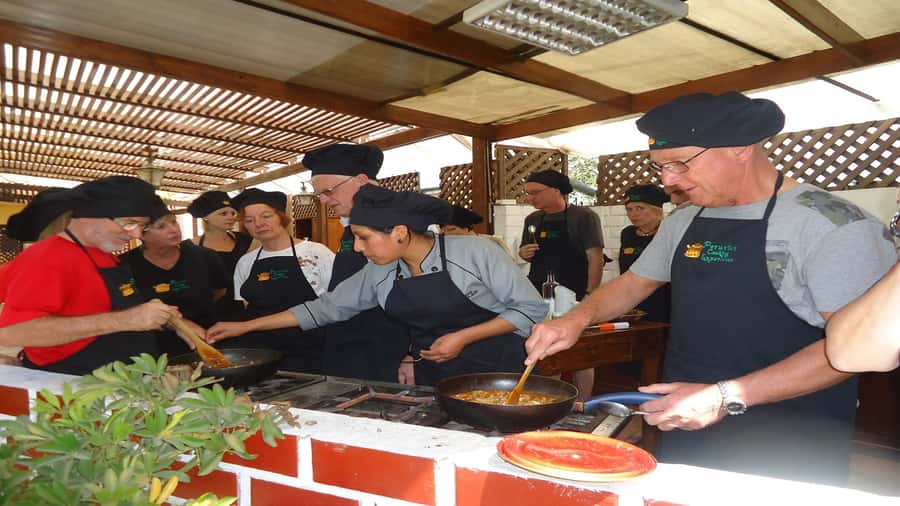
- A proper cooking lesson: You put on an apron and chef’s hat, then prepare the food step by step with a professional chef.
- Chicha morada included: The welcome drink is a sweet, nonalcoholic purple-corn refreshment, a Peruvian classic.
- Central meeting point: The class begins at Casa de Avila Hotel in Arequipa’s historic center, with no hotel transportation included.
- Vegetarian and allergy requests matter: Ask for adaptations when booking, and confirm the menu again after the reservation.
- Good, but not perfect, value: At $63 per person, the experience makes the most sense if you value instruction, conversation, and a full meal, not just the food itself.
What the Two Hours Look Like
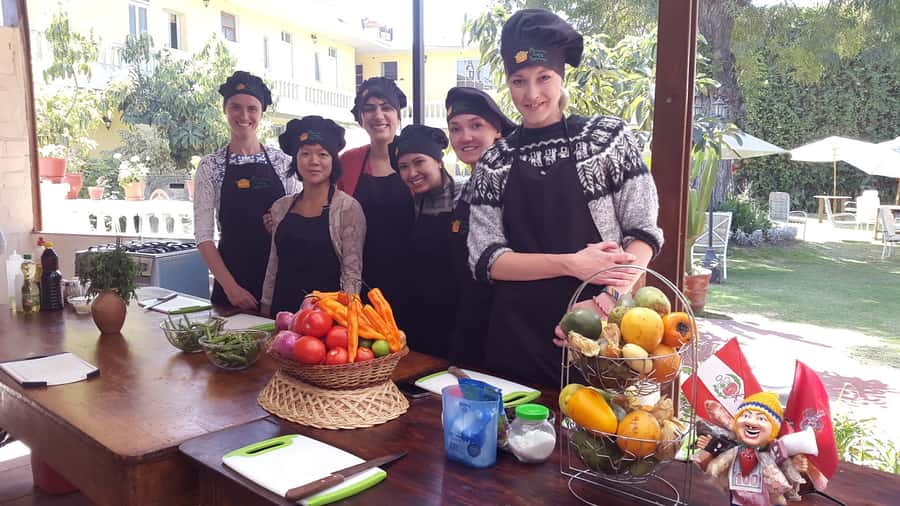
The class begins at Casa de Avila Hotel, a practical meeting point in the historic center of Arequipa. You arrange your own way there, since roundtrip hotel transfers are not included. That is easy enough if you are already staying near the center, but it adds a small planning step if your accommodation is farther out.
On arrival, you receive a glass of chicha morada. This sweet drink is made with purple corn and served without alcohol. It is a good opening lesson because Peruvian food is not limited to ceviche and potatoes. Corn, peppers, potatoes, fruit, and grains all have important places at the table, and this drink introduces that idea before the cooking starts.
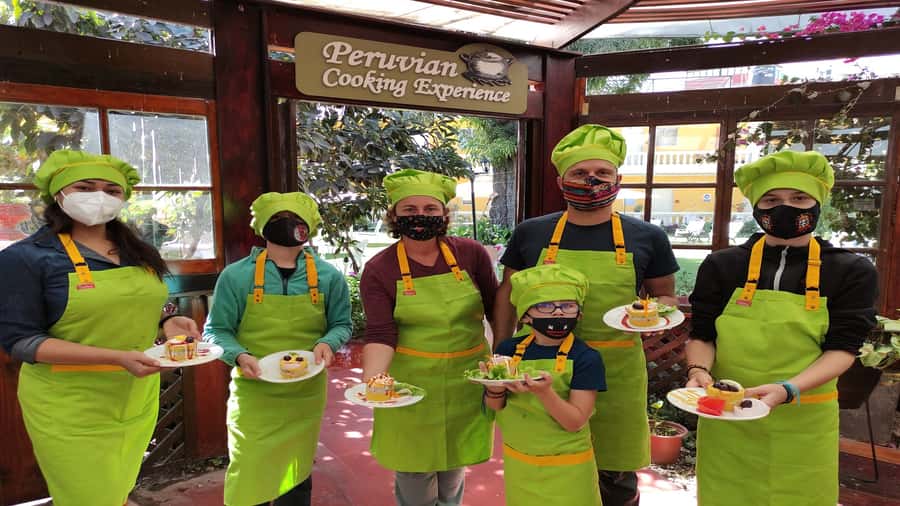
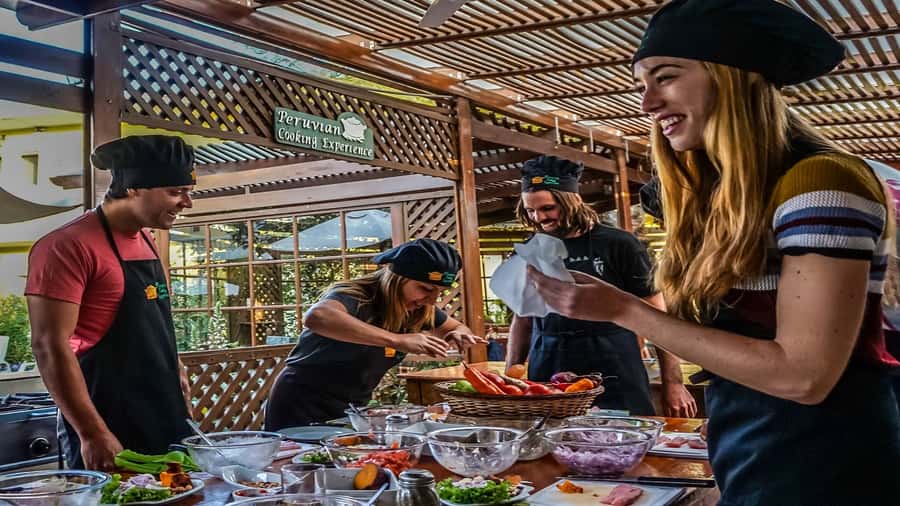
You then put on an apron and chef’s hat. The presentation is playful, but the useful part is the structure: the chef explains each dish step by step, and you help prepare the meal rather than simply watching a demonstration. If you like cooking classes where you can ask questions and handle the ingredients, this format should suit you.
The class is designed around preparing two traditional Peruvian dishes. The exact menu is selected from three options, and the organizers say they will contact you after booking to confirm which one you will cook. Because one booking had a mismatch between the requested and delivered menu, I would not leave this detail to chance. Send your choice in writing, and mention allergies or restrictions at the same time.
At the end, you sit down to eat what you prepared. A dessert follows, although the exact dessert is not specified. One participant was disappointed not to receive a quinoa dessert, so do not book this expecting a particular sweet unless the provider confirms it.
More cooking classes:
- Cooking Class Typical Food in Arequipa
★ 3.9 · 3 reviews - Cusco: Peruvian Cooking Class, Cocktails & Local Market Tour
★ 4.9 · 512 reviews - Cooking class and market tour with a local chef
★ 5.0 · 186 reviews
The Andean Menu: Arequipa on a Plate
The Andean menu begins with solterito, a fresh salad made from onion, tomato, corn, beans, cheese, and potatoes. It is a useful dish for understanding the everyday ingredients of the southern Andes. The recipe combines crisp vegetables with filling potatoes and beans, while cheese adds salt and richness.
This first course is also a sensible choice if you want something lighter before the main dish. It gives you several basic components to work with, and the chef can explain how the ingredients are balanced. The dish does not depend on a complicated technique, so much of its value comes from learning how common Peruvian ingredients are combined.
The main course is rocoto relleno, one of Arequipa’s best-known specialties. A rocoto is a red pepper with an apple-like shape and a serious kick. It is stuffed with ground meat seasoned with spices, cheese, and raisins.
The sweet raisins, savory meat, melted cheese, and hot pepper create a dish with several strong flavors at once. The important warning is the heat. Rocoto is not simply a sweet bell pepper with a decorative name. It is genuinely spicy, and you should tell the chef if you are sensitive to hot food.
This menu is the clearest choice for anyone who wants a regional Arequipa specialty. It also gives you a good contrast between a cool salad and a hearty baked or stuffed pepper preparation. The drawback is that the pepper’s heat may make the dish less comfortable for some people, especially if you are already adjusting to unfamiliar food.
The Traditional Menu: Causa and Lomo Saltado
The Traditional Menu starts with causa, a layered potato dish seasoned with yellow pepper and lemon. It is filled with avocado and either tuna or chicken, then decorated with black olives and vegetables.
Causa shows off Peru’s deep affection for potatoes without feeling heavy. The yellow pepper and lemon give the mashed potato a bright flavor, while the filling adds texture. Preparing it can be more engaging than making a basic salad because the ingredients need to be seasoned and arranged carefully.
The main course is lomo saltado, a famous Chinese-Peruvian fusion dish. You prepare beef, onion, yellow pepper, and tomato in a wok, then serve it with French fries and white rice. The combination may sound odd if you have not tried it before, but it is one of Peru’s most approachable dishes.
The wok cooking gives the meat and vegetables a quick, hot preparation, while the fries and rice turn it into a generous meal. This menu is a good fit if you want recognizable flavors, a filling lunch or dinner, and a clear example of how immigrant cooking shaped Peruvian food.
I would suggest this option for cautious eaters or anyone who prefers beef to seafood or hot peppers. It is also likely to appeal to families with older children, though children under eight are not permitted. The class does not promise that you can freely switch between the tuna and chicken version of the causa, so include that preference when you book.
The Seafood Menu: Ceviche and Pescado a lo Macho
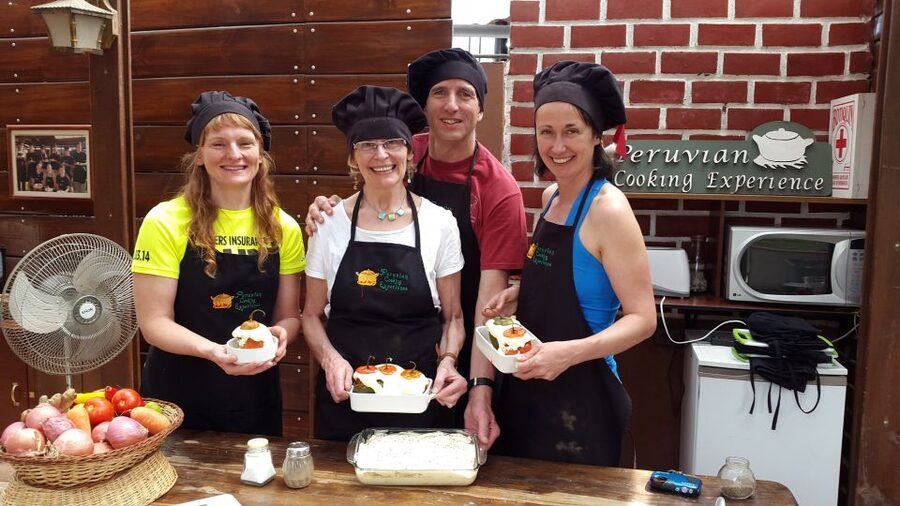
The Seafood Menu opens with ceviche, made from fresh fish marinated in lemon juice. It comes with onion, sweet potato, and corn. The sharp citrus, fresh fish, sweet potato, and corn create the classic contrast of Peruvian ceviche.
Cooking ceviche is less about heat and more about timing, seasoning, and texture. The chef can show you how the fish changes in the citrus marinade and how the side ingredients balance the acidity. It is a particularly useful class dish because ceviche looks simple, but the quality of the result depends on small decisions.
The second course is pescado a lo macho. This is a fried fish fillet topped with a sauce of onions and tomatoes, served with white rice. The dish is more substantial than the ceviche and gives you a second fish preparation with a different texture and cooking method.
Pick this menu if seafood is a major reason you want to eat in Peru. It may be less suitable if you dislike raw or citrus-marinated fish, even though the second course is fried. As with all three options, declare allergies before the class rather than hoping the ingredients can be changed at the last moment.
A few more Peru trips worth weighing up
- The First Class Machu Picchu Train by Inca Rail
★ 4.0 · 182 reviews - The Textile Workshop Experience in Cusco Region
★ 5.0 · 118 reviews - Sacred Valley Textile Workshop – Dyeing & Weaving in Cusco
★ 5.0 · 92 reviews - Beginner Surf Lesson in Lima, Perú
★ 4.5 · 88 reviews
The Chef Makes the Difference
The class includes a professional chef who teaches in Spanish and English. That matters because good instruction is the heart of a short cooking experience. In two hours, you need explanations that are clear and focused, not a long lecture that leaves you scrambling at the stove.
Diana received especially warm praise for her teaching and good humor. Her instruction was described as clear, and the atmosphere as enjoyable. Those details point to the kind of class this aims to be: social, practical, and relaxed rather than formal culinary training.
You also share the session with other people and the chef, which gives the class a natural social side. You can talk about your trip while chopping, seasoning, and waiting for food to cook. That can be one of the best parts if you are visiting Arequipa alone or want an evening activity that is more interactive than sitting in a restaurant.
The group can reach 12 people. That is small enough to feel more personal than a large demonstration, though your hands-on time may depend on how the chef divides the work. A two-hour class with several dishes can move quickly, so do not expect a slow, highly technical lesson on every ingredient.
One practical complaint involved music played loudly enough to make conversation at the table difficult. If that happens during your session, it could take away from the social part of the experience. The issue is minor compared with poor food or weak teaching, but conversation is part of the value here, so the room’s sound level matters.
Is $63 a Fair Price?
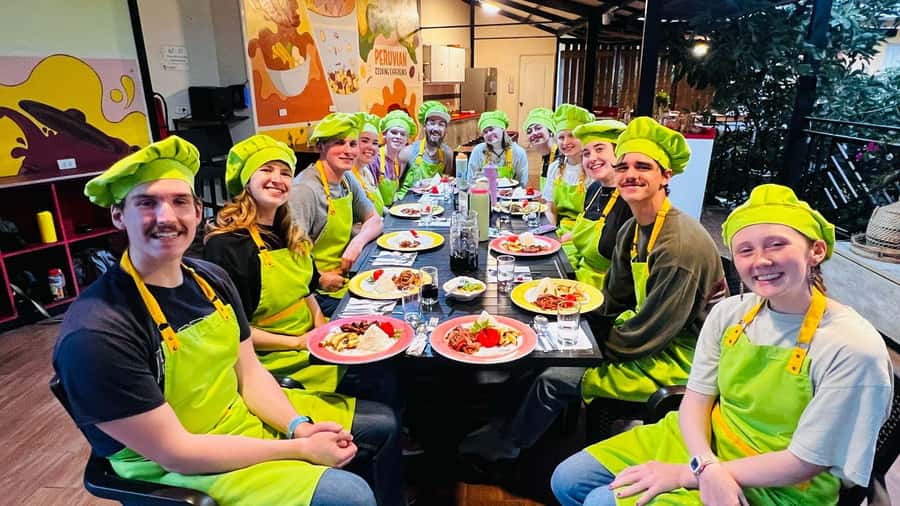
The price is $63 per person. That includes the guided cooking class, ingredients, cookware, apron and chef’s hat use, chicha morada, a two-course lunch or dinner, dessert, and Wi-Fi. You also receive instruction from a professional chef in Spanish and English.
I would call the price fair only if you want the complete activity. You are paying for food, but also for a structured lesson, a central location, a chef, equipment, and the chance to meet other people. If you compare it with the cost of ordering the same dishes in a restaurant, the class will probably look expensive. If you compare it with a restaurant meal plus a separate cultural activity, the value becomes more reasonable.
The experience is only two hours, so it is not an all-day food tour. That is good news if you have limited time in Arequipa or want to fit the class between visits to the city’s other sights. It is less attractive if you are seeking a long market visit, a farm experience, or advanced cooking practice, none of which is included.
The food quality appears to be a strong point. The dishes are substantial, and you eat your own work at the end. Still, one booking judged the price-to-value ratio harshly, especially because the menu choice was not honored. That is a useful warning: the price feels much better when the class follows your selected menu and gives you the full dessert experience.
Dietary Needs and Menu Selection
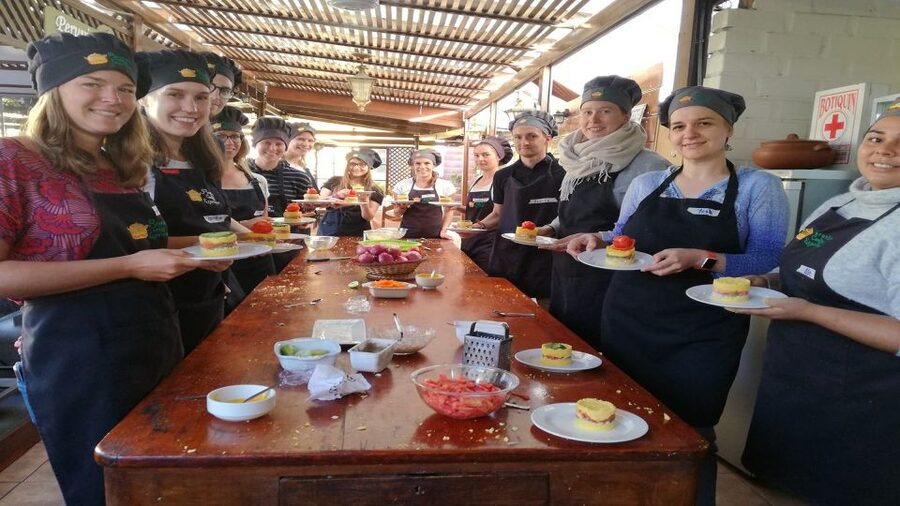
Vegetarian options are available, but you must request one when booking. The same applies to allergies and other dietary restrictions. Tell the provider before the class so the menu can be adapted in advance.
Do not assume that a vegetarian option will be offered automatically. The three standard menus include meat, fish, tuna, chicken, or seafood, so a clear request is important.
The menu system needs a little care. You can choose from the Andean, Traditional, and Seafood menus, and the provider says the selected menu will be confirmed after booking. Yet one participant requested Andean food and ended up preparing the Traditional Menu because another person had not selected a menu.
That mismatch may have been an isolated coordination problem, but it is the clearest weakness in the experience. If a particular dish is important to you, confirm it before the activity date. If you have an allergy, do not rely on a general note in the reservation. State the ingredient and ask what replacement will be used.
Who Will Enjoy This Class Most?
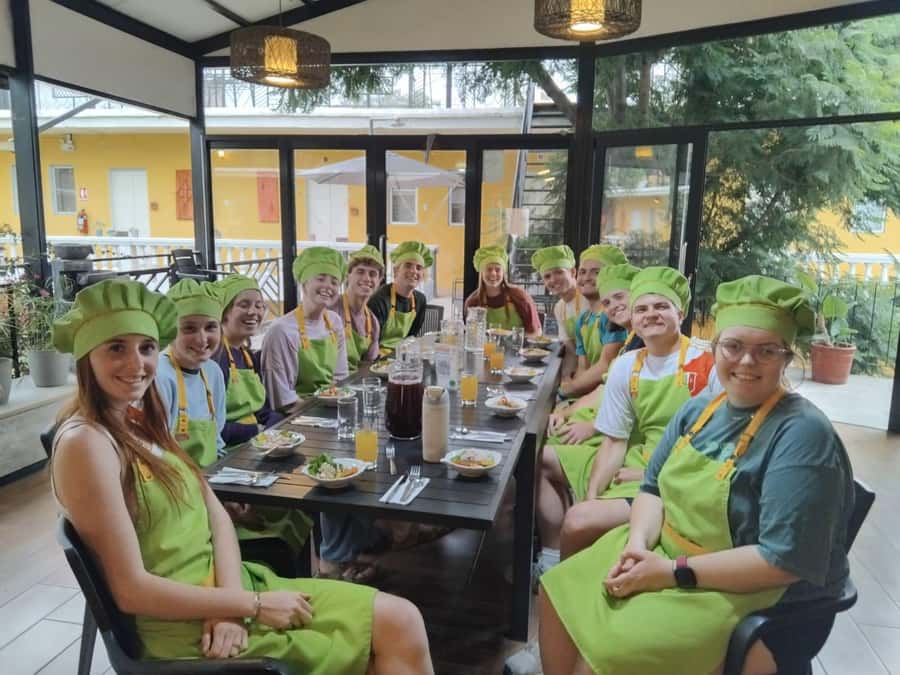
I would recommend this class to people who want a social food activity in the center of Arequipa. It suits couples, friends, solo visitors, and families with children aged eight and older who enjoy doing rather than simply observing.
It is especially good for anyone curious about the difference between Peruvian dishes. The three menus cover Andean ingredients, Arequipa’s rocoto relleno, Chinese-Peruvian wok cooking, and seafood preparations. You get a useful introduction to the country’s food traditions in a short time.
The class is also a good rainy-day or evening plan. Since it lasts two hours and includes a full meal, you can use it as either lunch or dinner depending on the starting time available. Check the schedule when booking, since start times vary.
I would hesitate to recommend it to someone who wants a quiet, private meal, a high-end chef’s table, or a very detailed professional lesson. The shared group format, music, and two-hour schedule point to a friendly introduction rather than serious culinary instruction.
Wheelchair access is available, which makes the class practical for people who need an accessible activity. The meeting point is fixed at Casa de Avila Hotel, and hotel transfers are not included, so you should plan the route to and from the venue yourself.
Final Verdict: Book It If You Confirm the Details
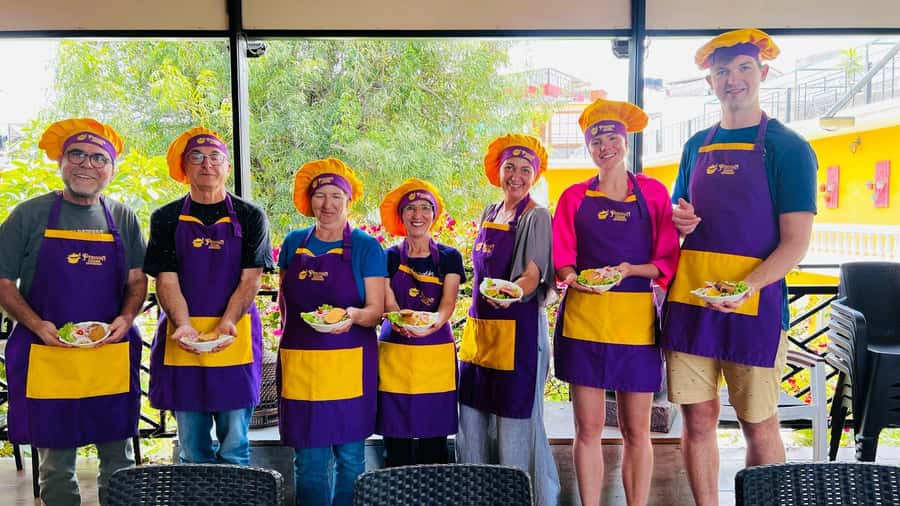
I would book this class if I wanted a manageable introduction to Peruvian cooking, a full meal, and a chance to meet people in central Arequipa. The food choices are appealing, the instruction has been praised, and Diana in particular appears to bring clear explanations and a cheerful tone to the kitchen.
Before paying, I would confirm three things: your chosen menu, any dietary adaptations, and whether dessert is included as expected. The provider offers free cancellation up to 24 hours before the activity and a reserve-now, pay-later option, so you have some flexibility while planning.
Choose the Andean menu for Arequipa’s hot rocoto relleno, the Traditional Menu for causa and lomo saltado, or the Seafood Menu for ceviche and fried fish. At $63, this is not the cheapest way to eat Peruvian food, but it can be good value if you want to understand the dishes and prepare them yourself.
FAQ
Where does the cooking class meet?
The meeting point is Casa de Avila Hotel in the historic center of Arequipa.
How long does the class last?
The cooking class lasts two hours.
What is included in the price?
The price includes a guided cooking class, ingredients, cookware, a two-course lunch or dinner, chicha morada, a professional chef, and Wi-Fi.
Which languages does the chef speak?
The chef teaches in Spanish and English.
Can I choose the menu?
You can choose from the Andean Menu, Traditional Menu, or Seafood Menu. The provider contacts you after confirming the reservation to indicate the menu. Confirm your selection directly, since one booking experienced a menu mismatch.
Are vegetarian meals available?
Yes. Vegetarian options are available, but you must request one when booking.
Are children allowed to join?
Children under eight years old are not suitable for this activity. The minimum age is therefore eight.
Just added around Arequipa
- From Arequipa: Colca Canyon and Condor Watching Day Trip★ 3.7 · 3 reviews
- Arequipa : Colca Canyon 2-Day Adventure★ 5.0 · 3 reviews
- Cooking Class Typical Food in Arequipa★ 3.9 · 3 reviews
- 3-day trek to the Colca Canyon from Arequipa ending in Puno★ 4.2 · 3 reviews
- Colca Canyon Day Trip: From Arequipa to Puno★ 3.5 · 3 reviews
- 2 day 1 night trek / Colca Canyon★ 3.0 · 3 reviews
- From Arequipa: Full Day Colca Canyon Tour★ 4.5 · 3 reviews
- Excursion Salinas Lagoon and National★ 5.0 · 3 reviews
Cooking Classes, compared.
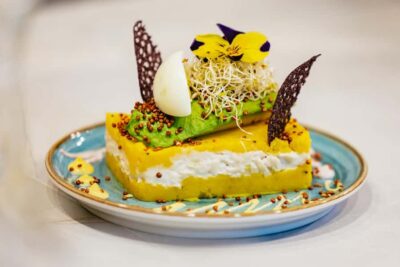
Peruvian Cooking Class, Cocktails & Local Market Tour
Read our review →
Cooking class and market tour with a local chef
Read our review →
Market Tour, Tasting of 35 Fruits, and 4-Course Peruvian Cooking Class in Lima
Read our review →
#1 Rated Cooking Classes with Local Market Tour & Pickup
Read our review →
Miraflores: Amazing Peruvian Cooking Class Ceviche Seafood and Pisco Sour
Read our review →
Private Cooking + Market with Maido’s Former Creative Chef (+trasportation)
Read our review →
Vegan Peruvian Cooking Class Cocktails and Local Market in Cusco
Read our review →Browse the lists this tour appears in