
Reviewed · HISTORICAL TOURS
Cusco: Half-Day Historic City Tour
Cusco’s past comes at you fast. This seven-hour tour links the city’s grand Cathedral and Qoricancha with four major Inca and colonial-era sites outside the center. I like the efficient route and the included air-conditioned transport, which saves you from arranging separate rides to Sacsayhuaman, Qenqo, Puca Pucara, and Tambomachay.
I also like the English-speaking local guide and small-group format, limited to 12 people. You get a useful introduction to Cusco in one afternoon, though the schedule can feel rushed, and the extra admission fees add a fair amount to the low advertised price.
In This Review
- Key points to know before booking
- What this Cusco tour is really designed to do
- Starting in central Cusco at the Cathedral
- Qoricancha and the Inca sun temple
- Sacsayhuaman: the biggest stop outside town
- Qenqo and the ceremonial side of Inca culture
- Puca Pucara, a hilltop checkpoint and storehouse
- Tambomachay and its fresh water spring
- The textile stop and the question of value
- Timing, transport, and group size
- The true cost of a $18 excursion
- Who should book this historic Cusco tour?
- Should you book it?
- FAQ
- How long does the Cusco Historic City Tour last?
- What sites are included on the route?
- Is hotel pickup included?
- Where is pickup arranged if my hotel is outside the center?
- Are entrance tickets included?
- How much are the listed entrance fees?
- Is transportation included?
- What language is the tour conducted in?
- How many people are in the group?
- What should I bring?
Key points to know before booking
- Four major archaeological sites in one afternoon: Sacsayhuaman, Qenqo, Puca Pucara, and Tambomachay are covered in a single loop from Cusco.
- A 1:00 PM hotel pickup: The tour begins after lunch and returns near Santa Catalina Street at about 7:30 PM.
- The $18 price is not the full cost: You must also pay 25 soles for the Cathedral, 15 soles for Qoricancha, and 70 soles for the tourist ticket.
- Small-group transportation: The group is limited to 12 participants, with an air-conditioned coach or small van used for the sites outside central Cusco.
- A useful first-day orientation: This works well if you want a quick introduction before choosing which places deserve more time.
- Expect a craft-center stop: You will learn about traditional garments and how to identify vicuña wool, but this part may feel like a sales stop to some people.
What this Cusco tour is really designed to do
This is a broad introduction, not a slow archaeological study. In seven hours, you move from churches and Inca religious buildings in central Cusco to four well-known sites in the surrounding hills, then finish with a textile presentation.
That range is the main appeal. You see how Cusco combines Spanish colonial buildings with Inca foundations, ceremonial sites, military structures, water systems, and living craft traditions. If you have only one free afternoon, this tour gives you a clear sense of the city’s cultural setting.
The tradeoff is time. The schedule covers a lot of ground, and the stops outside the city usually include a guide’s explanation followed by a short period for your own look around. If you want long walks, detailed photography, or quiet time at each ruin, you will probably find the pace too quick.
The tour has earned a strong overall rating of 4.6 from 11 recorded bookings, with several high marks for organization, the guide’s explanations, and the chance to see the main sites in one day. The less favorable experience centered on repetitive commentary and several sales pitches. That split tells you exactly what kind of booking this is: practical and efficient, but dependent on the guide and not especially intimate.
More City Tours in Cusco
- Cusco: Half-Day City Tour with Sacsayhuaman and Q’enco
★ 4.6 · 1,129 reviews - City Tour Cusco Qoricancha Sacsayhuaman y Tambomachay
★ 4.7 · 617 reviews - Cusco: Sightseeing Tour of the City on an Open-Top Bus
★ 4.0 · 481 reviews
Starting in central Cusco at the Cathedral
Pickup begins at 1:00 PM from hotels in central Cusco. You should wait in your hotel reception at the stated time and confirm the hotel name and address when you book. If your hotel sits outside the central pickup area, the meeting point is arranged near the Inka Ahy statue in the main square.
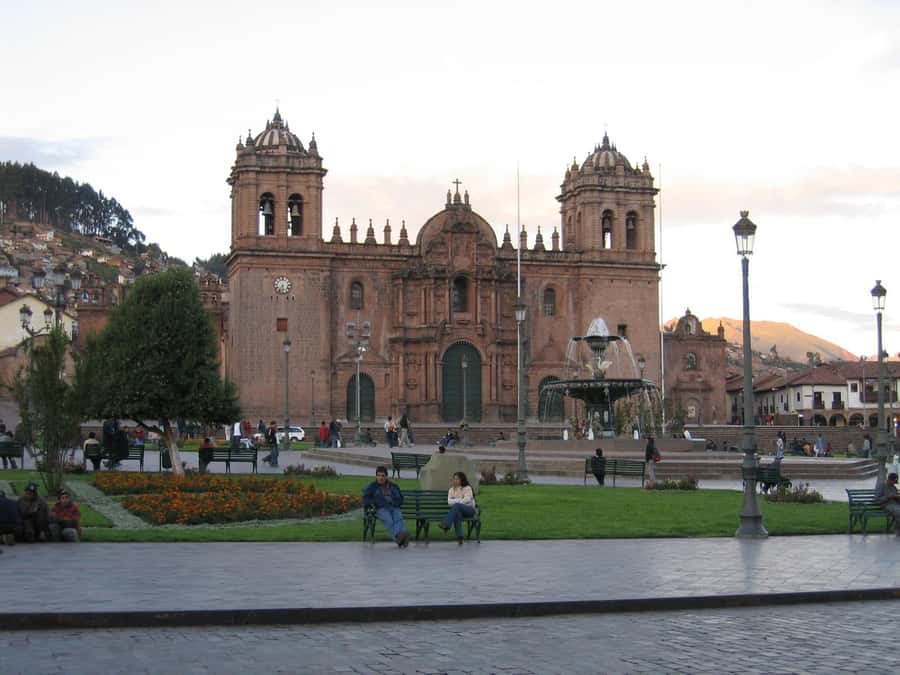
The first major stop is the Cathedral of Cusco, a UNESCO World Heritage Site on the main square. Inside, you can expect paintings, carved details, and sculptures that reflect the city’s Spanish colonial religious tradition. The guide explains the building and points out details that are easy to miss if you walk through on your own.
The Cathedral is not included in the tour price. Admission is listed as 25 soles, payable in local currency. Bring cash, because the tour information specifically advises paying the entrance fees locally.
This stop gives the day a useful starting point. You begin with the Spanish colonial layer of Cusco before moving toward the Inca sites. A drawback is that the Cathedral visit forms part of a tightly timed afternoon, so you should not expect to linger over every painting or chapel.
Qoricancha and the Inca sun temple
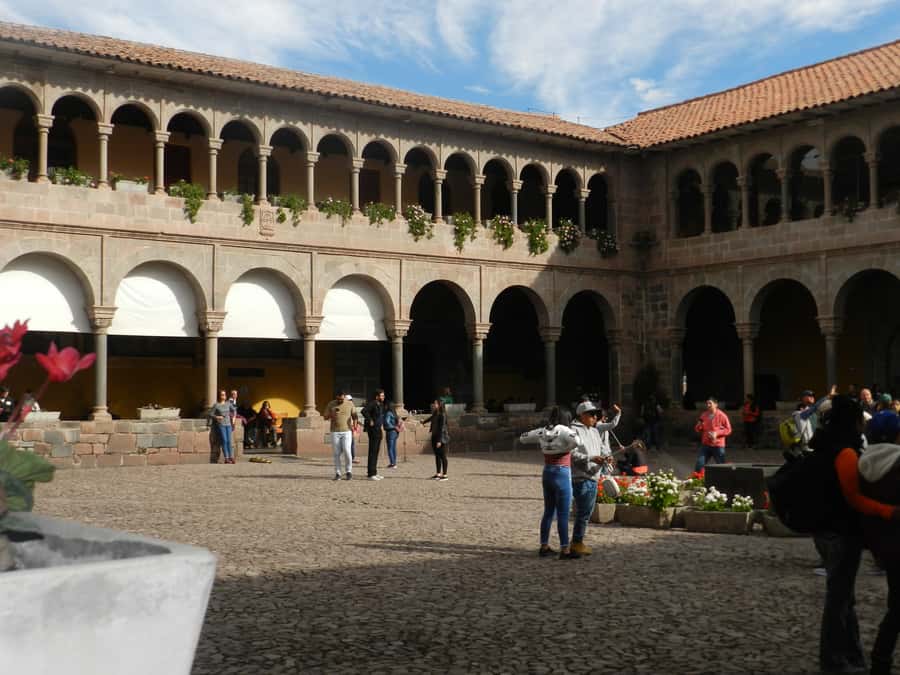
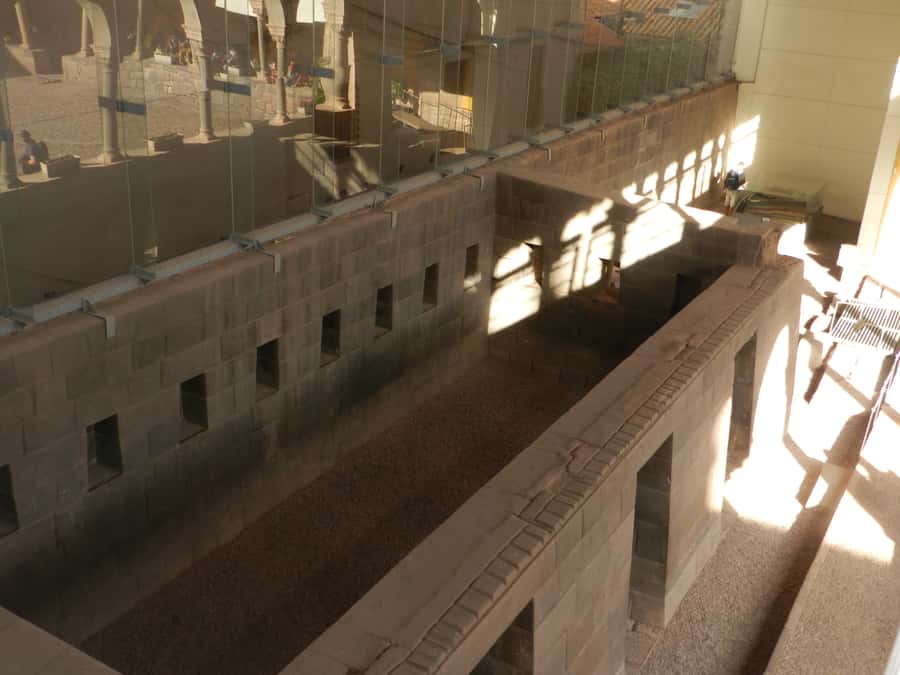
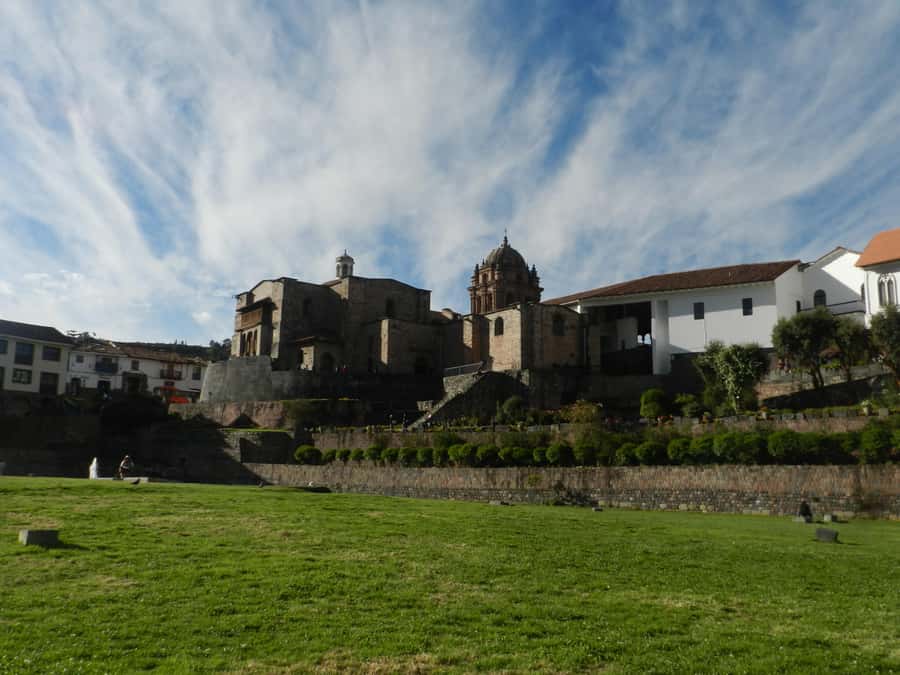
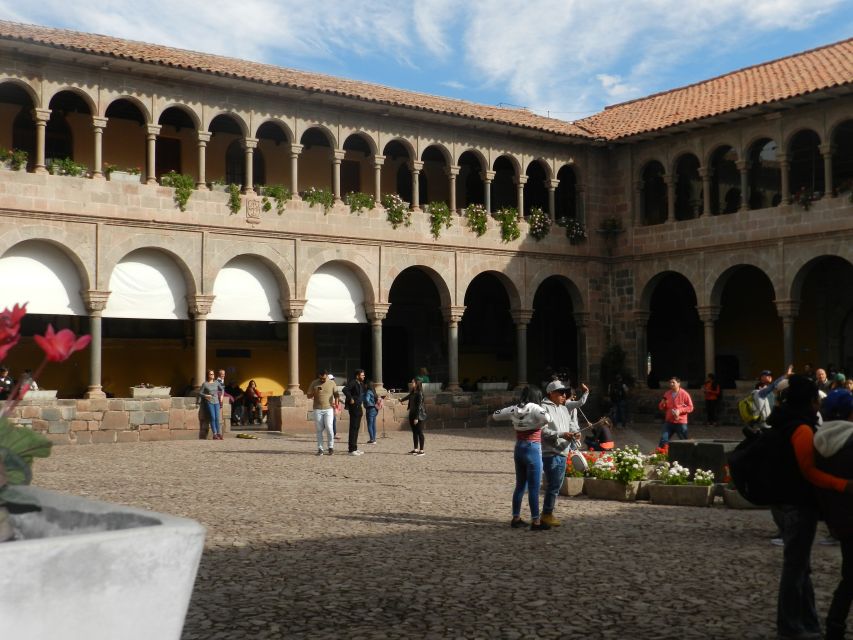
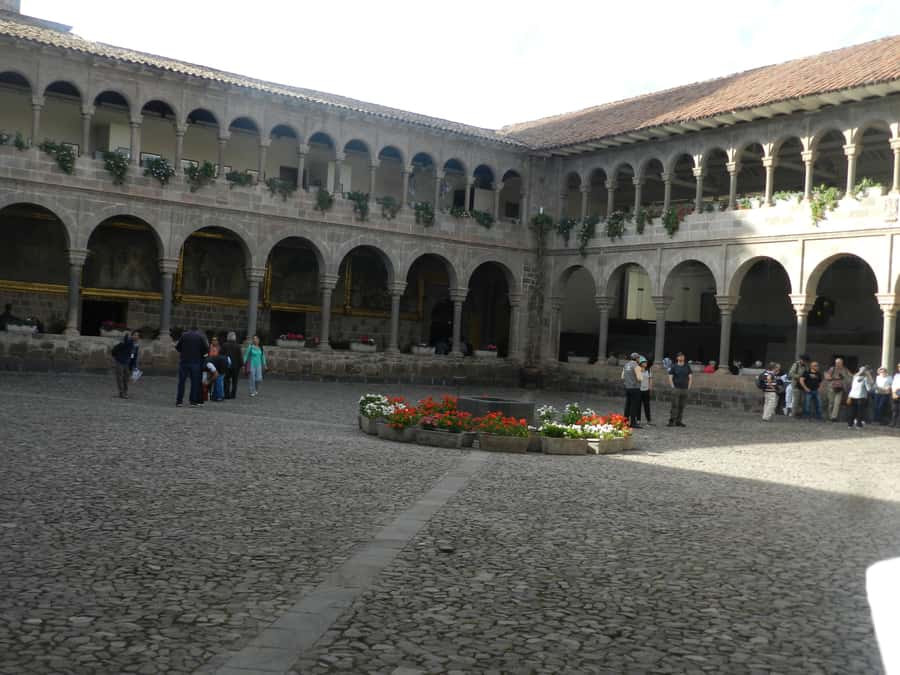
After the Cathedral, the tour continues to the Qoricancha Museum. The site began as an Inca temple dedicated to the Sun, making it one of the most important places on the route for understanding Inca religion and imperial power.
Qoricancha also helps explain Cusco’s unusual mix of cultures. You are not simply looking at an isolated ruin. You are seeing an Inca sacred site interpreted through a museum and later colonial use, with the guide connecting the surviving structures to the wider story of Cusco.
Admission costs 15 soles and is separate from the tour. The guide will provide context, but your time here is still limited by the afternoon schedule. I would pay close attention to the explanation at this stop, since it helps make sense of the ceremonial and architectural ideas you will encounter at Qenqo and Tambomachay later.
The Qoricancha entrance fee is small compared with the other required costs, but it matters when you are calculating the real price. The advertised $18 covers the guide and transport, not the complete sightseeing package.
Sacsayhuaman: the biggest stop outside town
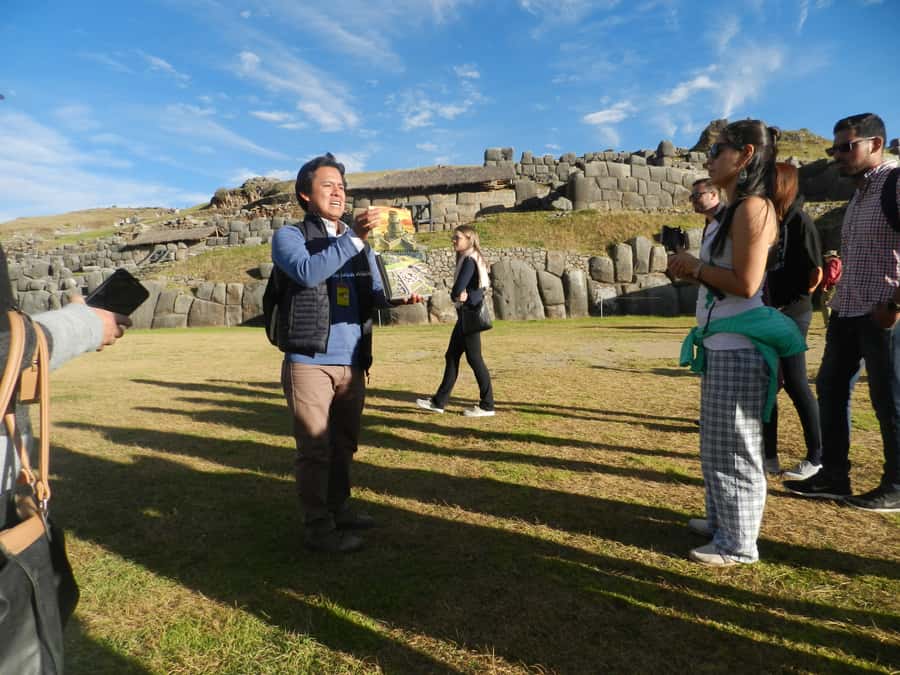
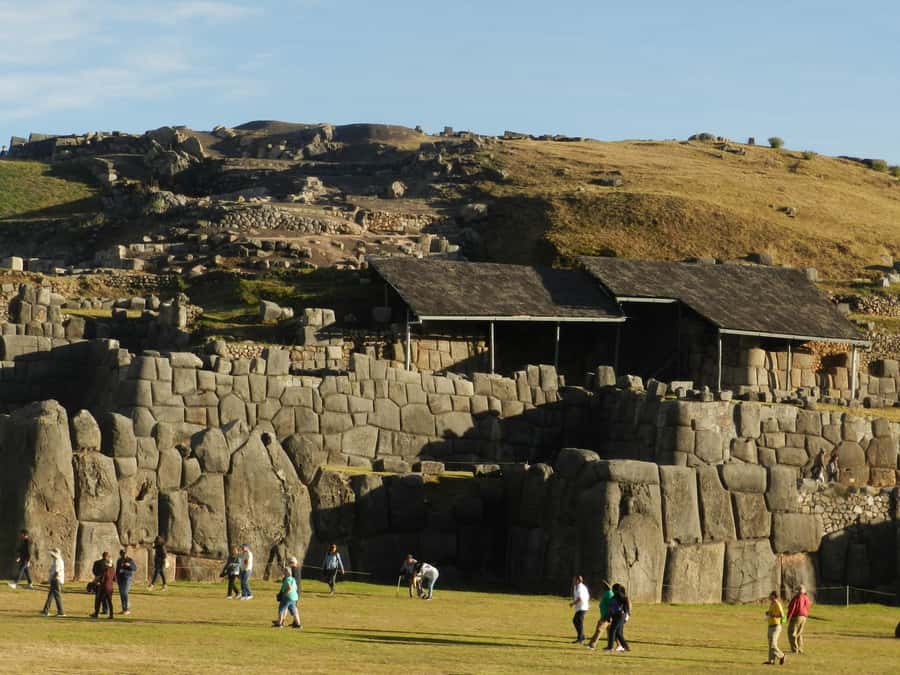
The coach then travels about 2 kilometers from central Cusco to Sacsayhuaman. This is the most imposing archaeological stop on the route, a large complex made up of 33 sites and commonly associated with military purposes.
The scale is what makes Sacsayhuaman memorable. You get a sense of how much planning, labor, and stonework went into the complex, even during a short visit. The guide explains its role and gives you a framework for reading the walls and wider site.
This is also where the value of group transportation becomes clear. Instead of finding a separate taxi or arranging your own route, you ride directly from central Cusco with the group. The air-conditioned vehicle is a welcome feature after walking around the city.
The site is covered by the 70 soles tourist ticket, which is not included. That ticket is one of the largest extra expenses on the day, so budget for it before you decide that this is an $18 excursion.
You may wish for more time here. The schedule must fit three more archaeological sites and the return to Cusco, so the guide’s introduction can feel brief. One useful approach is to listen closely at the start, then use your free minutes to focus on the parts that interest you most.
More Historical Tours in Cusco
- Cusco: Historical Guided City Tour with 4 Inca Ruins
★ 4.5 · 99 reviews - Machu Picchu Private Archaeological and Historical Guided Tour
★ 5.0 · 86 reviews - 6-Day Cultural Tour to Machu Picchu
★ 5.0 · 76 reviews - Cusco: Historic Walking Tour with Pisco Sour and Music Show
★ 4.6 · 65 reviews
Qenqo and the ceremonial side of Inca culture
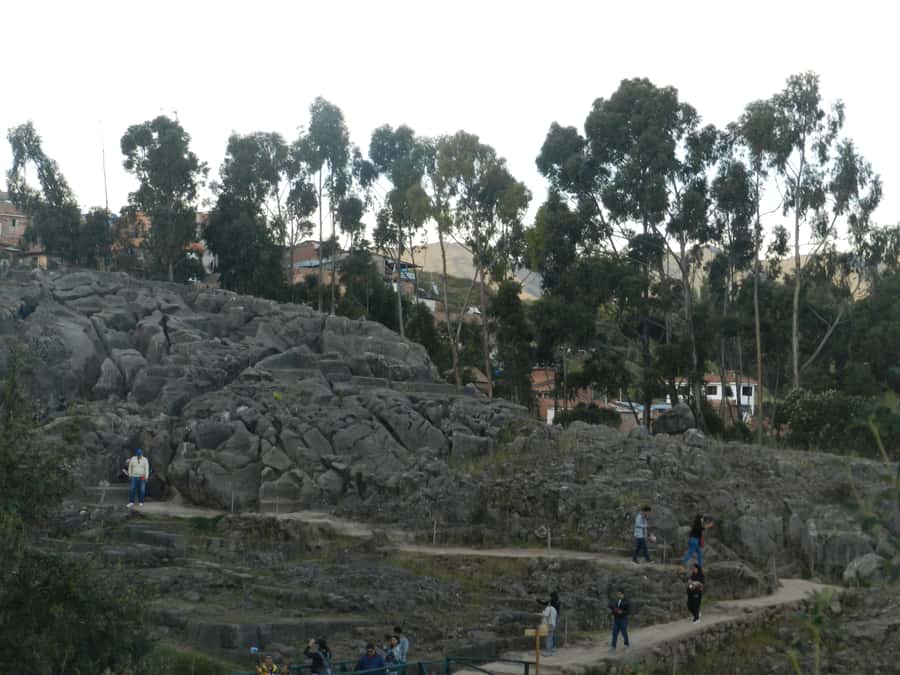
Qenqo is next, about 4 kilometers from Sacsayhuaman based on the route’s stated distances from central Cusco. Its name is associated with a labyrinth, and the site is described as a sacred place where ceremonies honored the Sun, Moon, and stars.
Qenqo changes the mood of the afternoon. Sacsayhuaman is broad and strongly linked with defense, while Qenqo brings you closer to ritual and ceremony. The guide explains the religious ideas tied to the site, giving you a better sense of how the Incas connected astronomy, nature, and worship.
The stop is relatively compact compared with Sacsayhuaman, which makes the limited time less of a problem. Still, this is not a place for a long, unhurried walk. You get a guided introduction and time to inspect the site before moving on.
The tourist ticket covers Qenqo. Keep that ticket handy throughout the afternoon, and carry your passport or another form of identification, both listed among the items to bring.
Puca Pucara, a hilltop checkpoint and storehouse
The route continues about 7 kilometers from central Cusco to Puca Pucara. The complex includes halls, inner plazas, aqueducts, watchtowers, and paths. It is thought to have served military purposes and may also have been used for food storage.
Puca Pucara is a good example of why this circuit works as an introduction. You are not seeing four versions of the same ruin. Each site adds a different piece: defense at Sacsayhuaman, ceremony at Qenqo, storage and watch functions at Puca Pucara, and water at Tambomachay.
The stop is likely to appeal most to you if you enjoy seeing how practical systems supported the Inca state. The aqueducts, paths, and watchtowers point to movement, supply, and control, not just grand religious buildings.
As with the other sites, the guide’s explanation is important because the ruins can be difficult to interpret without context. You may get only a short time to explore alone, but that is enough to see the main features and take in the setting before the coach moves on.
Tambomachay and its fresh water spring
Tambomachay is the final archaeological site. Its defining feature is a fresh water spring, along with stone channels and structures connected with water.
After military and ceremonial sites, Tambomachay gives the route a quieter finish. Water was not just a useful resource in the Andes. Here, the spring forms the central point of the visit, and the guide explains its place in Inca culture and construction.
You should wear shoes with a good grip. Hiking shoes are specifically recommended, along with sun protection and clothing suited to the weather. The tour runs in rain or shine, so a light waterproof layer could be sensible during changeable conditions, though the provided information does not promise that one will be supplied.
Tambomachay is another stop where you may want extra time. The route’s strength is its range, not long stays. If you are hoping to study each channel or walk beyond the main viewing area, the schedule may leave you wanting more.
The textile stop and the question of value
The final stop is a craft center. A local guide explains traditional Inca crafts and shows you how to identify garments made from vicuña wool.
This can be a useful cultural addition. Textiles remain an important part of Andean identity, and learning to distinguish traditional materials from imitations may help you shop more carefully during your time in Cusco. The presentation also links the ancient craft tradition with goods you may see in local markets.
Still, you should know what kind of stop this is. The afternoon includes a presentation and, based on the tour experience described, sales activity. Some people appreciate the chance to learn about alpaca and vicuña garments. Others may find it interrupts the archaeological focus.
The same applies to short onboard sales presentations. One account described an entertaining seller of anis, a Peruvian anise-flavored drink, and another person selling a book. You are not paying only for ruins here. You are also getting a commercial craft stop and possible product pitches, which may affect how you judge the value.
Timing, transport, and group size
The scheduled day runs from 1:00 PM pickup to about 7:30 PM return near Santa Catalina Street, close to Cusco’s main square. That makes it easy to continue with dinner or an evening walk in the historic center.
The small-group limit is 12 people, although the transport may be described as a coach or small van. A group of this size is much easier to manage than a large sightseeing bus, especially at the Cathedral and the archaeological sites. You can usually hear the guide more clearly and move between stops with less fuss.
The route is held rain or shine. Cusco weather can change quickly, so bring a sun hat, sunscreen, cash, weather-appropriate clothing, and sturdy walking shoes. Pets are not allowed, except assistance dogs.
The activity is not suitable for wheelchair users or people with mobility impairments. The schedule includes several archaeological sites and walking around uneven areas, so you should take that restriction seriously rather than treating it as a minor footnote.
The tour is conducted in English. One booking described part of the time being conducted in Spanish after additional people joined the group, which reduced the usefulness of the English commentary. This may not happen on every departure, but if clear English guiding is essential to your plans, confirm the language arrangement before paying.
The true cost of a $18 excursion
At $18 per person, the tour looks like an easy bargain. Transport and a local guide are included, and the route covers a long list of major sites.
Your actual admission costs are:
- Cathedral: 25 soles
- Qoricancha: 15 soles
- Tourist ticket: 70 soles
That adds 110 soles per person, separate from the booking price. The tourist ticket covers the archaeological sites on the route, while the Cathedral and Qoricancha have their own fees.
Even with those additions, the tour can offer good value if you want transport, a guide, and a broad introduction without planning the route yourself. It is less attractive if you already know Cusco well, dislike scheduled stops, or want to spend a full morning at one site.
The ability to reserve now and pay later also helps if your plans are still shifting. Free cancellation is available up to 24 hours before the tour for a full refund, according to the booking terms.
Who should book this historic Cusco tour?
I would choose this tour if you are visiting Cusco for the first time and want to cover the main sights in one organized afternoon. It also suits you if you have limited time, prefer not to negotiate transport, and value a guide’s explanation over exploring every site at your own pace.
It is a good fit for independent visitors who want a starting point. After seeing the four sites, you can decide which ones deserve a longer return visit or a more specialized tour.
I would think twice if you dislike shopping stops, sales presentations, or repeated explanations. I would also avoid it if you have mobility limits, since the tour is not designed for wheelchair users or people with mobility impairments.
If you want a relaxed archaeological day with long stretches at Sacsayhuaman and Tambomachay, choose a longer or private option instead. This route is built for coverage. You see the essentials, hear the main story, and keep moving.
Should you book it?
Book this Cusco Historic City Tour if you want an affordable, well-packed introduction to the city and nearby Inca sites. The strongest reasons are the small group, included transport, English guide, and efficient route from the Cathedral to four archaeological locations.
Go in with realistic expectations. The $18 price does not include 110 soles in listed entrance fees, the pace can be brisk, and the craft-center stop may include sales activity. For a first look at Cusco, I think the convenience is worthwhile. For deep exploration, choose something slower.
FAQ
How long does the Cusco Historic City Tour last?
The tour lasts seven hours, beginning at about 1:00 PM and returning near Santa Catalina Street at approximately 7:30 PM.
What sites are included on the route?
The route includes the Cathedral of Cusco, Qoricancha Museum, Sacsayhuaman, Qenqo, Puca Pucara, Tambomachay, and a craft center.
Is hotel pickup included?
Yes. Pickup is included for hotels in the city center. You should confirm your hotel name and address when booking and wait in the hotel reception at the designated time.
Where is pickup arranged if my hotel is outside the center?
Pickup is arranged from the Inka Ahy statue in the main square if your hotel is outside the city-center pickup area.
Are entrance tickets included?
No. The Cathedral, Qoricancha Museum, and tourist ticket are not included.
How much are the listed entrance fees?
The Cathedral costs 25 soles, Qoricancha costs 15 soles, and the tourist ticket costs 70 soles. These fees should be paid in local currency.
Is transportation included?
Yes. Transportation between the city and the archaeological sites is included in an air-conditioned coach or small van.
What language is the tour conducted in?
The tour language is English, with a live English-speaking guide.
How many people are in the group?
The small group is limited to 12 participants.
What should I bring?
Bring your passport or ID card, sun hat, hiking shoes, sunscreen, cash, and clothing suitable for the weather. The tour operates in rain or shine.
More Half-Day
- Cusco: City Tour | Half-Day Tour to 4 Archaeological Sites
★ 4.6 · 206 reviews - Cusco: Half-Day City Tour
★ 4.2 · 129 reviews - From Cusco: Moray, Maras Salt Mines & Chinchero Weavers Half-Day
★ 5.0 · 126 reviews - Cusco: Half-Day Horseback Riding at Devil’s Balcony
★ 4.9 · 89 reviews
More History on the Ground
- Pisco Sour Secrets: Hands-On Mixology in Historic Cusco
★ 4.5 · 50 reviews - Machu Picchu: historical and photographic guided tour
★ 4.9 · 27 reviews - Cusco: Full-Day Sacred Valley History Tour
★ 4.6 · 14 reviews - Historic/music Cusco FreeWalkingTour “free drink” Group Tour
★ 4.9 · 11 reviews
Just added around Cusco
- Cusco: Rainbow Mountain and viewpoint red valley ( optional)★ 4.8 · 3 reviews
- Montaña de Colores: tour en cuatrimotos día completo★ 3.3 · 3 reviews
- Tour Pallay Punchu Trek Full Day★ 4.2 · 3 reviews
- Excursion Cusco – Puno – Titicaca Observatory Train★ 5.0 · 3 reviews
- Cusco: Palcoyo Mountain Day Trip with Breakfast and Lunch★ 4.8 · 3 reviews
- Maras Moray★ 5.0 · 3 reviews
- Tour to Laguna Humantay with breakfast and lunch from Cusco★ 4.7 · 3 reviews
- From Cusco:Chinchero, Moray, Maras, Ollantaytambo with lunch★ 5.0 · 3 reviews
Historical Tours, compared.
Guided Tour of Historic and Monumental Trujillo
Read our review →
Lima’s Vibrant Heritage: Exploring the City’s Landmarks Half-day
Read our review →
Historic Center Street Food, Market, and Eateries Tour
Read our review →
Walking tour in the Historic Center of Arequipa
Read our review →
Historic Downtown, Miraflores & Catacombs Private Tour
Read our review →
Machu Picchu Private Archaeological and Historical Guided Tour
Read our review →Browse the lists this tour appears in