
Reviewed · INCA RUINS & ARCHAEOLOGY
Cusco: Historical Guided City Tour with 4 Inca Ruins
Four Inca sites, one busy half-day. This Cusco tour packs Sacsayhuaman, Qenqo, Puka Pukara, and Tambomachay around a visit to Qoricancha, making it a useful introduction to the city’s Inca past. I especially like the English and Spanish guiding, which gives the ruins much more meaning than a quick photo stop, and I like that transport handles the uphill sites that are too far to reach comfortably on foot. The main drawback is the extra entrance cost: the $23 tour price does not include the tourist card, Qoricancha, or Cathedral tickets.
I also like the choice of morning and afternoon departures. Morning visitors finish near the Plaza de Armas around 2:30 p.m., while the afternoon version begins near the cathedral at noon and ends around 6 to 6:30 p.m. Guides such as Luis, Alfredo, Romulo, and Hyame have earned especially warm praise for clear explanations and strong English. Still, this is a group sightseeing tour, so expect a set pace rather than unlimited time at every ruin.
In This Review
- Key Points Before You Book
- Why This Cusco Tour Works Well for First-Time Visitors
- Starting at Qoricancha, Cusco’s Temple of the Sun
- Sacsayhuaman and the Stones That Define the Day
- Qenqo, a Ceremonial Site With a Different Feel
- Puka Pukara, the Red Fortress Above Cusco
- Tambomachay and the Inca Attention to Water
- Morning or Afternoon: Which Departure Is Better?
- The Real Cost: $23 Plus Site Admissions
- What to Bring and What the Day Feels Like
- How Strong Is the Guiding?
- Who Should Book This Six-Hour Route?
- Should You Book It?
- FAQ
- How long does the Cusco city tour last?
- Which Inca sites are included?
- Is Qoricancha included?
- Is the Cusco Cathedral included?
- How much does the tour cost?
- What is the archaeological-site entrance fee?
- Do I need the Cusco Tourist Card?
- Is hotel pickup available?
- What languages are offered?
- Can I cancel the booking?
Key Points Before You Book
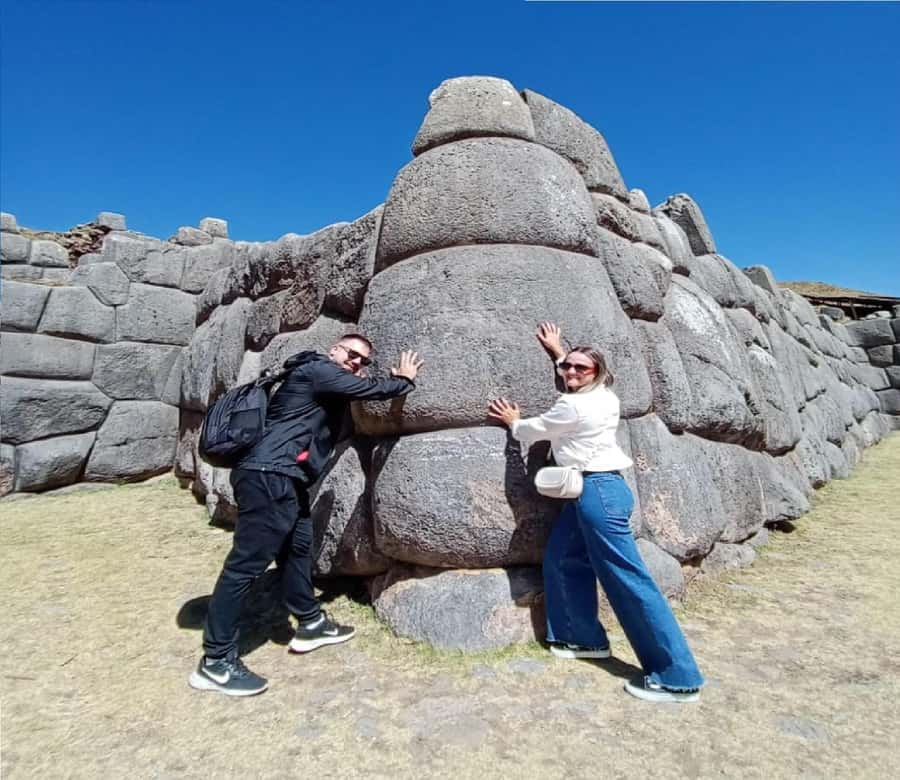
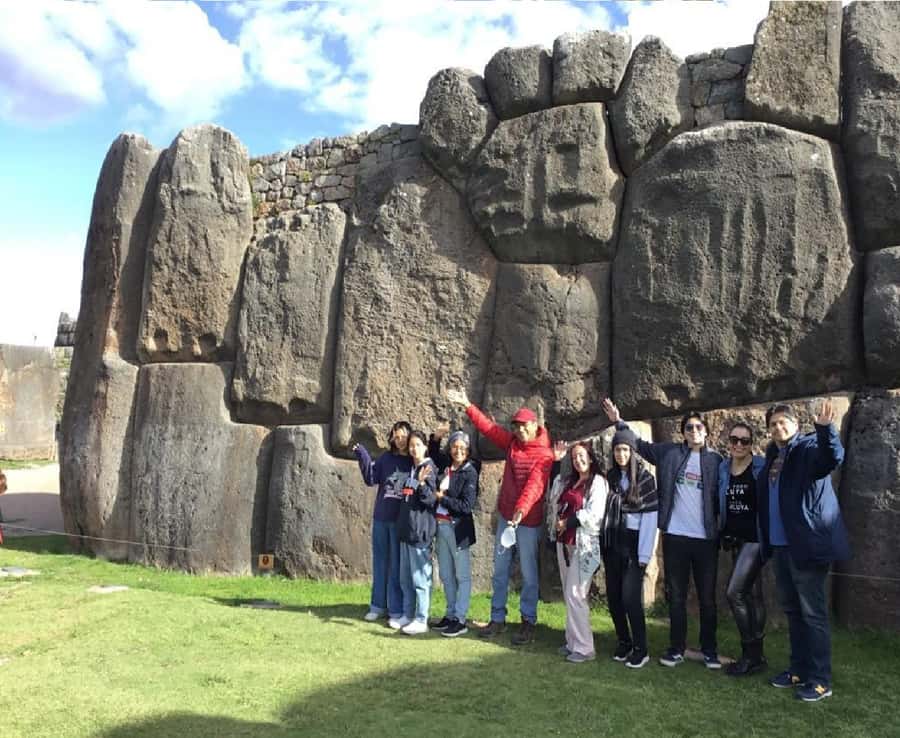
- Sacsayhuaman is the visual high point: Huge fitted stones, some said to weigh more than 100 tons, make this the tour’s most powerful stop.
- Qoricancha adds the city context: The Temple of the Sun shows how Inca religion once shaped the center of Cusco.
- The route saves your legs: A vehicle links the central temple with four sites above the city.
- Guiding is the real value: Strong guides explain the difference between documented Inca practice, later interpretation, and local stories.
- Budget for required tickets: The $23 price is only the tour and transport, not the main site admissions.
- Pick your departure with care: Morning is better for a classic half-day visit; afternoon can work well if you have a late start.
Why This Cusco Tour Works Well for First-Time Visitors
Cusco is easy to underestimate. The compact center invites walking, but the major Inca sites sit on higher ground and spread beyond the Plaza de Armas. This six-hour outing solves that problem with tourist transport and a guide who ties the separate places together.
I see this as a get your bearings fast tour. You begin with Qoricancha in the historic core, then move to the ceremonial, military, defensive, and water-related sites around Cusco. That sequence gives you a useful outline of Inca society before you tackle larger sites elsewhere in Peru.
The tour is offered in English and Spanish. The strongest praise has gone to guides who explain in plain language, answer questions, and use extra pictures to support their talks. Luis was praised for checking that everyone understood, while Alfredo handled both English and Spanish with ease. Hyame was especially useful for a visitor with only a few hours in Cusco before a Machu Picchu trek.
That last point matters. If you are adjusting to altitude or have a short stay, riding between the sites is easier than trying to link them independently. You still need to walk over uneven ground and climb some steps, but you avoid spending your energy on long uphill streets.
More City Tours in Cusco
- Cusco: Half-Day City Tour with Sacsayhuaman and Q’enco
★ 4.6 · 1,129 reviews - City Tour Cusco Qoricancha Sacsayhuaman y Tambomachay
★ 4.7 · 617 reviews - Cusco: Sightseeing Tour of the City on an Open-Top Bus
★ 4.0 · 481 reviews
Starting at Qoricancha, Cusco’s Temple of the Sun
The morning city tour normally reaches Qoricancha around 8:55 a.m., or hotel pickup takes place between about 8:35 and 9 a.m. if your hotel is near the main square. Qoricancha is also spelled Koricancha or Qorikancha, so do not worry if your confirmation uses a slightly different version.
This was the most important Inca religious complex in Cusco, dedicated to the Sun. The Spanish colonial city later built the Church of Santo Domingo over part of the site, giving you a striking example of how Cusco’s Inca and colonial layers sit on top of one another.
The guided visit is scheduled for about an hour. I would pay attention here rather than treating it as a quick introduction. Qoricancha gives you the vocabulary for the rest of the day: Inca stonework, religious power, the importance of the sun, and the way Spanish conquest changed the city.
Qoricancha is not included in the $23 price. The listed entrance fee is 15 soles. That is a small addition compared with the full archaeological-site ticket, but you should have cash ready.
The morning itinerary visits Qoricancha first. The alternate morning option may pick you up and take you to a meeting point before beginning the city tour. Confirm the exact starting arrangement when you book, particularly if your hotel is outside the central pickup area.
Sacsayhuaman and the Stones That Define the Day
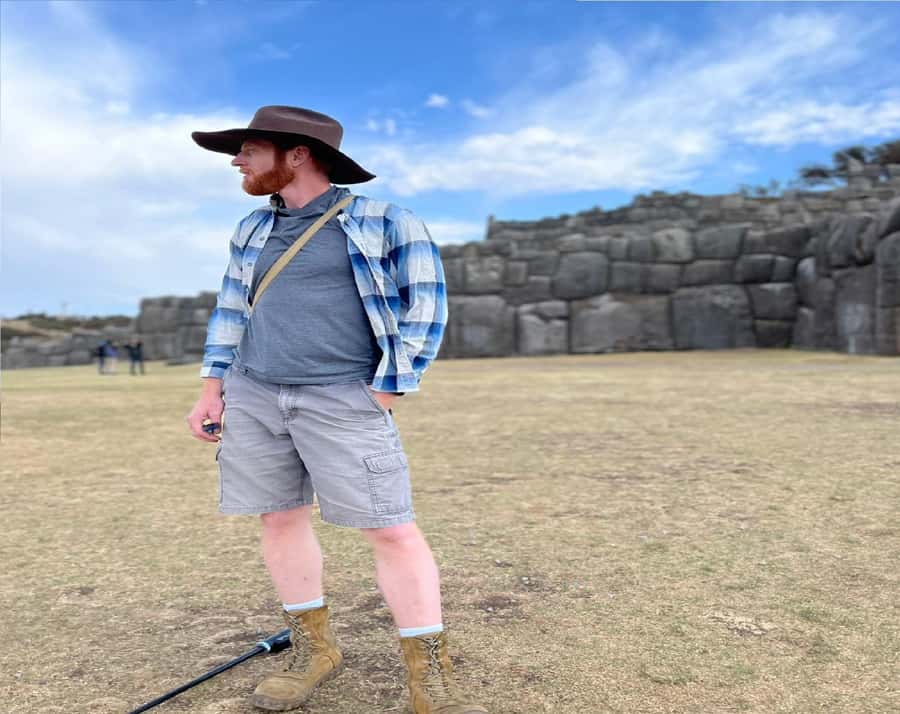
After Qoricancha, the vehicle heads uphill to Sacsayhuaman, the largest archaeological site within Cusco itself. The name is commonly explained as Puma Head, fitting the traditional idea that Cusco was laid out in the shape of a puma.
This is the tour’s big visual moment. The site is known for immense stone blocks, with some described as weighing more than 100 tons. Walls made from enormous, carefully fitted pieces show the scale and skill of Inca construction better than almost any small ruin can.
The guided visit lasts about an hour and a half in the published schedule. Your guide can help you read the site instead of seeing only a dramatic wall. The military-fortress interpretation is part of the standard explanation, though Sacsayhuaman also had ceremonial importance. A good guide will help separate what is firmly understood from what remains uncertain.
Expect open space, stone surfaces, and uphill walking. Comfortable shoes are essential. Bring water, sunscreen, a hat if you use one, and rain gear. Cusco weather can change quickly, and the tour information specifically advises carrying protection from rain.
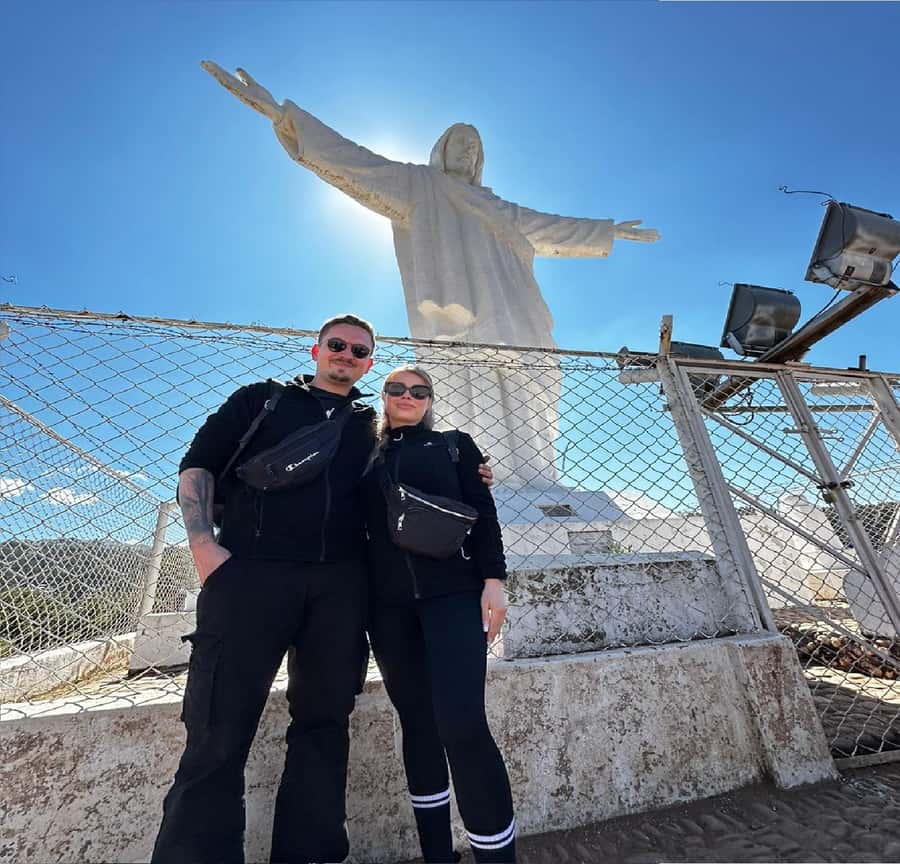
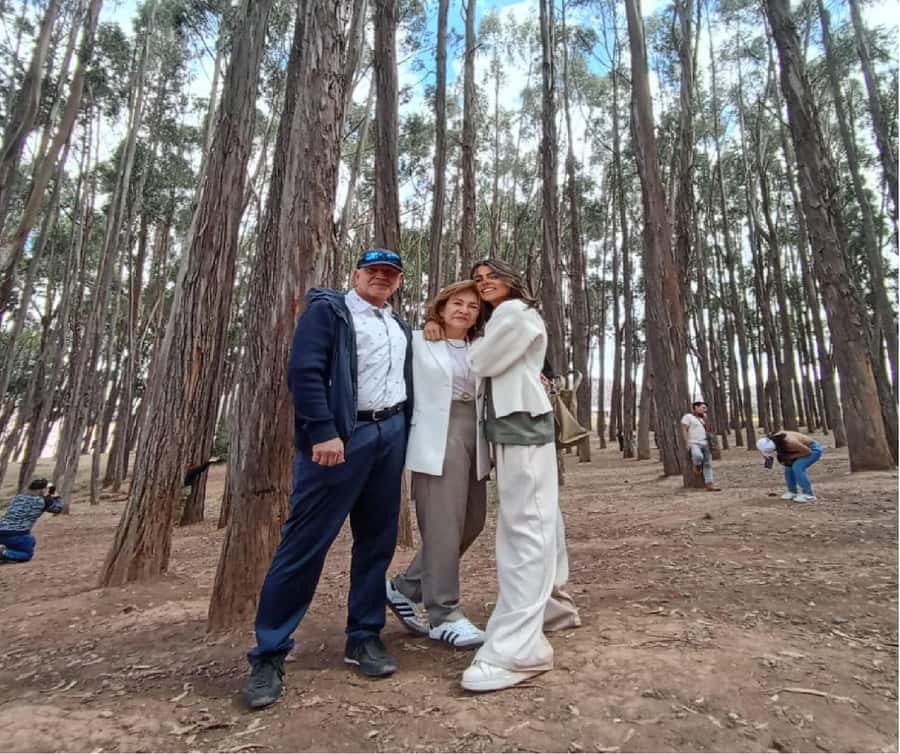
You may also visit Cristo Blanco and a Cusco viewpoint on the special morning option, along with a photography stop in the eucalyptus forest. These additions are useful for broad views and pictures, but they may make the day feel more packed. If Sacsayhuaman is your priority, ask how much time the group will have there.
Qenqo, a Ceremonial Site With a Different Feel
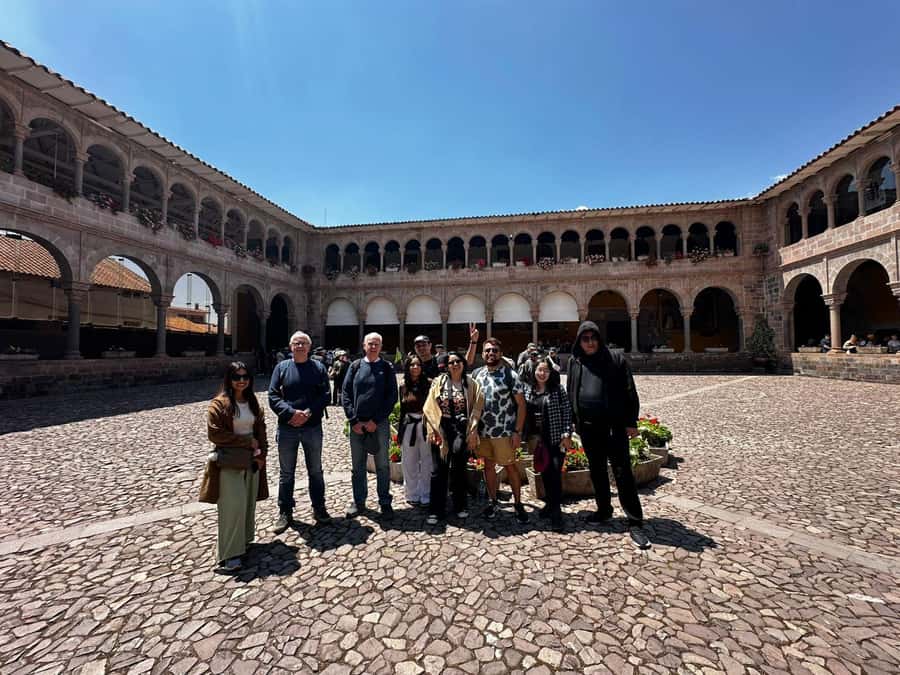
From Sacsayhuaman, the group continues to Qenqo. This is not another giant fortress. Its interest comes from carved rock, ceremonial use, and the traditions connected with sacrifice and mummification.
The information for the tour describes Qenqo as a ceremonial center where sacrifices were made to the Sun God, and also as an ancient mummification site. These descriptions can sound certain, but archaeology often leaves room for interpretation. This is a good place to listen closely to the guide’s explanation and ask how scholars know what they think they know.
The planned visit is about an hour and a half, although exact time may vary with traffic, group size, and the day’s pace. An eucalyptus forest nearby is used for photographs. It gives you a break from stone ruins and a chance to capture a few of the classic Cusco-area images.
Qenqo can be less immediately impressive than Sacsayhuaman. I would not judge it by size. Its value comes from the details and from the story your guide builds around the carved surfaces and underground spaces. If you prefer large monuments and wide views, this may feel like a shorter highlight. If you enjoy questions about ritual and burial, it can be one of the more thought-provoking stops.
More Historical Tours in Cusco
- Machu Picchu Private Archaeological and Historical Guided Tour
★ 5.0 · 86 reviews - 6-Day Cultural Tour to Machu Picchu
★ 5.0 · 76 reviews - Cusco: Historic Walking Tour with Pisco Sour and Music Show
★ 4.6 · 65 reviews - Pisco Sour Secrets: Hands-On Mixology in Historic Cusco
★ 4.5 · 50 reviews
Puka Pukara, the Red Fortress Above Cusco
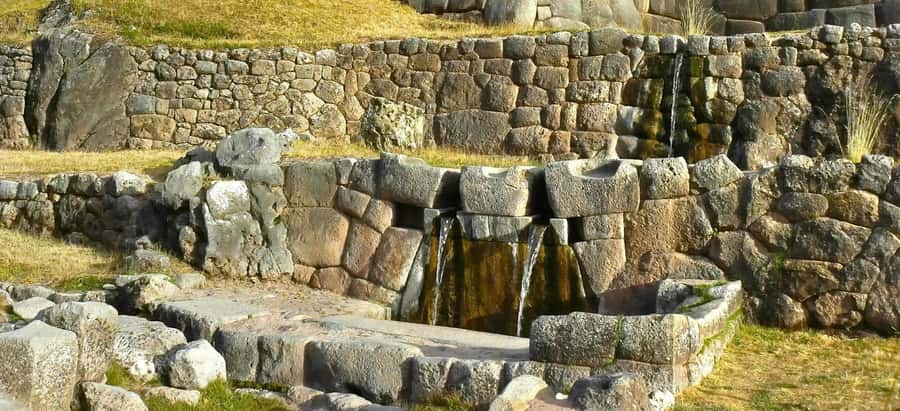
Puka Pukara is often called the Red Fortress because of the color of its stone. It functioned as a surveillance and control point above Cusco, helping monitor access to the Inca capital.
The site is smaller than Sacsayhuaman, but its location gives it a clear purpose. From here, you can understand why the Inca placed lookout and support stations on the approaches to the city. The tour description also points to views across the Andean scenery, making this a good stop for photographs.
The visit is listed at about an hour and a half, though that should be understood as a flexible schedule rather than a guaranteed private exploration period. If the group arrives at a busy time, your guide may need to keep everyone moving.
Puka Pukara works best when you connect it to the larger route. Qoricancha represents the spiritual center, Sacsayhuaman the monumental and military side, Qenqo ritual practice, and Puka Pukara the control of movement. You are not simply ticking off four ruins. You are seeing different parts of how an imperial capital operated.
Tambomachay and the Inca Attention to Water
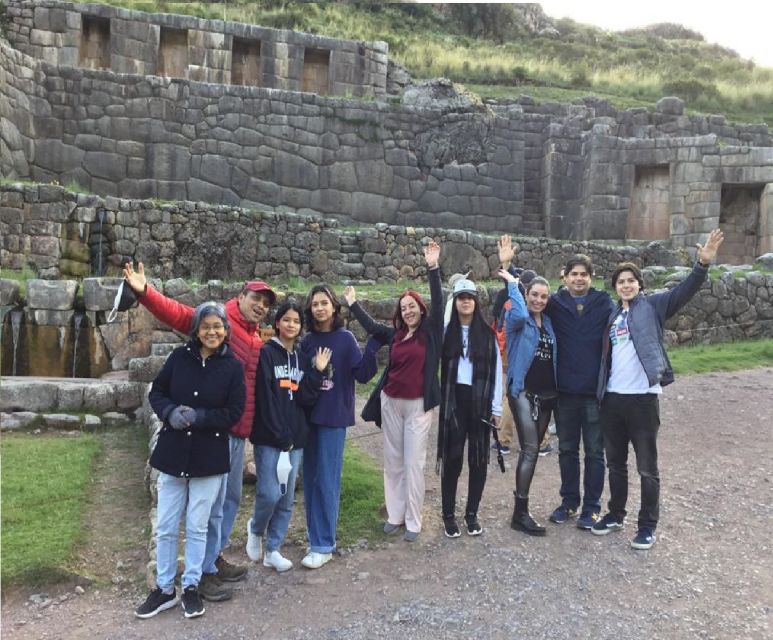
The final ruin is Tambomachay, often called the Temple of Water. Its channels and fountains are the main attraction, and the steady flow of water gives the site a quieter mood than Sacsayhuaman.
The meaning of Tambomachay is not as immediately obvious as a fortress wall. Your guide’s explanation helps you think about water as a sacred and practical resource. The site is also a fitting final stop because the route moves from power and control toward ceremony and nature.
The official timing again lists roughly an hour and a half. In practice, your visit will depend on the group schedule and transport. Bring water for yourself, but do not expect the tour to provide personal refreshments.
Once Tambomachay is finished, the vehicle returns you to central Cusco. The morning version usually ends near the Plaza de Armas, on or near Calle Plateros, at about 2:30 p.m. That puts you close to lunch, your hotel, and the city’s main colonial sights.
Morning or Afternoon: Which Departure Is Better?
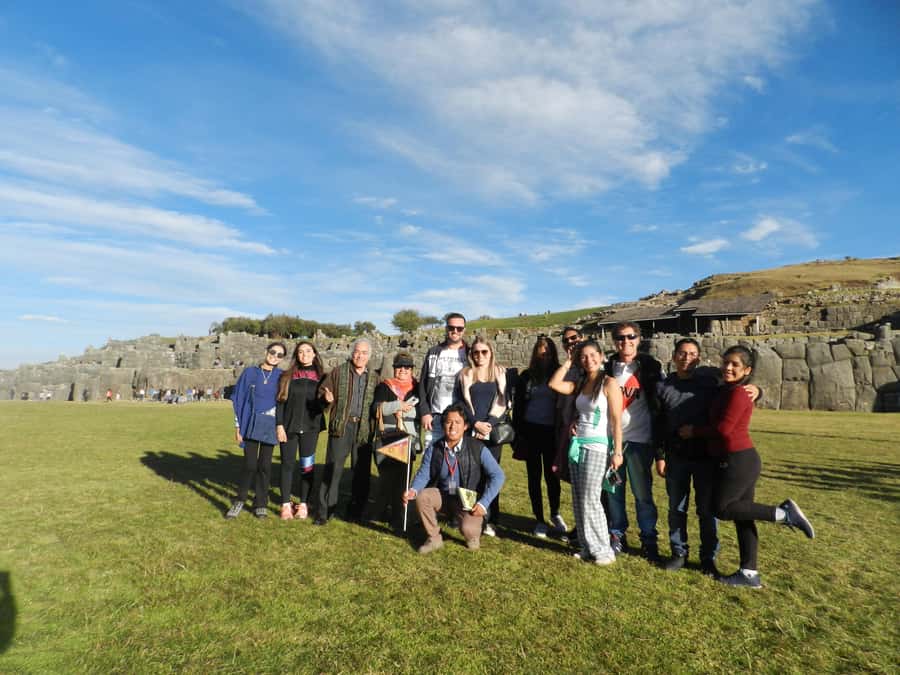
The morning option is the easiest choice for most people. It starts around 8:35 to 9 a.m., covers Qoricancha and the four ruins, and finishes around midafternoon. You still have time for lunch and an evening walk through central Cusco.
The afternoon option begins at the entrance to the cathedral between 11:50 a.m. and noon. It includes the cathedral, Qoricancha, Sacsayhuaman, Qenqo, Puka Pukara, and Tambomachay, then ends near the main square around 6 to 6:30 p.m.
Choose the afternoon departure if you want a slower morning or if your arrival schedule makes an early pickup difficult. The tradeoff is that the day ends later, and the central-city portion may feel more compressed.
The cathedral is included in the afternoon program and in one of the stated tour options, but entry is not automatic. The entrance fee is listed as 50 soles, and availability should be confirmed. The cathedral visit focuses on its paintings from the Cusco school, so it adds a colonial-art angle that the morning route does not have.
The tour descriptions use slightly different names for the options and include different extras, such as photography stops, Cristo Blanco, and the eucalyptus forest. I recommend confirming exactly which option you are reserving, what time it starts, and whether Qoricancha and the cathedral are part of your chosen version.
The Real Cost: $23 Plus Site Admissions
At $23 per person, this is an inexpensive way to cover a lot of ground. The fee pays for the guide, tourist transport, and hotel pickup when the pickup option applies. For a half-day route to four outlying ruins and a central temple, that is good value.
But you need to add the admission costs. The supplied details list:
- 70 soles for the archaeological zones, purchased at Sacsayhuaman
- 15 soles for Qoricancha
- 50 soles for the Cathedral of Cusco
The Inca sites require the Cusco Tourist Card, available only in person and with a passport. The information says children under nine can receive the card free with a passport. Because ticket rules can affect your total cost, bring your passport or identification and enough cash.
The price is most attractive if you want structure and transport. If you already plan to buy the required site access and would otherwise need separate taxis or a private guide, the group tour can save both time and money. If you only want to see one or two sites, it may be more than you need.
What to Bring and What the Day Feels Like
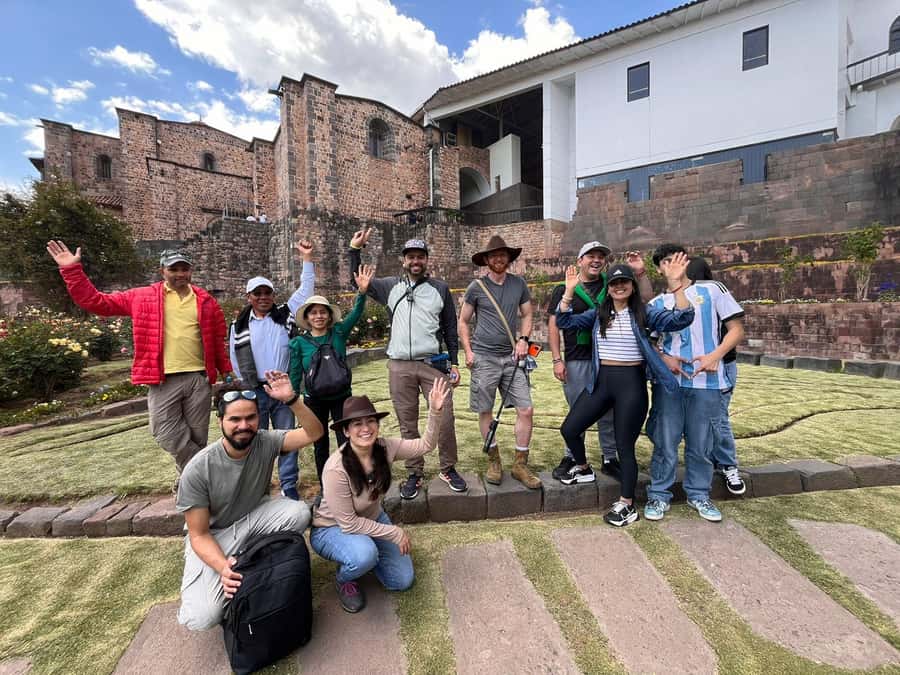
Wear shoes with a firm grip. You will walk around archaeological sites, and comfort matters more than style here.
Pack water, sunscreen, a camera, rain gear, cash, and your passport or ID card. The altitude is not a minor detail, even though the tour information does not give an exact elevation. A prior reviewer found the bus route helpful while adjusting to high altitude, and I agree with that practical advantage.
Hotel pickup is available from hotels close to Cusco’s main square. You are asked to wait in the lobby. If you are staying farther away, you may need to reach the stated meeting point yourself. The listed drop-off points are Plaza de Armas and Calle Plateros.
Bikes, alcohol, drugs, and explosive substances are not allowed, and alcoholic drinks cannot be taken in the vehicle. Those rules are simple, but they matter on a shared excursion.
The experience is not suitable for people over 95 according to the supplied conditions. More broadly, anyone with serious difficulty walking should ask about the route before booking, since the tour involves several archaeological complexes and uneven surfaces.
How Strong Is the Guiding?
The guide is the main reason to choose this experience instead of arranging transport alone. The most praised qualities are clear English, useful historical context, and the ability to answer questions without turning the tour into a lecture.
Peter highlighted a guide with excellent English and strong subject knowledge. Thijs singled out Luis, while Graham praised Alfredo’s ability to move between English and Spanish. Margaret appreciated explanations that covered history, culture, and archaeology, with extra pictures to make the ideas easier to follow.
That pattern tells me what you should expect from a good departure: not just names and dates, but comparisons between Inca practice, later Spanish changes, documented evidence, and local myths. Jackie particularly valued a guide who made that distinction clear.
Guide quality can vary by departure, as it does on any group tour. The overall rating is 4.5 from 99 reviews, with repeated praise for the guides and transport. I would book this for the guiding and route, not for a private, leisurely pace.
Who Should Book This Six-Hour Route?
I recommend it for first-time visitors who want a clear introduction to Cusco’s main Inca sites. It also suits people with a short stay, especially if you have only a morning or afternoon before another trip.
It is a smart choice if you are still getting used to altitude. The vehicle lets you reach the sites without spending the day walking uphill from the center.
Families with older children may also find the mix useful, especially if the children are interested in large stones, forts, water channels, and stories about the Inca Empire. Remember that children under nine still need a passport to receive the free tourist card.
I would look elsewhere if you want a private guide, long pauses for photography, or a deep archaeological discussion at each site. The route covers a lot, and that means the group schedule comes first.
Should You Book It?
Book this tour if you want maximum sightseeing for a low tour price, a bilingual guide, and transport to the four major Inca sites outside central Cusco. The strongest evidence in its favor is the repeated praise for guides including Luis, Alfredo, Romulo, and Hyame, plus the useful access it provides for visitors managing altitude or limited time.
Skip it if you dislike group tours or do not want to pay the separate entrance fees. Before booking, check your exact departure option, confirm whether the cathedral is included, and set aside money for the 70 soles archaeological admission, 15 soles for Qoricancha, and possible 50 soles cathedral ticket.
For most first-time Cusco visitors, I think the tour is a sound introduction. It is efficient, informative, and practical, with enough variety to keep the half-day moving.
FAQ
How long does the Cusco city tour last?
The activity lasts about six hours. The morning option usually ends near the Plaza de Armas at around 2:30 p.m., while the afternoon option ends around 6 to 6:30 p.m.
Which Inca sites are included?
The route visits Sacsayhuaman, Qenqo, Puka Pukara, and Tambomachay.
Is Qoricancha included?
Qoricancha is included in the stated morning options and has a guided visit. The entrance fee of 15 soles is not included in the tour price.
Is the Cusco Cathedral included?
The cathedral is included in the stated afternoon option and one morning option. Availability should be confirmed, and the entrance fee is listed as 50 soles.
How much does the tour cost?
The advertised price is $23 per person. Entrance tickets and other items not specifically listed as included cost extra.
What is the archaeological-site entrance fee?
The supplied information lists an entrance fee of 70 soles for the archaeological zones. It can be purchased at Sacsayhuaman.
Do I need the Cusco Tourist Card?
Yes. Access to the Inca sites requires the Cusco Tourist Card, which is available only in person and requires your passport. Children under nine can receive it free with a passport.
Is hotel pickup available?
Pickup is available for the stated morning options from hotels close to Cusco’s main square. You should wait in your hotel lobby. The afternoon option begins at the cathedral entrance.
What languages are offered?
The tour is offered in English and Spanish with a live guide.
Can I cancel the booking?
You can cancel up to 24 hours in advance for a full refund. The reserve-now, pay-later option lets you book without paying immediately.
More Inca Sites and Ruins
- Cusco 4-Hour Private Tour Including Sacsayhuaman and Qenqo
★ 5.0 · 77 reviews - Half-Day City Tour of Cusco Including Tambomachay
★ 4.5 · 59 reviews - Sacsayhuaman Temple, Tambomachay and Puca Pucara Half-Day Tour
★ 4.5 · 59 reviews - Horseback Tour in cusco to Temple of the Moon & Hidden temples
★ 5.0 · 54 reviews
More Inca Ruins & Archaeology in Cusco
- Cusco City Sightseeing, San Pedro Market, Cathedral and Qorikancha Temple
★ 4.5 · 139 reviews - Cusco: 3-Hour Horse Riding Tour to the Temple of the Moon
★ 5.0 · 105 reviews - Cusco City Sightseeing and Sacsayhuaman Archeological Park Tour
★ 4.5 · 101 reviews - Horse Riding Chacan Mountain And Temple Of The Moon
★ 5.0 · 78 reviews
Just added around Cusco
- Cusco: Rainbow Mountain and viewpoint red valley ( optional)★ 4.8 · 3 reviews
- Montaña de Colores: tour en cuatrimotos día completo★ 3.3 · 3 reviews
- Tour Pallay Punchu Trek Full Day★ 4.2 · 3 reviews
- Excursion Cusco – Puno – Titicaca Observatory Train★ 5.0 · 3 reviews
- Cusco: Palcoyo Mountain Day Trip with Breakfast and Lunch★ 4.8 · 3 reviews
- Maras Moray★ 5.0 · 3 reviews
- Tour to Laguna Humantay with breakfast and lunch from Cusco★ 4.7 · 3 reviews
- From Cusco:Chinchero, Moray, Maras, Ollantaytambo with lunch★ 5.0 · 3 reviews
Inca Ruins & Archaeology, compared.

Half-Day City Tour with Sacsayhuaman and Q’enco
Read our review →
City Tour Cusco Qoricancha Sacsayhuaman y Tambomachay
Read our review →
The Charm of Barranco & Pre Inca Pyramid in Miraflores
Read our review →
Pachacamac Ruins & Barranco Half-Day Guided Tour
Read our review →
Pre Inca Temple of Pachacamac Half-Day Tour from Lima
Read our review →

Cusco City Sightseeing, San Pedro Market, Cathedral and Qorikancha Temple
Read our review →
3-Hour Horse Riding Tour to the Temple of the Moon
Read our review →Browse the lists this tour appears in