
Reviewed · INCA RUINS & ARCHAEOLOGY
Cusco 4-Hour Private Tour Including Sacsayhuaman and Qenqo
Cusco’s stones tell two very different stories. I like the way this private tour links the Inca sites above the city with the Spanish-era Plaza de Armas, and I like having a private vehicle and guide for a busy half-day route. The guide names praised most often are Alfredo, Patricia, Reuben, Soledad, and Victor, with Alfredo and Patricia earning especially warm comments for clear explanations and personal stories.
The main drawback is the extra entrance cost. The advertised price is $87 per person, but Sacsayhuaman, Qorikancha, and Cusco Cathedral require separate payment. Four hours is also brisk, so you will see many places, but you will not linger at every ruin.
In This Review
- Key points at a glance
- Why this half-day tour works in Cusco
- Sacsayhuaman: enormous stones above Cusco
- The four upper ruins, each with a different purpose
- Q’enqo and the mystery of the carved channel
- Puka Pukara, the red watchtower
- Tambomachay and flowing water
- Plaza de Armas: the Spanish layer in the center
- Cusco Cathedral and the cost of going inside
- Qorikancha and Santo Domingo’s uneasy foundation
- What the private guide adds
- Transport, walking, snacks, and the altitude question
- Is $87 per person good value?
- Who should book this Cusco tour?
- FAQ
- How long does the tour last?
- What is included in the price?
- Are entrance fees included?
- Is this a private tour?
- What languages are available?
- Can children join the tour?
- My booking advice
Key points at a glance
- Four major Inca sites above Cusco: Sacsayhuaman, Q’enqo, Puka Pukara, and Tambomachay create a useful introduction to the city’s surrounding ruins.
- Private transport saves time: A vehicle connects the scattered sites, with hotel pickup and drop off included.
- The Plaza de Armas adds the Spanish chapter: You see how the colonial city was built over the former Inca capital.
- Private guiding makes the pace flexible: Guides have adjusted walking and site time for families, solo visitors, and people coping with altitude sickness.
- Budget for admission fees: The listed extra charges are PEN 70 for Sacsayhuaman, PEN 15 for Qorikancha, and PEN 40 for Cusco Cathedral.
- A textile stop may be added: The optional factory visit costs nothing extra, though it can reduce time at the main sites.
Why this half-day tour works in Cusco
Cusco is not a city you understand from one plaza or one ruin. Its story is layered, with Inca foundations, colonial churches, modern Peruvian life, and high-altitude scenery all packed into a small area. This tour gives you a quick framework before you visit places farther afield, such as Machu Picchu, Ollantaytambo, or Pisac.
I particularly like the mix of city and countryside. You begin or end around central Cusco, then move to the open-air ruins north of town. The route gives you both carved stone and living urban history, rather than treating the Inca world as something sealed away from present-day Peru.
The private format matters here. You are not tied to a large group moving at one fixed speed. You can ask questions, pause for photographs, and tell the guide if you need a slower walk. That flexibility proved useful for people still feeling the effects of altitude sickness, since the tour combines vehicle time with walks that are not described as especially long.
The experience has a 4.8 rating from 77 reviews, with 94 percent recommending it. That is a strong record, but you should still set realistic expectations. This is an overview tour, not an archaeological seminar or a full-day visit to every site.
More Inca Ruins & Archaeology in Cusco
- Cusco: Half-Day City Tour with Sacsayhuaman and Q’enco
★ 4.6 · 1,129 reviews - City Tour Cusco Qoricancha Sacsayhuaman y Tambomachay
★ 4.7 · 617 reviews - Cusco City Sightseeing, San Pedro Market, Cathedral and Qorikancha Temple
★ 4.5 · 139 reviews
Sacsayhuaman: enormous stones above Cusco
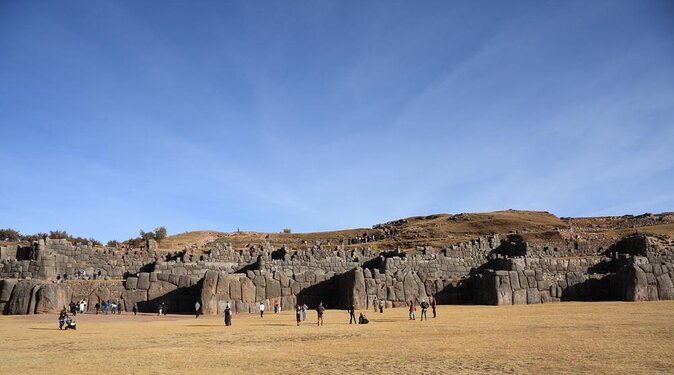
Sacsayhuaman is the headline stop, and rightly so. The citadel sits on the northern edge of Cusco, above the city, where its massive zigzag walls make the scale of Inca stonework easy to grasp.
The site’s earliest sections date to the Killke culture, which occupied the area from around 900 CE. Later construction formed part of the Inca capital. That older foundation is worth remembering because the site is not simply a single Inca project appearing all at once.
You will have about 30 minutes here. That is enough to see the main walls, take in the view toward Cusco, and hear an explanation of the site’s role. It is not enough for a slow, detailed walk through every corner, especially if you stop often for photos.
The entrance fee is not included, and the listed price is PEN 70 per person. Add that cost before you book. Sacsayhuaman involves uneven ground and some walking, so bring sensible shoes and give yourself time to adjust to Cusco’s altitude.
The four upper ruins, each with a different purpose
The route also includes Q’enqo, Puka Pukara, and Tambomachay, creating a useful set of contrasts. These places are close enough to visit in one outing, yet they do not all tell the same story.
Q’enqo and the mystery of the carved channel
Q’enqo means labyrinth or zig-zag in Quechua. Its name comes from a crooked channel cut into the rock, though nobody can say with certainty what liquid once flowed through it.
Possible interpretations include holy water, chicha, or blood. The site is linked to death rituals, and the uncertainty gives your guide room to explain how archaeologists form theories from stone, drainage, ceremony, and location.
You have about 15 minutes here. That makes Q’enqo a short interpretive stop rather than a long exploration. Pay close attention to the carved rock and ask questions, since the meaning is less immediately obvious than the huge walls at Sacsayhuaman.
More Inca sites and ruins to walk around:
- Cusco: 3-Hour Horse Riding Tour to the Temple of the Moon
★ 5.0 · 105 reviews - Cusco City Sightseeing and Sacsayhuaman Archeological Park Tour
★ 4.5 · 101 reviews - Cusco: Historical Guided City Tour with 4 Inca Ruins
★ 4.5 · 99 reviews - Horse Riding Chacan Mountain And Temple Of The Moon
★ 5.0 · 78 reviews
Puka Pukara, the red watchtower
Puka Pukara means red fortress or watchtower in Quechua. The site lies about six kilometers from Cusco on the road toward Antisuyo, the jungle region of the Inca Empire.
Its position helped it serve as a checkpoint, military post, and administrative center. The 15-minute visit is brief, but the site makes more sense when you see it as part of a road network. It was not an isolated pile of ruins. It watched movement along an important route.
Tambomachay and flowing water
Tambomachay is also called El Baño del Inca. Its terraces, aqueducts, canals, and waterfalls show the Inca interest in controlled water and carefully shaped stone.
You get about 25 minutes here, longer than at Puka Pukara or Q’enqo. The water features make it one of the easier sites to appreciate at a glance, though the meaning and original use still benefit from a guide’s explanation.
The exact order can vary. Some itineraries place the four upper ruins together before returning to the city, while others arrange the city stops differently. Your guide can explain the day’s sequence when pickup begins.
Plaza de Armas: the Spanish layer in the center
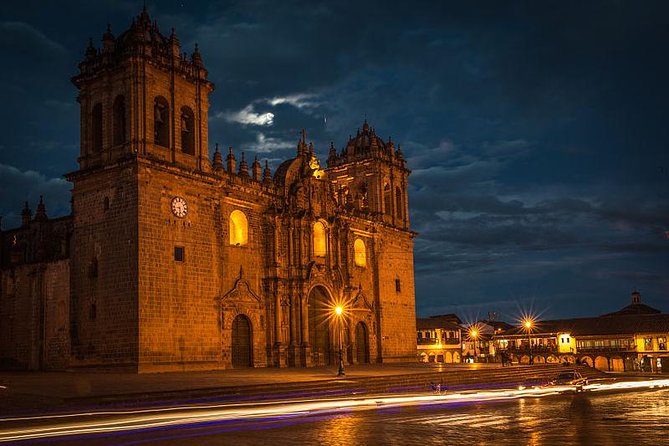
The Plaza de Armas is a short 10-minute stop, but it carries a lot of weight. This was an important space before the Spanish conquest, when Cusco served as the Inca imperial capital. Later, colonial buildings reshaped the square and made the Spanish presence impossible to miss.
I like this pause because it prevents the tour from presenting Cusco as only an archaeological destination. You see the architectural impact of conquest in the center of daily city life, with the older Inca foundation still beneath the colonial appearance.
Ten minutes is enough for an introduction and photographs, but not a full study of the surrounding buildings. If the plaza catches your attention, return on your own later for a slower look.
Cusco Cathedral and the cost of going inside
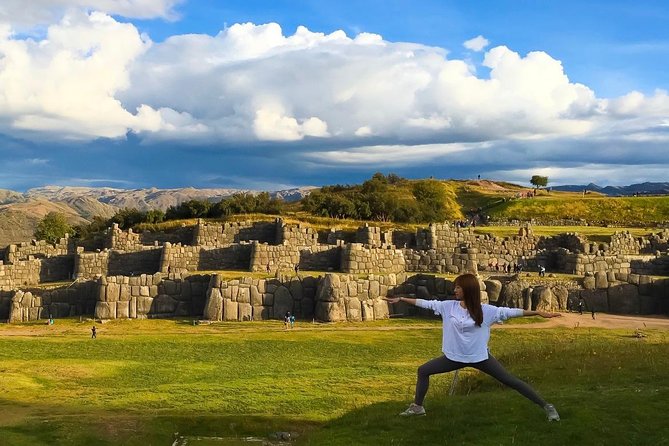
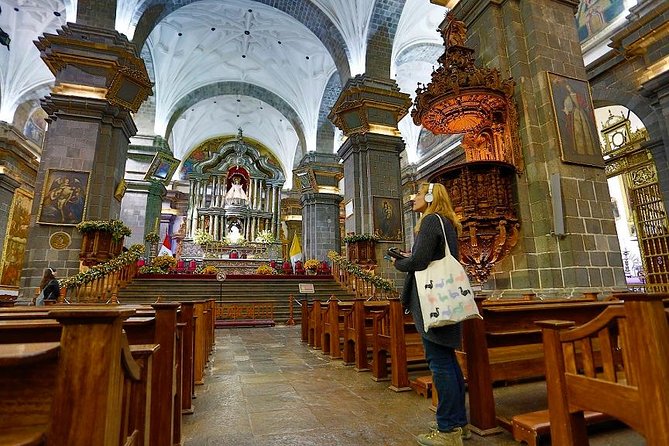
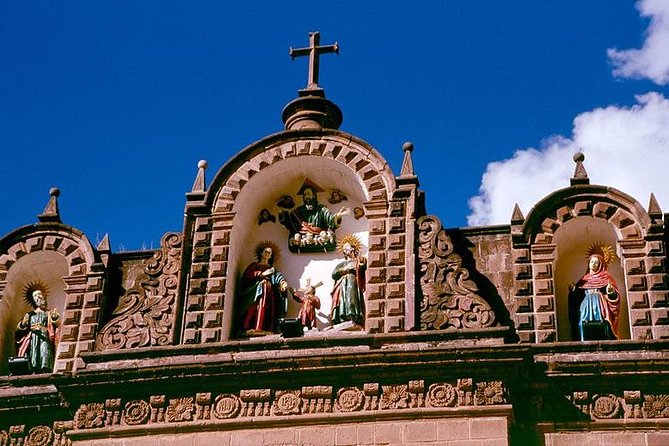
Cusco Cathedral occupies one side of the Plaza de Armas. Its full name is the Cathedral Basilica of the Assumption of the Virgin, and it serves as the mother church of the Roman Catholic Archdiocese of Cusco.
The scheduled visit lasts about 20 minutes. That should give you time to understand the cathedral’s place in the colonial city and see selected interior details if you pay to enter. The entrance fee is separate, listed as PEN 40 per person.
The private format helps if you want context rather than a quick photograph. Ask your guide how the cathedral fits into the transformation of the former Inca capital. If you are already tired after the upper ruins, you can also decide how much time to spend inside.
Qorikancha and Santo Domingo’s uneasy foundation
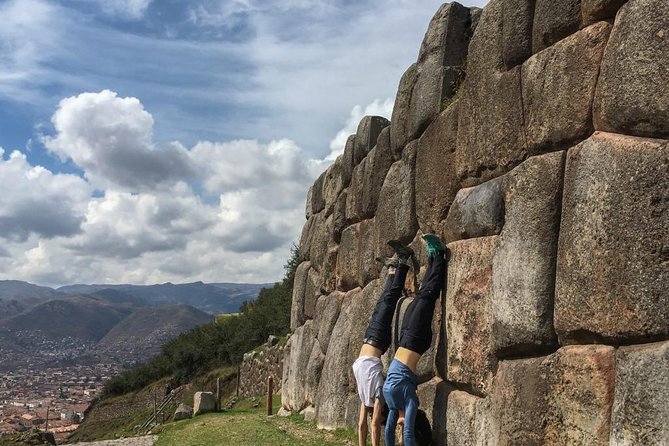
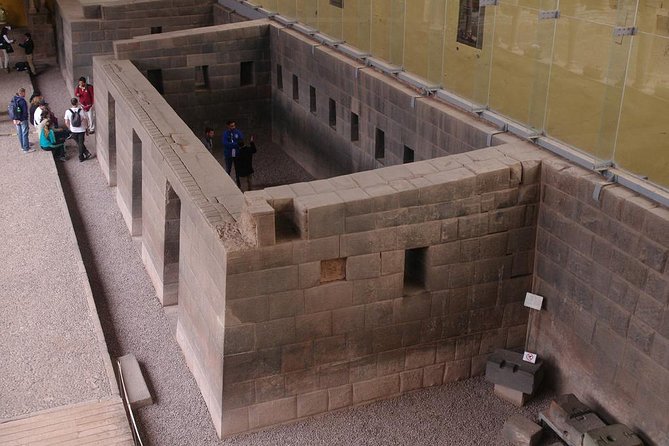
Qorikancha, also written Qorikancha or Coricancha, was originally called Intikancha or Intiwasi. It was dedicated to Inti, the sun deity, and occupied a central place in the Inca capital.
Much of the original temple was destroyed after the Spanish conquest. Stonework was removed and reused in churches and residences, while the Santo Domingo Convent was built over the remains. An earthquake in 1650 destroyed the first Dominican convent, after which the later structure was built.
The 20-minute stop gives you a clear lesson in how conquest changed Cusco physically, not just politically. Inca masonry and colonial construction sit in direct conversation here, sometimes uncomfortably so.
Qorikancha admission costs PEN 15 per person and is not included. That is a relatively small added fee compared with Sacsayhuaman, but you should still carry enough local currency or confirm the accepted payment method before the visit.
What the private guide adds
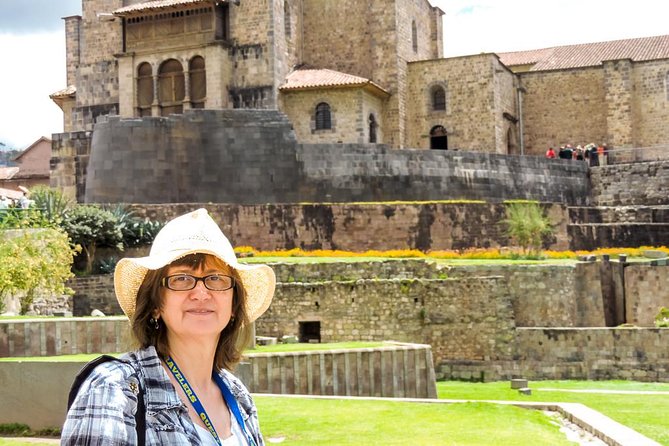
The best part of this experience is the guide’s ability to connect separate stones into one story. Alfredo is praised for strong English, humor, patience with questions, and clear explanations. Patricia is especially good for travelers who want history mixed with present-day Peruvian culture and personal insight from a Cusqueña.
Reuben is described as friendly, safe, and well organized, with a careful driver working alongside him. Soledad is praised for patience and thorough explanations, while Victor receives especially warm comments for kindness and personal attention.
Guide quality can vary, and one person found the English less fluent than expected. That is worth keeping in mind if detailed English interpretation is essential to you. Still, the overall response points to a team that knows how to explain both the Inca past and modern Cusco.
The private setting also lets you shape the conversation. Ask about religion at Q’enqo, water at Tambomachay, road control at Puka Pukara, or the way colonial buildings changed the Plaza de Armas. Those questions can turn a fast sightseeing loop into a much more meaningful introduction.
Transport, walking, snacks, and the altitude question
Hotel pickup and drop off are included, along with private transport and snacks. That combination is valuable in Cusco because the sites are spread across different parts of the city and surrounding hills. You spend less energy arranging taxis and more time looking at the ruins.
The tour is not a nonstop hike. You move between stops by vehicle, then walk around each place. Several people found that useful while adjusting to altitude sickness, though you should still dress for the season, drink water, and be honest with your guide about how you feel.
Snacks and water have been a welcome touch, especially during the middle of the outing. Bring your camera, since the high sites offer broad views over Cusco and the stonework is highly photogenic.
The tour is open to children at least two years old, and service animals are allowed. Most people can participate, but the sites are archaeological areas with uneven surfaces, so anyone with serious mobility concerns should ask the operator for specific details before booking.
Is $87 per person good value?
At $87 per person, this is not the cheapest way to see Cusco. It becomes more reasonable when you count the private vehicle, hotel transfers, guide, snacks, and the time saved moving between seven stops.
You must add the listed entrance fees for Sacsayhuaman, Qorikancha, and the cathedral. Those charges make the final cost higher, so compare the total with your budget rather than focusing only on the headline price.
For a solo visitor, the cost may feel high. For a couple, family, or small group, private transport and flexible pacing can make the price easier to justify. One person considered it expensive but still recommended it because the service delivered a well-organized introduction to Cusco.
The optional textile factory visit can be added at no extra charge. It may offer a useful look at local fiber work and traditional clothing, but remember that four hours goes quickly. If the main ruins are your priority, ask how the extra stop will affect your time at Sacsayhuaman or the city sites.
Who should book this Cusco tour?
I would choose this tour if you have only a short window in Cusco and want a broad first look. It works especially well before Machu Picchu or a longer Sacred Valley visit because the guide can give you basic context for Inca religion, roads, water systems, military posts, and colonial change.
It also suits families and couples who prefer not to join a large group. Solo visitors can gain the most from the personal questions and private transport, though the per-person price may be harder to justify.
I would not choose it if you want long, quiet visits at each ruin. The schedule is packed, and several stops last only 15 or 20 minutes. If altitude is a concern, the vehicle-based format is helpful, but this is still an active half-day in a high city.
Free cancellation is available up to 24 hours before the start time. Changes or cancellations made later are not refunded, and poor weather can lead to a new date or full refund.
FAQ
How long does the tour last?
The tour lasts approximately four hours.
What is included in the price?
The price includes a private English- or Spanish-speaking guide, hotel pickup and drop off, snacks, and transport by private vehicle.
Are entrance fees included?
No. The listed entrance fees are PEN 70 per person for Sacsayhuaman, PEN 15 for Qorikancha, and PEN 40 for Cusco Cathedral.
Is this a private tour?
Yes. Only your group participates in the activity.
What languages are available?
The guide speaks English or Spanish.
Can children join the tour?
Yes. Participants must be at least two years old.
My booking advice
Book this experience if you want a practical, well-paced introduction to Cusco’s Inca and colonial sides, especially with limited time or a small private group. The strongest reasons are the private transport, flexible walking pace, and guides such as Alfredo, Patricia, and Reuben, who bring clear explanations and local perspective.
Before paying, add the three entrance fees, decide if the optional textile stop interests you, and accept that seven stops in four hours means an overview. If you want a helpful first chapter before Machu Picchu, this tour is a sound choice.
Just added around Cusco
- Cusco: Rainbow Mountain and viewpoint red valley ( optional)★ 4.8 · 3 reviews
- Tour Pallay Punchu Trek Full Day★ 4.2 · 3 reviews
- Montaña de Colores: tour en cuatrimotos día completo★ 3.3 · 3 reviews
- Excursion Cusco – Puno – Titicaca Observatory Train★ 5.0 · 3 reviews
- Cusco: Palcoyo Mountain Day Trip with Breakfast and Lunch★ 4.8 · 3 reviews
- Maras Moray★ 5.0 · 3 reviews
- Tour to Laguna Humantay with breakfast and lunch from Cusco★ 4.7 · 3 reviews
- From Cusco:Chinchero, Moray, Maras, Ollantaytambo with lunch★ 5.0 · 3 reviews
Inca Ruins & Archaeology, compared.

Half-Day City Tour with Sacsayhuaman and Q’enco
Read our review →
City Tour Cusco Qoricancha Sacsayhuaman y Tambomachay
Read our review →
The Charm of Barranco & Pre Inca Pyramid in Miraflores
Read our review →
Pachacamac Ruins & Barranco Half-Day Guided Tour
Read our review →
Pre Inca Temple of Pachacamac Half-Day Tour from Lima
Read our review →

Cusco City Sightseeing, San Pedro Market, Cathedral and Qorikancha Temple
Read our review →
3-Hour Horse Riding Tour to the Temple of the Moon
Read our review →Browse the lists this tour appears in