
Reviewed · INCA RUINS & ARCHAEOLOGY
Cusco City Sightseeing and Sacsayhuaman Archeological Park Tour
Stonework this precise deserves a closer look. This half-day outing combines Sacsayhuaman and four nearby Inca sites with Cusco’s cathedral and Qorikancha, giving you a useful first look at both the Inca capital and the colonial city built over it. I like the small-group size, capped at 15 people, and the air-conditioned vehicle, which saves time and energy at high altitude.
I also like the guides’ strong storytelling. Guides including Alvaro Jimenez, Abraham, Adrial, Yuber, Aracely, Rommel, Clara, Julio, and Niko have been praised for making the history lively and adjusting explanations to different ages and interests. The main caution is practical: check carefully if your booking includes admission tickets, and allow extra time, since the outing can run closer to four or five hours than the advertised three and a half.
In This Review
- Key points to know before booking
- Why this is a useful first afternoon in Cusco
- Sacsayhuaman: giant stones above Cusco
- Qenqo, Puca Pucara, and Tambomachay
- Returning to Cusco and visiting Qorikancha
- Plaza de Armas and Cusco Cathedral
- Guide quality and the bilingual format
- Transport, pickup, and the real timing
- The $79 price and ticket trap
- Who should choose this tour?
- Should you book it?
- FAQ
- How long does the tour last?
- What sites are included?
- Is transportation included?
- Is the guide in English?
- Are entrance tickets included?
- How large is the group?
- Can I wear shorts at the cathedral?
- Can I take photos inside Cusco Cathedral?
- What is the cancellation policy?
Key points to know before booking
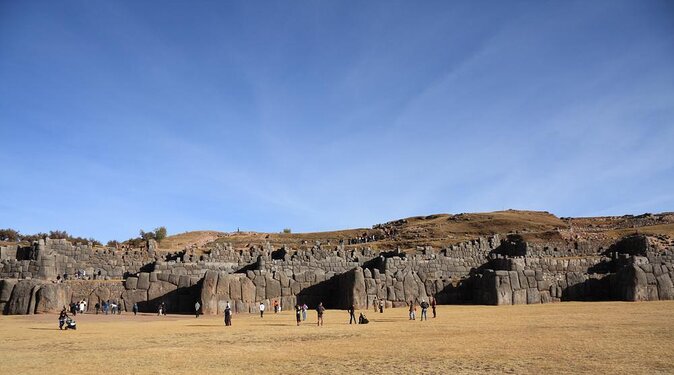
- Sacsayhuaman provides the visual high point: Massive stones, city views, and Inca symbols make this the most memorable stop for many people.
- The tour covers four sites above Cusco: Qenqo, Puca Pucara, and Tambomachay follow Sacsayhuaman, giving you more context than a visit to the main ruins alone.
- Qorikancha explains the collision of cultures: The Inca Temple of the Sun now sits beneath the Santo Domingo Convent.
- The group is limited to 15 people: That is small enough for questions, though the bilingual format can affect the pace.
- Admission fees need careful checking: Some purchase options exclude entry, and extra charges have caused real frustration.
- The schedule is not always truly three and a half hours: Plan loosely, especially if you have dinner or another appointment afterward.
Why this is a useful first afternoon in Cusco
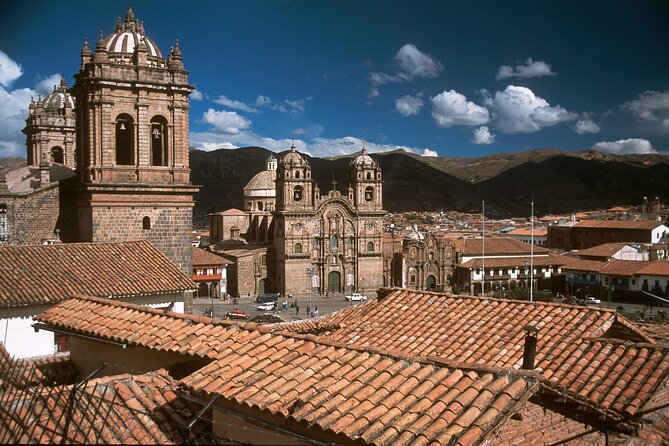
Cusco can feel like two cities layered on top of each other. Inca walls support Spanish churches, colonial squares occupy former ceremonial spaces, and modern streets wind between both. This tour gives you that basic framework in one outing.
The order makes sense. You begin above the city, where the Inca sites are easier to understand as a group. You then return to central Cusco for Qorikancha, the Plaza de Armas, and the cathedral. I find that sequence helpful because you see the stones first, then learn how Spanish colonial power was placed directly over Inca religious sites.
The tour is also a reasonable choice for an acclimatization day. You cover plenty of ground without arranging separate taxis, site visits, and a cathedral tour. Still, this is not a quiet private walk. It is a shared bilingual excursion, so the guide may explain each point in Spanish and English. That can stretch the timing.
The strongest part of the experience is the guide. Several guides have been singled out for clear explanations, humor, and enthusiasm. Niko, described as a former history professor, was praised for bringing the Inca period and the centuries around it to life. Another guide adapted the discussion for a traveler working on a specific project. That kind of flexibility can turn a standard sightseeing route into a much better history lesson.
More City Tours in Cusco
- Cusco: Half-Day City Tour with Sacsayhuaman and Q’enco
★ 4.6 · 1,129 reviews - City Tour Cusco Qoricancha Sacsayhuaman y Tambomachay
★ 4.7 · 617 reviews - Cusco: Sightseeing Tour of the City on an Open-Top Bus
★ 4.0 · 481 reviews
Sacsayhuaman: giant stones above Cusco
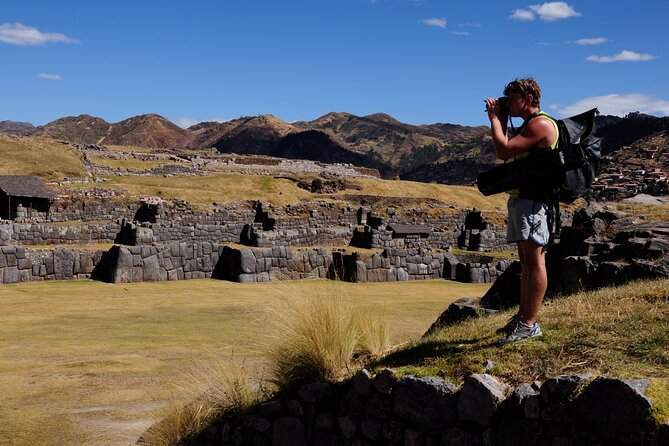
Sacsayhuaman is the headline stop, and it earns the billing. The archaeological complex sits on a hill above Cusco, with broad views across the city. From here, the relationship between the old Inca capital and the surrounding hills becomes much clearer.
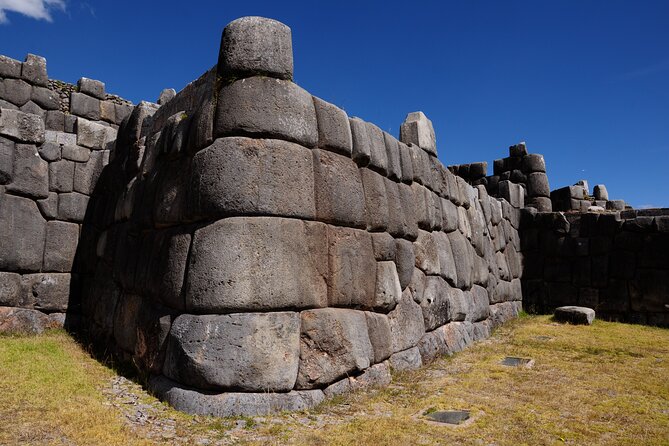
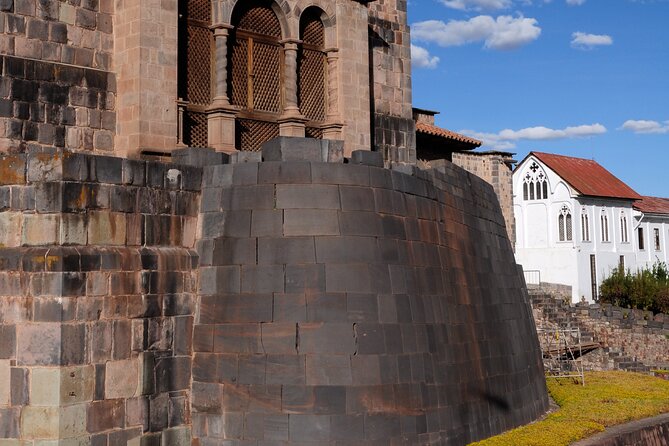
The walls are built from enormous stones, some reaching about 13 feet, or 4 meters, in height. Their irregular shapes fit tightly together, giving the construction a strength and visual force that is hard to grasp from photographs. Your guide explains how the site was built and discusses the Inca symbols associated with the condor, puma, and snake, which represent three levels of the Inca world.
I would give this stop your full attention. The scale is impressive, but the smaller details matter just as much: the angled joints, the changing stone shapes, and the sense of calm around the ruins. One particularly good guide described the site with strong opinions about Inca engineering and culture, making the visit more than a quick photo stop.
The drawback is that Sacsayhuaman is open and exposed. Cusco weather can change quickly, and one family described heavy rain during the outing. Bring a waterproof layer and protection from strong sun. Comfortable shoes are useful because you will walk around uneven archaeological ground.
The visit to Sacsayhuaman and the three nearby sites is listed at about two hours. That gives you enough time to see the main features, but the exact pace depends on the group, the bilingual explanations, and transport between stops.
Qenqo, Puca Pucara, and Tambomachay
After Sacsayhuaman, the vehicle continues to three smaller sites. They do not have the same scale as the main complex, but together they help explain how the area worked.
At Qenqo, you see a ceremonial altar and a sacred temple associated with the puma. The site has a more enclosed, atmospheric character than Sacsayhuaman. Your guide may focus on ritual use, sacred spaces, and the role of carved stone in Inca ceremonies.
Puca Pucara was a military outpost used for defense. The remains are more modest, so this stop depends heavily on the explanation. On its own, it can seem like a short pause among stone walls. With context, it helps you picture the network of lookout and defense points around Cusco.
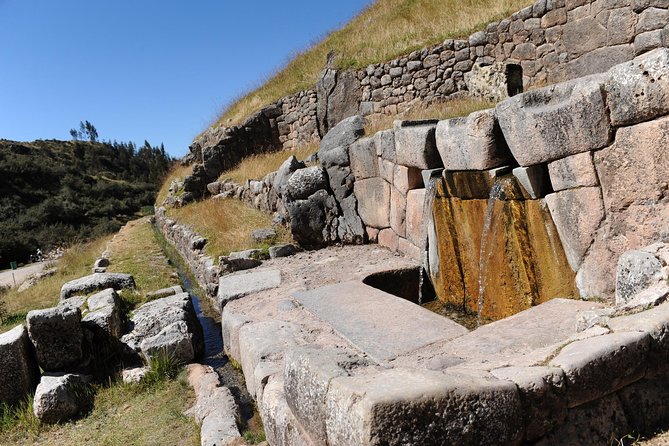
Tambomachay centers on water. Aqueducts, channels, and stone structures once guided flowing water through the site. The location may have served ritual purposes and perhaps a retreat or bathing place for wealthy Incas. The waterworks are the main attraction, especially if you enjoy seeing how practical engineering and religious belief worked together.
I like this trio because it prevents the outing from becoming only a Sacsayhuaman photo session. You see ceremonial, military, and water-related sites in one circuit. The tradeoff is time. Some people find the full route longer than needed, especially when the city portion is added later. If you prefer a shorter visit focused on the largest ruins, Sacsayhuaman and Qorikancha may be the most important stops for you.
Returning to Cusco and visiting Qorikancha
The route returns to the city for Qorikancha, the Temple of the Sun. The Santo Domingo Convent was built over the Inca temple, making this one of Cusco’s clearest examples of Spanish construction placed on an Inca sacred foundation.
The old account that the temple was covered in gold helps explain why the site made such an impression on the Spanish conquerors. Your guide connects the temple to Inca religious life and the later colonial transformation of Cusco.
Qorikancha is valuable because it shows a different kind of Inca achievement from Sacsayhuaman. At the hilltop complex, the focus is huge defensive-looking walls. Here, the focus is sacred architecture and the way one culture claimed, reused, and reshaped the space of another.
The stop is listed at about one hour. Since Qorikancha is a major part of the city portion, make sure you know if its admission is included in your selected option. The ticket wording is important, not a minor footnote.
More Inca Ruins & Archaeology in Cusco
- Cusco City Sightseeing, San Pedro Market, Cathedral and Qorikancha Temple
★ 4.5 · 139 reviews - Cusco: 3-Hour Horse Riding Tour to the Temple of the Moon
★ 5.0 · 105 reviews - Cusco: Historical Guided City Tour with 4 Inca Ruins
★ 4.5 · 99 reviews - Horse Riding Chacan Mountain And Temple Of The Moon
★ 5.0 · 78 reviews
Plaza de Armas and Cusco Cathedral
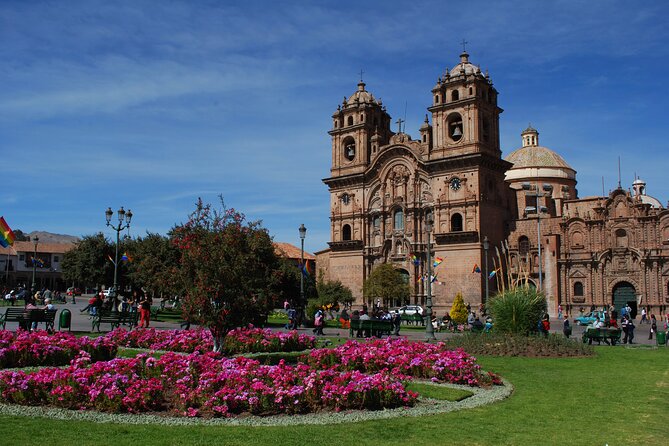
The city walk includes the Plaza de Armas, Cusco’s central square. You see the cathedral and the Church of the Society of Jesus, two major buildings facing the square. This is less an extended neighborhood walk than a focused look at the city’s central religious and civic core.
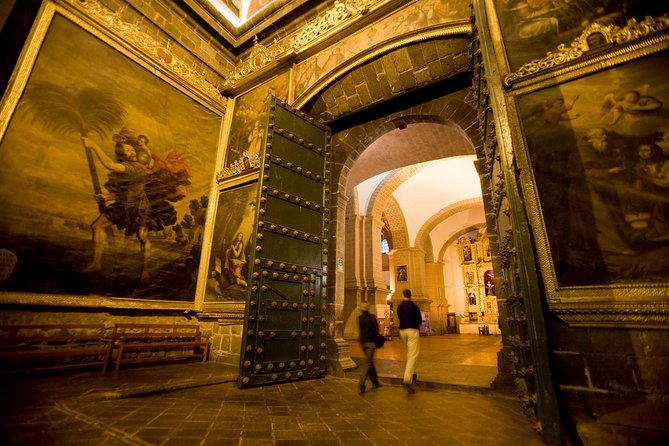
Inside Cusco Cathedral, the guide discusses its history and points out late-Gothic and Baroque details, colorful stained glass, colonial paintings, and religious objects. One important work is the Señor de los Temblores, described as the oldest surviving painting in Cusco.
This visit gives the tour its colonial counterpoint. After seeing Inca temples and stonework, you enter a church filled with Spanish-era art and architecture. The contrast is central to understanding Cusco, even if the cathedral portion is shorter than someone expecting a broad city tour might imagine.
The cathedral visit is listed at one hour. Dress properly: shorts are not permitted in religious sites. Photography is forbidden inside the cathedral, so plan to look rather than photograph. That rule can be easy to miss if you are used to taking pictures at every stop.
One point to keep in mind: the phrase city sightseeing may suggest a long walking tour through several neighborhoods. In practice, the city section centers on the Plaza de Armas, Cusco Cathedral, and Qorikancha. If you want markets, local food stops, or a wider walk through the streets, you will need separate time.
Guide quality and the bilingual format
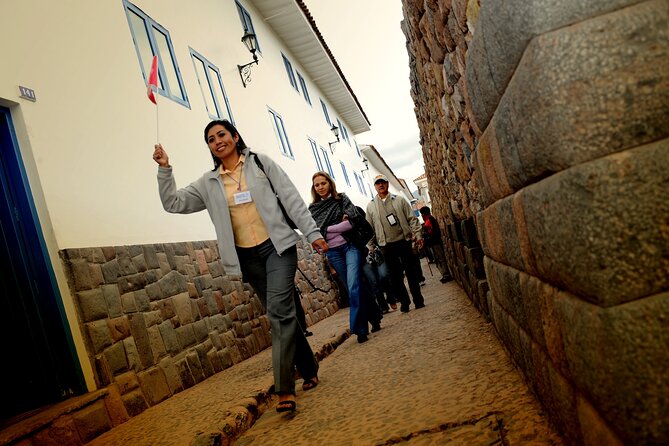
A strong guide is the difference between seeing old stones and understanding them. The best guides on this route explain what you are looking at, connect Inca beliefs to the sites, and keep the group involved with humor and energy.
Alvaro Jimenez has been praised for detailed explanations. Abraham was noted for giving extra historical context. Adrial kept going through heavy rain so the main sights were still covered. Yuber was described as energetic and easy to talk with, while Aracely handled a family group with children patiently.
Niko’s background as a former history professor appealed to people who wanted more than basic dates. Julio, Clara, Alain, and Rommel also received strong praise for clear explanations and professionalism. These names are useful if you are able to request a guide, though a particular guide cannot be guaranteed.
The service is bilingual in Spanish and English. That makes the tour accessible to both language groups, but it can also slow things down or reduce the amount of English explanation. One English-speaking couple felt they received far less information because the group was mainly Spanish-speaking. If detailed English commentary is essential to you, confirm how the language service will be handled before departure.
The maximum group size is 15. That is a good middle ground. You avoid the anonymity of a large coach group, and the guide can usually respond to questions. It is not the same as a private tour, though, and hotel pickups can add delays.
Transport, pickup, and the real timing
Round-trip transport is included, along with an air-conditioned vehicle. That matters in Cusco, where the sites are spread out and some roads climb above the city. You cover more ground without negotiating separate rides or walking the entire route.
Hotel pickup and drop-off are offered, but some hotels sit in areas where vehicles cannot enter. In that case, you may need to reach a nearby meeting point. Pickup problems have caused serious frustration for some customers, so confirm the exact location and time with the operator.
There is also a practical scheduling issue. The advertised duration is about three hours and 30 minutes, while the individual stop times add up to roughly four hours. Some outings have taken four and a half or even five hours, especially when pickup, bilingual commentary, ticket issues, or extra stops are involved.
I would not book this on a tight schedule. Leave open time after the tour for meals, appointments, or a train connection. Several people liked the relaxed pace, but others felt it ran too long. Both reactions make sense.
The $79 price and ticket trap
At $79 per person, the tour can be a fair deal if your option includes admission. You receive transport, a live bilingual guide, and access to Sacsayhuaman, Qorikancha, and the cathedral. For a first look at Cusco, that saves the work of organizing several separate visits.
The important phrase is if your option includes admission. There are purchase choices with and without tickets. If you select the lower-priced option without admission, you may need to pay extra at the sites or buy a broader archaeological ticket. One person reported being asked for an additional 290 soles, turning the apparently reasonable price into a much larger expense.
Check the final booking details before paying. Do not assume that the headline price includes every entrance fee. This is the single biggest value issue with the tour.
If tickets are included, the price is easier to justify for a first day. If they are not, compare the added fees with the cost of arranging transport and guides on your own. The tour is most useful for you if convenience and a clear overview matter more than complete control over the schedule.
Who should choose this tour?
I would recommend it to a first-time visitor who wants a broad introduction to Cusco in one half-day. It suits couples, solo visitors, and families, including groups with children, provided everyone is ready for walking and changing weather.
It is also a good choice before visiting Machu Picchu or taking a longer trip through the Sacred Valley. The explanations about Inca beliefs, stone construction, Spanish colonization, and ceremonial sites give you a useful base for later visits.
You may prefer another arrangement if you want a strictly English-only tour, a private pace, or a short visit with no shopping or extra stops. One person felt the outing became too much like a sales presentation, so ask in advance if the route includes commercial stops. The stated route focuses on archaeological and religious sites, but the actual day can vary.
Pack a light rain layer, water, comfortable shoes, and clothing suitable for religious buildings. At this altitude, a relaxed pace is welcome, and the air-conditioned vehicle helps between stops.
Should you book it?
Book this tour if you want to see Sacsayhuaman, Qenqo, Puca Pucara, Tambomachay, Qorikancha, and the cathedral without arranging the pieces yourself. The best reason to go is the guide-led context, especially when you get someone like Niko, Yuber, Abraham, Adrial, or Alvaro Jimenez.
I would book only after confirming two things: which entrance fees are included and where pickup will happen. Also keep your afternoon open beyond the stated three and a half hours. With those details settled, this is a useful, well-rounded introduction to Cusco, with Sacsayhuaman providing the unforgettable stonework and Qorikancha showing how dramatically the city’s cultures overlap.
FAQ
How long does the tour last?
The advertised duration is approximately three hours and 30 minutes. The listed stop times total about four hours, and some outings have lasted four and a half to five hours.
What sites are included?
The route includes Sacsayhuaman, Qenqo, Puca Pucara, Tambomachay, Qorikancha, Plaza de Armas, and Cusco Cathedral.
Is transportation included?
Yes. The experience includes hotel pickup and drop-off and transport in an air-conditioned vehicle. Some hotels are in areas where vehicles cannot enter, so a nearby pickup point may be required.
Is the guide in English?
The live guide service is bilingual in Spanish and English. The amount of English explanation can vary depending on the language mix within the group.
Are entrance tickets included?
There are purchase options with and without tickets. Check the option you select carefully, because admission fees are not included in every booking.
How large is the group?
The tour has a maximum of 15 people.
Can I wear shorts at the cathedral?
No. Shorts are not permitted in religious sites on this tour.
Can I take photos inside Cusco Cathedral?
No. Photography is forbidden inside the cathedral.
What is the cancellation policy?
You can cancel up to 24 hours before the experience start time for a full refund. Cancellations or changes made less than 24 hours before departure are not accepted for a refund.
More Inca Sites and Ruins
- Cusco 4-Hour Private Tour Including Sacsayhuaman and Qenqo
★ 5.0 · 77 reviews - Half-Day City Tour of Cusco Including Tambomachay
★ 4.5 · 59 reviews - Sacsayhuaman Temple, Tambomachay and Puca Pucara Half-Day Tour
★ 4.5 · 59 reviews - Horseback Tour in cusco to Temple of the Moon & Hidden temples
★ 5.0 · 54 reviews
Just added around Cusco
- Cusco: Rainbow Mountain and viewpoint red valley ( optional)★ 4.8 · 3 reviews
- Tour Pallay Punchu Trek Full Day★ 4.2 · 3 reviews
- Montaña de Colores: tour en cuatrimotos día completo★ 3.3 · 3 reviews
- Excursion Cusco – Puno – Titicaca Observatory Train★ 5.0 · 3 reviews
- Cusco: Palcoyo Mountain Day Trip with Breakfast and Lunch★ 4.8 · 3 reviews
- Maras Moray★ 5.0 · 3 reviews
- Tour to Laguna Humantay with breakfast and lunch from Cusco★ 4.7 · 3 reviews
- From Cusco:Chinchero, Moray, Maras, Ollantaytambo with lunch★ 5.0 · 3 reviews
Inca Ruins & Archaeology, compared.

Half-Day City Tour with Sacsayhuaman and Q’enco
Read our review →
City Tour Cusco Qoricancha Sacsayhuaman y Tambomachay
Read our review →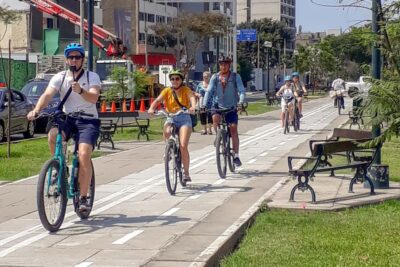
The Charm of Barranco & Pre Inca Pyramid in Miraflores
Read our review →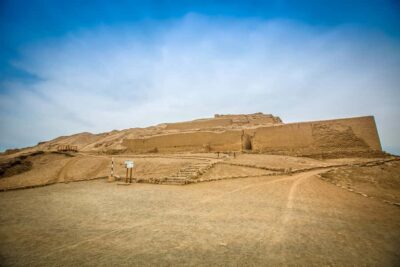
Pachacamac Ruins & Barranco Half-Day Guided Tour
Read our review →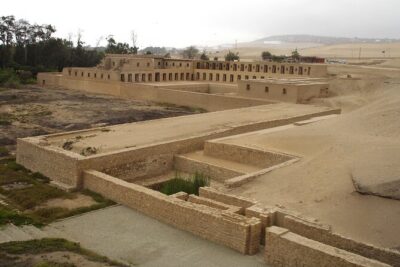
Pre Inca Temple of Pachacamac Half-Day Tour from Lima
Read our review →

Cusco City Sightseeing, San Pedro Market, Cathedral and Qorikancha Temple
Read our review →
3-Hour Horse Riding Tour to the Temple of the Moon
Read our review →Browse the lists this tour appears in