
Reviewed · INCA RUINS & ARCHAEOLOGY
Sacsayhuaman Temple, Tambomachay and Puca Pucara Half-Day Tour
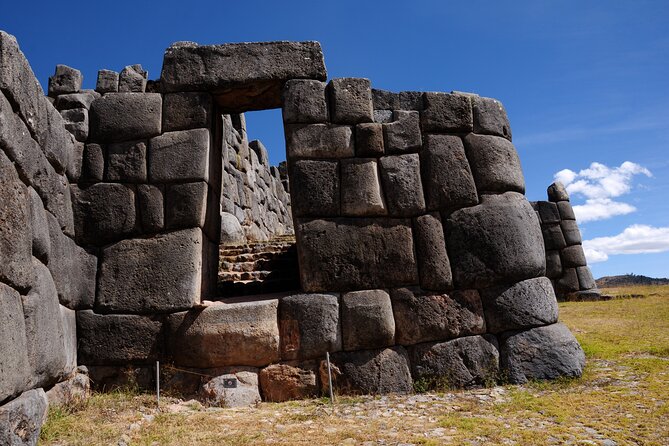
Big stones, sacred springs, and sharp mountain air. This three-hour Cusco tour links four major Inca sites outside the city, making it a practical choice when you want to see more than you could comfortably reach on foot. I like the included minivan transport and prebooked admission, which remove much of the day’s hassle. I also like the small-group format, capped at 14 people, since it should feel calmer than a large coach outing.
The main catch is time. Sacsayhuaman deserves the longest visit, while Q’enqo, Puca Pucara, and Tambomachay may receive only a quick look. The actual day can also run closer to four hours, or finish sooner, depending on traffic, group size, guide, and any extra shopping stop.
In This Review
- Four things to know before you book
- Why this short Cusco outing works
- Sacsayhuaman and the stones that make the visit
- Q’enqo, a carved rock with a darker purpose
- Puca Pucara, the red fortress above the road
- Tambomachay and the sacred springs
- What the small group and minivan add
- The shopping stop you may not expect
- Guide quality is the biggest variable
- Price, timing, and who gets good value
- Practical advice for a better morning
- Should you book this Cusco ruins tour?
- FAQ
- What is included in the tour price?
- What time does the tour start?
- How long does the tour last?
- Which archaeological sites are visited?
- How long is the stop at Sacsayhuaman?
- Is transportation provided between the sites?
- How many people can join the tour?
- Is admission to the ruins included?
- Can I cancel for a full refund?
Four things to know before you book
- Sacsayhuaman gets the star treatment: Plan on roughly 90 minutes here, though some groups have spent nearly two hours exploring the terraces and hearing the story of the site.
- The tour begins early at 8:00 a.m.: That helps you reach the ruins before the heaviest crowds and leaves much of the day free for lunch, museums, or shopping.
- The four sites are close to Cusco: You get mountain views and a countryside feel without committing to a full-day Sacred Valley excursion.
- Guide quality shapes the experience: Guides such as Ana, Jose Aguilar, Yuber, Marínés, Robinson, and Alex have been praised for clear explanations, while some visits have felt rushed and thin on detail.
- A textile stop may appear: An alpaca or silver shop has been included on some outings, although it is not part of the stated four-site itinerary.
- You need the archaeological park ticket: Admission to the four sites is included, so you do not have to arrange separate entry during the morning.
Why this short Cusco outing works
Cusco’s surrounding ruins look close on a map, but walking between them is not the sensible way to see all four in one morning. The roads climb into the hills, and each site sits at a different point around the city. With a driver, you can go directly from one to the next instead of finding taxis, negotiating fares, and keeping track of separate entrances.
I especially like this tour for a first morning in Cusco. It gives you a useful introduction to Inca building, water systems, ritual spaces, military sites, and the relationship between Cusco and the mountains around it. You can then decide which subjects deserve more time later.
The early start matters. Sacsayhuaman is one of the area’s most popular stops, and arriving early can mean shorter lines and more room around the great stone walls. One person who took the tour during a busy period found the early visit especially valuable because the queues later in the day can be very long.
The experience is sold as approximately three hours, but the timing is not perfectly fixed. The listed stop times add up to about three hours and 15 minutes before driving is counted: 90 minutes at Sacsayhuaman, 30 minutes at Q’enqo, 30 minutes at Puca Pucara, and 45 minutes at Tambomachay. Some outings have taken four hours, while another ended in about two and a half. If you have an afternoon flight, leave a generous buffer rather than planning around the exact three-hour figure.
More Inca Ruins & Archaeology in Cusco
- Cusco: Half-Day City Tour with Sacsayhuaman and Q’enco
★ 4.6 · 1,129 reviews - City Tour Cusco Qoricancha Sacsayhuaman y Tambomachay
★ 4.7 · 617 reviews - Cusco City Sightseeing, San Pedro Market, Cathedral and Qorikancha Temple
★ 4.5 · 139 reviews
Sacsayhuaman and the stones that make the visit
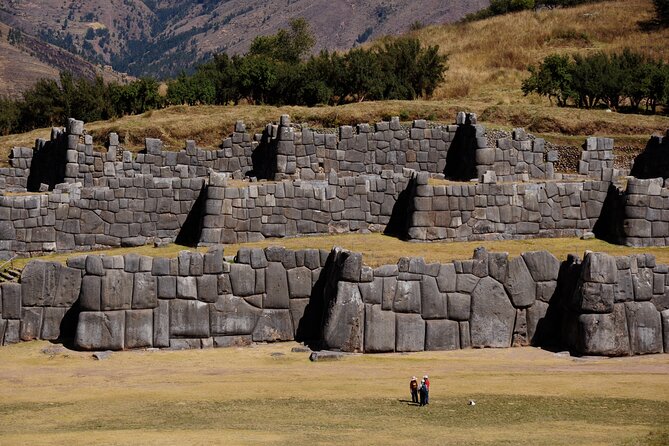
Sacsayhuaman is the reason to book this excursion. Its huge zigzagging walls are built from enormous blocks fitted together with striking precision. You can look at the joints and understand why this place leaves a stronger impression than many smaller ruins.
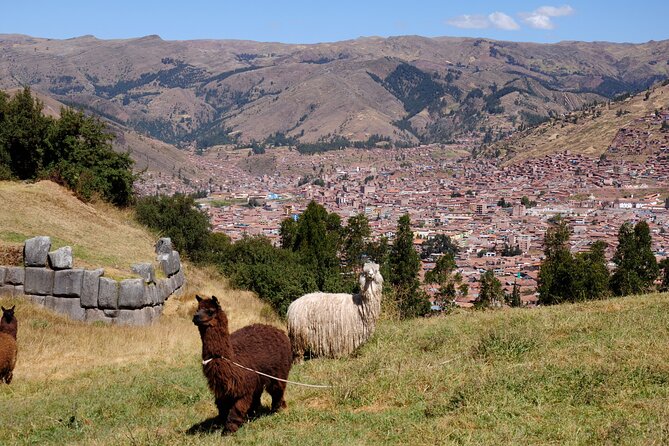
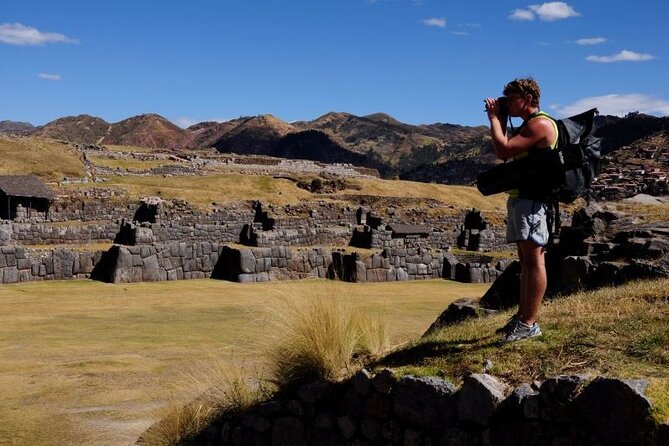
The site occupies a high position above Cusco, with broad views back toward the city. There is also a good viewpoint near the entrance, and the Cristo Blanco statue is about a 10-minute walk away, although the statue is not part of the stated route. If you want the best use of your time, stay with the guide’s main circuit first, then ask about the viewpoint if your schedule allows.
The ruins include three levels of terraces and remains associated with towers and sacred paths. Your guide may point out animal forms and symbols connected with the Inca view of the universe. The details are easier to appreciate when someone explains what you are seeing, rather than leaving you to admire only the scale of the stones.
Allow yourself time for photographs, but do not let the viewpoint replace the ruins. One poor experience came from spending too much time looking over Cusco and too little time among the walls. That is a fair warning: the panoramic stop is attractive, but the masonry is the main event.
Sacsayhuaman also has an important connection to the conflict between the Inca and the Spanish. If that subject interests you, ask your guide directly about the battle and the site’s later use. The quality of the answer can vary, which is one reason the individual guide matters so much.
Q’enqo, a carved rock with a darker purpose
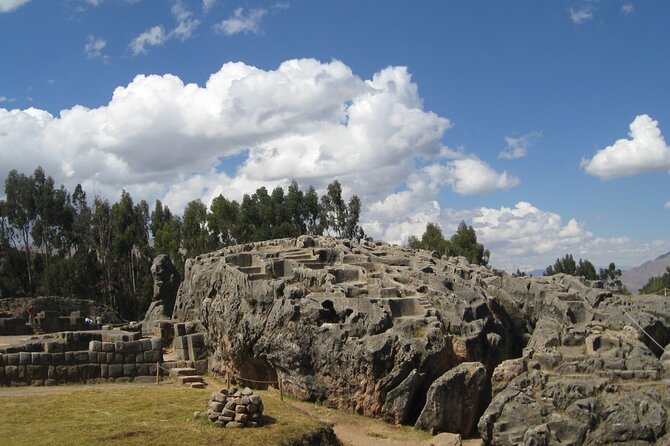
Q’enqo is much smaller than Sacsayhuaman, but it offers a different experience. Instead of massive open terraces, you see a carved rock complex with channels, steps, winding passages, and an altar associated with ceremonies and sacrifice.
The name is often written Q’enqo or Qenqo. The rock itself is the focus, and the view from the upper part helps you understand how these nearby sites fit together. The standard visit lasts about 30 minutes, which is enough for an explanation and a quick walk, but not enough for a slow examination.
Access inside the central altar area has at times been restricted, including during health-related closures. If the inner passage is closed on the day you go, you can still see the carved exterior and the upper labyrinth area, but the stop will feel shorter.
This is where a strong guide earns the fee. A good explanation can connect the channels, carved surfaces, and ceremonial role in a way that makes the site memorable. With a rushed guide, Q’enqo can feel like a brief photo stop.
Puca Pucara, the red fortress above the road
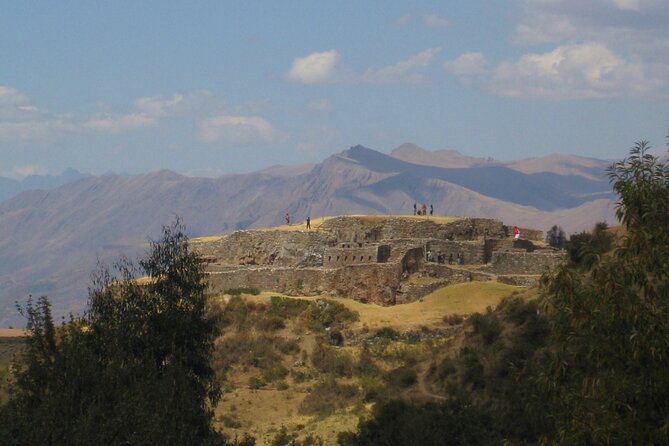
Puca Pucara means red fortress in Quechua. This hilltop complex served as a military and lookout position, with stone walls, water features, and aqueducts. It also functioned as a checkpoint connected with movement toward Cusco and Sacsayhuaman.
The site is not as imposing as Sacsayhuaman, but I like its position and practical character. Here you can think less about royal ceremony and more about how the Inca watched roads, managed movement, and used high ground.
The usual visit lasts around 30 minutes. That is generally enough to walk around, hear the basic explanation, and take photographs. Still, some groups have lost time here to an unplanned textile stop. If Puca Pucara interests you, keep an eye on the clock and ask how long the group will remain.
Because Puca Pucara sits on a hill, you should expect uneven stone surfaces and some walking. The altitude and strong sun can make a short stop feel more demanding than its duration suggests.
More Inca sites and ruins to walk around:
- Cusco: 3-Hour Horse Riding Tour to the Temple of the Moon
★ 5.0 · 105 reviews - Cusco City Sightseeing and Sacsayhuaman Archeological Park Tour
★ 4.5 · 101 reviews - Cusco: Historical Guided City Tour with 4 Inca Ruins
★ 4.5 · 99 reviews - Horse Riding Chacan Mountain And Temple Of The Moon
★ 5.0 · 78 reviews
Tambomachay and the sacred springs
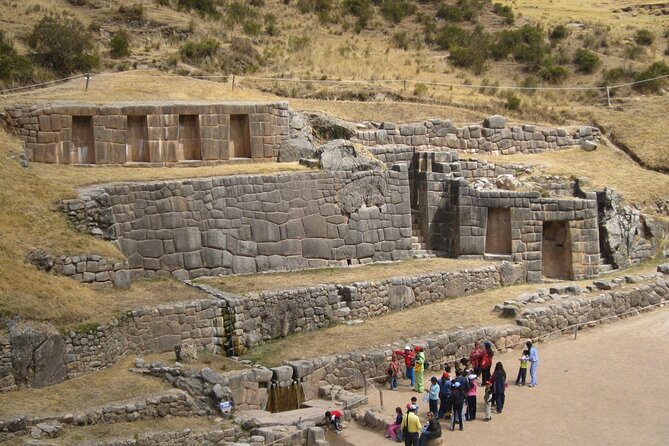
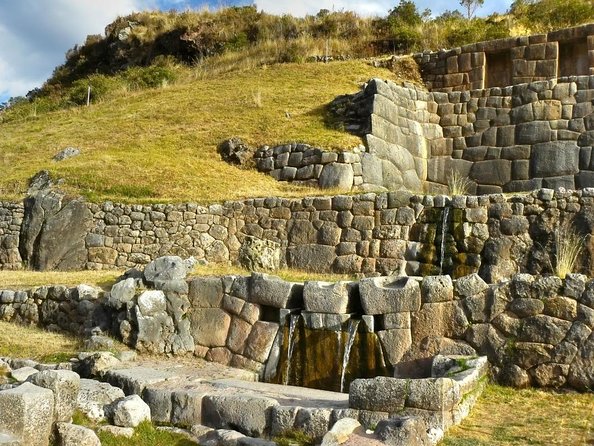
Tambomachay is the most distinct stop on the route. Its carefully built channels and fountains use water emerging from inside the mountain. The springs were tied to ritual life and ideas of youth, luck, and sacred water.
The architecture is more delicate than the heavy walls at Sacsayhuaman. You can focus on the stonework, the flow of water, and the way the complex fits its natural setting. The site is often described as one of the important expressions of the Andean view of the world.
A 45-minute visit gives you time to hear the explanation and look closely at the waterworks. Some outings visit Tambomachay first, while others place it last. The order may change with traffic and operating conditions, so do not be surprised if your route differs from another group’s schedule.
The stone paths and steps can be slippery in wet weather. One person found the rainy-season footing challenging, and that is worth taking seriously. Wear shoes with a secure sole, especially if rain is forecast.
What the small group and minivan add
The maximum group size is 14, and some departures have been much smaller. A solo participant even found the guide working one-on-one when no other English-speaking customers joined. That can make the morning feel relaxed and give you more chances to ask questions.
The included air-conditioned minivan is useful for the short mountain transfers. Hotel pickup and drop-off are included, though some hotels sit in streets where vehicles cannot enter. In that case, you may need to walk to a nearby pickup point.
The vehicle also protects your energy. You will spend enough time standing and walking at the ruins, so having direct transport between stops is more comfortable than arranging a series of taxis. It also gives you a place to rest between explanations.
The bilingual Spanish and English service can work well, but the group’s language mix affects the pace. One guide, Henry, reportedly gave extra attention to the only English speaker in his group. That kind of care is helpful, but it is not something you should assume on every departure. Confirm your preferred language when booking and listen for the meeting instructions.
The shopping stop you may not expect
Some departures have ended with a stop at an alpaca textile or silver shop. The staff may explain the differences among alpaca, baby alpaca, vicuña, llama fiber, wool, and synthetic fabric. That information can help if you plan to buy clothing in Peru.
The problem is that this stop is not listed among the four archaeological visits. Several people would have preferred those 20 or 30 minutes at Puca Pucara or Sacsayhuaman. Hard-sell tactics have also made the stop uncomfortable for some people.
You are not required to buy anything. If you do shop, check the material, price, and payment terms carefully. One purchase made by Visa reportedly carried a 30 percent markup, so ask about card fees before paying and consider cash if that is practical. The shop is not your only source for textiles, and higher-end stores may offer better quality at higher prices.
I would ask at the start of the tour if a shop visit is planned. That gives you a chance to set expectations and decide how much time you want to spend there.
Guide quality is the biggest variable
The best outings have a guide who explains Inca architecture, religion, engineering, and local culture in a clear, lively way. Jose Aguilar received praise for detailed explanations at all four sites, while Yuber was praised for his command of Cusco, Quechua culture, and Inca history. Ana, Marínés, Robinson, and Alex were also singled out for being friendly, clear, and helpful.
Those strong guides can turn a compact route into a worthwhile history lesson. They can show you what to look for in a wall, explain why water mattered at Tambomachay, and connect each site to Cusco’s position in the surrounding mountains.
But do not assume every departure will be equally strong. Some people were rushed through all four locations, received little historical detail, or found facts inaccurate. The most serious complaints involved a guide who ignored questions about the battle at Sacsayhuaman and spent too much time on unrelated subjects.
A practical approach is to ask questions early. Try asking what role each site played, how the four places related to one another, and what happened at Sacsayhuaman during the Spanish conquest. A guide who responds thoughtfully will usually give you a better sense of the morning ahead.
Price, timing, and who gets good value
At $69 per person, the tour is not the cheapest way to reach the ruins. A taxi for several hours may cost less for a group willing to arrange its own route, and independent visits let you stay as long as you like. But the price includes hotel transport, a bilingual guide, and admission to all four archaeological sites.
For a solo visitor or couple, that package can be fair value. You avoid negotiating with drivers, finding each entrance, and managing the route at high altitude. You also get context that a taxi driver may not provide.
For a group of four or more, compare the total cost with hiring a taxi and arranging a private guide. The independent option may offer more control, particularly if Sacsayhuaman is your main interest. It also avoids the risk of losing time at a textile shop.
I would book this tour if I had only one morning in Cusco, wanted transport handled, and preferred a short overview. I would choose a longer or private visit if archaeology is a major interest and I want detailed time at every site.
Practical advice for a better morning
- Bring a hat and sunscreen. One clear day caused a painful sunburn, and the high-altitude sun can be intense even when the air feels cool.
- Wear shoes with good grip. Rain can make the stone steps and paths slippery.
- Keep your passport details available for the archaeological park booking and admission process.
- Start ready before 8:00 a.m. A mistaken start time has caused one person to arrive late and forced the group to rush.
- Ask how much time you will have at Sacsayhuaman before the walking portion begins.
- If you want extra photographs, say so. Some guides are happy to take pictures, and a small group makes this easier.
- Leave room after the tour for lunch and shopping. Many outings return to Cusco before midday, but the exact end time can shift.
- If your hotel is in a vehicle-restricted street, confirm the nearby pickup location.
Should you book this Cusco ruins tour?
Book it if you want an efficient introduction to four Inca sites, especially on your first morning or final day in Cusco. The early departure, included ticket, direct transport, and small group are the strongest reasons to choose it. Sacsayhuaman alone can justify the outing, and the smaller sites add useful context.
Skip it if you dislike fixed schedules, shopping stops, or brief visits. In that case, arrange your own taxi and spend several hours at Sacsayhuaman, or pay for a private guide who can match the pace to your interests.
The tour is best treated as a well-organized overview, not a full archaeological study. At $69, it offers solid convenience when the guide is good. Ask about the route, language, expected duration, and any textile stop before departure, then go early, wear sensible shoes, and protect yourself from the sun.
FAQ
What is included in the tour price?
The price includes bilingual Spanish and English guide service, hotel pickup and drop-off, and the archaeological park admission ticket covering the four sites.
What time does the tour start?
The stated start time is 8:00 a.m.
How long does the tour last?
The advertised duration is approximately three hours. Actual outings have taken between about two and a half and four hours, depending on the group and route.
Which archaeological sites are visited?
The tour visits Sacsayhuaman, Q’enqo, Puca Pucara, and Tambomachay.
How long is the stop at Sacsayhuaman?
The planned visit is about one hour and 30 minutes. Some groups have spent nearly two hours there.
Is transportation provided between the sites?
Yes. Transport is provided by air-conditioned minivan, with pickup and drop-off included for hotels where vehicles can reach the entrance.
How many people can join the tour?
The maximum group size is 14 people.
Is admission to the ruins included?
Yes. The archaeological park passport ticket covering all four sites is included.
Can I cancel for a full refund?
Yes, if you cancel at least 24 hours before the experience start time. Cancellations or changes made less than 24 hours before the start are not accepted for a refund.
More Half-Day
- Cusco: City Tour | Half-Day Tour to 4 Archaeological Sites
★ 4.6 · 206 reviews - Cusco: Half-Day City Tour
★ 4.2 · 129 reviews - From Cusco: Moray, Maras Salt Mines & Chinchero Weavers Half-Day
★ 5.0 · 126 reviews - Cusco: Half-Day Horseback Riding at Devil’s Balcony
★ 4.9 · 89 reviews
Just added around Cusco
- Cusco: Rainbow Mountain and viewpoint red valley ( optional)★ 4.8 · 3 reviews
- Montaña de Colores: tour en cuatrimotos día completo★ 3.3 · 3 reviews
- Tour Pallay Punchu Trek Full Day★ 4.2 · 3 reviews
- Excursion Cusco – Puno – Titicaca Observatory Train★ 5.0 · 3 reviews
- Cusco: Palcoyo Mountain Day Trip with Breakfast and Lunch★ 4.8 · 3 reviews
- Maras Moray★ 5.0 · 3 reviews
- Tour to Laguna Humantay with breakfast and lunch from Cusco★ 4.7 · 3 reviews
- From Cusco:Chinchero, Moray, Maras, Ollantaytambo with lunch★ 5.0 · 3 reviews
Inca Ruins & Archaeology, compared.

Half-Day City Tour with Sacsayhuaman and Q’enco
Read our review →
City Tour Cusco Qoricancha Sacsayhuaman y Tambomachay
Read our review →
The Charm of Barranco & Pre Inca Pyramid in Miraflores
Read our review →
Pachacamac Ruins & Barranco Half-Day Guided Tour
Read our review →
Pre Inca Temple of Pachacamac Half-Day Tour from Lima
Read our review →

Cusco City Sightseeing, San Pedro Market, Cathedral and Qorikancha Temple
Read our review →
3-Hour Horse Riding Tour to the Temple of the Moon
Read our review →Browse the lists this tour appears in