
Reviewed · SACRED VALLEY TOURS
From Cusco: Moray, Maras Salt Mines & Chinchero Weavers Half-Day
Ancient farming, living craft, and salt pools fill one good day. This Cusco excursion brings together three very different Andean sights: Chinchero’s textile traditions, Moray’s great circular terraces, and the Maras salt mines. I like the variety, and I like the low starting price of $15.20, especially with hotel pickup, transport, and a bilingual guide included.
I also like that the tour returns to Cusco around 3:15 p.m., leaving your evening open. Guides such as Felipe, Julio, Eddie, and Manuel have earned praise for clear explanations and warm conversation. The main catch is simple: the day can run six to seven hours without a meal break, and a full minibus may feel cramped.
In This Review
- Key points to know before booking
- Why this half-day route works so well
- Chinchero at 3,762 meters, where weaving stays alive
- Moray’s circular terraces and the Inca search for better crops
- Maras, where thousands of salt pools still produce salt
- The ride itself, comfort, views, and timing
- What to pack for this Cusco day
- Who should book this tour?
- Should you book the Moray and Maras tour?
- FAQ
- How long does the tour last?
- What places does the tour visit?
- Is hotel pickup included?
- Is transportation included?
- Is a guide included?
- How much are the entrance fees?
- Are meals included?
- How many people can join the tour?
- Can most people take part?
- What is the cancellation policy?
Key points to know before booking
- Chinchero reaches 3,762 meters: Take it easy during the first stop, especially if you have only recently arrived in Cusco.
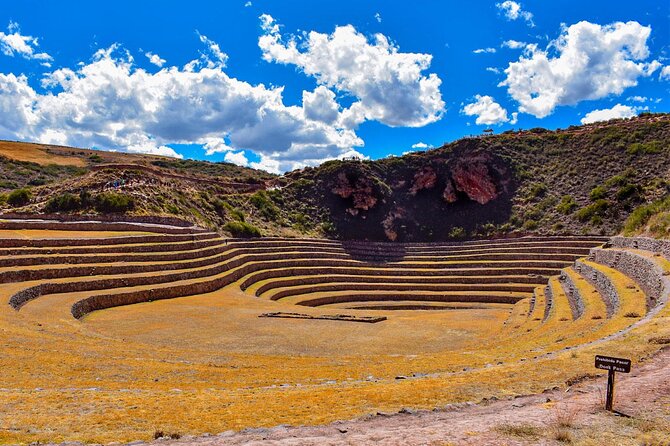
- Moray is an Inca agricultural experiment: Its huge bowl-shaped terraces show how different growing temperatures could be created at varying heights.
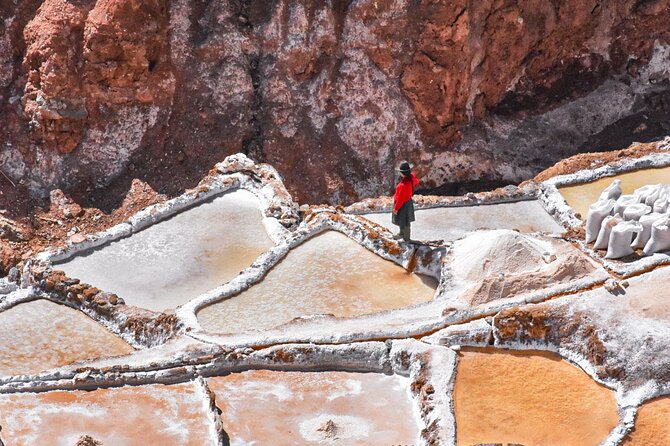
- Maras has about 3,000 salt pools: The salt still comes from a natural spring and is collected using methods that go back to pre-Inca times.
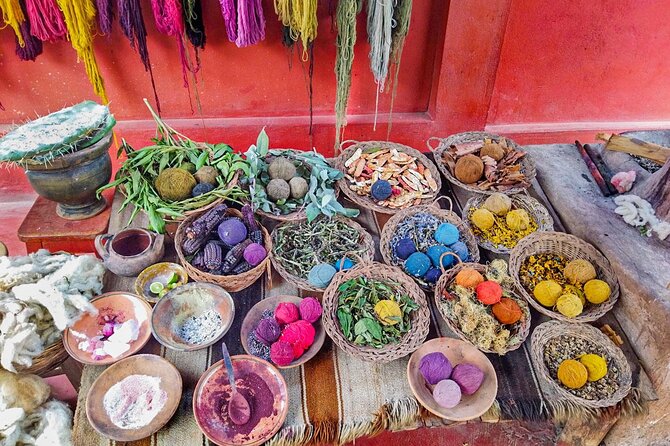
- The textile stop is both cultural and commercial: You see natural dyeing and Quechua weaving traditions, but expect time devoted to selling handmade goods.
- The base price is unusually low: You must add the Moray and Maras entrance fees, plus food, drinks, and a tip if you choose to give one.
- The return time suits evening plans: The bus gets back near Cusco’s Plaza de Armas at about 3:15 p.m., though traffic and group timing can affect the schedule.
Why this half-day route works so well
Many Cusco excursions focus on one type of sight. This one gives you archaeology, village life, mountain scenery, textiles, and working industry in a single loop through the Sacred Valley area. That variety is the biggest reason I would consider it for a first full day outside Cusco.
The schedule begins with hotel pickup between 8:20 and 8:40 a.m. You ride in a shared vehicle with a bilingual guide and a group advertised at no more than 16 people. That is small enough for explanations to feel personal, though the vehicle can still become uncomfortable when every seat is occupied.
The tour is called half-day, but plan on six to seven hours. There is no breakfast or lunch included, and one visitor found the long stretch without a food stop difficult. Bring water and snacks. You can eat lunch after returning to Cusco, but that means going through most of the outing without a proper meal.
The price looks excellent, but calculate the real cost before booking. Moray requires an entrance fee of $19, or 70 soles, and the salt mines cost $6, or 20 soles. Add those charges to the $15.20 tour price, then allow for food and a possible tip. Even with those extras, the day offers strong value if you want several major sights without arranging private transport.
More Sacred Valley Tours in Cusco
- From Cusco: Sacred Valley & Maras Salt Mines Tour with Lunch
★ 4.8 · 2,227 reviews - From Cusco: Moray, Maras Salt Mines & Chinchero Weavers Tour
★ 4.8 · 1,925 reviews - Cusco: Sacred Valley, Pisac, Ollantaytambo, Salt Mines Moray
★ 4.6 · 1,058 reviews
Chinchero at 3,762 meters, where weaving stays alive
The first stop is Chinchero, a high Andean town at about 3,762 meters. You visit part of the town and an Andean textile center rather than seeing every corner of Chinchero. That distinction matters if you expect a full village tour.
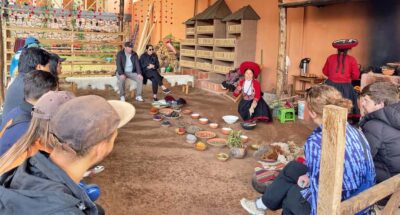
The textile demonstration is the heart of this stop. Local people explain how they produce colors from natural plants and prepare wool for weaving. The presentation connects the finished cloth to the work behind it, rather than treating the fabric as a simple souvenir.
You may also be invited to wear Andean clothing for photographs. The center can include llamas and alpacas, and one account described the chance to feed them. Guides have also shared coca leaves for visitors to try, along with explanations of their place in local life.
This is a useful cultural introduction because you see a tradition still practiced by Quechua communities. The bilingual guides have been especially appreciated here, explaining both the older methods and the way people live today.
Keep your expectations realistic, though. The textile center is also a sales stop. The demonstration may last only about 15 minutes before staff encourage you to look at the merchandise. That is not unusual on this type of outing, but it can feel too commercial if you hoped for a longer visit to the historic town.
If you want to buy something, ask about the fiber content. The center has been praised for clearly identifying pieces made with a mix of alpaca and acrylic. That kind of honesty helps you compare prices and avoid assuming that every soft scarf is pure alpaca.
Because Chinchero is the first stop and the highest point listed, take the morning slowly. You do not need to rush for photographs or shopping. Let the guide do the talking while you watch your breathing and drink water.
Moray’s circular terraces and the Inca search for better crops
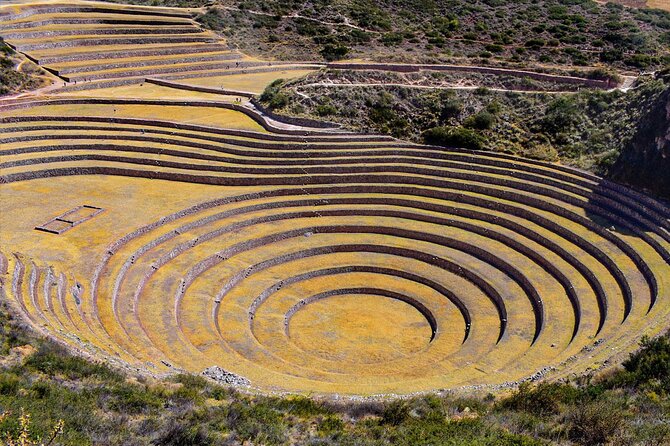
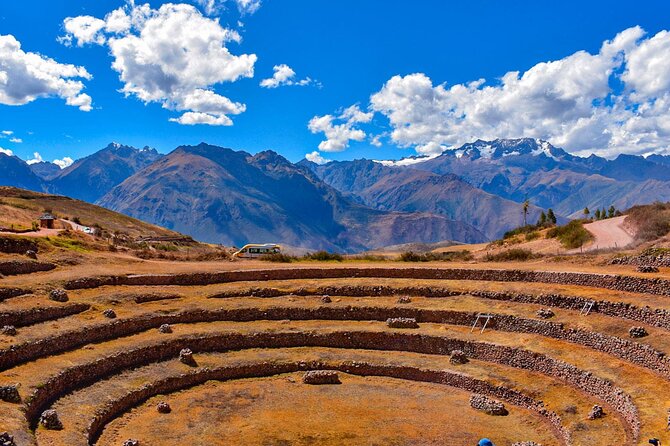
From Chinchero, the bus continues to Moray, at approximately 3,450 meters, or 11,318 feet. The site is famous for its enormous circular terraces cut into a natural bowl. From above, the rings look almost like a giant amphitheater carved into the earth.
The terraces descend through several levels, each with slightly different conditions. Their irrigation system and changing temperatures are thought to have helped the Incas study the best conditions for growing crops. The deep center could act like a natural greenhouse, allowing plants to grow in conditions that would normally be too cold at that altitude.
That is what makes Moray more than a striking photograph. The site shows practical experimentation. The Incas were not simply building walls for decoration. They were working out how water, soil, sun, and temperature could support food production across a difficult mountain region.
Your guide adds value here. The strongest guides, including Felipe and Julio, have been praised for explaining the site with stories and clear historical context instead of giving only a short speech. A good explanation helps you see the terraces as a working agricultural system, not just a set of circles.
The setting adds to the effect. Reports from the outing describe broad Andean views and glaciers behind the terraces. The contrast between the precise stonework and the huge mountain surroundings makes this one of the day’s most memorable stops.
Moray requires a separate entrance payment. Keep the stated cost in mind, $19 or 70 soles, and carry the correct currency if possible. The tour price does not cover it.
You get about an hour here. That is enough to understand the site and take photographs, but it is not a long archaeological visit. If Moray is your main reason for booking, a private or longer tour may give you more freedom. If you want a strong overview of several places, the allotted time is sensible.
Maras, where thousands of salt pools still produce salt
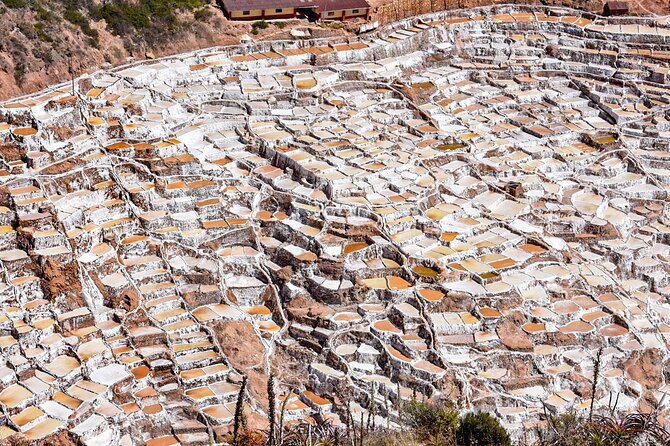
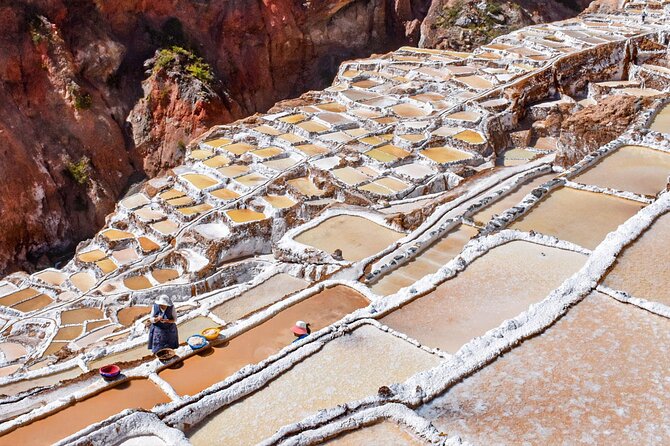
The Maras salt mines are often the favorite stop on this route, and I can see why. The hillside is covered with roughly 3,000 small pools, each catching mineral-rich water from a natural hot spring.
During the dry season, workers fill the pools with salt water about every three days. As the water evaporates, salt remains behind. The salt is then ground, treated with iodine, packaged, and sent to markets in the region.
This is not only an old site preserved for sightseeing. Salt production here began before the Inca period and continues today. The working nature of the place gives it more meaning than a simple scenic overlook. You are looking at a local industry shaped by water, sunlight, labor, and community organization.
The pools create an unusual pattern across the slope. Their pale surfaces catch the light, while the surrounding mountains provide a strong backdrop. The effect changes with weather and season, so allow your guide’s explanation to carry some of the experience if the sky is not perfect.
The entrance fee is separate, listed as $6 or 20 soles. That amount is modest compared with the main Moray charge, but it is another cost to plan for. The tour requires good weather, so poor conditions can lead to a new date or a full refund.
The salt mines are also where timing matters. The group must leave together, and every late person affects the next stop. One account described the schedule as stressful when people were not ready on time. You will enjoy the day more if you treat meeting times seriously and keep your shopping brief.
More of the Sacred Valley in a day:
- Cusco:Chinchero,Moray & Salt Mines drop-off in Ollantaytambo
★ 4.8 · 793 reviews - Sacred Valley: Chinchero, Moray, Ollantaytambo & Pisac+Lunch
★ 4.8 · 501 reviews - Sacred Valley: Maras & Moray by Quad Bike from Cusco
★ 4.6 · 418 reviews - Pisac Indian Market and Ollantaytambo Fortress with Lunch
★ 4.5 · 395 reviews
The ride itself, comfort, views, and timing
The bus is part of the experience. You spend a fair amount of the day on mountain roads, looking out at Andean scenery between stops. Several people praised the views from the vehicle, and one solo visitor chose the tour partly because the return time worked well before an evening flight.
The vehicle has received mixed feedback. Some outings used a comfortable bus, while another person found the minibus very uncomfortable when full. The fair conclusion is that transport does the job, but you should not expect private-tour comfort.
The advertised maximum is 16 people. A smaller group makes it easier to hear the guide and get help with photographs. Still, shared transport means you give up some control over stops and meal timing. If you need plenty of legroom, frequent breaks, or a flexible pace, pay more for a private outing.
Hotel pickup is included in Cusco between 8:20 and 8:40 a.m. Hotel drop-off is not included. The return is near the Plaza de Armas at about 3:15 p.m., so choose a central lunch spot or arrange your own onward plan from there.
The guides are the strongest part of the service. Felipe is repeatedly praised for his stories, cultural explanations, and help with photographs. Julio is described as precise and effective in both English and Spanish. Manuel has also been praised for switching between the two languages with ease, while Eddie was remembered as friendly and well-informed.
Names and staff can change, of course. What you should expect is a bilingual guide who explains the sites on the bus and at each stop. That matters because Moray and Maras are much easier to appreciate when you understand how they functioned and how they still operate.
What to pack for this Cusco day
Pack light, but do not leave the basics behind. Your most useful items are:
- Water, because the route reaches high elevations
- Snacks or a packed lunch, since no meal stop is guaranteed
- Soles or dollars for the two entrance fees
- Comfortable shoes for walking around the archaeological site and salt pools
- A camera or phone for the views and textile demonstration
- A light layer for changing mountain weather
Wear clothing that allows you to move easily if you try on Andean garments at Chinchero. Bring patience, too. The tour works best when you accept that a shared group must move together.
Altitude deserves attention. Chinchero is listed at 3,762 meters, and Moray is still at about 3,450 meters. If you have just arrived in Cusco, you may feel the height more than you expect. Walk calmly, drink water, and do not treat the first stop like a race.
Who should book this tour?
I would recommend it to first-time visitors who want a broad introduction to the Cusco region without paying for a private vehicle. It suits solo visitors, couples, and friends who enjoy guided history, scenic drives, and a full schedule.
It is particularly useful if you have an evening flight or only one open day before continuing elsewhere. The return near the Plaza de Armas gives you time for lunch and some afternoon planning, although you should leave a safety margin for delays.
Families and older visitors should think about the altitude and the walking pace. The outing is described as suitable for most people, but the high elevation and shared vehicle may be tiring. Anyone who needs regular food breaks or extra space should consider a different format.
You should also decide how you feel about the textile stop. If you enjoy seeing dyeing and weaving, meeting local makers, and learning how products are made, it adds real value. If you dislike sales-oriented stops, Chinchero may be the least satisfying part of the day.
Free cancellation is available up to 24 hours before departure for a full refund. Changes or cancellations inside that window are not accepted or refunded, and poor weather can lead to a new date or full refund.
Should you book the Moray and Maras tour?
Book it if you want three distinct experiences in one affordable day: living Quechua textile work, Inca agricultural engineering, and a working salt mine. The guides can turn the bus rides into useful lessons, and the route offers enough variety that one slower stop does not spoil the day.
Skip it if you need a relaxed lunch, spacious transport, or long independent visits. The price is hard to beat, but the real value depends on accepting extra entrance fees, a sales stop, and a tightly timed shared schedule.
For most visitors with limited time in Cusco, I would book it, bring snacks and water, carry soles, and keep the afternoon flexible. That simple preparation lets you enjoy the mountains, the stories, and the remarkable sight of salt still being harvested by hand.
FAQ
How long does the tour last?
The experience lasts approximately six to seven hours. Pickup is scheduled between 8:20 and 8:40 a.m., with a return near Cusco’s Plaza de Armas at about 3:15 p.m.
What places does the tour visit?
The route includes Cusco, Chinchero, Moray, the Maras village area, and the Maras salt mines.
Is hotel pickup included?
Yes. Pickup from your hotel in Cusco is included. Hotel drop-off is not included.
Is transportation included?
Yes. Transportation is included in the tour price.
Is a guide included?
Yes. A bilingual tour guide is included.
How much are the entrance fees?
Moray costs $19 or 70 soles, and the Maras salt mines cost $6 or 20 soles. These fees are not included in the tour price.
Are meals included?
No. Breakfast and lunch are not included. Bringing water and snacks is a practical idea because the day may run several hours without a meal stop.
How many people can join the tour?
The activity has a maximum group size of 16 people.
Can most people take part?
The activity information says most travelers can participate. You should still consider the high elevations, including Chinchero at 3,762 meters and Moray at about 3,450 meters.
What is the cancellation policy?
You can cancel at least 24 hours before the local start time for a full refund. Cancellations or changes made less than 24 hours before the start are not accepted or refunded. If poor weather causes the tour to be canceled, you can receive a different date or a full refund.
More Half-Day
- Cusco: Half-Day City Tour with Sacsayhuaman and Q’enco
★ 4.6 · 1,129 reviews - Cusco: City Tour | Half-Day Tour to 4 Archaeological Sites
★ 4.6 · 206 reviews - Cusco: Half-Day City Tour
★ 4.2 · 129 reviews - Cusco: Half-Day Horseback Riding at Devil’s Balcony
★ 4.9 · 89 reviews
More Salt Pans and Inca Terraces
- From Cusco: Quad bike tour Moray and Salt Mines
★ 4.7 · 314 reviews - From Cusco: Chinchero, Moray, Maras and Ollantaytambo
★ 4.5 · 83 reviews - Cusco: Full-Day Sacred Valley and Maras Tour
★ 4.5 · 79 reviews - Moray and Maras Salt Mines Full Day Tour – Small Groups
★ 5.0 · 79 reviews
Just added around Cusco
- Cusco: Rainbow Mountain and viewpoint red valley ( optional)★ 4.8 · 3 reviews
- Tour Pallay Punchu Trek Full Day★ 4.2 · 3 reviews
- Montaña de Colores: tour en cuatrimotos día completo★ 3.3 · 3 reviews
- Excursion Cusco – Puno – Titicaca Observatory Train★ 5.0 · 3 reviews
- Cusco: Palcoyo Mountain Day Trip with Breakfast and Lunch★ 4.8 · 3 reviews
- Maras Moray★ 5.0 · 3 reviews
- Tour to Laguna Humantay with breakfast and lunch from Cusco★ 4.7 · 3 reviews
- From Cusco:Chinchero, Moray, Maras, Ollantaytambo with lunch★ 5.0 · 3 reviews
Sacred Valley Tours, compared.
Sacred Valley & Maras Salt Mines Tour with Lunch
Read our review →
Moray, Maras Salt Mines & Chinchero Weavers Tour
Read our review →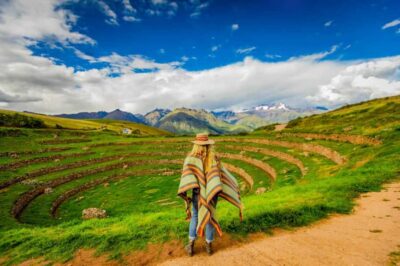
Sacred Valley, Pisac, Ollantaytambo, Salt Mines Moray
Read our review →
Chinchero,Moray & Salt Mines drop-off in Ollantaytambo
Read our review →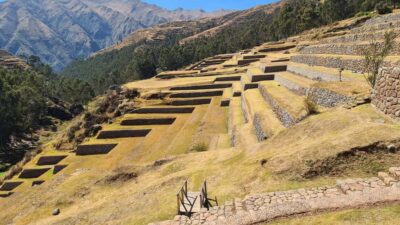
Sacred Valley: Chinchero, Moray, Ollantaytambo & Pisac+Lunch
Read our review →
Sacred Valley: Maras & Moray by Quad Bike from Cusco
Read our review →
Pisac Indian Market and Ollantaytambo Fortress with Lunch
Read our review →
2-Day Trip to the Sacred Valley and Machu Picchu
Read our review →Browse the lists this tour appears in