
Reviewed · SILLAR ROUTE TOURS
Tour to the Sillar Route from Arequipa | Half Day
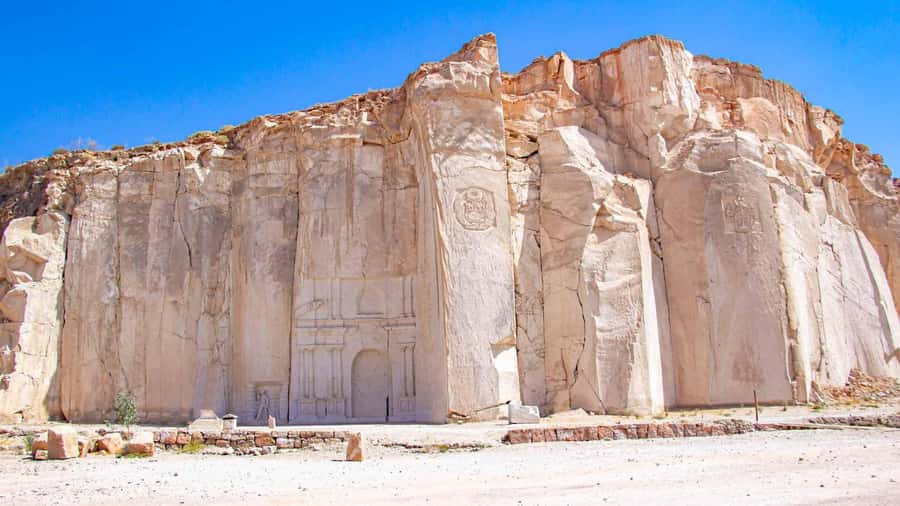
White stone, volcanic views, and ancient carvings await. This five-hour tour gives you a close look at the sillar stone that helped earn Arequipa its nickname, the White City. I especially like the visit to Añashuayco Quarry, where local artisans still work the pale volcanic stone, and the short walk through Culebrillas Canyon, with walls reaching about 20 metres high.
The price is attractive at $25 per person, and hotel pickup, transport, and an English or Spanish-speaking guide are included. The catch is that entrance fees add another $10 per person, and the quality of the guiding may vary. One verified booking praised clear English explanations, while another reported that the guide spoke too softly and allowed too little time to explore independently.
In This Review
- Key Points Before You Book
- Why the Sillar Route Matters in Arequipa
- The 8:50 a.m. Pickup and Ride Out of Arequipa
- Añashuayco Quarry and the Making of Sillar
- Culebrillas Canyon: A Short Walk Between Stone Walls
- The Petroglyphs at the End of the Route
- How Much the Tour Really Costs
- Guide Quality Can Shape the Whole Morning
- Who Will Get the Most From This Excursion
- What to Bring for the Five-Hour Route
- Should You Book the Sillar Route?
- FAQ
- How long does the Sillar Route tour last?
- What is included in the tour price?
- How much are the entrance fees?
- What languages are available?
- What should I bring?
- Can I cancel the booking?
Key Points Before You Book
- See the source of Arequipa’s white stone: Añashuayco Quarry shows how sillar is cut, shaped, and used in local buildings.
- Walk inside a narrow volcanic canyon: Culebrillas offers a roughly 20-minute stroll between stone walls as high as 20 metres.
- Look for undeciphered petroglyphs: The final stop features mysterious figures carved into the canyon rock.
- Plan for a total cost of about $35: The tour costs $25, with separate $5 fees for the Sillar Route and Culebrillas Canyon.
- Enjoy a compact morning outing: Pickup begins at about 8:50 a.m., with a return to Arequipa around 1 p.m.
- Bring sun protection and a pen: Biodegradable sunscreen, personal medication, identification, and a pen are specifically recommended.
Why the Sillar Route Matters in Arequipa
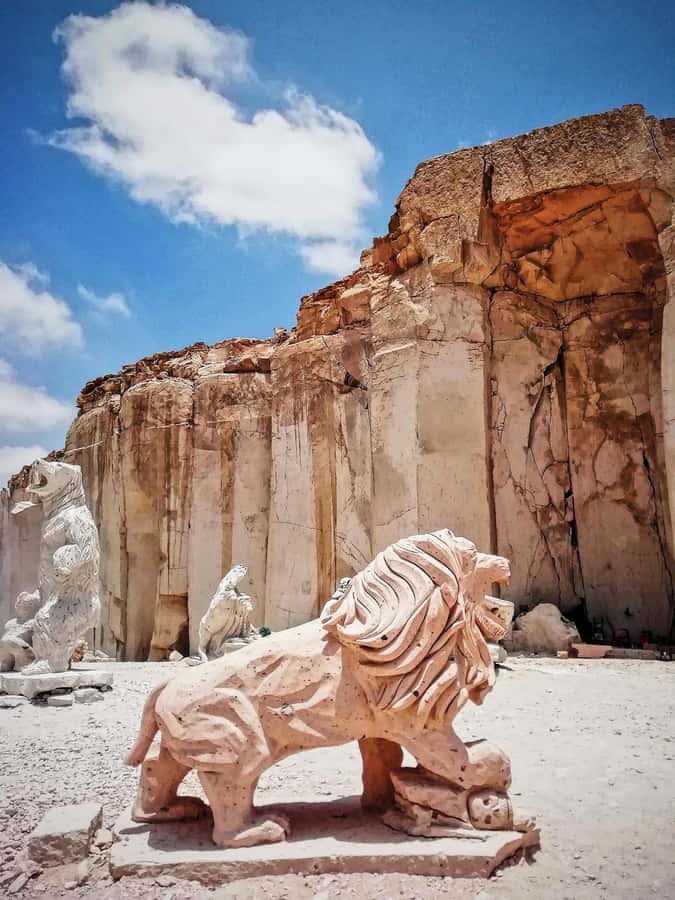
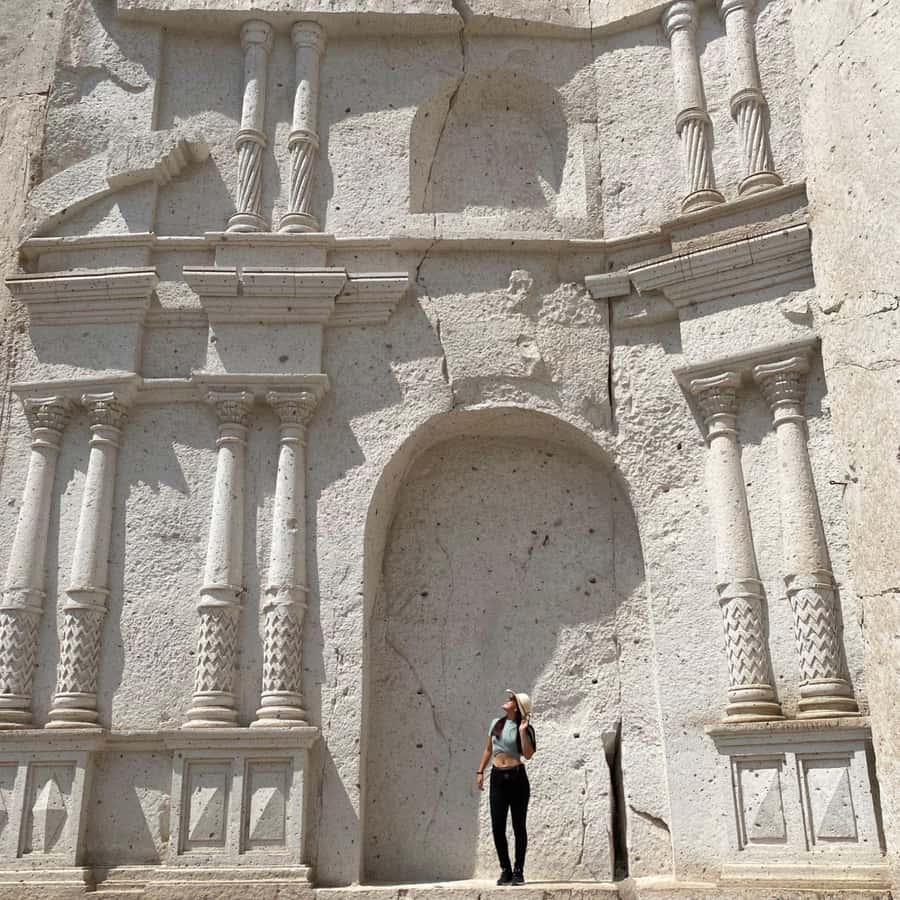
Arequipa is called the White City because many of its notable buildings use sillar, a pale volcanic stone formed from ash and other material released by eruptions. The stone gives churches, courtyards, walls, and older homes a bright appearance that is closely tied to the city’s identity.
This tour takes you outside the city to see the stone at its source. That shift matters. In Arequipa, sillar can look like a polished architectural material. At the quarry, you see the rough cliffs, the cut faces, and the physical work needed to turn volcanic rock into building blocks and decorative pieces.
The stone-cutting tradition has received recognition as Intangible Cultural Heritage of the Nation. That recognition gives the visit more weight than a quick photo stop. You are seeing a working tradition connected to local construction, craft, and the appearance of one of Peru’s best-known cities.
I like this kind of outing because it links a city’s beauty with the people and materials behind it. The White City is not simply white by chance. Its character comes from geology and human skill working together.
More Sillar Route Tours in Arequipa
- From Arequipa: Sillar Route Trek
★ 4.2 · 461 reviews - Sillar Route and Culebrillas Petroglyphs
★ 4.5 · 89 reviews - Sillar Route in Arequipa and viewpoint of the Volcanoes
★ 4.0 · 71 reviews
The 8:50 a.m. Pickup and Ride Out of Arequipa
The morning starts with pickup from your accommodation in Arequipa at approximately 8:50 a.m. Transport is by bus or minibus, and the ride takes you toward the Sillar Route.
The exact vehicle and group size are not specified, so you should be ready for a standard shared excursion rather than a private outing. That keeps the $25 base price low, but it may also mean less flexibility at each stop.
Before reaching the quarry, the group pauses at a viewpoint. From here, you can see the volcanoes around Arequipa. The viewpoint gives you useful visual context: this is a city shaped by volcanic forces, and the sillar quarries are part of that larger setting.
I would pay attention to the guide at this point. A good explanation can connect the volcanoes, the ash-based stone, and Arequipa’s architecture in a few clear minutes. Since one booking reported that the guide was difficult to hear, position yourself near the guide and ask for repetition early if needed. That small step could make the rest of the morning much more useful.
Añashuayco Quarry and the Making of Sillar
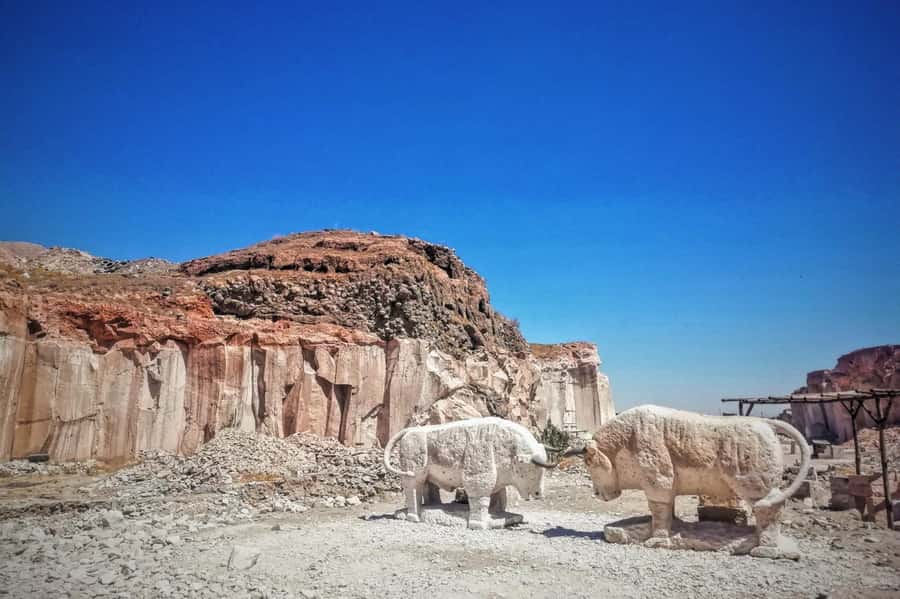
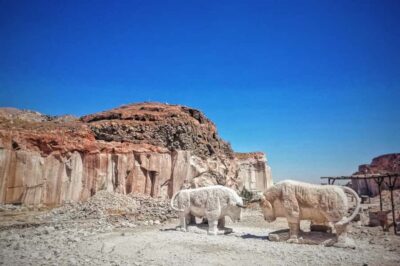
Añashuayco Quarry is the main stop for understanding how sillar is produced. Here, you can watch local artisans working the stone and learn about the carving process.
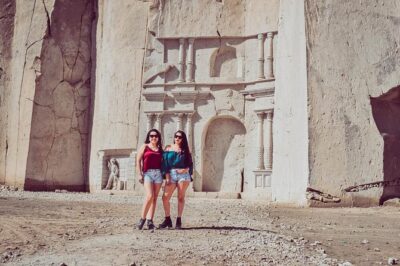
The quarry itself is not a finished monument. Expect a broad working area shaped by years of extraction, with exposed cliffs and a canyon formed by quarrying. The cut stone reveals layers and surfaces that help you see how much material has been removed over time.
The most valuable part of the visit is the link between craft and architecture. You are not just looking at a pale rock wall. You are seeing the source material that became part of Arequipa’s churches, facades, and historic buildings.
I would use this stop to watch the hands of the workers rather than rushing only to the biggest view. Look at the marks on the stone, the shape of unfinished pieces, and the contrast between raw blocks and carved surfaces. The tour information does not promise a hands-on workshop, so expect observation and explanation rather than a lesson where you make your own piece.
The quarry can also feel exposed. Bring biodegradable sunscreen, as recommended, and keep your personal medication with you. The stop has both cultural and visual interest, but the experience depends heavily on the guide’s explanation. If the group moves quickly, you may need to ask a direct question about the cutting process or the stone’s use in Arequipa.
Culebrillas Canyon: A Short Walk Between Stone Walls
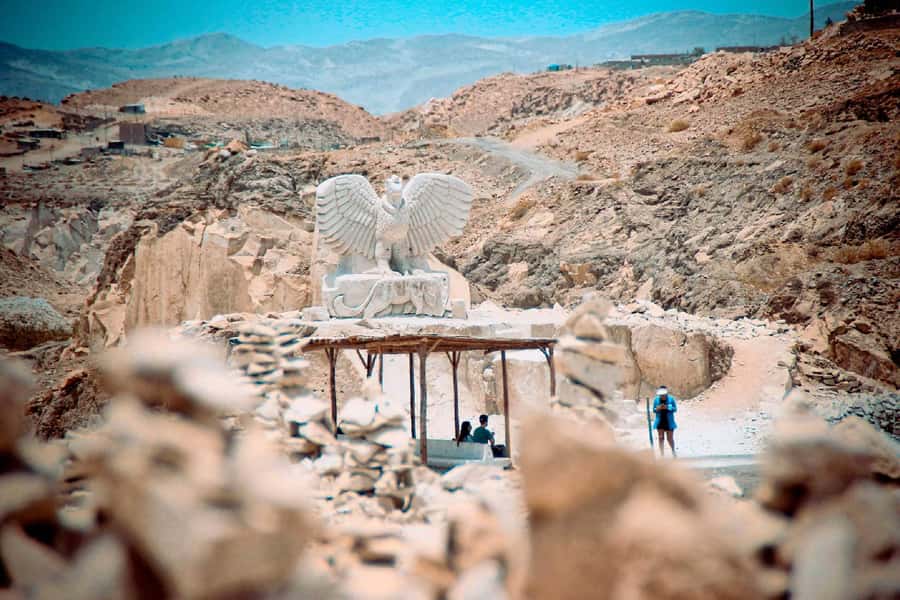
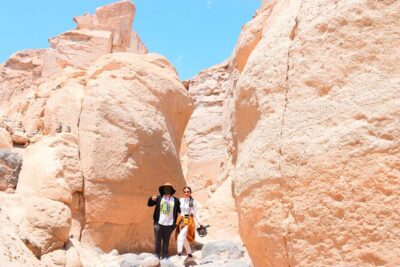
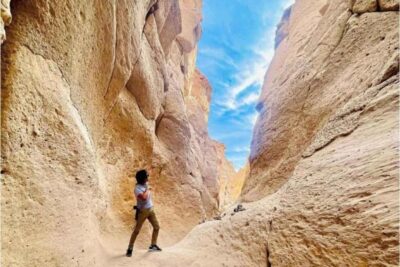
After Añashuayco, the group drives for about 30 minutes to Quebrada de Culebrillas. This part of the outing changes the pace. Instead of standing near a working quarry, you walk inside a narrow canyon.
The walls rise as high as 20 metres, creating a more enclosed setting than the quarry. The walk through the canyon lasts about 20 minutes, so it is not a long hike. Still, you should expect uneven ground and a walk that requires attention to where you place your feet.
Culebrillas is valuable because it shows another side of sillar. At Añashuayco, human quarrying has shaped the cliffs. At Culebrillas, the canyon gives you a quieter setting for seeing the stone walls and the route carved through them.
The walk is short enough for most people who are comfortable with a brief uneven path, but the available information does not promise specific accessibility features. If you have mobility concerns, ask the provider about the walking surface before booking.
One practical point deserves emphasis: bring sun protection, and take the recommendation about protection for the canyon seriously. A booking specifically noted that useful advice about insect protection was missing. The supplied information only lists biodegradable sunscreen, medication, identification, and a pen, so I would ask the operator before departure if you need any extra protection for your own comfort.
More Sillar Route quarry and petroglyph trips:
- 4 hours Tour: Route of Sillar with Trek in Culebrillas
★ 4.2 · 69 reviews - Route of the Sillar | Quarries of Añashuaycos | Half day
★ 4.2 · 35 reviews - Sillar Stone Tour from Arequipa
★ 4.0 · 22 reviews - 4-hour excursion: Sillar Route with Hiking in Culebrillas
★ 4.0 · 21 reviews
The Petroglyphs at the End of the Route
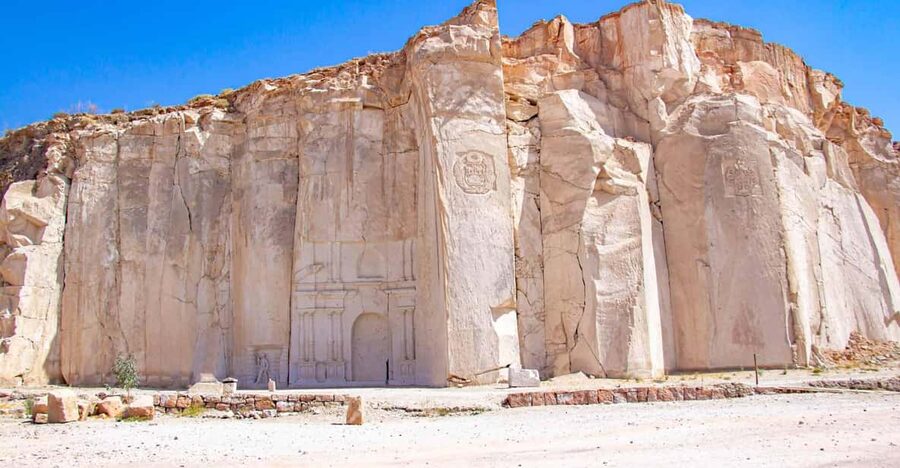
The final stop focuses on petroglyphs carved into the canyon stone. These mysterious figures have not been deciphered, so the visit is about careful looking rather than receiving a firm answer about their meaning.
That uncertainty is part of the appeal. You can examine the shapes and consider what they may represent, but you should be wary of any guide who presents a guess as settled fact. The information provided describes their meaning as unresolved.
Bring a pen because it is specifically listed among the recommended items. You might use it to note shapes, questions, or details you want to remember, though the tour does not state that a notebook or activity is provided.
The petroglyphs are likely to reward patience. If the group spends only a short time at the site, stay focused and ask where the carvings are located. One booking criticized the amount of time allowed for personal exploration on the route, so do not assume you will have a long, quiet period to inspect every wall.
How Much the Tour Really Costs
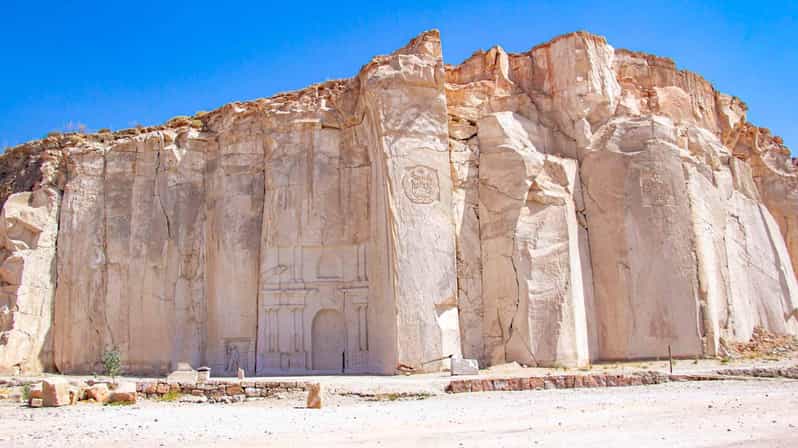
The advertised price is $25 per person. That covers hotel pickup, bus or minibus transport, and a bilingual guide in English and Spanish.
You must also pay $5 for entry to the Sillar Route and another $5 for Culebrillas Canyon. That brings the known total to $35 per person, before any extra personal costs or travel insurance.
At $35, this is a fair half-day price for someone who wants transport and a guide rather than arranging the route alone. You get three distinct elements in one morning: a volcano viewpoint, a working quarry, and a canyon with petroglyphs.
The value depends on how much explanation and free time you receive. Clear guiding can turn the quarry into a cultural lesson. Poorly heard commentary can reduce the visit to scenery and photographs. The mixed feedback makes this the main point to consider before booking.
You also need to accept a fairly fixed schedule. The tour starts around 8:50 a.m. and returns around 1 p.m., leaving the afternoon open for Arequipa. That timing is useful if you are fitting the Sillar Route around other city visits, meals, or an afternoon activity.
Guide Quality Can Shape the Whole Morning
The tour includes live guiding in English and Spanish. That is important because the route is most useful when someone explains the stone, the quarrying process, the canyon, and the petroglyphs.
The feedback on this point is mixed. One verified booking from the Netherlands praised the tour and said that everything was explained clearly in English. Another booking from Germany rated the experience lower because the guide spoke very quietly, even after being asked to speak louder.
That difference is not minor. At the quarry, you may be able to enjoy the view without much commentary, but the meaning of the craft and the details of the stone-cutting process come through the guide. At the petroglyphs, good explanation also helps you know what to look for.
I would sit or stand close to the guide, especially if you are in a larger minibus group. Ask questions as soon as you cannot hear. If the explanation remains too soft, you may need to rely more on the visual side of the visit.
No guide name is provided, so you cannot request a particular guide in advance based on the available information.
Who Will Get the Most From This Excursion
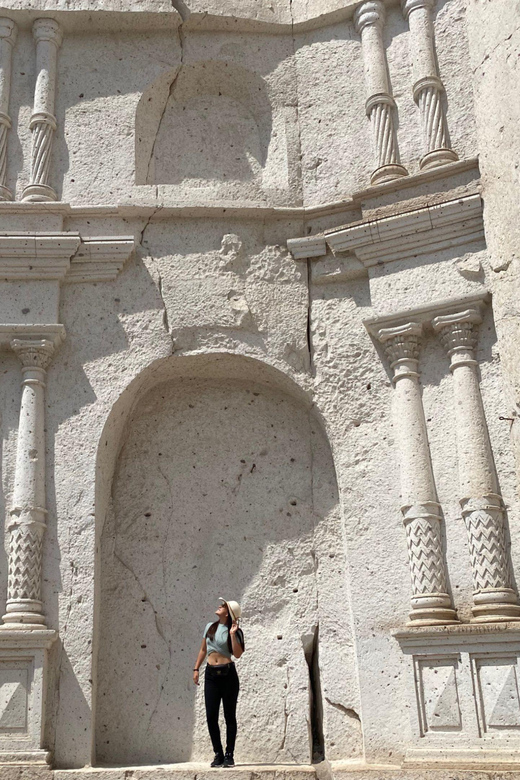
I think this tour suits you if you want a short cultural trip outside Arequipa without giving up a full afternoon. It works well for people interested in architecture, geology, local craft, and archaeological mysteries.
You will probably enjoy it most if you like seeing how a city’s materials are made rather than only visiting finished buildings. The quarry gives you that connection in a direct way.
It also suits budget-conscious visitors. At $35 including the known entrance fees, the outing combines transport and several sites at a reasonable cost. The reserve-now, pay-later option and free cancellation up to 24 hours before departure add flexibility, though you should still check the exact booking conditions when reserving.
You may want a different arrangement if you prefer long periods of private exploration, a quiet guide, or a very flexible schedule. The available feedback raises a clear concern about speaking volume and time at the stops. A private tour could offer more control, but it would not match this price.
Families and older visitors should consider the canyon walk carefully. The walk is only about 20 minutes, but the route is inside a canyon and the information does not describe the surface or accessibility arrangements.
What to Bring for the Five-Hour Route
The official recommendations are simple:
- Passport or identification card
- Biodegradable sunscreen
- Personal medication
- A pen
Your identification matters because it is specifically requested for the activity. Sunscreen is important for the open viewpoint and quarry, while personal medication should remain with you instead of being left in the vehicle.
The pen may seem unusual, but it is part of the stated packing advice and could be handy when noting petroglyph details or questions. The information does not list water, footwear, or insect protection, so you should confirm any personal needs with the provider before departure rather than assume they are supplied.
Should You Book the Sillar Route?
I would book this tour if you want an affordable, efficient introduction to the stone, craft, and volcanic setting behind Arequipa’s White City. Añashuayco Quarry and Culebrillas Canyon give the morning real variety, and the petroglyphs add a question mark at the end.
I would book with realistic expectations. The tour is five hours, not a full cultural workshop. You may spend less time exploring on your own than you would like, and the quality of the experience depends on whether the guide can be heard clearly.
For the $35 known total, it offers good value if transport and a bilingual guide matter to you. Ask about the guide’s speaking volume, the time allowed at each stop, and practical canyon conditions before you pay. If those answers work for your needs, this is a sensible half-day addition to an Arequipa stay.
FAQ
How long does the Sillar Route tour last?
The tour lasts five hours. Pickup begins at about 8:50 a.m., and the group is expected to return to Arequipa around 1 p.m.
What is included in the tour price?
The price includes pickup from your accommodation in Arequipa, transport by bus or minibus, and a bilingual live guide in English and Spanish.
How much are the entrance fees?
Entry to the Sillar Route costs $5 per person, and entry to Culebrillas Canyon costs another $5 per person. These fees are separate from the $25 tour price.
What languages are available?
The live guide is available in English and Spanish.
What should I bring?
Bring your passport or identification card, biodegradable sunscreen, personal medication, and a pen.
Can I cancel the booking?
You can cancel up to 24 hours in advance for a full refund. The activity also offers a reserve-now, pay-later option.
More Half-Day
- From Arequipa: Sillar Route Excursion | Half Day |
★ 4.0 · 5 reviews - Arequipa: Half Day Sillar Route and Culebrillas Canyon + Yanahuara Viewpoint
★ 3.8 · 4 reviews - Arequipa: The White City Origins – Sillar Route Half Day
★ 5.0 · 4 reviews - Cusco: Half-Day City Tour with Sacsayhuaman and Q’enco
★ 4.6 · 1,129 reviews
Just added around Arequipa
- From Arequipa: Colca Canyon and Condor Watching Day Trip★ 3.7 · 3 reviews
- Arequipa : Colca Canyon 2-Day Adventure★ 5.0 · 3 reviews
- Cooking Class Typical Food in Arequipa★ 3.9 · 3 reviews
- 3-day trek to the Colca Canyon from Arequipa ending in Puno★ 4.2 · 3 reviews
- Colca Canyon Day Trip: From Arequipa to Puno★ 3.5 · 3 reviews
- 2 day 1 night trek / Colca Canyon★ 3.0 · 3 reviews
- From Arequipa: Full Day Colca Canyon Tour★ 4.5 · 3 reviews
- Excursion Salinas Lagoon and National★ 5.0 · 3 reviews
Sillar Route Tours, compared.
Sillar Route in Arequipa and viewpoint of the Volcanoes
Read our review →
4 hours Tour: Route of Sillar with Trek in Culebrillas
Read our review →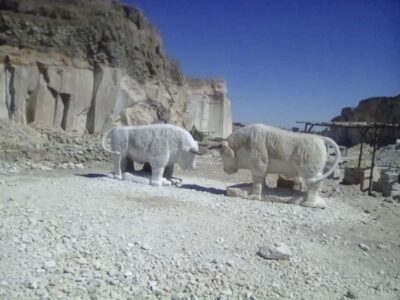
Route of the Sillar | Quarries of Añashuaycos | Half day
Read our review →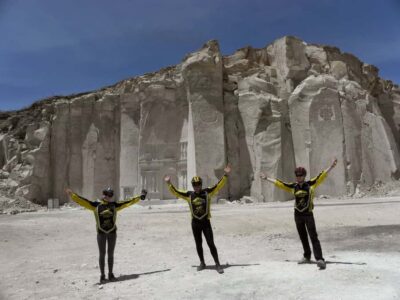
4-hour excursion: Sillar Route with Hiking in Culebrillas
Read our review →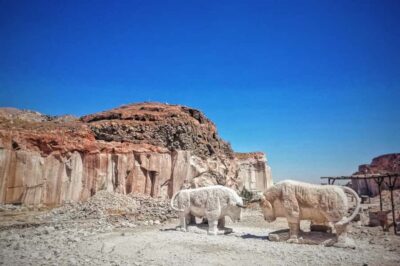
Trek to the Route of the Sillar and Culebrillas in Arequipa
Read our review →Browse the lists this tour appears in