
Reviewed · SILLAR ROUTE TOURS
Sillar Stone Tour from Arequipa
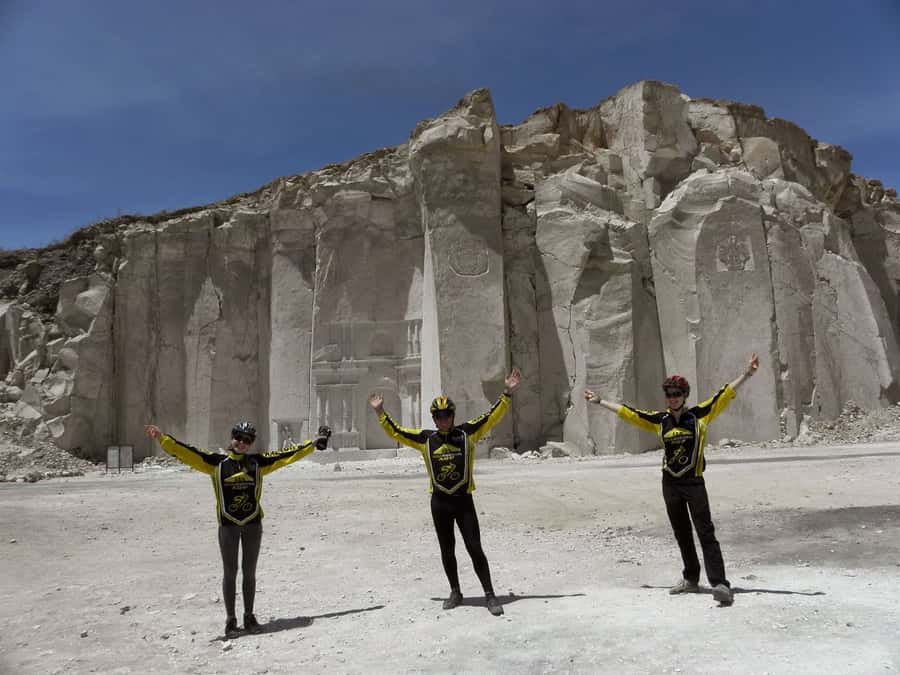
Volcanic rock built Arequipa. This four-hour outing takes you from your hotel in central Arequipa to the Culebrillas quarries, where masons cut and shape the pale stone known as sillar. I like the direct look at traditional stonework, and I also like the short route, which gives you a useful half-day activity without taking you far from town.
The guide explains how ignimbrite becomes building stone and how sillar came to define Arequipa’s colonial architecture. The main drawback is that the tour is brief and focused: you will see the quarry area and return to the city, but you will not get a full-day excursion or a meal. A few details in the activity description mention Pisac and Aguas Calientes, but those places are not part of this Arequipa route.
In This Review
- Key points to know before booking
- Why sillar explains Arequipa
- The short ride from your hotel
- Walking through Quebrada de Culebrillas
- Watching the masons shape volcanic stone
- Returning to Arequipa’s Plaza de Armas
- Is four hours enough?
- What the $29 price gets you
- Who will enjoy this outing most?
- Practical advice for a smoother visit
- Should you book the Sillar Stone Tour?
- FAQ
- Where does the Sillar Stone Tour take place?
- How long does the tour last?
- Is hotel pickup included?
- Where does the tour finish?
- What languages are available?
- How large is the group?
- Are food and drinks included?
- What should I bring?
Key points to know before booking
- Culebrillas is only about 3 kilometers from central Arequipa, so you spend little of your four hours sitting in a vehicle.
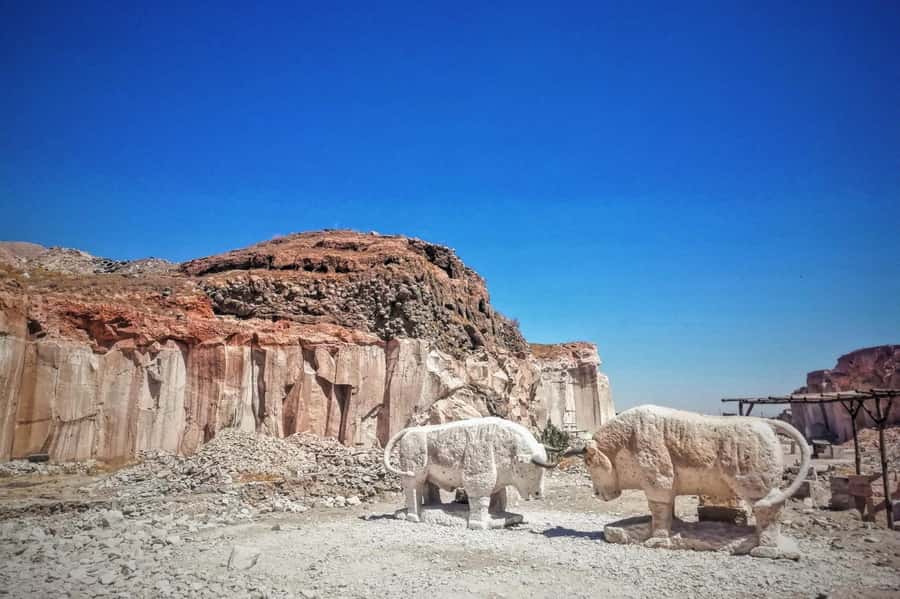
- The stone is volcanic ignimbrite, and the tour shows how masons patiently turn it into usable sillar.
- Arequipa’s white architecture has a practical story, tied to the city’s major earthquake in 1687 and the later use of sillar construction.
- The small group is limited to 15 people, a useful size for asking questions during the quarry visit.
- Hotel pickup and central drop-off are included, with the final stop at Arequipa’s Plaza de Armas.
- The tour suits curious first-time visitors, especially if you want an easy outing beyond the central streets.
Why sillar explains Arequipa
Arequipa is often associated with its pale stone buildings, but it is easy to admire the facades without understanding where the material came from. This tour supplies that missing piece. Sillar is made from volcanic deposits, and the nearby quarries show how the city’s architecture began with eruptions rather than with a distant marble mine or a modern factory.
The activity connects the stone to the earthquake of 1687. After that disaster, construction using sillar became widespread, and builders gradually refined the method. The result was the distinctive colonial architecture associated with Arequipa.
That context gives the quarry visit more weight. You are not simply looking at a hole in the ground. You are seeing the source of a material that helped rebuild and shape the city. The tour also makes the architecture in central Arequipa easier to read. Afterward, the pale walls, carved details, and heavy colonial structures have a clearer practical meaning.
I especially like that the experience focuses on the workers and the process. The masons do not simply present finished blocks. You can watch them take ignimbrite and develop it into sillar by hand, with examples of carved pieces showing what the stone can become.
More Sillar Route Tours in Arequipa
- From Arequipa: Sillar Route Trek
★ 4.2 · 461 reviews - Sillar Route and Culebrillas Petroglyphs
★ 4.5 · 89 reviews - Sillar Route in Arequipa and viewpoint of the Volcanoes
★ 4.0 · 71 reviews
The short ride from your hotel
Pickup is available from accommodation in central Arequipa. The transfer to the quarry area takes about 10 minutes, which makes this a good choice if you want a local outing without committing to a long day on the road.
The short drive matters more than it may seem. Many regional excursions involve an early departure, long transfers, and a packed schedule. Here, the focus begins quickly. You leave the city, reach the quarry area, and have most of the available time for the actual subject of the tour.
The vehicle ride is included, along with the return to the city. At the end, you are dropped at the Plaza de Armas rather than returned to your hotel. That is convenient if you plan to continue sightseeing, eat lunch nearby, or visit more of Arequipa’s historic center. It is less convenient if you want to finish the day back at your accommodation, so keep the final drop-off in mind.
Pickup is listed for accommodations in the city center. If your lodging is outside that area, confirm the arrangement before booking instead of assuming every address is covered.
Walking through Quebrada de Culebrillas
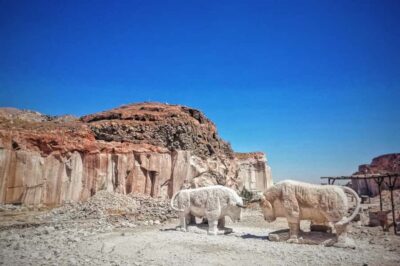
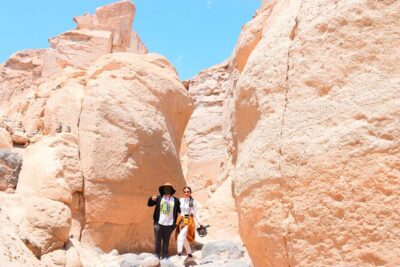
The main stop is Quebrada de Culebrillas, part of the quarry area near Arequipa. The route includes a guided visit and sightseeing through canyon-like formations created in the stone. One recent participant described the small canyon structures as the most striking part of the outing, and that is easy to understand: the setting gives you a visual sense of how the quarry has been cut and shaped over time.
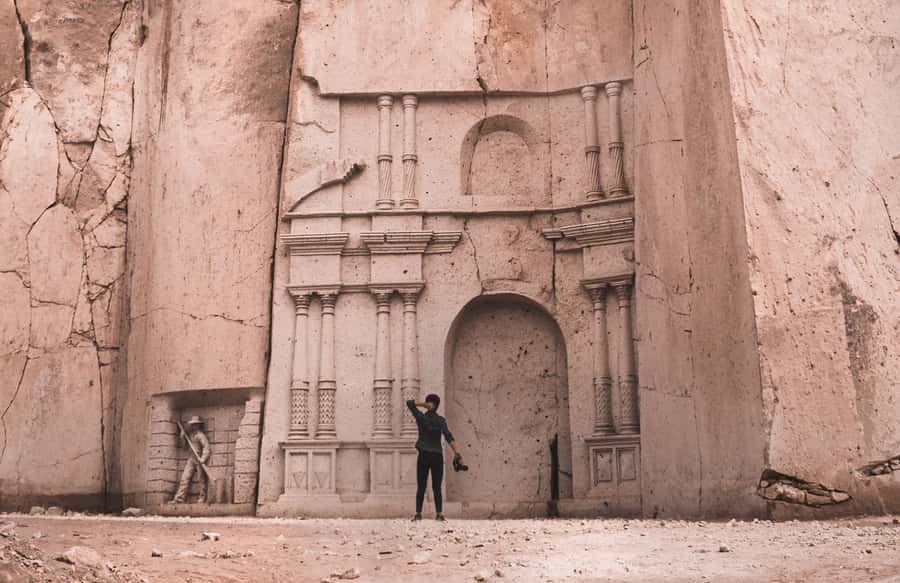
The guide explains the work as you look at the stone. You can expect to see cutters carrying out their daily tasks and examples of sillar carving. The information is not limited to architecture. It also covers the story behind the material and the preparation needed before it can be used in a building.
This is an active work area, not a polished museum. That is part of its appeal. You see the material in its working setting, with the rough quarry beside the more finished examples. The trade-off is that the visit may feel simple if you expect elaborate displays, a large visitor center, or a long list of formal exhibits. The value comes from the place itself and from the guide’s explanation.
Wear comfortable shoes. The supplied advice also calls for water and comfortable clothing, which makes sense for a quarry visit. Even though the excursion is not described as strenuous, uneven ground and outdoor conditions are possible. You do not need special equipment, but you should avoid treating this as a city-center walking tour.
Watching the masons shape volcanic stone
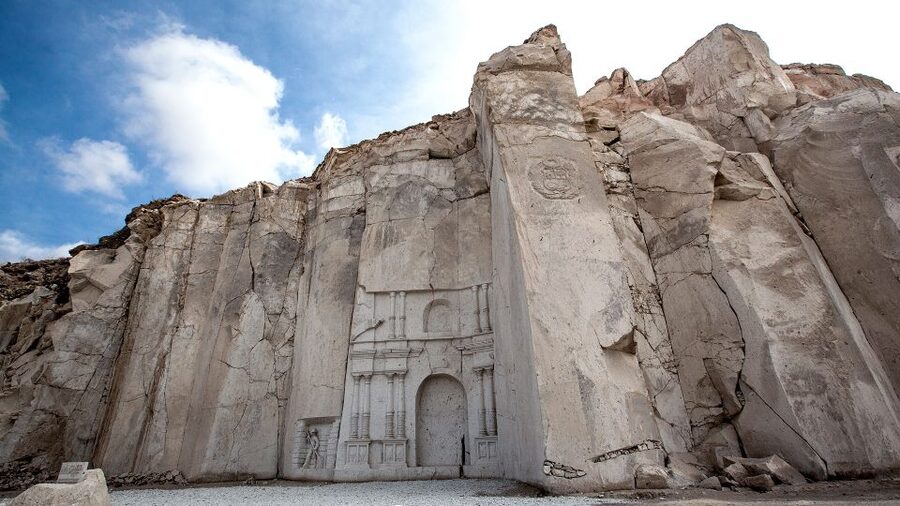
The masons are the heart of the experience. The tour lets you see where workers take ignimbrite and slowly prepare it as sillar. That process gives you a better sense of the labor behind Arequipa’s graceful buildings.
The work is patient rather than flashy. Stone has to be cut, cleaned, shaped, and sometimes carved before it can become part of a wall or decorative feature. A guide can explain the steps, but watching the workers gives the lesson a physical scale. You begin to notice that every pale block represents time, effort, and judgment.
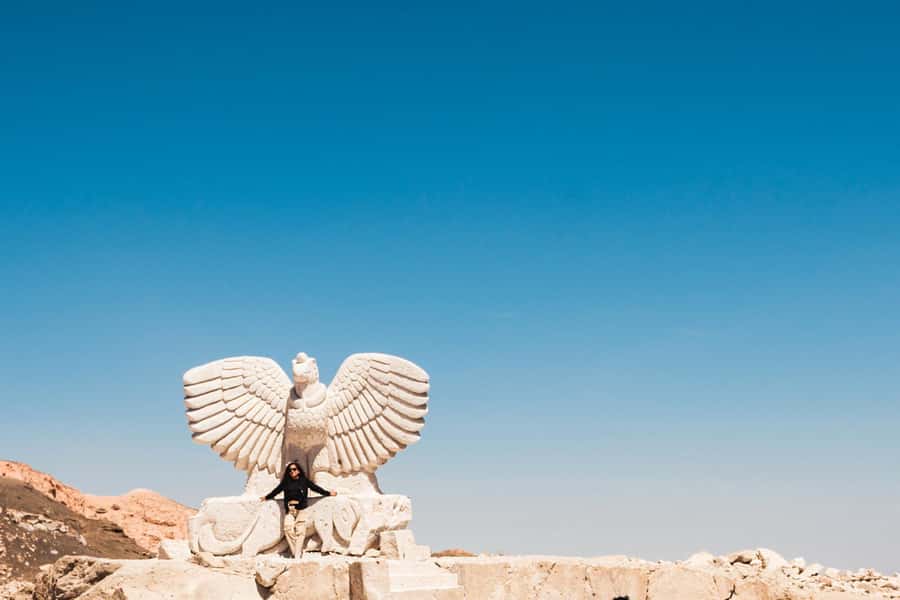
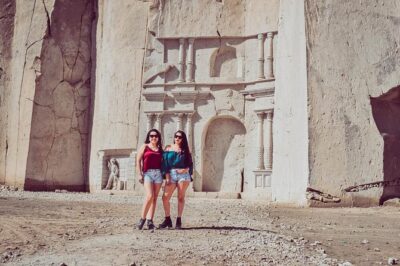
The carved samples are useful because they show the change from raw material to architectural detail. You might see how the same stone can serve both basic construction and decoration. The tour description does not promise a hands-on carving session, so plan to observe rather than make your own souvenir.
Guide quality matters here. The activity is offered in English or Spanish, and the strongest feedback specifically praises the guide’s patience and willingness to answer questions. That is important at a site where the visual setting alone may not explain the full process. If you have questions about the stone, the earthquake, or the buildings in town, this is the time to ask.
More Sillar Route quarry and petroglyph trips:
- 4 hours Tour: Route of Sillar with Trek in Culebrillas
★ 4.2 · 69 reviews - Route of the Sillar | Quarries of Añashuaycos | Half day
★ 4.2 · 35 reviews - 4-hour excursion: Sillar Route with Hiking in Culebrillas
★ 4.0 · 21 reviews - Trek to the Route of the Sillar and Culebrillas in Arequipa
★ 4.0 · 9 reviews
Returning to Arequipa’s Plaza de Armas
After the quarry visit, the group returns to Arequipa and finishes at the main square. The listed route includes sightseeing connected with Arequipa, but the detailed schedule centers on the Culebrillas quarry and the return to Plaza de Armas.
This ending works well for an afternoon plan. You can walk from the square to nearby restaurants, churches, museums, and sillar buildings on your own. The tour does not include food or drinks, so bring water and plan your meal separately.
The city sights are best understood as a follow-up to the quarry. Look closely at the pale facades after you return. The stone is no longer an abstract building material. You have just seen where it comes from and how masons prepare it.
Do not expect the tour to replace a full guided visit to Arequipa’s historic center. Its main purpose is to take you outside the central streets and explain the source of the city’s signature material. If you want detailed commentary on every major church and colonial building, you will need additional sightseeing time.
Is four hours enough?
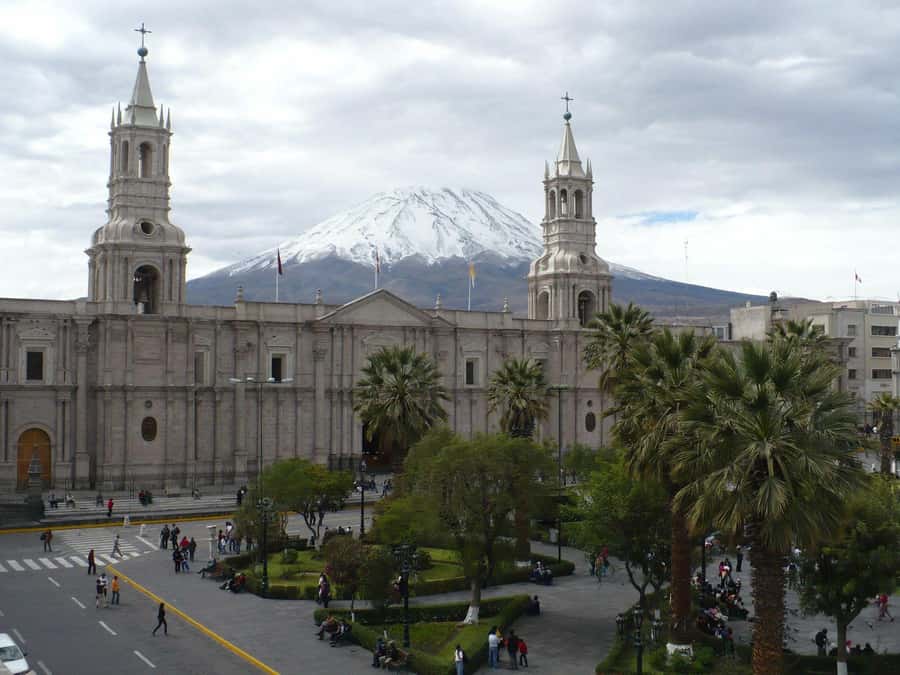
For a focused quarry visit, four hours is a sensible length. The ride is short, and the schedule gives you time for a guided visit rather than a rushed photo stop. One person described the outing as an afternoon well spent, while another found it interesting without being tiring. Those are useful expectations to carry into the booking.
The short duration also makes the tour easy to fit around other plans. You could schedule it during a free morning or afternoon, then use the Plaza de Armas drop-off to continue exploring. Check the available starting times because the exact departure schedule can vary.
The limitation is equally clear. This is not a broad Arequipa region tour. There is no stated visit to a distant archaeological site, no meal, and no long countryside route. You are paying for a compact introduction to sillar and the nearby quarries.
The description includes references to the colorful market at Pisac and free time in Aguas Calientes. Those destinations belong to other parts of Peru and do not match the listed Arequipa route. Based on the actual pickup, quarry stop, and Plaza de Armas return, you should book this as a Culebrillas sillar excursion only.
What the $29 price gets you
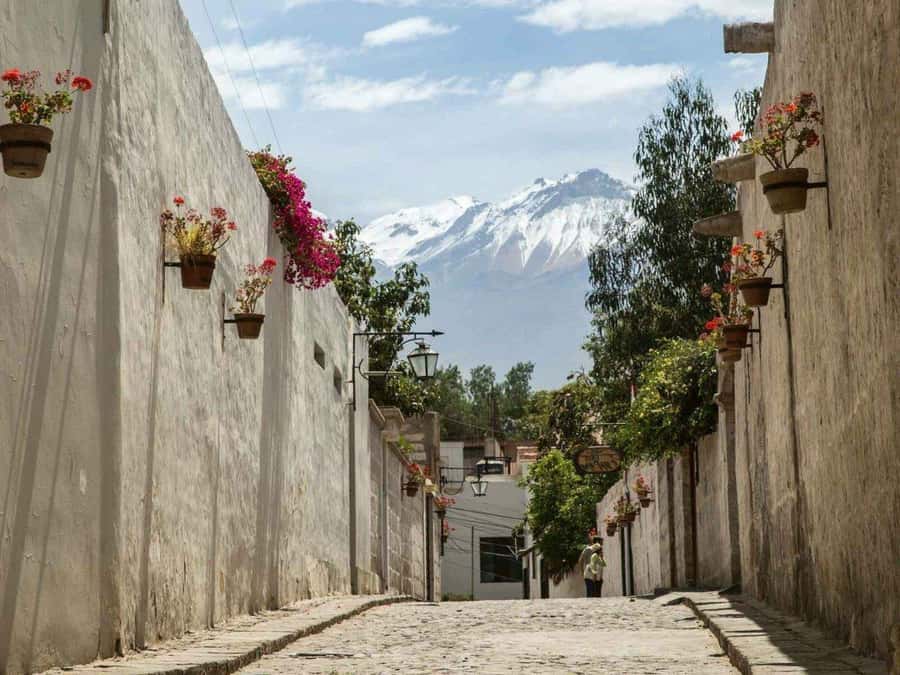
At $29 per person, the tour offers reasonable value if you want transportation, a live guide, and a short educational outing. Hotel pickup from central Arequipa removes the need to arrange a taxi to the quarry, and the return to the city is included. For a four-hour activity, that keeps the cost fairly easy to justify.
The value depends on your priorities. If you are mainly looking for scenic entertainment or a full day of major attractions, the experience may feel too narrow. If you care about local building traditions and want to understand what makes Arequipa look different from other Peruvian cities, the price is more persuasive.
Food and drinks are not included, and entrance fees are also listed separately. Because the provided details do not state the entrance price, allow for that extra cost rather than treating $29 as the complete expense. Bring water, especially if you are visiting during a warm part of the day.
A small group of up to 15 participants is another helpful part of the package. It is not a private tour, but it should be more manageable than a large coach group. You have a better chance to hear the explanation and ask a question while the masons work.
Who will enjoy this outing most?
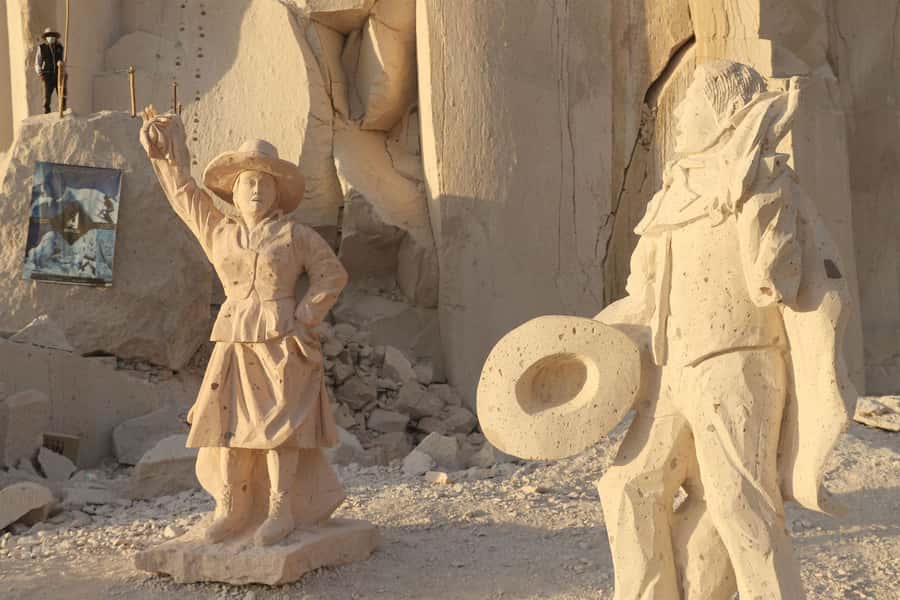
I would recommend the tour to you if you enjoy seeing how a place is made, not just photographing its finished monuments. It is particularly useful early in your Arequipa stay, before you spend more time looking at colonial buildings in the center.
It also fits well for:
- Visitors with a free half-day in Arequipa
- Architecture and construction enthusiasts
- People interested in local trades
- Families who prefer a short outing over a full-day trip
- Anyone who wants a guided activity without a demanding schedule
- Visitors who want hotel pickup and a central drop-off
You may want to skip it if your schedule is already packed with major city sights and you have little interest in stonework. The quarry setting is practical and work-focused. It is not designed as a luxury attraction or a large entertainment complex.
The tour is also a good fit for visitors who prefer a calmer pace. The activity information and direct feedback point to an outing that is curious rather than strenuous. Still, comfortable footwear remains important because quarry ground is unlikely to be as even as a paved plaza.
Practical advice for a smoother visit

Wear shoes that can handle uneven outdoor surfaces. Comfortable clothing is enough, and you should carry water because drinks are not supplied.
Choose English or Spanish according to your comfort. A patient guide makes a real difference here, since the quarry process and the connection to Arequipa’s architecture are the main reasons to book.
Keep your questions ready. Ask about the 1687 earthquake, the difference between ignimbrite and finished sillar, and how the carved samples relate to the buildings you will see downtown. The guide is specifically there to explain the process and answer questions, so use that time.
Plan something after the tour at Plaza de Armas. Since drop-off is at the main square, you can turn the outing into a larger day of sightseeing without arranging another transfer. Just remember that lunch and any other entrance costs are your responsibility.
The experience has an overall rating of 4 out of 5 from 22 ratings. The strongest praise centers on the clear explanation, the interesting quarry setting, the guide’s patience, and reliable hotel pickup. That matches the tour’s real strengths: it is focused, informative, and easy to fit into an Arequipa itinerary.
Should you book the Sillar Stone Tour?
Book it if you want a practical look at the volcanic stone behind Arequipa’s famous architecture. The Culebrillas quarry, the canyon-like formations, the working masons, and the short transfer make this a useful half-day experience for curious visitors.
Skip it if you want a packed sightseeing circuit, included meals, or a full exploration of the region. The tour does one subject and does it in four hours. For many visitors, that focus is the point. At $29, it is a fair way to see an important part of Arequipa’s identity, provided you understand that the route is the nearby sillar quarry and not Pisac or Aguas Calientes.
FAQ
Where does the Sillar Stone Tour take place?
The tour visits the Culebrillas quarries near Arequipa. The quarry area is mainly associated with the districts of Cerro Colorado and Yura, and the stated route includes Quebrada de Culebrillas.
How long does the tour last?
The experience lasts four hours, including transportation, the guided quarry visit, and the return to Arequipa.
Is hotel pickup included?
Yes. Pickup is included from accommodation in central Arequipa.
Where does the tour finish?
The tour drops you at Plaza de Armas in Arequipa, the city’s main square.
What languages are available?
A live guide is available in English or Spanish.
How large is the group?
The tour is described as a small-group activity limited to 15 participants.
Are food and drinks included?
No. Food and drinks are not included, so you should bring water and plan any meal separately.
What should I bring?
Bring comfortable shoes, water, and comfortable clothing. These are the recommended items for the quarry visit.
Just added around Arequipa
- From Arequipa: Colca Canyon and Condor Watching Day Trip★ 3.7 · 3 reviews
- Arequipa : Colca Canyon 2-Day Adventure★ 5.0 · 3 reviews
- Cooking Class Typical Food in Arequipa★ 3.9 · 3 reviews
- 3-day trek to the Colca Canyon from Arequipa ending in Puno★ 4.2 · 3 reviews
- Colca Canyon Day Trip: From Arequipa to Puno★ 3.5 · 3 reviews
- 2 day 1 night trek / Colca Canyon★ 3.0 · 3 reviews
- From Arequipa: Full Day Colca Canyon Tour★ 4.5 · 3 reviews
- Excursion Salinas Lagoon and National★ 5.0 · 3 reviews
Sillar Route Tours, compared.
Sillar Route in Arequipa and viewpoint of the Volcanoes
Read our review →
4 hours Tour: Route of Sillar with Trek in Culebrillas
Read our review →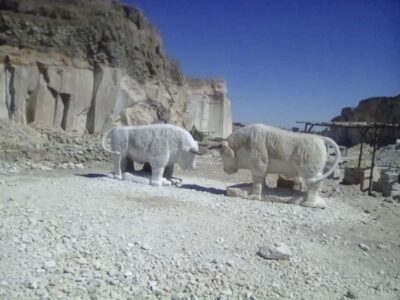
Route of the Sillar | Quarries of Añashuaycos | Half day
Read our review →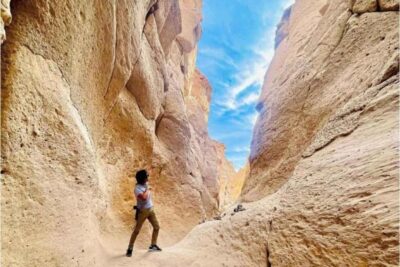
4-hour excursion: Sillar Route with Hiking in Culebrillas
Read our review →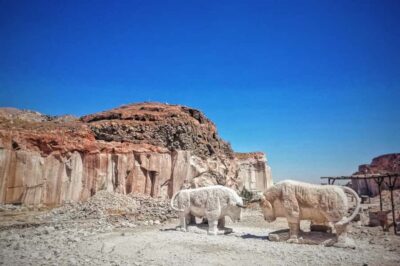
Trek to the Route of the Sillar and Culebrillas in Arequipa
Read our review →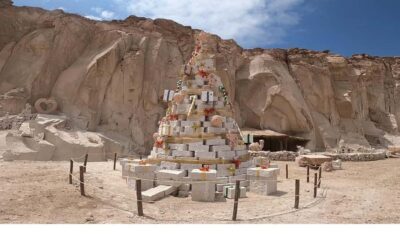
Arequipa | Tour of the Sillar Route + Culebrillas Canyon
Read our review →Browse the lists this tour appears in