
Reviewed · SILLAR ROUTE TOURS
From Arequipa: Sillar Route Excursion | Half Day |
See how Arequipa got its color. The Sillar Route connects working stone quarries, dramatic volcanic scenery, and a narrow canyon where ancient petroglyphs remain carved into the rock. I like the direct look at local masons shaping ashlar stone, and I like that the excursion packs three distinct stops into one morning. The main catch is cost: the advertised $25 price does not include $10 in entrance fees, and the canyon may have mosquitoes, so bring repellent or expect to buy some locally.
This is a good choice if you have a free morning in Arequipa and want context for the city’s famous white buildings. The guide-led format keeps transport simple, with hotel pickup near the main square and English or Spanish guiding. Just keep the outing’s timing in mind: pickup is scheduled for 8:50 a.m., return is planned for about 1 p.m., yet the activity is listed as 390 minutes, so confirm the exact schedule after booking.
In This Review
- Key points to know before booking
- Why Arequipa Is Called the White City
- Starting Near Arequipa’s Main Square
- The Volcano Viewpoint Comes First
- Añashuayco Quarry and the Making of Sillar
- Walking Through Culebrillas Canyon
- Petroglyphs at the End of the Route
- Timing, Cost, and What the Value Really Is
- What to Bring for the Quarry and Canyon
- Who Will Enjoy This Excursion Most
- Should You Book the Sillar Route?
- FAQ
- Where does the Sillar Route excursion take place?
- How long does the excursion last?
- What is included in the price?
- Are entrance fees included?
- What languages does the guide speak?
- Where is hotel pickup available?
- What should I bring?
- Can I cancel the excursion?
Key points to know before booking
- Añashuayco Quarry shows sillar being worked by hand, giving you a close look at the craft behind Arequipa’s white architecture.
- The Culebrillas Canyon walk takes about 20 minutes, with walls reaching up to 20 meters high.
- Petroglyphs provide the final stop, though the meaning of the carved figures is unknown.
- The $25 fare covers transport, hotel pickup, and a professional guide, but the two listed entry fees add $10 per person.
- English and Spanish guiding is available, and the guide Tony received special praise for clear explanations and humor.
- Mosquito repellent is worth packing, especially since it was not listed among the required items but was needed at the canyon.
Why Arequipa Is Called the White City
Arequipa’s nickname comes from its extensive use of sillar, a pale volcanic stone that gives many buildings a light, almost glowing appearance. The city’s famous look is not simply a matter of paint or decoration. It comes from a local building material and the skill needed to cut it, shape it, and fit it into walls and facades.
The Sillar Route lets you see that process outside the city center. Instead of only admiring finished buildings, you can watch the material being extracted and carved. That connection matters. After the excursion, the white stone in Arequipa’s streets has a clearer story behind it.
The work of producing and carving sillar has been declared Intangible Cultural Heritage of the Nation. That recognition gives the visit more weight than a quick photo stop. You are seeing a living craft, not only an abandoned quarry or a scenic rock formation.
The route also adds a touch of adventure. You move from a viewpoint to a working quarry, then into a canyon and toward rock art. It is a compact half-day outing, but the stops feel different enough to keep the morning moving.
More Sillar Route Tours in Arequipa
- From Arequipa: Sillar Route Trek
★ 4.2 · 461 reviews - Sillar Route and Culebrillas Petroglyphs
★ 4.5 · 89 reviews - Sillar Route in Arequipa and viewpoint of the Volcanoes
★ 4.0 · 71 reviews
Starting Near Arequipa’s Main Square
Pickup is provided from your hotel, as long as it is near the main square. The planned pickup time is 8:50 a.m., so you should be ready before then and enter your hotel name carefully when booking.
Tourist transport and a professional guide are included. That makes the trip useful if you do not want to arrange a taxi, find the quarries yourself, or work out how to connect several out-of-town stops. The guide also adds meaning to the stonework and petroglyphs, especially if you do not speak Spanish.
English and Spanish are offered. One especially useful detail is that the guide Tony was praised for explaining the excursion well in both languages and for using humor along the way. That matters in a bilingual group, where an English-speaking visitor can otherwise miss small but important details.
The group size is not specified, so do not book expecting a private tour. You should think of this as a shared guided excursion with organized transport. That usually offers good value at this price, though you will have less control over how long you spend at each stop.
The Volcano Viewpoint Comes First
The first stage of the drive takes you toward the Ruta del Sillar, described as one of Peru’s historic roads. Before reaching the quarry, the vehicle stops at a viewpoint where you can see the volcanoes surrounding Arequipa.
This is a useful opening stop because it places the city and the stone route in a larger setting. The pale volcanic material you see at the quarries is tied to the same volcanic region that shapes the views around Arequipa. It gives you a quick visual explanation of why this area has both dramatic rock formations and a long tradition of stone construction.
The available details do not specify which volcanoes you will see, how long you stay, or whether the viewpoint has facilities. I would treat it as a short scenic pause rather than the main event. Bring your camera, but save your biggest expectations for the quarry and canyon.
Añashuayco Quarry and the Making of Sillar
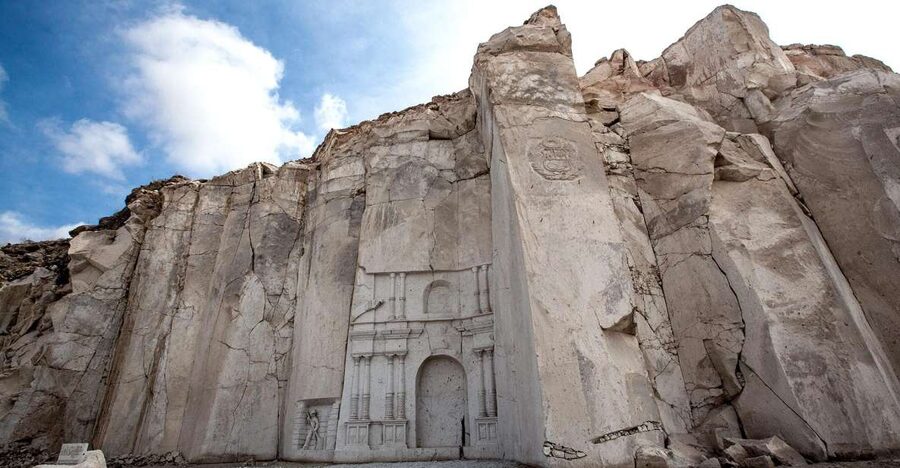
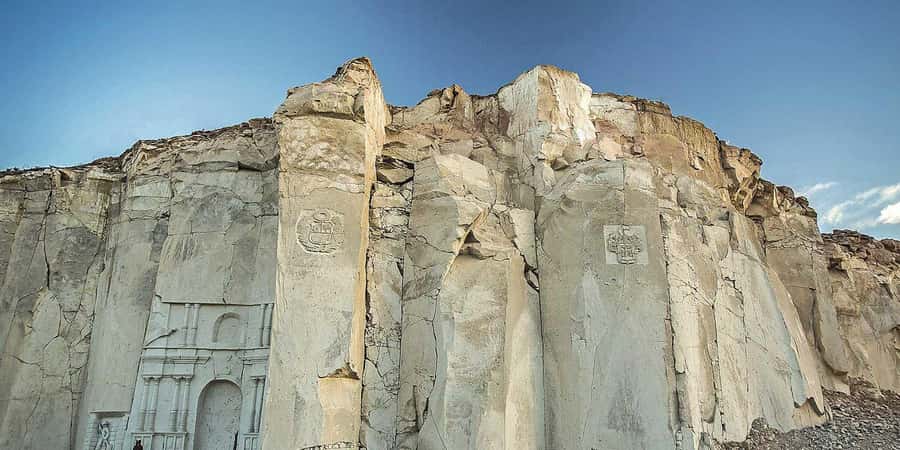
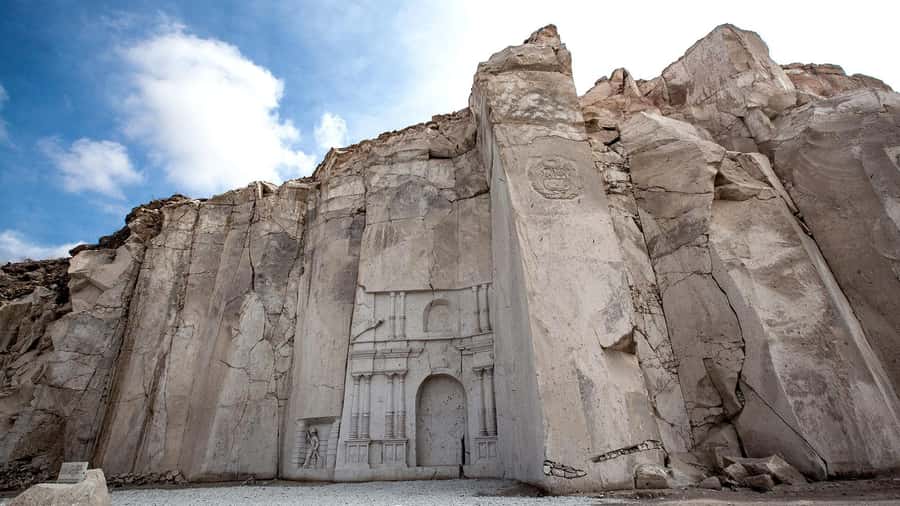
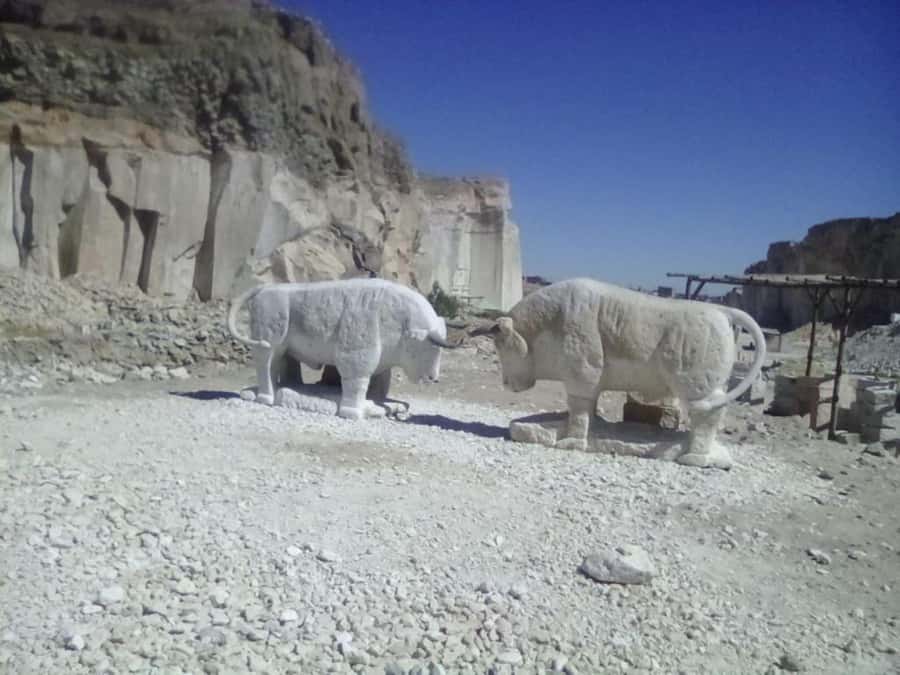
The first major stop is the Añashuayco Quarry. Here, local masons demonstrate how sillar is worked and explain the carving process. This is the heart of the excursion for anyone interested in architecture, local craft, or the practical side of Arequipa’s identity.
You can expect to see the stone in its raw setting and learn how it changes through human labor. The experience is more useful than simply walking past a white wall in the city because you get to connect the finished building material with its source.
The quarry also contains an immense cliff canyon created by the extraction of the material. That formation gives the stop visual drama, but it also raises a useful point about the route. This is both a cultural visit and an industrial site shaped by quarrying. You are not looking at untouched nature. The cliffs exist because people removed stone over time.
That combination is part of the appeal. You see local craftsmanship beside the physical marks left by extraction. For photographers, the quarry offers strong shapes, pale stone, and room for memorable pictures. One visitor specifically noted that the quarry was good for photos.
Your guide should help explain what you are seeing, but the provided details do not promise a hands-on carving workshop. Do not arrive expecting to make your own stone piece. The focus is observation, explanation, and seeing local masons at work.
The entry fee for the Ruta del Sillar is listed separately at $5 per person. Add that to the tour price when comparing this excursion with other Arequipa activities. At $30 total before personal spending, the outing remains reasonably priced if you value transport and guiding.
More Sillar Route quarry and petroglyph trips:
- 4 hours Tour: Route of Sillar with Trek in Culebrillas
★ 4.2 · 69 reviews - Route of the Sillar | Quarries of Añashuaycos | Half day
★ 4.2 · 35 reviews - Sillar Stone Tour from Arequipa
★ 4.0 · 22 reviews - 4-hour excursion: Sillar Route with Hiking in Culebrillas
★ 4.0 · 21 reviews
Walking Through Culebrillas Canyon
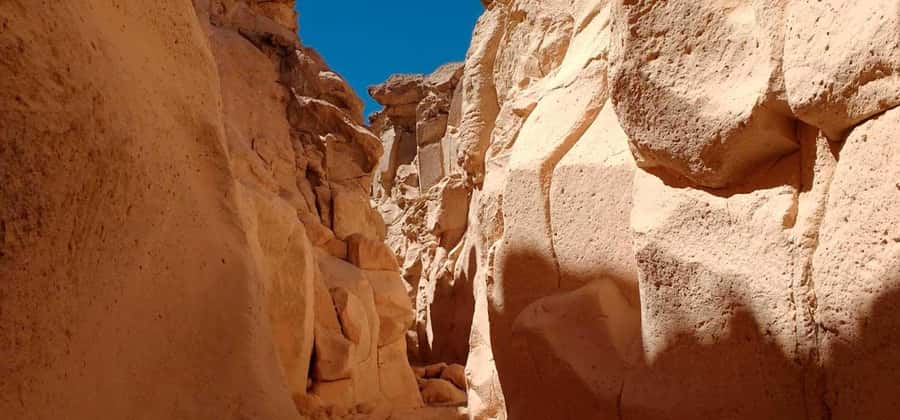
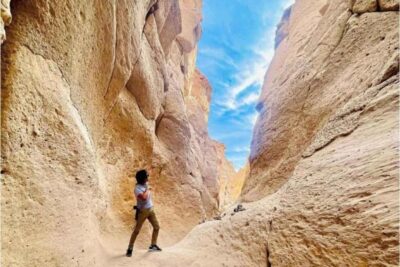
After leaving Añashuayco, the trip continues for about 30 minutes to the Quebrada de Culebrillas. The canyon has walls up to 20 meters high, and the route includes a walk of about 20 minutes inside it.
This is where the morning becomes more active. You are not only looking from a roadside viewpoint. You enter the canyon and follow its walls on foot. The walk is short, but sturdy shoes are sensible because the information provided does not describe a paved path.
The canyon’s narrow form creates a different mood from the open quarry. The high walls give you a closer view of the stone and make the route feel more exploratory. The stop is also a good reason to bring a camera. You can take pictures of the canyon walls and the changing shapes of the rock.
There is one practical warning here: mosquitoes are present. One visitor had to buy repellent locally and felt the price was high for the amount provided. Since mosquito spray is not included in the official packing list, bring your own if you can. It is a small item, but it can make a short canyon walk much more comfortable.
The Cañón de Culebrillas entrance fee is another $5 per person. Together, the two entrance payments add $10 to the advertised $25 rate. This is not a major expense, but it should be part of your real budget. You should also carry cash, since extra expenses are not included and cash is specifically listed among the items to bring.
Petroglyphs at the End of the Route
The final stop is the canyon’s petroglyphs. These are figures carved into stone, although their meaning is unknown. That uncertainty is worth accepting before you arrive. The value is in seeing the carvings and considering their age and purpose, not in expecting a firm explanation for every image.
The petroglyphs provide a thoughtful finish to the route. The quarry shows present-day stonework. The canyon shows the power of water and rock. The carved figures point to people who used the canyon long before this excursion existed.
Because the available information does not identify the exact age, number, or symbols of the petroglyphs, your guide’s explanation will be important. Listen for the distinction between what is known and what remains uncertain. A good guide should help you appreciate the site without inventing an answer.
This stop may be especially appealing if you like archaeology but have limited time in Arequipa. It is not presented as a full archaeological tour, and the walk is brief. Still, it adds a human story to a route otherwise focused on geology and stone production.
Timing, Cost, and What the Value Really Is
The advertised price is $25 per person. Included are hotel pickup near the main square, tourist transport, and a professional guide. The two entrance fees add $5 for the Ruta del Sillar and $5 for Culebrillas Canyon, bringing the known basic cost to $35 per person.
That is fair value for a morning that combines transportation, three types of stops, and bilingual guiding. The value is strongest if you are staying near Arequipa’s main square and want an organized outing without arranging separate rides. It is also useful if you want historical and cultural explanations rather than only a driver taking you to scenic places.
The schedule says pickup at 8:50 a.m. and return to Arequipa at 1 p.m. That gives you roughly four hours and ten minutes on the stated timetable. The activity is also described as lasting 390 minutes, or six and a half hours. Since those figures do not match, contact the emergency number after booking and confirm the actual departure and return times.
The timing feedback is encouraging. One person felt the group spent just the right amount of time at each location. That suggests the tour aims for a steady pace rather than lingering too long at one stop. The tradeoff is that you should not expect a leisurely, self-guided visit. You will move according to the group schedule.
What to Bring for the Quarry and Canyon
The required list includes a passport or identity card, camera, cash, and personal medication. You should take that list seriously. The entrance fees are extra, and cash is useful for those payments and any additional purchases.
I would add mosquito repellent to the practical list because of the conditions at Culebrillas. The packing information does not mention it, but a visitor found mosquitoes significant enough to buy repellent locally.
Comfortable walking shoes are also sensible for the 20-minute canyon walk. This is practical advice rather than a claim about a particular trail surface. The route takes you into a canyon, so footwear with a secure sole is a better choice than delicate city shoes.
Do not bring weapons, sharp objects, alcohol, or drugs. Carry only what you need for a short morning, along with any personal medicine.
Who Will Enjoy This Excursion Most
I would recommend the Sillar Route to you if you want to understand Arequipa beyond its central buildings. It suits people who enjoy local crafts, geology, architecture, short walks, and unusual photo stops.
It is also a good fit for an English-speaking visitor in a mixed-language group, since English guiding is available. Tony’s clear bilingual explanations and humor are a positive sign for anyone concerned about language support.
The tour may not suit you if you want a private schedule, a long hike, or a detailed archaeological expedition. The canyon walk lasts about 20 minutes, and the visit is designed as a compact route with several stops. You will see a lot in one morning, but none of the individual sites is treated as a full-day experience.
Families and older visitors should consider their comfort with a canyon walk and ask for more details if mobility is a concern. The supplied information does not give accessibility details, trail conditions, or group size, so those points should be confirmed before payment.
The booking rules are simple but important. Reserve at least one day ahead, provide your hotel name, and contact the emergency number once your booking is complete. You can cancel up to 24 hours before the activity for a full refund, and reserve now while paying later, which helps if your Arequipa plans are still shifting.
Should You Book the Sillar Route?
Book this excursion if you want a well-priced introduction to the stone behind Arequipa’s White City, with transport and a guide taking care of the route. The Añashuayco Quarry is the strongest reason to go, while Culebrillas Canyon and the petroglyphs add variety and a little adventure.
Budget $35 per person for the advertised fare and listed entry fees, carry cash, and pack mosquito repellent. Confirm the unusual timing difference before you set other plans for the day.
Skip it if you need a private outing, dislike short walks, or want a longer archaeological visit. For most visitors with one open morning, though, this is a practical way to see the craft, geology, and cultural story behind Arequipa’s pale stone.
FAQ
Where does the Sillar Route excursion take place?
The excursion takes place in the Arequipa Region of Peru. Stops include a viewpoint near Arequipa, Añashuayco Quarry, Quebrada de Culebrillas, and the canyon’s petroglyphs.
How long does the excursion last?
The activity is listed as 390 minutes. The schedule says pickup is at 8:50 a.m. and return to Arequipa is planned for 1:00 p.m., so confirm the exact timing after booking.
What is included in the price?
The price includes hotel pickup, tourist transport, and a professional guide.
Are entrance fees included?
No. The Ruta del Sillar entrance fee is listed as $5 per person, and the Cañón de Culebrillas entrance fee is also $5 per person.
What languages does the guide speak?
Guiding is available in English and Spanish.
Where is hotel pickup available?
Pickup is from hotels near Arequipa’s main square. You must provide the name of your hotel when booking.
What should I bring?
Bring your passport or identity card, camera, cash, and personal medication. Mosquito repellent is also a useful practical addition because mosquitoes may be present at the canyon.
Can I cancel the excursion?
You can cancel up to 24 hours in advance for a full refund. The experience also offers a reserve-now-and-pay-later option.
More Half-Day
- Tour to the Sillar Route from Arequipa | Half Day
★ 4.2 · 4 reviews - Arequipa: Half Day Sillar Route and Culebrillas Canyon + Yanahuara Viewpoint
★ 3.8 · 4 reviews - Arequipa: The White City Origins – Sillar Route Half Day
★ 5.0 · 4 reviews - Cusco: Half-Day City Tour with Sacsayhuaman and Q’enco
★ 4.6 · 1,129 reviews
Just added around Arequipa
- From Arequipa: Colca Canyon and Condor Watching Day Trip★ 3.7 · 3 reviews
- Arequipa : Colca Canyon 2-Day Adventure★ 5.0 · 3 reviews
- Cooking Class Typical Food in Arequipa★ 3.9 · 3 reviews
- 3-day trek to the Colca Canyon from Arequipa ending in Puno★ 4.2 · 3 reviews
- Colca Canyon Day Trip: From Arequipa to Puno★ 3.5 · 3 reviews
- 2 day 1 night trek / Colca Canyon★ 3.0 · 3 reviews
- From Arequipa: Full Day Colca Canyon Tour★ 4.5 · 3 reviews
- Arequipa: Catarata de Pillones and Bosque de Piedras Tour★ 4.3 · 3 reviews
Sillar Route Tours, compared.
Sillar Route in Arequipa and viewpoint of the Volcanoes
Read our review →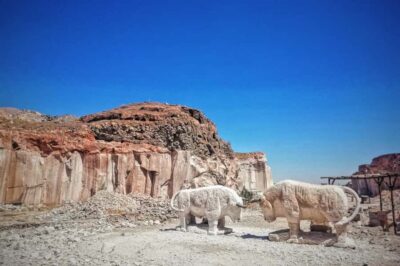
4 hours Tour: Route of Sillar with Trek in Culebrillas
Read our review →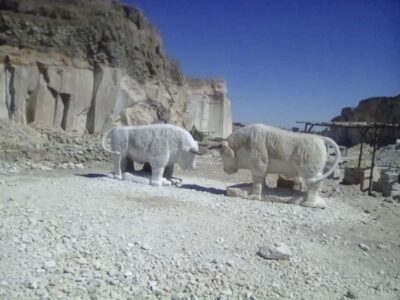
Route of the Sillar | Quarries of Añashuaycos | Half day
Read our review →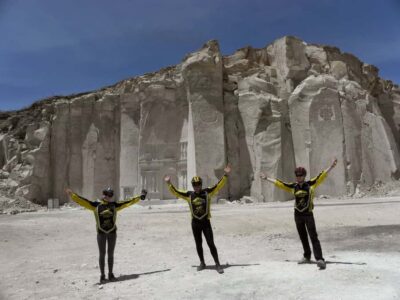
4-hour excursion: Sillar Route with Hiking in Culebrillas
Read our review →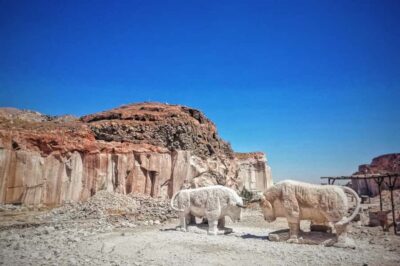
Trek to the Route of the Sillar and Culebrillas in Arequipa
Read our review →Browse the lists this tour appears in