
Reviewed · SILLAR ROUTE TOURS
Tour + Hike to the Sillar Route and Culebrillas in Arequipa
Stone tells Arequipa’s story. This four-hour outing takes you from the city to working ashlar quarries, a narrow canyon, old petroglyphs, and broad views of volcanoes and farming terraces. I like the chance to see Añashuayco Quarry while stonemasons are still working, and I like that Culebrillas adds a short walk rather than making the trip only a series of photo stops. The main drawback is that the tour has a small extra entrance charge, and the transport schedule is not perfectly clear.
For $14 per person, this is one of the cheaper ways to reach Arequipa’s stone quarries without arranging private transport. You get a tourist van and a live guide in English or Spanish, but you should also know about one serious comfort concern: a verified complaint from November 2024 described vulgar, racially offensive music being played during the drive, with families and children in the vehicle. That issue may not happen on every departure, but it is worth keeping in mind.
In This Review
- Key points before you book
- Why Arequipa’s white stone matters
- Starting at C. Álvarez Thomas 115
- The first ride and the Volcanoes and Andenerias Viewpoint
- Entering the Añashuayco Quarry
- The Mega carving of the Church of the Company of Jesus
- From volcanic stone to the Culebrillas canyon
- Wari petroglyphs and the Apachetas
- Transport, timing, and the route’s loose edges
- Guide language and the music concern
- Who will get the most from this tour?
- Practical advice for a smoother outing
- Should you book the Sillar Route and Culebrillas tour?
- FAQ
- How long is the tour?
- How much does the tour cost?
- What is included in the price?
- Are guides available in English?
- Where does the tour begin?
- Where does the tour finish?
- How long is the walk at Culebrillas?
- What can you see at Añashuayco Quarry?
- Can you cancel the booking?
Key points before you book
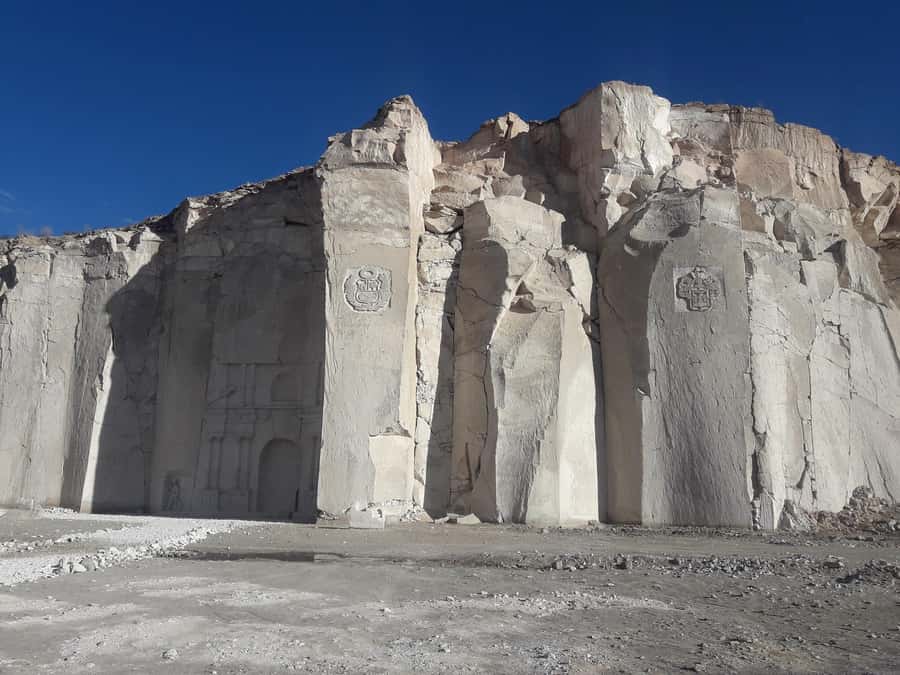
- Añashuayco is a working quarry: You see the tall ignimbrite walls formed by ashlar extraction and learn how the stone is cut and used.
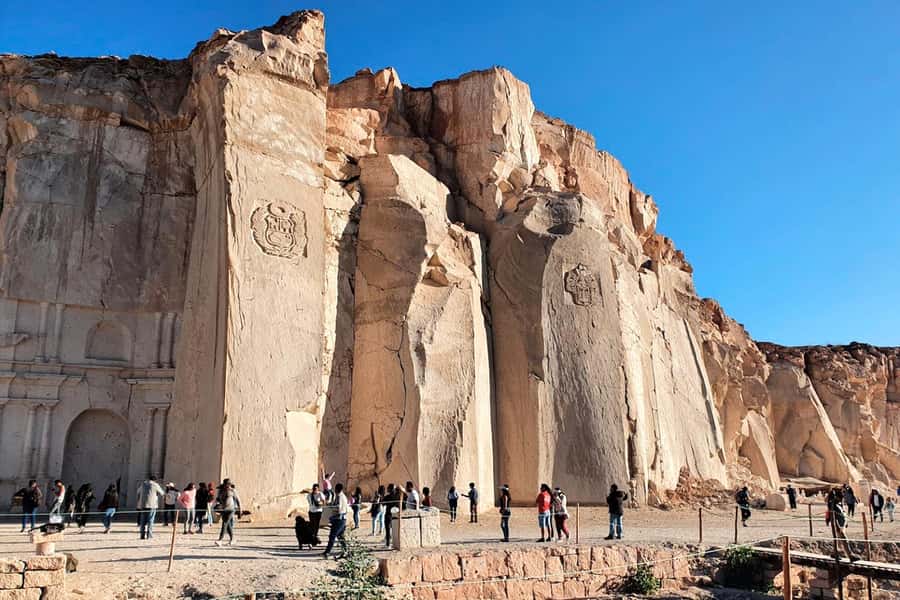
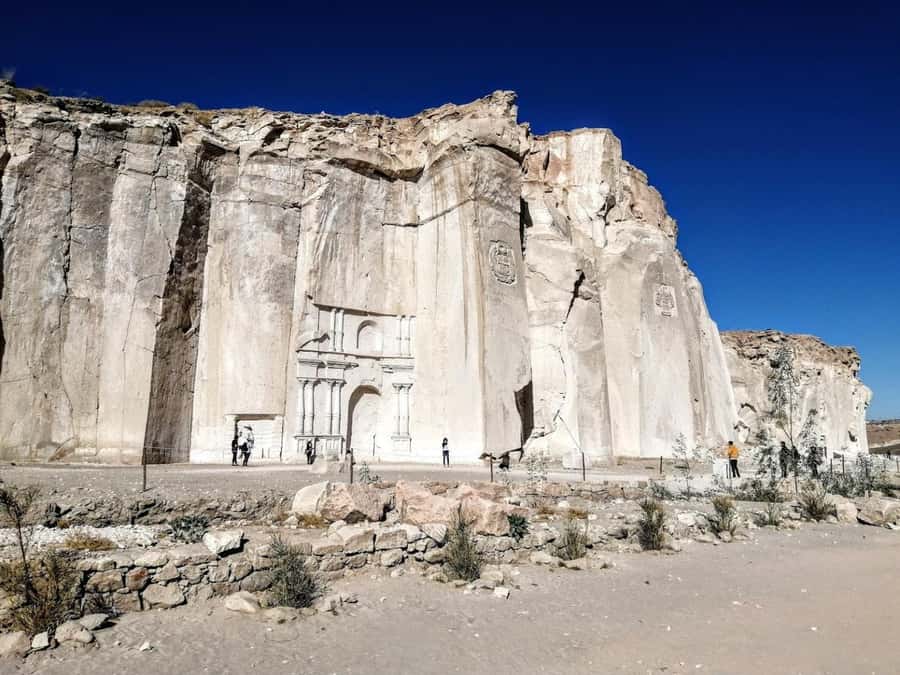
- The giant church carving is a highlight: Stonemasons created a large carving of the Church of the Company of Jesus directly in the quarry.
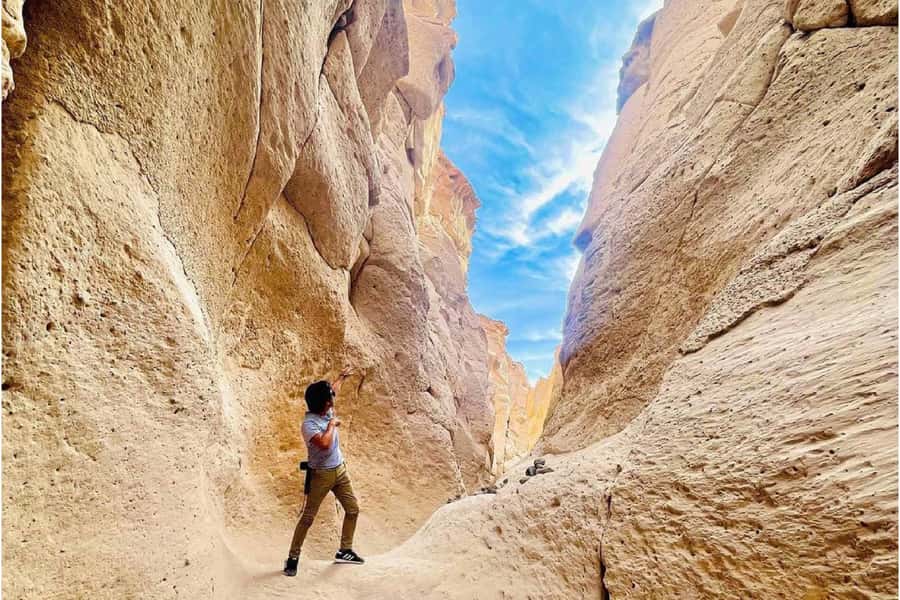
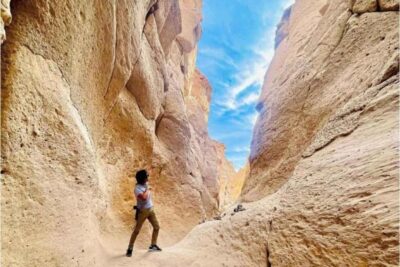
- Culebrillas adds a real walk: The route continues for about 20 minutes inside a water-cut canyon with walls that rise 15 to 20 meters.
- Wari petroglyphs provide the oldest layer: At the end of the canyon walk, you can see markings attributed to the Wari culture from more than 1,000 years ago.
- The tour costs $14 plus 10 soles: Transport and a professional guide are included, while entrance charges are not.
- Timing needs a careful check: The stated morning departure is 9:15 am, but the route details also list a 2:00 pm afternoon shift and slightly different return information.
Why Arequipa’s white stone matters
Arequipa is famous for its pale buildings, churches, courtyards, and carved façades. Much of that character comes from sillar, a light-colored volcanic stone formed from ash and material thrown out by eruptions. The stone is often called ashlar in English, though local usage commonly uses sillar.
The quarries show you the source in a way that city sightseeing cannot. Instead of seeing a finished church wall, you see the enormous walls left behind as blocks are cut from the ground. The result is a canyon-like setting with high cliffs made of ignimbrite, the volcanic rock that gives the route its pale color.
I find this useful because it connects Arequipa’s architecture to the work behind it. A carved doorway in the historic center can look decorative and effortless. At Añashuayco, you get a better sense of the labor involved before that stone ever reached a building site.
More Hiking & Trekking in Arequipa
- From Arequipa: Sillar Route Trek
★ 4.2 · 461 reviews - From Arequipa: 2-Day Colca Canyon Trekking Tour
★ 4.8 · 243 reviews - 2 Day 1 Night Trek / Colca Canyon
★ 4.5 · 92 reviews
Starting at C. Álvarez Thomas 115
The meeting point is the main office at C. Álvarez Thomas 115, near the same corner indicated by the tour coordinates. Your name is placed on a list, and the staff give some instructions before departure.
The listed morning start is 9:15 am. There is also a 2:00 pm departure, so check the exact time when you reserve. The afternoon option may suit people who want a slower morning in Arequipa, but the material supplied does not give a separate afternoon return time.
The outing lasts about four hours. The route includes several van rides, so this is not a long mountain hike. Your main walking section is inside Culebrillas, with additional short walks and photo stops at the quarry and viewpoints.
The first ride and the Volcanoes and Andenerias Viewpoint
The initial journey takes you out toward the quarry area. The schedule gives roughly 50 minutes for the first van ride, though the descriptive timing says Añashuayco is about 45 minutes away. Either way, expect a substantial ride before the main visit begins.
A viewpoint stop gives you a look toward the volcanoes and the Chilina Valley. The name also refers to andenerias, or agricultural terraces, so this is a useful place to see how volcanic surroundings and cultivated slopes fit together.
The exact order can change by season. The route may begin with another traditional viewpoint where the volcanoes are visible, or the volcano stop may appear later in the outing. That flexibility is practical, but it also means you should not expect every departure to follow the same sequence minute by minute.
This stop is mainly about orientation and photographs. It does not replace the quarry visit, but it gives you a wider view before you enter the pale stone country. If you want clear volcano pictures, the guide’s timing and weather will matter more than the short length of the stop.
Entering the Añashuayco Quarry
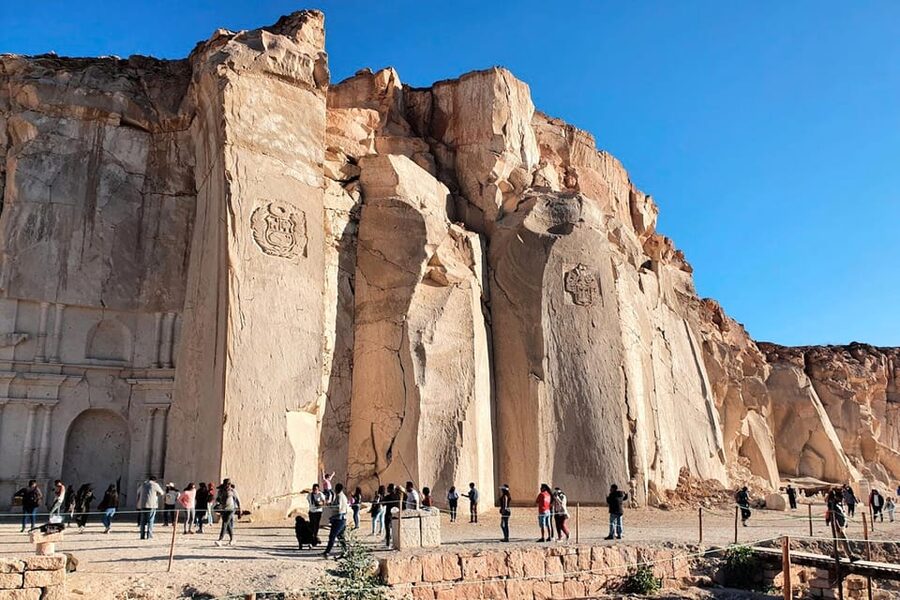
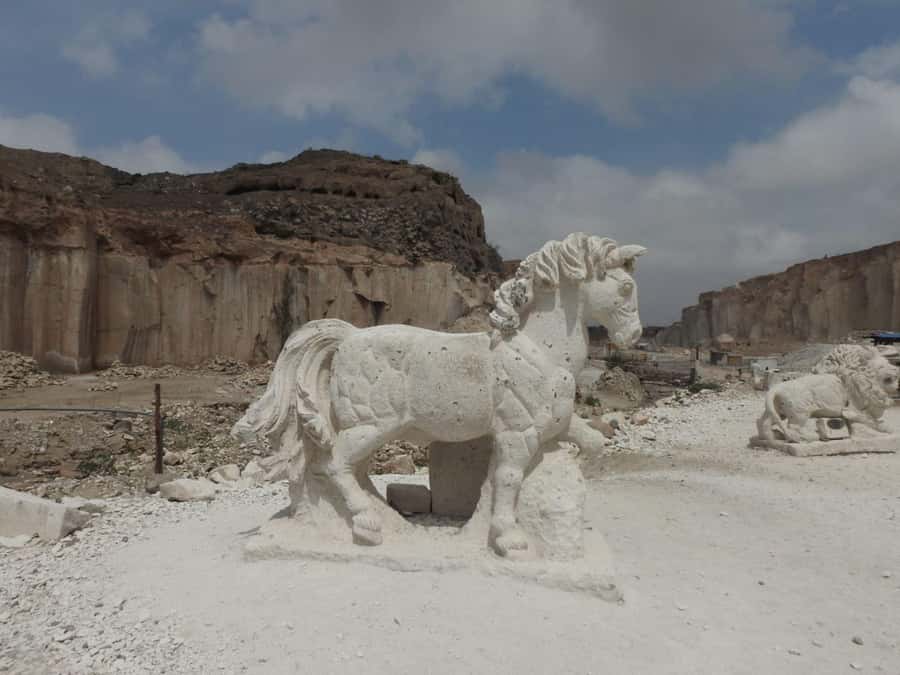
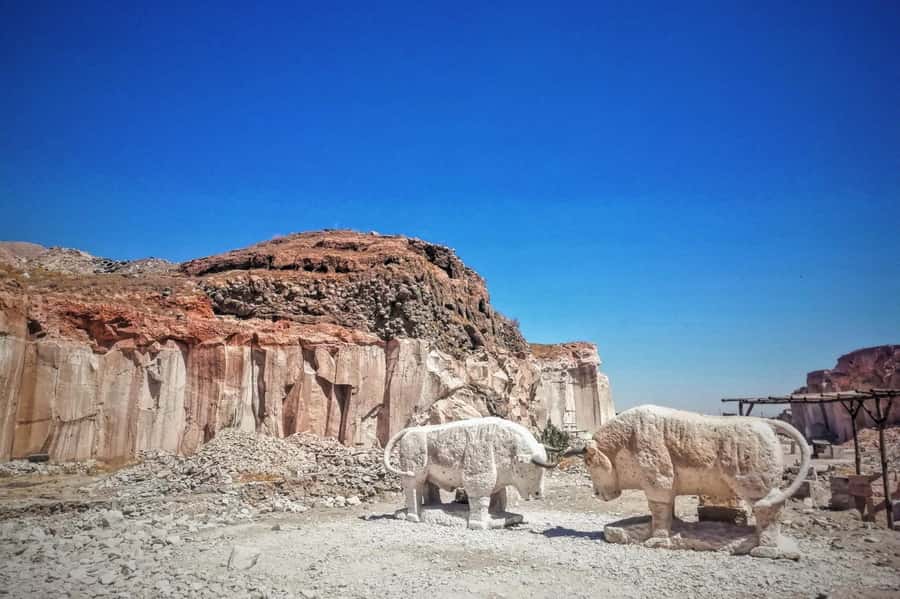
The quarry is the heart of the experience. Añashuayco is still in operation, and the stonemasons begin their work early. Depending on your arrival time, you may see active stonework and get a closer look at the people who shape the blocks used in local construction.
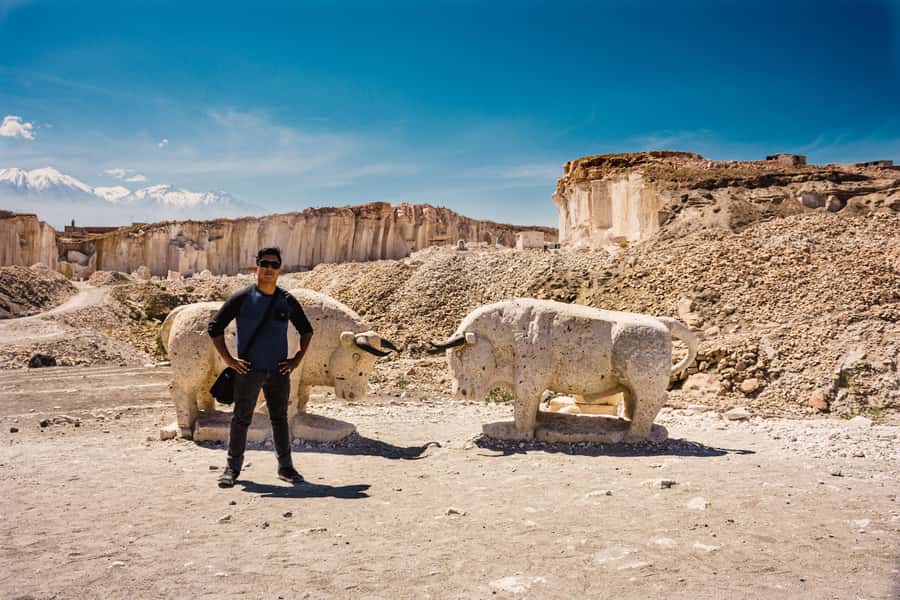
The quarry walls are the result of extraction. They rise in large pale faces, forming an immense cut-through space that can feel more like a natural canyon than an industrial site. The difference is important: Culebrillas was formed by water, while Añashuayco was shaped by both volcanic deposits and human labor.
Your guide explains the history of sillar, how it is produced, and how it has been used in Arequipa. The strongest part of the visit is the link between explanation and place. You are not simply told that sillar is important. You see the stone in the ground, the cut walls around you, and the finished forms made by local workers.
More Sillar Route Tours in Arequipa
- Sillar Route and Culebrillas Petroglyphs
★ 4.5 · 89 reviews - Sillar Route in Arequipa and viewpoint of the Volcanoes
★ 4.0 · 71 reviews - 4 hours Tour: Route of Sillar with Trek in Culebrillas
★ 4.2 · 69 reviews - Route of the Sillar | Quarries of Añashuaycos | Half day
★ 4.2 · 35 reviews
The Mega carving of the Church of the Company of Jesus
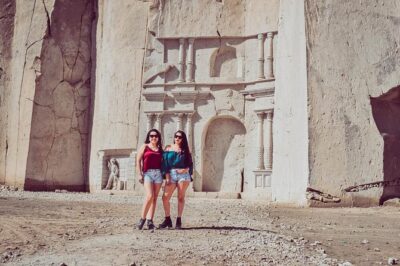
One of the quarry’s unusual sights is a large carving of the Church of the Company of Jesus. Local stonemasons made this piece in the quarry itself, creating a direct reference to one of Arequipa’s best-known religious buildings.
It is a good photo stop, but it also shows what sillar can do in skilled hands. The stone is not only a basic building block. It can be shaped into elaborate religious and architectural forms.
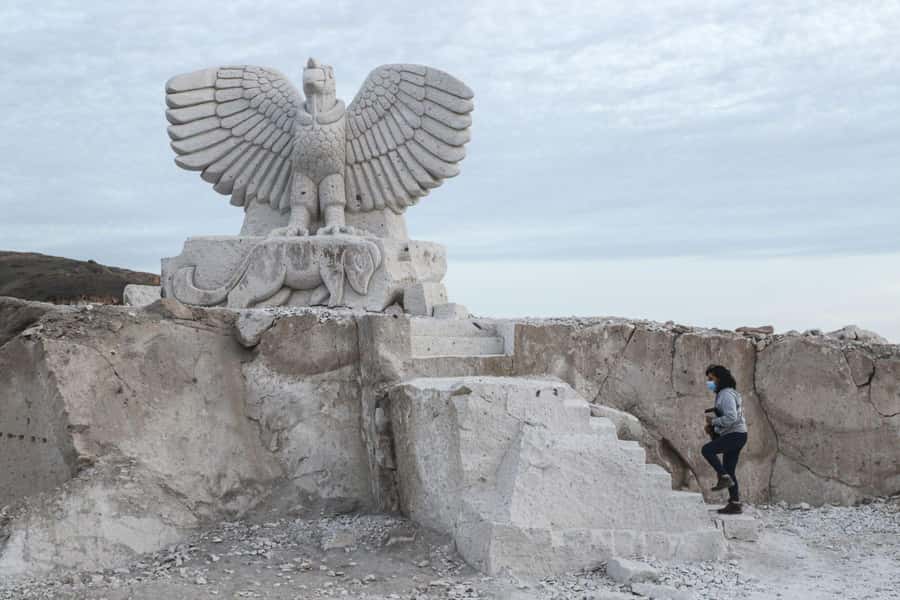
The tour description also says you can visit one of the stonemasons and hear about daily work. In some cases, you may be invited to try cutting one of the stone blocks yourself. Treat this as a hands-on demonstration, not a full workshop. The value is in feeling how much effort goes into a material that looks soft and simple from a distance.
Because the quarry remains active, conditions may feel dusty or rough around the edges. That is part of the point, but it also means this is not a polished museum visit. Wear shoes suitable for uneven ground and clothes you do not mind getting dusty.
From volcanic stone to the Culebrillas canyon
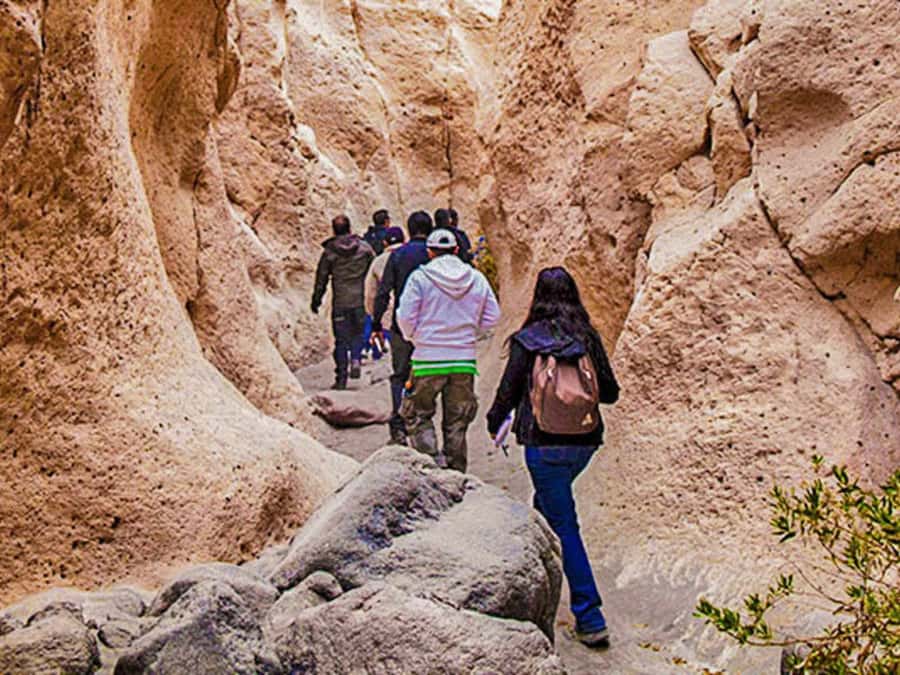
After about 30 minutes in the van, the route reaches Quebrada de Culebrillas. The word quebrada means ravine or canyon, and this one was formed by the passage of water through the stone.
The walking section lasts about 20 minutes. At first, the canyon walls are around 15 to 20 meters high. As you go farther inside, the walls grow taller and the passage feels narrower. That change gives the walk a little drama without turning it into a demanding hike.
I like this part because it breaks up the quarry visit. You move from a place shaped by stone extraction to one shaped by natural water flow. The walk is short enough for most people who are comfortable on uneven ground, but the tour information does not describe a paved route, so use care with your footing.
The canyon is also a better fit for visitors who want some movement during a half-day tour. You are not spending all four hours sitting in a vehicle. Still, anyone expecting a long trek should adjust their expectations. This is a brief canyon walk, not a full-day hiking route.
Wari petroglyphs and the Apachetas
At the end of the walk, you can see petroglyphs attributed to the Wari culture and dated at more than 1,000 years old. They add an archaeological layer to a route that already combines geology, local labor, and architecture.
The petroglyphs are one reason to listen closely to the guide. On their own, markings on canyon rock can be easy to overlook. With context about their age and connection to the Wari culture, they become a reminder that the area was meaningful long before modern quarry work and organized tourism.
Before the return to Arequipa, the group observes apachetas. These are small stone formations made by placing rocks one on top of another. Here they are described as symbols of gratitude toward nature and as signs of good luck.
Apachetas can give the final stop a reflective feel, though the spiritual meaning is personal. You should treat them respectfully and avoid disturbing existing formations. The tour presents them as part of the local experience, not merely as objects for a quick photograph.
Transport, timing, and the route’s loose edges
The schedule includes several rides:
- About 50 minutes from the meeting point toward the route
- About 45 minutes at Añashuayco
- About 30 minutes to Culebrillas
- About 30 minutes at the volcano viewpoint in the detailed route
- About 50 minutes after Culebrillas
- A final ride listed as about 30 minutes to the drop-off point
The written times do not line up perfectly with the headline duration. One section says the return begins at 12:30 pm and arrival in central Arequipa is at 1:30 pm, while the experience is advertised as four hours beginning at 9:15 am. The detailed route also places the volcano viewpoint after Culebrillas, while the descriptive itinerary places a viewpoint earlier.
This does not necessarily mean the tour will be disorganized. It does mean you should avoid booking a tight connection immediately afterward. The finish is listed near Av. La Marina, while another description says passengers are left near Arequipa’s main square. Ask the office for the exact drop-off point on the day.
The $14 price is attractive because tourist transport and a professional guide are included. You pay an additional 10 soles for entrance to the places. That makes the final cost higher than the headline price, but it remains a reasonable value for a short guided outing to sites outside the city.
Guide language and the music concern
Live guiding is available in English and Spanish. That matters at Añashuayco and Culebrillas, where the value comes from understanding how the stone was made, how it was used, and what the petroglyphs represent.
The guide is also important for the walking portion. Culebrillas is short, and the canyon may look simple at first, but the explanation of its formation and the Wari markings gives the stop more meaning.
There is one clear concern about the ride itself. A verified booking from November 16, 2024 described music played during the commute as vulgar and racially offensive, including sexual lyrics about a Black woman. The complaint also noted that children were present in the group.
I would not assume this happens on every departure, but I would take the point seriously. If you are traveling with children or you want a quiet, family-friendly ride, you may wish to ask the office what music is normally played or request that the driver keep it appropriate. The issue concerns the transport atmosphere, not the quarry or canyon attractions.
Who will get the most from this tour?
I would choose this outing if you have limited time in Arequipa and want to see more than the historic center. It gives you local stonework, volcanic geology, a short hike, archaeological markings, and viewpoint stops in one compact trip.
It suits you especially well if you like:
- Working craft rather than only finished monuments
- Short walks with an unusual setting
- Volcanic scenery and quarry photography
- A low-cost guided trip outside the city
- A combination of culture, geology, and local tradition
You may want a different plan if you are seeking a long hike, a quiet private outing, or a highly polished attraction with fixed timing. The quarry is an active worksite, the route uses shared transport, and the schedule contains some inconsistencies.
The trip also works well for someone who has already seen Arequipa’s churches and plazas and wants to understand the material that built them. The connection between city architecture and quarry labor is the main reason to go.
Practical advice for a smoother outing
Meet at the listed office on time, with your name ready for check-in. Since the group travels by van, a late arrival can affect everyone’s departure.
Wear sturdy shoes for the Culebrillas walk and quarry ground. The information provided does not list special equipment, but the canyon and active quarry suggest that comfortable footwear is more useful than city sandals.
Bring money for the 10 soles entrance charge. The $14 price covers tourist transport and a professional guide, but it does not cover admission.
Keep your camera ready at the quarry walls, the Church of the Company of Jesus carving, the canyon entrance, the Wari petroglyphs, and the volcano viewpoint. The route includes several designated photo stops, so you will have chances to pause rather than shooting everything from the van.
If you have a strict afternoon appointment, confirm the return time and drop-off location. The stated end points differ, and the overall timing appears approximate.
Should you book the Sillar Route and Culebrillas tour?
Book it if you want an inexpensive, compact trip that explains how Arequipa’s famous pale stone connects to local architecture and working quarry life. The combination of Añashuayco, the giant church carving, Culebrillas canyon, Wari petroglyphs, apachetas, and volcano views gives you more variety than the low price suggests.
I would pause if you need exact timing, private transport, or certainty about the music played during the ride. The documented complaint about offensive music is worth raising before departure, especially for families.
For most visitors with a free half-day, this is a practical add-on to Arequipa. Just budget for the 10 soles entrance fee, allow some schedule flexibility, and think of it as a working cultural site with rough edges rather than a polished theme attraction.
FAQ
How long is the tour?
The experience is advertised as four hours. The morning departure is listed at 9:15 am, with an afternoon shift also available at 2:00 pm.
How much does the tour cost?
The listed price is $14 per person. An additional entrance charge of 10 soles is not included.
What is included in the price?
Tourist transport and a professional guide are included.
Are guides available in English?
Yes. Live guiding is available in English and Spanish.
Where does the tour begin?
The meeting point is the main office at C. Álvarez Thomas 115 in Arequipa. The stated coordinates are -16.4003911, -71.53703469999999.
Where does the tour finish?
The route information lists a finish near Av. La Marina in Arequipa. The descriptive schedule says passengers are left near the main square, so confirm the exact drop-off point with the office.
How long is the walk at Culebrillas?
The walk inside Quebrada de Culebrillas takes about 20 minutes.
What can you see at Añashuayco Quarry?
You can see tall ignimbrite quarry walls, learn about sillar production and use, view a large carving of the Church of the Company of Jesus, and possibly meet a stonemason and try cutting a stone block.
Can you cancel the booking?
Yes. Cancellation is free up to 24 hours in advance for a full refund. You can also reserve and pay later.
More Treks and Day Hikes
- Private 3 Day Colca Canyon Trekking tour (superior Service)
★ 5.0 · 58 reviews - Trekking, Waterfalls and Thermal Baths
★ 4.5 · 47 reviews - 3-Day Colca Canyon trek with Professional Guide
★ 5.0 · 40 reviews - 2 Day Trek Including Transfer to Puno / Colca Canyon
★ 4.5 · 38 reviews
More Sillar Route Trips
- Sillar Stone Tour from Arequipa
★ 4.0 · 22 reviews - 4-hour excursion: Sillar Route with Hiking in Culebrillas
★ 4.0 · 21 reviews - Trek to the Route of the Sillar and Culebrillas in Arequipa
★ 4.0 · 9 reviews - Arequipa | Tour of the Sillar Route + Culebrillas Canyon
★ 3.5 · 7 reviews
Just added around Arequipa
- From Arequipa: Colca Canyon and Condor Watching Day Trip★ 3.7 · 3 reviews
- Arequipa : Colca Canyon 2-Day Adventure★ 5.0 · 3 reviews
- Cooking Class Typical Food in Arequipa★ 3.9 · 3 reviews
- 3-day trek to the Colca Canyon from Arequipa ending in Puno★ 4.2 · 3 reviews
- Colca Canyon Day Trip: From Arequipa to Puno★ 3.5 · 3 reviews
- 2 day 1 night trek / Colca Canyon★ 3.0 · 3 reviews
- From Arequipa: Full Day Colca Canyon Tour★ 4.5 · 3 reviews
- Arequipa: Catarata de Pillones and Bosque de Piedras Tour★ 4.3 · 3 reviews
Sillar Route Tours, compared.
Sillar Route in Arequipa and viewpoint of the Volcanoes
Read our review →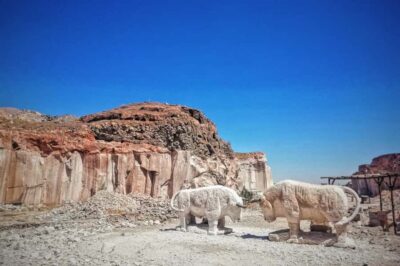
4 hours Tour: Route of Sillar with Trek in Culebrillas
Read our review →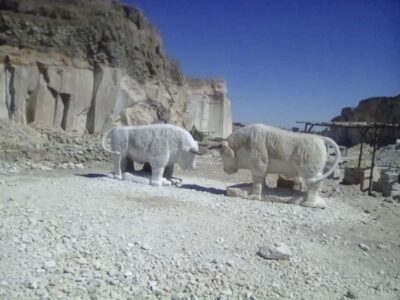
Route of the Sillar | Quarries of Añashuaycos | Half day
Read our review →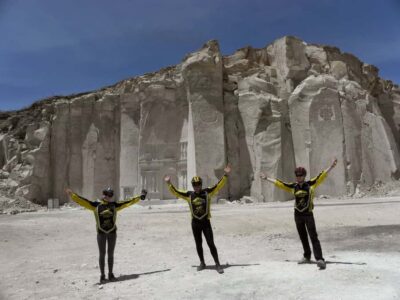
4-hour excursion: Sillar Route with Hiking in Culebrillas
Read our review →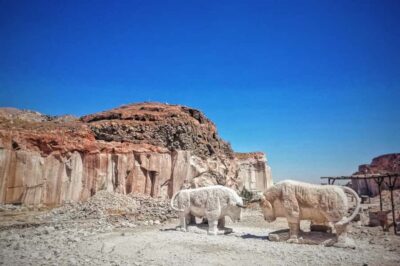
Trek to the Route of the Sillar and Culebrillas in Arequipa
Read our review →Browse the lists this tour appears in