
Reviewed · INCA RUINS & ARCHAEOLOGY
Cusco: Sacsayhuaman Guided Tour and 1-Hour Horseback Ride
Ancient stones meet open mountain riding. This four-hour Cusco outing pairs Sacsayhuaman and Qenqo with a one-hour horseback ride through the Sacsayhuaman National Park. I like the mix of serious Inca archaeology and a relaxed outdoor activity, and I like that the group is limited to 10 people. The catch is that entrance fees and the Cusco Tourist Ticket are not included in the $90 price.
The tour covers four important sites without making you arrange several taxis. Guide Beny has earned especially warm praise for her clear English, thoughtful answers, and kind manner, while another outing was led by Holger. You should also prepare for high altitude, uneven ruins, and a ride whose pace depends on your horse-riding experience.
In This Review
- Key points to know before booking
- Why this Cusco half-day works
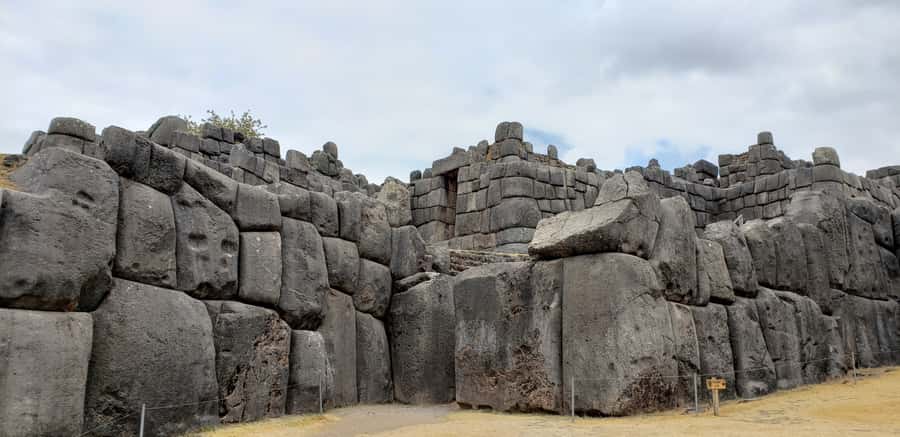
- Sacsayhuaman, where Inca stonework gets serious
- Qenqo and the cave connected with royal mummification
- One hour on horseback in the Sacsayhuaman National Park
- Tambomachay, an Inca water temple
- Pucapukara, the final fortress on the route
- What the $90 price really includes
- Guides, transport, and the human side of the outing
- Who should book this experience?
- Practical tips for a smoother four hours
- Should you book the Sacsayhuaman horseback tour?
- FAQ
- How long does the tour last?
- What places does the tour visit?
- How long is the horseback ride?
- Is hotel pickup included?
- Are entrance fees included?
- What languages are available?
- How many people can join the tour?
- What should I wear?
- Is riding equipment provided?
- Who should not take this tour?
Key points to know before booking
- Four major Inca sites in four hours: Sacsayhuaman, Qenqo, Tambomachay, and Pucapukara are all included.
- The horseback ride lasts one hour: You ride through the 6,000-acre Sacsayhuaman National Park, with mountain views, potato farms, excavations, and possible llama or alpaca sightings.
- The $90 price is not all-inclusive: Central Cusco pickup, a guide, horse equipment, a muleteer, snacks, and water are included, but site entry fees are extra.
- Small groups matter here: The tour accepts no more than 10 participants, making it easier to hear the guide and ask questions.
- Riding ability affects the schedule: The listed four-hour duration can change depending on the group’s experience with horses.
- Altitude is a real factor: One reported ride reached about 3,800 meters above sea level, so this is not a low-altitude pony outing.
Why this Cusco half-day works
Cusco gives you an unusual choice: spend a morning among stone walls and sacred places, or leave the city for fresh air and broad mountain views. This tour gives you both. The archaeological stops are short, but the horseback section changes the rhythm and lets you see the area beyond the main paths.
I especially like the way Sacsayhuaman anchors the experience. You start with one of the most important Inca sites near Cusco, then move to Qenqo, a smaller sacred complex with a very different purpose. After that, the ranch and the horse ride provide a break from listening and walking on stone.
The format suits you if you have only half a day free. It also helps if you want a guide and transport rather than piecing together four sites on your own. The small group limit of 10 is useful at busy archaeological sites, although actual group size can vary.
There are two points to keep clear. First, $90 per person does not cover the entrance charges or the Cusco Tourist Ticket Site Pass. Second, this is not a leisurely city tour. You will deal with high altitude, ancient steps, open ground, and a horse ride that may be slower or longer depending on the group.
More Horses in Cusco
- Cusco: 3-Hour Horse Riding Tour to the Temple of the Moon
★ 5.0 · 105 reviews - Cusco: Half-Day Horseback Riding at Devil’s Balcony
★ 4.9 · 89 reviews - Horse Riding Chacan Mountain And Temple Of The Moon
★ 5.0 · 78 reviews
Sacsayhuaman, where Inca stonework gets serious
Your first stop is Sacsayhuaman, on the edge of Cusco. The guided portion is scheduled for about 25 minutes, which is enough for a focused introduction but not enough for every corner of the large site.
The main appeal is the masonry. Sacsayhuaman is known for enormous fitted stones, and the guide explains the engineering, function, and importance of the complex. This is the place to pay attention to how the stones meet, how the walls were arranged, and why the site is treated as one of the strongest examples of Inca construction.
I find a guided visit particularly useful here because the scale can be confusing. Without context, you may see impressive walls and broad terraces but miss the larger question: how did this place function within the old Inca capital? The guide helps connect the stones to Cusco’s political and ceremonial role.
The 25-minute stop also sets a limit. If you want a slow archaeological study, detailed photography, or time to wander alone, this tour may feel brisk. You are getting an overview as part of a wider outing, not a full morning devoted only to Sacsayhuaman.
Wear shoes with a firm sole. The site is not a flat museum, and your attention will be divided between the guide, the stones, and your footing.
Qenqo and the cave connected with royal mummification
The next stop is Qenqo, also scheduled for around 25 minutes. The site is introduced as a huaca, an Inca holy place, and the focus here is different from Sacsayhuaman.
Qenqo is linked with ceremonies and the mummification of ancient royal people in a cave at the site. That detail gives the stop a human scale. Instead of only looking at walls and terraces, you learn how the Inca treated their rulers after death and how sacred spaces were used.
I like this pairing. Sacsayhuaman shows power through construction, while Qenqo brings the discussion toward belief, ritual, and royal customs. The two places complement each other, even though neither stop is long.
The cave and stone features can be less dramatic at first glance than Sacsayhuaman. This is a spot where the explanation matters. Listen closely, because the guide’s account of the huaca and mummification supplies the meaning that the physical remains may not immediately reveal.
You will also want to remember that the tour moves on promptly. If you prefer to linger at one site, take extensive notes, or explore every carved surface, a private archaeological tour would give you more breathing room.
One hour on horseback in the Sacsayhuaman National Park
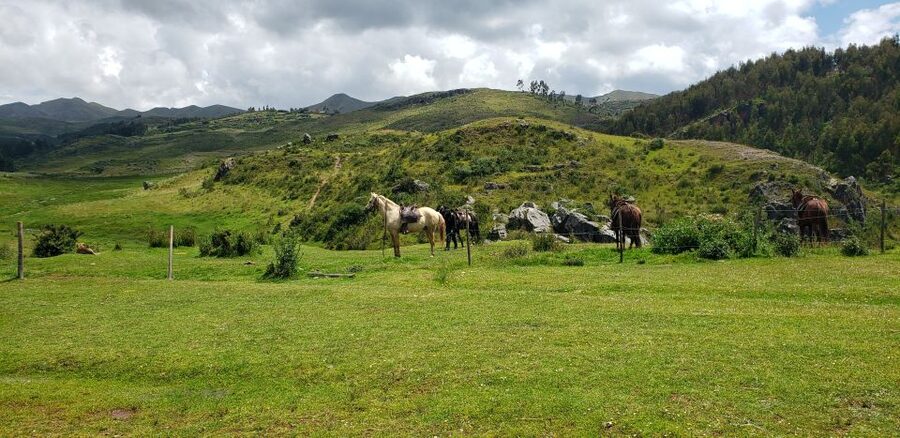
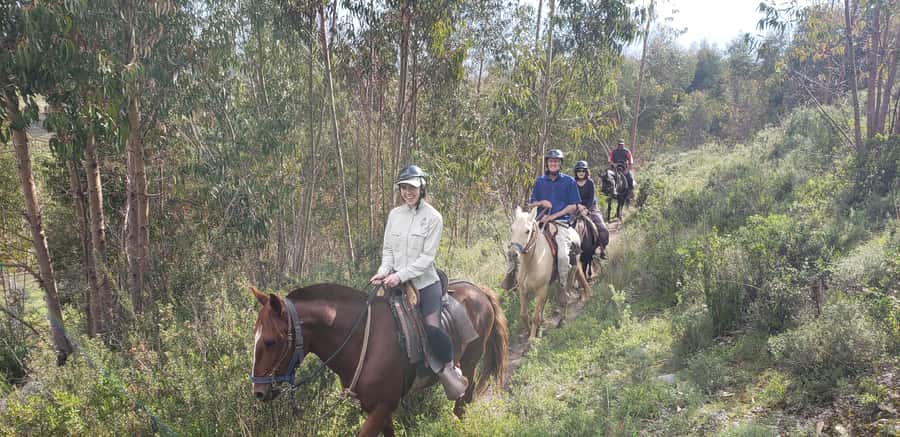
After the ruins, you head to a ranch near Sacsayhuaman. A guide gives a short introduction to riding and explains how to lead the horses safely. A muleteer is included, and the horse is selected according to your experience and your comfort level.
That matching process is important. You do not need to arrive as an experienced rider, but you should be honest about your ability. The pace of the group depends on the riding skills of its participants, so a mixed group may move cautiously.
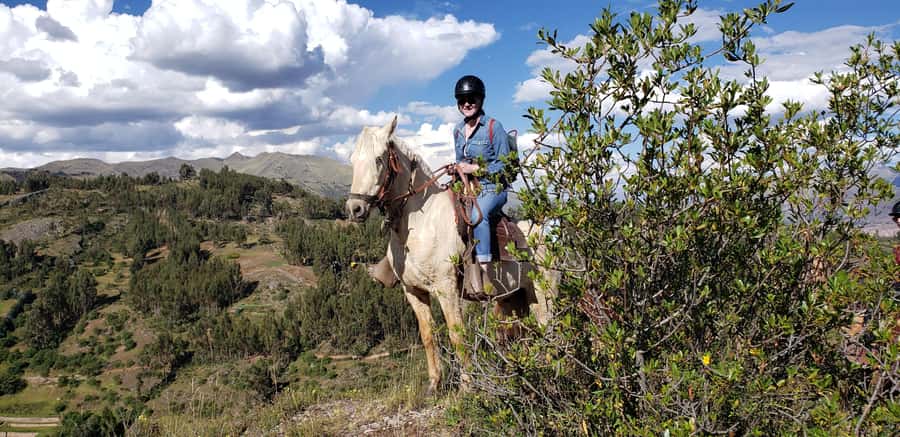
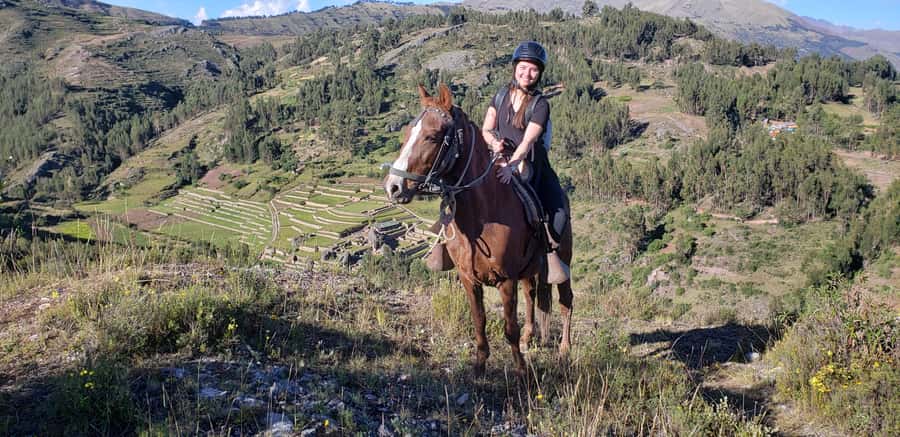
The ride lasts one hour and takes place in the Sacsayhuaman National Park, described as covering about 6,000 acres. You can expect mountain scenery, potato farms, new excavations, and the possibility of seeing local animals such as llamas and alpacas.
One outing reached roughly 3,800 meters above sea level. That figure gives you a useful warning: the air can feel thin even when the riding itself is gentle. Bring water, take the orientation seriously, and do not treat this as a place to prove how fast you can ride.
The supplied safety equipment includes a saddle and helmet. Long pants and closed-toe shoes are required, both for comfort and basic protection. Snacks and water are also included, a small but helpful touch when you are switching from ruins to riding.
The horses were described as well behaved and well cared for during one outing, with the riders able to trot and gallop as they wished. I would not assume every group will reach that pace. Your guide may keep the ride at a slower speed based on safety, terrain, and the abilities of everyone in the group.
That is the main appeal of this section: it gives you a taste of riding in the Peruvian countryside without committing to a full-day horseback expedition. The limitation is that one hour passes quickly. If riding is your main reason for booking, look for a longer equestrian experience instead.
More Inca Ruins & Archaeology in Cusco
- Cusco: Half-Day City Tour with Sacsayhuaman and Q’enco
★ 4.6 · 1,129 reviews - City Tour Cusco Qoricancha Sacsayhuaman y Tambomachay
★ 4.7 · 617 reviews - Cusco City Sightseeing, San Pedro Market, Cathedral and Qorikancha Temple
★ 4.5 · 139 reviews - Cusco City Sightseeing and Sacsayhuaman Archeological Park Tour
★ 4.5 · 101 reviews
Tambomachay, an Inca water temple
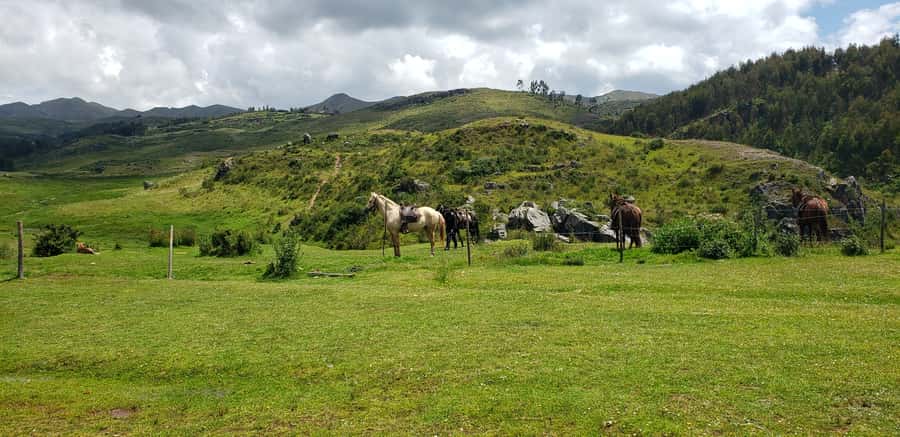
After the ride, the tour fits in Tambomachay, another site near Cusco. The guided visit lasts about 25 minutes, and the focus is an ancient temple dedicated to water.
This stop adds a different element to the day. At Sacsayhuaman, the eye goes to massive defensive and ceremonial stonework. At Tambomachay, you look for channels, fountains, and the careful movement of water through the site.
The short visit works well after the horse ride because it is a compact final archaeological stop. You get another glimpse of Inca planning without spending hours on foot. Still, the schedule leaves little room for a slow look or extended photos.
If water systems and sacred architecture interest you, give this stop your full attention. The guide can explain why water mattered in Inca religious life and how the design differs from the other sites you have already seen.
Pucapukara, the final fortress on the route
Pucapukara follows Tambomachay and is also given about 25 minutes. This Inca complex is presented as an ancient fortress, and its position helps complete the picture of the area around Cusco.
The site is less about one huge architectural feature and more about how several places worked together. After seeing a sacred huaca and a water temple, you finish with a fortified complex. That sequence gives the half-day some useful variety.
The stop can feel quick, especially if the ride has run longer because of the group’s ability. The tour description says the duration depends on participants’ horse-riding skills, so you should expect the guide to manage the timing in a practical way.
I like having Pucapukara included because it prevents the ride from replacing too much of the archaeological content. You still see four Inca sites, even though each receives a short guided visit.
What the $90 price really includes
At $90 per person, the value depends on how much you would otherwise spend on transport, guiding, and a separate riding trip. Central Cusco hotel pickup and drop-off remove the need to bargain with taxis or organize several stops. You also receive a bilingual English or Spanish guide, a saddle, safety helmet, muleteer, snacks, and water.
The small group limit of 10 adds value. With a maximum of 10 people, you have a better chance of hearing the explanations and asking questions than on a large coach outing. A small group also matters during the horse orientation, when the guide needs to understand each rider’s experience.
But calculate the real cost before you book. Entrance fees are not included, and neither is the Cusco Tourist Ticket Site Pass. The supplied information does not give the fee amounts, so check the current charges separately and add them to the advertised price.
Insurance is not included either. That does not automatically make the tour poor value, but it means you should check your own travel cover before booking an activity that includes horseback riding.
The strongest value comes if you want several nearby sights, transport, and a short ride in one compact package. The value is weaker if you already have archaeological visits arranged or if you want a serious riding experience lasting several hours.
Guides, transport, and the human side of the outing
Pickup is available from hotels in central Cusco. You should wait in the lobby or at the hotel entrance, since that is where the guide will look for you.
The tour operates in English and Spanish. Guide Beny received especially strong praise for speaking excellent English, answering questions willingly, and creating a warm experience for a parent and a 17-year-old son. Another highly rated outing named Holger as the guide.
The transport setup may differ by group. One outing with only two participants had a chauffeur driving them between stops, but you should not assume a private vehicle or private tour unless that is confirmed for your booking.
The group cap of 10 is more reliable than the exact vehicle arrangement. For a tour with several stops and a riding session, that cap helps keep the day moving without turning it into a crowded procession.
Who should book this experience?
I would recommend it to you if you want a compact introduction to the major ruins north of Cusco and also like the idea of riding through open country. It is a good fit for first-time visitors who want context, transport, and a mix of activities in one morning or afternoon.
It can work well for families with older children or teenagers who may lose interest during a full day of ruins. The 17-year-old who joined one outing was able to enjoy both the archaeology and the ride, although all participants still need to manage altitude and uneven ground.
You should think twice if you are pregnant, have a mobility impairment, weigh more than 200 pounds or 91 kilograms, or have no interest in riding. The experience is not suitable for those groups according to the stated restrictions.
You may also prefer another tour if you need a slow pace. The archaeological stops are only about 25 minutes each, and the ride can alter the timing. This is a sampler, not a deep archaeological study or a dedicated horse trek.
Practical tips for a smoother four hours
Wear long pants and closed-toe shoes. Even if the day begins warmly in Cusco, the open mountain route and horse riding call for practical clothing rather than city clothes.
Bring only what you need. Water and snacks are included, but a small personal bag, sun protection, and a phone or camera are sensible choices. The tour information does not promise every animal sighting, so treat llamas and alpacas as a welcome possibility rather than a scheduled stop.
Be clear about your riding experience during the introduction. The horses are selected according to experience and mood, and the guide needs accurate information to make a sensible match.
Allow some flexibility after the four-hour estimate. The tour can take longer depending on the riding ability of the participants. That matters if you are planning a train, meal reservation, or another timed activity immediately afterward.
Free cancellation is available up to 24 hours before departure for a full refund, and you can reserve now and pay later. Starting times vary, so check availability for the date you want.
Should you book the Sacsayhuaman horseback tour?
Book it if you want four archaeological sites plus one hour on horseback without spending a full day outside Cusco. The mix is the main reason to choose it, and the small group, central hotel transport, bilingual guide, helmet, muleteer, snacks, and water make the package practical.
Before committing, add the entrance fees and Cusco Tourist Ticket to the $90 price. Also be honest about your fitness, altitude tolerance, and riding ability. If you want long, quiet visits at each ruin, choose a slower archaeological tour. If you want a well-paced introduction followed by mountain riding, this is a strong half-day choice.
FAQ
How long does the tour last?
The tour is scheduled for four hours, but the total duration can depend on the horse-riding skills and experience of the participants.
What places does the tour visit?
It visits Sacsayhuaman, Qenqo, the ranch near Sacsayhuaman, Tambomachay, and Pucapukara before returning to Cusco.
How long is the horseback ride?
The horseback ride lasts one hour.
Is hotel pickup included?
Yes. Pickup and drop-off are included from hotels in central Cusco. You should wait in the hotel lobby or at the entrance.
Are entrance fees included?
No. Entrance fees and the Cusco Tourist Ticket Site Pass are not included in the price.
What languages are available?
The live guide service is available in English and Spanish.
How many people can join the tour?
It is a small-group experience limited to 10 participants.
What should I wear?
You should wear long pants and closed-toe shoes.
Is riding equipment provided?
Yes. A saddle and safety helmet are included, along with a muleteer.
Who should not take this tour?
The experience is not suitable for pregnant women, people with mobility impairments, or people weighing more than 200 pounds, or 91 kilograms.
More Rides on Horseback
- Horseback Tour in cusco to Temple of the Moon & Hidden temples
★ 5.0 · 54 reviews - Horseback Riding Plus Tour to Sacsayhuaman, Quenqo, Puka Pucara and Tambomachay
★ 5.0 · 40 reviews - Half day Horseback Riding tour around Sacsayhuaman park
★ 5.0 · 37 reviews - Cusco: Rainbow Mountain Horseback Riding Tour + lunch
★ 4.1 · 10 reviews
More Inca Sites and Ruins
- Cusco: Historical Guided City Tour with 4 Inca Ruins
★ 4.5 · 99 reviews - Cusco 4-Hour Private Tour Including Sacsayhuaman and Qenqo
★ 5.0 · 77 reviews - Half-Day City Tour of Cusco Including Tambomachay
★ 4.5 · 59 reviews - Sacsayhuaman Temple, Tambomachay and Puca Pucara Half-Day Tour
★ 4.5 · 59 reviews
Just added around Cusco
- Cusco: Rainbow Mountain and viewpoint red valley ( optional)★ 4.8 · 3 reviews
- Montaña de Colores: tour en cuatrimotos día completo★ 3.3 · 3 reviews
- Tour Pallay Punchu Trek Full Day★ 4.2 · 3 reviews
- Excursion Cusco – Puno – Titicaca Observatory Train★ 5.0 · 3 reviews
- Cusco: Palcoyo Mountain Day Trip with Breakfast and Lunch★ 4.8 · 3 reviews
- Maras Moray★ 5.0 · 3 reviews
- Tour to Laguna Humantay with breakfast and lunch from Cusco★ 4.7 · 3 reviews
- From Cusco:Chinchero, Moray, Maras, Ollantaytambo with lunch★ 5.0 · 3 reviews
Inca Ruins & Archaeology, compared.

Half-Day City Tour with Sacsayhuaman and Q’enco
Read our review →
City Tour Cusco Qoricancha Sacsayhuaman y Tambomachay
Read our review →
The Charm of Barranco & Pre Inca Pyramid in Miraflores
Read our review →
Pachacamac Ruins & Barranco Half-Day Guided Tour
Read our review →
Pre Inca Temple of Pachacamac Half-Day Tour from Lima
Read our review →

Cusco City Sightseeing, San Pedro Market, Cathedral and Qorikancha Temple
Read our review →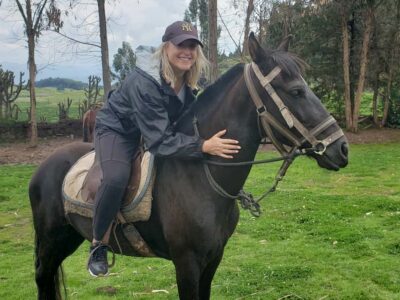
3-Hour Horse Riding Tour to the Temple of the Moon
Read our review →Browse the lists this tour appears in