
Reviewed · INCA TRAIL TREKS
Ultimate Lares Trek & Inca Trail 5 days
The quiet route makes Machu Picchu feel earned. This five-day journey combines the remote Lares Trek with the Short Inca Trail, giving you mountain scenery, Quechua villages, hot springs, and a classic approach to Machu Picchu. I love the peaceful route through the Andes, and I like that the hard work is balanced by hot meals, comfortable camping equipment, and two hotel nights.
The main consideration is altitude. The trail reaches 4,700 meters, or 15,354 feet, and the second day is a serious uphill hike. You need a moderate fitness level, a current passport, and a willingness to start early, sleep in tents, and handle long walks at high elevation.
In This Review
- Five details that shape the experience
- Lares hot springs and the first climb
- Condor Pass at 4,700 meters
- Down to Huaran and onward to Ollantaytambo
- The Short Inca Trail from kilometer 104
- Machu Picchu before the return to Cusco
- What the $980 price gives you
- Guides, cooks, and the human side
- Who should book this trek?
- Should you book the five-day Lares and Inca Trail?
- FAQ
- How long is the Ultimate Lares Trek and Inca Trail?
- What is the highest point on the trek?
- How far do you hike on the hardest day?
- Are meals included?
- Is camping equipment included?
- How much luggage can be carried by horse?
- Are Huayna Picchu and Machu Picchu Mountain included?
- What documents and fitness level are required?
Five details that shape the experience
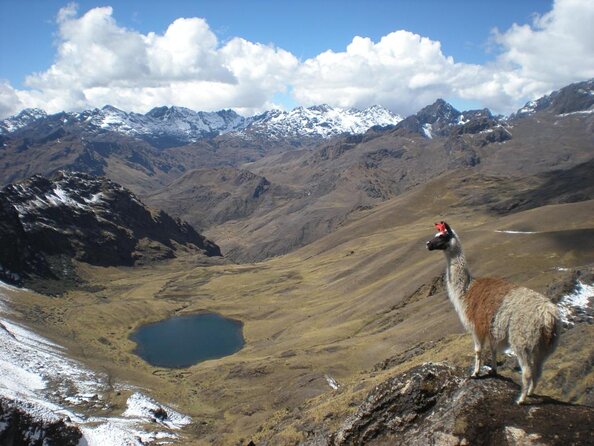
- 4,700-meter Condor Pass: Day two is the physical test, with a long climb followed by a descent to Cancha Cancha.
- Hot springs before hiking: Lares baths offer several water temperatures and a gentle start to the trek.
- Two very different routes: The Lares Valley is quiet and remote, while the Short Inca Trail becomes busier near Machu Picchu.
- A real Quechua village: Cancha Cancha has no electricity, internet, cellphone service, or modern drainage system.
- Strong food and camp support: Chefs prepare full meals, while horsemen carry up to 7 kilos of personal belongings.
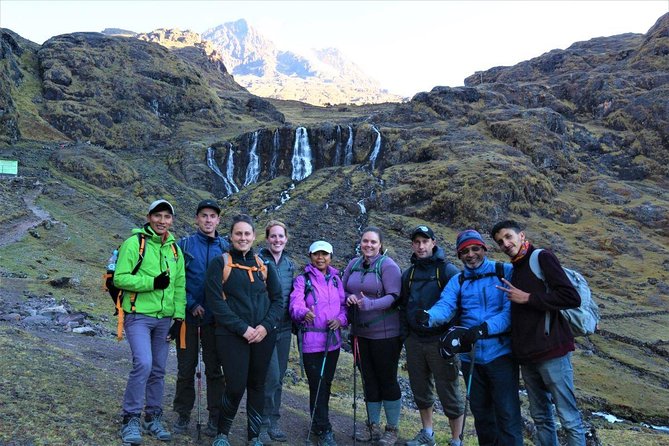
- Small-group format: The maximum group size is 12, which allows for more personal attention than a large departure.
Lares hot springs and the first climb
Your day begins before most of Cusco has opened its shutters. Pickup is listed around 5:30 am in the itinerary, while the meeting information gives a 4:30 am start, so confirm the exact time with TreXperience before bed.
The drive takes you toward the Sacred Valley, with a stop at a local market before continuing to Lares. This market visit is brief, but it gives the morning a useful local touch rather than making the entire day a simple transfer to the trailhead.
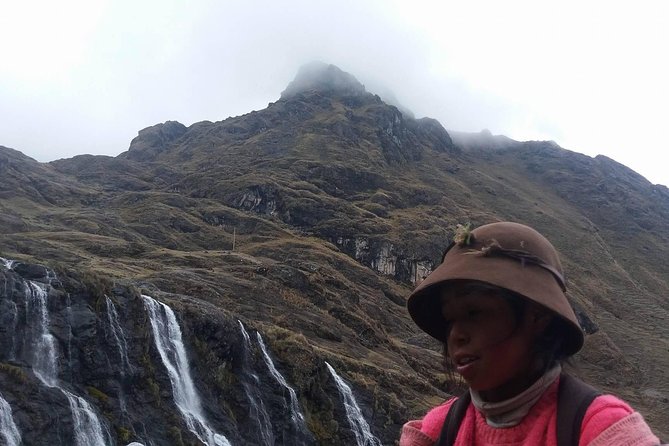
At roughly 8:00 am, you reach the Lares thermo-medicinal baths. The pools are set at different temperatures, and the warm water is intended to soothe muscles, bones, stress, and headaches. I like this opening because it gives you a chance to loosen up before hiking. It is also a good reminder that this is not only a ruins tour. The mountains, villages, and daily life of the valley matter just as much.
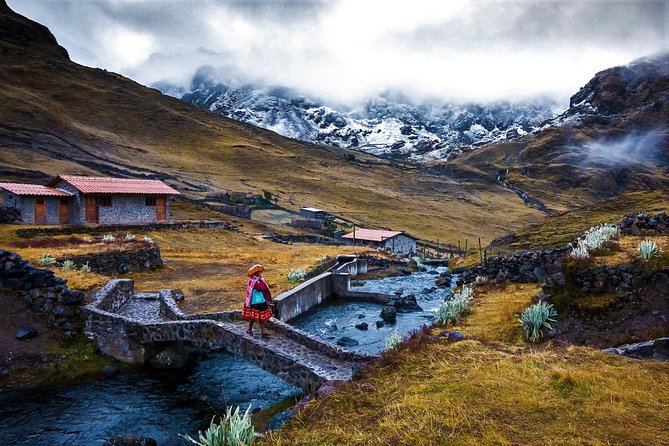
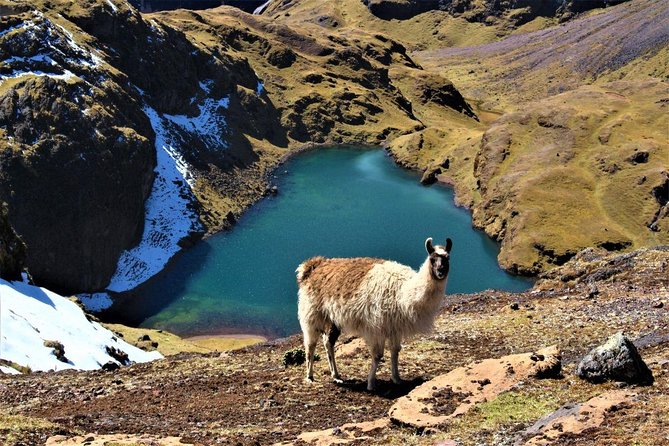
After breakfast, you hike uphill for about two hours to Kiswarani village. Lunch follows, then another two hours brings you to the first camp beside a blue lake at 3,750 meters.
Nine kilometers is not a huge distance on paper, and the day is rated easy. The altitude changes that calculation. You may find the pace manageable, but every climb feels more demanding above 3,000 meters. Your tent and a hot cup of tea should be ready when you arrive, leaving time to rest, look at the stars, and hear about Inca astronomy.
The first camp is one of the most appealing parts of the trip. You are not ending beside a road or a busy town. You are sleeping beside a mountain lake, with the quiet of the high Andes around you.
More Hiking & Trekking in Cusco
- From Cusco: 7 Lakes Ausangate Trek with Breakfast and Lunch
★ 4.8 · 360 reviews - Cusco: Rainbow Mountain Tour and Red Valley Hike (Optional)
★ 4.7 · 149 reviews - Cusco: Full-Day Rainbow Mountain & Red Valley Trekking Tour
★ 4.5 · 121 reviews
Condor Pass at 4,700 meters
Day two is the reason you should take the fitness warning seriously. A hot coffee or cocoa tea arrives in your tent in the morning, followed by breakfast and the steepest climb of the trip.
The ascent to Condor Pass takes about four hours. At 4,700 meters, you are higher than many visitors ever hike, and the thin air can make a moderate slope feel slow. The distance for the day is 16 kilometers, or about 9.9 miles, with roughly seven hours of walking.
Your reward is a broad view of the high Andes from the pass. The route then drops for about three hours toward Cancha Cancha, a village at 3,750 meters. The descent is easier for your lungs but can be tiring for knees and ankles. If you have joint trouble, bring that concern to the company before booking and consider using trekking poles.
Cancha Cancha is unusual even by remote mountain standards. The village has no electricity, internet, computers, cellphone service, or drainage system. Quechua is the only language spoken there, according to the tour information. That lack of modern connection is not a small detail. It changes the feel of the evening and gives you a rare chance to see a community that remains far removed from city life.
The experience is also a reminder to be respectful. You are passing through a living village, not an outdoor museum. Follow your guide’s advice, ask before taking photographs, and keep your expectations simple.
The support crew makes a major difference here. The chef, assistant chef, horseman, and guide handle the work that lets you focus on walking. Past departures have included guides such as Manolo, Anthony, Gilbert, Elias, Sara, and Jose Abad Cortez, with cooks including Oscar, Augusto, Tiburcio, and Vidal. Staff assignments can change, but the company’s strongest praise has centered on patient guides, capable horsemen, and surprisingly elaborate food.
Down to Huaran and onward to Ollantaytambo
After the hardest day, day three gives your legs a break. You hike downhill for about four hours, covering 12 kilometers before reaching Huaran at 2,700 meters.
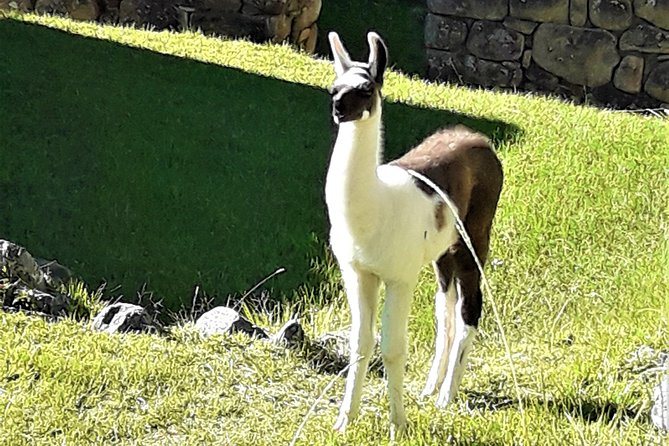
The lower altitude should feel easier, and the day is rated easy. You still need to watch your footing on the descent, especially after the long climb the day before. Llamas and alpacas are part of the setting, and the route passes through villages and farming country rather than simply rushing you from camp to transport.
At Huaran, private transport takes you onward to Salienras and Ollantaytambo. The tour describes Ollantaytambo as the Last Living Incan City, a fitting label for its old streets and working water channel. The channel has been in use since Inca times, giving you a direct link between the ancient site and the town you see today.
You spend the night in a three-star hotel in Ollantaytambo. This is a well-placed comfort break. After two nights in the mountains, a bed, a shower, and a restaurant dinner help you reset before the Machu Picchu section.
The tradeoff is that day three includes a transfer and sightseeing, so it is not a full rest day. Still, the change from tent to hotel is welcome, and Ollantaytambo gives the itinerary more cultural depth than a simple train connection would.
The Short Inca Trail from kilometer 104
Day four begins around 6:00 am with a walk to the train station. The train follows the Urubamba River from Ollantaytambo to kilometer 104 at Chachabamba, a ride of about 90 minutes.
This is where the trip shifts character. The Lares route feels remote and quiet. The Short Inca Trail brings you into the famous Machu Picchu corridor, where more hikers and sightseers are likely.
Your first archaeological stop is Chachabamba. After exploring the ruins, you hike for about four hours toward Wiñay Huayna, whose name is translated as the place that never gets old. A packed lunch and refreshments are provided.
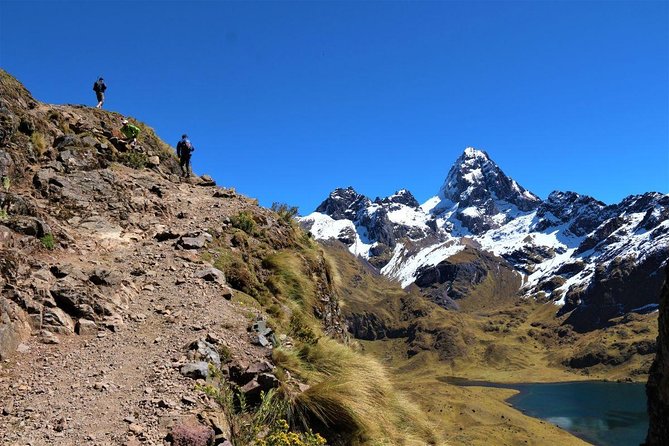
The trail then continues to the Sun Gate. This is the classic first view of Machu Picchu, with the citadel appearing below as you approach from the high trail. The final walk descends for about an hour into the Machu Picchu area.
Arriving in the afternoon has one useful advantage. The citadel may feel quieter than it does during the busiest morning period, although crowd levels can never be guaranteed. You then take the bus to Aguas Calientes for dinner and a hotel night.
The day is listed as four hours of activity, but the train, archaeological stops, downhill walk, and bus make it a full outing. Pack water, sun protection, and patience. Stairs are a major feature of the Inca Trail, and people with ankle or knee problems should think carefully about this section.
More Inca Trail Treks in Cusco
- Cusco: 4-Day Inca Trail to Machu Picchu with Accommodation
★ 4.8 · 432 reviews - Cusco: Machu Picchu 2-Day Inca Trail with Panoramic Train
★ 4.9 · 260 reviews - From Cusco: 2-Day Inca Trail to Machu Picchu
★ 4.2 · 244 reviews - Machu Picchu: Inca Trail 2-Day Overnight Guided Tour
★ 4.9 · 203 reviews
Machu Picchu before the return to Cusco
The final morning begins early, with breakfast followed by the bus up to Machu Picchu. On a clear day, you may see sunrise over the citadel. Weather controls that moment, so treat it as a possibility, not a promise.
Your guide leads a two to three-hour tour of Machu Picchu. This guided time is important. Without context, the terraces, temples, walls, and stonework can blur into one impressive view. After the tour, you have time to explore independently.
Huayna Picchu and Machu Picchu Mountain are optional climbs, but their entrance tickets must be booked well in advance. They are not included as casual add-ons, so decide early if either peak matters to you.
The guide explains how to take the bus back to Aguas Calientes. Lunch there is not included. Afterward, you take the panoramic train and bus toward Cusco, where the TreXperience team meets you and returns you to your hotel.
This final transfer makes the package convenient, but it also creates a long day. You are hiking early, touring a major archaeological site, returning to town, boarding a train, and continuing by road. If you want a slow afternoon after Machu Picchu, this itinerary is not built for that.
What the $980 price gives you
At $980 per person, the price is not simply paying for a guide and a path. It covers five days of logistics across remote terrain, transport throughout the route, two nights of camping, two nights in three-star hotels, meals, cooks, porters, horse support, and a 7-kilo duffle allowance.
Included meals are four dinners, four lunches, and five breakfasts, along with snacks during the trek. The food has been one of the most praised parts of the experience. Cooks have prepared multi-course meals, birthday cake in camp, and varied Peruvian dishes despite working in mountain conditions.
That matters because eating well at altitude is not a luxury. It helps you keep moving and makes cold evenings much easier. The horseman carries your duffle, but you still need a daypack with water, rain protection, warm layers, and personal medication.
You may need to pay extra for a sleeping bag, mattress, and trekking poles. The company can provide guidance about those items, but confirm current rental costs before you arrive. Optional tickets for Huayna Picchu or Machu Picchu Mountain are also separate and should be arranged early.
The value is strongest if you want one organized package. You avoid piecing together buses, trains, campsite staff, meals, and hotel nights yourself. If you already have camping equipment and prefer independent planning, the price may feel less attractive.
Guides, cooks, and the human side
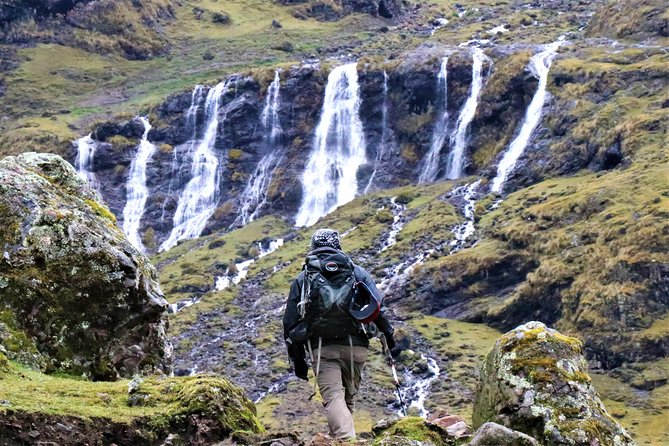
The staff can make or break a five-day trek. A good guide sets a sensible pace, explains what you are seeing, and notices when altitude is affecting you.
The strongest guide praise has gone to people such as Manolo, who was described as encouraging and deeply interested in Quechua culture, and Anthony, Gilbert, Sara, Elias, Jason, Miguel, and Jose Abad Cortez. Their local background and English skills have helped make the history, plants, animals, and village life easier to understand.
The kitchen crew deserves equal credit. Oscar and Beto, Augusto and Paulino, Tiburcio, Vidal, and other cooks have been praised for generous portions and varied meals. One birthday cake was prepared in the mountains without an oven, which tells you something about the effort involved.
The horsemen also carry much of the unseen work. They transport supplies, prepare camps, and help keep the schedule moving. You should still remember that this is a physically demanding job and treat the animals and crew with respect.
Who should book this trek?
This tour suits you if you want Machu Picchu but prefer to reach it through remote mountain country rather than spend several days on the busiest classic route. It is especially appealing if you care about Quechua culture, rural villages, high mountain scenery, and a small group.
Families with active teenagers may enjoy it, provided everyone understands the altitude and day two climb. Solo visitors can also benefit from the organized support and small maximum group size.
It is not a good match if you dislike early starts, camping, steep climbs, basic village conditions, or long transfer days. You also need moderate physical fitness. The trek is rated easy on day one and day three, but day two is moderate to challenging, and day four includes many steps.
The experience is non-refundable and cannot be changed after booking. Bad weather or failure to reach the minimum group size can lead to another date, another experience, or a full refund. Dietary needs, including vegetarian meals, should be given when booking.
Should you book the five-day Lares and Inca Trail?
I would choose this trip if your ideal Peru adventure includes quiet valleys, high passes, hot springs, local villages, and a well-managed arrival at Machu Picchu. The combination gives you more than a famous ruin. It gives you five days of changing scenery and a close look at life in the Andes.
Book it if you can handle 4,700 meters and accept that the best moments require effort. Skip it if you want a relaxed sightseeing holiday or need flexible dates, since the booking terms are strict. For an active visitor who values local contact and strong camp support, $980 is a fair price for a very full package.
FAQ
How long is the Ultimate Lares Trek and Inca Trail?
The experience lasts approximately five days, including the Lares Trek, the Short Inca Trail, Machu Picchu, hotels, camping, and transport back to Cusco.
What is the highest point on the trek?
The highest point is Condor Pass at 4,700 meters, or 15,354 feet.
How far do you hike on the hardest day?
Day two covers about 16 kilometers, or 9.9 miles, and takes approximately seven hours. It includes a four-hour climb to Condor Pass and a three-hour descent.
Are meals included?
Yes. The package includes five breakfasts, four lunches, and four dinners. Snacks are also provided during the trekking days.
Is camping equipment included?
Two nights of camping with comfortable equipment are included. A mattress, sleeping bag, and trekking poles are optional and are not included in the stated package.
How much luggage can be carried by horse?
A duffle bag of up to 7 kilos for personal belongings is carried by horse.
Are Huayna Picchu and Machu Picchu Mountain included?
No. Tickets for Huayna Picchu or Machu Picchu Mountain are optional and must be booked as far in advance as possible.
What documents and fitness level are required?
You need to provide your passport name, number, expiry date, and country when booking. A valid passport is required on the day of travel, and a moderate physical fitness level is recommended.
More Treks and Day Hikes
- From Cusco: Rainbow Mountain Trek
★ 4.5 · 98 reviews - Private Palccoyo Rainbow Hike Without the Crowds
★ 5.0 · 86 reviews - Machu Picchu: 5-Day Salkantay Trek with Panoramic Train
★ 5.0 · 79 reviews - Ancascocha Trek To Machu Picchu 4 Days And 3 Nights
★ 5.0 · 77 reviews
More Treks to Machu Picchu
- Short Inca trail to MachuPicchu || 2days – 1nigth ||
★ 5.0 · 103 reviews - Salkantay Trek Challenge – 3 Days / 2 Nights
★ 5.0 · 101 reviews - Small Group 5 Days Salkantay and Machu Picchu by Llactapata Tour
★ 5.0 · 88 reviews - Choquequirao Trek 4 days and 3 nights
★ 5.0 · 81 reviews
Just added around Cusco
- Cusco: Rainbow Mountain and viewpoint red valley ( optional)★ 4.8 · 3 reviews
- Montaña de Colores: tour en cuatrimotos día completo★ 3.3 · 3 reviews
- Tour Pallay Punchu Trek Full Day★ 4.2 · 3 reviews
- Excursion Cusco – Puno – Titicaca Observatory Train★ 5.0 · 3 reviews
- Cusco: Palcoyo Mountain Day Trip with Breakfast and Lunch★ 4.8 · 3 reviews
- Maras Moray★ 5.0 · 3 reviews
- Tour to Laguna Humantay with breakfast and lunch from Cusco★ 4.7 · 3 reviews
- From Cusco:Chinchero, Moray, Maras, Ollantaytambo with lunch★ 5.0 · 3 reviews
Inca Trail Treks, compared.

4-Day Inca Trail to Machu Picchu with Accommodation
Read our review →
7 Lakes Ausangate Trek with Breakfast and Lunch
Read our review →
Machu Picchu 2-Day Inca Trail with Panoramic Train
Read our review →

Machu Picchu: Inca Trail 2-Day Overnight Guided Tour
Read our review →
Short Inca trail to MachuPicchu || 2days – 1nigth ||
Read our review →
Small Group 5 Days Salkantay and Machu Picchu by Llactapata Tour
Read our review →Browse the lists this tour appears in