
Reviewed · MACHU PICCHU TOURS
Ancascocha Trek To Machu Picchu 4 Days And 3 Nights
Machu Picchu is only the finale. This four-day Ancascocha trek takes you far from the busiest routes, through waterfalls, Inca ruins, farming villages, high passes, and snow-covered peaks before reaching Peru’s most famous site. I like the quieter trail and the small-group format, which can give you more time with your guide than a large, fixed tour.
I also like that the $730 price includes camping equipment, meals, national park fees, hotel transfers, and one night at a B&B in Aguas Calientes. The main concern is physical difficulty: the route reaches 14,599 feet, and the first day includes long uphill sections. You need to be comfortable with demanding mountain hikes, not just a pleasant walk to Machu Picchu.
In This Review
- Key points to know before booking
- Why choose the Ancascocha route
- Day 1: Soqma, Perolniyoc, and the 14,599-foot pass
- Days 2 and 3: High-country camping and the road to Aguas Calientes
- Reaching Aguas Calientes and preparing for Machu Picchu
- What the $730 price really covers
- How hard is the trek?
- Guides, cooks, and the human side of the trek
- The main drawbacks to consider
- Who should book this trek?
- Should you book the Ancascocha Trek?
- FAQ
- How long is the Ancascocha Trek to Machu Picchu?
- Where does the trek begin?
- What is the highest point on the route?
- Is camping included?
- Is food included?
- Is one night in Aguas Calientes included?
- Are Machu Picchu entrance and national park fees included?
- Are bus tickets from Aguas Calientes to Machu Picchu included?
- Can I cancel for a full refund?
Key points to know before booking
- A 14,599-foot mountain pass: The Kuychiccasa pass is the toughest point of the first day, with thin air and a three-hour climb.
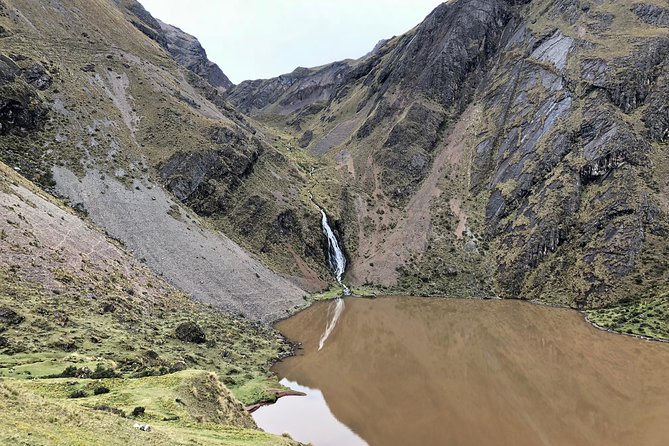
- Perolniyoc waterfall and Inca ruins: The route pairs a dramatic cascade with a cliff-top archaeological site above the Sacred Valley area.
- A quieter alternative: You avoid the heavier foot traffic associated with the Classic Inca and Salkantay routes.
- Camping with practical comforts: Two nights of camping are included, and the campsite is prepared before you arrive.
- Food is part of the experience: Breakfast, lunch, and dinner are included, with buffet-style meals listed for lunch and dinner.
- Machu Picchu is reached on foot and by planned transport: The tour includes a guided visit, but the return bus from Aguas Calientes to Machu Picchu is not included.
Why choose the Ancascocha route
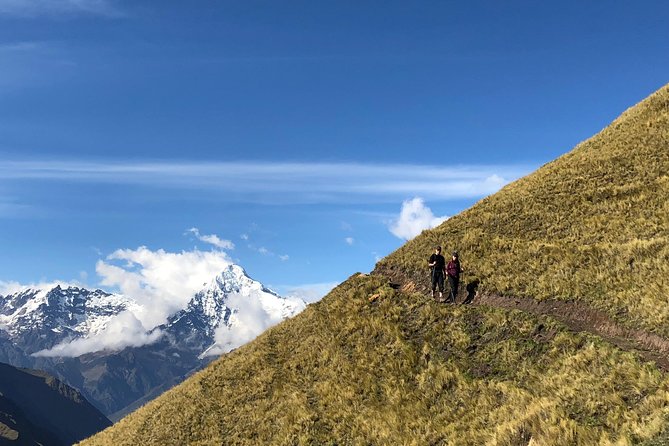
The Ancascocha Trail is a good pick if you want Machu Picchu with more open space and less foot traffic along the way. It is not the classic Inca Trail, and that is exactly its appeal. Instead of following Peru’s best-known route from the start, you spend much of the trek in high mountain country, moving past rural homes, llamas, waterfalls, and Inca remains.
The route has a strong sense of progression. You begin near Cusco, climb into the high Andes, cross a serious mountain pass, camp in a remote valley, and eventually make your way toward Aguas Calientes and Machu Picchu. The scenery changes often, which helps keep the long walking days interesting.
I would not choose this trip simply because the price is lower than some luxury trekking packages. I would choose it because the route gives you a more solitary mountain experience while still handling the main practical jobs: transport, food, permits, camping support, and a guide.
The advertised group limit is 30 people. That is not especially tiny, so ask about the expected group size when you book. A group of 8 or 10 will feel quite different from a full departure of 30, especially on steep climbs and at camp.
More Hiking & Trekking in Cusco
- From Cusco: 7 Lakes Ausangate Trek with Breakfast and Lunch
★ 4.8 · 360 reviews - Cusco: Rainbow Mountain Tour and Red Valley Hike (Optional)
★ 4.7 · 149 reviews - Cusco: Full-Day Rainbow Mountain & Red Valley Trekking Tour
★ 4.5 · 121 reviews
Day 1: Soqma, Perolniyoc, and the 14,599-foot pass
The morning begins with pickup from your hotel in Cusco. The drive to Soqma takes about 1 hour and 45 minutes, and the trailhead sits at roughly 10,512 feet. You are already starting high, so altitude is part of the day from the first step.
The initial walk takes about two hours to a lookout over Perolniyoc cascade. This waterfall is one of the day’s visual rewards, and the lookout gives you a clear reason to stop early and take in the setting. You are not rushing straight toward Machu Picchu. The route first shows you the mountain environment that makes this trek worthwhile.
After another 45 minutes, you reach the Inca site of Perolniyoc. The ruins sit on a cliff above the surrounding valley, giving you both an archaeological stop and a wide view. Your guide explains the site’s background, then you have time to walk among the remains.
That pause matters. A mountain trek can become a blur of uphill steps if every stop is only for water or lunch. Here, the ruins break up the walking and add a clear cultural purpose to the route.
The next section climbs steeply for around an hour to Rayan, at about 12,139 feet. This is the first listed lunch stop, and the meal is prepared by the trek’s chef. The food is included, which is useful at this altitude because carrying several days of meals yourself would add weight and planning.
The afternoon is the demanding part. You climb for around three hours toward Kuychiccasa pass, which reaches 14,599 feet. That is higher than many people expect from a Machu Picchu trip. The air can feel thin, and the climb will test anyone who has not prepared for sustained uphill walking.
Along the way, the route passes rustic homes belonging to local farmers. You may also see llamas and, in clear conditions, snow-covered peaks. These details give the trek a lived-in quality. This is not scenery arranged for a viewpoint. It is working high-country terrain, with homes, animals, and farming life alongside the trail.
At the pass, you stop for views over the Chancachuco Valley. The descent to camp takes about 45 minutes and is described as easier than the climb. Camp is at approximately 14,147 feet, still very high. The campsite is prepared before you arrive, so you can change into warmer clothes rather than setting up tents after a tiring day.
That service is more important than it may sound. At the end of a high-altitude hike, a ready tent, a hot meal, and dry clothes can make the difference between a hard day that feels rewarding and one that feels miserable.
Days 2 and 3: High-country camping and the road to Aguas Calientes
The supplied schedule gives detailed timing for the first day, but it does not provide a full hour-by-hour breakdown for days two and three. That is worth noting before you pay. You should ask the operator for the exact route, walking hours, camp elevations, meal times, and transport connections for the remaining days.
What is clear is that the trip includes two nights of camping and then one night at a B&B in Aguas Calientes. The camping portion keeps you close to the mountains, while the night in town gives you a bed before the Machu Picchu visit.
The route is designed around changing scenery. The supplied descriptions and past trip details point to waterfalls, Inca ruins, small villages, high alpine areas, green fields, and views of glaciers or snow-covered mountains. Conditions can change quickly in the Andes, so the same trail may feel very different under sun, cloud, or rain.
The support team is another important part of the experience. Action Peru Treks has been praised for organization, food, guides, cooks, and the people handling horses or mules. Names associated with past departures include Lino, Lina, Christian, and Eddy as guides, along with cooks and horse handlers such as Oscar, Elsa, Eliquin, Joel, and Mario. Staff assignments can change, so treat these as examples rather than a promise that a particular person will lead your group.
Food appears to be one of the strongest parts of the operation. Buffet lunch and buffet dinner are listed, along with breakfast, and several trip accounts describe the cooking as a highlight. That does not mean you should expect restaurant service in the mountains. It means the food is intended to be a real part of the support system, rather than an afterthought.
Alcoholic drinks are not included but may be available for purchase. Food and drinks outside the listed meals are also not included, so bring money for extras and confirm what snacks or bottled drinks you may want along the route.
Reaching Aguas Calientes and preparing for Machu Picchu
The tour includes one night at a B&B in Aguas Calientes, the town below Machu Picchu. This gives you a useful transition from remote camps to the archaeological site.
Aguas Calientes is not included as a sightseeing centerpiece here. Its value is practical. You can sleep indoors, wash up after the trek, and prepare for the guided visit to Machu Picchu. After several nights outdoors, that change will feel welcome.
The tour provides a guided visit to Machu Picchu, allowing you to see the main ruins with an explanation of Inca history and the site’s purpose. This is much better than arriving with no context, especially after making the effort to reach the citadel by a less common route.
The round-trip bus tickets from Aguas Calientes to Machu Picchu are not included. Budget for those separately. This is a small but important cost to remember, since the bus is the practical way to handle the steep connection between town and the ruins.
The information provided does not spell out every train or transfer detail for the final approach. Ask exactly how the trek connects with Aguas Calientes, what time you arrive, and what time the guided Machu Picchu visit begins. A clear plan matters because entrance times and transport schedules leave little room for confusion.
More Machu Picchu Tours in Cusco
- From Cusco: Full-Day Group Tour of Machu Picchu
★ 4.7 · 1,767 reviews - Machu Picchu Day Trip from Cusco
★ 4.5 · 1,644 reviews - Machu Picchu: Full-Day Tour from Cusco with Optional Lunch
★ 4.6 · 927 reviews - Cusco: 4-Day Inca Trail to Machu Picchu with Accommodation
★ 4.8 · 432 reviews
What the $730 price really covers
At $730 per person, this is not simply a four-day walk. The value comes from combining a remote trek with the support needed to make it manageable.
Included items are:
- Hotel pickup and drop-off
- A local guide
- Two nights of camping
- Camping gear
- National park fees
- Breakfast
- Lunch, listed as buffet lunch
- Dinner, listed as buffet dinner
- One night at a B&B in Aguas Calientes
- A guided visit to Machu Picchu
Those inclusions reduce the amount of planning you need to do yourself. You are not separately arranging a guide, camping permits, meals, and the overnight stay in Aguas Calientes.
The price does not cover excess luggage charges where applicable, alcoholic drinks, unspecified food and drinks, or the round-trip bus tickets between Aguas Calientes and Machu Picchu. Those exclusions are ordinary for a guided trek, but you should calculate them before deciding if the package fits your budget.
The biggest value is the combination of trail access and staff support. The mountain route is demanding enough that carrying all your food, camping supplies, and equipment would make the trip harder. Having camp prepared on arrival is a real benefit.
How hard is the trek?
The tour requires a strong level of physical fitness. That wording should be taken seriously. You will hike for multiple hours, climb steep sections, and reach elevations above 14,000 feet.
The first day alone includes:
- A two-hour walk to the Perolniyoc cascade lookout
- A 45-minute walk to the Inca ruins
- A one-hour steep climb to Rayan
- A three-hour uphill climb to Kuychiccasa pass
- A 45-minute descent to camp
These times do not include extended rest stops, and mountain conditions can alter the pace. You need to be ready for long uphill stretches rather than relying on the idea that the guide will make the route easy.
Altitude is the key concern. The starting point is already above 10,000 feet, and the high point reaches 14,599 feet. If you have recently arrived in Cusco, give yourself time to adjust before the trek when possible. The tour information does not promise altitude medication, oxygen, medical support, or a porter for personal bags, so ask about those matters directly before departure.
Children must be accompanied by an adult. Service animals are allowed, but the high-altitude terrain and long walking days make this a specialized trip for animals as well as people. Confirm the practical arrangements with the provider before booking with a service animal.
Guides, cooks, and the human side of the trek
A good guide can make a difficult trek feel orderly and meaningful. The strongest praise for this company centers on the guides, cooks, porters, and horse handlers who help with the daily routine.
Guides such as Lino, Lina, Christian, and Eddy have been singled out for their care, explanations, and ability to adjust support to the group. Again, staff are not guaranteed, but the pattern is encouraging. You want someone who can explain the ruins, keep the group moving safely, and pay attention when the altitude starts to affect your pace.
The cooking team also receives unusually warm praise. Meals are not just fuel on a route like this. A hot, filling dinner gives you something to look forward to at camp, and good meal timing helps you manage the effort of the next day.
The small-company feel may be a benefit. Action Peru Treks is described as smaller than some major operators, which can mean a more personal experience. The tradeoff is that a smaller operator may have less standardized communication than a large company. Get the final schedule, packing requirements, and transport details in writing.
The main drawbacks to consider
The altitude and steep climbing are the obvious concerns, but there are a few others.
First, the itinerary is not equally detailed for all four days. The first day has clear times and elevations, while the later days are less specific. That does not mean the trip is poorly organized, but you should not book without asking for the complete day-by-day plan.
Second, the maximum group size is 30. The tour is promoted as a small-group experience, yet 30 people is large for a narrow mountain trail. Ask how many people are booked for your departure.
Third, bus tickets at Machu Picchu are extra. The amount may be modest compared with the total trip price, but it is still a cost you need to plan for.
Finally, camping at roughly 14,147 feet will not suit everyone. A prepared campsite is helpful, but it does not remove the cold, thin air, or basic nature of sleeping outdoors.
Who should book this trek?
I would recommend this route to fit hikers who want Machu Picchu without spending four days on the busiest famous trail. It suits you if you care about mountain views, rural life, ruins, and a varied route more than hotel comfort.
It is also a good match if you want a guided trip that handles meals, permits, camping, and the Aguas Calientes stay. The cooking and support team are major reasons to consider it.
I would not choose it for a first-ever mountain hike, a relaxed family holiday, or a trip planned around comfort. The high pass and long climbs demand preparation. You should also be willing to confirm the missing details for days two and three before committing.
Should you book the Ancascocha Trek?
Book it if you want a serious Andean trek with a quieter route, strong mountain scenery, Inca sites, and a guided finish at Machu Picchu. The $730 price offers solid value because it includes the major services that make a remote trek possible.
Before booking, confirm the exact itinerary after day one, the expected group size, the guide assignment, personal luggage arrangements, and the transport plan to Aguas Calientes. If you are fit, prepared for altitude, and happy to trade comfort for scenery, this is an appealing alternative to the standard Machu Picchu routes.
FAQ
How long is the Ancascocha Trek to Machu Picchu?
The trek lasts four days and three nights.
Where does the trek begin?
The hike begins in Soqma, about 1 hour and 45 minutes from Cusco by vehicle. Soqma sits at approximately 10,512 feet.
What is the highest point on the route?
The highest listed point is Kuychiccasa pass, at approximately 14,599 feet.
Is camping included?
Yes. The package includes two nights of camping and camping gear.
Is food included?
Yes. Breakfast, lunch, and dinner are included. Lunch and dinner are listed as buffet meals.
Is one night in Aguas Calientes included?
Yes. The package includes one night at a B&B in Aguas Calientes.
Are Machu Picchu entrance and national park fees included?
National park fees are included, and the tour includes a guided visit to Machu Picchu. The supplied information does not separately identify an entrance ticket line item, so confirm the exact ticket coverage before booking.
Are bus tickets from Aguas Calientes to Machu Picchu included?
No. Round-trip bus tickets from Aguas Calientes to Machu Picchu are not included.
Can I cancel for a full refund?
Yes, if you cancel at least 24 hours before the experience start time. Cancellations made within 24 hours are not refunded, and changes within that period are not accepted.
More Treks and Day Hikes
- Salkantay Trek Challenge – 3 Days / 2 Nights
★ 5.0 · 101 reviews - From Cusco: Rainbow Mountain Trek
★ 4.5 · 98 reviews - Private Palccoyo Rainbow Hike Without the Crowds
★ 5.0 · 86 reviews - Choquequirao Trek 4 days and 3 nights
★ 5.0 · 81 reviews
More Ways to Reach Machu Picchu
- From Cusco: 2-Day Trip to the Sacred Valley and Machu Picchu
★ 4.6 · 265 reviews - Cusco: Machu Picchu 2-Day Inca Trail with Panoramic Train
★ 4.9 · 260 reviews - From Cusco: 2-Day Inca Trail to Machu Picchu
★ 4.2 · 244 reviews - Machu Picchu: Inca Trail 2-Day Overnight Guided Tour
★ 4.9 · 203 reviews
Just added around Cusco
- Cusco: Rainbow Mountain and viewpoint red valley ( optional)★ 4.8 · 3 reviews
- Tour Pallay Punchu Trek Full Day★ 4.2 · 3 reviews
- Montaña de Colores: tour en cuatrimotos día completo★ 3.3 · 3 reviews
- Excursion Cusco – Puno – Titicaca Observatory Train★ 5.0 · 3 reviews
- Cusco: Palcoyo Mountain Day Trip with Breakfast and Lunch★ 4.8 · 3 reviews
- Maras Moray★ 5.0 · 3 reviews
- Tour to Laguna Humantay with breakfast and lunch from Cusco★ 4.7 · 3 reviews
- From Cusco:Chinchero, Moray, Maras, Ollantaytambo with lunch★ 5.0 · 3 reviews
Machu Picchu Tours, compared.



Machu Picchu: Full-Day Tour from Cusco with Optional Lunch
Read our review →
4-Day Inca Trail to Machu Picchu with Accommodation
Read our review →
2-Day Trip to the Sacred Valley and Machu Picchu
Read our review →
Machu Picchu 2-Day Inca Trail with Panoramic Train
Read our review →

Machu Picchu: Inca Trail 2-Day Overnight Guided Tour
Read our review →Browse the lists this tour appears in