
Reviewed · INCA TRAIL TREKS
Choquequirao Trek 4 days and 3 nights
Some ruins ask you to work for the view. This four-day Choquequirao trek takes you from Cusco into the Apurimac Canyon, down through changing mountain country, and up to one of Peru’s least crowded Inca sites. I like the almost solitary feel of Choquequirao and the strong support team, including a guide, chef, and porter. I also like that transport, meals, and hotel pickup are handled for you.
The main catch is the physical demand. You will spend long hours walking steep downhill and uphill sections, often in heat and at changing elevations. The route details also contain a few conflicting distances and camp elevations, so I would confirm the exact daily plan before paying.
In This Review
- Key points to know before you go
- Why Choquequirao feels different from the usual Inca trip
- The 4:30 a.m. start from Cusco
- Day 1: The long descent from Capuliyoc to Santa Rosa
- Day 2: Marampata and the approach to Choquequirao
- Reaching the Choquequirao Inca citadel
- Day 3: Sunrise, flowers, birds, and a complicated route description
- Day 4: The final climb and Saywite
- Food and camp support are a real part of the value
- What the $698 price includes
- The people who make the trek work
- Who should book this trek?
- My verdict: a strong choice with one important homework task
- FAQ
- How long is the Choquequirao trek?
- Where does the trek begin?
- What time does pickup begin?
- Is hotel pickup included?
- How difficult is the trek?
- How many people can join the group?
- Are meals included?
- Is a porter included?
- Are sleeping bags, mattresses, and trekking poles included?
- Can I request vegetarian food?
Key points to know before you go
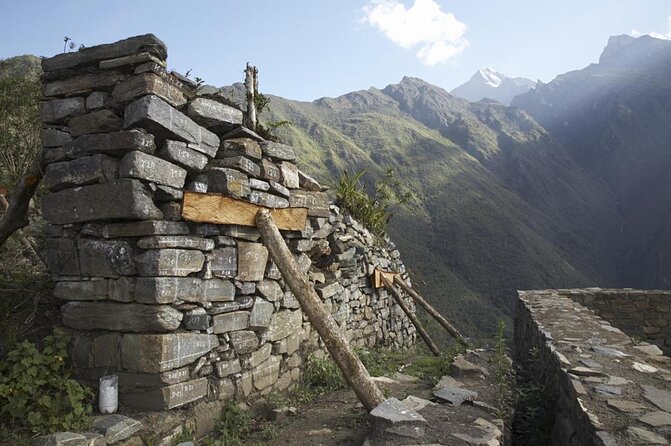
- Choquequirao without the Machu Picchu crowds: The ruins are reached by foot, which helps explain the quiet atmosphere around the site.
- A serious four-day mountain trek: Expect roughly six to eight hours of walking per day, with major downhill and uphill sections.
- Apurimac Canyon views: The first day brings broad views into one of Peru’s deepest canyons, with scenery changing from high Andes terrain to cloud forest vegetation.
- Excellent camp support: A chef prepares four breakfasts, four lunches, and three dinners, while a personal porter carries up to 7 kilograms of your belongings.
- Small-group arrangement: The experience is described as limited to 12 people, although the additional information gives a maximum of 16, so confirm the group size.
- A useful final stop: After the climb back to Capuliyoc, private transport takes you to Saywite before returning to Cusco at about 5 p.m.
Why Choquequirao feels different from the usual Inca trip
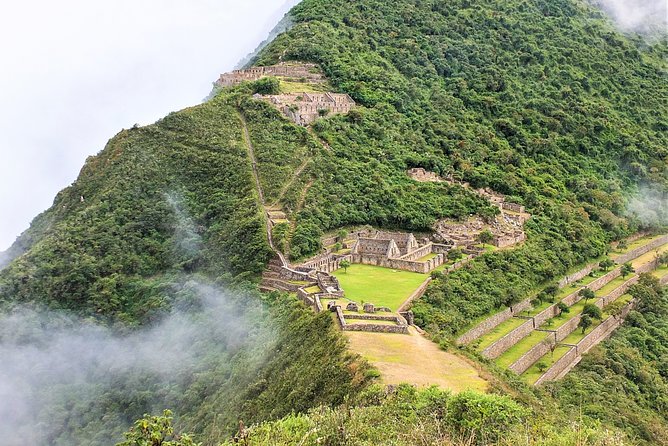
Choquequirao is often described as a lost city of the Incas, but the real appeal is less about mystery and more about access. You do not simply step off a bus beside the ruins. You earn the site through a demanding route into and out of the Apurimac Canyon.
That effort changes the mood. The journey is quieter and more physical than a standard sightseeing day from Cusco. You see high mountain scenery, canyon walls, lower vegetation, waterfalls in the distance, birds, and many flowers along the route. The changing altitude gives the trek a sense of movement through several zones rather than one repeated mountain view.
I especially like the promise of having time to explore Choquequirao with very few other people around. That is a major reason to choose this trek instead of a more famous Inca route. The tradeoff is simple: you get peace and space, but you must accept long walking days and limited comfort at camp.
More Hiking & Trekking in Cusco
- From Cusco: 7 Lakes Ausangate Trek with Breakfast and Lunch
★ 4.8 · 360 reviews - Cusco: Rainbow Mountain Tour and Red Valley Hike (Optional)
★ 4.7 · 149 reviews - Cusco: Full-Day Rainbow Mountain & Red Valley Trekking Tour
★ 4.5 · 121 reviews
The 4:30 a.m. start from Cusco
Your day begins early, with departure from Cusco scheduled between 4:30 and 5 a.m. Pickup is available from your hotel or the airport, and the drive crosses the Andes toward Capuliyoc.
That early start is not glamorous, but it serves a purpose. You need much of the day for the first long descent, and the drive itself takes you away from Cusco’s high-altitude urban setting into more remote mountain country. A pre-departure briefing is held the night before at 6 p.m., so use it to ask about the walking pace, camp arrangements, porter limits, and the exact route sequence.
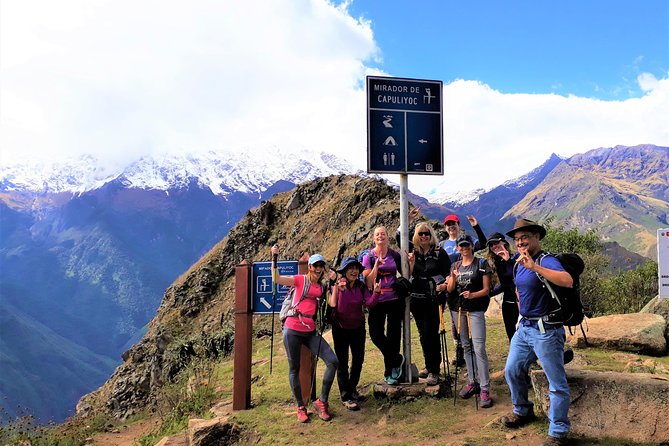
Breakfast is provided at Capuliyoc, where the trek begins. The starting elevation is listed as 2,911 meters, or 9,550 feet. That is high enough for altitude to matter, especially if you have only recently arrived in Cusco. The tour requires a moderate fitness level, but I would read that as a minimum, not a complete description of the trek.
Day 1: The long descent from Capuliyoc to Santa Rosa
The opening day covers about 10.8 kilometers, or 6.7 miles, with approximately six hours of hiking. You start at Capuliyoc and walk downhill for about four hours to Chiquiska, where lunch is served.
The main attraction is the view into the Apurimac Canyon. From the highlands, you begin to see the canyon opening below, with broad mountain views and a striking change in vegetation. The route moves toward denser cloud forest country, so the scenery is not limited to dry highland slopes.
The first day is listed as moderate, but downhill walking can be harder on your knees than expected. I would not treat the descent as an easy warm-up. Trekking poles are optional, and I would strongly consider bringing or renting them for balance and joint support.
After lunch at Chiquiska, you continue downhill for about two more hours to Santa Rosa. The camp elevation is listed as 1,478 meters, or 4,849 feet. That is much lower than the starting point, which helps explain why the day feels like a steady passage from cold highland air toward warmer vegetation.
The first night is a good test of your preparation. You will appreciate having a chef and support staff, but this remains a camping trek. A sleeping bag and mattress are not included unless arranged as optional extras, so clarify those costs before departure.
Day 2: Marampata and the approach to Choquequirao
The day two information supplied for this experience repeats much of the first day’s Capuliyoc to Santa Rosa description. It names Marampata and Choquequirao in the heading, but then gives the same drive, distance, elevation, and camp details as day one.
That inconsistency matters. You should ask the operator to confirm whether day two is the main climb from Santa Rosa toward Marampata, the approach to the citadel, or simply a publishing error. The standard route logic suggests a major ascent is involved, but I would not rely on an assumed schedule when planning clothing, water, or energy.
The named destination, Marampata, is important because it is associated with the approach to Choquequirao. The route is not a flat walk to an archaeological site. The trek requires sustained climbing through canyon country, and the physical work is part of the experience.
This is also a day when the support team matters. The guide sets the pace and helps keep the group together. The porter carries up to 7 kilograms of your personal gear, while you carry your day-use items. Pack carefully, because the porter allowance is useful but limited.
More Inca Trail Treks in Cusco
- Cusco: 4-Day Inca Trail to Machu Picchu with Accommodation
★ 4.8 · 432 reviews - Cusco: Machu Picchu 2-Day Inca Trail with Panoramic Train
★ 4.9 · 260 reviews - From Cusco: 2-Day Inca Trail to Machu Picchu
★ 4.2 · 244 reviews - Machu Picchu: Inca Trail 2-Day Overnight Guided Tour
★ 4.9 · 203 reviews
Reaching the Choquequirao Inca citadel
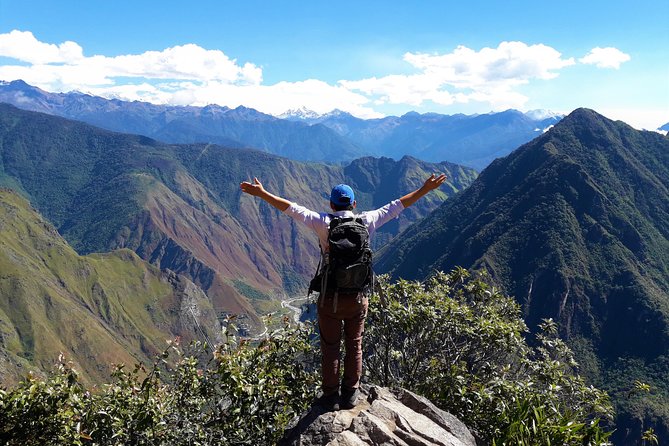
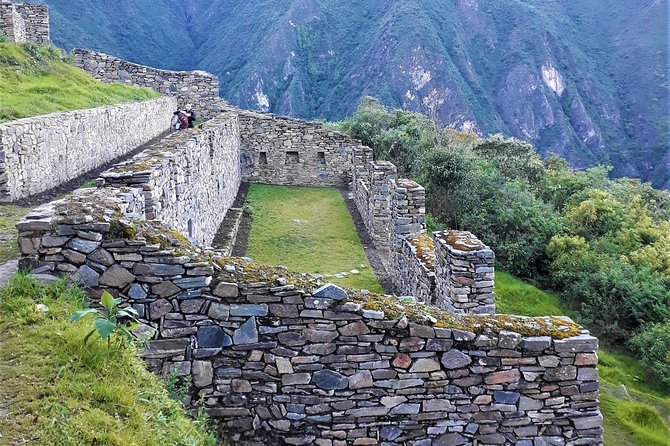
Choquequirao is the emotional center of the trek. The site is described as a legendary Inca city, and its remote location gives it a much quieter setting than Peru’s most famous archaeological destination.
The value here is time and atmosphere. You are not being rushed through a quick photo stop between buses. The schedule provides a dedicated stop at the citadel, and the early morning setting includes sunrise views. That light can make the surrounding mountains and stonework feel especially dramatic.
A guide adds much more than directions on a route like this. The guide can explain the archaeological setting, the Inca culture, and the purpose of the structures you are seeing. Past groups have praised guides such as Elias, Sebastian, Gary, Sergio, Pepe, and Eddie for patience, humor, safety, and cultural explanation. Staff can change, so treat those names as examples of the company’s guide team, not a guarantee for your departure.
You should also expect the site visit to involve more walking. The trip is not just a hike to one viewpoint, followed by a rest. Choquequirao is an archaeological complex, and exploring it requires energy after the approach.
Day 3: Sunrise, flowers, birds, and a complicated route description
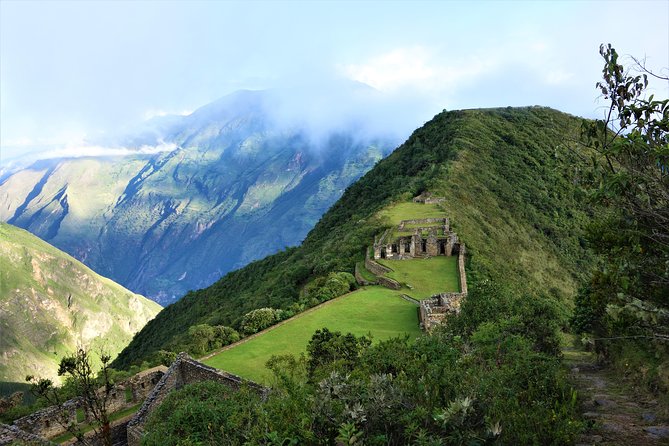
The third day is described as an eight-hour hiking day, with a listed distance of 8 kilometers and 11.32 miles in different parts of the schedule. Those two figures do not match, so confirm the actual distance.
The day begins with sunrise at Choquequirao, followed by a three-hour downhill section toward Santa Rosa for lunch. The schedule then describes two more hours downhill and two hours uphill before reaching a campsite at Chiquiska. It also lists several different elevations for the day and camp, which adds to the need for clarification.
Even with those inconsistencies, the character of the day is clear: expect a long, demanding return through varied scenery. You will walk beside flowers, birds, and distant waterfalls, with the canyon country continuing to provide visual rewards.
The downhill portions may feel welcome after the approach to Choquequirao, but they still take a toll. Then comes the uphill section, often when legs are already tired. This is where a steady pace is more useful than trying to move quickly early in the morning.
The camp location is listed as Chiquiska in the day three description, though the elevation figures differ elsewhere. Ask exactly where you will sleep each night. That is a reasonable question, not fussiness, because camp elevation affects temperature, packing, and how you manage the evening.
Day 4: The final climb and Saywite
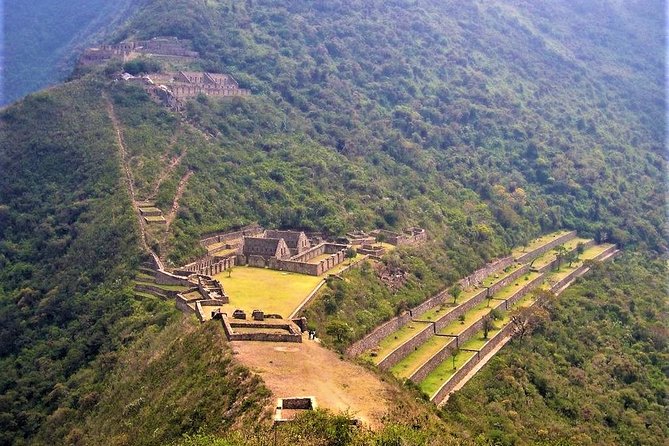
The last morning begins with breakfast and preparation for the final four-hour uphill trek to Capuliyoc. Lunch is served there, followed by a farewell to the trekking team.
The final climb is not a gentle finish. After three days of canyon walking, four hours uphill can feel substantial. This is another reason to keep your personal bag light and let the porter carry the permitted weight.
The tour then uses private transport to reach Saywite, an archaeological site known here for its mysterious carved rock. You have time to explore before the return to your Cusco hotel at about 5 p.m.
Saywite gives the final day a useful second chapter. Instead of ending the moment you leave the trail, you get another archaeological stop. I like that design because it adds cultural interest without requiring another full day in the mountains.
The schedule lists the final day as eight hours and 8 kilometers, or 11.32 miles in another line. Since the day includes four hours of uphill walking plus transport and sightseeing, I would ask how the hiking time and distance are being calculated.
Food and camp support are a real part of the value
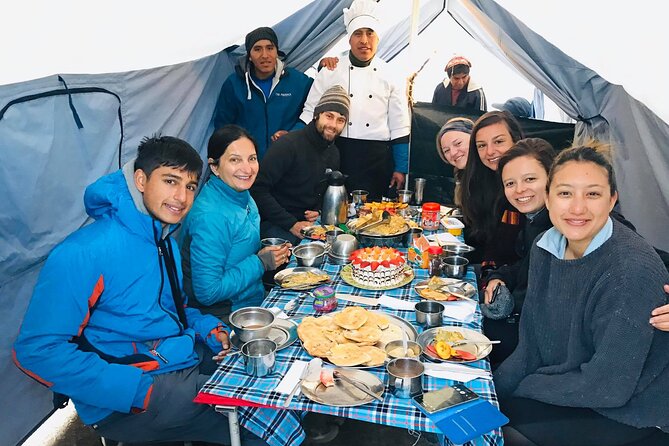
Meals are one of the strongest parts of this trip. The package includes four breakfasts, four lunches, and three dinners, prepared by a trek chef.
That is more important than it may sound. Four days of hiking requires regular food, and you do not have to arrange every meal in remote surroundings. Specific team members praised in past departures include chefs Leandro, Balbino, Oscar, Julio Cesar, Juvenal, Lucio, and Valvino. The positive details are consistent: varied meals, large portions, attention to dietary preferences, and food that feels far more ambitious than basic trail fare.
Vegetarian meals are available if requested at booking. You should also provide any other dietary needs at that time. Do not wait until the first camp, when menu planning is already underway.
A personal porter carries up to 7 kilograms of your personal belongings. The wording says personal staff, but the practical meaning is that you can send a limited amount of gear with the porter and carry your daily essentials yourself. Ask how the weight is packed and labeled during the briefing.
What the $698 price includes
At $698 per person, the price is not a bargain-basement independent trek, but it includes several costs that add up quickly. You receive transport from start to finish, hotel pickup, an English-speaking guide, meals, a chef, and porter support.
The biggest value is convenience in a route where logistics are awkward. You do not need to arrange transport from Cusco to Capuliyoc, coordinate the return, plan trail meals, or organize a porter on your own. For a remote, physically demanding trek, that structure is worth paying for.
The price does not include a mattress, sleeping bag, or trekking poles. Those items are optional extras, and guidance is available from the operator. Get the prices before departure so the final cost does not surprise you.
The group-size information needs clarification. The trip highlights a limit of 12 people for a more personal experience, while the additional details give a maximum of 16. Both are small enough for a guided trek, but 12 and 16 feel different on a narrow trail. Ask for the expected number on your date.
The people who make the trek work
The guide, cook, and porter are not background details here. They shape the whole experience.
Guides praised in connection with the company include Elias, Sebastian, Gary, Sergio, Pepe, Eddie, and others. The qualities repeatedly associated with the team are patience, humor, positive encouragement, cultural explanation, and attention to safety. That combination matters on steep sections, especially if someone is tired or struggling with the altitude.
The cooking team also receives unusually strong praise. Leandro, Balbino, Oscar, Julio Cesar, Juvenal, Lucio, and Valvino are all named in positive accounts, with particular attention to clean preparation and meals that do not repeat from one sitting to the next.
Porters and mule handlers do the less visible work of moving equipment between camps. Boris and other support staff are praised for efficiency and good humor. You should still pack respectfully and keep your own baggage within the stated limit. The support team is there to help, not to carry an unlimited suitcase.
Who should book this trek?
I would choose this tour if you want a remote Inca archaeological experience and are willing to work for it. It suits people who prefer quiet trails, canyon scenery, organized support, and a small-group format over easy access and polished hotel comfort.
You should have moderate physical fitness and be prepared for six to eight hours of hiking on several days. The route includes repeated downhill and uphill sections, so comfort with uneven mountain walking matters more than simply being able to walk a few miles on level ground.
This is not my first choice for someone who wants a relaxed holiday, dislikes camping, or needs a fixed schedule with no route ambiguity. The conflicting day two, distance, and elevation details should be cleared up before booking.
Cancellation is free up to 24 hours before the start time for a full refund. Poor weather or failure to reach the minimum number of participants can lead to a date change, a different experience, or a full refund.
My verdict: a strong choice with one important homework task
I like this Choquequirao trek for its rare combination of remoteness, archaeological interest, and full trail support. The canyon scenery, quiet ruins, strong food program, and helpful staff make the $698 price reasonable for people who want an organized four-day adventure.
My advice is to book only after confirming the exact route, camp locations, group-size limit, and rental prices for sleeping equipment. Once those details are clear, this is a compelling choice for a fit hiker who wants to see an important Inca site without the crowds found on Peru’s most famous routes.
FAQ
How long is the Choquequirao trek?
The experience lasts approximately four days and includes three nights of camping.
Where does the trek begin?
The trek begins at Capuliyoc, reached by transport from Cusco.
What time does pickup begin?
Departure from Cusco is scheduled between 4:30 and 5 a.m.
Is hotel pickup included?
Yes. Pickup is available from your Cusco hotel or the airport.
How difficult is the trek?
The route is listed as moderate, but it includes long downhill and uphill sections and hiking days of about six to eight hours.
How many people can join the group?
The experience is promoted as limited to 12 people, while the additional information gives a maximum of 16. Confirm the expected group size before booking.
Are meals included?
Yes. The package includes four breakfasts, four lunches, and three dinners.
Is a porter included?
Yes. A personal porter can carry up to 7 kilograms of your personal belongings.
Are sleeping bags, mattresses, and trekking poles included?
No. A mattress, sleeping bag, and trekking poles are optional items and are not included in the stated price.
Can I request vegetarian food?
Yes. Vegetarian meals are available, but you must request them when booking. Specific dietary requirements should also be provided at that time.
More Treks and Day Hikes
- From Cusco: Rainbow Mountain Trek
★ 4.5 · 98 reviews - Private Palccoyo Rainbow Hike Without the Crowds
★ 5.0 · 86 reviews - Machu Picchu: 5-Day Salkantay Trek with Panoramic Train
★ 5.0 · 79 reviews - Ancascocha Trek To Machu Picchu 4 Days And 3 Nights
★ 5.0 · 77 reviews
More Treks to Machu Picchu
- Short Inca trail to MachuPicchu || 2days – 1nigth ||
★ 5.0 · 103 reviews - Salkantay Trek Challenge – 3 Days / 2 Nights
★ 5.0 · 101 reviews - Small Group 5 Days Salkantay and Machu Picchu by Llactapata Tour
★ 5.0 · 88 reviews - Excursion to Ausangate & 7 lakes with Coca Ceremony |Private|
★ 5.0 · 80 reviews
Just added around Cusco
- Cusco: Rainbow Mountain and viewpoint red valley ( optional)★ 4.8 · 3 reviews
- Montaña de Colores: tour en cuatrimotos día completo★ 3.3 · 3 reviews
- Tour Pallay Punchu Trek Full Day★ 4.2 · 3 reviews
- Excursion Cusco – Puno – Titicaca Observatory Train★ 5.0 · 3 reviews
- Cusco: Palcoyo Mountain Day Trip with Breakfast and Lunch★ 4.8 · 3 reviews
- Maras Moray★ 5.0 · 3 reviews
- Tour to Laguna Humantay with breakfast and lunch from Cusco★ 4.7 · 3 reviews
- From Cusco:Chinchero, Moray, Maras, Ollantaytambo with lunch★ 5.0 · 3 reviews
Inca Trail Treks, compared.

4-Day Inca Trail to Machu Picchu with Accommodation
Read our review →
7 Lakes Ausangate Trek with Breakfast and Lunch
Read our review →
Machu Picchu 2-Day Inca Trail with Panoramic Train
Read our review →

Machu Picchu: Inca Trail 2-Day Overnight Guided Tour
Read our review →
Short Inca trail to MachuPicchu || 2days – 1nigth ||
Read our review →
Small Group 5 Days Salkantay and Machu Picchu by Llactapata Tour
Read our review →Browse the lists this tour appears in