
Reviewed · MACHU PICCHU TOURS
Small Group 5 Days Salkantay and Machu Picchu by Llactapata Tour
The Andes save their biggest views for hikers. This five-day route links the high Salkantay Pass, turquoise Humantay Lake, coffee farms, Llactapata ruins, and Machu Picchu in one demanding but rewarding journey. I especially like the small maximum group of nine, which gives the guide room to adjust the pace, and the thoughtful route design, which moves from cold high mountains into warmer forest and farmland. The main caution is simple: the first two days are tough, and the highest point reaches 4,600 meters.
The local food and guiding also sound like major strengths. Guides such as Jainor, Carlos, Henry, Dario, and Rolando are praised for patience, good English, and strong knowledge of Inca culture, while cooks such as Alejandro have produced surprisingly elaborate meals in camp. I would, however, clarify expected tips for cooks and muleteers before setting out, since that has caused confusion in the past.
In This Review
- Key points to know before you book
- Why this Salkantay route is worth considering
- Day 1: From Cusco to Soraypampa and Humantay Lake
- Day 2: The hard climb to 4,600-meter Salkantay Pass
- Day 3: Forest paths, coffee farms, and Lucmabamba
- Day 4: Llactapata and the walk to Aguas Calientes
- Day 5: Early entry to Machu Picchu and the train home
- The small group, guide, and support team
- Fitness, altitude, and what to pack
- Who should book this five-day trek?
- Should you book it?
- FAQ
- Where does the tour start?
- What time does the tour begin?
- How long is the tour?
- What is the highest point on the route?
- Is Humantay Lake included?
- How large is the group?
- Are meals included?
- Is accommodation included?
- Is the Machu Picchu entrance included?
- Is transportation back to Cusco included?
Key points to know before you book
- Salkantay Pass reaches 4,600 meters: The second day brings the hardest climb and the highest altitude of the trip.
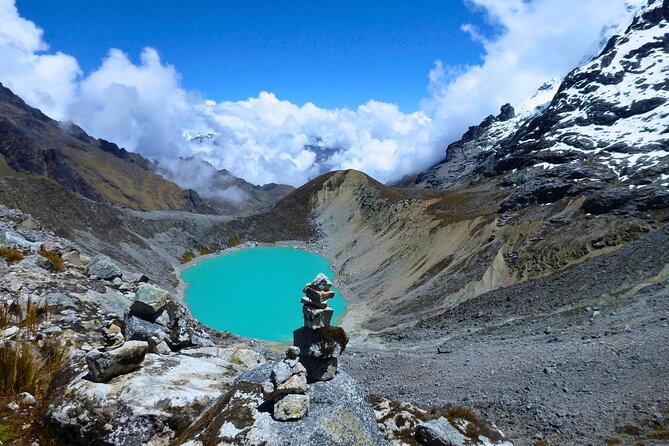
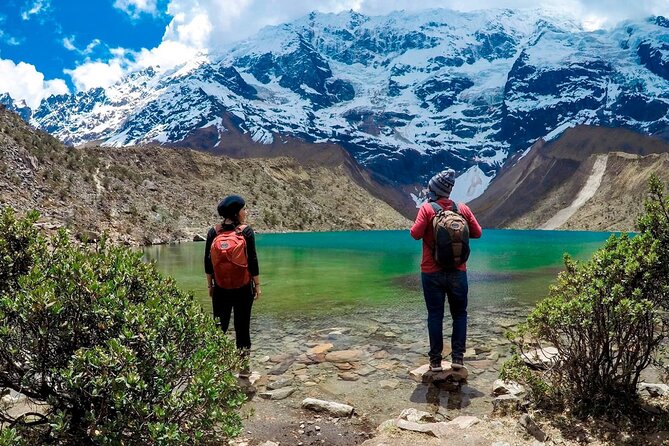
- Humantay Lake is an optional first-day hike: You can add this turquoise mountain lake after reaching the Soraypampa camp.
- The route changes dramatically: You move from snow peaks and bare highland slopes to tropical forest, coffee, cacao, and fruit farms.
- Llactapata gives you a different view of Machu Picchu: The ruins offer wide views toward Machu Picchu Mountain and the Vilcanota Canyon before you reach Aguas Calientes.
- The group is capped at nine people: That is useful on a strenuous trail, especially when the group includes different ages and fitness levels.
- The $593 price covers a lot: Camping, meals, guide, entry tickets, porters with mules, a hotel night, train, and return transport are included, but several useful extras cost more.
Why this Salkantay route is worth considering
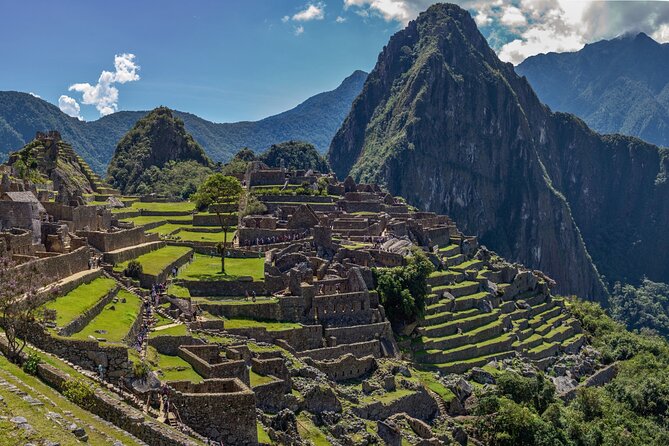
The standard appeal of a Machu Picchu trek is obvious: you walk for several days, sleep along the route, and arrive at the Inca citadel with a stronger sense of place. This version adds more than a simple mountain approach. You see glaciers, high passes, cloud forest, working farms, a lesser-known archaeological site, and the famous ruins themselves.
I like that the route does not keep you in one climate. On the first morning, the air is thin and cold around Challacancha and Soraypampa. By the third day, you are walking through warmer forest near coffee and cacao plantations. That change gives the trek a satisfying rhythm, even if the physical effort is not evenly spread.
The tour costs $593 per person. For five days, that is a solid package price because it includes the Salkantay and Machu Picchu entrance tickets, three breakfasts, three lunches, three dinners, daily tea and snacks, camping equipment, a private room in Aguas Calientes, the train to Ollantaytambo, and transport back to Cusco.
You also get a horseman and mules carrying up to 7 kilograms of personal equipment. An emergency horse is available between Marcoccasa and Chaullay. Those details matter more than they may sound. On a high-altitude trek, carrying less can make the difference between enjoying the day and simply surviving it.
Budget for extras. The first breakfast is not included, nor is your final lunch in Aguas Calientes, both listed at $30 per meal. The bus from Machu Picchu to Aguas Calientes costs $12, and a sleeping bag costs $5 per day. If you use a sleeping bag for all five days, that adds up to $25, before the meals and bus.
More Inca Trail Treks in Cusco
- Cusco: 4-Day Inca Trail to Machu Picchu with Accommodation
★ 4.8 · 432 reviews - From Cusco: 7 Lakes Ausangate Trek with Breakfast and Lunch
★ 4.8 · 360 reviews - Cusco: Machu Picchu 2-Day Inca Trail with Panoramic Train
★ 4.9 · 260 reviews
Day 1: From Cusco to Soraypampa and Humantay Lake
The day starts early, with a 4:00 am departure from the Plaza de Armas area in Cusco. The private vehicle heads toward Mollepata, at about 3,000 meters, then continues to Challacancha at 3,400 meters.
Mollepata makes a useful short stop. You can stretch your legs, take in the early countryside, and have a first look at how quickly Cusco gives way to rural mountain scenery. Breakfast is not included on this morning, so plan for that expense before departure.
At Challacancha, you meet the horsemen and the rest of the group. This is the practical start of the trek, not just a photo stop. Your equipment is organized, the support team joins you, and the walk begins in a broad mountain valley.
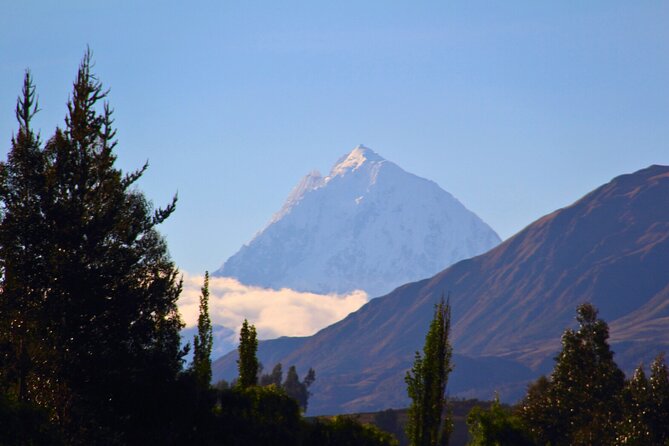
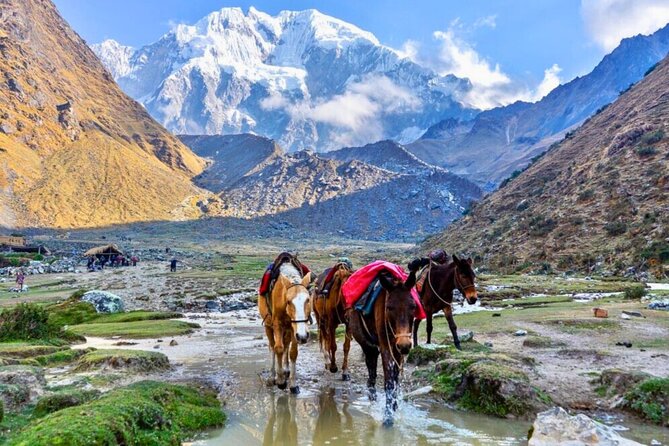
The first hiking section takes about three hours. The reward is the sight of Humantay and Salkantay, two major snow-covered peaks that dominate the route. Salkantay rises to 6,264 meters, so even from lower ground it feels immense.
The overnight camp is at Soraypampa, about 3,700 meters. This is high enough that acclimatization matters. You may feel the altitude in your breathing and pace, even if you are fit at home. The schedule includes an optional afternoon hike to Humantay Lake, also at high altitude.
Humantay Lake is one of the visual highlights of the route. Its turquoise water sits beneath steep mountain slopes, and the uphill walk provides a useful test of how your body is handling the altitude. The word optional is important. If you are tired after the morning hike, resting at camp is a sensible choice, not a failure.
The first day is listed with several hiking sections totaling about seven hours, plus the early drive from Cusco. That makes it a full opening day. I would arrive in Cusco with enough time to rest and adjust to the altitude before attempting this trek.
Day 2: The hard climb to 4,600-meter Salkantay Pass
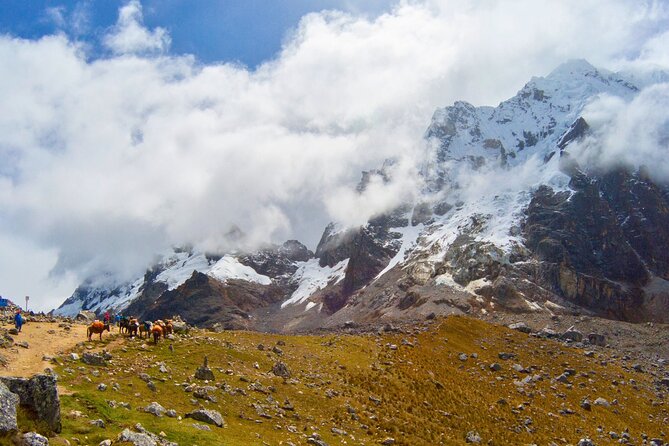
Day two is the physical center of the trip. After breakfast at Soraypampa, you climb toward Salkantay Pass, reaching about 4,600 meters.
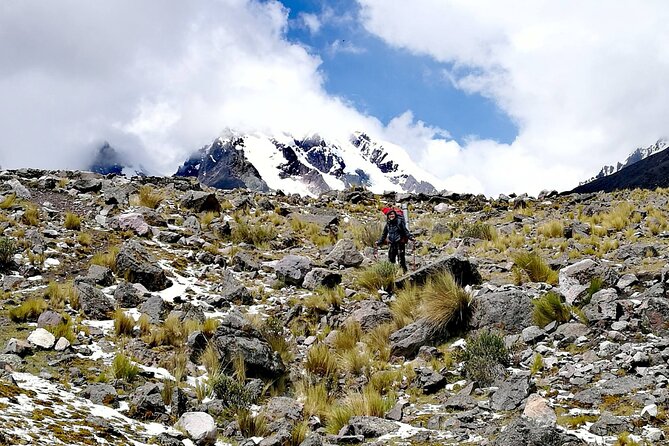
The ascent takes roughly four hours. At this height, the challenge is not only the slope. Thin air changes the effort of every step, and the cold can add to the strain. A slow, steady pace is more useful than trying to keep up with the strongest person in the group.
At the pass, you get broad views of Salkantay and the surrounding high Andes. This is the point where the route feels most remote and severe. Take time for photographs, but also take time to breathe and follow your guide’s advice.
The route then drops toward Collpapampa, at about 3,000 meters. The change is striking. Bare highland scenery gives way to thicker plant life, warmer air, and a more humid environment. You may notice flowers, shrubs, and other species that cannot grow at the higher camps.
Collpapampa is the second night’s campsite. Mosquitoes are present, so insect repellent and clothing that covers your arms and legs are practical choices. The warmer climate may sound easier, but the day still includes a long descent after the pass.
A key point here is the uneven effort across the five days. The first two days carry the highest physical intensity, and that can affect your energy later. If you want a gentler distribution of effort, ask the operator how the current pacing works before paying.
Day 3: Forest paths, coffee farms, and Lucmabamba
Day three shifts the focus from altitude to local agriculture. You leave Collpapampa and continue downhill through forest, with orchids, bromeliads, and other tropical plants along the route.
This section gives the trek a more human scale. Instead of looking only at peaks and ruins, you see farms that support local households. Coffee, cacao, and fruit plantations line the route, and the guide can explain how these crops are planted, harvested, dried, and prepared.
The route passes through Wiñaypoco at about 2,650 meters and Granadilla at about 2,100 meters before reaching Lucmabamba, around 2,000 meters. The steady descent means warmer conditions and a very different feel from Soraypampa.
Lucmabamba is one of the most distinctive stops because of the coffee visit with a rural family. You can see the work behind a cup of coffee, from caring for the trees to picking ripe cherries, drying the beans, roasting them, and preparing the final drink.
I value this part because it connects the scenery to daily life. The mountains are beautiful, but a short look at farming traditions tells you how people actually use this land. It also breaks up the archaeological focus of the final two days.
The camping conditions may be less polished here. One past account specifically points to the toilet situation on day three as an area that could use improvement. That is worth keeping in mind if you prefer hotel-level facilities throughout the route. This is still a mountain camp, not a fixed lodge with full conveniences.
Food is a strong part of the trip. The package includes three breakfasts, three lunches, and three dinners, and vegetarian options are available. Alejandro, one of the cooks praised for this route, has been known for preparing varied meals with limited camp equipment. Tea and snacks are provided each day, and the horseman may bring coca tea at wake-up time.
More Machu Picchu Tours in Cusco
- From Cusco: Full-Day Group Tour of Machu Picchu
★ 4.7 · 1,767 reviews - Machu Picchu Day Trip from Cusco
★ 4.5 · 1,644 reviews - Machu Picchu: Full-Day Tour from Cusco with Optional Lunch
★ 4.6 · 927 reviews - From Cusco: 2-Day Trip to the Sacred Valley and Machu Picchu
★ 4.6 · 265 reviews
Day 4: Llactapata and the walk to Aguas Calientes
After breakfast in Lucmabamba, you climb along an old Inca trail toward Llactapata, at about 2,650 meters. This is a different kind of day from the Salkantay Pass. You are not reaching the route’s highest point, but the uphill path still requires effort after three days of walking.
Llactapata contains terraces and other remains linked to the Inca road system. The site is smaller and less famous than Machu Picchu, which is part of its appeal. Your guide can explain its place in the wider network of routes and settlements.
The setting is the real prize. From Llactapata, you get views toward Machu Picchu Mountain and the Vilcanota Canyon. Seeing the famous site from across the valley gives you a useful sense of its position rather than presenting it as an isolated monument.
From Llactapata, the route descends toward the Hydroelectric train station at about 1,950 meters. A short rest there helps before the final walk to Aguas Calientes, the town below Machu Picchu.
The plan says equipment and everyone’s bags are transported from Lucmabamba to the Hydroelectric station. That reduces the amount you need to carry on this section. Even so, the day includes several hours of walking and comes after three demanding days.
Aguas Calientes is a major change in comfort. You stay in a private room with a private bathroom, and breakfast is included. You have an evening to rest, eat at a local restaurant, and look around the markets before the early visit to Machu Picchu.
This overnight hotel is one of the package’s better value points. After several nights in camp, a private bathroom and proper bed are not minor luxuries. They can make the final morning much more enjoyable.
Day 5: Early entry to Machu Picchu and the train home
The final day begins at 5:30 am. After breakfast, you take a tourist bus to Machu Picchu, reaching the citadel at around 6:00 am. The bus from Aguas Calientes is not included and costs $12.
An early arrival gives you the best chance to see the site in the softer morning light and to complete the main guided visit before the day becomes hotter and more crowded. The guided tour lasts about three hours and focuses on Inca architecture, culture, and the purpose of the main structures.
A strong guide matters here. Jainor is praised for patient, detailed explanations in both English and Spanish, while Carlos, Henry, Dario, and Rolando are also noted for friendly and clear leadership. You can request a preferred guide, but availability is not guaranteed, so treat those names as useful requests rather than promises.
The Machu Picchu visit is the climax, but it is not a relaxed final day. After the guided tour, you return to Aguas Calientes, where lunch is on your own and listed at $30. The afternoon train goes from Machu Picchu to Ollantaytambo, followed by a vehicle transfer to Cusco’s historic center.
The return journey takes much of the day. Keep your schedule clear after arriving back in Cusco, and do not plan an important evening flight unless you have checked the exact train and transfer times carefully.
The small group, guide, and support team
A maximum of nine people is a real benefit on this route. A small group can stop without creating a long traffic jam, and the guide has a better chance of noticing when someone needs a slower pace or extra rest.
The guide team receives some of the strongest praise. Jainor is described as patient and deeply interested in Inca culture, with the ability to switch smoothly between Spanish and English. Rolando is praised for answering questions, maintaining a good mood, and explaining archaeological sites clearly. Carlos, Henry, and Dario are also associated with friendly, capable guiding.
The support staff matter just as much. The cooks prepare the included meals, and the horseman manages the mules and helps carry equipment. José, one of the muleteers connected with this route, is remembered for practical help and early coca tea.
Tip expectations should be explained clearly at the pre-trip briefing. The service team works hard, and the appropriate amount can depend on group customs and company guidance. Ask directly about tips for the guide, cook, and horseman so nobody is guessing at the end.
The briefing takes place at 7:00 pm in the operator’s office one or two days before departure. Use it to confirm the day-by-day schedule, sleeping bag needs, meal arrangements, luggage weight, and tipping practice.
Fitness, altitude, and what to pack
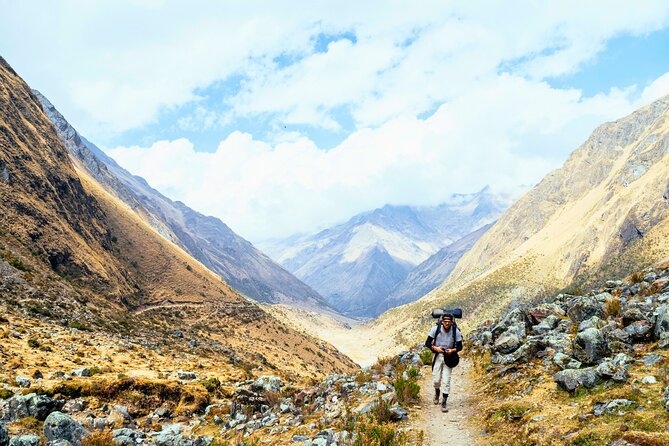
You need a strong level of physical fitness. The highest point is 4,600 meters, and the first two days are the hardest. The route is not a casual sightseeing walk with a few scenic pauses.
Your most important preparation is acclimatization. The itinerary begins at high elevation and climbs higher on day two, so time in Cusco before the trek is valuable. The supplied information does not promise a specific acclimatization program, so ask the operator how much time they recommend.
Pack for two very different climates. Cold mountain conditions apply around Soraypampa and Salkantay Pass, while Collpapampa and Lucmabamba are warmer and humid. Include rain protection, sun protection, layers, sturdy hiking shoes, insect repellent, and a headlamp.
The mules carry up to 7 kilograms of personal equipment, but you still need a daypack with water, warm layers, snacks, and rain gear. A sleeping bag is not included and costs $5 per day to rent.
The route has an emergency horse between Marcoccasa and Chaullay. A first aid kit and oxygen bottle are also provided. These are sensible safety provisions, but they do not remove the need to take altitude symptoms seriously and tell your guide when something feels wrong.
Who should book this five-day trek?
I would choose this trek if you want Machu Picchu to be part of a broader Andean journey rather than a single train excursion. It suits you if you enjoy long walks, changing climates, basic camping, local agriculture, archaeological sites, and a small social group.
It is also a good fit if you want support without carrying all your gear. The mules, emergency horse, camp dining tent, meals, and private Aguas Calientes room make the route more manageable.
I would think twice if you dislike early starts, high altitude, humid camps, uneven facilities, or long descents. The route also may not suit anyone looking for an evenly paced itinerary, since the first two days are notably demanding.
The non-refundable booking terms deserve attention. Once you pay, cancellation or changes for any reason do not result in a refund, so confirm your dates, fitness, and travel insurance before booking.
Should you book it?
Book this tour if you want a small-group Salkantay trek with strong guide support, included camping logistics, a coffee-farm visit, Llactapata, and a proper Machu Picchu visit. At $593, the package offers good value because many of the expensive moving parts are covered.
Skip it if you want a soft adventure or dislike sleeping outdoors. The climb to Salkantay Pass is serious, and the camps are basic. For fit walkers who accept those tradeoffs, this route gives you far more than a direct approach to Machu Picchu: it shows how the high Andes change, how local farms work, and how Inca sites fit into the wider valley.
FAQ
Where does the tour start?
The tour starts at Plaza de Armas de Cusco, at Del Medio 123, Cusco 08000, Peru.
What time does the tour begin?
The departure time is 4:00 am on the first day.
How long is the tour?
The tour lasts approximately five days.
What is the highest point on the route?
The route reaches Salkantay Pass at approximately 4,600 meters, or 15,092 feet.
Is Humantay Lake included?
The hike to Humantay Lake is listed as an optional activity on the first afternoon at Soraypampa.
How large is the group?
The group can include a maximum of nine people.
Are meals included?
Three breakfasts, three lunches, and three dinners are included. Vegetarian meal options are available. Breakfast on the first day and lunch on the final day are not included.
Is accommodation included?
One night in Aguas Calientes is included, with a private room, private bathroom, and breakfast. Camping equipment is also provided for the trekking nights.
Is the Machu Picchu entrance included?
Yes. The entrance ticket to Machu Picchu and the Salkantay route is included.
Is transportation back to Cusco included?
The tourist train from Machu Picchu to Ollantaytambo and the vehicle transfer to Cusco’s historic center are included. The bus from Machu Picchu to Aguas Calientes costs $12.
More Treks to Machu Picchu
- Short Inca trail to MachuPicchu || 2days – 1nigth ||
★ 5.0 · 103 reviews - Salkantay Trek Challenge – 3 Days / 2 Nights
★ 5.0 · 101 reviews - Choquequirao Trek 4 days and 3 nights
★ 5.0 · 81 reviews - Excursion to Ausangate & 7 lakes with Coca Ceremony |Private|
★ 5.0 · 80 reviews
More Ways to Reach Machu Picchu
- From Cusco: 2-Day Inca Trail to Machu Picchu
★ 4.2 · 244 reviews - Machu Picchu: Inca Trail 2-Day Overnight Guided Tour
★ 4.9 · 203 reviews - The First Class Machu Picchu Train by Inca Rail
★ 4.0 · 182 reviews - From Cusco: 1-day Machu Picchu Tour by Train
★ 4.6 · 138 reviews
Just added around Cusco
- Cusco: Rainbow Mountain and viewpoint red valley ( optional)★ 4.8 · 3 reviews
- Tour Pallay Punchu Trek Full Day★ 4.2 · 3 reviews
- Montaña de Colores: tour en cuatrimotos día completo★ 3.3 · 3 reviews
- Excursion Cusco – Puno – Titicaca Observatory Train★ 5.0 · 3 reviews
- Cusco: Palcoyo Mountain Day Trip with Breakfast and Lunch★ 4.8 · 3 reviews
- Maras Moray★ 5.0 · 3 reviews
- Tour to Laguna Humantay with breakfast and lunch from Cusco★ 4.7 · 3 reviews
- From Cusco:Chinchero, Moray, Maras, Ollantaytambo with lunch★ 5.0 · 3 reviews
Machu Picchu Tours, compared.



Machu Picchu: Full-Day Tour from Cusco with Optional Lunch
Read our review →
4-Day Inca Trail to Machu Picchu with Accommodation
Read our review →
2-Day Trip to the Sacred Valley and Machu Picchu
Read our review →
Machu Picchu 2-Day Inca Trail with Panoramic Train
Read our review →

Machu Picchu: Inca Trail 2-Day Overnight Guided Tour
Read our review →Browse the lists this tour appears in