
Reviewed · INCA TRAIL TREKS
Trek to Choquequirao 4 days
The hardest trek in Cusco? This four-day route to Choquequirao earns that reputation with long descents, steep climbs, and big mountain views. I like the chance to visit Machu Picchu’s less-visited sister city, and I like that meals, camping, transport, a guide, and mule support are included. The main catch is simple: this is a demanding trek, not a relaxed sightseeing trip.
I also like the small-group limit of 15 people, which should make guide support easier on a tough route. The food receives especially strong praise, along with the guides and the group spirit. Still, you need to budget for the archaeological entrance fee, water, optional hot showers, and possibly a horse or trekking poles.
In This Review
- Key points about the Choquequirao trek
- Why Choquequirao deserves four days
- Day one: Cusco to Capuliyoc and Santa Rosa
- Day two: Santa Rosa to Choquequirao and Maranpata
- Day three: Maranpata, the Apurímac River, and Chiquisca
- Day four: The four-hour climb back to Capuliyoc
- Meals, camp, and the 5-kilogram bag
- The real cost at $366 per person
- Guide quality and group size
- Who should book this trek?
- Should you book the Choquequirao trek?
- FAQ
- How long is the Choquequirao trek?
- Where does the tour begin?
- How much does the trek cost?
- Is the Choquequirao entrance ticket included?
- What languages does the guide speak?
- How large is the group?
- Are meals included?
- Is extra luggage supported?
- Is horseback riding included?
Key points about the Choquequirao trek
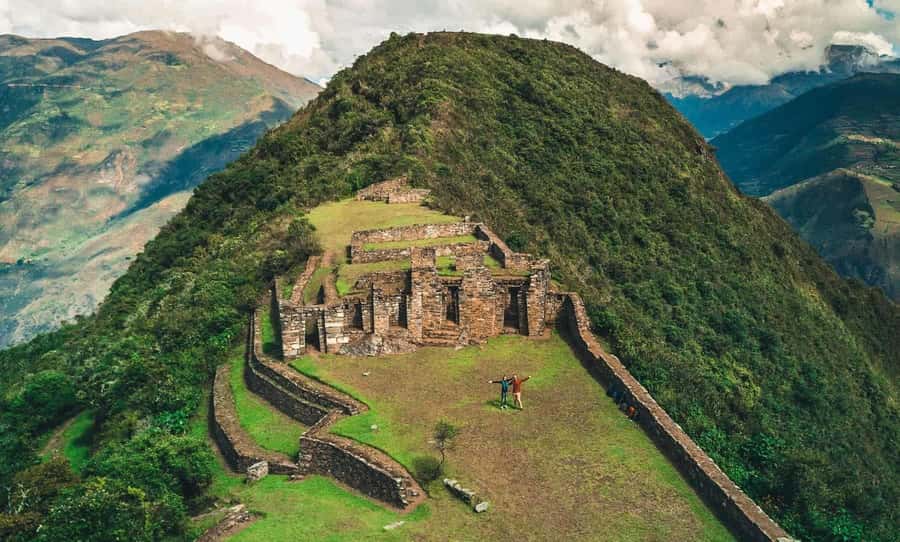
- Choquequirao is the main prize: You get a guided visit to the large Inca archaeological complex, followed by free time to explore.
- The Apurímac Canyon shapes the route: The trail drops from Capuliyoc to the canyon, then climbs hard toward Maranpata and Choquequirao.
- Day two is the archaeological highlight: You reach Choquequirao at about 9:30 in the morning, giving you useful time at the site before returning to camp.
- This is a serious physical challenge: The route includes a three-hour descent, a two-hour climb, another three-hour descent to the river, and a four-hour uphill finish.
- Meals and camp support are included: Cooks, muleteers, horses, rural accommodation, and a 5-kilogram duffel allowance help reduce the load on your back.
- The price covers the core service, not everything: At $366 per person, transport and meals add real value, but entrance fees and several trail extras cost more.
Why Choquequirao deserves four days
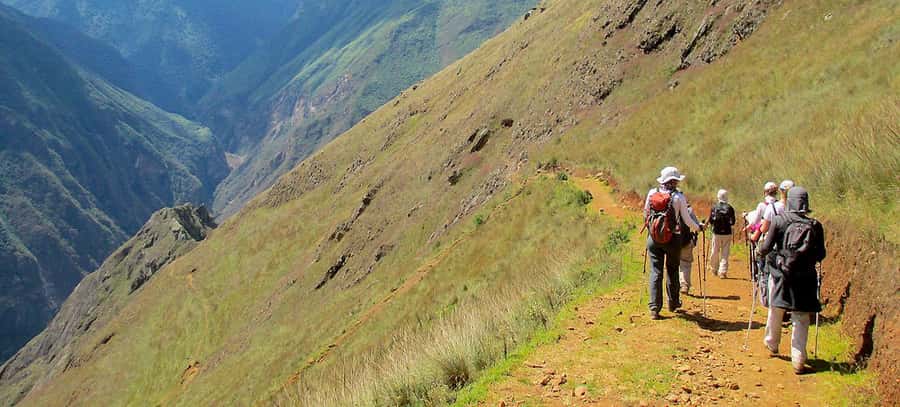
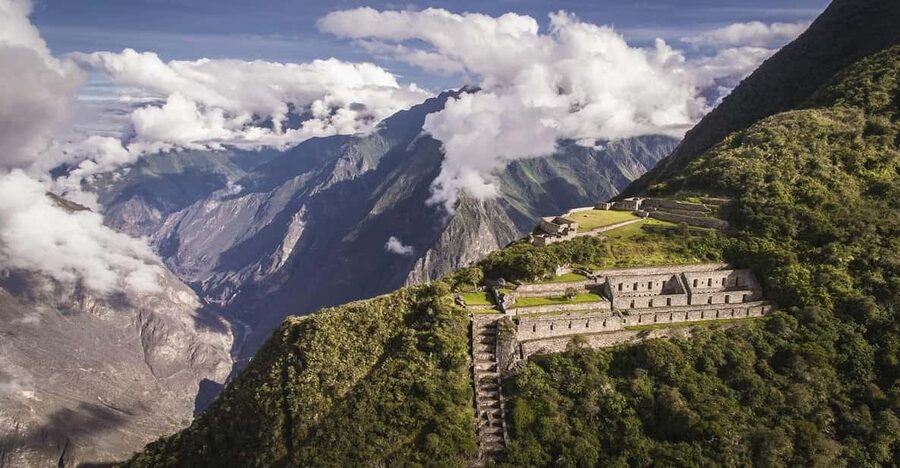
Choquequirao is often described as Machu Picchu’s sister city, but getting there is a very different experience. Machu Picchu has an efficient train and bus system. Choquequirao requires a long walk through the Apurímac Canyon, with no quick ride waiting at the end of the trail.
That effort is part of the appeal. You earn the ruins step by step, rather than arriving after a short transfer. The route also gives you a stronger sense of the terrain around Cusco, from the high viewpoint at Capuliyoc down toward the Apurímac River and back up to the archaeological site.
I would choose this trip if I wanted a demanding route with a major historical site at its center. I would not choose it simply because I had four spare days in Cusco. The walking schedule is substantial, and the tour description openly calls it one of the hardest treks in the region.
The four-day design is sensible. You descend on the first day, visit Choquequirao on the second, return toward the river on the third, and finish the climb back to Capuliyoc on the fourth. You avoid trying to force the whole route into a rushed schedule, though every day still asks a lot from your legs.
More Hiking & Trekking in Cusco
- From Cusco: 7 Lakes Ausangate Trek with Breakfast and Lunch
★ 4.8 · 360 reviews - Cusco: Rainbow Mountain Tour and Red Valley Hike (Optional)
★ 4.7 · 149 reviews - Cusco: Full-Day Rainbow Mountain & Red Valley Trekking Tour
★ 4.5 · 121 reviews
Day one: Cusco to Capuliyoc and Santa Rosa
Pickup begins at 5 in the morning from the meeting point in Cusco. You then ride for roughly three hours to Curawasi, where you make a short breakfast stop. Breakfast is not included, so you should plan to pay for that first meal yourself.
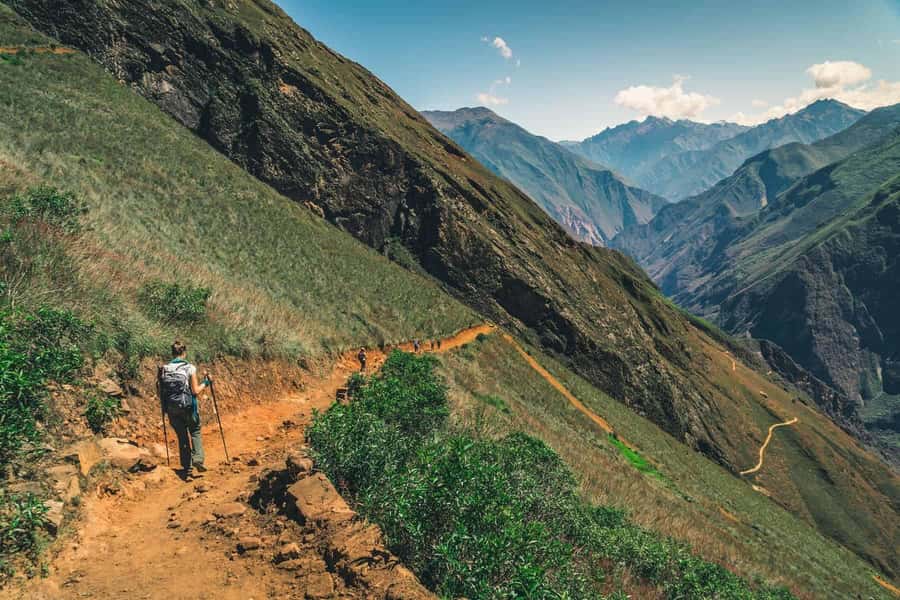
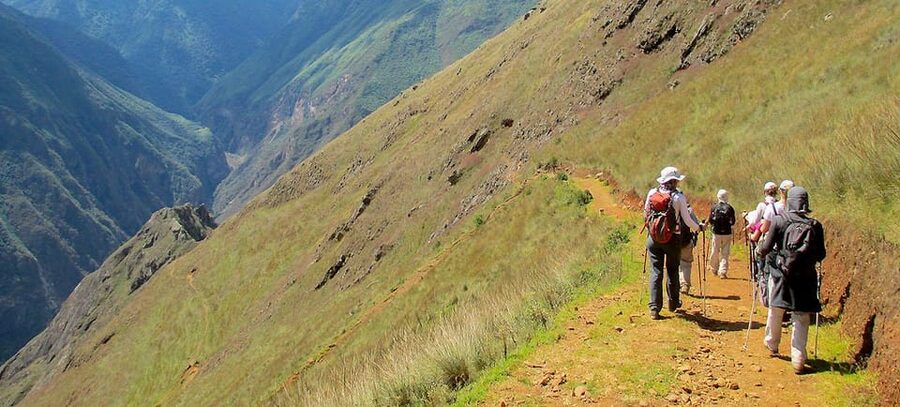
After another hour by car, you reach the Capuliyoc Viewpoint. This is where the walking starts, and it is also where you begin to understand the shape of the trek. The route drops for about three hours toward Chiquisca, with views of the surrounding mountains and the Apurímac Canyon.
This first descent can be harder than it sounds. Downhill walking puts steady pressure on your knees and thighs, especially after an early start and a long vehicle ride. I would use trekking poles here if you are comfortable with them. Poles cost 30 soles per pair through the tour, or you can bring your own.
Lunch is served at Chiquisca, where the cooks wait for the group. Freshly prepared meals are one of the strongest parts of this trip. After eating, you continue down to Playa Rosalinas for a rest before the route turns upward.
The climb from Playa Rosalinas to Santa Rosa takes about two hours. It is a useful warning for the rest of the trek: the route does not simply go down into the canyon and stay there. You will be climbing again before the first night.
At Santa Rosa, the camp is set up for you. Dinner follows, then your first night in rural accommodation. The combination of an early pickup, four hours of driving, a three-hour descent, and a two-hour climb makes day one a full day by any measure.
Day two: Santa Rosa to Choquequirao and Maranpata
The second morning begins at around 6 o’clock with hot coca tea from the cooks. After breakfast, you climb for about two hours to Maranpata. This section is uphill, so your legs may still feel the first day’s descent.
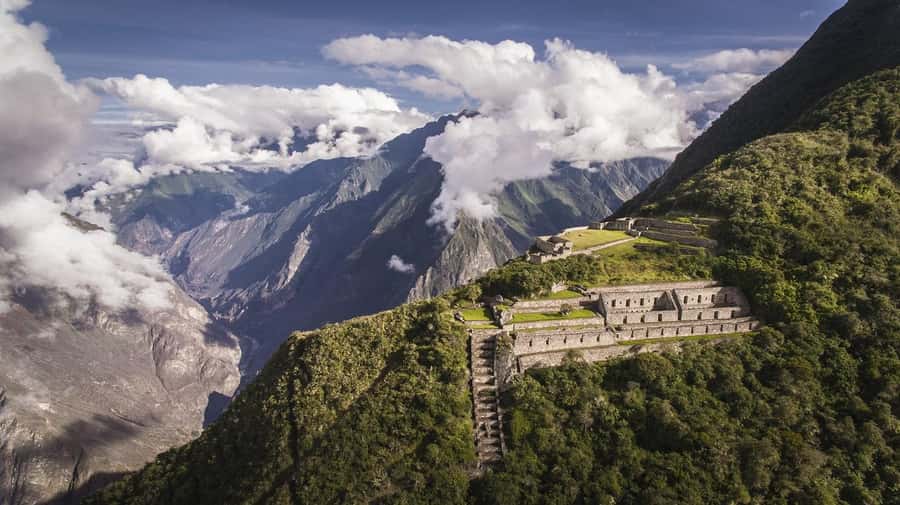
Maranpata serves as the support point for the archaeological visit. The cooks, muleteers, and horses remain there while you continue to Choquequirao. They prepare lunch and carry it to the site, which means you do not need to haul a full midday meal in your daypack.
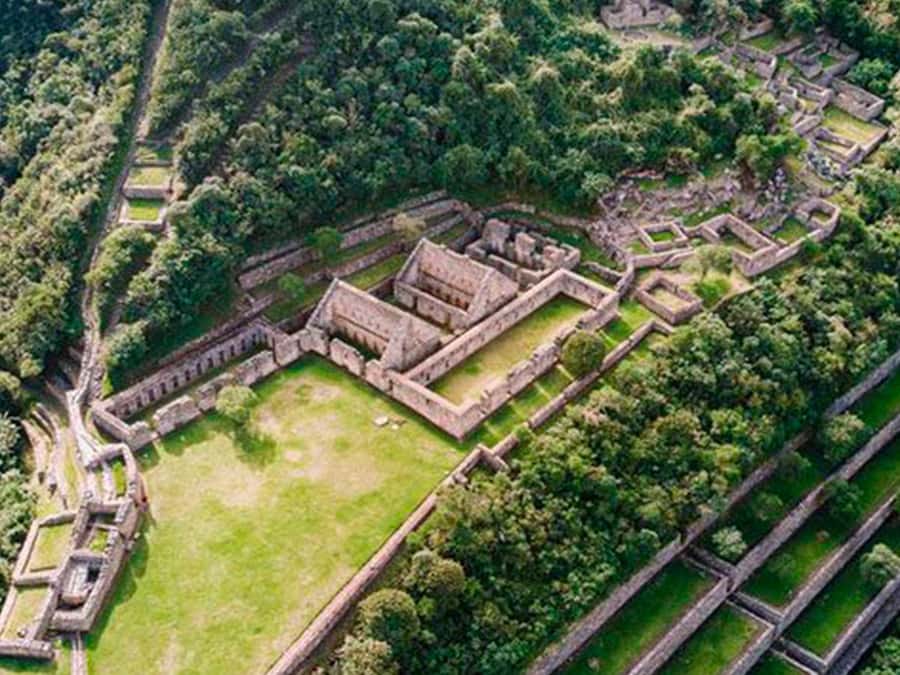
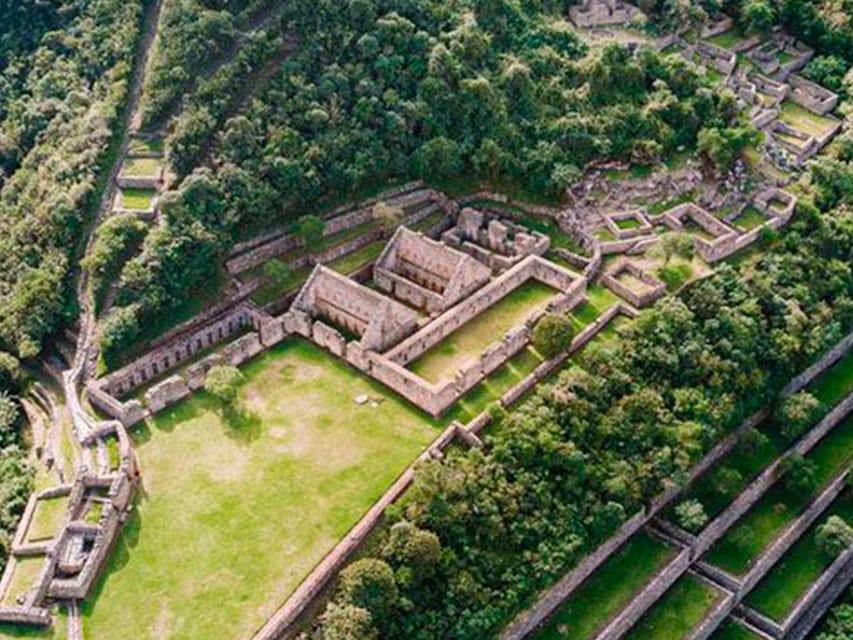
You reach Choquequirao at about 9:30 in the morning. This timing works well. You have the guide’s explanation of the site, then enough time to look around at your own pace. The archaeological complex is full of history and mystery, and its remote setting is a major part of the experience.
I like this balance between guided interpretation and free time. A guide can explain the meaning of what you are seeing, while your own time lets you slow down, look closely, and take in the setting without staying in a tight group every minute.
The site visit is the clear center of the trip, so do not treat it as a quick photo stop. The route requires real effort, and the value comes from having time at Choquequirao after making that effort. Your lunch is also brought to you at the archaeological complex, a practical touch after the morning climb.
In the afternoon, you walk back to Maranpata for dinner and the night’s camp. The return means the archaeological visit does not turn into a long, exhausting push to a distant camp after dark. You finish the day where the support team and camp are already waiting.
Day three: Maranpata, the Apurímac River, and Chiquisca
Day three starts at about 8 in the morning, giving you a slightly later start than the first two days. After breakfast, you begin the descent toward the Apurímac River. This section takes roughly three hours.
The river is a natural pause in the route. You have time to relax before lunch, which the cooks prepare on site. That break matters because the second half of the day is another climb.
After lunch, you climb for about two hours to Chiquisca, the third camp. The pattern is familiar by now: a long descent, a rest and meal, then a steady uphill section. It is a demanding rhythm, but the breaks are placed where you need them.
At Chiquisca, you can interact with local people and taste a typical drink made from sugar cane. This is one of the more local touches on the route, though the information provided does not specify the drink’s name or how it is prepared. Afterward, you have dinner and spend the night at camp.
I would expect day three to test your stamina more than your sense of direction. You are not visiting a major ruin on this day. Instead, you are retracing the route through the canyon and rebuilding your position for the final climb.
More Inca Trail Treks in Cusco
- Cusco: 4-Day Inca Trail to Machu Picchu with Accommodation
★ 4.8 · 432 reviews - Cusco: Machu Picchu 2-Day Inca Trail with Panoramic Train
★ 4.9 · 260 reviews - From Cusco: 2-Day Inca Trail to Machu Picchu
★ 4.2 · 244 reviews - Machu Picchu: Inca Trail 2-Day Overnight Guided Tour
★ 4.9 · 203 reviews
Day four: The four-hour climb back to Capuliyoc
The final morning begins very early, around 5 o’clock, after breakfast. The reason is practical: the route back to Capuliyoc climbs for about four hours, and an early start helps you avoid the strongest sun in the area.
This is the part of the trek I would take most seriously when judging your fitness. Four hours uphill at the end of a four-day route is no small finish. The reward is the Capuliyoc Viewpoint, where you can look back toward the surrounding mountains and the Apurímac Canyon.
You wait at the viewpoint while lunch is prepared. Once you have eaten, you take the vehicle back to Cusco, arriving at about 4:30 in the afternoon. That return time gives you a clear end to the trip, but it does not leave much room for a late-night plan in Cusco if transport is delayed.
The final climb also gives the trip a satisfying shape. You start at Capuliyoc, drop into the canyon, climb toward Choquequirao, return through the river area, and then climb back to the same viewpoint. You see the route from several angles, rather than simply walking to ruins and turning around.
Meals, camp, and the 5-kilogram bag
Meals are included throughout the trek except for the first breakfast and final dinner. The cooks prepare breakfast, lunch, and dinner at the camps and along the route. One of the most useful arrangements comes on day two, when lunch is carried from Maranpata to Choquequirao while you visit the site.
The food has received very strong praise, so I would treat the meal service as an important part of the value. On a route with repeated long climbs, a proper hot meal is more than a pleasant extra. It helps you keep moving.
Three nights of rural accommodation are included. The exact style of these lodgings is not specified, so you should not assume hotel rooms or modern facilities. This is a rural trekking setup, and comfort will likely be basic.
A muleteer and mule carry extra luggage, and you receive one Dafort bag for up to 5 kilograms. That allowance can make a big difference. You can keep your daypack smaller while sending clothing and other nonessential items ahead.
You still need to pack carefully. The included bag is limited to 5 kilograms, and the tour does not include water for your canteens. Rehydration water is also listed as an extra, so you should clarify the water arrangement before departure and carry enough for each section as instructed by the guide.
The real cost at $366 per person
The base price is $366 per person. For a four-day small-group trek, that includes transport from Cusco to Cachora and back, meals, three nights of rural accommodation, a guide, muleteer support, a mule for extra luggage, and the 5-kilogram bag.
That is a useful bundle. Transport alone involves the long ride from Cusco to the trailhead and the return journey. Add three days of cooking, camp support, guide service, and luggage help, and the price becomes easier to justify.
Still, the headline price is not the final amount. Adults pay 60 soles for the Choquequirao entrance ticket, while students pay 30 soles. The first breakfast and last dinner are also separate.
Other listed costs include 40 soles per person for a hot shower and towels, 20 soles for Wi-Fi, 30 soles for trekking poles, and 200 soles for horseback riding. Water for canteens and rehydration water are not included, and travel insurance is your responsibility.
Horseback riding may sound tempting on a route this hard, but it is an optional extra rather than part of the standard price. If you think you may need it, ask how and when it can be used before you book. The supplied details do not specify the exact sections or availability.
The price is strongest for people who want an organized trek with meals and load support. It is less attractive if you already have your own transport, camping setup, cooking gear, and route support. For most visitors arriving in Cusco without that equipment, the included services do real work.
Guide quality and group size
The tour uses a live guide in Spanish and English, with a small-group limit of 15 participants. That size is large enough to have company on a demanding route but small enough for the guide to keep track of the group more easily than on a large departure.
The guide is especially important here. You need clear pacing, route explanations, meal timing, and help understanding the archaeological complex. The strongest praise for this experience focuses on the guide, the food, the nature, and the group atmosphere.
No guide name is provided, so I cannot point you toward a particular person. I can say that guide quality should be one of your first questions when booking. Ask about the guide’s language, the planned group size for your date, and how the group handles different walking speeds.
Free cancellation up to 24 hours before departure and the option to reserve now and pay later make planning less rigid. Those policies are useful if your Cusco schedule is still changing, but they do not change the physical demands of the trek.
Who should book this trek?
I would recommend it to you if you enjoy long mountain walks, archaeological sites, basic rural accommodation, and a clear sense of physical achievement. It also suits people who want something quite different from the more established Machu Picchu route.
You should think twice if you dislike steep descents, early starts, camping-style conditions, or limited access to extras such as hot showers and Wi-Fi. The four-hour uphill finish alone makes this a poor choice for anyone seeking an easy holiday activity.
You also need to be comfortable with a fixed schedule. The group leaves Cusco at 5 in the morning, reaches Choquequirao at a planned time, camps at set points, and returns to Cusco around 4:30 on the last day. That structure keeps the trip moving, but it leaves little room for wandering off route.
Bring a daypack, suitable walking clothes, sun protection, personal water supplies as directed, and any medication you need. If you want poles, a hot shower, or a horse, include those costs in your planning. The tour carries extra luggage, but only up to 5 kilograms in the provided bag.
Should you book the Choquequirao trek?
I would book this trek if Choquequirao is a priority and you want a supported route rather than an independent expedition. The guide, cooks, muleteers, meals, transport, and luggage help make the $366 price easier to accept, while the small group keeps the experience more personal.
I would not book it as a casual add-on to a Cusco trip. The route is repeatedly steep, the first and last days start early, and the finish includes four hours of uphill walking. If you are ready for that challenge, the chance to reach a remote Inca site with time to explore is the reason to go.
FAQ
How long is the Choquequirao trek?
The trek lasts four days.
Where does the tour begin?
Pickup begins at a meeting point in Cusco at about 5 in the morning on day one.
How much does the trek cost?
The listed price is $366 per person.
Is the Choquequirao entrance ticket included?
No. The entrance fee is 60 soles for adults and 30 soles for students.
What languages does the guide speak?
The live guide service is available in Spanish and English.
How large is the group?
The tour is limited to 15 participants.
Are meals included?
Meals are included except for the first breakfast and the last dinner.
Is extra luggage supported?
Yes. A mule and muleteer carry extra luggage, and one Dafort bag for up to 5 kilograms is included.
Is horseback riding included?
No. Horseback riding is optional and listed at 200 soles.
More Treks and Day Hikes
- From Cusco: Rainbow Mountain Trek
★ 4.5 · 98 reviews - Private Palccoyo Rainbow Hike Without the Crowds
★ 5.0 · 86 reviews - Machu Picchu: 5-Day Salkantay Trek with Panoramic Train
★ 5.0 · 79 reviews - Ancascocha Trek To Machu Picchu 4 Days And 3 Nights
★ 5.0 · 77 reviews
More Treks to Machu Picchu
- Short Inca trail to MachuPicchu || 2days – 1nigth ||
★ 5.0 · 103 reviews - Salkantay Trek Challenge – 3 Days / 2 Nights
★ 5.0 · 101 reviews - Small Group 5 Days Salkantay and Machu Picchu by Llactapata Tour
★ 5.0 · 88 reviews - Choquequirao Trek 4 days and 3 nights
★ 5.0 · 81 reviews
Just added around Cusco
- Cusco: Rainbow Mountain and viewpoint red valley ( optional)★ 4.8 · 3 reviews
- Montaña de Colores: tour en cuatrimotos día completo★ 3.3 · 3 reviews
- Tour Pallay Punchu Trek Full Day★ 4.2 · 3 reviews
- Excursion Cusco – Puno – Titicaca Observatory Train★ 5.0 · 3 reviews
- Cusco: Palcoyo Mountain Day Trip with Breakfast and Lunch★ 4.8 · 3 reviews
- Maras Moray★ 5.0 · 3 reviews
- Tour to Laguna Humantay with breakfast and lunch from Cusco★ 4.7 · 3 reviews
- From Cusco:Chinchero, Moray, Maras, Ollantaytambo with lunch★ 5.0 · 3 reviews
Inca Trail Treks, compared.

4-Day Inca Trail to Machu Picchu with Accommodation
Read our review →
7 Lakes Ausangate Trek with Breakfast and Lunch
Read our review →
Machu Picchu 2-Day Inca Trail with Panoramic Train
Read our review →

Machu Picchu: Inca Trail 2-Day Overnight Guided Tour
Read our review →
Short Inca trail to MachuPicchu || 2days – 1nigth ||
Read our review →
Small Group 5 Days Salkantay and Machu Picchu by Llactapata Tour
Read our review →Browse the lists this tour appears in