
Reviewed · INCA TRAIL TREKS
Ausangate Trek 5 Days
High passes, hot springs, and almost no crowds. The 5-day Ausangate Trek takes you far beyond Cusco’s busiest sights, circling one of Peru’s great sacred mountains through glacier-fed lakes, remote valleys, and high Andean villages. I especially like the small-group size of up to 10 people and the strong support from cooks and horse drivers. The main catch is altitude: camps rise above 15,000 feet, so this is a serious mountain trek, not a casual walk.
I also like that the price includes camping gear, horses to carry equipment, and nearly all meals. The hot springs at Upis and Pacchanta are welcome rewards after long days on the trail. If you choose this trip, prepare for cold nights, thin air, and several hours of steady uphill and downhill walking each day.
In This Review
- Key points to know before booking
- What the Ausangate Trek is really like
- Day 1: From Cusco to Upis hot springs
- Day 2: Arapa Pass, turquoise lakes, and a higher camp
- Day 3: The climb to 5,200-meter Palomani Pass
- Day 4: Glacial lakes and Pacchanta’s hot springs
- Day 5: Local food, weaving, and the return to Cusco
- Food, camping, and support on the trail
- Why this route feels different from busier Peruvian treks
- The $660 price and what it covers
- Who should book this trek?
- Should you book the Ausangate Trek?
- FAQ
- How long is the Ausangate Trek?
- What time does the tour begin?
- How high does the trek go?
- What meals are included?
- Is a sleeping bag included?
- Is the entrance fee included?
- How many people can join the group?
Key points to know before booking
- Reach 5,200 meters at Palomani Pass: This is the highest point of the trek and the day’s main physical test.
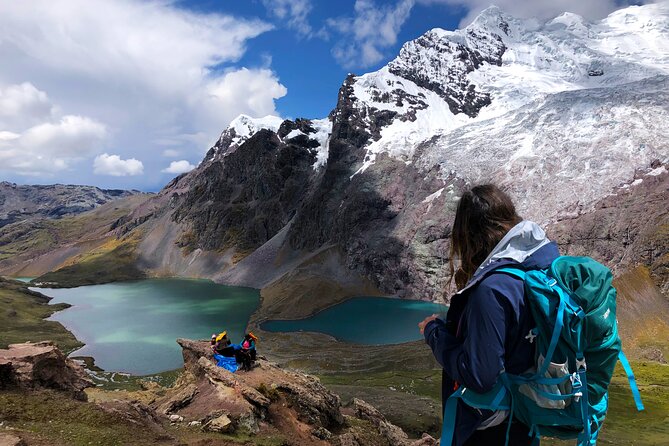
- Sleep beside high-altitude lakes: Camps near Ausangate Qocha and other remote valleys bring you close to the mountain’s glacial scenery.
- Relax in two hot-spring areas: Upis appears on the first day, while Pacchanta provides the final mountain soak.
- Travel with a small support crew: A maximum of 10 people allows for a more personal pace and direct help on the trail.
- Eat well in the wilderness: Five lunches, four dinners, and four breakfasts are included, with chef Benigno earning particular praise.
- Bring serious cold-weather gear: Nights can feel as cold as those in the Himalaya, even after warm sunny days.
What the Ausangate Trek is really like
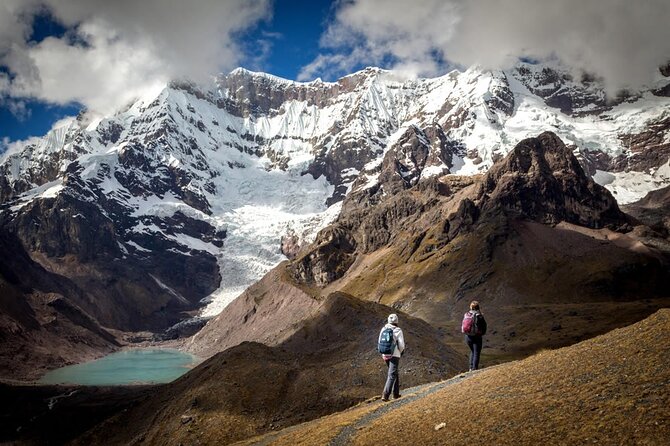
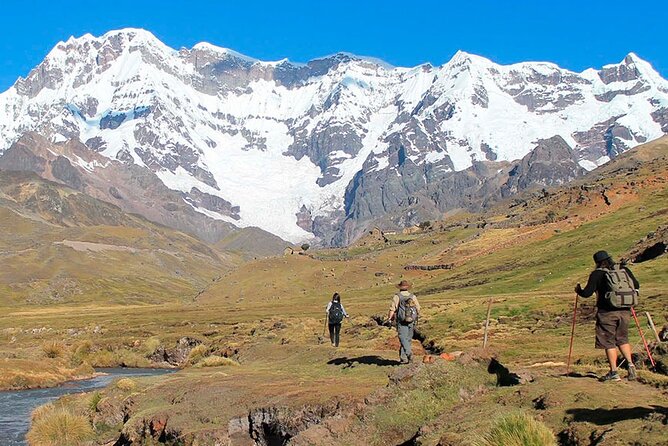
Ausangate is a high mountain circuit in the Cusco region, built around the massive Ausangate peak. The route feels far removed from the city and from the better-known paths toward Machu Picchu. You spend your days crossing broad Andean valleys, passing llamas and alpacas, and watching snow and ice feed bright mountain lakes.
This is not a low-altitude cultural stroll. The camps range from about 4,200 to 4,630 meters, or roughly 13,780 to 15,190 feet. The trail climbs to 5,200 meters at Palomani Pass, so your body has to work hard simply to breathe and walk.
The company keeps the group to no more than 10 people. That matters here. At high altitude, I would rather have a guide who can see how everyone is doing than be part of a large marching line. The crew includes a guide, cook, horse driver, and assistant support staff. Horses carry the camping equipment, which means you do not have to haul a full load over the passes.
The price is $660 per person. For five days in a remote mountain area, that is a fair package if you value support, meals, transport, and camp equipment. You still need to budget for the 20-sol entrance fee and a sleeping bag, which is not included.
More Hiking & Trekking in Cusco
- From Cusco: 7 Lakes Ausangate Trek with Breakfast and Lunch
★ 4.8 · 360 reviews - Cusco: Rainbow Mountain Tour and Red Valley Hike (Optional)
★ 4.7 · 149 reviews - Cusco: Full-Day Rainbow Mountain & Red Valley Trekking Tour
★ 4.5 · 121 reviews
Day 1: From Cusco to Upis hot springs
Your day begins early, with pickup in Cusco at 5:00 a.m. Private transportation takes you toward Tinke, where you can buy last-minute supplies and have breakfast before continuing to Rondoca, the starting point of the trek.
This early stop is practical rather than scenic. Use it to check your water, snacks, layers, and personal medication. Once you leave Tinke, opportunities to buy missing items become very limited.
At Rondoca, you meet the rest of the trekking crew, including the cook and horse driver. The first walk lasts about two hours before lunch. This is your first proper introduction to Apu Ausangate, the sacred mountain at the center of the route.
After lunch, you continue toward Upis. The first day covers about 8 kilometers, although the supplied distance also lists 3 miles, which does not match the kilometer figure. Expect roughly three to four hours of walking, with elevation rising from about 3,800 to 4,200 meters.
Upis makes a smart first camp. You can soak in hot springs, sip coca tea, and let your legs loosen before dinner. At this altitude, that warm water is more than a nice extra. It gives you a chance to relax before the harder passes ahead.
The first night is already high at about 4,200 meters. If you sleep poorly, do not panic. Thin air often makes the first night uncomfortable, and the route becomes more demanding on the following day.
Day 2: Arapa Pass, turquoise lakes, and a higher camp
Day two is the first major test. The crew wakes you with hot coca tea, followed by breakfast. You then climb to Arapa Pass at 4,850 meters.
The pass is not the highest point of the trip, but it arrives early in the trek, when your body is still adjusting. Walk slowly and keep your breathing steady. The correct pace here is the one that lets you continue without stopping every few minutes.
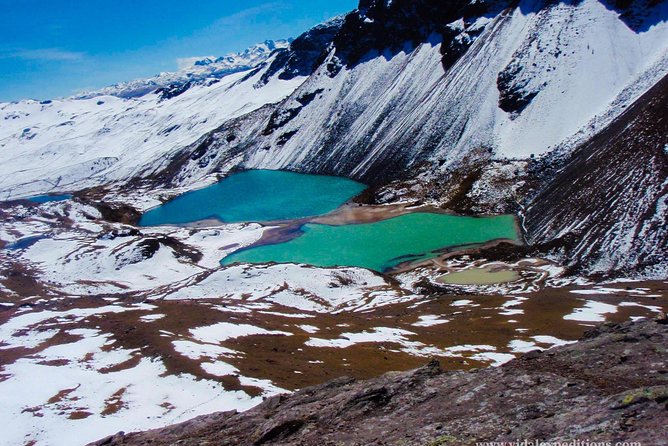
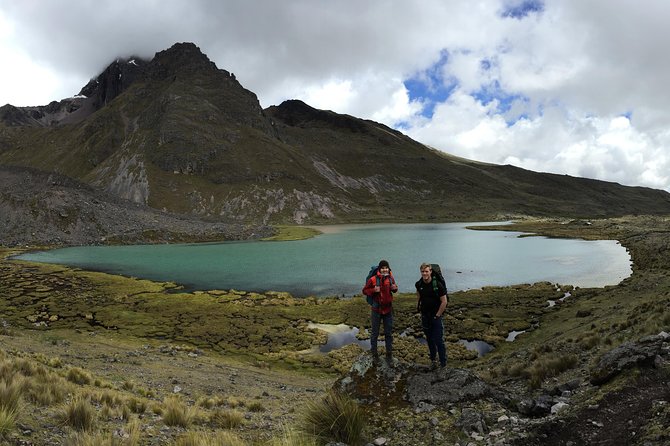
From Arapa Pass, the route descends for about two and a half hours through the valley. You pass green Puqa Q’ocha before reaching turquoise Jatun Puqa Q’ocha. The color comes from glacial water, and the lake provides one of the day’s best places for photographs.
Lunch is served beside Jatun Puqa Q’ocha, with views toward Ausangate. This is the sort of break that makes the hard climb worthwhile. You get time to eat, look around, and recover before the next ascent.
The afternoon brings Apacheta Pass at about 4,980 meters. Below it sits another striking blue lake, fed by snowmelt from Ausangate. The route then descends for about an hour to Ausangate Qocha, where you camp.
Day two takes around seven hours of hiking and covers about 12 kilometers. Elevation remains high all day, moving from approximately 4,200 meters to 4,930 meters before dropping to about 4,700 meters. Camp is listed at about 4,630 meters, so expect a cold night.
This is also the point where good equipment becomes important. The support crew provides camping equipment, but you should bring your warmest personal mountain clothing. One experienced hiker specifically compared the overnight cold to conditions in the Himalaya. That is useful advice, not a minor footnote.
Day 3: The climb to 5,200-meter Palomani Pass
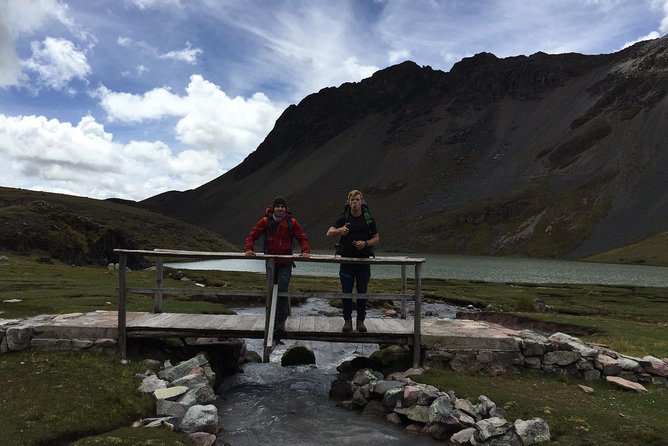
Day three reaches the highest point of the trek. After breakfast, you climb to Palomani Pass at 5,200 meters, or about 17,060 feet.
The ascent takes about two hours, but the clock tells only part of the story. At this height, even a modest slope can feel demanding. The route description says the guide holds a ceremony for Apu Ausangate at the pass. This adds cultural meaning to a physical achievement, connecting the mountain scenery with Andean spiritual tradition.
The pass is the kind of place where you should pause and take in the scale of the country around you. The air is thin, the mountains feel close, and the route’s remoteness becomes clear.
Afterward, you descend for about an hour to Uchuy Phinaya for lunch. The afternoon continues with several more hours of walking toward camp. The day covers roughly 13 kilometers and takes six to seven hours of hiking.
Elevation drops from about 4,600 meters to 4,300 meters, with camp near 4,500 meters. That lower camp may feel helpful after Palomani, though it is still far higher than most people live.
The people guiding this route have received strong praise for their local knowledge and care. Guides named in the supplied information include Guillermo and Urbano, also called Chino. Chino is described as encouraging and well informed about the area, while Guillermo is praised for explaining local customs, wildlife, and mountain life. Guide assignments can vary, so you should not assume one particular person will lead your departure.
More Inca Trail Treks in Cusco
- Cusco: 4-Day Inca Trail to Machu Picchu with Accommodation
★ 4.8 · 432 reviews - Cusco: Machu Picchu 2-Day Inca Trail with Panoramic Train
★ 4.9 · 260 reviews - From Cusco: 2-Day Inca Trail to Machu Picchu
★ 4.2 · 244 reviews - Machu Picchu: Inca Trail 2-Day Overnight Guided Tour
★ 4.9 · 203 reviews
Day 4: Glacial lakes and Pacchanta’s hot springs
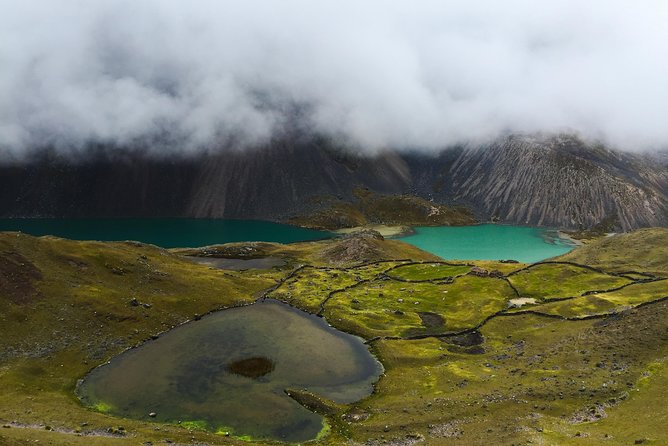
Day four is the final long mountain day. There is only one pass to cross, leaving more time to enjoy the lakes and views.
The route passes deep blue lagoons and other glacial lakes colored by minerals and melting ice. The supplied details even mention swimming in some of them if you are brave enough. At high altitude, cold water can feel more like a dare than a refreshing bath, so use good judgment.
Ausangate remains visible from a new angle, while the route opens toward Pacchanta Valley. The changing viewpoint is part of the pleasure of walking around a mountain rather than simply approaching it and turning back.
The goal is Pacchanta, known for its hot springs. After three demanding days, the soak is perfectly timed. You can sit in warm water and look toward Ausangate, trading stiff muscles for one of the trip’s gentlest moments.
Day four covers about 15 kilometers and takes around six hours. The route descends from about 4,300 meters. Although this is not the highest day, downhill walking can still tire your knees, especially after several days at altitude.
Day 5: Local food, weaving, and the return to Cusco
The last morning begins with breakfast and a cultural ceremony led by a local family. You learn about traditional food, local customs, and weaving techniques before taking a bus back to Cusco.
This final visit gives the trek a human ending. The high passes and lakes are the visual center of the trip, but meeting local people helps connect the route to daily life in the Andes. The cultural portion is not just a quick photo stop. It includes food preparation and weaving, two practical traditions that help explain how people maintain community and identity in the region.
The final day lasts about three hours. After four nights in mountain camps, the bus ride should feel easy, though the long transfer from the remote area means you should not plan a tight connection or important evening appointment in Cusco.
Food, camping, and support on the trail
Food is one of the strongest parts of this trip. The package includes five lunches, four dinners, and four breakfasts. Chef Benigno received especially warm praise for producing varied meals in a camp kitchen, while assistant cook Euden is also named as part of the food team.
Do not expect restaurant service in the mountains, but you can reasonably expect hot meals after long walking days. That has real value. Eating enough at altitude helps you maintain energy, and having meals organized means you carry fewer snacks and spend less time managing camp chores.
Camping equipment is included, along with horses for the equipment. The horse driver, Angel, is praised for handling gear and helping set up and take down camp. The crew also includes José in some departures.
A sleeping bag is not included. You should arrange one before departure and confirm its suitability for very cold nights. The information does not specify the sleeping bag rating or exactly which camping items are supplied, so ask the operator for a current equipment list before you leave Cusco.
Why this route feels different from busier Peruvian treks
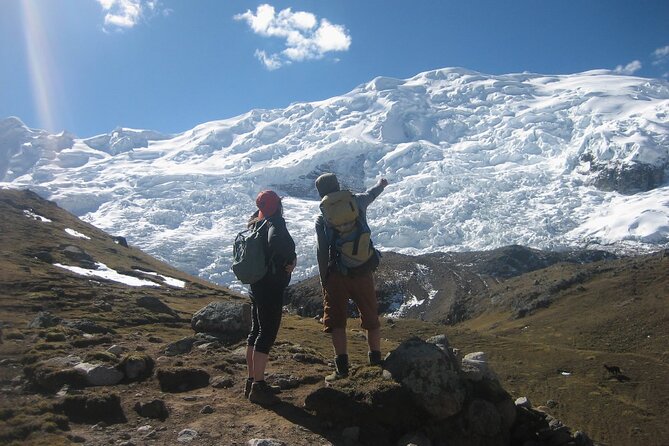
The strongest appeal of Ausangate is its sense of space. The route passes through remote areas, and the available feedback repeatedly describes seeing very few other groups. That can make the trip feel more personal and less like a procession.
You also get a broader look at Andean life than a standard sightseeing day allows. The route includes villages, local food, coca tea, weaving, a ceremony for Apu Ausangate, and mountain valleys still used by local communities.
The tradeoff is comfort. You spend several nights at extreme altitude, far from ordinary services. The route is beautiful because it is remote, but that same remoteness means you must be ready for cold, fatigue, changing weather, and basic camp conditions.
The $660 price and what it covers
At $660, this is not the cheapest way to see the Cusco region, but the package includes several costly and useful parts:
- Private transport from Cusco to the trailhead
- Transport back to Cusco
- Camping equipment
- Horses to carry equipment
- Four breakfasts
- Four dinners
- Five lunches
- A guide, cook, and horse driver
- A small group capped at 10 people
The value is strongest for you if you want a supported trek without arranging each piece separately. Paying extra for the entrance fee and sleeping bag is reasonable, but remember to include both in your budget.
The company has received a 5 out of 5 rating from 74 ratings, with 100 percent recommending the experience. The praise centers on organization, food, guide support, scenery, and the feeling of being well cared for. That does not remove the physical demands of the trek, but it does suggest the service side is a major strength.
Who should book this trek?
This trip suits you if you already enjoy long mountain walks and want a high-altitude route with cultural depth. You should have a moderate level of fitness and be comfortable walking six to eight hours on several days.
It is also a good fit if you prefer a small group, want your equipment carried by horses, and care about food quality. The guides add value through explanations of local culture, wildlife, mountain traditions, and the spiritual role of Ausangate.
I would not choose this as your first-ever hiking experience unless you have prepared carefully and allowed time in Cusco to adjust to altitude. The tour data requires moderate fitness, but the numbers tell the fuller story: camps above 4,200 meters and a high point of 5,200 meters are demanding for nearly everyone.
Book at least a couple of weeks ahead if possible. The experience is booked an average of 17 days before departure, and small groups can fill quickly. Cancellation is free up to 24 hours before the start time. Poor weather or failure to reach the minimum group size can lead to a new date, another experience, or a full refund.
Should you book the Ausangate Trek?
Book it if you want remote scenery, high passes, hot springs, and a small support team more than easy access or soft beds. The combination of turquoise lakes, Ausangate views, local food, and traditional weaving makes this one of the more complete mountain experiences near Cusco.
Skip it if you dislike cold camping, long walking days, or severe altitude. For the right hiker, the $660 price offers good value, especially with meals, horses, transport, and camp support included. Pack warmly, move slowly, and give the mountain the respect it deserves.
FAQ
How long is the Ausangate Trek?
The trek lasts approximately five days, with four nights of camping in the mountains.
What time does the tour begin?
Pickup in Cusco begins at 5:00 a.m. on the first day.
How high does the trek go?
The highest point is Palomani Pass at 5,200 meters, or about 17,060 feet.
What meals are included?
The package includes five lunches, four dinners, and four breakfasts.
Is a sleeping bag included?
No. A sleeping bag is not included and must be arranged separately.
Is the entrance fee included?
No. The entrance fee costs 20 soles and is not included in the tour price.
How many people can join the group?
The maximum group size is 10 people.
More Treks and Day Hikes
- From Cusco: Rainbow Mountain Trek
★ 4.5 · 98 reviews - Private Palccoyo Rainbow Hike Without the Crowds
★ 5.0 · 86 reviews - Machu Picchu: 5-Day Salkantay Trek with Panoramic Train
★ 5.0 · 79 reviews - Ancascocha Trek To Machu Picchu 4 Days And 3 Nights
★ 5.0 · 77 reviews
More Treks to Machu Picchu
- Short Inca trail to MachuPicchu || 2days – 1nigth ||
★ 5.0 · 103 reviews - Salkantay Trek Challenge – 3 Days / 2 Nights
★ 5.0 · 101 reviews - Small Group 5 Days Salkantay and Machu Picchu by Llactapata Tour
★ 5.0 · 88 reviews - Choquequirao Trek 4 days and 3 nights
★ 5.0 · 81 reviews
Just added around Cusco
- Cusco: Rainbow Mountain and viewpoint red valley ( optional)★ 4.8 · 3 reviews
- Tour Pallay Punchu Trek Full Day★ 4.2 · 3 reviews
- Montaña de Colores: tour en cuatrimotos día completo★ 3.3 · 3 reviews
- Excursion Cusco – Puno – Titicaca Observatory Train★ 5.0 · 3 reviews
- Cusco: Palcoyo Mountain Day Trip with Breakfast and Lunch★ 4.8 · 3 reviews
- Maras Moray★ 5.0 · 3 reviews
- Tour to Laguna Humantay with breakfast and lunch from Cusco★ 4.7 · 3 reviews
- From Cusco:Chinchero, Moray, Maras, Ollantaytambo with lunch★ 5.0 · 3 reviews
Inca Trail Treks, compared.

4-Day Inca Trail to Machu Picchu with Accommodation
Read our review →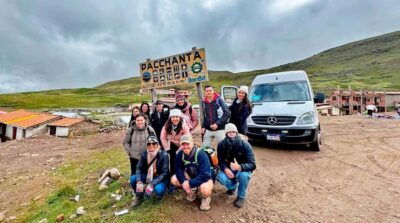
7 Lakes Ausangate Trek with Breakfast and Lunch
Read our review →
Machu Picchu 2-Day Inca Trail with Panoramic Train
Read our review →

Machu Picchu: Inca Trail 2-Day Overnight Guided Tour
Read our review →
Short Inca trail to MachuPicchu || 2days – 1nigth ||
Read our review →
Small Group 5 Days Salkantay and Machu Picchu by Llactapata Tour
Read our review →Browse the lists this tour appears in