
Reviewed · WALKING TOURS
Arequipa Walking Tour and Santa Catalina Monastery
Arequipa’s best stories hide behind painted walls. This three-hour walk pairs the remarkable Santa Catalina Monastery with the Jesuit Church of the Company of Jesus, giving you a focused look at the city’s architecture and religious past. I like the colorful lanes and original furnishings inside the monastery, and I like that entrance fees, hotel pickup, and a live guide are included. The main concern is timing: one booking reported a one-hour delay before the tour began.
This is a good afternoon choice if you want a clear introduction to Arequipa without giving up a full day. The guide can lead in English or Spanish, and Deyvis received especially warm praise for answering questions carefully. Still, you should confirm the pickup time if your evening plans are tight.
In This Review
- Key points at a glance
- Why this afternoon walk works well in Arequipa
- Inside Santa Catalina’s painted streets
- The architecture you will notice at Santa Catalina
- The Company of Jesus Church beside Plaza de Armas
- How the three-hour schedule feels
- The guide, language, and level of personal attention
- What to wear and what to leave behind
- Who will get the most from this tour?
- Is $56 a fair price?
- Should you book it?
- FAQ
- How long does the Arequipa walking tour last?
- What sights are included?
- Is hotel pickup included?
- Are entrance fees included?
- What languages are available?
- Are meals included?
- What should I bring?
- Can I cancel the booking?
Key points at a glance
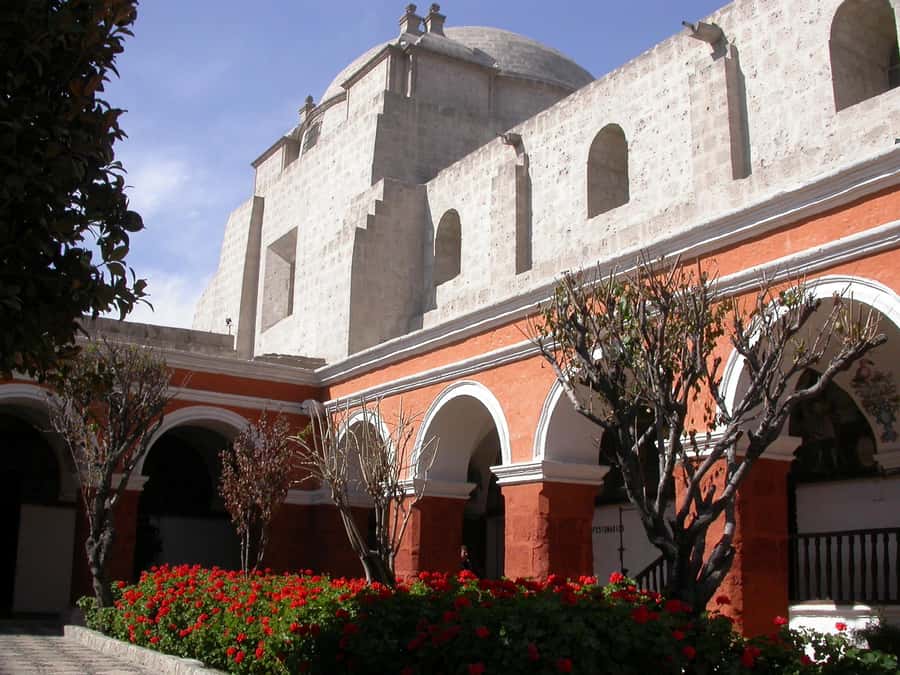
- Santa Catalina’s four centuries of design: See cells, small streets, cloisters, flowers, painted walls, and original furniture within the convent.
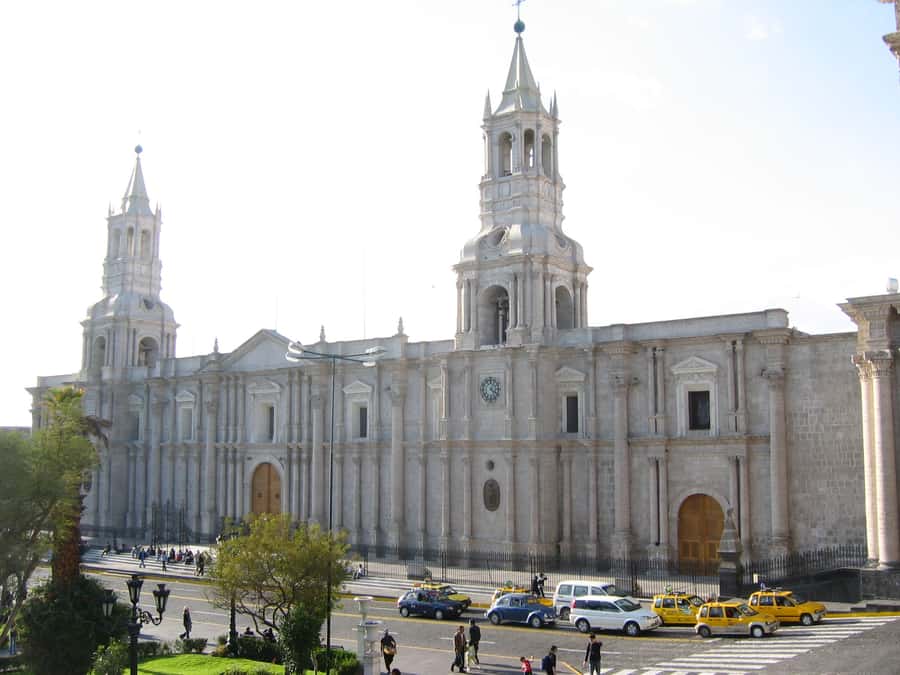
- A close look at mestizo architecture: The Company of Jesus Church displays a detailed facade, cloisters, and dome beside Arequipa’s Plaza de Armas.
- A compact three-hour plan: Pickup begins around 3:00 PM, with a return to Arequipa around 6:00 PM.
- Useful inclusions: Hotel pickup in central Arequipa, entrance fees, and a professional guide are covered in the $56 price.
- English or Spanish guiding: You can choose between the two listed tour languages, subject to availability.
- One timing caution: A January 2019 booking experienced a late start, so leave some breathing room in your schedule.
Why this afternoon walk works well in Arequipa
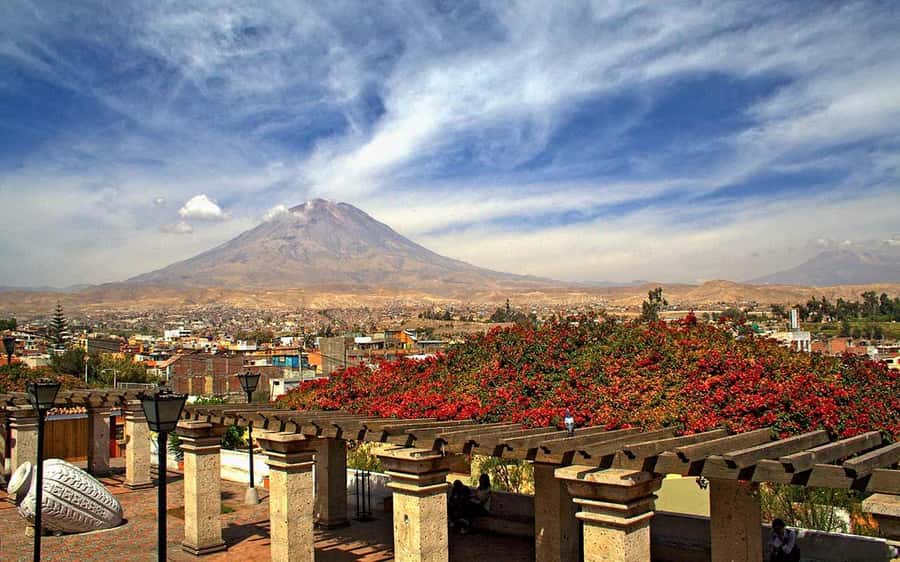
Arequipa can feel confusing at first because its most meaningful sights are spread through streets, courtyards, and religious buildings rather than arranged in one large museum. This tour gives you a simple route and a local guide to explain what you are seeing.
The schedule begins at about 3:00 PM with pickup from your accommodation in central Arequipa. That late afternoon start is useful if you arrive in the morning, have already visited a market, or want to save the cooler part of the day for walking. You return around 6:00 PM, so the tour fits neatly before dinner.
At $56 per person, the value depends largely on how much you want a guided visit. You are paying for transportation from your central hotel, admission to the monastery, a guide, and the church visit. If you prefer moving quickly and reading on your own, the price may feel high for three hours. If you want context and do not want to arrange admission or transport yourself, the package is easier to justify.
The tour is also short enough to avoid museum fatigue. You will not see every corner of Arequipa, but you will focus on two major sights that explain much of the city’s character.
More walking tours on foot:
- Walking tour in the Historic Center of Arequipa
★ 4.4 · 180 reviews - Arequipa: Walk through the Historic Center of the City
★ 4.9 · 87 reviews - Arequipa Walking Tour city center and drinks experience
★ 5.0 · 72 reviews
Inside Santa Catalina’s painted streets
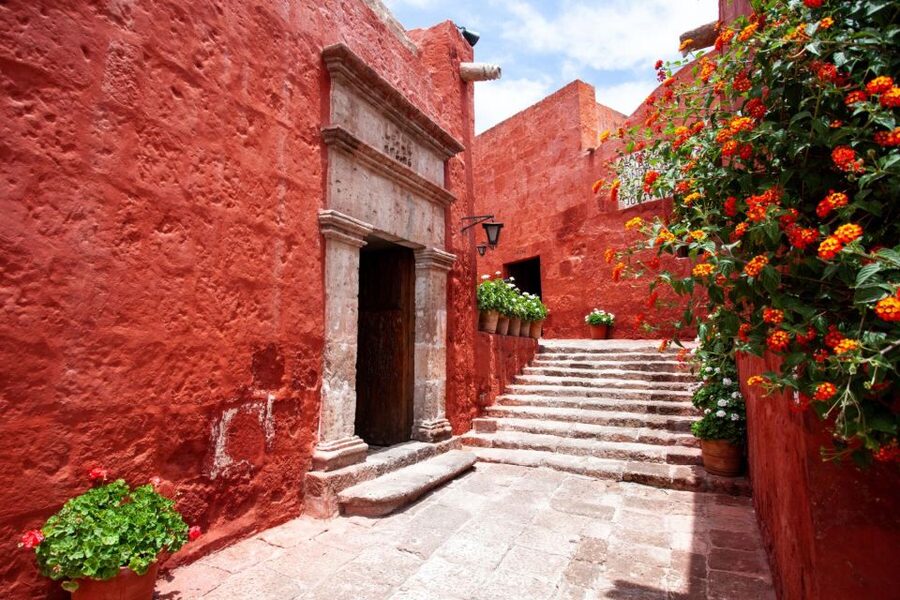
Santa Catalina Monastery is the heart of the experience. The convent contains four centuries of Arequipa architecture, and the layout feels more like a small enclosed town than a single building.
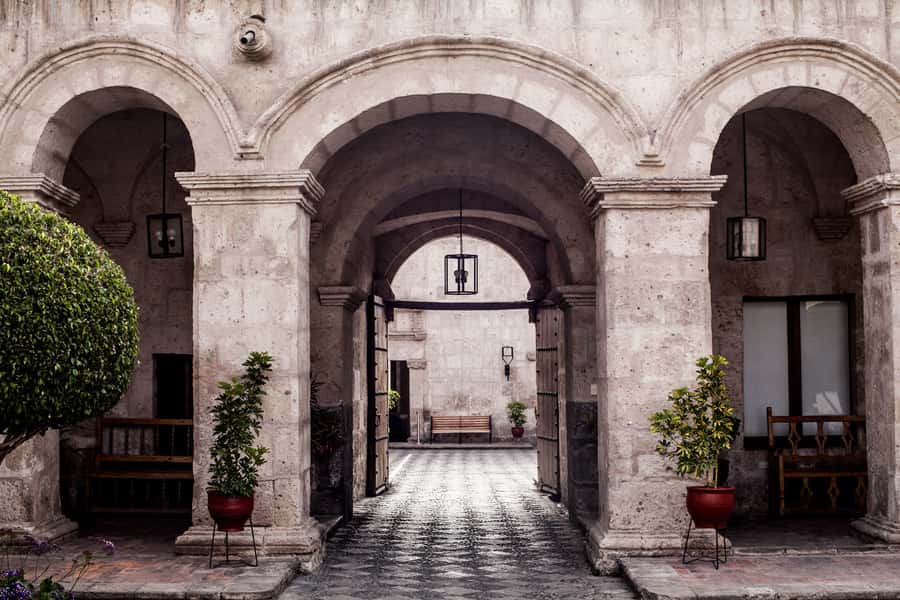
You move through narrow alleys, small cells, and cloisters, with colorful flowers and walls covered in fresh-looking dyes. The changing colors give each section a different mood. One lane may feel quiet and private, while another opens toward a courtyard or a more decorative religious space.
The cells are especially useful for understanding how the convent functioned. These are not just blank rooms in a formal museum. The tour describes living and sleeping areas that retain original furniture, allowing you to picture the daily rhythm of the women who stayed there.
I like this part because it puts architecture to work. The walls, corridors, and courtyards are not decoration alone. They show how the convent was divided into places for prayer, rest, movement, and community life.
The description of feeling lost in time is not hard to understand here. The small streets lead from one part of the convent to another, and the route can feel removed from the city outside. You should expect plenty of walking through narrow passages, so comfortable clothes are sensible.
Do not bring luggage or a large bag. That rule matters in a place built around tight corridors and historic rooms. A small personal bag is more practical, though the supplied details only specifically confirm that large bags and luggage are not allowed.
The architecture you will notice at Santa Catalina
The monastery is valuable even if you do not usually seek out religious buildings. Its appeal comes from the way several details work together:
- Painted walls: Fresh dyes give the corridors and courtyards strong color.
- Flower-filled spaces: Flowers soften the hard lines of the masonry and add life to the cloisters.
- Narrow alleys: The passageways make the convent feel like a compact neighborhood.
- Original furniture: Furnishings help you understand the rooms as living spaces, not empty displays.
- Cloisters: These open areas break up the enclosed route and provide a sense of order.
- Sleeping quarters: The rooms show the practical side of convent life.
Your guide can make a major difference here. The monastery has enough visual detail to occupy you, but a good explanation helps connect the rooms into a clear story. Deyvis was praised for knowing the site well and taking time with questions. If he leads your visit, make use of that access rather than rushing from one photo stop to the next.
The wording of the tour description refers to the convent’s cells, streets, and sleeping places, but it does not promise a particular room or route. The exact path may vary. That is worth remembering if you have seen photographs of one specific courtyard and expect it to be the first stop.
The Company of Jesus Church beside Plaza de Armas
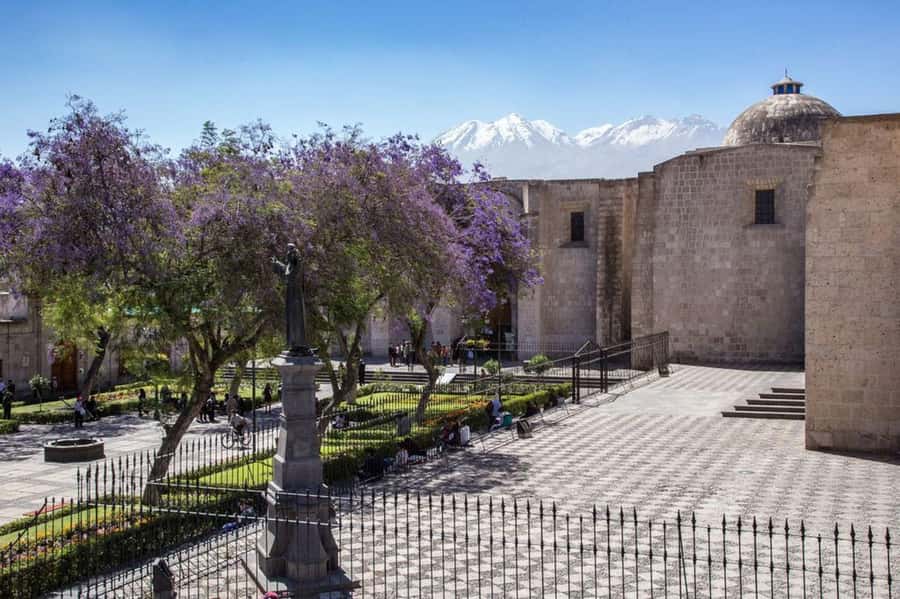
After Santa Catalina, the tour continues to the Jesuit Church of the Company of Jesus at Arequipa’s Plaza de Armas. This stop shifts the focus from a large enclosed convent to a church known for its facade, cloisters, and dome.
The facade presents mestizo architecture, a style that combines European religious forms with local decorative influence. Even without a long lecture, you can see why the exterior deserves close attention. Look at the surface details rather than treating it as a quick stop for a photograph.
The church’s cloisters offer a change of scale and atmosphere. After the winding lanes of Santa Catalina, these spaces can help you compare two different approaches to religious architecture in the same city. The dome adds another point of interest, giving the building a strong vertical feature against the historic square.
This is a shorter visit than the monastery, according to the supplied schedule, so you should expect a concentrated look rather than an extended church tour. The guide can point out the features that are easiest to miss, especially on a facade where decorative work competes for your attention.
The Plaza de Armas setting also helps place the church within Arequipa’s central civic area. You are not seeing an isolated monument. You are seeing a religious building in one of the city’s key public spaces, which makes this a useful final stop for a first visit.
A few more Peru trips worth weighing up
- From Arequipa: Colca Canyon Full-Day Guided Tour with Meals
★ 4.5 · 982 reviews - Tour to the Salinas Lagoon and National Reserve in Arequipa
★ 4.5 · 548 reviews - From Arequipa: Sillar Route Trek
★ 4.2 · 461 reviews - Arequipa: Chili River White Water Rafting with Hotel Pickup
★ 4.8 · 329 reviews
How the three-hour schedule feels
The timing is efficient, but it is not leisurely. Pickup is planned for around 3:00 PM, the monastery takes up the main part of the visit, and the church follows before the return around 6:00 PM.
That makes this tour best for someone who wants a guided overview rather than a slow photographic study. You will have time to notice the monastery’s main sections and ask questions, but you may not want to linger over every flower, painted wall, or piece of furniture.
A late start can also affect the experience. One verified booking from January 2019 reported that the guide arrived late and that the tour began an hour after the planned time. The guide was described as helpful with excellent English once the visit got underway, but the delay is still worth noting. If you have a bus, dinner reservation, or evening activity, do not schedule it too closely after the planned 6:00 PM return.
A separate May 2024 booking gave Deyvis top marks for answering questions and explaining the visit. That contrast suggests the guide can be a real strength, while pickup coordination deserves a little attention. Confirm your meeting details and keep your phone available on tour day.
The guide, language, and level of personal attention
The tour includes a professional live guide in English or Spanish. That is important at Santa Catalina, where the buildings can be beautiful without being immediately easy to understand.
I would choose the language in which you can comfortably ask questions. The experience is not just a transfer between sights. The value comes from learning why the spaces are arranged as they are and what makes the church facade distinct.
The available information does not specify group size, so you should not assume a private tour or a tiny party. If you want a private guide, confirm that before booking. If you are comfortable with a shared walk, the listed format offers a straightforward way to see the two main sights with organized transport.
The feedback about Deyvis is worth keeping in mind because it highlights the best kind of guiding for this route: clear explanations and patience with questions. Ask about the monastery’s rooms, the painted surfaces, and the features of mestizo architecture. Those questions can turn a visual visit into a more meaningful one.
What to wear and what to leave behind
The only clothing advice provided is to wear comfortable clothes. Take that seriously. You will walk through the monastery and around the church, and the route includes narrow alleys, cloisters, and different indoor and outdoor spaces.
Leave luggage and large bags at your accommodation. The tour does not include meals, so eat beforehand or plan food after returning to Arequipa. No meal stop is listed, and the three-hour schedule is built around sightseeing.
Hotel pickup is included only from accommodations in Arequipa city center. If you are staying outside the center, do not assume pickup is covered. Check the pickup area before paying, since an out-of-center hotel may require a separate arrangement.
Who will get the most from this tour?
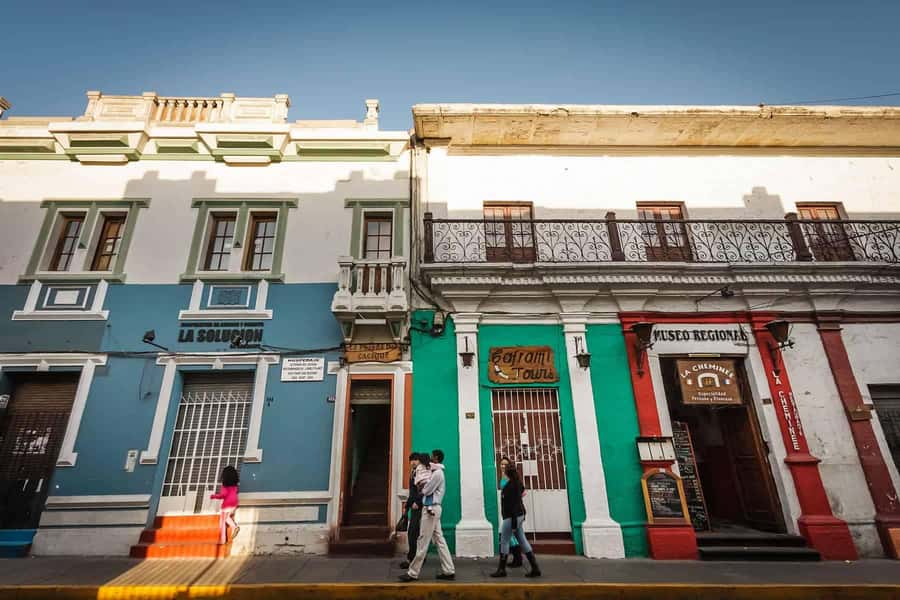
I would recommend this experience to first-time visitors who want to understand Arequipa through its buildings. It also suits you if you have only one afternoon, prefer a guide to independent research, or want admission and central pickup handled together.
Architecture fans will get the most from the tour, especially at Santa Catalina and the Company of Jesus Church. The monastery also works well for anyone interested in the practical side of religious life because the cells, sleeping areas, and original furniture make the setting more personal.
You may want a different plan if you prefer a very slow visit, extensive photography, or a full-day city program. The three-hour duration keeps the tour manageable, but it limits how long you can stay at each detail.
Families and older visitors should also consider the walking involved. The supplied information does not give accessibility details, so you should ask the provider about the route if narrow passages or extended walking could be difficult.
Is $56 a fair price?
The $56 cost is reasonable if you value convenience and explanation. Entrance fees are included, and so are central hotel pickup and a professional guide. Those inclusions remove several small decisions from your afternoon.
The price is less appealing if you already have admission arranged, can walk from your hotel, and are happy to learn about the sights alone. In that case, the guided structure may not add enough value for you.
For most visitors with limited time, I like the balance. Santa Catalina is the main reason to book, while the Company of Jesus Church gives the afternoon a second architectural focus. You are not paying for a long list of stops that blur together. You are paying for two important places and a guide who can connect them.
Free cancellation up to 24 hours before the start gives you some flexibility, and the reserve-now, pay-later option lets you hold a place without paying at once. Those terms are useful if your Arequipa plans are still shifting.
Should you book it?
Book this tour if you want a guided, three-hour introduction to Arequipa’s most distinctive religious architecture, with Santa Catalina as the clear centerpiece. The colorful walls, narrow streets, cloisters, flowers, and original furnishings give the monastery more character than a quick exterior visit can provide.
I would book it with two practical conditions: confirm your central pickup details, and allow extra time after the planned 6:00 PM return. If your schedule is flexible and you want a guide who will answer questions, this is a strong afternoon choice. If you prefer to linger alone or avoid any risk of a late start, visit the sights independently instead.
FAQ
How long does the Arequipa walking tour last?
The tour lasts three hours. Pickup is planned for around 3:00 PM, with a return to Arequipa around 6:00 PM.
What sights are included?
The tour includes Santa Catalina Monastery and the Jesuit Church of the Company of Jesus at Arequipa’s Plaza de Armas.
Is hotel pickup included?
Yes. Pickup is included from hotels or accommodations in Arequipa city center.
Are entrance fees included?
Yes. Entrance fees are included in the $56 per person price.
What languages are available?
The live guide is available in English or Spanish.
Are meals included?
No. Meals are not included in the tour.
What should I bring?
Wear comfortable clothes. Luggage and large bags are not allowed.
Can I cancel the booking?
You can cancel up to 24 hours in advance for a full refund. You can also reserve now and pay later, according to the supplied booking terms.
Just added around Arequipa
- From Arequipa: Colca Canyon and Condor Watching Day Trip★ 3.7 · 3 reviews
- Arequipa : Colca Canyon 2-Day Adventure★ 5.0 · 3 reviews
- Cooking Class Typical Food in Arequipa★ 3.9 · 3 reviews
- 3-day trek to the Colca Canyon from Arequipa ending in Puno★ 4.2 · 3 reviews
- Colca Canyon Day Trip: From Arequipa to Puno★ 3.5 · 3 reviews
- 2 day 1 night trek / Colca Canyon★ 3.0 · 3 reviews
- From Arequipa: Full Day Colca Canyon Tour★ 4.5 · 3 reviews
- Excursion Salinas Lagoon and National★ 5.0 · 3 reviews
Walking Tours, compared.
Walking tour in the Historic Center of Arequipa
Read our review →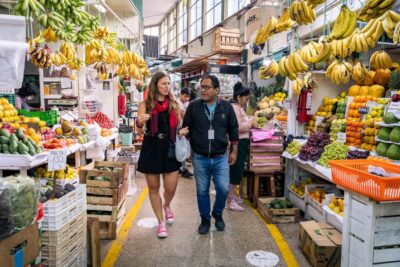
Miraflores Trending Flavors Half-Day Walking Tour
Read our review →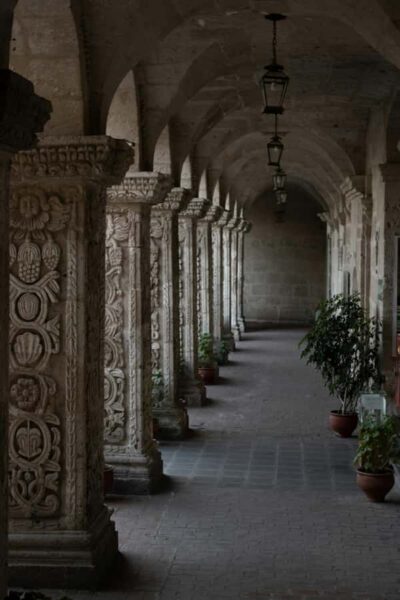
Arequipa Walking Tour city center and drinks experience
Read our review →
Historic Walking Tour with Pisco Sour and Music Show
Read our review →

Trending Flavors: Miraflores Walking Tour Including Food and Drinks Tasting
Read our review →
City Tour by Panoramic Bus – Walking & Catacombs
Read our review →Browse the lists this tour appears in