
Reviewed · SILLAR ROUTE TOURS
Arequipa|| The Sillar Route+Culebrillas Canyon
Stone tells Arequipa’s story. This half-day outing combines two very different sights: the working world of volcanic ashlar stone and the narrow walls of Culebrillas Canyon. I like the chance to see how Arequipa’s pale buildings connect to lava from nearby volcanoes, and I like the short walk to ancient Wari petroglyphs. The main caution is that the stoneworking demonstration may be limited, and you may not actually see artisans carving in the quarries.
I also like the manageable four-hour schedule, which fits neatly into an afternoon in Arequipa. At $35 per person, the price is reasonable for hotel pickup, transport, a bilingual guide, and a return to the city center, but you must add S/15 in quarry entrance fees and pay for food separately.
In This Review
- Key Points at a Glance
- Why Sillar Matters in Arequipa
- At the Añashuayco Quarries
- The Thirty-Minute Walk to Culebrillas
- Inside Culebrillas Canyon
- What the Guide Adds
- Is $35 a Fair Price?
- Timing, Pickup, and the Return to Arequipa
- Who Will Enjoy This Outing?
- Booking Flexibility and Small Practical Details
- Should You Book the Sillar Route and Culebrillas Canyon?
- FAQ
- How long does the Sillar Route and Culebrillas Canyon tour last?
- What is included in the $35 price?
- Are entrance fees included?
- Where is the meeting point?
- What languages are available?
- Can I cancel the booking?
Key Points at a Glance
- Volcanic ashlar stone: Learn how lava from volcanoes around Arequipa became the pale building stone used across the region.
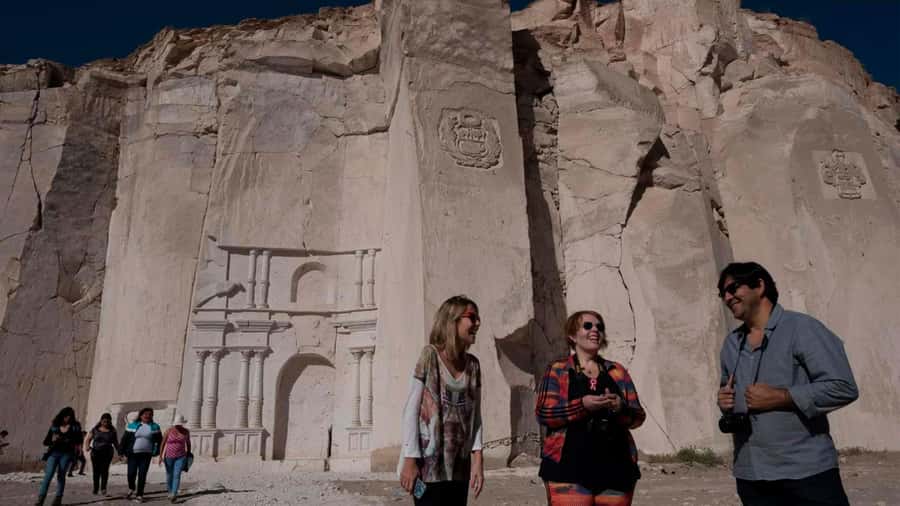
- Añashuayco Quarries: The first stop focuses on the manual craft of cutting and shaping sillar, with a S/10 entrance fee.
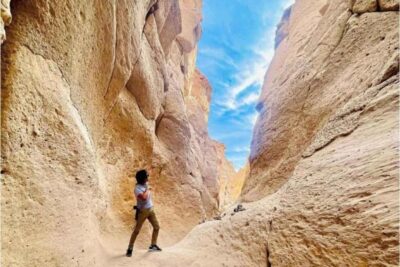
- Culebrillas Canyon: Walk between natural walls rising roughly 15 to 20 meters, with time for photographs.
- Wari petroglyphs: Look for ancient symbols carved into the canyon rock more than a millennium ago.
- Afternoon timing: Hotel pickup is offered at a preferred time, while the stated city meeting point is the Cathedral door between 1:45 and 1:55 PM.
- Simple cost structure: The $35 price excludes S/10 for Añashuayco, S/5 for Culebrillas, food, and travel insurance.
Why Sillar Matters in Arequipa
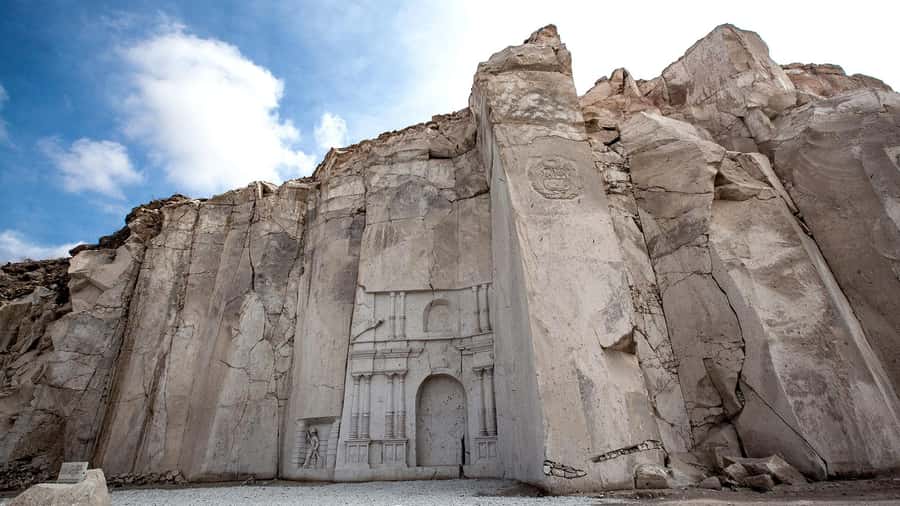
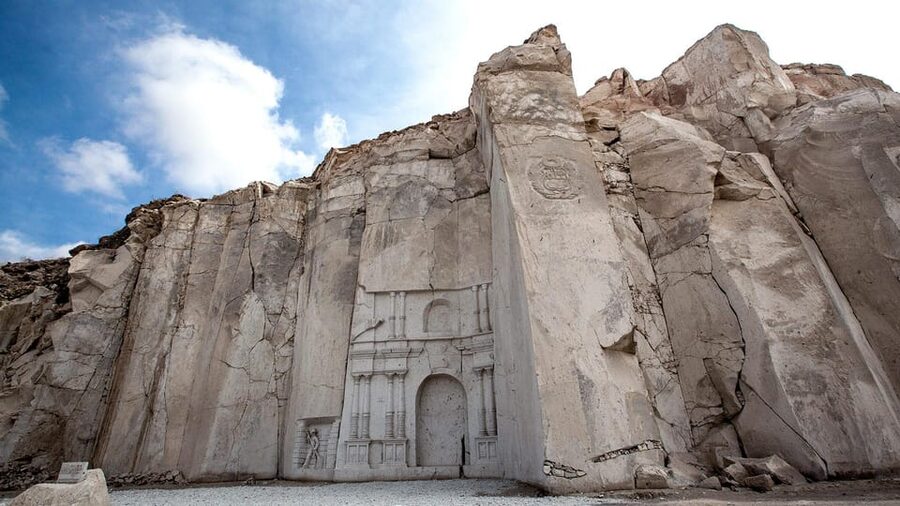
Arequipa is known for its pale stone buildings, and this outing gives you a direct look at the material behind that appearance. Sillar, also called ashlar stone in the tour description, comes from volcanic lava produced by the volcanoes around the region.
That fact makes the quarries more than a photo stop. You are looking at the raw material that helped shape the visual identity of Arequipa. The stone is not simply cut like a soft construction block. It requires careful manual work because rough handling can cause it to break.
I find that detail especially useful. It explains why traditional stone carving is a skilled trade rather than a routine industrial task. The attraction is not only the pale rock itself, but also the link between geology, local building, and handwork.
The tour presents stonemasonry as a profession with ancient roots. You learn how artisans carve pieces for the traditional buildings of the region. That connection gives the first part of the outing a clear purpose: you are not merely looking at a quarry, you are learning how Arequipa was built.
Still, keep your expectations measured. One detailed account of the experience found no workers actively carving stone and received only limited information about the material and the carving process. I would treat the quarries as an introduction to sillar production, not as a guaranteed live workshop.
More Sillar Route Tours in Arequipa
- From Arequipa: Sillar Route Trek
★ 4.2 · 461 reviews - Sillar Route and Culebrillas Petroglyphs
★ 4.5 · 89 reviews - Sillar Route in Arequipa and viewpoint of the Volcanoes
★ 4.0 · 71 reviews
At the Añashuayco Quarries
The outing begins with pickup from your hotel in Arequipa, followed by travel along the Uchumayo road. Depending on the size of the group, transport is by bus or minibus.
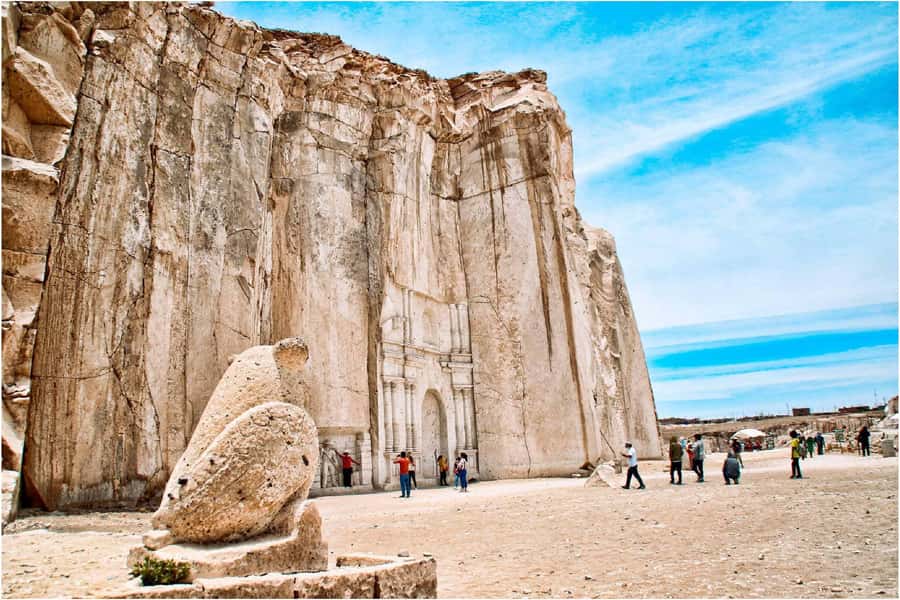
The route leads to the Añashuayco Quarries, where the guide explains the work of the stonemasons and the nature of sillar. A Spanish or English-speaking guide accompanies the group, which is important here because the value of the stop depends heavily on the explanation.
Look closely at the stone and the work areas. The key idea is that each piece requires a controlled hand. The description emphasizes exclusive manual work, since the stone can break if treated carelessly. That gives you something specific to watch for, even if no carving is taking place during your visit.
You may see the quarries as a broad source of building material, but the tour is meant to connect the raw rock with finished ashlar blocks used in local construction. The best guides will help you understand that process in practical terms: where the volcanic material comes from, how it is shaped, and why it became so common in Arequipa.
The entrance fee here is S/10 per person. It is not included in the $35 tour price, so have additional soles ready. The separate fee is modest, but knowing about it ahead of time prevents a small surprise at the site.
The biggest question is how much active craftsmanship you will see. The description promises a guided look at the art of stonemasonry, but actual conditions may vary. If your main goal is to watch an artisan carve stone by hand, this outing may leave you wanting more. If you are happy to learn about the material and see the quarry setting, it offers a useful introduction.
The Thirty-Minute Walk to Culebrillas
After the quarry visit, you walk for about thirty minutes toward Culebrillas Canyon. This is worth noting when planning your afternoon. The outing is not a purely vehicle-based sightseeing trip, and you should be comfortable walking between the two locations.
The walk links two kinds of history. At the quarries, human hands shape volcanic rock. At Culebrillas, water and time have cut through the stone to form a narrow gorge. The change gives the afternoon a nice rhythm, moving from a working quarry to a natural passage.
The information provided does not give a detailed description of the walking surface, so I would plan for ordinary outdoor conditions rather than a polished city path. Wear practical shoes and carry water. Those are sensible choices for any walk around a rocky canyon, even though the exact ground conditions are not specified.
The walk itself also affects the pace. Four hours is enough time for both locations, but this is a compact visit rather than a slow, extended exploration. You will see the main features, hear the basic explanation, and have time for photographs without spending an entire day outside Arequipa.
Inside Culebrillas Canyon
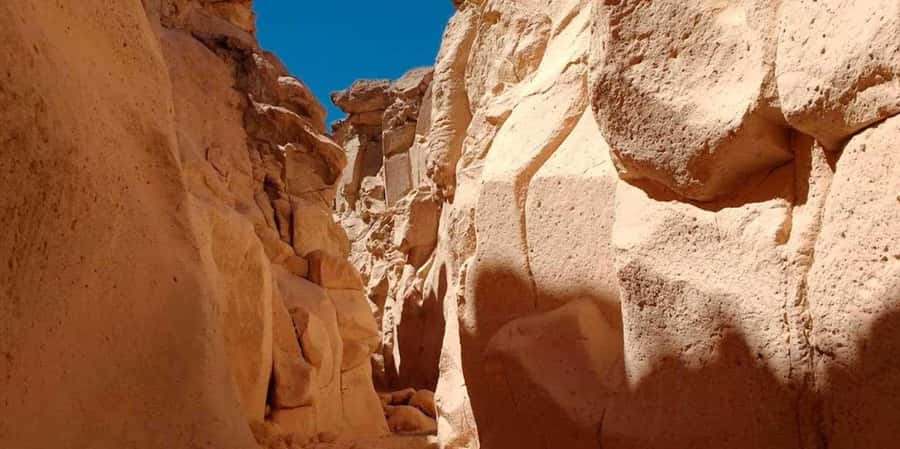
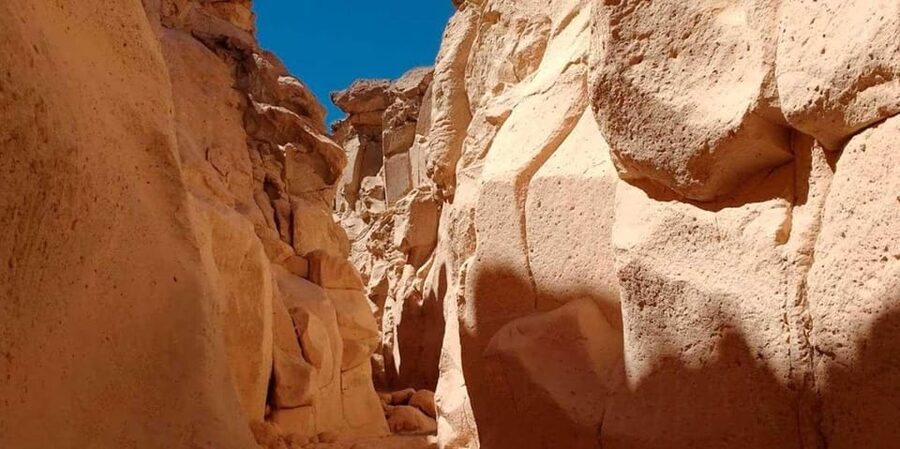
Culebrillas Canyon is the more dramatic visual stop. Its walls rise about 15 to 20 meters, creating a narrow corridor shaped by nature and the passage of water.
The scale should make for strong photographs. In a tight gorge, the rock walls frame the view in a way that open spaces cannot. You can photograph the curves of the canyon, the pale stone, and the changing light along the walls.
The tour includes a walk between the canyon walls. This is not just a viewpoint from a bus window. You enter the gorge and experience its enclosed shape at ground level. I like that contrast with the quarries, where the focus is on extraction and carving.
Culebrillas also adds a layer of mystery. The canyon contains petroglyphs associated with the Wari culture, created more than a millennium ago. These symbols were engraved into the rock, but their meaning remains unknown.
That uncertainty is part of the appeal. You are not being handed a complete explanation for every mark. Instead, you see evidence of people who used and passed through this area long before modern Arequipa took shape.
The S/5 entrance fee for Culebrillas is also separate. Together with the S/10 quarry fee, the required admission costs add S/15 per person. Include that amount when comparing this outing with other half-day activities.
Take care with expectations around the petroglyphs. The information confirms their presence and Wari connection, but it does not promise a large collection or a detailed archaeological presentation. The main experience is the canyon walk, with the rock carvings as an important extra.
More Sillar Route quarry and petroglyph trips:
- 4 hours Tour: Route of Sillar with Trek in Culebrillas
★ 4.2 · 69 reviews - Route of the Sillar | Quarries of Añashuaycos | Half day
★ 4.2 · 35 reviews - Sillar Stone Tour from Arequipa
★ 4.0 · 22 reviews - 4-hour excursion: Sillar Route with Hiking in Culebrillas
★ 4.0 · 21 reviews
What the Guide Adds
A bilingual guide is included, with tours available in English and Spanish. This matters most at the quarry, where the stone’s origin and carving method need context.
At Culebrillas, the canyon is easier to appreciate on your own because the walls and petroglyphs are visible features. At Añashuayco, a strong explanation can turn a simple quarry visit into a lesson about Arequipa’s architecture and volcanic geology.
The quality of the spoken information is the main variable in the experience. One account described the explanations about the material and its treatment as sparse. I would therefore pay attention to the guide’s presentation when you arrive and ask direct questions if you want more detail.
Useful questions include how the lava became sillar, how the stone is shaped without breaking it, and how the finished blocks are used in regional buildings. You may also want to ask about the Wari symbols at Culebrillas, while remembering that their meaning is not known.
The guide speaks English or Spanish, but the supplied information does not identify a particular guide by name. Do not book this expecting a named specialist or a dedicated archaeological lecture. It is a general sightseeing tour with interpretation at both stops.
Is $35 a Fair Price?
The $35 per-person cost includes several practical services: hotel pickup, transportation, a guide in English or Spanish, and a return transfer to central Arequipa. For a four-hour outing, that is a fair starting price.
The price is not all-inclusive. You need to add S/10 for Añashuayco and S/5 for Culebrillas. Food and travel insurance are also excluded. The extra admission total is small, but the advertised price should not be treated as the final amount you will spend.
Value depends on what you want from the afternoon. If you want an easy ride from your hotel, a structured visit to two nearby sites, and a guide to handle the route, the package has practical value. You avoid arranging separate transport and can finish near the Plaza de Armas.
If you mainly want a close look at traditional stone carving in action, the value is less certain. The experience does not guarantee that artisans will be working when you arrive. That limitation is important because the craft is presented as one of the main reasons to visit the quarries.
For me, the strongest value comes from the combination of sites. You get volcanic stone, local construction traditions, a canyon walk, and ancient rock art in one short outing. It is more varied than a quarry-only visit, even if neither stop receives a full day of attention.
Timing, Pickup, and the Return to Arequipa
The tour lasts four hours and begins with hotel pickup at a time you prefer. At the end, the vehicle returns you to the center of Arequipa, near the Plaza de Armas.
The stated meeting point is the Cathedral door on the Main Square, with an arrival window between 1:45 and 1:55 PM. Because the same information also refers to hotel pickup at a preferred time, confirm the exact arrangement before departure. You do not want to wait at the cathedral if pickup has been organized at your hotel.
This afternoon schedule can work well for a day when you want to keep the morning free. It also avoids committing an entire day to an activity outside the city. Four hours gives you a clear block for the quarries and canyon, then leaves you near the historic center.
The return near the Plaza de Armas is useful. You can continue with dinner, an evening walk, or another city activity without arranging a second transfer. The final drop-off is in the center rather than necessarily at your hotel, so plan accordingly.
Transport is by bus or minibus, based on group size. The exact group size is not provided, so do not assume a small private outing. The vehicle choice suggests that the experience may be shared with other participants.
Who Will Enjoy This Outing?
I would recommend this experience to you if you want a short introduction to places outside central Arequipa without giving up a full day. It suits anyone interested in the connection between volcanic geology and local architecture.
It also works well for people who enjoy mixed sightseeing. One stop is tied to human labor and building traditions. The other combines natural rock formations with ancient symbols. That variety keeps the four hours from feeling like one repeated view.
The tour may suit photographers, too. Culebrillas offers tall canyon walls and narrow rock passages, while the quarries provide pale stone textures and a distinctly local setting. Photography time is included, though the exact amount depends on the group pace.
I would be more cautious if your priority is a working demonstration by stonemasons. The available information does not confirm that artisans will be present, and one account found the craft explanation too limited. For that reason, consider the quarry visit an educational stop with uncertain live activity.
You should also think about the walk. The route includes approximately thirty minutes on foot before entering the canyon, followed by walking between walls 15 to 20 meters high. The tour description does not state the difficulty, so ask the provider if you have concerns about walking conditions.
Booking Flexibility and Small Practical Details
You can cancel up to 24 hours before the activity for a full refund. The reserve-now, pay-later option lets you hold a place without paying immediately, which is useful if your Arequipa plans are still moving.
English and Spanish are the available tour languages. Make sure you choose the language you need when booking or confirm it with the provider.
Bring money for the two entrance fees, S/10 and S/5. Food is not included, and travel insurance is not included, so handle both separately if needed.
The experience is operated by Transporte Chullos Travel. Since the quality of the quarry explanation affects the visit, I would confirm the pickup time, language, meeting point, and what kind of stoneworking demonstration is expected before you go.
Should You Book the Sillar Route and Culebrillas Canyon?
Book it if you want a convenient four-hour outing that combines Arequipa’s volcanic building stone with a canyon walk and Wari petroglyphs. The price is sensible once you account for transport and guiding, and the return to central Arequipa makes the plan easy.
Do not book it solely for a guaranteed live stone-carving demonstration. That is the weak point. The quarries may show you the setting and explain the craft, but artisans may not be working during your visit, and the spoken information may be brief.
My practical verdict: this is a good short tour for varied sights and simple logistics, especially if Culebrillas Canyon interests you as much as the stonework. Go with realistic expectations, carry S/15 for admissions, and confirm the afternoon pickup details before setting out.
FAQ
How long does the Sillar Route and Culebrillas Canyon tour last?
The activity lasts four hours, including the quarry visit, the walk to Culebrillas Canyon, the canyon exploration, and the return toward central Arequipa.
What is included in the $35 price?
The price includes hotel pickup, transportation by bus or minibus, an English- or Spanish-speaking guide, and a return transfer to the center of Arequipa.
Are entrance fees included?
No. Entry to the Añashuayco Quarries costs S/10 per person, and entry to the Culebrillas Quarries costs S/5 per person.
Where is the meeting point?
The stated meeting point is at the Cathedral door on the Main Square of Arequipa. You are asked to be there between 1:45 and 1:55 PM, although hotel pickup is also offered, so confirm the exact arrangement.
What languages are available?
The tour is available with a live guide who speaks English or Spanish.
Can I cancel the booking?
Yes. You can cancel up to 24 hours in advance for a full refund. A reserve-now, pay-later option is also available.
Just added around Arequipa
- From Arequipa: Colca Canyon and Condor Watching Day Trip★ 3.7 · 3 reviews
- Arequipa : Colca Canyon 2-Day Adventure★ 5.0 · 3 reviews
- Cooking Class Typical Food in Arequipa★ 3.9 · 3 reviews
- 3-day trek to the Colca Canyon from Arequipa ending in Puno★ 4.2 · 3 reviews
- Colca Canyon Day Trip: From Arequipa to Puno★ 3.5 · 3 reviews
- 2 day 1 night trek / Colca Canyon★ 3.0 · 3 reviews
- From Arequipa: Full Day Colca Canyon Tour★ 4.5 · 3 reviews
- Excursion Salinas Lagoon and National★ 5.0 · 3 reviews
Sillar Route Tours, compared.
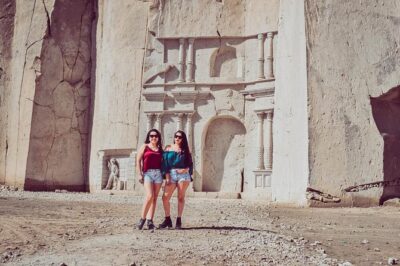
Sillar Route in Arequipa and viewpoint of the Volcanoes
Read our review →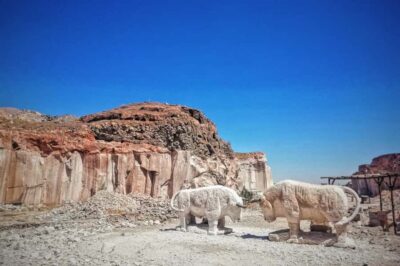
4 hours Tour: Route of Sillar with Trek in Culebrillas
Read our review →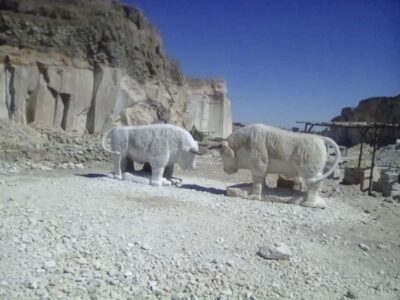
Route of the Sillar | Quarries of Añashuaycos | Half day
Read our review →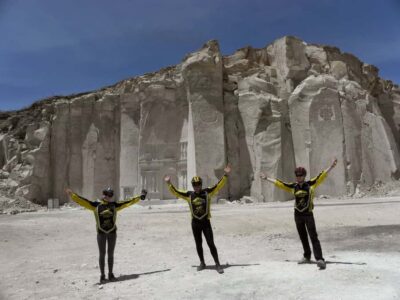
4-hour excursion: Sillar Route with Hiking in Culebrillas
Read our review →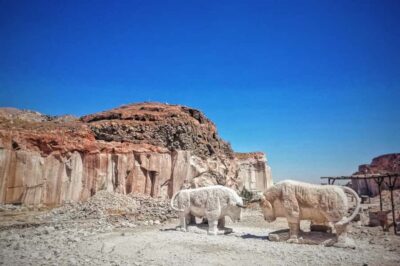
Trek to the Route of the Sillar and Culebrillas in Arequipa
Read our review →Browse the lists this tour appears in