
Reviewed · INCA RUINS & ARCHAEOLOGY
From Cusco: City tour 4 ruins + Qoricancha
Cusco’s best first lesson takes five hours. This low-cost city tour links Qoricancha and four major Inca sites, giving you a useful introduction to the city’s Spanish and Inca layers. I especially like the mix of guided temple history and dramatic stonework, plus the chance to use the tour as an easy first-day acclimatization outing. The main concern is time: extra museum or clothing-shop stops have sometimes shortened visits at the final ruins.
The tour costs about $11 per person, but that price does not include the entrance ticket. You get transport and a bilingual guide in English or Spanish. Guides Werner and Angélica have drawn particular praise for being attentive and clear, while pickup organization has been less consistent, so read the meeting instructions carefully.
In This Review
- The essential details at a glance
- Why this tour works well on your first Cusco day
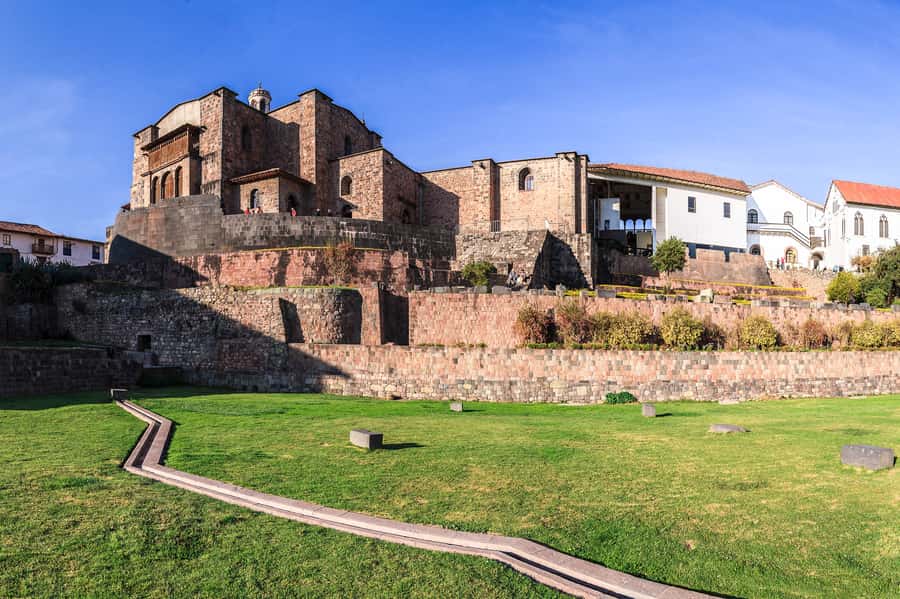
- Qoricancha: where Inca gold met Spanish stone
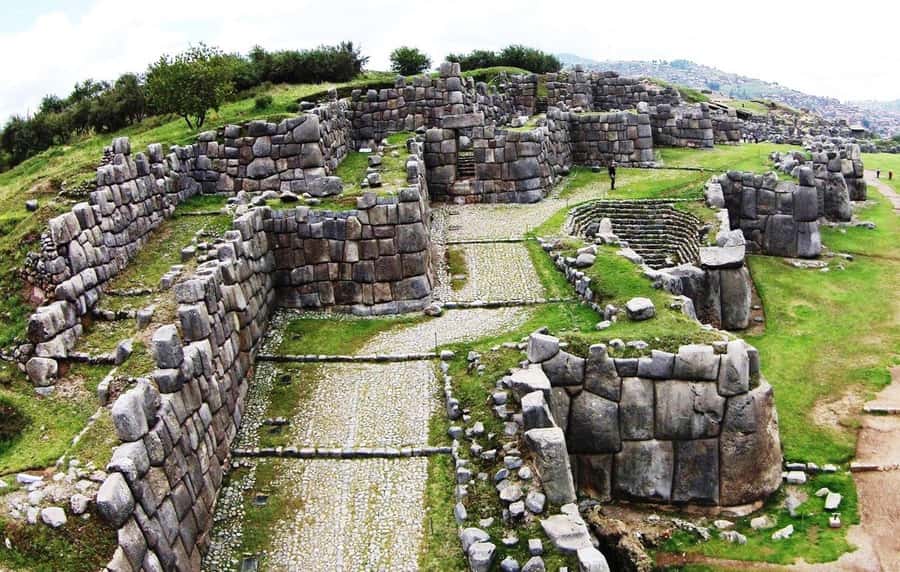
- Sacsayhuamán: the tour’s big stone moment
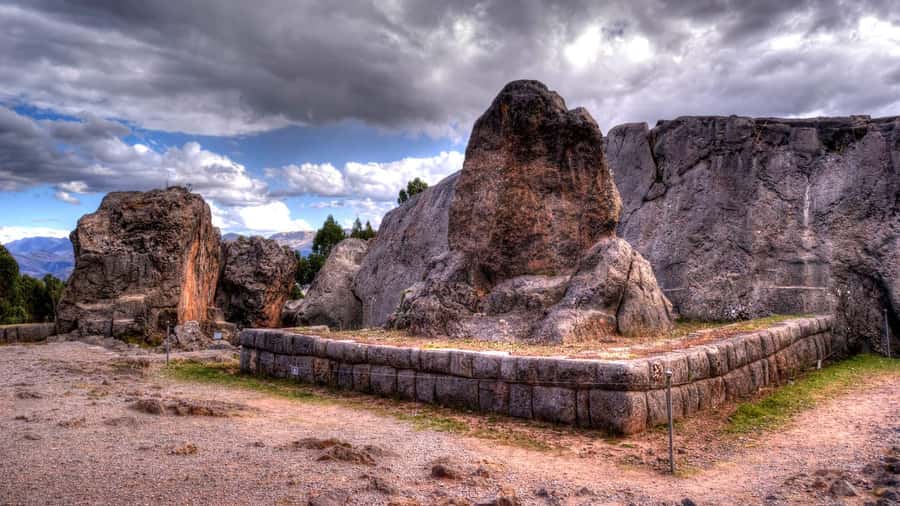
- Qenqo: a ceremonial site carved into rock
- Puca Pucara: a short stop with a practical purpose
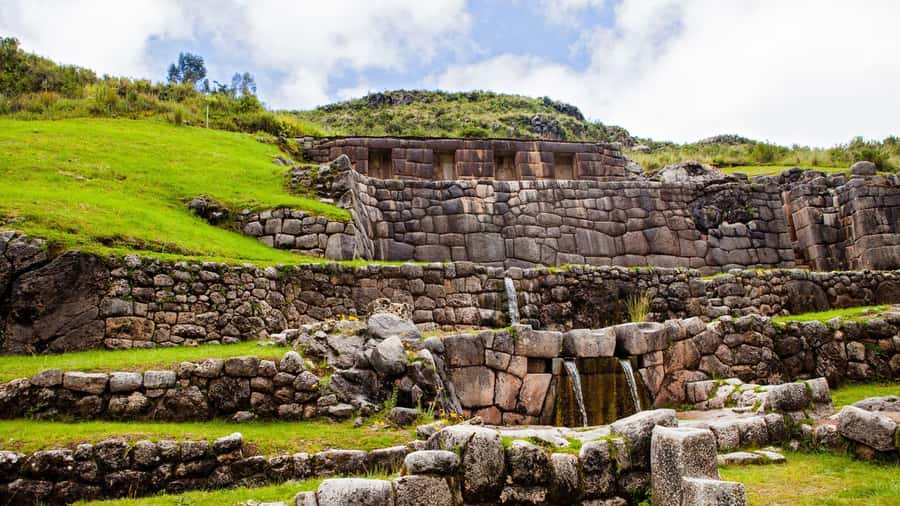
- Tambomachay: water, fountains, and a quieter finish
- The real cost: $11 plus the boleto turístico
- Timing, pickup, and the shopping-stop question
- What to bring for a high-altitude half day
- Who should book this Cusco tour?
- Should you book it?
- FAQ
- How long does the Cusco city tour last?
- What sites are included?
- Are entrance fees included in the $11 price?
- Which languages are available?
- Where does the tour start and finish?
- Can I cancel the booking?
The essential details at a glance
- Qoricancha begins the cultural story: You walk about three blocks from Cusco’s Plaza de Armas to the Temple of the Sun, where Inca religion meets Spanish colonial construction.
- Sacsayhuamán is the visual high point: Its huge, tightly fitted stones show why Inca masonry remains one of Cusco’s great sights.
- The four ruins form a useful sequence: You visit Sacsayhuamán, Qenqo, Puca Pucara, and Tambomachay in one half-day outing.
- The $11 price is only part of the budget: Transport and guiding are included, but entrance fees, food, and personal spending are not.
- Two daily shifts give you flexibility: The morning option runs from about 8:40 or 9:00 a.m. until 2:30 p.m.; the afternoon option runs from about 12:40 or 1:00 p.m. until 6:30 p.m.
- Keep the schedule in view: Shopping or unplanned museum stops can reduce time at Qenqo, Puca Pucara, and Tambomachay.
Why this tour works well on your first Cusco day
Cusco can feel like a lot at once. The altitude, steep streets, colonial churches, Inca walls, and busy Plaza de Armas all compete for your attention. This tour gives you a simple route through the city and nearby hills, with a guide explaining how the pieces fit together.
I like the way the outing starts at Qoricancha rather than rushing straight to the ruins. The temple introduces the religious world of the Inca, then Sacsayhuamán shows the military and political power of the empire. Qenqo adds ceremonial detail, while Puca Pucara and Tambomachay broaden the picture to roads, defense, water, and ritual.
The five-hour length also makes sense for your first day. You see a lot without committing to a full-day trip into the Sacred Valley. One Brazilian booking specifically recommended doing this tour early in a Cusco stay, both to get oriented and to ease into sightseeing at high altitude.
Still, do not expect a slow, private archaeological visit. This is a budget group tour. If the transport arrives late or a shopping stop runs long, the final sites may receive only a quick explanation and a few minutes for photographs.
More City Tours in Cusco
- Cusco: Half-Day City Tour with Sacsayhuaman and Q’enco
★ 4.6 · 1,129 reviews - City Tour Cusco Qoricancha Sacsayhuaman y Tambomachay
★ 4.7 · 617 reviews - Cusco: Sightseeing Tour of the City on an Open-Top Bus
★ 4.0 · 481 reviews
Qoricancha: where Inca gold met Spanish stone
The meeting point is in or near Cusco’s Plaza de Armas, followed by a walk of roughly three blocks to Qoricancha. Your guide begins the formal tour inside this important religious complex.
Qoricancha, also called the Temple of the Sun, was among the most important sacred places in the Inca capital. The appeal here is not only the original Inca masonry. You are looking at two building traditions pressed together: carefully cut Inca stonework below and Spanish colonial construction above.
The site is valuable because it gives you a clear way to understand Cusco. The Spanish did not build over an unrelated place. They used an existing Inca religious center, creating the cultural mixture this tour promises to explain.
Your guide matters most here. Angélica received strong praise for her historical explanations, and Werner was described as attentive and helpful. You should listen closely at this first stop, since the information about religion, conquest, and architecture can make the later ruins easier to read.
Qoricancha is also the most urban stop. You are not yet out among open archaeological grounds. That makes it a good starting point, especially if you want context before seeing the massive stones at Sacsayhuamán.
Sacsayhuamán: the tour’s big stone moment
After Qoricancha, tourist transport takes you to Sacsayhuamán, the most imposing site on the route. Its walls are associated with Inca military architecture, and their scale gives the tour its strongest visual punch.
The key detail is the stone fitting. Blocks were assembled with extraordinary precision, creating walls that appear almost molded together. Your guide can help you look beyond the size of the stones and understand how the site fit into Cusco’s defenses and power structure.
This is also the stop where the value of a guide becomes obvious. Without explanation, you see enormous walls and terraces. With a good explanation, you begin to connect the site to the Inca capital below, the military role of the complex, and the practical skill behind the construction.
Bring shoes with a firm grip and expect open, uneven archaeological ground. The supplied information warns that the tour is not suitable for people with vertigo. That matters here, and at other elevated sections of the route. Wear a hat, use sunscreen, and carry sunglasses, since shade may not always be available.
Sacsayhuamán deserves unhurried time. If the operator adds a long shopping stop later, this is one of the places you will be glad received proper attention.
Qenqo: a ceremonial site carved into rock
Qenqo is smaller and less immediately dramatic than Sacsayhuamán, but it adds an important religious layer. The site was built around a natural rock formation and used for ceremonies and rituals.
This is the kind of stop that can feel confusing without a guide. The rock, channels, carved surfaces, and enclosed spaces do not announce their purpose in a simple way. A bilingual explanation helps you understand why the setting mattered and how ritual use differed from the military role of Sacsayhuamán.
The drawback is that Qenqo can suffer when the schedule slips. It is not a huge site, so a rushed visit may still cover the main points, but you will have less time to look carefully at the rock carvings and layout.
I would pay attention to the guide’s interpretation here rather than treating Qenqo as a quick photo stop. The site helps you see that Inca architecture was not only about walls and fortresses. Ceremony, natural rock, and sacred space were part of the same world.
More Inca Ruins & Archaeology in Cusco
- Cusco City Sightseeing, San Pedro Market, Cathedral and Qorikancha Temple
★ 4.5 · 139 reviews - Cusco: 3-Hour Horse Riding Tour to the Temple of the Moon
★ 5.0 · 105 reviews - Cusco City Sightseeing and Sacsayhuaman Archeological Park Tour
★ 4.5 · 101 reviews - Cusco: Historical Guided City Tour with 4 Inca Ruins
★ 4.5 · 99 reviews
Puca Pucara: a short stop with a practical purpose
Puca Pucara was part of Cusco’s defensive system. Its walls, terraces, and stairways are more compact than the work at Sacsayhuamán, but the site helps explain how movement around the capital may have been watched and controlled.
The name is often translated as Red Fortress, though the experience here is less about a grand fortress interior and more about position, structure, and connection to the route. You will see how the site’s walls and terraces occupy a strategic setting along the approach to Cusco.
This is commonly one of the quicker visits on a five-hour itinerary. That can be fine if your guide gives a focused explanation. It becomes less satisfying if a delayed bus or a commercial stop has already eaten into the schedule.
Look at Puca Pucara as part of a system rather than as a stand-alone monument. Sacsayhuamán shows large-scale defense, while Puca Pucara offers a smaller checkpoint-style example. Together, they make the military side of the route easier to understand.
Tambomachay: water, fountains, and a quieter finish
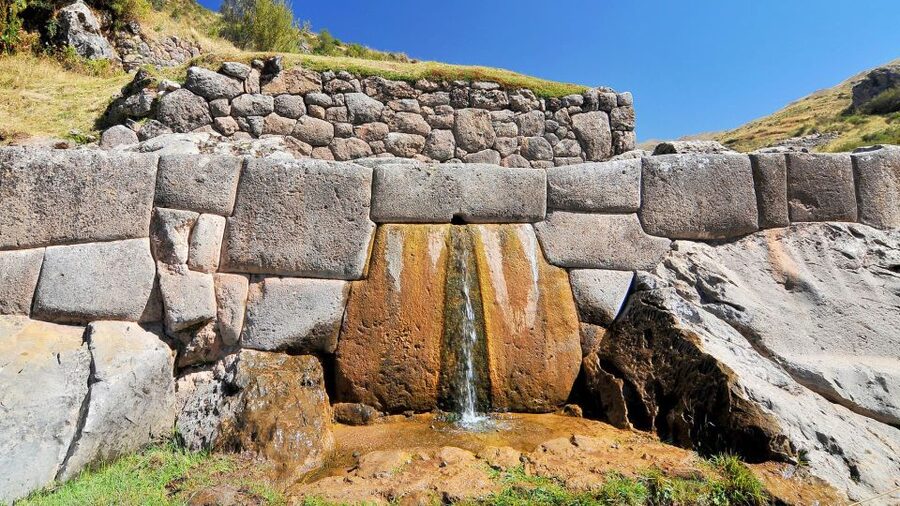
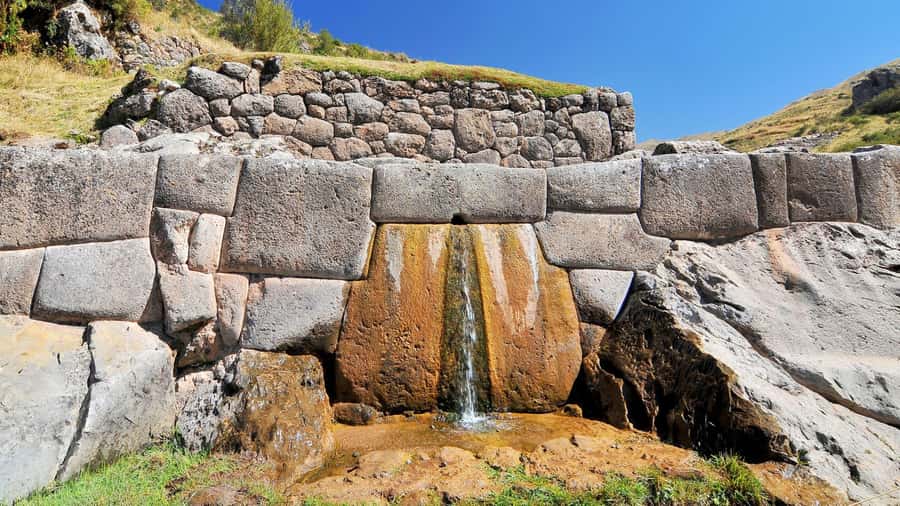
Tambomachay is dedicated to water and purification. Its canals and fountains provide a calmer ending after the huge walls of Sacsayhuamán and the ceremonial rock at Qenqo.
Water held practical and sacred importance in the Inca world. At Tambomachay, the channels and flowing water give you something concrete to examine. Your guide can connect the fountains to purification and religious practice, helping you see why this modest-looking site belonged on the route.
Because it comes last, Tambomachay is especially vulnerable to a rushed schedule. One account described the final two sites as receiving hurried attention after time was lost earlier. If you want detailed explanations at every stop, keep an eye on the clock and ask your guide how much time remains.
The route ends with transport back toward Cusco, near the Plaza de Armas. That central finish is useful. You can walk to a restaurant, return to your hotel, or continue exploring the historic center without arranging another transfer.
The real cost: $11 plus the boleto turístico
At around $11, this is one of the cheaper ways to reach four archaeological sites with transport and a bilingual guide. For a solo visitor or anyone who does not want to negotiate separate taxis, the price is attractive.
The important catch is the entrance ticket. The tour price excludes the boleto turístico, meals, and personal expenses. If you plan to visit additional archaeological parks, a full ticket can make more financial sense than buying access one site at a time.
A full boleto turístico price of S/130 and a student price of S/70 were cited in booking information connected with this route, but you should confirm current prices and eligibility at the time of purchase. A student discount was not always explained clearly at the ticket counter, so ask directly if it applies to you and carry the required student identification.
The value calculation is simple. You are paying $11 for the vehicle and guide, then adding the official site entrance. That remains a good deal if the tour runs on time and the guide is strong. It is less appealing if you mainly want independent time at the ruins or if several unadvertised commercial stops replace archaeological explanations.
Timing, pickup, and the shopping-stop question
There are two scheduled shifts. The morning group gathers around 8:40 to 9:00 a.m. and should return at approximately 2:30 p.m. The afternoon group gathers around 12:40 to 1:00 p.m. and ends around 6:30 p.m. Sunday hours can change because some sites open later.
The instructions say the guide will write or call about 15 minutes before pickup, and you should wait around 10 minutes in your hotel lobby. At the same time, the main itinerary describes meeting at the Plaza de Armas. Confirm the exact pickup point before the day begins. Confusion in the plaza has happened, including a name missing from a list, though guide Sam resolved the problem.
The most important scheduling warning concerns commercial stops. Some departures have included a museum that was not part of the advertised route and a clothing shop where visitors were given time to browse. One clothing stop lasted more than 30 minutes in a reported case, leaving less time for the last ruins.
This does not mean every departure will follow the same pattern. It does mean you should ask at the start if any shopping stop is planned. If you would rather spend that time at Puca Pucara or Tambomachay, say so politely and keep your expectations clear.
What to bring for a high-altitude half day
Cusco’s altitude makes basic preparation worthwhile. The operator suggests drinking coca tea before the tour to help with altitude discomfort, though you should still pace yourself and dress sensibly.
Wear comfortable shoes, since you will walk at archaeological sites and around the city. Pack sunscreen, sunglasses, a hat, and a camera. The information specifically emphasizes sun protection, and you should take that seriously.
Bring your passport or ID card. Avoid bringing alcohol or drugs, and do not expect to drink alcohol or carry drinks in the vehicle. Pets are not allowed, and littering is prohibited.
The tour is not suitable for people with vertigo. If heights, exposed edges, or uneven elevated areas cause problems for you, a slower city-only tour may be a better choice.
Who should book this Cusco tour?
I would recommend it to first-time visitors who want a broad introduction in half a day. It is also useful if you want to see the main ruins without arranging separate transport, or if you plan to buy a full boleto turístico for several sites.
The tour suits people who enjoy guided context more than long periods of independent wandering. The strongest experience depends on the guide, and names such as Werner and Angélica have been associated with particularly attentive, informative guiding.
I would be more cautious if you want every minute devoted to archaeology. The $11 price is appealing, but schedule changes, late transport, and shopping stops can affect the final two sites. A private guide or self-arranged visit may give you more control, though it will not match this tour’s low starting price.
Free cancellation up to 24 hours before departure and reserve-now, pay-later booking make it easier to fit into a changing Cusco schedule. Still, confirm the pickup point, entrance-ticket cost, and possibility of commercial stops before committing.
Should you book it?
Book this tour if you want an affordable, structured introduction to Qoricancha and the four nearby ruins. The combination is strong: Inca religion at Qoricancha, military stonework at Sacsayhuamán and Puca Pucara, ceremony at Qenqo, and sacred water at Tambomachay.
I would choose the morning shift for a first day in Cusco, provided Sunday opening times do not interfere. Go in with comfortable shoes, sun protection, and realistic expectations about group-tour timing. If the guide is as attentive as Werner or as clear as Angélica, the tour can be excellent value. If you dislike shopping stops or rushed sightseeing, ask questions before departure or choose a more flexible option.
FAQ
How long does the Cusco city tour last?
The tour lasts about five hours. The morning departure runs approximately from 8:40 or 9:00 a.m. until 2:30 p.m., and the afternoon departure runs approximately from 12:40 or 1:00 p.m. until 6:30 p.m.
What sites are included?
The route includes Qoricancha, Sacsayhuamán, Qenqo, Puca Pucara, and Tambomachay.
Are entrance fees included in the $11 price?
No. The price includes tourist transport and a bilingual guide, but entrance tickets, meals, and extra expenses are not included.
Which languages are available?
The live guide is available in English or Spanish.
Where does the tour start and finish?
The tour begins at or near Cusco’s Plaza de Armas, with a walk of about three blocks to Qoricancha. It returns to Cusco and ends near the Plaza de Armas. Pickup instructions should be confirmed because the guide may also contact you at your hotel.
Can I cancel the booking?
You can cancel up to 24 hours in advance for a full refund. Reserve-now, pay-later booking is also available.
More Inca Sites and Ruins
- Horse Riding Chacan Mountain And Temple Of The Moon
★ 5.0 · 78 reviews - Cusco 4-Hour Private Tour Including Sacsayhuaman and Qenqo
★ 5.0 · 77 reviews - Half-Day City Tour of Cusco Including Tambomachay
★ 4.5 · 59 reviews - Sacsayhuaman Temple, Tambomachay and Puca Pucara Half-Day Tour
★ 4.5 · 59 reviews
Just added around Cusco
- Cusco: Rainbow Mountain and viewpoint red valley ( optional)★ 4.8 · 3 reviews
- Montaña de Colores: tour en cuatrimotos día completo★ 3.3 · 3 reviews
- Tour Pallay Punchu Trek Full Day★ 4.2 · 3 reviews
- Excursion Cusco – Puno – Titicaca Observatory Train★ 5.0 · 3 reviews
- Cusco: Palcoyo Mountain Day Trip with Breakfast and Lunch★ 4.8 · 3 reviews
- Maras Moray★ 5.0 · 3 reviews
- Tour to Laguna Humantay with breakfast and lunch from Cusco★ 4.7 · 3 reviews
- From Cusco:Chinchero, Moray, Maras, Ollantaytambo with lunch★ 5.0 · 3 reviews
Inca Ruins & Archaeology, compared.

Half-Day City Tour with Sacsayhuaman and Q’enco
Read our review →
City Tour Cusco Qoricancha Sacsayhuaman y Tambomachay
Read our review →
The Charm of Barranco & Pre Inca Pyramid in Miraflores
Read our review →
Pachacamac Ruins & Barranco Half-Day Guided Tour
Read our review →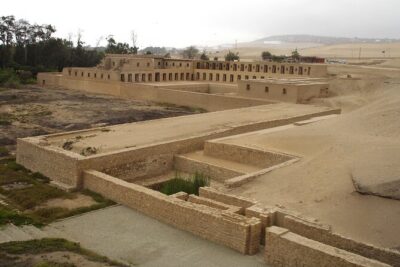
Pre Inca Temple of Pachacamac Half-Day Tour from Lima
Read our review →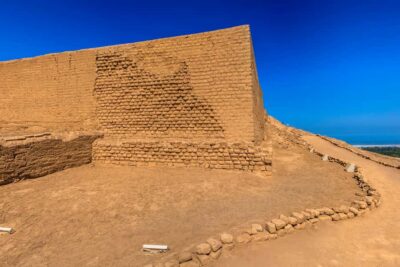

Cusco City Sightseeing, San Pedro Market, Cathedral and Qorikancha Temple
Read our review →
3-Hour Horse Riding Tour to the Temple of the Moon
Read our review →Browse the lists this tour appears in