
Reviewed · SILLAR ROUTE TOURS
Excursion + Sillar and Culebrillas Route in Arequipa
Stone tells Arequipa’s story. This half-day trip takes you from city viewpoints to the working Añashuayco quarries, where the pale volcanic stone used across Arequipa is cut by hand. I like the close look at local stonework, and I like that the route adds the narrow Culebrillas canyon and its ancient petroglyphs rather than stopping at one quarry.
The price is appealing at $14 per person, especially since transport and a professional guide are included. The trade-off is simple: group departures can lose time waiting for late members, and one reported bus had no air conditioning, so the ride may feel warm and less polished than the low price suggests.
In This Review
- Key points to know before you go
- Why Arequipa’s white stone matters
- The first viewpoint and the road out of Arequipa
- Añashuayco Quarry and its towering stone walls
- The Church of the Society of Jesus in stone
- Culebrillas canyon and the Wari petroglyphs
- Apachetas and the journey back
- Transport, guide quality, and the real pace
- Is $14 a fair price?
- Who should book this Arequipa excursion?
- Should you book the Sillar and Culebrillas Route?
- FAQ
- How much does the Sillar and Culebrillas Route cost?
- How long does the excursion last?
- Is there an afternoon departure?
- What transport is included?
- Is a guide included?
- Which languages are available?
- How long is the walk in Culebrillas canyon?
- What can I see at Añashuayco Quarry?
- Can I cancel for a full refund?
Key points to know before you go
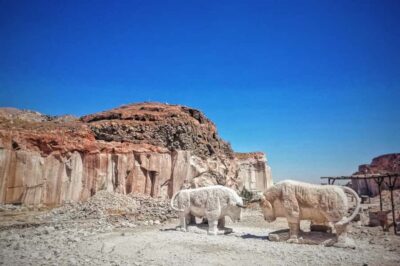
- Añashuayco is an active quarry, with tall ignimbrite walls shaped by the removal of sillar blocks.
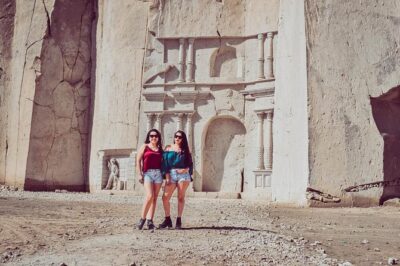
- A giant carving of the Church of the Society of Jesus gives the quarry visit a memorable visual focus.
- You may try cutting a stone block yourself, after a local stonemason explains the work.
- Culebrillas canyon takes about 20 minutes to walk, with walls that reach 15 to 20 meters.
- Wari petroglyphs are found at the end of the canyon, more than a thousand years old.
- The tour costs $14, but the entrance fee of 10 soles is extra.
Why Arequipa’s white stone matters
Arequipa is closely tied to sillar, a pale volcanic stone formed from deposits of ignimbrite. The material gives many local buildings their light color and helps explain the city’s distinctive appearance.
This tour makes that connection physical. Instead of only looking at finished walls in the historic center, you visit the source of the stone and see the work required to shape it. You get a better sense of how local buildings were made, and how traditional craft remains part of daily life.
The route is not simply a scenic drive outside the city. It connects geology, architecture, and the work of quarrymen. That combination gives the outing more substance than a quick photo stop.
You should keep your expectations grounded. This is a short regional excursion, not a full-day cultural program. The main value comes from seeing the quarries and canyon in person, hearing the explanation from your guide, and having a chance to handle the stone.
More Sillar Route quarry and petroglyph trips:
- From Arequipa: Sillar Route Trek
★ 4.2 · 461 reviews - Sillar Route and Culebrillas Petroglyphs
★ 4.5 · 89 reviews - Sillar Route in Arequipa and viewpoint of the Volcanoes
★ 4.0 · 71 reviews
The first viewpoint and the road out of Arequipa
The day begins at about 9:15 am, with a drive toward the Sillar Route. Before reaching the quarry, the group makes a brief stop at a strategic viewpoint overlooking the volcanoes and the Chilina Valley.
Depending on the season, the first stop may be changed to another traditional viewpoint with volcano views. That means the exact opening stop is not fixed, but the purpose is the same: to give you a broad view of the area before you enter the quarry zone.
This pause is useful for orientation. The volcanoes are not just a backdrop here. Their volcanic activity helped create the stone that later became part of Arequipa’s buildings, churches, and public spaces.
Do not expect a long visit at the viewpoint. It is described as a brief stop, so you will have time to take photographs and listen to the guide, but not to linger for a full sightseeing session. If views matter to you, keep your camera ready when the vehicle stops.
The drive to Añashuayco takes about 45 minutes. That timing gives you a reasonable half-day outing, though road delays or group waiting can affect the schedule.
Añashuayco Quarry and its towering stone walls
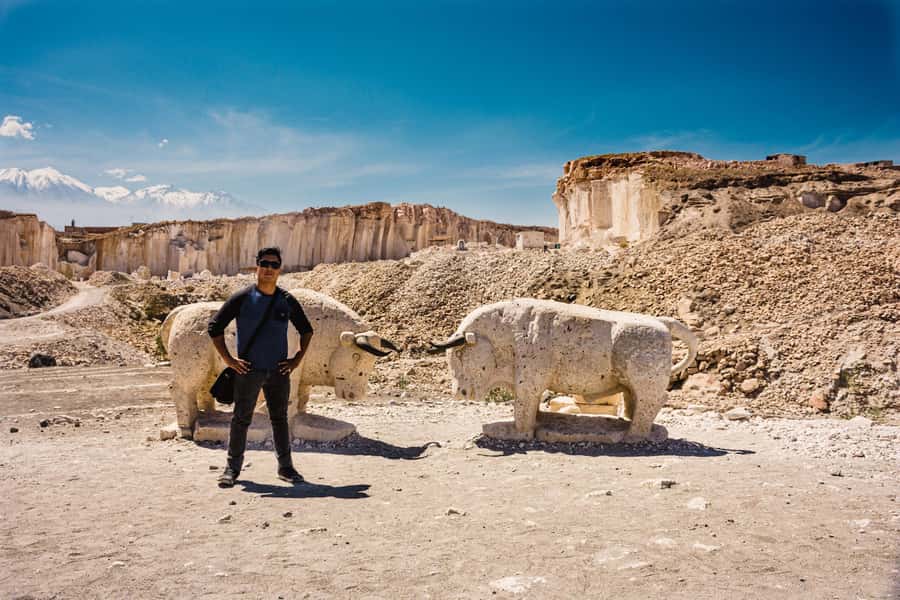
The quarry is the heart of the experience. Añashuayco remains in operation, and the quarrymen begin their work early. By the time your group arrives, you can see the setting where large blocks are extracted and prepared for use.
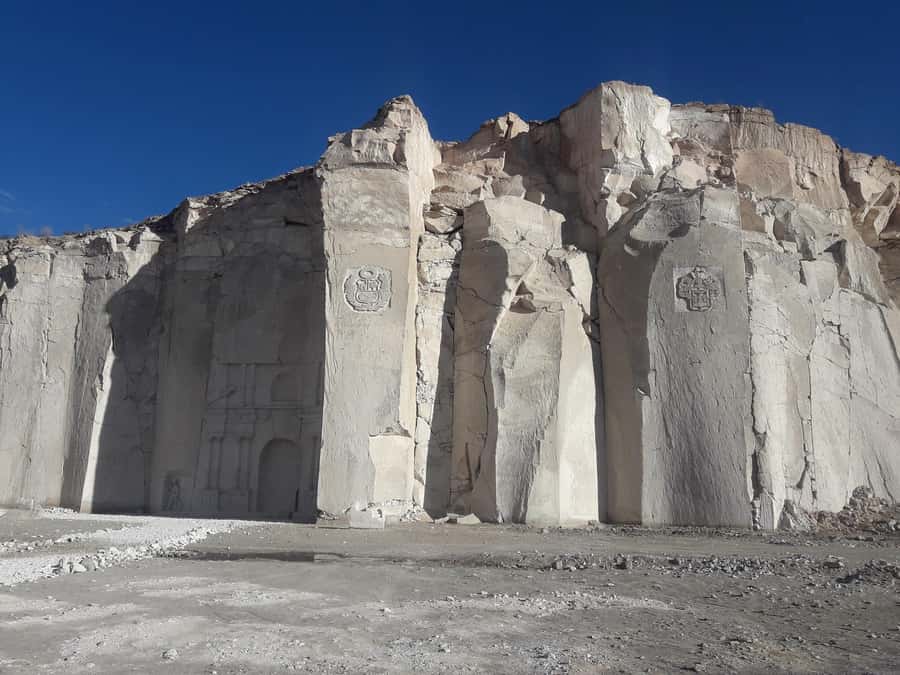
The quarry walls are made of ignimbrite and rise several meters above the excavation areas. Their size helps you understand the scale of the work. Sillar may appear light and delicate in finished buildings, but the quarry shows it as a substantial natural material that must be removed, shaped, and transported.
Your guide explains the origin of sillar, how it is produced, and the uses it has had over time. Listen for the link between the raw stone and Arequipa’s architecture. The talk is most useful when you treat the quarry as a working place, not just a dramatic backdrop.
The surface can be uneven, and the setting is industrial rather than polished. That is part of the appeal, but it also means you should wear shoes suitable for walking over rough ground. The supplied details do not promise a long walk at Añashuayco, yet you should still expect an outdoor quarry environment.
The Church of the Society of Jesus in stone
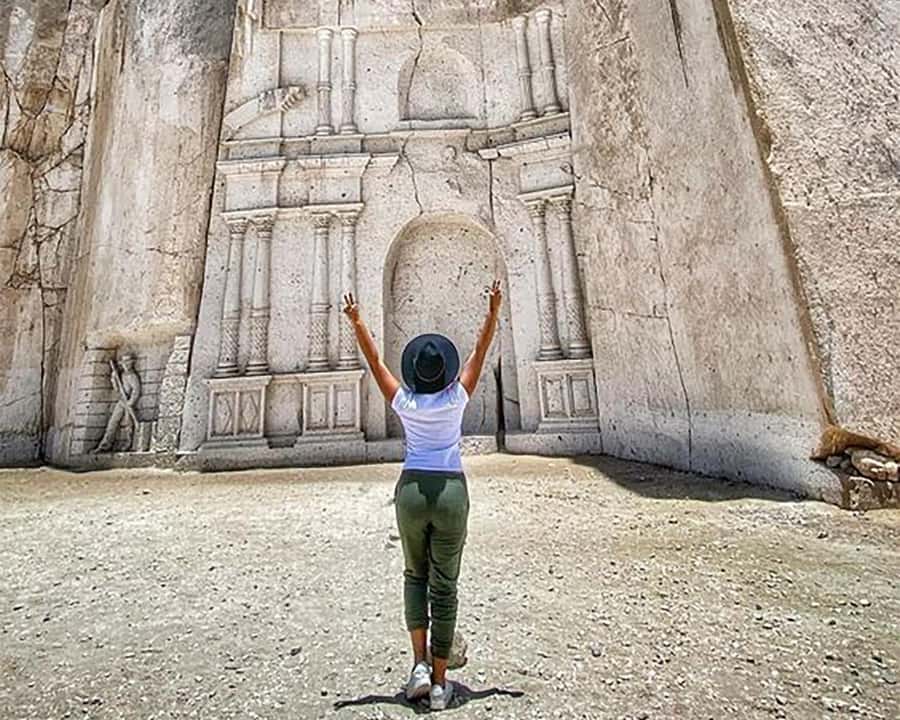
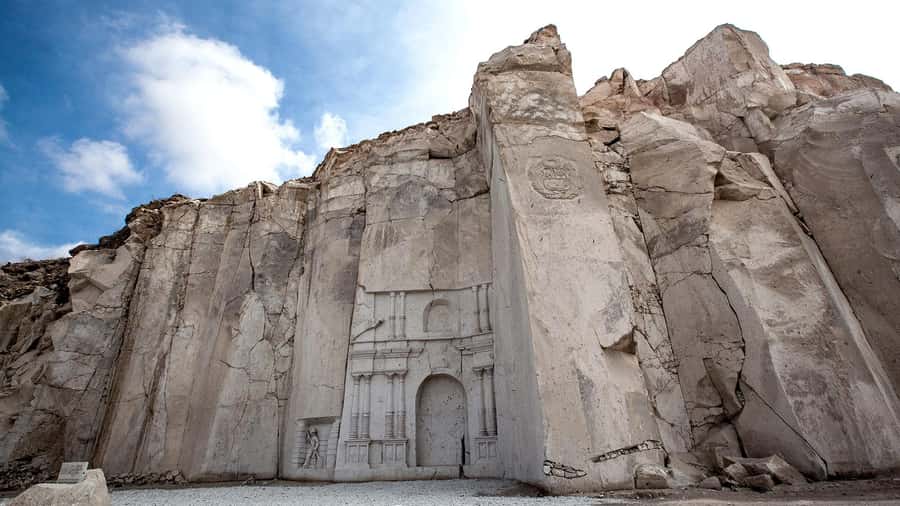
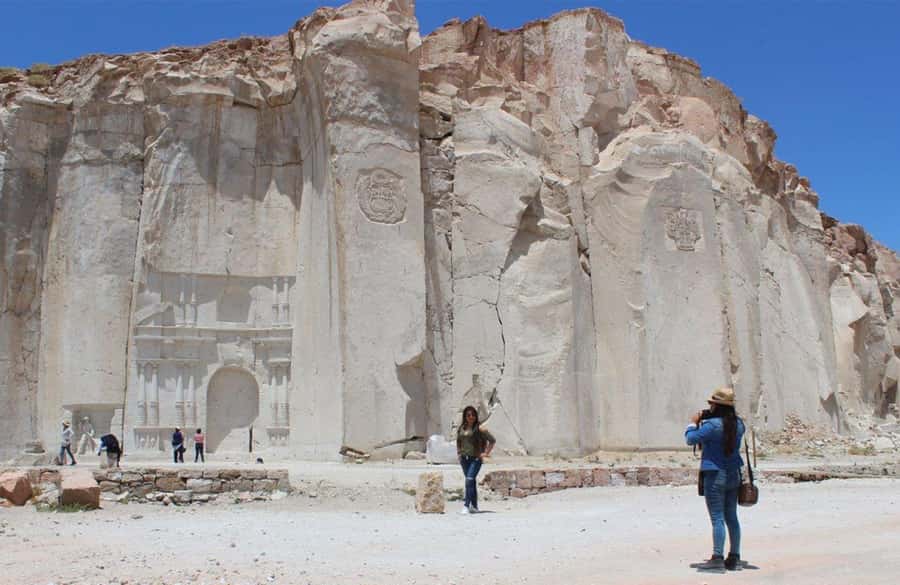
One of the quarry’s most unusual sights is a large carving of the Church of the Society of Jesus. Local stonemasons created it inside the quarry, turning a working site into an open-air display of the craft.
The carving matters because it gives you a clear example of what can be made from the same material being extracted around you. You can compare the rough quarry walls with the detailed forms of a church facade. It also links the excursion directly to the architecture you may see later in central Arequipa.
This is a good place to slow down and study the stone. Look at the contrast between the blocky cuts and the carved details. The scale helps, too. A model or small sculpture would explain the idea, but this large piece makes the quarrymen’s skill easier to grasp.
You then have the chance to meet one of the stonemasons. He can explain his daily work and let you try cutting one of the stone blocks yourself. That hands-on moment is a strong reason to choose this route over a standard sightseeing drive.
Do not expect to become a stone carver in a few minutes. The point is to feel how the material responds and to appreciate the labor behind the finished carvings. It is a short activity, but it can make the craft more memorable than a spoken explanation alone.
A few more Peru trips worth weighing up
- Cusco: Humantay Lake Tour with Breakfast and Buffet Lunch
★ 4.9 · 2,976 reviews - From Cusco: Sacred Valley & Maras Salt Mines Tour with Lunch
★ 4.8 · 2,227 reviews - From Cusco: Moray, Maras Salt Mines & Chinchero Weavers Tour
★ 4.8 · 1,925 reviews - From Cusco: Full-Day Group Tour of Machu Picchu
★ 4.7 · 1,767 reviews
Culebrillas canyon and the Wari petroglyphs
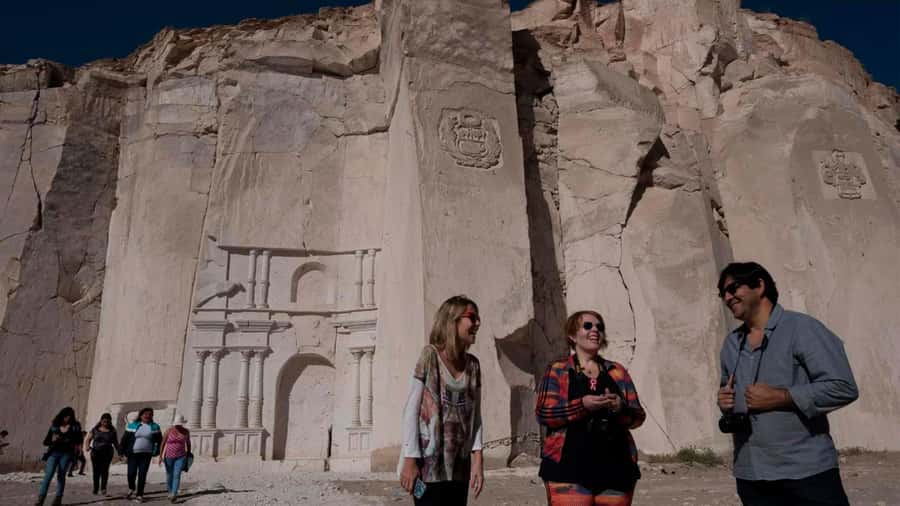
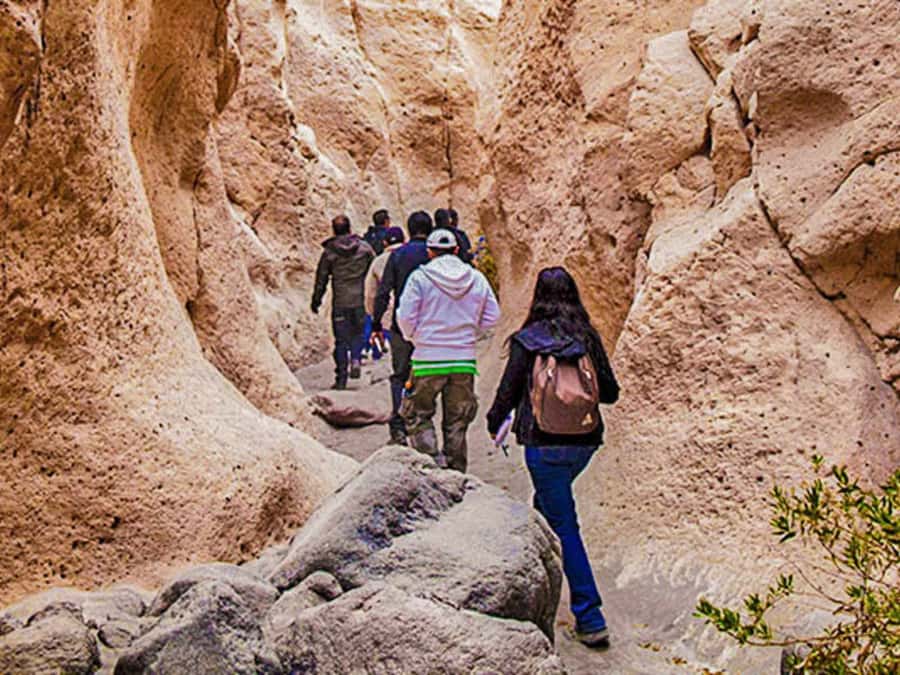
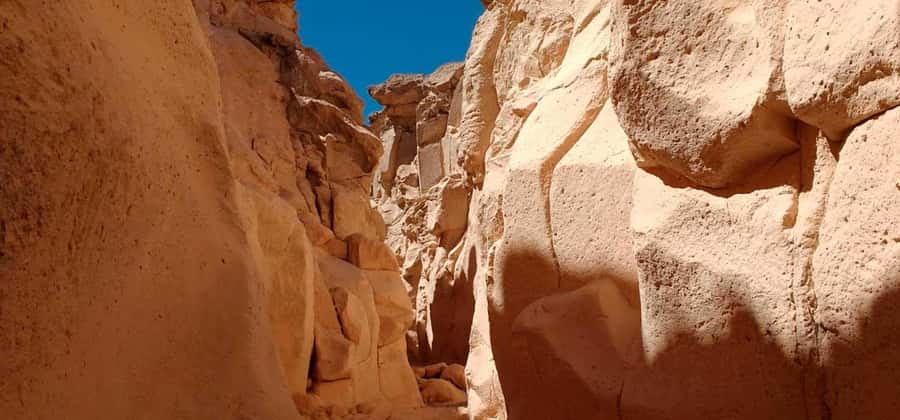
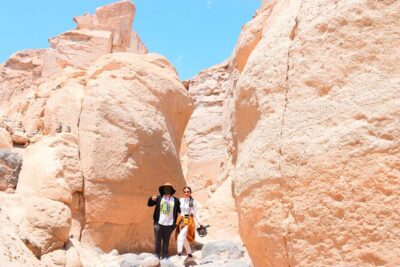
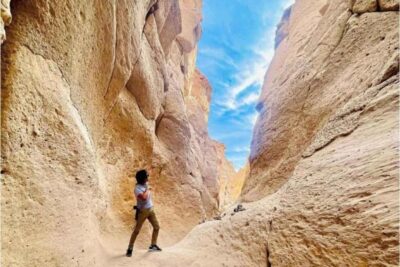
After Añashuayco, the vehicle continues for about 30 minutes to Quebrada de Culebrillas. The canyon was formed by the passage of water, and its walls reach roughly 15 to 20 meters.
The walk inside takes about 20 minutes. As you move farther into the canyon, the walls become higher, making the route feel more enclosed. It is a compact walk rather than a major hike, which suits the four-hour schedule.
The canyon adds a different mood to the trip. Añashuayco is shaped by human extraction and stonework. Culebrillas shows what water has done over time. Visiting both places lets you compare two kinds of carving: one made by people and one made by nature.
At the end of the walk, you can see petroglyphs attributed to the Wari culture and dated to more than a thousand years ago. Their presence adds an archaeological layer to the outing, although the supplied information does not specify the exact designs or number of carvings.
Pay attention to the guide’s explanation at this point. The petroglyphs are one of the most important reasons to walk into the canyon rather than simply photograph the entrance. Since the walk is short, you should have enough time to reach the carvings without turning the stop into a strenuous trek.
The canyon walls and walking surface may not suit every visitor. If you need a completely smooth path, ask for details before booking. The tour information confirms a walk inside the canyon, but it does not give accessibility details.
Apachetas and the journey back
Before returning to Arequipa, the group stops to see apachetas. These are piles of stones placed one on top of another, described here as a sign of gratitude toward nature and a good-luck attraction.
They are small but meaningful features of the route. You can see how a simple stone arrangement carries a cultural and spiritual idea. The stop also gives the excursion a quieter ending after the quarry and canyon.
The apachetas may appeal to you if you enjoy local customs that are easy to miss on a standard city tour. They are not a grand monument, and the stop may be brief, but it helps the route feel connected to place rather than built only around photo opportunities.
The return trip begins at about 12:30 pm. The vehicle is scheduled to reach central Arequipa around 1:30 pm, with drop-off near Plaza de Armas. The listed tour duration is four hours, while the stated timetable runs from 9:15 am to 1:30 pm, so allow some flexibility around the published times.
A second departure is available at 2:00 pm. That option may suit you if you prefer a later start, but the provided schedule does not state the exact return time for that shift. Confirm the timing when you book.
Transport, guide quality, and the real pace
Tourist transport and a professional guide are included. The guide is important here because the value depends on explanation. Without context, a quarry can look like a large cut in the ground, and the canyon can seem like a short rocky passage. The guide connects the sites to stone production, architecture, local customs, and ancient markings.
The guide service has received a particularly positive impression for warmth. One booking described the guide as very sweet, while another rated the activity as very well organized. There is no guide name provided, so you cannot request a particular person in advance.
The main caution is group pacing. You may need to wait for members who are late, which can create delays at the start or between stops. This matters on a four-hour outing because every extra pause reduces time at the quarry or canyon.
The bus may also be basic. One account specifically noted that the vehicle had no air conditioning. Arequipa’s conditions vary, but a warm bus can make the drive less comfortable. Bring water, and consider a light layer that you can adjust during the day.
The tour is offered in Spanish and English. If you want detailed explanations about the quarry, the Wari petroglyphs, or the meaning of apachetas, make sure you select the language you can follow most easily.
Is $14 a fair price?
At $14 per person, this is an inexpensive way to reach sites outside central Arequipa. Transport and a professional guide are included, which makes the price stronger than it first appears. Arranging separate transport to both Añashuayco and Culebrillas could cost more and would require handling the route yourself.
You must add an entrance fee of 10 soles. The information does not specify whether this fee covers both locations or is collected in another way, so confirm the exact arrangement before departure. It is a modest extra, but it changes the final cost slightly.
The value is best if you want a short introduction to the Sillar Route rather than a private or highly polished excursion. You receive several distinct stops in one morning: a viewpoint, an active quarry, a large stone carving, a craft demonstration, a canyon, petroglyphs, and apachetas.
The low price also explains why you should accept some limits. Group transport may wait for late passengers, and the bus may not have air conditioning. If you need a tightly controlled schedule or a more comfortable vehicle, a private arrangement may suit you better, but it would not offer the same $14 price point.
Free cancellation is available up to 24 hours before departure, with a full refund, and you can reserve now and pay later. Those terms give you some flexibility if your Arequipa plans are still changing.
Who should book this Arequipa excursion?
I would recommend this outing if you have a morning or afternoon available and want to see the source of Arequipa’s famous stone. It suits you especially well if you enjoy working sites, traditional crafts, short walks, and archaeological details.
It is also a good choice for anyone who wants more than city-center architecture but does not want a full-day trip. The canyon walk is only about 20 minutes, and the quarry visit adds substance without requiring a major physical commitment.
Families may appreciate the chance to see stone being cut, though the tour information does not provide a minimum age or specific child arrangements. If you are traveling with young children, ask about the walking surface and vehicle setup before reserving.
You may want to skip it if your priority is a perfectly punctual tour, air-conditioned transport, or a long and quiet visit at each stop. The group format can bring waiting time, and the timetable leaves little room for major delays.
Should you book the Sillar and Culebrillas Route?
Book it if you want a low-cost, compact outing that explains why Arequipa looks the way it does. The active Añashuayco quarry, the Church of the Society of Jesus carving, and the chance to try cutting sillar give the first half real character. Culebrillas then adds a canyon walk and Wari petroglyphs, so the tour does not rely on one attraction alone.
Go in expecting basic group transport and a schedule that may shift if people arrive late. Bring water, wear practical shoes, and keep 10 soles aside for entrance costs. For $14, this is a strong value for an introduction to Arequipa’s stone culture, provided you are comfortable with a simple vehicle and a little timetable uncertainty.
FAQ
How much does the Sillar and Culebrillas Route cost?
The tour costs $14 per person. An entrance fee of 10 soles is not included.
How long does the excursion last?
The stated duration is four hours. The published schedule runs from about 9:15 am until arrival near Plaza de Armas at approximately 1:30 pm.
Is there an afternoon departure?
Yes. A 2:00 pm shift is also available.
What transport is included?
Tourist transport is included in the price.
Is a guide included?
Yes. A professional guide is included.
Which languages are available?
The tour is offered with a live guide in Spanish or English.
How long is the walk in Culebrillas canyon?
The walk inside the canyon takes approximately 20 minutes.
What can I see at Añashuayco Quarry?
You can see an active quarry, tall ignimbrite walls, the extraction area, and a large carving of the Church of the Society of Jesus. You may also meet a stonemason and try cutting a stone block.
Can I cancel for a full refund?
Yes. You can cancel up to 24 hours in advance for a full refund.
Just added around Cusco
- Cusco: Rainbow Mountain and viewpoint red valley ( optional)★ 4.8 · 3 reviews
- Montaña de Colores: tour en cuatrimotos día completo★ 3.3 · 3 reviews
- Tour Pallay Punchu Trek Full Day★ 4.2 · 3 reviews
- Excursion Cusco – Puno – Titicaca Observatory Train★ 5.0 · 3 reviews
- Cusco: Palcoyo Mountain Day Trip with Breakfast and Lunch★ 4.8 · 3 reviews
- Maras Moray★ 5.0 · 3 reviews
- Tour to Laguna Humantay with breakfast and lunch from Cusco★ 4.7 · 3 reviews
- From Cusco:Chinchero, Moray, Maras, Ollantaytambo with lunch★ 5.0 · 3 reviews
Sillar Route Tours, compared.
Sillar Route in Arequipa and viewpoint of the Volcanoes
Read our review →
4 hours Tour: Route of Sillar with Trek in Culebrillas
Read our review →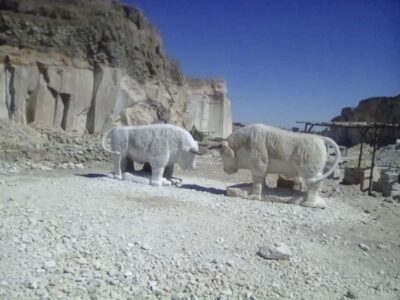
Route of the Sillar | Quarries of Añashuaycos | Half day
Read our review →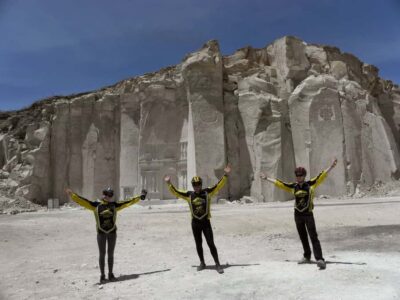
4-hour excursion: Sillar Route with Hiking in Culebrillas
Read our review →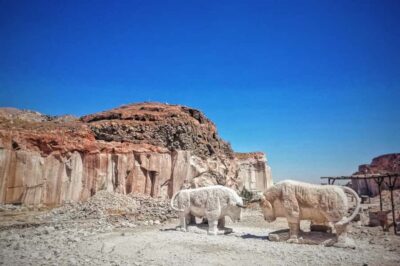
Trek to the Route of the Sillar and Culebrillas in Arequipa
Read our review →Browse the lists this tour appears in