
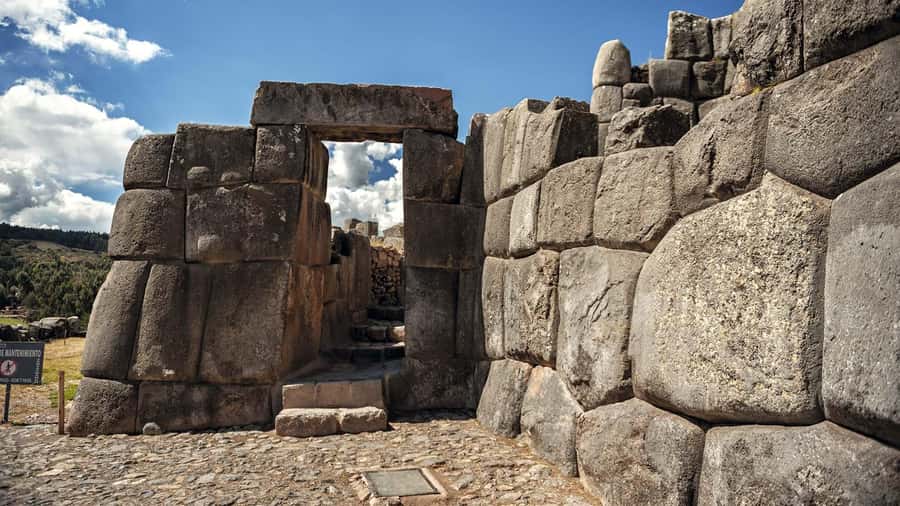
Reviewed · INCA RUINS & ARCHAEOLOGY
Cusco : City Tour of 4 Ruins and Sun Temple
Cusco’s ancient stones tell the story. This five-hour outing packs the city’s most important Inca sites into one practical route, beginning at Coricancha and continuing uphill to Sacsayhuamán, Qenqo, Tambomachay, and Puca Pucara. I like the Inca and Spanish layers at Coricancha, and I like the sweeping Cusco views from the hilltop ruins. The $16 price is appealing, too.
The main caution is time. You see a lot, but the schedule is tight, and shopping stops can cut into visits. The English explanation may also be shorter than the Spanish presentation, depending on your guide and group.
In This Review
- Key points at a glance
- Why this five-hour Cusco route works
- Starting at Coricancha, where Inca and Spanish Cusco meet
- Sacsayhuamán and Cusco’s enormous carved blocks
- Qenqo’s carved stone corridors and ceremonial setting
- Tambomachay and the water that still shapes the visit
- Puca Pucara, a final look at Inca defense
- The shopping-stop issue deserves attention
- Guide quality and the bilingual format
- Is $16 good value after the extra costs?
- What to bring for the ruins above Cusco
- Who should book this Cusco ruins tour?
- FAQ
- How long does the tour last?
- Which sites are included?
- Is hotel pickup included?
- Are entrance tickets included?
- What languages does the guide speak?
- Can I cancel for a full refund?
- What should I bring?
- Is the tour suitable for young children?
- Should you book it?
Key points at a glance
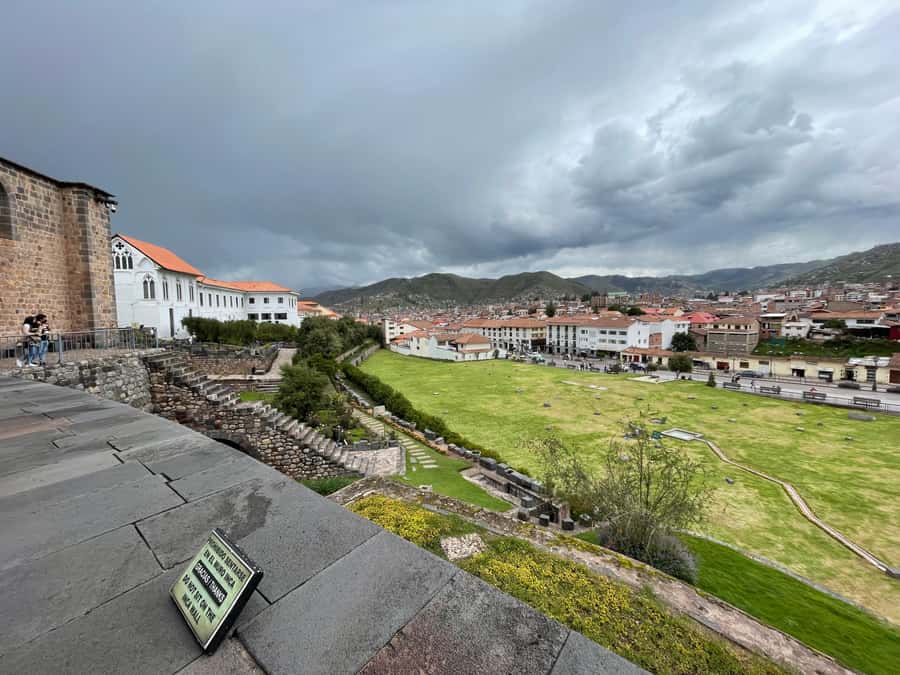
- Coricancha combines two eras in one stop: The Inca Temple of the Sun sits beneath a Spanish colonial church, making this the most varied part of the tour.
- Sacsayhuamán delivers the big stonework: Massive carved blocks and broad views over Cusco make it the visual high point.
- Qenqo is small but unusual: Its carved rock passages, ceremonial surfaces, and channels reward a close look.
- Tambomachay gives the route a quieter mood: Water still runs through carefully shaped stone channels linked to ritual purification.
- Puca Pucara explains Cusco’s defenses: The compact fortress occupies a strategic point with wide mountain views.
- The low price does not include entrance tickets: Plan for 15 soles at Coricancha and 70 soles for the Partial Tourist Ticket, paid in Peruvian soles.
Why this five-hour Cusco route works
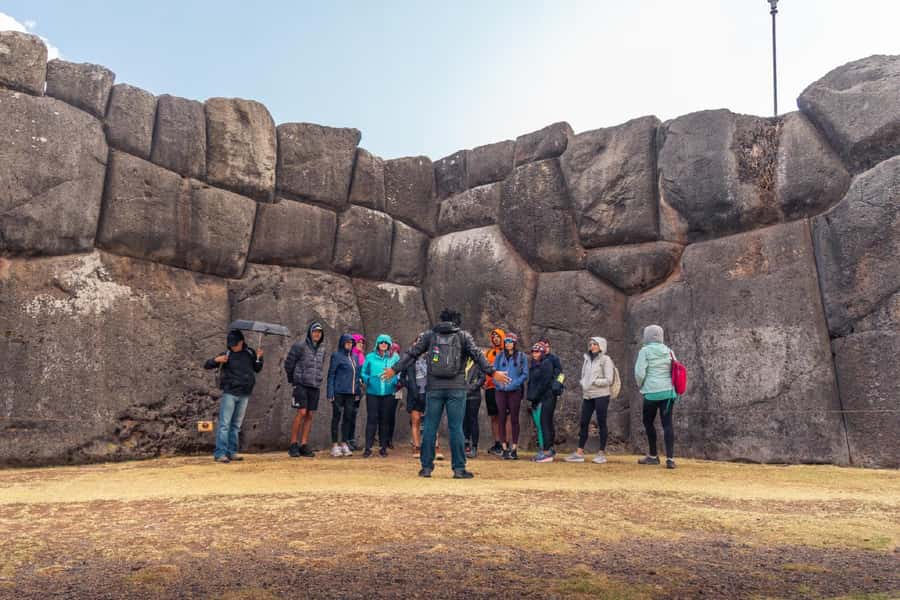
Cusco is full of ruins, churches, lanes, and museums. The challenge is fitting the major Inca sites into a first visit without spending hours arranging taxis or sorting out directions. This tour handles the basic transport and links five important places in one half-day.
I see it as a useful orientation tour rather than a slow archaeological study. You get the main story: the sacred center at Coricancha, the military power of Sacsayhuamán, the ceremonial purpose of Qenqo and Tambomachay, and the defensive role of Puca Pucara.
The outing lasts about five hours. The morning departure begins at 9:00 a.m. and returns around 2:00 p.m. The afternoon option begins at 1:00 p.m. and returns around 6:30 p.m. Pickup is offered at hotels near Cusco’s historic center, though you may instead be given a meeting point.
That timing matters. The morning trip ends with much of the afternoon still available for lunch, museums, or a quieter walk through central Cusco. The afternoon trip is useful if you arrive late or prefer a slower morning, but the return comes after sunset in some seasons.
The route uses a tourist van between the sites, with a short walk at the start and walking time inside the archaeological areas. You should expect a guided group visit, not private touring. Group size is not specified, so the pace may depend on how many people need to stay together.
More City Tours in Cusco
- Cusco: Half-Day City Tour with Sacsayhuaman and Q’enco
★ 4.6 · 1,129 reviews - City Tour Cusco Qoricancha Sacsayhuaman y Tambomachay
★ 4.7 · 617 reviews - Cusco: Sightseeing Tour of the City on an Open-Top Bus
★ 4.0 · 481 reviews
Starting at Coricancha, where Inca and Spanish Cusco meet
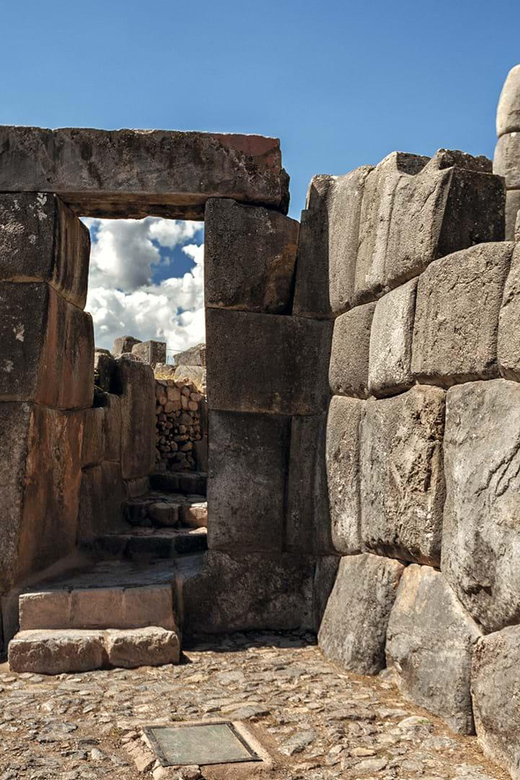
Coricancha is the strongest opening stop. The name refers to the Temple of the Sun, one of the most important religious buildings in the Inca world. Today, Inca masonry supports and surrounds the Spanish colonial Church of Santo Domingo, creating a striking clash of styles.
You begin with roughly ten minutes on foot from the pickup point, followed by about forty minutes at the temple. That is enough to see the main architecture and hear the basic explanation, but not enough for every detail. I would pay close attention to the contrast between the tight, precisely fitted Inca stonework and the later colonial construction above it.
The Inca builders shaped stone so carefully that the joints are difficult to see. The Spanish church changed the site, but it did not erase the older foundations. That physical layering makes Coricancha more useful than a simple photo stop. You can see how conquest altered Cusco while leaving parts of the earlier structure in place.
Admission is separate. Coricancha costs 15 soles, and payment is made in soles. Bring cash rather than assuming a card will be accepted. The tour price covers the guide and transport, not this entrance fee.
If you want the historical context of the entire route, listen carefully here. The guide sets up the difference between a sacred city center and the defensive and ceremonial sites outside it.
Sacsayhuamán and Cusco’s enormous carved blocks
After Coricancha, the van takes you to Sacsayhuamán, usually the most dramatic stop. The ride is listed at about fifteen minutes, followed by around forty minutes at the archaeological complex.
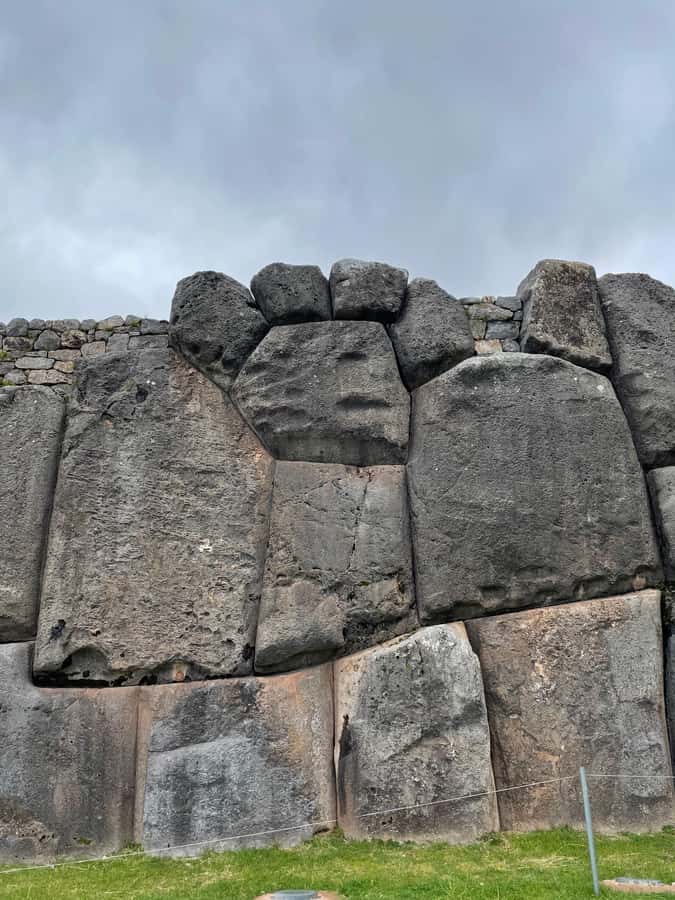
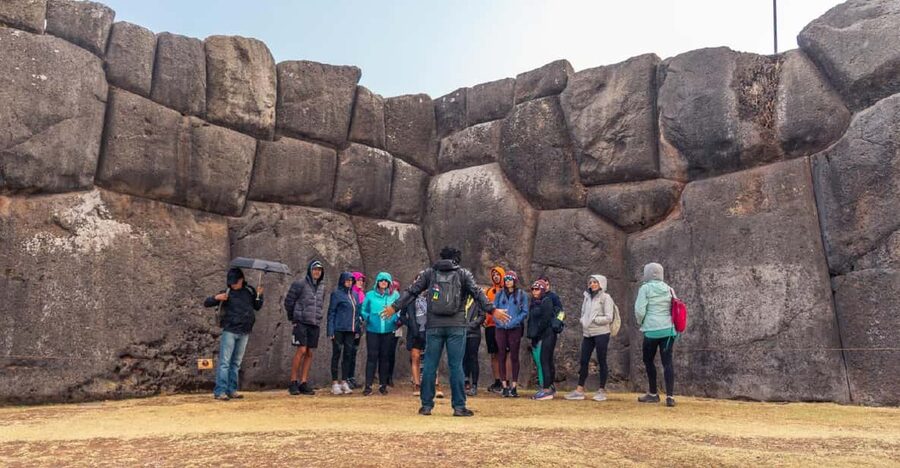
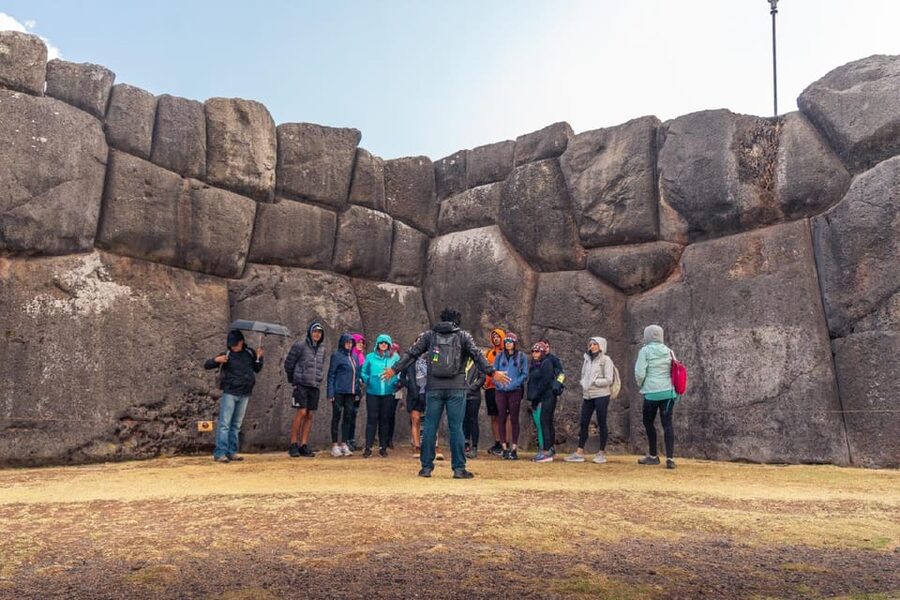
Sacsayhuamán is known for its enormous stone blocks, fitted into long zigzag walls. The scale is hard to grasp from photographs. Even a short visit gives you time to see the masonry, walk around key sections, and take in the view over Cusco.
I would save room in your camera and your attention for this stop. The site combines engineering, ceremony, and defense, though the tour’s short format may not allow a long explanation of every theory. From the higher ground, Cusco spreads below you, and the city’s colonial center looks very different from above than it does at street level.
This is also where the tight schedule can become frustrating. The planned visit is about forty-five minutes in the detailed schedule, while the route outline gives about forty minutes. One account describes spending only fifteen minutes here, with time lost at an unplanned textile shop. That is a serious reduction at the most important ruin on the route.
If the group is being rushed, stay near the guide and ask directly how much time remains. Use your free time for the main walls and the city view rather than wandering too far. The site is broad enough that a few careless minutes can disappear quickly.
The Partial Tourist Ticket costs 70 soles and is separate from the tour. It is used for the archaeological sites on this route. Buy it at the entrance if needed, and keep the payment in soles.
Qenqo’s carved stone corridors and ceremonial setting
A short five-minute van ride takes you to Qenqo. The visit is listed at about twenty minutes, making this the briefest stop.
Qenqo is smaller than Sacsayhuamán, but it has a different mood. Instead of massive defensive walls, you find carved rock formations, channels, and ceremonial spaces. The name is often associated with a labyrinth or zigzag form, which fits the site’s winding cuts and unusual stone shapes.
The guide may point out areas connected with ritual activity and explain how water and carved surfaces were used. Do not expect a long walk or a full archaeological lecture. Twenty minutes is enough to see the main features, but you will need to move with the group.
I like Qenqo because it breaks up the grand scale of Sacsayhuamán. It asks you to look closely rather than simply step back for a wide view. Watch your footing, especially if the stone is wet during the rainy season.
The route’s order also makes practical sense. After the wide, open spaces at Sacsayhuamán, Qenqo offers a compact site where your guide can explain ceremonial details before the route continues farther into the hills.
More Inca Ruins & Archaeology in Cusco
- Cusco City Sightseeing, San Pedro Market, Cathedral and Qorikancha Temple
★ 4.5 · 139 reviews - Cusco: 3-Hour Horse Riding Tour to the Temple of the Moon
★ 5.0 · 105 reviews - Cusco City Sightseeing and Sacsayhuaman Archeological Park Tour
★ 4.5 · 101 reviews - Cusco: Historical Guided City Tour with 4 Inca Ruins
★ 4.5 · 99 reviews
Tambomachay and the water that still shapes the visit
The van ride to Tambomachay takes about twenty minutes, followed by a visit of roughly forty-five minutes to one hour. This is one of the calmer stops and a good place to notice how the Incas used water in both practical and religious ways.
Tambomachay is associated with ritual baths and springs. Water flows through carved stone channels and fountains, and the design is linked to purification. The setting gives the site a more peaceful feel than the heavy walls at Sacsayhuamán.
You may have free time here to walk, take photographs, and look closely at the channels. The stonework is less imposing than the blocks at Sacsayhuamán, but the controlled movement of water is the point. Ask your guide to explain how the site may have served ceremonial visitors and why water mattered in Inca religious life.
The longer stop can make Tambomachay feel more complete, but it is still vulnerable to delays earlier in the day. If the tour has already lost time at a shopping stop, the guide may shorten later visits. That is why I would treat the advertised times as targets rather than promises.
Bring a waterproof layer in the rainy season. You can also buy a poncho in the plaza, but carrying one is simpler. The route includes outdoor walking, and the weather can change quickly around Cusco’s higher sites.
Puca Pucara, a final look at Inca defense
Puca Pucara is described as an Inca military fortress and strategic control point. It is close to Tambomachay, with a short van transfer of about five minutes in the scheduled route.
The site is smaller and less imposing than Sacsayhuamán, but its position gives it real value. From here, you can understand how the Incas watched movement along routes leading toward Cusco. The panoramic views help explain why this location mattered.
The planned stop lasts about twenty minutes. That is enough for photographs and a short explanation, though not for a detailed examination of every wall. I would listen for the practical side of the site: sight lines, control of roads, and the connection between military posts and the capital.
The route description lists a final visit in the Cusco Region before a longer van ride and finish on Calle Plateros. The detailed schedule identifies that final fortress stop as Puca Pucara. Confirm the exact final meeting and drop-off arrangement with the guide when you are contacted before the tour.
The shopping-stop issue deserves attention
The biggest concern is not the ruins. It is the possibility of sales stops taking time from them.
One detailed account describes a visit to an alpaca clothing shop, book sales on the bus, liquor being offered, and about thirty minutes spent at a textile store that was not part of the advertised route. That kind of detour changes the value of the tour. You are paying for access to major sites, not a sales presentation.
A shopping stop may be brief on one departure and much longer on another. I cannot promise it will happen, but you should be prepared for the possibility. If you care most about archaeology, ask at the beginning if any commercial visits are planned and how long they will last.
This also explains why the tour can feel uneven. Coricancha may receive a proper explanation, while Sacsayhuamán or Qenqo gets hurried treatment later. The advertised five hours remains useful only if the time is spent mainly at the sites.
Guide quality and the bilingual format
The guide is bilingual in English and Spanish. That makes the tour accessible, but the format can affect how much you hear. One account specifically found that explanations were first given in Spanish and then in shorter English versions.
If English is your main language, stand close to the guide and ask for clarification when needed. A good guide can add meaning to plain stones, especially at Qenqo and Tambomachay, where the purpose is less obvious than at Coricancha.
A guide named Yako received especially warm praise for being caring and for explaining Inca civilization clearly. Guide assignments can change, so I would not book solely on the hope of having him. Still, the positive comment points to what makes this format work: clear explanations, attention to the group, and enough time to look around.
The operator includes ongoing assistance, and the guide or local contact is supposed to reach you one day before departure to coordinate pickup. If a meeting point has limited phone coverage, the guide may call out your name. Keep your phone charged and make sure the operator has the correct contact details.
Is $16 good value after the extra costs?
At $16 per person, the base price is low for five hours of transport, a bilingual guide, hotel pickup near the historic center, and visits to five important places. If you are new to Cusco and want an efficient introduction, the price is attractive.
The real cost is higher because admission is not included. Add 15 soles for Coricancha and 70 soles for the Partial Tourist Ticket, with payments made in soles. You should also carry extra cash for food, drinks, or optional purchases, though none of those are included.
The value depends on time control. With proper visits at each ruin, this is a strong budget choice. If shopping stops reduce Sacsayhuamán to fifteen minutes, the bargain becomes less appealing, since the sites themselves are the reason to book.
I would compare this outing with the cost and flexibility of arranging separate transport. The tour removes the need to organize a van and route yourself, but you give up control over how long you stay. That tradeoff suits a first visit more than a return visit focused on photography or detailed study.
What to bring for the ruins above Cusco
Wear comfortable shoes with good grip. The route includes walking through archaeological areas, uneven stone, and outdoor paths. Hiking shoes are recommended, though the key need is secure footing rather than heavy boots.
Pack breathable clothing, long pants, and a long-sleeved shirt. Biodegradable sunscreen is sensible, along with a charged smartphone and camera. Bring clothing that can get dirty, especially in wet weather.
A small waterproof layer or poncho is important during the rainy season. Carry cash in Peruvian soles for admission fees. Your passport or identification card is also listed among the recommended items.
The tour is not suitable for children under three, babies under one, people dealing with altitude sickness, or people over 95. Those restrictions are practical warnings, not just fine print. Cusco sits at high altitude, and the route includes uphill sites and outdoor walking.
Who should book this Cusco ruins tour?
I would choose this tour if you have one short day in Cusco and want the main Inca sites explained in a single outing. It is also a good fit if you prefer having transport arranged and do not want to negotiate several taxi rides.
It suits people who value coverage over a slow pace. You will see Coricancha, Sacsayhuamán, Qenqo, Tambomachay, and Puca Pucara, but you should not expect long periods alone at each site.
I would hesitate if you want a careful archaeological tour, dislike commercial stops, or need equal English and Spanish explanations. In that case, ask about the guide, group size, and shopping plans before paying.
Free cancellation up to 24 hours before departure and reserve-now, pay-later terms make the booking less risky. You can also check the available morning or afternoon start before committing.
FAQ
How long does the tour last?
The tour lasts about five hours. The morning departure is scheduled from 9:00 a.m. to around 2:00 p.m., while the afternoon departure runs from 1:00 p.m. to about 6:30 p.m.
Which sites are included?
The route visits Coricancha, Sacsayhuamán, Qenqo, Tambomachay, and Puca Pucara.
Is hotel pickup included?
Pickup is included for hotels near the historic center of Cusco. You will be contacted one day before the tour to coordinate the pickup or meeting point.
Are entrance tickets included?
No. Coricancha admission costs 15 soles, and the Partial Tourist Ticket costs 70 soles. Payments are made in soles.
What languages does the guide speak?
The live guide service is offered in English and Spanish.
Can I cancel for a full refund?
Yes. You can cancel up to 24 hours in advance for a full refund.
What should I bring?
Bring identification, comfortable or hiking shoes, sunscreen, a camera, long pants, breathable clothing, a long-sleeved shirt, cash, and a charged smartphone. Waterproof clothing is useful during the rainy season.
Is the tour suitable for young children?
It is not suitable for children under three or babies under one year. It is also not suitable for people with altitude sickness or people over 95 years old.
Should you book it?
Book this tour if you want a low-cost, well-packed introduction to Cusco’s major Inca sites and you can accept a brisk pace. Coricancha and Sacsayhuamán are the main rewards, while Tambomachay and Puca Pucara add useful context about water, ritual, and defense.
I would book it for a first visit, especially with limited time. Before departure, confirm the pickup point, ticket costs, language order, and whether shopping stops are planned. If the operator keeps the group focused on the ruins, $16 plus admission is a solid way to get your bearings. If you want unhurried visits and no sales detours, choose a slower private or archaeology-focused option instead.
More Inca Sites and Ruins
- Horse Riding Chacan Mountain And Temple Of The Moon
★ 5.0 · 78 reviews - Cusco 4-Hour Private Tour Including Sacsayhuaman and Qenqo
★ 5.0 · 77 reviews - Half-Day City Tour of Cusco Including Tambomachay
★ 4.5 · 59 reviews - Sacsayhuaman Temple, Tambomachay and Puca Pucara Half-Day Tour
★ 4.5 · 59 reviews
Just added around Cusco
- Cusco: Rainbow Mountain and viewpoint red valley ( optional)★ 4.8 · 3 reviews
- Montaña de Colores: tour en cuatrimotos día completo★ 3.3 · 3 reviews
- Tour Pallay Punchu Trek Full Day★ 4.2 · 3 reviews
- Excursion Cusco – Puno – Titicaca Observatory Train★ 5.0 · 3 reviews
- Cusco: Palcoyo Mountain Day Trip with Breakfast and Lunch★ 4.8 · 3 reviews
- Maras Moray★ 5.0 · 3 reviews
- Tour to Laguna Humantay with breakfast and lunch from Cusco★ 4.7 · 3 reviews
- From Cusco:Chinchero, Moray, Maras, Ollantaytambo with lunch★ 5.0 · 3 reviews
Inca Ruins & Archaeology, compared.

Half-Day City Tour with Sacsayhuaman and Q’enco
Read our review →
City Tour Cusco Qoricancha Sacsayhuaman y Tambomachay
Read our review →
The Charm of Barranco & Pre Inca Pyramid in Miraflores
Read our review →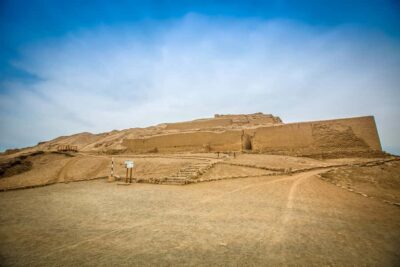
Pachacamac Ruins & Barranco Half-Day Guided Tour
Read our review →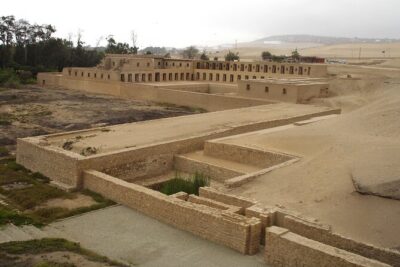
Pre Inca Temple of Pachacamac Half-Day Tour from Lima
Read our review →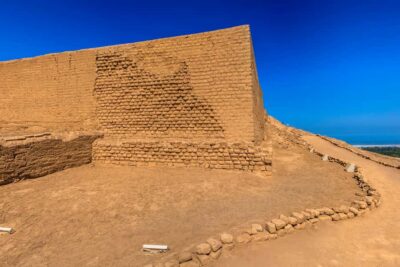

Cusco City Sightseeing, San Pedro Market, Cathedral and Qorikancha Temple
Read our review →
3-Hour Horse Riding Tour to the Temple of the Moon
Read our review →Browse the lists this tour appears in