
Reviewed · CITY TOURS
Arequipa: City and Country Tour
See Arequipa beyond its postcard center. I like this tour for its wide mix of city sights and countryside stops, plus the fine views of the Chili Valley, Misti, and Chachani Volcanoes. I also like the chance to see working agricultural terraces and learn about local Quechua culture, not just admire colonial buildings.
The main caution is the English guiding. The tour is sold with an English-speaking guide, but one guest found the guide’s English limited and had to ask for the promised language. The itinerary is also busy, so some stops may feel more like quick introductions than long visits.
In This Review
- Key points to know before booking
- A useful first look at Arequipa
- Starting in the White City’s historic center
- Yanahuara and Carmen Alto for volcano views
- Incalpaca Outlet and four South American camelids
- Sachaca and the food traditions of Tingo
- Via Paisajista and the Mansion del Fundador
- Molino de Sabandia and old wheat processing
- Paucarpata’s terraces and Quechua culture
- What the guide and language can mean
- Timing, transport, and the extra costs
- Who will get the most from this tour?
- Should you book the Arequipa City and Country Tour?
- FAQ
- How long does the Arequipa City and Country Tour last?
- What language is the tour conducted in?
- Is hotel pickup included?
- Where does the tour end?
- Are entrance fees included in the price?
- Is lunch included?
- What volcanoes can you see?
- What animals do you learn about at Incalpaca Outlet?
- Can I cancel the booking?
Key points to know before booking
- Four hours, many sides of Arequipa: You visit central streets, viewpoints, suburbs, countryside, historic buildings, a camelid outlet, and farming terraces.
- Best views at Yanahuara and Carmen Alto: These overlooks give you time for photos across the Chili Valley toward Misti and Chachani.
- Two paid entrances are extra: The Mansion del Fundador costs 12 soles and Molino de Sabandia costs 10 soles, with prices subject to change.
- The 11 a.m. departure may take longer: That time slot includes an optional one-hour lunch stop, with food paid separately.
- Pickup is limited to central hotels: Transportation and hotel pickup are included only within the Arequipa city center area.
- Guide quality matters: Giuliana received especially warm praise for being attentive and well-informed, but English ability may vary by departure.
A useful first look at Arequipa
At $23 per person, this is an inexpensive way to get your bearings in Arequipa. You are not paying for a single major attraction. You are paying for transport, a bilingual guide, and a broad circuit that reaches places you might otherwise need taxis or separate day plans to visit.
That breadth is the chief attraction. In four hours, you move from the Plaza de Armas to mountain viewpoints, from a camelid outlet to old agricultural machinery, and from city streets to the green fields around Paucarpata. I find that especially useful at the start of a stay, when you want to understand how the city fits together.
The tradeoff is pace. You will see many places, but this is not a slow architectural walk or a long museum visit. Two major stops have separate entrance charges, and the time available at each point depends on traffic, group timing, and the guide.
More City Tours in Arequipa
- Arequipa: Walk through the Historic Center of the City
★ 4.9 · 87 reviews - Arequipa Walking Tour city center and drinks experience
★ 5.0 · 72 reviews - Arequipa, Historic and Colonial City and Santa Catalina Monastery
★ 4.5 · 42 reviews
Starting in the White City’s historic center
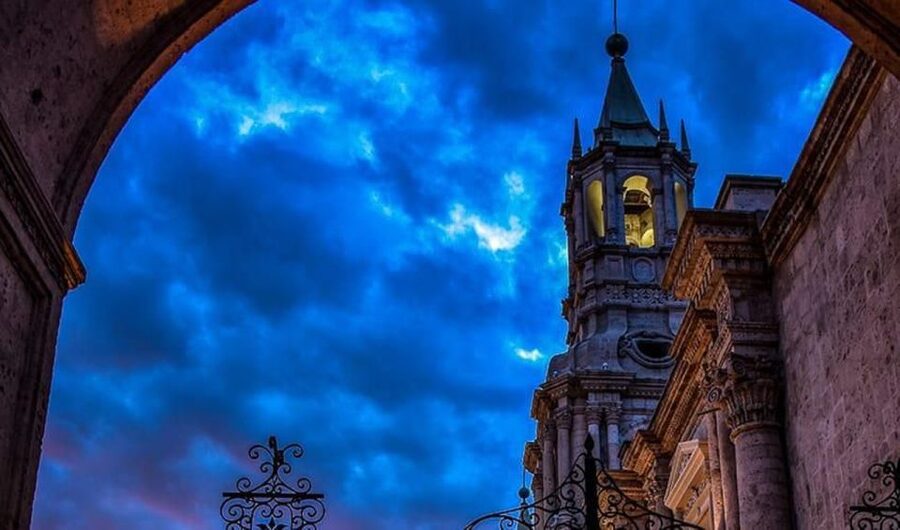
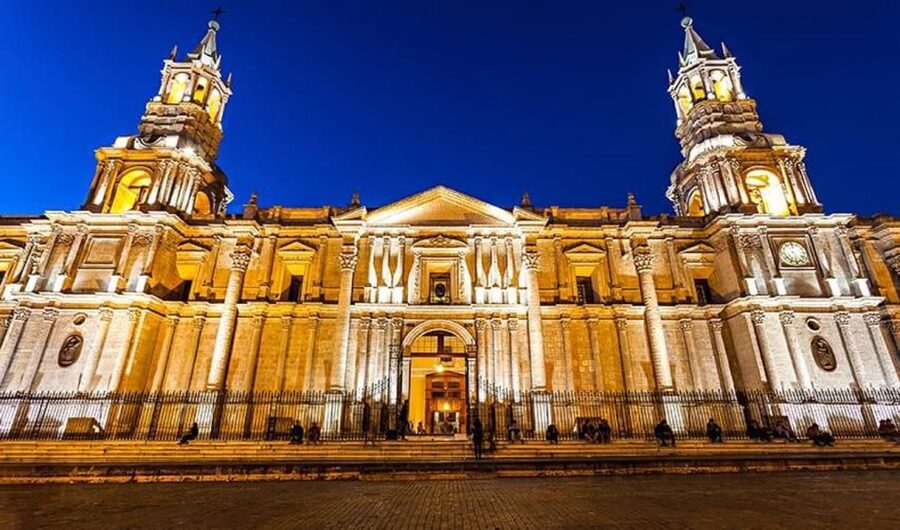
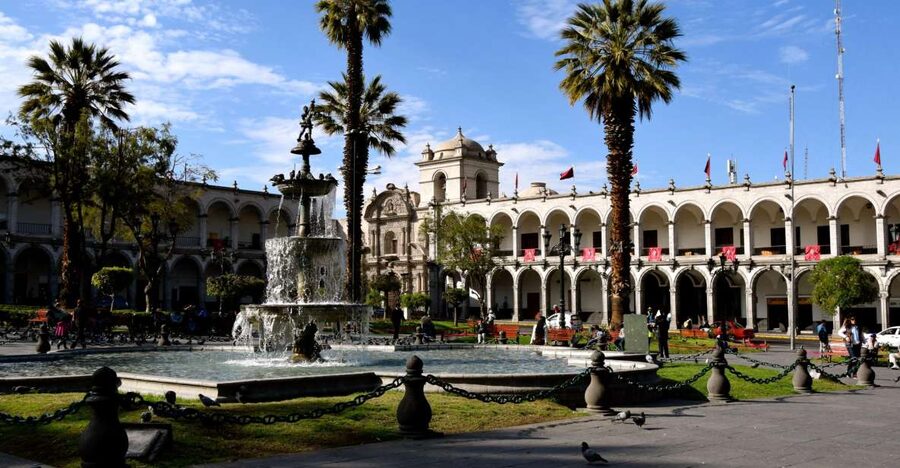
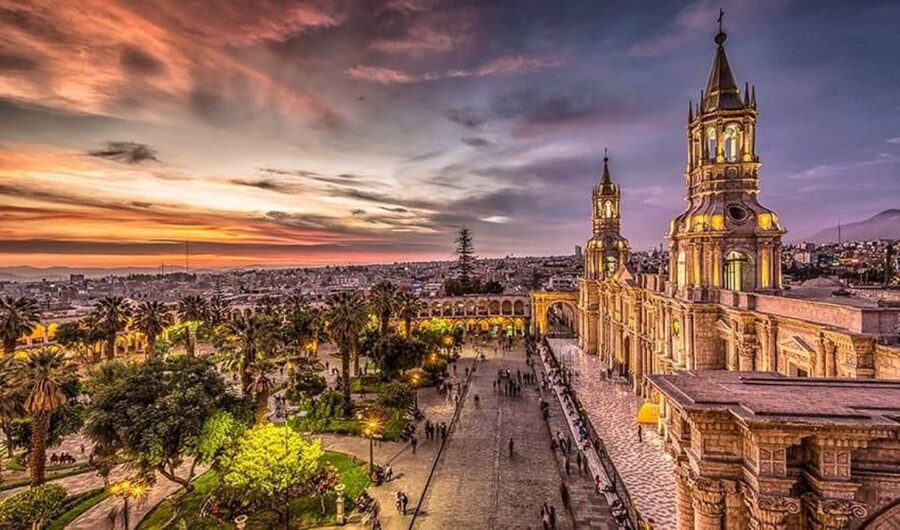
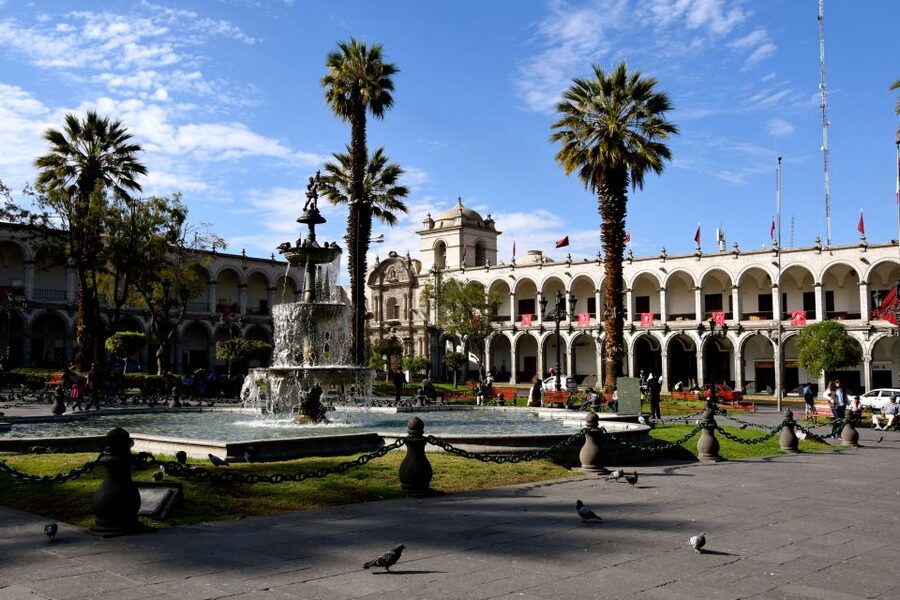
The tour begins with Arequipa’s central sights, including the Plaza de Armas and the streets of the Centro Historico. Arequipa is often called the White City because many important buildings use pale volcanic ashlar stone, and the central area gives you the quickest sense of that character.
A bus tour is helpful here because it lets you cover more ground than a walking circuit. You can see how the historic core connects with the wider city, while the guide supplies the basic setting for what you are seeing. If you have just arrived, this opening section helps you recognize the Plaza de Armas and nearby streets later when exploring on your own.
Do not expect a detailed interior visit to every historic building. The tour is panoramic in style, with stops and short walks rather than a long, specialist-led examination of one monument. I would treat this part as an orientation, not a replacement for visiting major sites independently.
Yanahuara and Carmen Alto for volcano views
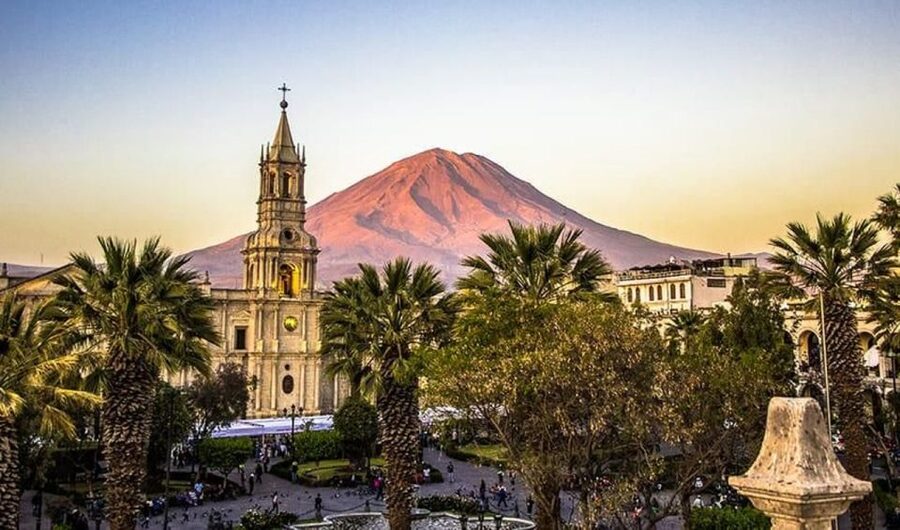
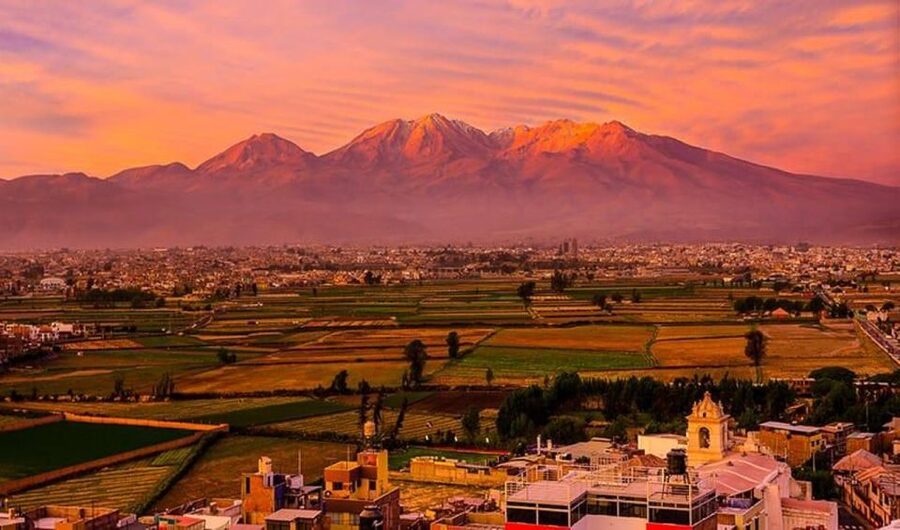
The two scenic overlooks are among the strongest parts of the outing. At Yanahuara and Carmen Alto, you get out, stretch your legs, and take photos over the Chili Valley. On a clear day, the views include Misti and Chachani, two of the volcanoes that define Arequipa’s setting.
These stops add something the central streets cannot. From the city, you see white stone, traffic, and plazas. From the overlooks, you see the relationship between the urban area, the valley, and the high peaks beyond it. That wider view helps explain why Arequipa developed where it did.
The word panoramic matters here. You are not hiking toward the volcanoes or entering a mountain trail. You are visiting viewpoints by vehicle, with time to look around and take pictures. If volcano views are your main reason for booking, weather and visibility will matter, so keep expectations sensible.
Incalpaca Outlet and four South American camelids
The stop at the Incalpaca Outlet combines shopping, animal viewing, and a short lesson about camelids. Inside the mini-zoo, you learn to distinguish the llama, alpaca, vicuña, and guanaco.
That is a useful bit of background for Peru. These animals are easy to confuse when you first arrive, and the differences matter to local textile traditions and rural life. The outlet setting also gives you a chance to see how camelid fiber connects with products sold in the country.
This is not presented as a long wildlife visit. If you dislike commercial stops, you may find the outlet less appealing than the viewpoints or countryside sections. Still, I think it earns its place because the animal lesson gives the shopping stop some cultural context rather than making it only a retail break.
A few more Peru trips worth weighing up
- From Arequipa: Colca Canyon Full-Day Guided Tour with Meals
★ 4.5 · 982 reviews - Tour to the Salinas Lagoon and National Reserve in Arequipa
★ 4.5 · 548 reviews - From Arequipa: Sillar Route Trek
★ 4.2 · 461 reviews - Arequipa: Chili River White Water Rafting with Hotel Pickup
★ 4.8 · 329 reviews
Sachaca and the food traditions of Tingo
The circuit continues to Sachaca, where you see a beautiful 19th-century church. This section takes you away from the central monuments and into one of Arequipa’s districts, giving you a look at how the city extends into its surrounding communities.
You also visit Balneario Tingo, known for local food such as anticuchos and buñuelos. The tour information does not include food or drinks, so bring money if you want to try something. The 11 a.m. departure has an optional one-hour lunch stop, but lunch is not mandatory and is not included in the price.
I like this part because food gives a more ordinary connection to place than another photo stop. Anticuchos and buñuelos are not simply items on a sightseeing checklist. They point toward local habits and flavors. Still, the stop is optional for lunch, so do not book the 11 a.m. time expecting a meal to be part of your ticket.
Via Paisajista and the Mansion del Fundador
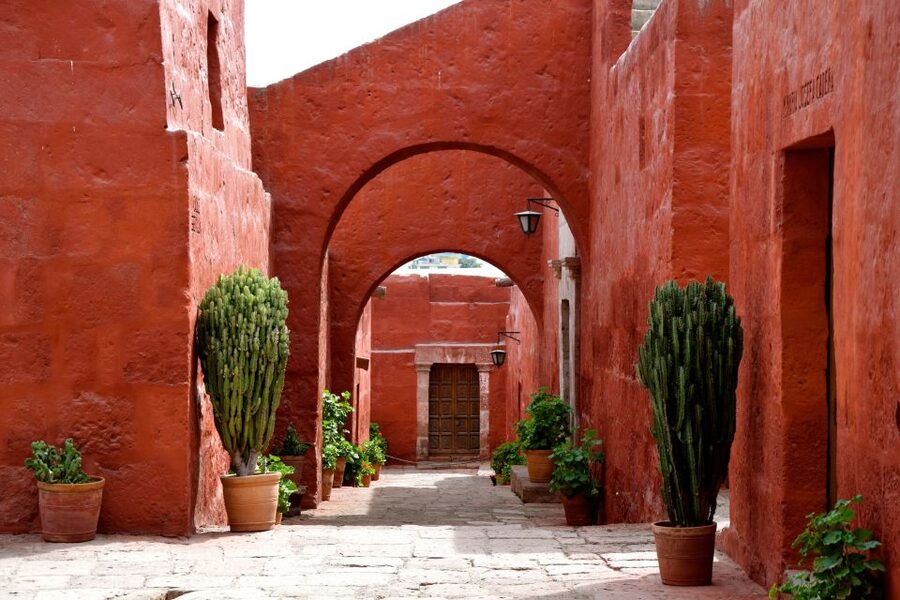
After the city districts, you travel through the countryside along Via Paisajista to the Mansion del Fundador. The mansion dates from the 16th century, making it one of the older historic stops on the route.
The change of scenery is the point. You move from Arequipa’s streets into open country, where the tour can show how old estates and agricultural areas relate to the city. A local guide can add useful context here, especially if you want more than a quick photograph.
Entrance to the Mansion del Fundador is not included. The listed fee is 12 soles, though fees can change without notice. I would keep extra soles ready if you want to go inside, and I would confirm the current charge before setting out.
Because the total tour lasts only four hours, do not assume the mansion visit will be extensive. The schedule covers several other stops, so this is best viewed as a focused introduction to the site.
Molino de Sabandia and old wheat processing
The Sabandia Mill is another paid attraction, with a listed entrance fee of 10 soles. The mill dates to the 16th century and gives you a chance to learn how wheat was processed with a stone mill.
This is one of the more practical stops on the itinerary. Instead of only looking at an old building, you learn about a working technique tied to food production. Stone milling also helps make the countryside feel less like scenery and more like a place shaped by labor, water, crops, and inherited methods.
The mill is likely to appeal most if you enjoy historic technology and rural traditions. If you prefer volcano views and city architecture, it may feel less urgent. Since it costs extra, decide based on your interests rather than treating every admission as automatic.
Together, the mansion and mill add two separate layers to the tour: one connected with historic estate life, the other with agricultural production. That combination makes the countryside portion more useful than a simple drive past fields.
Paucarpata’s terraces and Quechua culture
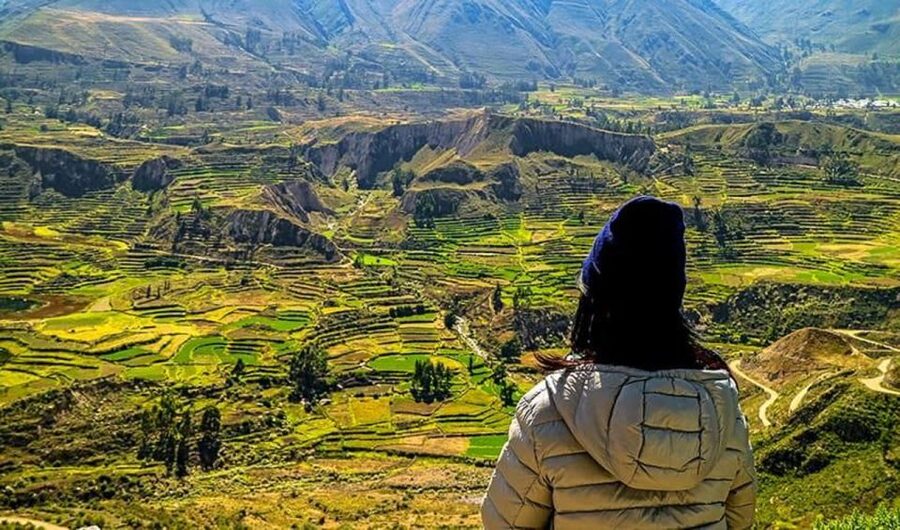
Near the end, you see the Andenes de Paucarpata. These are man-made agricultural platforms designed to create a microclimate system, allowing different products to grow on separate levels.
This is a small but important detail. The terraces show that farming in the Andes has long involved careful management of height, temperature, water, and soil. You are not just seeing green steps on a hillside. You are seeing an agricultural system built to make difficult terrain productive.
The tour also connects this countryside visit with Quechua culture. The information provided does not promise a village homestay or a hands-on cultural activity, so keep the cultural element in proportion. You will learn through the guide and what you see along the route, rather than through an extended community visit.
I consider Paucarpata one of the most worthwhile parts for anyone who wants a little context about daily life outside Arequipa’s historic core. It gives the tour a strong closing image before you return to the city center.
What the guide and language can mean
The guide can make or break a fast-moving tour. One particularly praised guide, Giuliana, was described as attentive and able to make sure everyone received information about the places along the route. That kind of attention matters when a group is moving between many short stops.
The advertised language is English, but you should confirm it with the guide at the start. One guest found that the guide did not realize an English option had been booked and had only limited English, despite making a good effort. This does not mean every departure will have the same problem, but it is a real point to keep in mind.
If English explanations are essential to your experience, ask directly before the bus leaves. If the guide is clear and engaged, the itinerary has plenty of material to discuss. If communication is weak, you may still enjoy the views and stops, but the cultural and historical value will be thinner.
Timing, transport, and the extra costs
The advertised duration is four hours, and pickup is included from accommodation within Arequipa’s city center. If your hotel is outside that area, do not assume the bus will collect you there. The tour returns to the city center at the end.
Transportation is a major part of the value. The route covers enough ground that arranging each stop alone would take more planning, and some points are outside the central streets. You also avoid spending part of your day negotiating separate rides.
Plan for the two admission fees:
- Mansion del Fundador: 12 soles
- Molino de Sabandia: 10 soles
The amounts can change without notice. Food, drinks, and personal expenses are also separate. The optional lunch attached to the 11 a.m. departure adds an hour and another expense, but you are not required to eat there.
The advertised rating is 3.7 from 27 reviews, which signals a mixed but not disastrous experience. I read that as a reminder to book for the route and overall value, while keeping your expectations flexible about guide quality and timing.
Who will get the most from this tour?
I would recommend this experience to a first-time visitor who wants a broad introduction to Arequipa in half a day. It suits you especially well if you want volcano views, a little colonial architecture, countryside scenery, and basic cultural context without arranging several separate trips.
It also works for anyone with limited time. The route gives you a map of the city and its surroundings, helping you decide which areas deserve a longer visit later.
You may want another type of outing if you prefer one subject in depth. A dedicated historic-center walk would give you more time with architecture. A countryside excursion focused on hiking or agriculture would offer a slower connection with rural life. This bus tour favors variety over depth.
I would also be cautious if you need polished English commentary at every stop. The possibility of a guide with limited English does not cancel the value of the trip, but it makes language confirmation important.
Should you book the Arequipa City and Country Tour?
Book it if you want an affordable, efficient overview of Arequipa and do not mind a quick pace. The strongest reasons are the Yanahuara and Carmen Alto views, the mix of city and countryside, and the chance to understand camelids, stone milling, and agricultural terraces in one outing.
Bring extra soles for both entrances and any food, and use the first few minutes to confirm the guide’s English. If Giuliana is leading, her attentive approach is a real plus. If your priority is an easy introduction rather than a deep visit to each site, the $23 price is fair.
Skip it if you want a long, quiet visit at one monument or a fully guaranteed high-level English lecture. For most first visits, though, this is a practical way to see how Arequipa’s white-stone center connects with its volcanoes, valley, farms, and surrounding districts.
FAQ
How long does the Arequipa City and Country Tour last?
The tour lasts four hours. The 11 a.m. time slot includes an optional one-hour lunch stop, which is not mandatory.
What language is the tour conducted in?
The tour lists an English-speaking live guide. English ability can vary, so it is sensible to confirm the language with the guide at the start.
Is hotel pickup included?
Yes, pickup is included from accommodation located within the Arequipa city center area.
Where does the tour end?
The tour returns to the city center at the end of the outing.
Are entrance fees included in the price?
No. The listed entrance fee for the Mansion del Fundador is 12 soles, and the listed fee for Molino de Sabandia is 10 soles. These prices may change.
Is lunch included?
No. Food and drinks are not included. The 11 a.m. departure has an optional one-hour lunch stop, but lunch is not mandatory.
What volcanoes can you see?
At the Yanahuara and Carmen Alto viewpoints, you can take photos of the Chili Valley and look toward the Misti and Chachani Volcanoes.
What animals do you learn about at Incalpaca Outlet?
The tour introduces four South American camelids: llama, alpaca, vicuña, and guanaco.
Can I cancel the booking?
You can cancel up to 24 hours in advance for a full refund. The tour also allows you to reserve now and pay later.
Just added around Arequipa
- From Arequipa: Colca Canyon and Condor Watching Day Trip★ 3.7 · 3 reviews
- Arequipa : Colca Canyon 2-Day Adventure★ 5.0 · 3 reviews
- Cooking Class Typical Food in Arequipa★ 3.9 · 3 reviews
- 3-day trek to the Colca Canyon from Arequipa ending in Puno★ 4.2 · 3 reviews
- Colca Canyon Day Trip: From Arequipa to Puno★ 3.5 · 3 reviews
- 2 day 1 night trek / Colca Canyon★ 3.0 · 3 reviews
- From Arequipa: Full Day Colca Canyon Tour★ 4.5 · 3 reviews
- Excursion Salinas Lagoon and National★ 5.0 · 3 reviews
City Tours, compared.

Half-Day City Tour with Sacsayhuaman and Q’enco
Read our review →
City Tour Cusco Qoricancha Sacsayhuaman y Tambomachay
Read our review →
Lima’s Vibrant Heritage: Exploring the City’s Landmarks Half-day
Read our review →
Sightseeing Tour of the City on an Open-Top Bus
Read our review →
City Tour | Half-Day Tour to 4 Archaeological Sites
Read our review →
City Tour in Cusco & visit Museum South American Camelid Private.
Read our review →
Cusco City Sightseeing, San Pedro Market, Cathedral and Qorikancha Temple
Read our review →Browse the lists this tour appears in