
Reviewed · MACHU PICCHU TOURS
Inca Trail to Machu Picchu 4 Days – Small Group / Reservations 2026
The old road earns its fame. This four-day Inca Trail trek pairs dramatic mountain walking with Patallacta, Runkuracay, Sayacmarca, Wiñay Wayna, and a sunrise approach to Machu Picchu. I especially like the maximum group size of eight, which gives your guide room to set a sensible pace, and the strong support team, including cooks and porters who handle camp gear, food, and up to seven kilos of your personal luggage.
Food is another bright spot. Meals include vegetarian, vegan, and special-diet options, with hot drinks and boiled water for refilling your bottle. The main concern is the physical demand, particularly on Day 2, when you climb to 4,200 meters at Dead Woman’s Pass. Add the early starts, basic mountain camping, and a return to Cusco near 10:00 pm, and this is not a gentle holiday walk.
In This Review
- Key points to know before booking
- Why four days is the right amount of time
- Day 1: From Cusco to Piscacucho and Patallacta
- Day 2: The hard climb to Dead Woman’s Pass
- Day 3: Inca ruins and cloud forest
- Day 4: The Sun Gate and Machu Picchu
- Food, camping, and porter support
- The guide and small-group advantage
- Who should book this trek
- Should you book the $860 Inca Trail experience?
- FAQ
- How long is the Inca Trail tour?
- What is the maximum group size?
- Where can pickup and drop-off take place?
- Do I need my passport?
- Is Huayna Picchu included?
- Are meals included?
- Can I rent a sleeping bag and walking sticks?
Key points to know before booking
- Dead Woman’s Pass reaches 4,200 meters: Day 2 is the hardest part, with a long climb followed by a steep descent.
- Eight people is the maximum: A small group can make pacing, questions, and guide attention easier.
- Porter support includes up to seven kilos: You still need a daypack with essentials, but the main load does not ride on your shoulders.
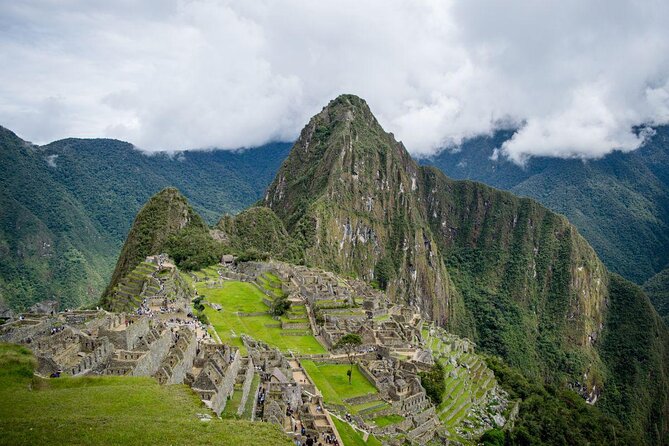
- Wiñay Wayna makes the final morning special: You leave camp at 4:00 am, reach the Sun Gate, then walk into Machu Picchu.
- Huayna Picchu costs an extra $70: It must be requested ahead of time and is not part of the listed tour price.
- The $860 price covers a lot: Permits, meals, tents, porters, transport, train tickets, Machu Picchu entry, and hotel transfers are included.
Why four days is the right amount of time
The four-day route gives you the full classic Inca Trail rather than reducing the experience to a short approach from the train. You cross high passes, walk through cloud forest, and reach several Inca sites before Machu Picchu appears at the Sun Gate.
You also spend three nights in tents. That means less comfort than a hotel-based trip, but it lets you experience the route in the way it was designed to be walked. The camp team supplies a four-person tent for two people, a Thermarest inflatable mat, a travel pillow, a dining tent, portable chairs, and a kitchen tent.
At $860 per person, the cost is substantial, but the package includes the permit and entry to Machu Picchu. Those permits are limited, and this route is commonly reserved about 57 days ahead. For a fixed-price trek with meals, porters, equipment, buses, trains, and transfers included, the price has solid value, especially if you want to avoid arranging each piece yourself.
More Inca Trail Treks in Cusco
- Cusco: 4-Day Inca Trail to Machu Picchu with Accommodation
★ 4.8 · 432 reviews - From Cusco: 7 Lakes Ausangate Trek with Breakfast and Lunch
★ 4.8 · 360 reviews - Cusco: Machu Picchu 2-Day Inca Trail with Panoramic Train
★ 4.9 · 260 reviews
Day 1: From Cusco to Piscacucho and Patallacta
Your day begins at 6:00 am with hotel pickup in Cusco. Pickup is also available from a hotel in the Sacred Valley, which is useful if you have already left Cusco and are staying near Ollantaytambo or another valley town.
The bus ride to Piscacucho, also called kilometer 82, takes about three and a half hours. The route passes through the Sacred Valley, following the Urubamba River and giving you views of Andean towns and Ollantaytambo Fortress. There is a final stop in Ollantaytambo for toilets and last-minute purchases before the bus continues to the trailhead.
Bring your original passport. It is checked at the official Inca Trail control post along with your permit and entrance ticket. Students should also bring a valid student ID.
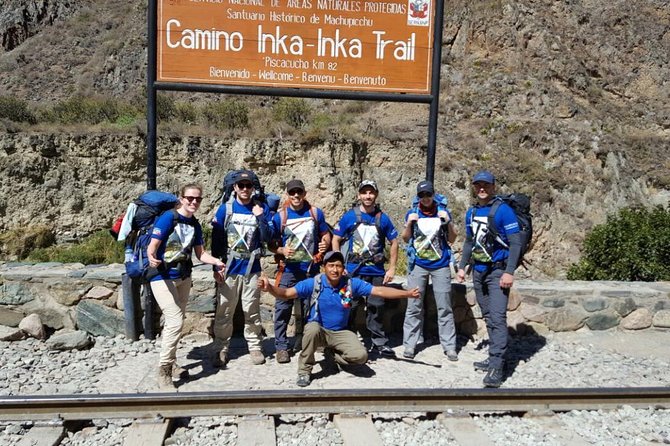
At Piscacucho, you meet the guide, cooks, porters, and the rest of your group. The trail begins after you cross a suspension bridge over the Urubamba River. The first walking section is relatively easy, with about two hours on gently rising and mostly level ground beside the river.
Lunch is served at Miskay, prepared by the cook and staff. After lunch, you continue to Patallacta, the first major archaeological site. Its broad agricultural terraces make a strong first introduction to the engineering skill behind the Inca Trail.
The afternoon continues for about two hours toward Wayllabamba. You may see views of Veronica, also called Wakay Willka, a snow-covered peak reaching about 5,900 meters. The trail follows the river and eventually reaches Wayllabamba at roughly 3,000 meters, where you spend the night.
The camp routine is simple and pleasant. After your tent is ready, tea time brings a hot drink and snacks. Dinner is served around 7:30 pm. Day 1 covers about four hours of hiking, but the full day is long because of the early pickup and transport.
Day 2: The hard climb to Dead Woman’s Pass
You wake with coca tea delivered to your tent, then eat breakfast before starting around 7:00 am. This is the toughest day of the trek, and the schedule is honest about it.
The climb from Wayllabamba to Llulluchapampa takes about four hours in total. The first two hours rise through cloud forest, where you may see hummingbirds, hawks, and eagles. Queñua trees and high grasslands add variety to the route.
You are encouraged to walk at your own pace and stop when needed. That matters here. At altitude, speed is not the prize. A steady rhythm and regular rests will serve you better than trying to stay beside the fastest person in the group.
Llulluchapampa sits at about 3,600 meters. There is a small stream where you can cool off and refill your bottle. From there, the final climb to Warmiwañusca, better known as Dead Woman’s Pass, takes about two more hours.
At 4,200 meters, this is the highest point on the route. The pass gives you wide Andean views and a real sense of achievement, but temperatures can drop quickly. Keep a warm layer and hat easy to reach rather than buried in your luggage.
The descent to Pacaymayo is steep and lasts about two hours. Your knees may notice this section more than the climb. Lunch and camp are beside the Pacaymayo River at roughly 3,600 meters. After eating, you get a long rest, afternoon tea, snacks, and dinner.
The day includes about seven hours of walking, though the schedule is spread across the morning and early afternoon. If you are only moderately fit, you should take the altitude seriously and use the support of the guide and porters.
Day 3: Inca ruins and cloud forest
Day 3 begins at about 6:00 am with tea in your tent and breakfast with the group. You leave Pacaymayo around 7:00 am and climb for roughly two hours toward the Runkuracay Pass.
Runkuracay is a small circular Inca site at about 3,800 meters. Your guide explains the ruins before you continue past two small lagoons to the pass, which reaches around 4,000 meters. This section is less about conquering one huge climb and more about moving through a chain of carefully placed Inca sites.
From the pass, you descend for about an hour to Sayacmarca. The name means Inaccessible Town, an apt description for ruins surrounded by rocky cliffs. The location is striking, but there are many stone steps and uneven surfaces, so good footwear matters.
After another short stretch, you reach Chaquicocha at about 3,600 meters for lunch. Restrooms are available here. The camp facilities are practical rather than luxurious, but having a dining tent, cooked meals, and a place to sit makes a real difference after several hours on the trail.
The afternoon moves through cloud forest filled with orchids, bromeliads, ferns, and hanging mosses. You also pass through a tunnel cut into the mountain before reaching a third pass at about 3,700 meters. Views extend toward snow-capped peaks and the Urubamba River.
The stone path then descends to Phuyupatamarca, or Village Above the Clouds. The ruins show the fine stonework and water systems that make this trail more than a scenic hike. From there, expect about two hours of stone stairs toward Intipata.
Intipata means Terraces of the Sun. The site is made up of many agricultural terraces and water channels at roughly 2,800 meters. You then descend to Wiñay Wayna, the final official camping area, arriving around 5:00 pm.
Wiñay Wayna is one of the most appealing camps on the route because it is close to Machu Picchu and surrounded by major ruins. You receive tea, coffee, hot chocolate, cookies, and popcorn, then hear the guide’s briefing for the next morning.
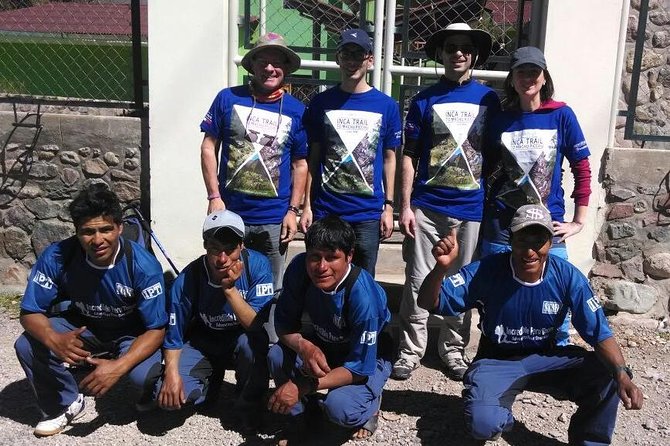
A small farewell ceremony introduces the porters and thanks them for their work. This is not just a pleasant gesture. The porters have carried tents, food, tables, chairs, and cooking equipment through steep terrain, and their effort is a major reason the camp feels organized.
More Machu Picchu Tours in Cusco
- From Cusco: Full-Day Group Tour of Machu Picchu
★ 4.7 · 1,767 reviews - Machu Picchu Day Trip from Cusco
★ 4.5 · 1,644 reviews - Machu Picchu: Full-Day Tour from Cusco with Optional Lunch
★ 4.6 · 927 reviews - From Cusco: 2-Day Trip to the Sacred Valley and Machu Picchu
★ 4.6 · 265 reviews
Day 4: The Sun Gate and Machu Picchu
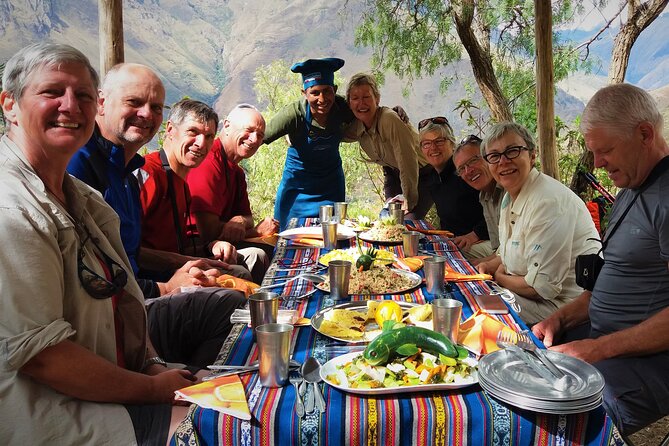
The final day starts before dawn. You wake at 4:00 am, eat breakfast at 4:30, say goodbye to the cook and porters, and wait at the control post for the gates to open at 5:30.
The walk from Wiñay Wayna to the Sun Gate takes about two hours. The first section is mostly level and passes through thick cloud forest with giant ferns. Near Inti Punku, the trail rises sharply over about 50 steps.
You reach the Sun Gate around 7:00 am at approximately 2,700 meters. This is your first broad view of Machu Picchu. Weather can affect the scene, so the sunrise view is not guaranteed, but the approach itself is one of the great rewards of taking the full trail.
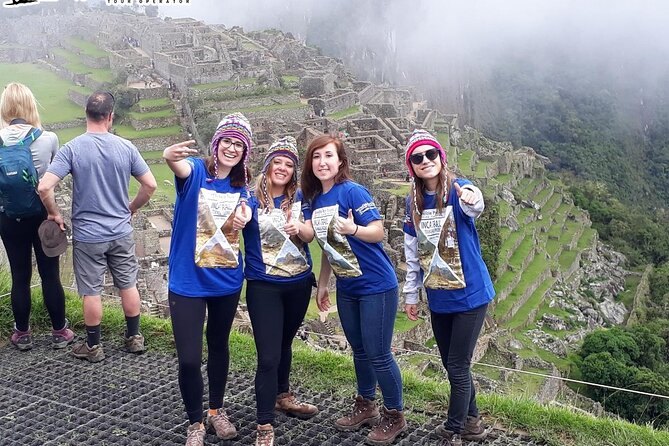
From Inti Punku, you walk downhill for about 40 minutes toward the citadel. The changing views give you several chances for photographs before the final control post. Around 8:00 am, the guide begins a two-hour tour of Machu Picchu.
The guided visit follows Circuits 1 and 3. You also receive free time for photographs and independent exploration after the main explanation. Pay attention during the guided portion, since the meaning of the terraces, buildings, and placement of the city can be hard to understand from photographs alone.
Huayna Picchu is offered afterward, around 10:30 am. The climb takes about an hour each way and reaches roughly 2,700 meters. The extra ticket costs $70 per person and must be requested in advance. It is not included in the $860 tour price, so decide early if you want this additional mountain climb.
After Machu Picchu, a bus takes you to Aguas Calientes for lunch. You can then visit the town or use its thermal baths before the return train at about 6:00 pm. The train goes to Ollantaytambo, arriving around 7:40 or 7:50 pm, where a bus takes you back to Cusco.
The final transfer reaches Cusco around 10:00 pm. It is a long finish, especially after four days of hiking. If you are staying in the Sacred Valley, drop-off there is also available.
Food, camping, and porter support
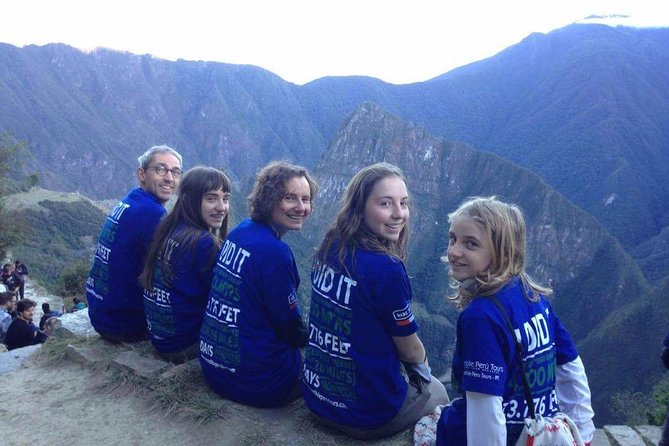
The meal plan covers three breakfasts, four lunches, three dinners, and three tea times. Since the fourth lunch is served in Aguas Calientes, you do not need to find a restaurant immediately after leaving the citadel.
Vegetarian, vegan, and special-diet meals can be prepared if requested. Boiled water is provided each morning for refilling your bottle. The meal service received especially strong praise, and one Portuguese-language account specifically highlights the food and guide together. That is useful because dependable meals are not a minor detail on a demanding trek.
The porters carry the group equipment and can carry up to seven kilos of your personal luggage. You still need a daypack for water, rain protection, warm layers, passport, camera, and anything you want during the day.
A sleeping bag and walking sticks are not included, but you can rent them from the Cusco office up to one day before departure. The tour supplies a rain poncho and an Inca Trail polo shirt as gifts. A first-aid kit and emergency oxygen cylinder are carried by the guide.
The guide and small-group advantage
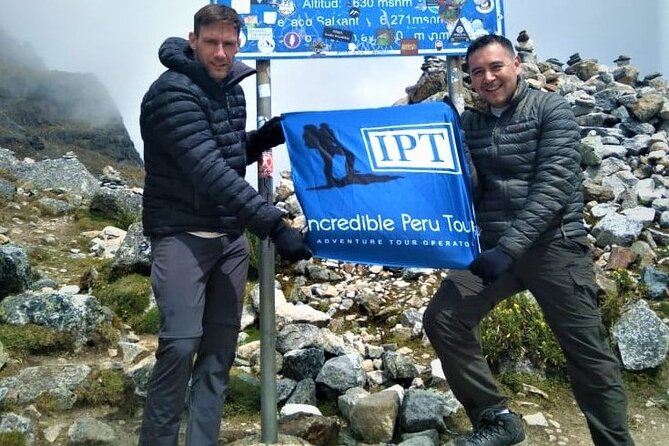
The guide is bilingual and leads the archaeological visits as well as the walking sections. The small group, capped at eight people, is one of the best reasons to choose this trip over a larger departure.
Paul received special praise for his guiding, along with the wider support team: Timoteo, Julián, Nicolás, and Pedro, and José Luis. The exact staff can vary, but the important point is the level of hands-on assistance promised by the operation. The cooking, luggage help, encouragement, and camp service are central parts of the experience, not extras added at the end.
Who should book this trek
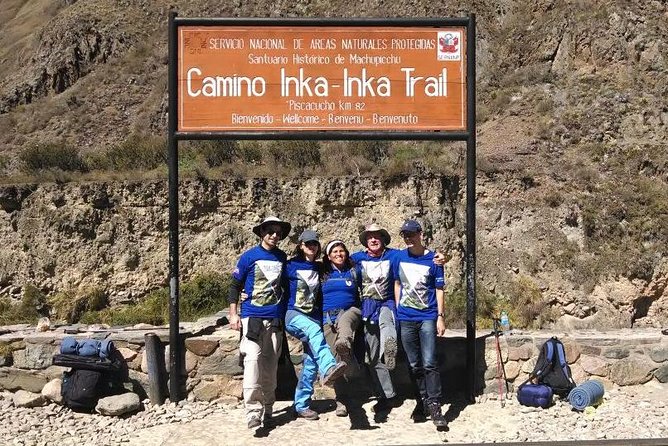
I would choose this tour if you want the complete classic Inca Trail, prefer a small group, and value having meals, permits, transport, and camp support arranged in one price.
It suits you best if you have moderate physical fitness and are ready for steep climbs, long descents, early mornings, and high altitude. It is less suitable if you want hotel comfort, flexible mornings, or a short visit to Machu Picchu without several days of strenuous walking.
The cancellation policy allows a full refund when you cancel at least three full days before the start time. Changes or cancellations inside that window are not accepted for a refund. Since permits are limited and departures are often reserved well ahead, booking early matters more than waiting for a last-minute deal.
Should you book the $860 Inca Trail experience?
Book it if the journey matters as much as Machu Picchu itself. The route gives you major Inca sites, high passes, cloud forest, porter support, cooked meals, and the memorable approach through the Sun Gate.
Before paying, make two checks. Confirm that your passport details are correct, and decide if you want the $70 Huayna Picchu ticket. Also be honest about your fitness. This is a rewarding trek, but Dead Woman’s Pass and the long final return to Cusco demand real energy.
For a small group with a highly praised support team, broad inclusions, and the full four-day route, this is a strong choice at $860. You are paying for structure and support, while still getting the rough edges and real effort that make the Inca Trail feel earned.
FAQ
How long is the Inca Trail tour?
The tour lasts approximately four days, beginning with pickup at 6:00 am on Day 1 and returning to Cusco around 10:00 pm on Day 4.
What is the maximum group size?
The group has a maximum of eight people.
Where can pickup and drop-off take place?
Pickup is available from hotels in Cusco and from hotels in the Sacred Valley. Return transport can take you to a hotel in Cusco or the Sacred Valley.
Do I need my passport?
Yes. You must bring your original passport for the Inca Trail and Machu Picchu control posts. Students should also bring a valid student ID.
Is Huayna Picchu included?
No. The Huayna Picchu ticket costs $70 per person and must be requested in advance.
Are meals included?
Yes. The package includes three breakfasts, four lunches, three dinners, and three tea times. Vegetarian, vegan, and special-diet meals are available by request.
Can I rent a sleeping bag and walking sticks?
Yes. Sleeping bags and walking sticks can be rented from the Cusco office up to one day before the trek.
More Treks to Machu Picchu
- Short Inca trail to MachuPicchu || 2days – 1nigth ||
★ 5.0 · 103 reviews - Salkantay Trek Challenge – 3 Days / 2 Nights
★ 5.0 · 101 reviews - Small Group 5 Days Salkantay and Machu Picchu by Llactapata Tour
★ 5.0 · 88 reviews - Choquequirao Trek 4 days and 3 nights
★ 5.0 · 81 reviews
More Ways to Reach Machu Picchu
- From Cusco: 2-Day Inca Trail to Machu Picchu
★ 4.2 · 244 reviews - Machu Picchu: Inca Trail 2-Day Overnight Guided Tour
★ 4.9 · 203 reviews - The First Class Machu Picchu Train by Inca Rail
★ 4.0 · 182 reviews - From Cusco: 1-day Machu Picchu Tour by Train
★ 4.6 · 138 reviews
Just added around Cusco
- Cusco: Rainbow Mountain and viewpoint red valley ( optional)★ 4.8 · 3 reviews
- Tour Pallay Punchu Trek Full Day★ 4.2 · 3 reviews
- Montaña de Colores: tour en cuatrimotos día completo★ 3.3 · 3 reviews
- Excursion Cusco – Puno – Titicaca Observatory Train★ 5.0 · 3 reviews
- Cusco: Palcoyo Mountain Day Trip with Breakfast and Lunch★ 4.8 · 3 reviews
- Maras Moray★ 5.0 · 3 reviews
- Tour to Laguna Humantay with breakfast and lunch from Cusco★ 4.7 · 3 reviews
- From Cusco:Chinchero, Moray, Maras, Ollantaytambo with lunch★ 5.0 · 3 reviews
Machu Picchu Tours, compared.



Machu Picchu: Full-Day Tour from Cusco with Optional Lunch
Read our review →
4-Day Inca Trail to Machu Picchu with Accommodation
Read our review →
2-Day Trip to the Sacred Valley and Machu Picchu
Read our review →
Machu Picchu 2-Day Inca Trail with Panoramic Train
Read our review →

Machu Picchu: Inca Trail 2-Day Overnight Guided Tour
Read our review →Browse the lists this tour appears in