
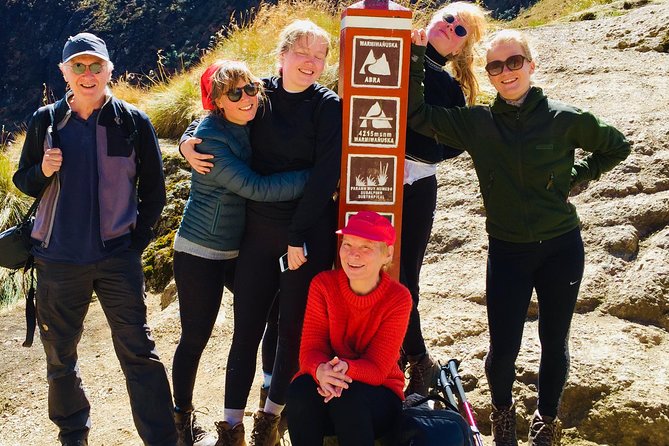
Reviewed · MACHU PICCHU TOURS
Classic Inca Trail 4 days to Machu Picchu
The Inca Trail earns its fame one hard step at a time. This four-day trek from Cusco reaches Machu Picchu through mountain scenery, jungle, old Incan sites, and the famous Sungate entrance. I like that the price covers permits, camping gear, meals, porters, trains, and buses, taking much of the puzzle out of a demanding trip. I also like the small maximum group size of 16 and the chance to finish at Machu Picchu by the most memorable approach.
The strongest praise goes to guide Freddy, cook Armando, and the porter team. Freddy brings history and culture to the walk, while Armando produces fine meals with camp equipment. The main concern is company organization: you may need to manage water, toilets, and parts of the journey from Machu Picchu to Cusco yourself, so this is not the most carefree option despite its high price.
In This Review
- Key points before you book
- Why the four-day Inca Trail still matters
- Day 1: From your Cusco hotel to kilometer 82
- Day 2: The hard work of the trail
- Day 3: Jungle scenery and the approach to Machu Picchu
- Day 4: Entering Machu Picchu through the Sungate
- What the $1,050 price really covers
- Gear that will make the trek easier
- The people who can make or break the trip
- Who should book this trek?
- FAQ
- How long is the Classic Inca Trail tour?
- Where does the tour begin?
- Is Machu Picchu admission included?
- Are meals included?
- Is camping equipment provided?
- Is the return journey to Cusco included?
- How large is the group?
- Should you book it?
Key points before you book
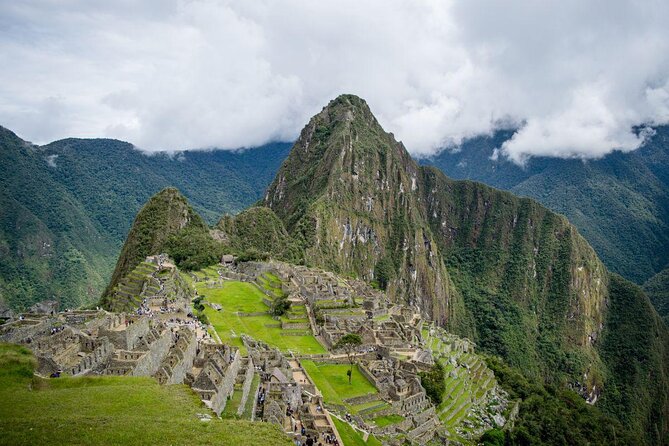
- The Sungate finish matters: You reach Machu Picchu by the celebrated Sungate route, rather than simply arriving by train.
- Freddy and Armando are major assets: The guide receives strong praise for his cultural knowledge, and the cook is credited with excellent camp meals.
- The $1,050 price covers a lot: Permits, porters, tents, meals, transport, and the return train are included.
- You need real fitness: Four days of trekking, camping, changing weather, and high-altitude conditions call for solid preparation.
- Pack for cold and wet weather: A sleeping bag rated to -11 C, rain gear, gloves, sun protection, and sturdy used boots are all part of the recommended kit.
- Service details need checking: Treated water, a private portable toilet, bus arrangements, and porter equipment collection were problem areas on one trip.
Why the four-day Inca Trail still matters
The Classic Inca Trail is not simply a path to a famous ruin. It is a four-day approach to Machu Picchu that combines old Incan sites, mountain views, thick jungle, and a final arrival through the Sungate. That gradual arrival gives the destination more weight than a quick train visit.
You spend several nights in tents rather than hotels. Porters carry the camping equipment and food, which means you can keep your day pack smaller, but you still need to walk for hours in changing conditions. The tour is best understood as a serious trek with a famous archaeological finish, not as a sightseeing excursion with a little walking added.
The group limit is 16 people. That is large enough to create a social atmosphere, but small enough for a guide to keep track of the group more easily than on a large departure. Your actual experience will still depend on the guide, weather, group pace, and how well the company handles camp logistics.
More Inca Trail Treks in Cusco
- Cusco: 4-Day Inca Trail to Machu Picchu with Accommodation
★ 4.8 · 432 reviews - From Cusco: 7 Lakes Ausangate Trek with Breakfast and Lunch
★ 4.8 · 360 reviews - Cusco: Machu Picchu 2-Day Inca Trail with Panoramic Train
★ 4.9 · 260 reviews
Day 1: From your Cusco hotel to kilometer 82
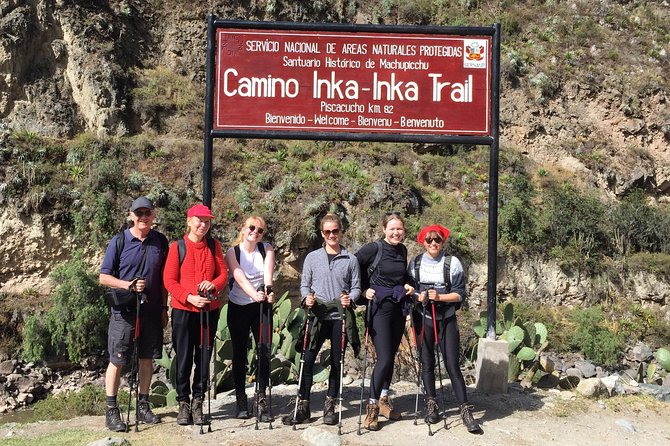
The tour begins with pickup at your hotel in Cusco and transport to kilometer 82, the trailhead. Breakfast on the first day and lunch on the fourth day are not included, so you need to plan around those gaps. The published meal schedule lists four breakfasts, four lunches, and three dinners, with a vegetarian option at no extra charge.
The first transfer is useful because you do not need to arrange your own transport to the start of the trail. It also marks a quick change from city travel to an outdoor trip with tents, porters, food, and walking gear. Keep your passport, water bottle, rain layer, and day essentials close at hand rather than buried in luggage.
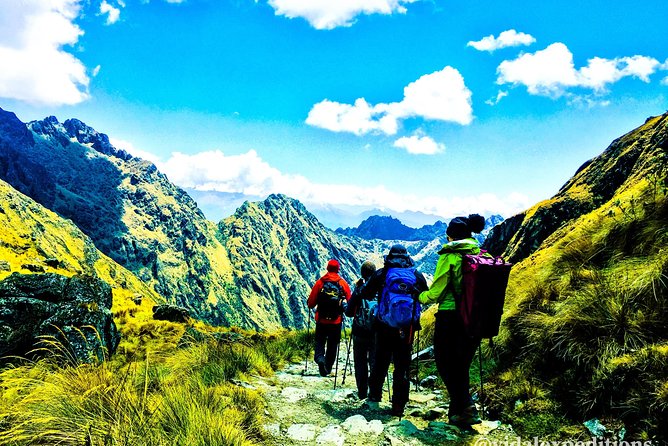
From the trailhead, your guide leads you along the Inca Trail. The route includes Incan sites and changing scenery, with the path later reaching dense jungle. Exact walking times and camp locations are not provided, so you should ask the operator for the day-by-day distances before departure.
The first day is also when you learn how the group moves. A good guide sets a sensible pace, explains where to stop, and helps you manage the shift from Cusco life to a multi-day trek. Freddy is specifically praised for his explanations of Quechuan history and culture, which can turn old stonework from a photo stop into a meaningful part of the route.
Day 2: The hard work of the trail
The second day is likely to be the most demanding part of the trip, though the supplied schedule does not give a precise distance or elevation profile. You should expect a full trekking day rather than a relaxed walk between attractions. Your physical condition matters more here than your enthusiasm.
The tour provides tents, air mattresses, a cooking tent, portable chairs, and tables. Those details may sound minor, but they matter after a long day on foot. A place to sit, a hot meal, and a dry tent can make the difference between enjoying camp and simply enduring it.
Porters carry the camping equipment and food. That is a valuable part of the package, and it also means you should pack thoughtfully. Carry only what you need during the day, while keeping important personal items, medication, rain protection, and warm layers in your own day pack.
The food receives especially strong praise. Cook Armando is credited with preparing meals worthy of a fine restaurant using camp cooking equipment. That is a welcome feature on a trek where meals are not just about taste. They provide energy, warmth, and a regular rhythm to the day.
The arrangement does have limits. No specific water service is listed among the inclusions, and one trip did not provide treated or filtered water. Bring a reliable way to purify water, such as the recommended Micropur tablets, and confirm the current water plan before setting out.
Day 3: Jungle scenery and the approach to Machu Picchu
By the third day, the route moves through dense jungle and continues toward Machu Picchu. This is where the trip earns its sense of variety. You are not walking through one unchanging setting. The trail offers old Incan construction, open mountain views, and thick vegetation along the way.
Your guide is important here. A guide who can explain the setting helps you notice more than the route under your boots. Freddy’s reported strength is his knowledge of Quechuan history and culture, so this tour has the potential to feel like a guided journey through a living region rather than a marked hiking route.
Camp life continues with tents, meals, and porter support. The recommended equipment list suggests that you should be ready for sun, rain, cold, and insects in the same trip. Pack a sunhat, sunglasses with good UV protection, sunscreen, lip balm, insect repellent, and a rain poncho or rain jacket.
Toilets are a serious practical issue. A private portable toilet is not included in the listed equipment, and one group had to use poor facilities along the trail. If this matters to you, ask directly if a portable toilet is provided for your departure. Do not assume that a high tour price means every comfort is covered.
The same point applies to the final transport arrangements. One group learned on the third day that its guide was not scheduled to accompany it through the complete return from Machu Picchu. The guide agreed to stay and help with the bus and train process, but you should confirm in advance who will guide you from the ruins to Machu Picchu Pueblo, the train, Ollantaytambo, and Cusco.
More Machu Picchu Tours in Cusco
- From Cusco: Full-Day Group Tour of Machu Picchu
★ 4.7 · 1,767 reviews - Machu Picchu Day Trip from Cusco
★ 4.5 · 1,644 reviews - Machu Picchu: Full-Day Tour from Cusco with Optional Lunch
★ 4.6 · 927 reviews - From Cusco: 2-Day Trip to the Sacred Valley and Machu Picchu
★ 4.6 · 265 reviews
Day 4: Entering Machu Picchu through the Sungate
The final day brings the payoff: Machu Picchu, reached by the famous Sungate. That approach is one of the tour’s most appealing features. Instead of treating the citadel as a stand-alone stop, you arrive after four days of walking through the mountains and jungle.
Lunch on day four is not included, so carry enough food or budget for it after the main visit. The included return arrangements are the Expedition train from Aguas Calientes to Ollantaytambo, followed by a bus back to Cusco.
The route home is covered, but it may not be fully escorted from start to finish. One trip involved finding bus tickets, locating equipment left by porters in town, and working out the transfer to the train. That is not a small detail after a tiring trek. Before you leave Cusco, ask exactly where your equipment will be released and who will help you board each part of the return journey.
This is also where the guide’s personal value becomes clear. A strong guide can do more than explain ruins. The guide can help you stay organized when the group is tired, the train schedule is fixed, and your equipment is no longer on your back.
What the $1,050 price really covers
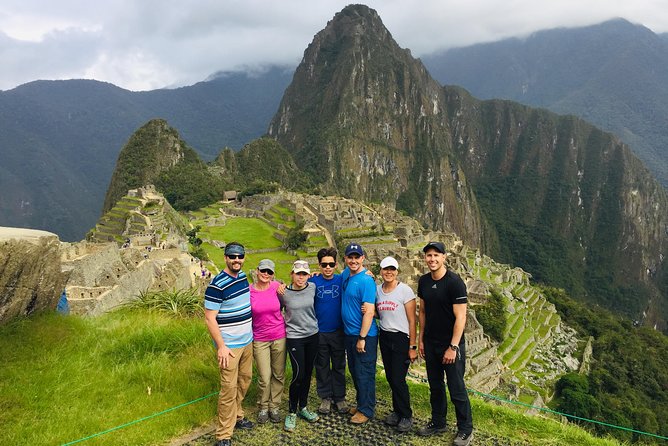
At $1,050 per person, this is a major travel expense, but the price includes many costly pieces of a four-day trek. Your package includes hotel pickup, the transfer to kilometer 82, a professional guide, tents, air mattresses, cooking equipment, camp furniture, meals, Inca Trail and Machu Picchu permits, porters, the return train, and the bus back to Cusco.
Permits are especially important on the Classic Inca Trail. You cannot treat this route like an informal day hike where you simply arrive and pay at the entrance. Having the trail and Machu Picchu permits included removes a major planning burden.
The porter service also adds real value. Carrying tents, food, and camp equipment for four days would make the trek far harder. You still need a strong day pack, but you are not expected to carry the whole camp.
The concern is that high cost does not guarantee polished service. A portable toilet, treated water, and complete help with the return journey were not handled well on one departure. I would consider the price fair only if the operator confirms these practical details clearly before you pay.
The cancellation rule also deserves attention. The experience is non-refundable and cannot be changed for any reason. That makes travel insurance and careful date selection sensible, especially because trail permits and transport are involved.
Gear that will make the trek easier
The required list is long because conditions can change quickly. You should bring layers rather than rely on one heavy coat: a fleece or wind stopper, a light sweater, long sleeves, several T-shirts, rain trousers, loose lightweight trousers, and fleece trousers.
Footwear should be broken in. The recommendations call for used trekking boots, which is practical advice. New boots can create painful blisters at exactly the wrong time.
Warm accessories are not optional luxuries. Pack wool or synthetic socks, gloves, and a warm hat, along with a sunhat. You also need a sleeping bag rated to -11 C, and the list includes a second reference to bring a sleeping bag, so confirm if the company supplies one or if you must bring or rent it yourself.
A headlamp is preferable to a torch. Bring two walking poles, a water bottle, sterilizing tablets, toilet paper, toiletries, a towel, personal medicine, and a day backpack. Camera batteries and memory cards deserve attention too, since charging opportunities on the trail are not described.
Binoculars are listed as optional equipment. They may be useful for taking in distant scenery, but they should not replace the essentials: rain protection, water treatment, warm clothing, and comfortable boots.
The people who can make or break the trip
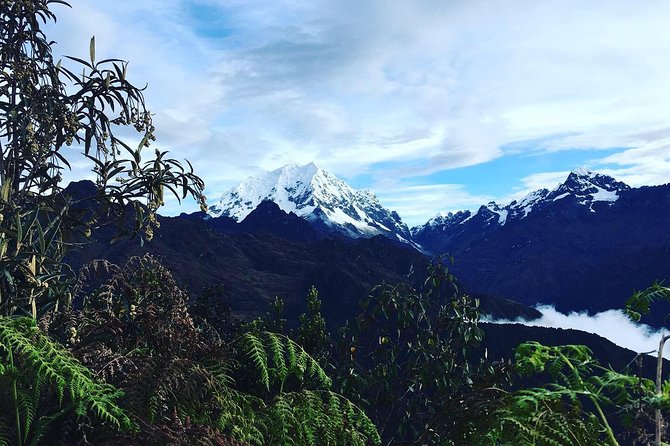
The best part of the service appears to be the field team. Guide Freddy receives high praise for his explanations of Quechuan history and culture. That kind of guidance is valuable on a route where stone walls, terraces, and old paths can otherwise blur together after several hours of walking.
Cook Armando also receives exceptional praise. Good camp cooking is not a minor extra on a trek. It keeps morale up and helps you recover for the next day.
The porters are described as capable, helpful, and kind. Their work is central to the trip, since they carry the camping gear and food that make the four-day format possible. Pack lightly and treat their work with respect.
The weak point is the office side of the operation. A company can have an excellent guide and cook but still create stress through poor instructions. Confirm the water supply, toilet arrangement, porter equipment handoff, bus tickets, train connection, and guide coverage before departure.
Who should book this trek?
You should consider this tour if you want the classic walking approach to Machu Picchu and are comfortable camping for four days. It suits someone who values archaeological sites, mountain and jungle scenery, cultural explanation, and a memorable Sungate arrival more than hotel comfort.
You also need strong physical fitness. The supplied guidance says so directly, and the equipment list points to a demanding outdoor trip. If you are not used to long walks, carrying a day pack, or sleeping in a tent, this may feel tougher than the price and marketing suggest.
This trip may suit vegetarians because a vegetarian meal option is available at no extra cost. It also works well for people who prefer having permits, porters, meals, and transport arranged together rather than coordinating separate suppliers.
I would be more cautious if you want highly polished logistics or close support at every stage. The maximum group size of 16 is reasonable, but it does not solve the company’s reported gaps around water, toilets, and the final journey.
FAQ
How long is the Classic Inca Trail tour?
The tour lasts approximately four days.
Where does the tour begin?
The operator picks you up at your hotel in Cusco and transfers you to kilometer 82, the trailhead.
Is Machu Picchu admission included?
Yes. The package includes Inca Trail and Machu Picchu permits and tickets.
Are meals included?
The package lists four breakfasts, four lunches, and three dinners, with a vegetarian option at no extra cost. Breakfast on day one and lunch on day four are not included.
Is camping equipment provided?
Yes. Tents, air mattresses, a cooking tent, portable chairs, and portable tables are included. You should confirm whether you need to bring or rent your own sleeping bag.
Is the return journey to Cusco included?
Yes. The package includes the Expedition train from Aguas Calientes to Ollantaytambo and a bus back to Cusco.
How large is the group?
The tour has a maximum of 16 participants.
Should you book it?
I would book this tour for the route, the Sungate arrival, and the strong field team, especially if Freddy and Armando are assigned to your departure. The permits, porters, meals, camping gear, train, and bus offer solid value at $1,050.
I would not pay without first getting clear answers about treated water, toilet arrangements, sleeping bag supply, porter equipment collection, and who accompanies you from Machu Picchu to the train. If the company confirms those details in writing, this can be a memorable and well-supported way to reach Machu Picchu. If the answers remain vague, choose an operator with stronger end-to-end organization.
More Treks to Machu Picchu
- Short Inca trail to MachuPicchu || 2days – 1nigth ||
★ 5.0 · 103 reviews - Salkantay Trek Challenge – 3 Days / 2 Nights
★ 5.0 · 101 reviews - Small Group 5 Days Salkantay and Machu Picchu by Llactapata Tour
★ 5.0 · 88 reviews - Choquequirao Trek 4 days and 3 nights
★ 5.0 · 81 reviews
More Ways to Reach Machu Picchu
- From Cusco: 2-Day Inca Trail to Machu Picchu
★ 4.2 · 244 reviews - Machu Picchu: Inca Trail 2-Day Overnight Guided Tour
★ 4.9 · 203 reviews - The First Class Machu Picchu Train by Inca Rail
★ 4.0 · 182 reviews - From Cusco: 1-day Machu Picchu Tour by Train
★ 4.6 · 138 reviews
Just added around Cusco
- Cusco: Rainbow Mountain and viewpoint red valley ( optional)★ 4.8 · 3 reviews
- Montaña de Colores: tour en cuatrimotos día completo★ 3.3 · 3 reviews
- Tour Pallay Punchu Trek Full Day★ 4.2 · 3 reviews
- Excursion Cusco – Puno – Titicaca Observatory Train★ 5.0 · 3 reviews
- Cusco: Palcoyo Mountain Day Trip with Breakfast and Lunch★ 4.8 · 3 reviews
- Maras Moray★ 5.0 · 3 reviews
- Tour to Laguna Humantay with breakfast and lunch from Cusco★ 4.7 · 3 reviews
- From Cusco:Chinchero, Moray, Maras, Ollantaytambo with lunch★ 5.0 · 3 reviews
Machu Picchu Tours, compared.



Machu Picchu: Full-Day Tour from Cusco with Optional Lunch
Read our review →
4-Day Inca Trail to Machu Picchu with Accommodation
Read our review →
2-Day Trip to the Sacred Valley and Machu Picchu
Read our review →
Machu Picchu 2-Day Inca Trail with Panoramic Train
Read our review →

Machu Picchu: Inca Trail 2-Day Overnight Guided Tour
Read our review →Browse the lists this tour appears in