
Reviewed · 8-DAY EXPERIENCES
8-Days Peru, The Rise of the Inca Empire
Peru packs a lot into eight days. This itinerary links Lima, Cusco, Machu Picchu, and Puno with hotels, airport transfers, trains, buses, and guided visits already arranged. I like the strong historical arc, from Lima’s Spanish colonial center to the Inca capital and finally the living traditions of Lake Titicaca. I also like that the trip ends in Puno, which makes it practical to continue toward Bolivia or return to Lima.
The main caution is the pace. You will change cities often, take an early flight to Cusco, spend a long day reaching Machu Picchu, and cross high-altitude country by bus. I also recommend confirming the Machu Picchu hotel and train schedule in writing, since an unclear overnight arrangement could leave you with many hours in Aguas Calientes and little planned to do.
In This Review
- What makes this Peru trip worth considering
- Lima begins with churches, palaces, and ancient Peru
- Cusco puts Inca stone beside Spanish power
- The Sacred Valley mixes terraces, markets, and local craft
- Moray and Maras reveal two very different kinds of Inca ingenuity
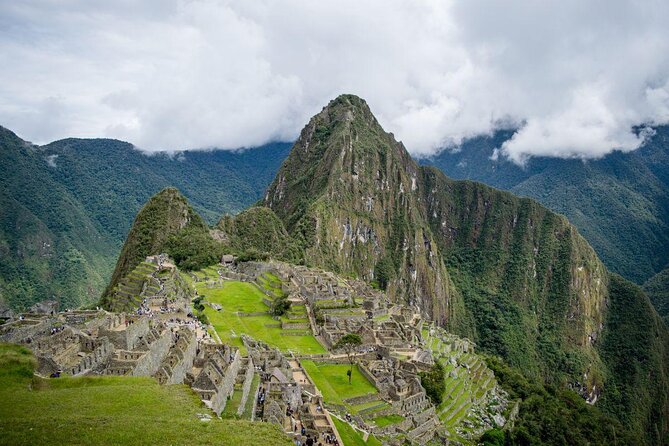
- Machu Picchu is the high point, but the schedule needs care
- The road from Cusco to Puno turns transit into sightseeing
- Lake Titicaca brings living traditions into focus
- What the $1,280 price really covers
- Who should book this route?
- FAQ
- Where does the tour begin?
- Where does the tour finish?
- How long is the experience?
- Are flights included?
- Is airport transportation included?
- What meals are included?
- Is the train to Machu Picchu included?
- Which Machu Picchu circuit will I use?
- Can I change my Machu Picchu ticket date?
- How many people can join the tour?
- What information is needed at booking?
- Is the tour suitable for people concerned about altitude sickness?
- What is the cancellation policy?
What makes this Peru trip worth considering
- Eight days, four major destinations: You cover Lima, Cusco, Machu Picchu, and Lake Titicaca without having to arrange each transfer yourself.
- A strong Inca focus: Qorikancha, Sacsayhuaman, Pisac, Moray, the salt pans of Maras, and Machu Picchu give you a broad look at Inca engineering and belief.
- Colonial Peru is part of the story: Lima Cathedral, Santo Domingo, Cusco Cathedral, Andahuaylillas, and Racchi show how Spanish and Andean traditions overlap.
- Small maximum group: The tour is limited to 15 people, a useful size for guided visits and shared transport.
- The final route is useful: The bus from Cusco to Puno includes stops at Andahuaylillas, Racchi, La Raya, and Pucara instead of treating the journey as dead time.
- Machu Picchu planning matters: Route 2 is given priority, but Route 3B or Route 1B may be assigned if Route 2 is unavailable. Once issued, the entrance ticket cannot be changed or refunded.
Lima begins with churches, palaces, and ancient Peru
Your first day starts at Jorge Chavez International Airport, where a pre-arranged transfer takes you to your Lima hotel. That small convenience matters after an international flight. You do not have to negotiate a taxi immediately, and the tour team has your arrival details.
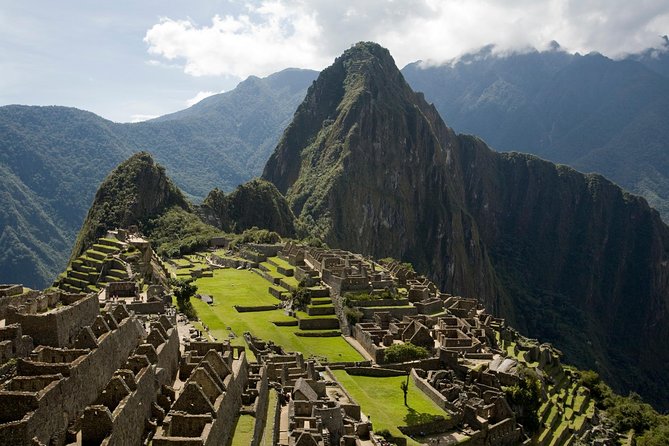
The first guided visit is Lima’s historic center, a UNESCO World Heritage Site. At Santo Domingo, you see one of the city’s oldest religious complexes. Its grounds also connect with the University of San Marcos, founded here and recognized as the oldest university in the Americas. Inside are old choir stalls, a library holding about 25,000 books, and the remains of several Peruvian saints.
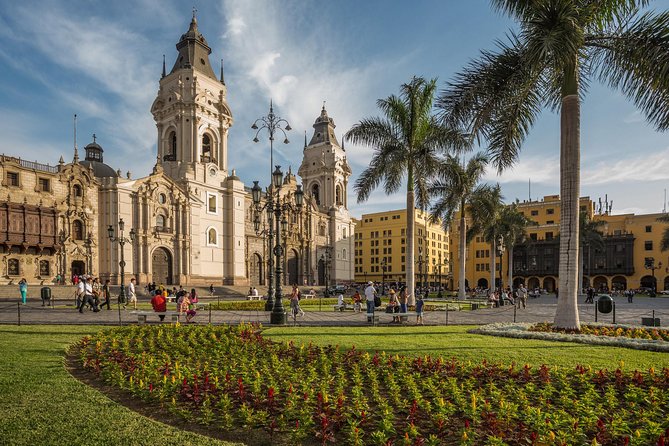
The visit continues across the Plaza Mayor, with views of the Government Palace and Municipality, followed by Lima Cathedral. You can expect ornate interiors and colonial religious art rather than an archaeological site. The four-hour visit gives you a useful introduction to the Spanish period before the itinerary turns toward earlier cultures.
The Larco Museum changes the subject completely. Its collection covers the ancient cultures of Peru through gold objects, textiles, ceramics, and the well-known erotic pottery collection. The open storage area is especially useful because it shows the scale and variety of the museum’s holdings rather than displaying only a small selection in polished cases.
I like this pairing because it prevents a common Peru mistake: treating the Inca as the beginning of the country’s story. Lima’s historic center explains the colonial era, while Larco sets the stage for the many cultures that came before it.
A few more Peru trips worth weighing up
- 8-Days Best of The Inca Empire from Lima
★ 5.0 · 114 reviews - 8-Day Enigmas of Peru
★ 5.0 · 49 reviews - 8-Day Peru Ancestral Energies
★ 5.0 · 47 reviews
Cusco puts Inca stone beside Spanish power
Day two begins with a flight from Lima to Cusco. The flight must be scheduled in the morning, with arrival by noon considered necessary. This is not a flexible detail. A late arrival could cause you to miss the afternoon visits.
Cusco itself sits at high altitude, so your first hours need some restraint. The program is active, and altitude sickness is specifically flagged as a concern. Bring any medicine recommended by your doctor, and do not assume that a full sightseeing schedule will feel easy on arrival.
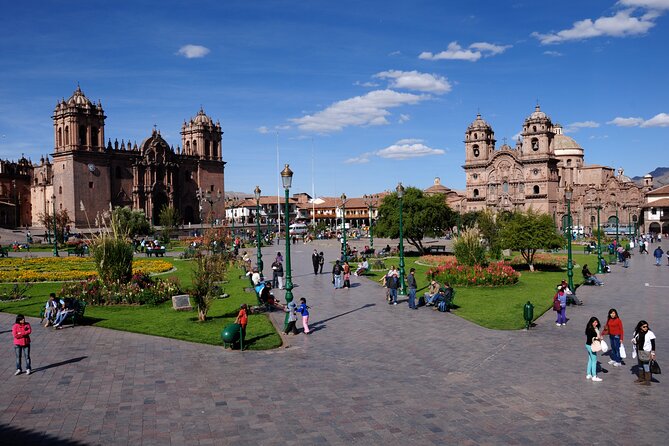
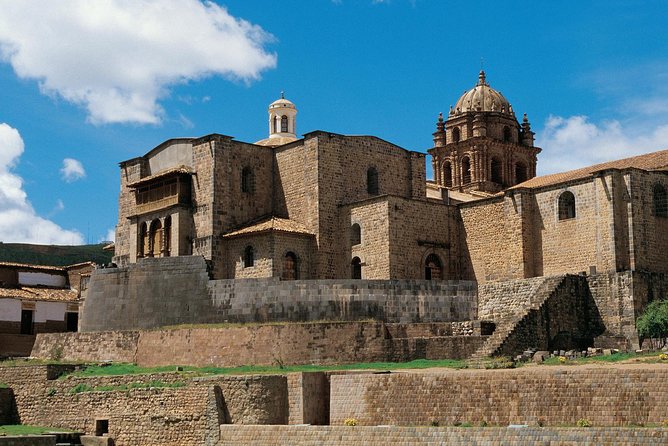
Qorikancha, or Korikancha, was the Inca Empire’s main Temple of the Sun. According to tradition, its walls were covered with gold sheets before the Spanish conquest. The Convent of Santo Domingo was later built over the temple foundations, creating one of the clearest examples of Inca and colonial construction occupying the same site.
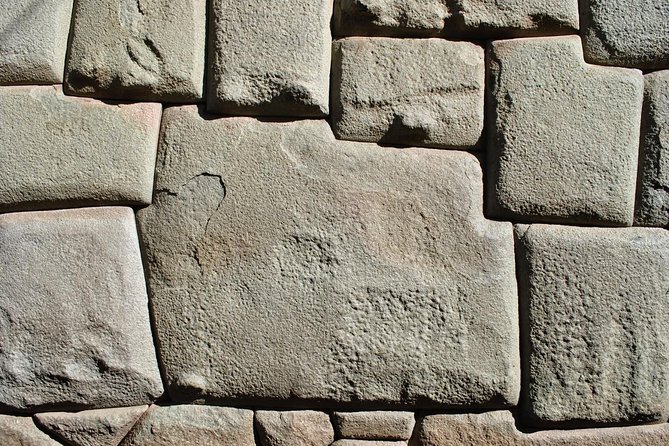
The Inca stonework is the reason to pay close attention. Even with the original gold gone, the precisely fitted blocks show the quality of the builders. The site is not huge, but its importance is enormous.
Cusco Cathedral provides the colonial counterpoint. It contains paintings from the Cusco School, a blend of European methods and indigenous symbols, along with carved choir stalls, decorated altars, and the original cross associated with the first Spanish conquistadors. This is a valuable visit if you want to understand how conquest was expressed through religion and art.
The afternoon goes uphill to Sacsayhuaman Archaeological Park. Massive stone blocks, some more than four meters high, form the best-known section. The walls are fitted without mortar, and the high position gives you broad views over Cusco.
The route also includes Q’enqo, a ceremonial site carved into rock; Tambomachay, with water channels and springs; and a panoramic view of Puca Pucara, a former military post. The official stop time is only about two hours, so this is a quick circuit rather than a slow archaeological study. Wear shoes suitable for uneven ground and be ready for stairs and altitude.
The Sacred Valley mixes terraces, markets, and local craft
Day three heads into the Sacred Valley, a fertile corridor shaped by the Urubamba River and favored by the Incas for farming and settlement. The valley is not simply a scenic detour. Its terraces, villages, and ruins show how the Inca state used climate and geography to feed its population.
At Pisac, the ruins sit high above the valley. You will see agricultural terraces, religious structures, and wide views over the colonial village below. The combination of mountain setting and engineered farmland is the main reason this stop works so well.
After the ruins, the tour goes down to Pisac’s village and artisan market. You can shop for textiles, ceramics, silver jewelry, and other local crafts. Since the trip includes several markets and cultural stops, it is wise to compare quality and prices before buying. The market is part of the experience, but you do not need to turn every stop into a shopping obligation.
The Inkariy Museum presents reconstructed representations of pre-Hispanic cultures. It can help you connect the scattered sites you see during the week, though visitors who prefer original ruins may find the displays less compelling than Pisac itself.
Lunch is followed by the Yucay Live Culture Center. Here, local residents demonstrate textile weaving and dyeing, adobe making, and the preparation of chicha, a corn-based drink. You also get a close encounter with llamas and alpacas. This is one of the better stops for seeing practical traditions rather than only photographing monuments.
Moray and Maras reveal two very different kinds of Inca ingenuity
Day four is shorter on the schedule but still useful. Moray consists of huge circular terraces cut into the ground. They are commonly described as an agricultural testing site, with as many as 20 microclimates created by the change in depth and exposure.
You do not need to accept every theory about Moray to appreciate the design. The site makes the Incas’ interest in altitude, temperature, and crop production easy to see. The circular form also gives you a completely different view from the straight terraces at Pisac.
At Salinas de Maras, thousands of shallow salt pools spread across a mountainside. Salty spring water flows into the pools, and evaporation leaves salt behind. Families still work the pools, which have been used since before the Inca period.
The white salt pans against red clay hills make this one of the most photogenic stops of the week. Conditions can be bright and exposed, so carry water and protect yourself from the sun. The visit also gives the itinerary a welcome change from churches and stone walls.
A completely different sort of day out from Lima:
- Lima: Ultimate Peruvian Food Tour
★ 4.9 · 700 reviews - Full Day Paracas Ica and Huacachina from Lima All Included
★ 4.5 · 623 reviews - Lima’s Vibrant Heritage: Exploring the City’s Landmarks Half-day
★ 4.5 · 581 reviews - From Lima: Day trip to Paracas, Ica and Oasis Huacachina
★ 4.6 · 409 reviews
Machu Picchu is the high point, but the schedule needs care
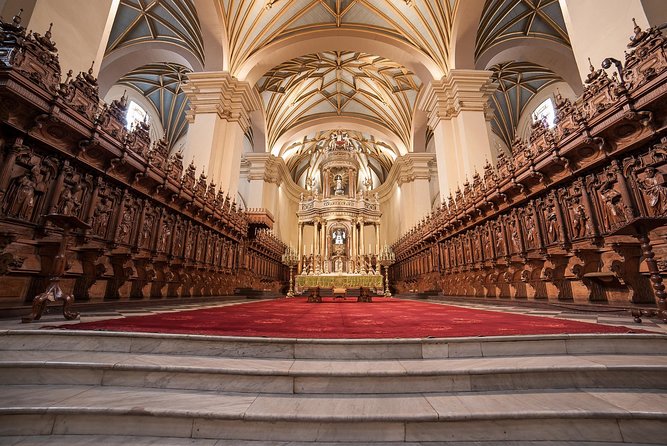
Day five is the longest and most tightly timed day, at about 10 hours. You board the train at Ollantaytambo, arrive at Machu Picchu station, and then take the bus up the winding road beside the Urubamba River.
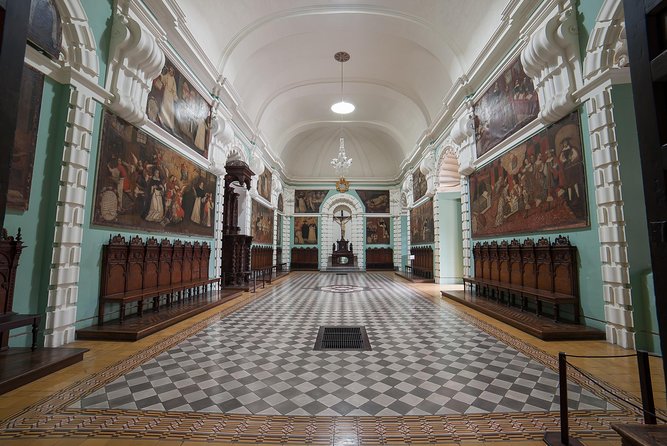
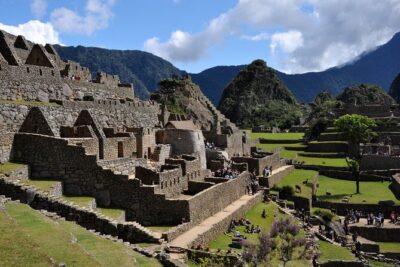
At the site, you see terraces, stairways, ceremonial areas, and former urban sections. The setting does much of the work, but the scale of the construction is what holds your attention. Machu Picchu is not just a viewpoint. It is a carefully planned mountain settlement that asks you to look at water, agriculture, movement, and stonework together.
A buffet lunch at Sanctuary’s Lodge restaurant is included. That is convenient, but it creates a timing issue. The meal ticket may need to be collected at a specific point, and you should ask your guide exactly how that will work before entering the archaeological area. You do not want to cut short your time inside because of a ticket handoff that could have been handled earlier.
Machu Picchu now uses designated visitor circuits. Route 2 receives priority, but if it is unavailable, Route 3B or Route 1B may be offered for your approval before the ticket is issued. These routes are not interchangeable in what they show, so ask which one you are receiving.
The entrance ticket is nonrefundable, and the date cannot be amended after issue. Check your passport details and the proposed Machu Picchu date carefully. A mistake can require buying a new ticket.
The overnight plan deserves equal attention. The stated schedule describes a return by train and transfer to Cusco, but one reported arrangement involved staying at Hotel Ferre Machu Picchu for roughly 26 hours before a 3:20 p.m. train the next day. That is a long wait with no planned activity. Before departure, ask for the exact hotel name, checkout time, train time, and destination after Machu Picchu. Get the answer in writing.
The road from Cusco to Puno turns transit into sightseeing
Day six transfers you by bus from Cusco to Puno, with visits along the way. The route takes about seven hours, including stops and lunch, so this is not a quick transport day.
At Andahuaylillas, you visit a notable chapel. At Racchi, you see the Temple of Wiracocha, with its large walls and narrow streets. These sites broaden the story beyond Cusco and Machu Picchu, showing how religious and administrative centers were spread across the region.
La Raya Pass marks the natural border between the Cusco and Puno areas. It provides a high mountain view and a clear sense that you are crossing into a different part of the Andes. The final stop is the Pucara Museum, where you can learn about the local culture and look for the area’s familiar bull-shaped ceramics.
The included lunch makes the day easier, though a full day on a bus will not suit everyone. I prefer this arrangement to a plain transfer because the route has a purpose, but you should expect a tiring schedule after Machu Picchu.
Lake Titicaca brings living traditions into focus
Day seven is devoted to Lake Titicaca. You first visit the Uros floating islands, built from totora reeds. The islands are maintained with fresh layers of reed, and the visit offers a direct look at how local communities have adapted to the lake environment.
The trip continues to Taquile Island, where residents maintain ancestral customs and distinctive clothing traditions. A typical lunch is included, and the island provides broad views across the lake. This day is less about ruins and more about present-day culture, which gives the itinerary a needed change of pace.
The excursion lasts about six hours and returns to Puno in the afternoon. Since the tour ends there the following day, this is a sensible final full day rather than an awkward add-on.
What the $1,280 price really covers
At $1,280 per person, the price is most useful for someone who values coordination. It includes seven nights of selected hotel accommodation, seven breakfasts, three lunches, airport transfers, the Lima city tour, Cusco sightseeing, the Machu Picchu excursion, Voyager train tickets, the Cusco to Puno bus with stops and lunch, and the Uros and Taquile excursion.
Flights are not included. You must separately arrange the international flights and the morning Lima to Cusco flight. Food and drinks outside the specified meals are also extra.
The value comes from avoiding a string of separate bookings. Airport pickups, hotel transfers, train arrangements, buses, entrance tickets, and boat excursions can be difficult to coordinate in Peru, especially when Machu Picchu tickets and fixed train departures are involved.
The tradeoff is reduced flexibility. You are following a set route, and the days are full. The package suits you if you want a guided introduction and reliable transport more than free time in Cusco or the Sacred Valley.
Who should book this route?
I would choose this trip if you want to see the major highlights without handling every transfer yourself. It is especially useful for a first visit, for anyone uncomfortable arranging trains and airport pickups, and for people who want to continue from Puno toward Bolivia.
It is less suitable if you need a slow schedule, dislike group transport, or want several unplanned days in Cusco. The maximum group size is 15, which is reasonable, but this remains a structured group experience.
The strongest parts are the range of included sites, the airport transfers, the train and bus planning, and the final Lake Titicaca program. The weakest point is communication about the daily schedule and Machu Picchu arrangements. Ask for the full hotel and transport plan before you fly. If the answer is clear, this is a strong value for a fast introduction to Peru. If the answer remains vague, arrange more of the trip yourself.
FAQ
Where does the tour begin?
The tour begins at Jorge Chavez International Airport in Lima, Peru.
Where does the tour finish?
The tour finishes in Puno after the Lake Titicaca excursion and departure transfer arrangements.
How long is the experience?
The tour lasts approximately eight days and includes seven nights of accommodation.
Are flights included?
No. International and domestic flights are not included. The Lima to Cusco flight must be booked separately and should arrive by noon.
Is airport transportation included?
Yes. Round-trip arrival and departure airport transfers are included, along with transfers between stations, hotels, and airports as specified in the program.
What meals are included?
Seven breakfasts and three lunches are included. The Machu Picchu day includes a buffet lunch at Sanctuary’s Lodge restaurant, and lunch is also provided on the Cusco to Puno route and during the Uros and Taquile excursion.
Is the train to Machu Picchu included?
Yes. Voyager service train tickets are included.
Which Machu Picchu circuit will I use?
Route 2 is given priority. If it is unavailable, Route 3B or Route 1B may be offered for your confirmation before the ticket is issued.
Can I change my Machu Picchu ticket date?
No. The Machu Picchu admission ticket is nonrefundable, and date changes or amendments are not accepted after the ticket is issued.
How many people can join the tour?
The maximum group size is 15 people.
What information is needed at booking?
You must provide each participant’s passport name, passport number, expiry date, and country. The flight itinerary for international and domestic flights is also requested.
Is the tour suitable for people concerned about altitude sickness?
Most people can participate, but altitude sickness is specifically noted as a possible concern. Bring medicine or seek medical advice before departure if this affects you.
What is the cancellation policy?
You can cancel at least 24 hours before the experience begins for a full refund. Cancellations or changes made less than 24 hours in advance are not accepted for a refund.
Just added around Lima
- Enjoy Lima Walking Historic Center, Plaza San Martin and Plaza de Armas★ 5.0 · 3 reviews
- Full Day Lima: Local Market+ CityTour+ Barranco & Miraflores★ 5.0 · 3 reviews
- City Tour 1 day Lima★ 5.0 · 3 reviews
- Lima: Lunuhuaná Extreme All In + Cerro Azul + Rafting + ATV + Canopy★ 4.4 · 3 reviews
- Lima: Street Food Tasting Tour with Pisco Sour Class★ 5.0 · 3 reviews
- Lima: Villa El Salvador Shanty Town Tour★ 5.0 · 3 reviews
- Tour Panorámico en Miraflores en Scooter Eléctrico★ 4.6 · 3 reviews
- Private Tour Casa Aliaga,San Francisco Convent, Larco Museum★ 4.8 · 3 reviews
8-Day Experiences, compared.
8-Day All-Inclusive Peru Tour: Cusco, Machu Picchu, and More
Read our review →
Browse the lists this tour appears in