
Reviewed · 8-DAY EXPERIENCES
8-Day Enigmas of Peru
Peru packs a lot into eight days. This well-planned route links Lima, the Nazca Lines, Paracas, Cusco, and Machu Picchu without asking you to arrange every bus, hotel, guide, and train on your own. I like the mix of famous sights and less predictable stops, especially the Ballestas Islands and Moray. I also like the small maximum group size of nine, which keeps the organized parts from feeling like a parade.
The main drawback is the number of moving pieces. You must book the Lima to Cusco and Cusco to Lima flights yourself, and the schedule leaves little room for a late arrival or a missed connection. Altitude, long transfers, steep steps, and a bumpy Nazca flight also require some preparation.
In This Review
- Key points to know before booking
- What the $1,541 price really buys you
- Lima opens with colonial streets and ancient Peru
- The Nazca Lines require a strong stomach
- Ballestas Islands bring wildlife to the coast
- Cusco brings altitude, markets, and Inca stonework
- Sacsayhuaman and the four nearby ruins
- The Sacred Valley connects villages, farms, and temples
- Machu Picchu is the grand finale
- The transport plan is the real service
- Who should book this Peru route?
- FAQ
- Is the Lima to Cusco flight included?
- What time should I book the Lima to Cusco flight?
- How many nights of accommodation are included?
- Is the Nazca airport tax included?
- How many people are in the tour?
- Which Machu Picchu route will I receive?
- Can I change my Machu Picchu date after the ticket is issued?
- Should you book 8-Day Enigmas of Peru?
Key points to know before booking
- Eight days, five major regions: You cover Lima, the Ica and Paracas area, Cusco, the Sacred Valley, and Machu Picchu in one trip.
- Nazca flight in a 10 to 12-seat plane: The turns can be sharp so both sides can see the figures, and anyone prone to motion sickness should plan ahead.
- Machu Picchu circuit rules matter: Route 2 receives priority when available, but Circuit 3B or 1B may be offered instead.
- Your domestic flights are not included: You need morning flights between Lima and Cusco, with arrival in Cusco by noon.
- The price covers the complicated parts: Seven hotel nights, breakfast, two lunches, transport, guided visits, admissions, and the Machu Picchu train are included.
- Free time is built in: You get open afternoons in Cusco and Paracas, useful for adding your own walks, museums, or rest.
What the $1,541 price really buys you
At $1,541 per person, this is not a bare-bones bus trip. The cost includes seven nights of accommodation, airport and hotel transfers, guided sightseeing, entrance tickets, breakfast each morning, two lunches, and the round-trip railway journey to Machu Picchu according to the selected hotel category.
That matters most in Peru, where the famous sights are spread across several regions. You are not simply paying for a guide at one attraction. You are paying to connect Lima with the coast, the coast with Cusco, and the Sacred Valley with Machu Picchu while keeping your hotels and transfers organized.
The two domestic flights are the important extra expense. Lima to Cusco and Cusco to Lima are not included, and you must provide the flight details when booking. The morning timing is not a minor suggestion. If you arrive in Cusco by noon, the afternoon city visit is already too late, so a late flight could disrupt Day 4.
You should also budget for the listed airport charges. The Nazca airport tax is given as US$14 per person, and an airport or departure tax of €14 per person is also listed. Food and drinks are not included unless specifically stated, so your daily spending will depend on how often you eat at the hotels, restaurants, or markets.
The strongest value comes from the coordination. The operator, VIPAC Travel, handles the road transfers, airport pickups, train arrangements, and local tours. Communication is done through WhatsApp, which can be useful when a flight schedule changes. One especially practical detail is that the operator alerted a passenger about a planned temporary closure at the Cusco airport, while the booking platform did not. That kind of local monitoring can save a day of confusion.
A few more Peru trips worth weighing up
- 8-Days Best of The Inca Empire from Lima
★ 5.0 · 114 reviews - 8-Days Peru, The Rise of the Inca Empire
★ 5.0 · 49 reviews - 8-Day Peru Ancestral Energies
★ 5.0 · 47 reviews
Lima opens with colonial streets and ancient Peru
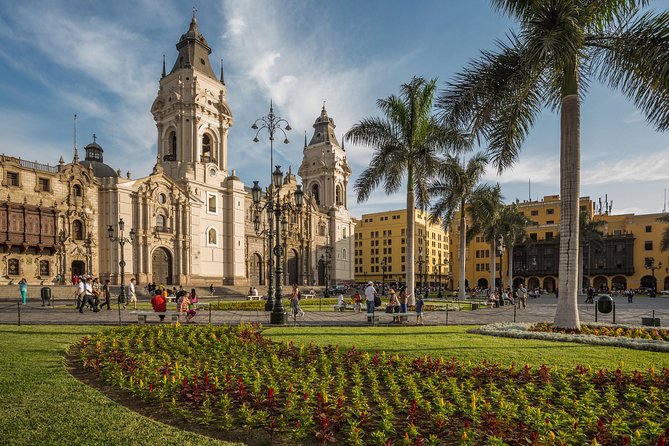
Your first day begins with airport assistance and a hotel transfer in Lima. The five-hour city program focuses on the Historical Center, a UNESCO World Heritage Site, then ends at the Larco Museum.
At the Convent of Santo Domingo, you see the oldest university in the Americas along with religious objects and the remains of San Martín de Porres, San Juan Masías, and Santa Rosa de Lima. This is a useful introduction to Peru’s Spanish colonial period, but the real strength of the stop is the way sacred spaces and political power are tied together.
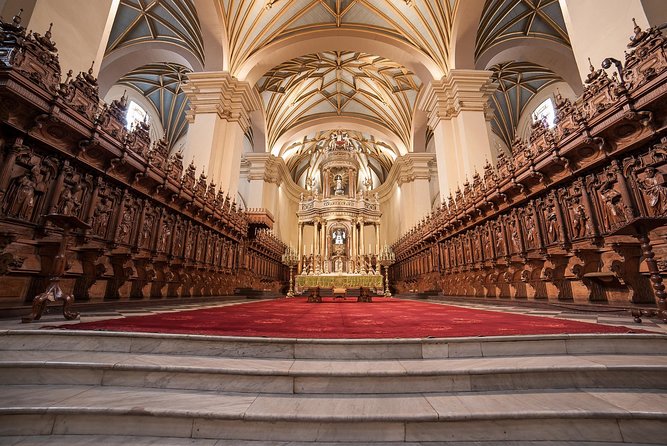
The Plaza Mayor gives you the grand civic scene: the Government Palace, Municipality, and Cathedral. Inside the Cathedral are colonial artworks, so you get more than an exterior photo stop. The tour then shifts to the Larco Museum, where gold objects, textiles, and erotic ceramics offer a look at cultures that existed long before the Spanish arrived.
Do not skip the museum warehouse. It lets you see ancient ceramics stored together, rather than only a small selection placed behind glass. That makes the collection easier to understand. Lima can feel like a lot on arrival, so a guided first afternoon is useful, especially if you prefer to get your bearings before exploring alone.
The Nazca Lines require a strong stomach
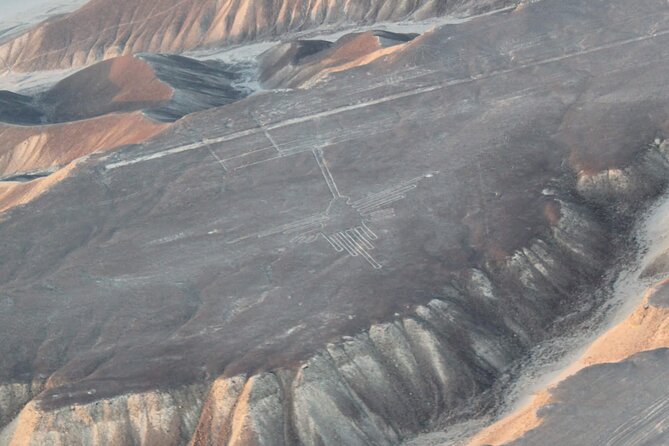
On Day 2, you travel by bus toward Paracas and continue to Pisco Airport for the Nazca flight. The plane is a Cessna Grand Caravan operated by Aerodiana, with room for up to 12 people.
From the air, the desert reveals the monkey, hummingbird, spider, lizard, astronaut, dog, condor, and other shapes. You also see long lines that resemble runways. Their purpose remains uncertain, which is part of the appeal. Your guide can explain the main theories, but the experience works best when you accept that no single answer settles the mystery.
The flight itself deserves honest warning. The pilot makes tight banking turns to give both sides of the small plane a view. That is good for photography, but it can be rough. A large share of one recorded flight became sick, and the return to the terminal included the familiar walk with small airsickness bags. If you are prone to motion sickness, ask your doctor about suitable medicine before departure, eat lightly, and keep your camera ready but your expectations realistic.
After the flight, you go to your Paracas hotel. The rest of the day is open, and a local dune buggy ride through the Ica desert is suggested as an optional activity. Since the core schedule is already active, you may prefer to rest rather than add another excursion.
Ballestas Islands bring wildlife to the coast
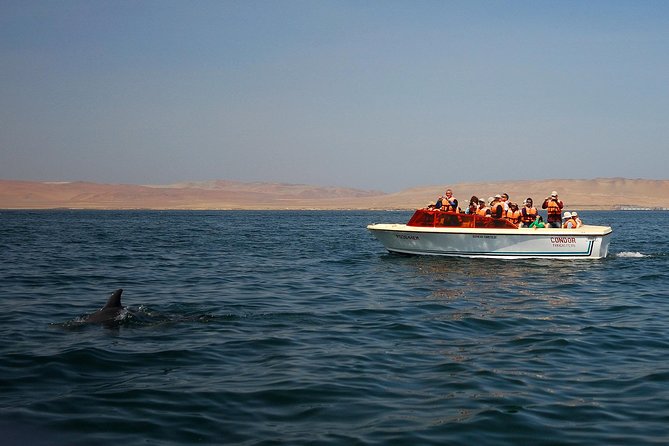
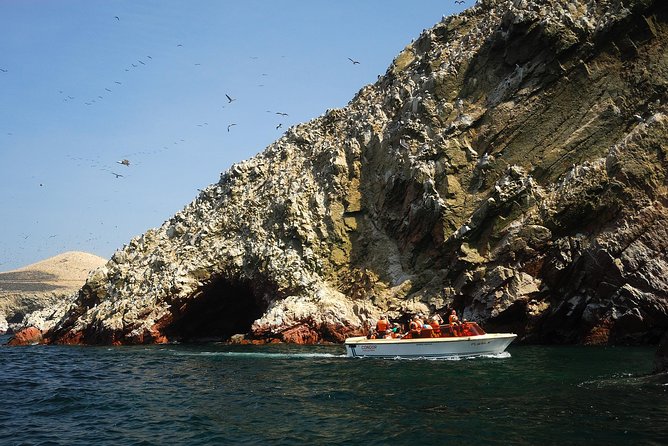
Day 3 begins early with a motorboat ride to the Ballestas Islands in the Paracas National Reserve. Early departure is tied to calmer sea conditions, so this is one morning when sleeping late works against you.
On the way, you pass El Candelabro, a large desert drawing that points toward the Nazca pampas. Its connection to the Nazca Lines is part of the local mystery, though the tour does not promise a final explanation.
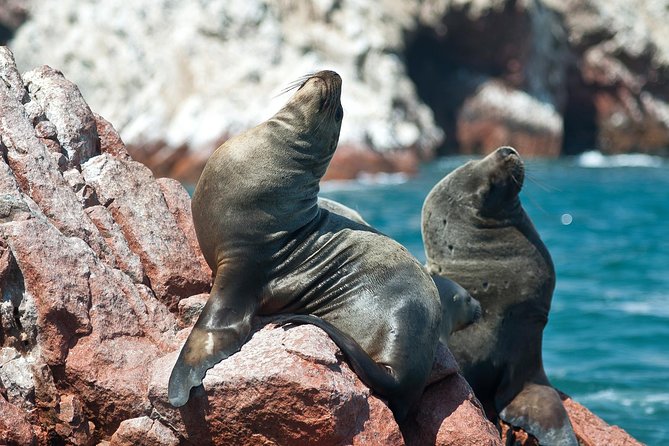
The islands are the natural counterpoint to the Nazca flight. Instead of staring down at marks in a dry desert, you watch seals, penguins, and marine birds around caves and rocky shores. The guide helps identify the species, and curious seals may come close to the boat. The ride is short enough to fit into a busy transfer day, though sea conditions can still affect comfort.
You return to the hotel for some free time before taking the bus back to Lima. This is a long coast-to-city day, but the contrast between desert archaeology and marine life makes the route worthwhile. If you want more time beside the Pacific, an extra night in Paracas would make sense, though that would require changing the schedule.
A completely different sort of day out from Lima:
- Lima: Ultimate Peruvian Food Tour
★ 4.9 · 700 reviews - Full Day Paracas Ica and Huacachina from Lima All Included
★ 4.5 · 623 reviews - Lima’s Vibrant Heritage: Exploring the City’s Landmarks Half-day
★ 4.5 · 581 reviews - From Lima: Day trip to Paracas, Ica and Oasis Huacachina
★ 4.6 · 409 reviews
Cusco brings altitude, markets, and Inca stonework
Day 4 depends on the morning flight from Lima. After airport assistance and hotel transfer, the afternoon walking tour begins at San Cristóbal Square, where you get a broad view over Cusco.
The route continues to San Pedro Market. This is a practical place to see the products that supply the city and to learn about local flavors. It is also a welcome change from formal monuments because you are looking at daily commerce rather than only preserved history.
Qorikancha, the Temple of the Sun, follows. Its walls were once covered in gold, and the site shows how the Inca religious center was later incorporated into colonial Cusco. From there, you walk through San Blas, the artisans’ neighborhood, then along Hatun Rumiyoc Street.
The Twelve Angled Stone is the famous detail here. Its carefully fitted edges show the precision of Inca masonry, while the former palace of Inca Roca, now the Archbishop’s Palace, illustrates the layers of power built into the city.
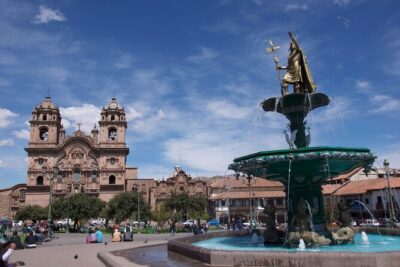
The day finishes at the Plaza de Armas and Cusco Cathedral, where colonial art fills the interior. The three-hour tour is not excessively long, but Cusco’s altitude can make even a modest walk feel demanding. Drink water, take the first afternoon slowly, and bring medication for altitude sickness if your doctor recommends it.
Sacsayhuaman and the four nearby ruins
Day 5 moves outside the city to Sacsayhuaman, one of the most impressive sites around Cusco. Massive stone construction and broad mountain views make it easy to understand why this stop is often a highlight.
Q’enqo comes next, with a rock-cut altar associated with sacrifice. The details are compact, but the guide’s explanation helps give the carved stone a purpose beyond its appearance.
At Puca Pucará, you visit a lookout, then continue to Tambomachay. Its water features and careful construction connect architecture with the Andean view of the natural world. The route takes about four hours, leaving the afternoon free.
That free afternoon is valuable. You can rest, walk Cusco’s streets, visit another included site, or simply adjust to the altitude. The included admissions passport also gives access to other points of interest that are not part of the scheduled visits. Check the exact access details when you receive your materials, since this can help you use your free time well.
The main physical issue here is stairs. Cusco’s streets, ruins, and archaeological sites involve uneven ground and repeated climbs. One passenger completed the route while recovering from a back injury and dealing with a torn meniscus, but found the stairs challenging. You do not need to be an athlete, but comfortable walking and climbing will make the trip much more enjoyable.
The Sacred Valley connects villages, farms, and temples
Day 6 is one of the fullest cultural days. You leave Cusco for Chinchero, known for its weaving women and colorful village setting. At a textile center, you see traditional methods for dyeing and spinning alpaca wool.
The stop is worthwhile because it gives context to the textiles sold throughout Peru. You see the work behind the finished product, then continue to the Inca plaza and its colonial church. That pairing is typical of the Sacred Valley, where older Andean sites and Spanish buildings often occupy the same space.
Moray is the next major stop. Its concentric agricultural terraces formed a controlled setting for testing different growing conditions. You do not need a technical lecture to appreciate the design, but the site becomes more interesting when you understand that it was connected to farming rather than built only for ceremony.
Lunch is included on this day. Afterward, the route reaches Ollantaytambo, described here as the last living village of the Incas. You visit the Temple of the Ten Windows, the Princess’s Bath, and the Sun Temple, with time for views from above.
You spend the night in the area rather than returning to Cusco. That is smart scheduling. Ollantaytambo is the departure point for the Machu Picchu train, so staying nearby avoids an unnecessary early road transfer on the most important day.
Machu Picchu is the grand finale
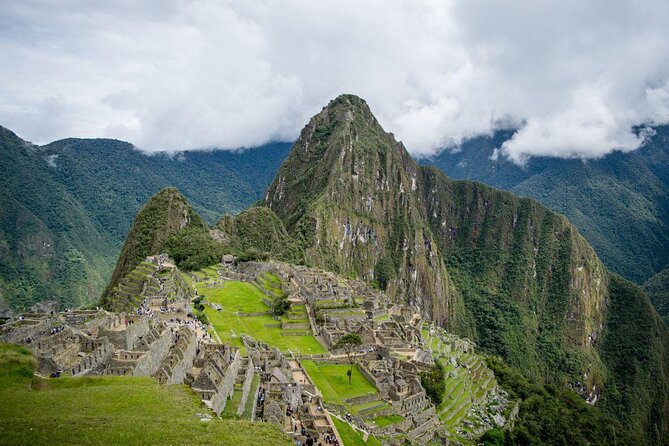
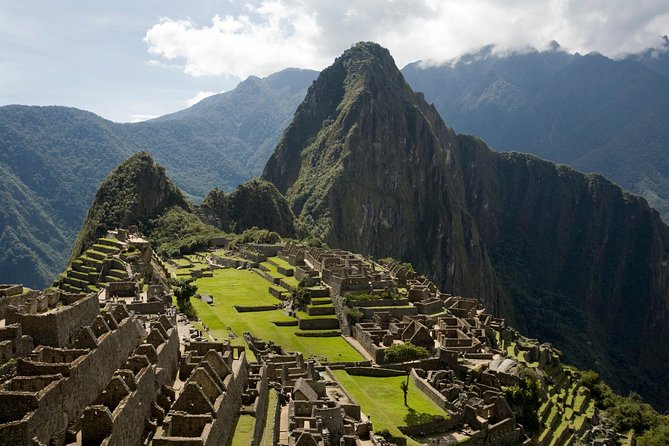
On Day 7, you board the selected train at Ollantaytambo. At Machu Picchu station, staff help you board the bus for the winding climb toward the ruins, with views into the Urubamba River canyon.
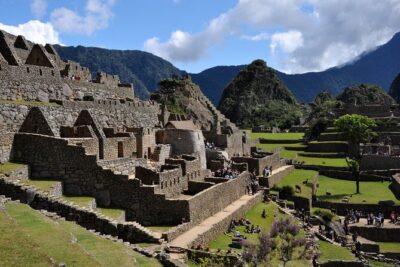
Machu Picchu delivers variety in a compact setting: terraces, stairways, ceremonial spaces, and urban areas. You should expect a structured visit rather than a completely free wander. The site now uses specific visitor circuits to spread people through different sections and protect the archaeological remains.
Route 2 receives priority when it is available. If it is not, Circuit 3B or Circuit 1B may be offered, and you should confirm your choice before the ticket is issued. The ticket cannot be refunded, changed, or amended after purchase. That makes your travel dates and passport details especially important.
Lunch is included, followed by the train back and a transfer to your Cusco hotel. This is a long but efficient day, and the return trip can feel tiring after walking through the ruins. The reward is that the tour places Machu Picchu after several days of context. By then, you have already seen Cusco, Inca stonework, the Sacred Valley, and Ollantaytambo.
The transport plan is the real service
This experience combines private or small-group transfers with guided visits. The maximum group size is nine, and one solo passenger described the arrangement as traveling independently between regions while joining small groups for individual sites.
That format suits you if you want company and expert guidance at the monuments but do not want to spend eight days in one large coach group. The vans used by the operator were described as spacious, clean, and in good working order, while drivers were consistently courteous and punctual.
Still, the route is not slow travel. You use buses, vans, trains, motorboats, aircraft, and domestic flights. Delays can affect the plan, especially around the Lima to Cusco flight and the Machu Picchu train. Give the operator accurate international and domestic flight information, and keep communication available through WhatsApp.
The tour is also booked far ahead on average, about 124 days in advance. That makes sense because Machu Picchu tickets, train seats, and hotel rooms must line up. The earlier you settle your dates, the fewer compromises you are likely to face.
Who should book this Peru route?
I would choose this tour if you want Peru’s major sights in one organized package and you do not want to build the transport plan yourself. It works especially well for solo visitors, couples, and small private groups who value scheduled sightseeing but still want free afternoons.
You should be comfortable with early mornings, altitude, long transfers, uneven surfaces, and stairs. Cusco and much of the Sacred Valley sit high above sea level, and the trip information specifically warns about altitude sickness. Bring medical advice and any recommended medicine before you leave.
Families with children under eight should think carefully about the Nazca flight, which is not recommended for younger children. Anyone uncomfortable in a small aircraft may also prefer a Peru route without the overflight.
FAQ
Is the Lima to Cusco flight included?
No. Flights between Lima and Cusco are not included. You must book them separately and provide the flight information when booking the tour.
What time should I book the Lima to Cusco flight?
The flight must be in the morning. Arrival in Cusco by noon is considered too late for the planned afternoon city tour.
How many nights of accommodation are included?
Seven nights of accommodation are included. Hotel examples associated with the arrangements include Sol de Oro in Lima, Novotel Cusco, La Hacienda Bahia Paracas, and La Casona de Yucay, though the selected hotel category can affect the final arrangements.
Is the Nazca airport tax included?
No. A Nazca airport tax of US$14 per person is listed as an extra charge. An additional airport or departure tax of €14 per person is also listed.
How many people are in the tour?
The maximum group size is nine people. Some transfers and site visits may use smaller groups.
Which Machu Picchu route will I receive?
Route 2 is given priority when available. If it is unavailable, Circuit 3B or Circuit 1B may be offered for your confirmation before the ticket is issued.
Can I change my Machu Picchu date after the ticket is issued?
No. The Machu Picchu admission ticket is nonrefundable, and date changes or amendments are not accepted. A new ticket must be purchased if you need a different visit date.
Should you book 8-Day Enigmas of Peru?
Book it if you want a high-value introduction to Peru with the difficult connections already arranged. The combination of Lima’s museums, the Nazca Lines, Ballestas wildlife, Cusco, the Sacred Valley, and Machu Picchu gives you far more variety than a route focused only on Cusco.
Skip it if you want a slow holiday, dislike small-plane flights, or cannot manage altitude and frequent stairs. For most reasonably mobile visitors who plan their flights carefully, the route offers an unusually broad look at Peru in eight days. Its best feature is not just the list of sights. It is the careful coordination required to reach them all.
Just added around Lima
- Enjoy Lima Walking Historic Center, Plaza San Martin and Plaza de Armas★ 5.0 · 3 reviews
- Full Day Lima: Local Market+ CityTour+ Barranco & Miraflores★ 5.0 · 3 reviews
- City Tour 1 day Lima★ 5.0 · 3 reviews
- Lima: Lunuhuaná Extreme All In + Cerro Azul + Rafting + ATV + Canopy★ 4.4 · 3 reviews
- Lima: Street Food Tasting Tour with Pisco Sour Class★ 5.0 · 3 reviews
- Lima: Villa El Salvador Shanty Town Tour★ 5.0 · 3 reviews
- Tour Panorámico en Miraflores en Scooter Eléctrico★ 4.6 · 3 reviews
- Private Tour Casa Aliaga,San Francisco Convent, Larco Museum★ 4.8 · 3 reviews
8-Day Experiences, compared.
8-Day All-Inclusive Peru Tour: Cusco, Machu Picchu, and More
Read our review →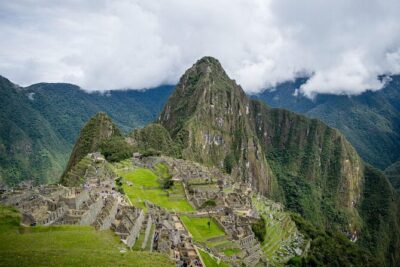
Browse the lists this tour appears in