
Reviewed · 8-DAY EXPERIENCES
8-Day Peru Ancestral Energies
Peru packs centuries into one week. This 8-day route from Lima to Juliaca links colonial cities, Inca sites, Machu Picchu, and Lake Titicaca without asking you to arrange each transfer yourself. I like the efficient route and the clear mix of guided sightseeing, rail travel, market visits, and community experiences. I also like that the group is limited to 15 people, which should make airport pickups and guided walks easier to manage.
The main concern is altitude. Cusco, Puno, and the high Andean route can be demanding, especially when you reach La Raya at about 4,800 meters. You also need to arrange your own flights from Lima to Cusco and from Juliaca back to Lima, and those flights must fit the schedule closely.
In This Review
- Key points to know before booking
- What the $1,264 price really covers
- Lima opens with churches, palaces, and ancient gold
- Cusco brings markets and Inca stonework together
- Sacsayhuaman and the four nearby sacred sites
- The Sacred Valley moves from weaving to Ollantaytambo
- Machu Picchu is the centerpiece, with one important catch
- The long road to Puno crosses the high Andes
- Uros and Taquile show two different Lake Titicaca communities
- Hotels, transfers, and group size shape the experience
- Who should book this Peru route?
- FAQ
- What does the $1,264 tour price include?
- Are flights included?
- What time should I book the Lima to Cusco flight?
- Where does the tour finish?
- Is Machu Picchu Route 2 guaranteed?
- What should I know about altitude?
- Should you book 8-Day Peru Ancestral Energies?
Key points to know before booking
- Machu Picchu uses assigned visitor circuits: Route 2 receives priority, but Route 3B or Route 1B may be offered if Route 2 is unavailable.
- The tour moves steadily: You go from Lima to Cusco, the Sacred Valley, Machu Picchu, Puno, and Lake Titicaca in eight days.
- A morning Lima to Cusco flight is required: Arrival in Cusco by noon is considered too late for the afternoon program.
- The route reaches serious altitude: La Raya is listed at 4,800 meters, so ask your doctor about altitude medicine before leaving.
- The price covers much of the ground trip: Seven hotel nights, breakfasts, four lunches, transfers, admission fees, guides, and the Machu Picchu train are included.
- The trip ends near Puno, not Lima: Your final airport is Inca Manco Cápac International Airport in Juliaca, about 36 kilometers from Puno.
What the $1,264 price really covers
At $1,264 per person, this package offers solid value if you want a ready-made Peru route. Seven nights of accommodation, airport and hotel transfers, sightseeing transportation, entrance fees, seven breakfasts, four lunches, and the round-trip train to Machu Picchu are included. That removes many of the costly pieces that can catch independent visitors by surprise.
The price does not include the flights from Lima to Cusco or from Juliaca to Lima. International airport taxes, domestic airport taxes, and a listed $32 charge for Lima to Cusco and Puno airport taxes are also outside the package. Food and drinks are not included unless they are specifically named, so you need a budget for several dinners, some lunches, snacks, and drinks.
Your train category depends on the hotel category selected and availability. That detail matters because the Machu Picchu rail journey is one of the largest single costs in this part of Peru. Ask exactly which hotel and train category you are receiving before you pay.
This is not a slow, leisurely cultural retreat. It is a well-organized sightseeing circuit. I would choose it if I wanted to see the main sites in a short period and preferred having a guide and transport waiting at each stage. I would not choose it if I wanted several open days in Cusco or long stays in one village.
A few more Peru trips worth weighing up
- 8-Days Best of The Inca Empire from Lima
★ 5.0 · 114 reviews - 8-Day Enigmas of Peru
★ 5.0 · 49 reviews - 8-Days Peru, The Rise of the Inca Empire
★ 5.0 · 49 reviews
Lima opens with churches, palaces, and ancient gold
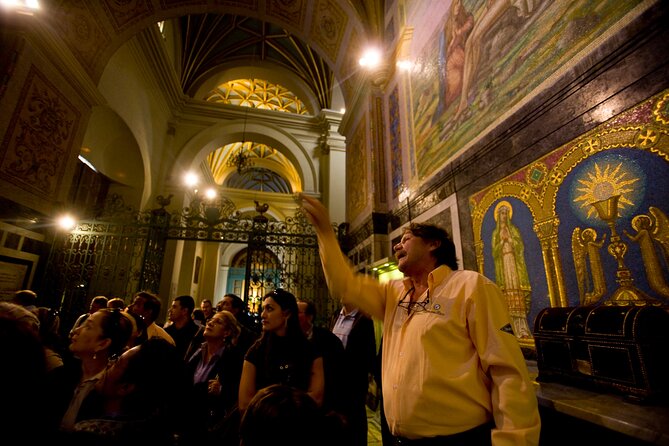
After you land at Jorge Chávez International Airport, a transfer takes you to your hotel. The first sightseeing period lasts about five hours and focuses on central Lima and the Larco Museum.
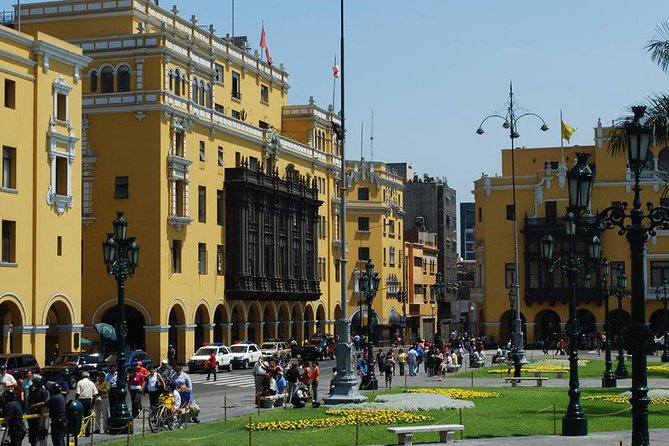
The Historical Center gives you a useful introduction to Peru’s colonial story. You visit the Convent of Santo Domingo, Universidad Mayor de San Marcos, Plaza Mayor, the Government Palace, the Municipality, and Lima Cathedral. These stops place you among the city’s grand civic and religious buildings before the tour turns to a very different kind of Peruvian past.
The Larco Museum holds gold objects, textiles, and ceramics. I like this pairing because it keeps Lima from becoming just a parade of colonial architecture. The museum provides material evidence from Peru’s earlier cultures, while the center shows how the Spanish colonial city was built over and around that older world.
The first day is busy, but the plan makes sensible use of your arrival day. Since the airport transfer and sightseeing are handled for you, you do not need to work out taxis or admission arrangements while recovering from an international flight.
Cusco brings markets and Inca stonework together
Day two begins with your flight to Cusco. You must book a morning departure from Lima, since reaching Cusco at noon is too late for the afternoon tour. After airport reception and hotel transfer, you take a roughly four-hour city walk.
The route begins at San Cristóbal Square, where you get a broad view over Cusco. That is a smart first stop because the city’s layout makes more sense once you see its slopes and dense central core from above.
San Pedro Market follows. This is one of the better choices on the route for seeing daily life rather than only monuments. You can look at the products that supply the city and get an introduction to local foods and ingredients. The schedule says you will learn about the area’s products, but meals at the market are not listed as included, so do not assume lunch is covered there.
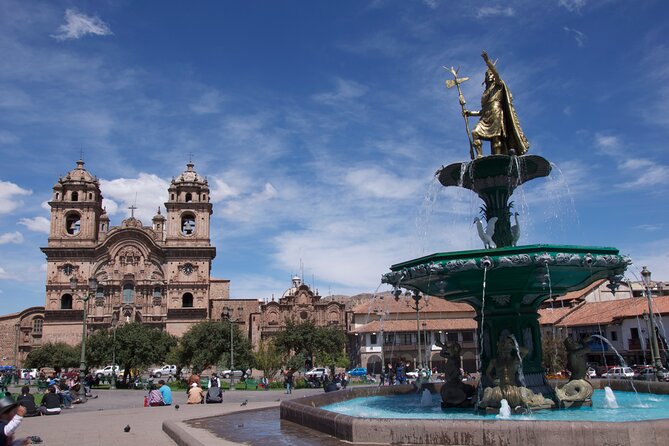
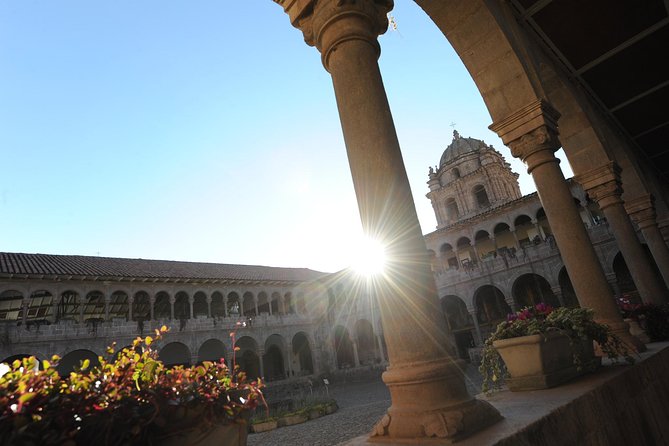
Qorikancha, once an Inca temple with walls covered in gold, shows how Spanish colonial buildings and Inca foundations occupy the same city. From there, you visit San Blas, the traditional artisans’ neighborhood, and walk along Hatun Rumiyoc. The famous Twelve Angled Stone is a highlight for anyone interested in Inca masonry. Its tightly fitted stonework needs no dramatic explanation.
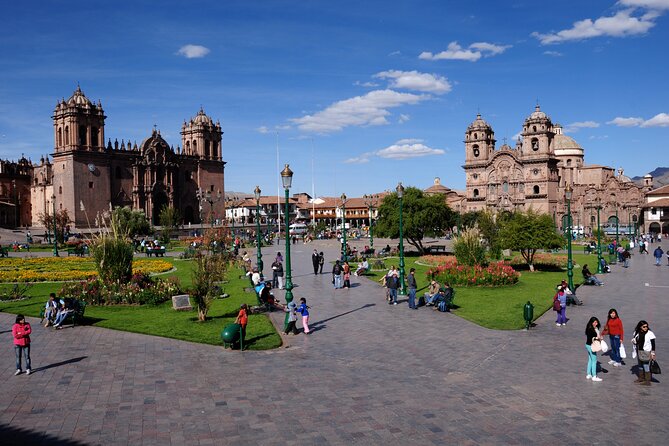
The walk ends at Plaza de Armas and Cusco Cathedral, where colonial works are displayed. The combination of market, Inca temple, stone street, artisans’ quarter, and cathedral gives you a broad picture of Cusco in only one afternoon.
Sacsayhuaman and the four nearby sacred sites
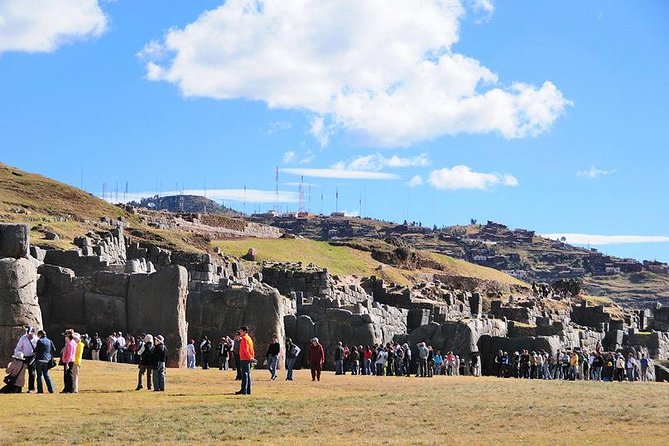
The morning of day three leaves the central crowds behind for four sites above or around Cusco. Sacsayhuaman is the main event, with enormous stone construction set among open Andean surroundings. The scale is difficult to appreciate from photographs, and your guide’s explanation is useful for connecting the walls to the wider Inca center.
Q’enqo comes next. This rocky ceremonial site includes an altar carved into the stone. The stop is smaller and more cryptic than Sacsayhuaman, but it adds a different feel to the morning.
You then visit Puca Pucará, described as a lookout, and Tambomachay, known for its fine stonework and connection to Andean ideas of the world. The tour gives you about four hours for this circuit, followed by a free afternoon in Cusco.
That free time is valuable. You may need it simply to rest, since altitude can affect your energy. Cusco is also a place where rushing is unnecessary. Use the afternoon for a quiet meal, a short walk, or recovery at the hotel rather than trying to add another major attraction.
A completely different sort of day out from Lima:
- Lima: Ultimate Peruvian Food Tour
★ 4.9 · 700 reviews - Full Day Paracas Ica and Huacachina from Lima All Included
★ 4.5 · 623 reviews - Lima’s Vibrant Heritage: Exploring the City’s Landmarks Half-day
★ 4.5 · 581 reviews - From Lima: Day trip to Paracas, Ica and Oasis Huacachina
★ 4.6 · 409 reviews
The Sacred Valley moves from weaving to Ollantaytambo
Day four is one of the most varied days. You leave Cusco for Chinchero, Moray, and Ollantaytambo, then sleep in the Sacred Valley area instead of returning to Cusco.
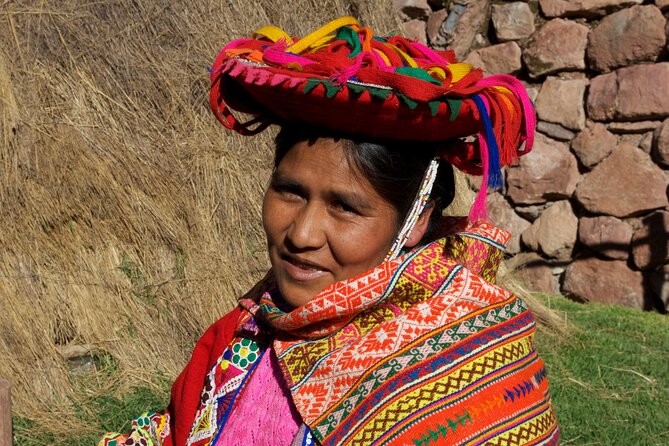
Chinchero is presented as one of the valley’s most typical and colorful villages. At a textile center, weaving women demonstrate older methods of dyeing and spinning alpaca wool. This is a useful cultural stop because it explains how local craft traditions continue in practical form, not just as museum displays.
You also visit the Inca plaza and a colonial church. The pairing again shows how Spanish religious buildings were placed within established Andean communities.
Moray offers a different kind of Inca site. Its concentric agricultural terraces are often described as a way to create different growing conditions, or microclimates. The circular form makes it one of the most visually unusual sites on the itinerary. Because you visit it after Chinchero, the day links living textile work with the agricultural engineering of the Inca period.
Lunch is included on this day. Later, Ollantaytambo supplies the grand finish. You visit the Temple of the Ten Windows, the Princess Baths, and the Sun Temple, then take in views from above the town. Overnighting in the area is practical. It puts you closer to the next morning’s train and avoids repeating the road back to Cusco.
The tradeoff is a tight schedule. The listed sightseeing time is about five hours, not counting all road movement and lunch. You will see the main sites, but you will not have unlimited time for Chinchero’s village or Ollantaytambo’s streets.
Machu Picchu is the centerpiece, with one important catch
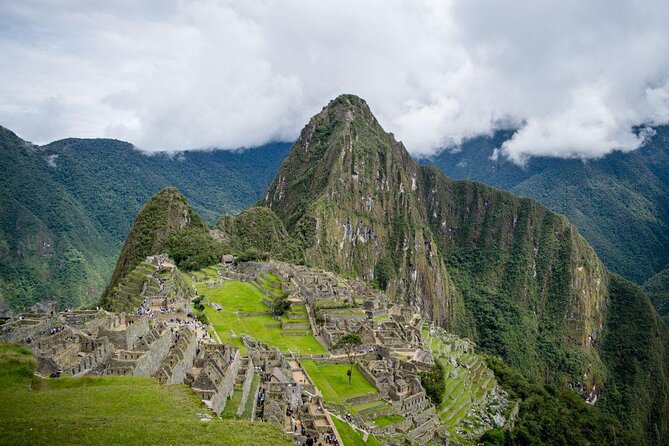
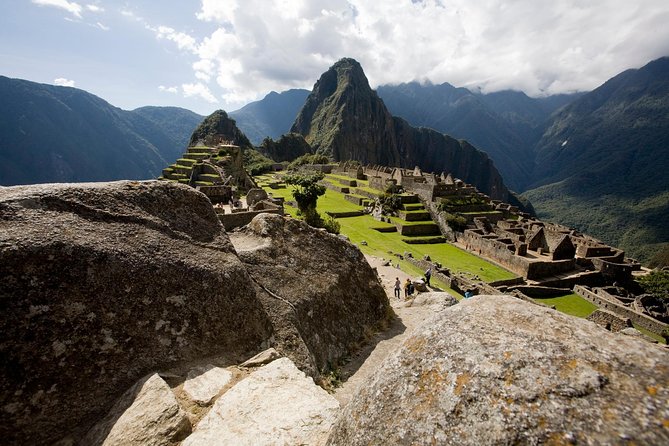
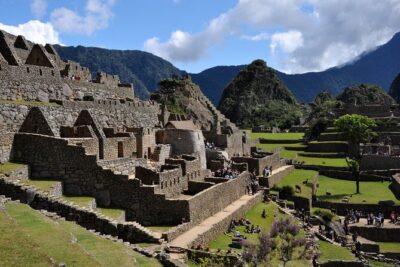
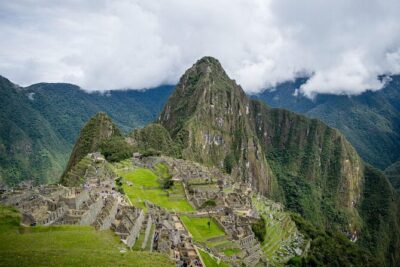
Day five is built around Machu Picchu. You board the train at Ollantaytambo, arrive at Machu Picchu station, and receive help transferring to the bus that climbs the winding road to the citadel. The ride includes views toward the Urubamba River and its canyon.
Inside Machu Picchu, the route includes terraces, staircases, ceremonial spaces, and urban areas. Your guide gives context to what can otherwise feel like a maze of stone. Lunch is included, and you return by train before transferring to your Cusco hotel.
The major planning issue is the new circuit system. Route 2 is the priority, but if it is unavailable, you may be offered Route 3B or Route 1B before the ticket is issued. These are not interchangeable details. The circuit controls which parts of the site you see and how you move through them, so confirm your choice before the ticket is finalized.
Machu Picchu admission tickets cannot be refunded or changed. If your plans shift, a new ticket is required. That makes your flight timing, passport details, and preferred visit date especially important.
The day is listed at about six hours, but train schedules and transfers make it feel like a full day. I would keep the evening simple. After a major site visit and a return train, you may not want another scheduled activity.
The long road to Puno crosses the high Andes
Day six takes you by tourist bus from Cusco to Puno. The route follows the Vilcanota River and climbs onto the Collao plateau. This is a transfer day with several worthwhile stops, rather than a quick point-to-point ride.
At Andahuaylillas, you visit the Church of Saint Peter, known as the Sistine Chapel of America for its extensive seventeenth-century murals. Racchi follows, with the remains of the Temple of Wiracocha. The surviving columns and walls help you picture the original scale of the Inca construction.
The highest point is La Raya at about 4,800 meters, where waters divide between the Lake Titicaca basin and rivers flowing toward the Amazon. That height is not a minor detail. Even people who usually feel fine in the mountains can notice the thin air, cold, headache, or shortness of breath.
Lunch is included before the visit to the Pucara Site Museum. Pucara is linked with the small bull figures known as toritos de Pucará. You arrive in Puno and transfer to your hotel.
The schedule lists about four hours, but the route includes several stops and a major change in elevation. Treat this as a full travel day. Carry water, keep layers handy, and bring any altitude medicine recommended by your doctor.
Uros and Taquile show two different Lake Titicaca communities
On day seven, a motorboat takes you from Puno toward the Uros islands. The Uros community continues to build its floating islands using older techniques. The visit is direct and commercial in nature, since residents make a living from visitors, but that does not make it worthless. Your guide can help explain how the islands are constructed and how tourism fits into local life.
You then continue to Taquile Island. The community has kept its clothing, music, dances, and daily traditions, and it is one of the few Quechua communities in a region that is mainly Aymara. A walk around the island gives you views across Lake Titicaca and a closer look at local life.
Lunch is served at a community restaurant. It is described as simple and nutritious, which fits the practical character of the day. The route lasts about five hours, but boat travel and the walk can make it feel longer.
This is the most community-focused part of the tour. I like it because it moves beyond major ruins and cathedrals. Still, you should approach the Uros visit respectfully and remember that the community’s interaction with visitors is also its income.
Hotels, transfers, and group size shape the experience
The package includes seven nights in selected hotels, subject to availability. Specific hotel names are not provided, so ask for the proposed properties and locations before booking if that matters to you.
Shared transfers and shared tours keep the price under control. A maximum group of 15 is a reasonable middle ground: small enough for a guide to manage, but not as private as a custom trip. One direct rating of 4.9 from 47 ratings supports the company’s strong record, and the most praised points are punctual service, useful guides, helpful drivers, good transport, and prompt answers to questions.
Those details matter in Peru. A missed transfer can affect a train, flight, or hotel arrival. Having one company coordinate the ground movements is the package’s main convenience.
Day eight is only a departure transfer. Your final airport is Juliaca’s Inca Manco Cápac International Airport, not an airport in Puno itself. Since Juliaca is about 36 kilometers from Puno, leave enough time for the transfer and book your onward flight with the tour’s end point in mind.
The package offers free cancellation up to 24 hours before the experience starts. That general policy does not override the strict Machu Picchu ticket rule, which is nonrefundable and cannot be amended after issue.
Who should book this Peru route?
I would recommend this tour to someone visiting Peru for the first time who wants the major sights arranged in a logical order. It suits people who value preplanned transport, guided interpretation, and a short but full schedule. The combination of Lima, Cusco, the Sacred Valley, Machu Picchu, Puno, and Lake Titicaca gives you a strong first look at Peru’s best-known cultural regions.
It is also a good fit if you do not want to negotiate every taxi, train connection, hotel transfer, and entrance ticket yourself. The high praise for punctuality and communication is especially reassuring on a route with many moving parts.
I would hesitate if you dislike early starts, shared transport, or fixed schedules. I would also think twice if altitude has caused problems before. The route climbs quickly and reaches 4,800 meters, while the itinerary leaves little spare time for illness or missed connections.
FAQ
What does the $1,264 tour price include?
The price includes seven nights of accommodation, airport-to-hotel transfers, shared transfers to the train station, tour admission tickets, shared tours with an English-Spanish speaking guide, the round-trip railway ticket to Machu Picchu according to the selected hotel category, seven breakfasts, and four lunches.
Are flights included?
No. Flights from Lima to Cusco and from Juliaca to Lima are not included. Airport taxes are also separate, including the listed $32 per person charge for Lima to Cusco and Puno airport taxes.
What time should I book the Lima to Cusco flight?
You need a morning flight. Arrival in Cusco by noon is considered too late for the afternoon city program.
Where does the tour finish?
The tour finishes with a departure transfer to Inca Manco Cápac International Airport in Juliaca. The airport is about 36 kilometers from Puno.
Is Machu Picchu Route 2 guaranteed?
No. Route 2 is given priority, but if it is unavailable, Route 3B or Route 1B may be offered. You will be informed of the available option before the ticket is issued so you can confirm your decision.
What should I know about altitude?
The tour advises anyone who suffers from altitude sickness to bring medicine or ask a doctor for advice before departure. The route includes La Raya at approximately 4,800 meters above sea level.
Should you book 8-Day Peru Ancestral Energies?
Book it if you want Peru’s headline sights in one efficient package and value reliable guides, drivers, transfers, and clear organization. At $1,264 before flights, taxes, and extra meals, the included ground services make the price reasonable for a first visit.
Skip it if you want a relaxed pace or plenty of free time. The best preparation is to confirm your hotel and train category, arrange the required morning Lima to Cusco flight, check the Machu Picchu circuit, and take the altitude warnings seriously. Do that, and this route offers a practical way to see a remarkable amount of Peru in eight days.
Just added around Lima
- Enjoy Lima Walking Historic Center, Plaza San Martin and Plaza de Armas★ 5.0 · 3 reviews
- Full Day Lima: Local Market+ CityTour+ Barranco & Miraflores★ 5.0 · 3 reviews
- City Tour 1 day Lima★ 5.0 · 3 reviews
- Lima: Lunuhuaná Extreme All In + Cerro Azul + Rafting + ATV + Canopy★ 4.4 · 3 reviews
- Lima: Street Food Tasting Tour with Pisco Sour Class★ 5.0 · 3 reviews
- Lima: Villa El Salvador Shanty Town Tour★ 5.0 · 3 reviews
- Tour Panorámico en Miraflores en Scooter Eléctrico★ 4.6 · 3 reviews
- Private Tour Casa Aliaga,San Francisco Convent, Larco Museum★ 4.8 · 3 reviews
8-Day Experiences, compared.
8-Day All-Inclusive Peru Tour: Cusco, Machu Picchu, and More
Read our review →
Browse the lists this tour appears in