
Reviewed · 8-DAY EXPERIENCES
8-Days Best of The Inca Empire from Lima
Ancient Peru, without the guesswork. This eight-day journey links Lima’s colonial center, Cusco’s Inca walls, the Sacred Valley, and Machu Picchu in a sensible route. I especially like the small maximum group of 12 and the generous pacing, which gives you room to rest in Cusco. The other strong point is the mix of famous sights and less obvious stops, from Pachacamac and the Larco Museum to Moray and Maras.
The main catch is that airfare between Lima and Cusco is not included, and the tour requires a morning arrival in Cusco. You also need to plan carefully for altitude, fixed Machu Picchu tickets, and long sightseeing days in the Sacred Valley.
In This Review
- Five details that shape this Peru journey
- Why this route works from Lima to Machu Picchu
- Lima begins with ocean views and old stones
- Pachacamac and the Larco Museum fill Day 2
- Pisco, sandwiches, and fountains after dark
- Cusco gives you a careful first look
- Sacsayhuaman leaves room to breathe
- Pisac and Awanacancha make the Sacred Valley personal
- Moray, Maras, and Ollantaytambo reveal Inca engineering
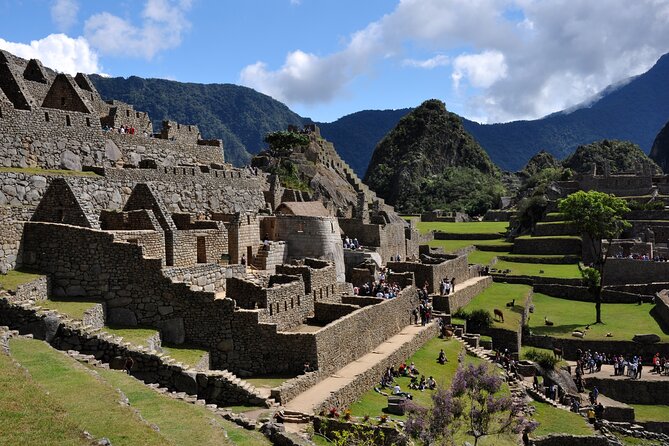
- Machu Picchu gets the final word
- What $1,454 covers, and what it does not
- Who should book this eight-day plan
- FAQ
- Is airfare between Lima and Cusco included?
- How many nights of accommodation are included?
- Does the tour include breakfast?
- What meals are included?
- What time should my flight from Lima to Cusco arrive?
- Is Machu Picchu admission refundable or changeable?
- Should you book it?
Five details that shape this Peru journey
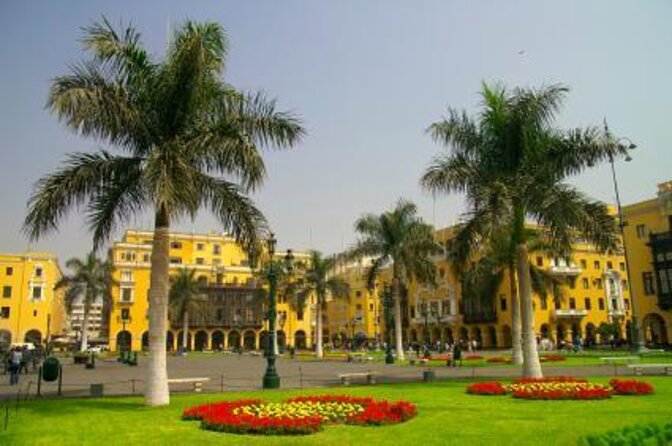
- Lima gets two full sightseeing days: You visit colonial plazas, pre-Inca ruins, an outstanding museum, and the Magic Water Circuit before heading into the Andes.
- Cusco is introduced at a measured pace: The plan allows time to adjust to the altitude rather than rushing straight into a packed mountain schedule.
- The Sacred Valley is more than a stop on the way to Machu Picchu: Pisac, Awanacancha, Moray, Maras, Ollantaytambo, and the Inkariy Museum each show a different side of Andean life.
- Machu Picchu is handled with a guide and included entry: You receive the essential historical and architectural context, plus transfers to and from the site.
- The package includes seven nights, breakfasts, two lunches, transfers, tours, and entry fees: At $1,454 per person, the value depends on how much you appreciate having the complicated pieces arranged for you.
Why this route works from Lima to Machu Picchu
Peru can be tiring to organize. You need hotels in several places, domestic flights, train schedules, station transfers, buses, park tickets, and guides. This program handles most of that in one booking, giving you a clear eight-day path from Lima to Cusco and onward to Machu Picchu.
I like the order. Lima begins with lower-altitude sightseeing and a broad introduction to Peru’s past. Cusco follows, with a slower first afternoon and a free afternoon on Day 4. The Sacred Valley then gives you time in smaller towns and archaeological sites before Machu Picchu provides the grand finale.
The group limit of 12 matters. You are not signing up for a giant coach with a guide trying to shout over the traffic. Small groups also make airport, hotel, and train transfers easier to manage. The high rating of 4.9 from 114 reviews and the 98 percent recommendation fit the tour’s strongest qualities: reliable timing, tidy rooms, and hands-on help.
One review gives special praise to Gabriela, described as an excellent guide, while Viajes Pacificos is praised for being professional, punctual, and helpful. The listed provider is VIPAC Travel, so confirm the local operating company and guide details when you book. Guide quality can shape this trip, especially at sites where a pile of stones needs a good explanation.
A few more Peru trips worth weighing up
- 8-Day Enigmas of Peru
★ 5.0 · 49 reviews - 8-Days Peru, The Rise of the Inca Empire
★ 5.0 · 49 reviews - 8-Day Peru Ancestral Energies
★ 5.0 · 47 reviews
Lima begins with ocean views and old stones
Your first day starts at Jorge Chávez International Airport, where you receive an arrival transfer to your hotel. The afternoon sightseeing begins in Miraflores at Love Park, with a broad view toward the Pacific Ocean.
From there, you visit Huaca Pucllana, a ceremonial center built by the Lima culture. Its earthen construction makes a useful first lesson in Peru’s layered past. You do not have to wait until Cusco to encounter major archaeology.
The tour then moves to Lima’s Main Square, framed by the Government Palace and Town Hall. The Cathedral adds colonial art and religious history, while Santo Domingo Convent brings a more personal connection to the city. Its corridors are linked with San Martin de Porras and Santa Rosa de Lima, whose remains rest there.
This first afternoon lasts about two hours, with admission included. That is a good length after an international flight. You get your first look at Lima without being asked to cover half the city on foot.
Pachacamac and the Larco Museum fill Day 2
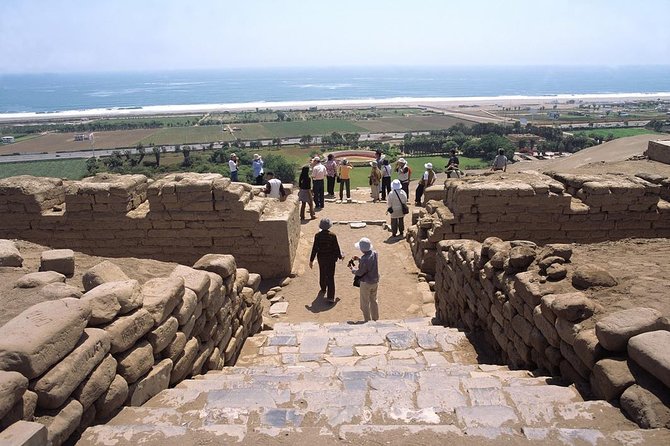
Day 2 brings a longer stretch of sightseeing, but it is one of the best-balanced days in the program. You travel about 30 kilometers south of Lima to Pachacamac, an adobe-built sanctuary overlooking the ocean and the Lurin River Valley.
Pachacamac served as a pilgrimage center for several Peruvian cultures. After the Incas arrived, they adapted the complex for administration while respecting earlier buildings. The Temple of the Sun, Acllahuasi, Taurichumbi Palace, and Pilgrims Plaza show how large and organized the site was.
The on-site museum helps put the ruins into context and displays remains found in the area. I value that pairing. Ruins alone can feel abstract, especially when many structures are made from earth. Museum objects give you something concrete to connect with.
Next comes the Larco Museum, about 30 minutes from central Lima. Its galleries present ancient Peruvian cultures through ceramics and other objects. The warehouse collection is especially useful because it shows a large range of everyday subjects, including faces, fruit, birds, and household objects.
This is not just a museum for specialists. The everyday images make ancient Peru easier to understand, and the visit gives you a break from outdoor heat and walking. Each stop is scheduled for about two hours, so the day has substance without turning into a rushed checklist.
Pisco, sandwiches, and fountains after dark
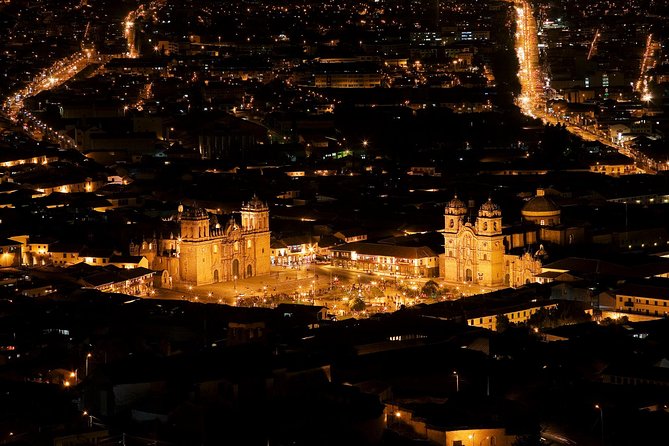
The final part of Day 2 shifts from archaeology to modern Lima. In Pueblo Libre, you stop at an old tavern for Peruvian sandwiches and a drink made with pisco, the country’s best-known liquor.
Food is not included throughout the package, so this tasting is a welcome exception. It also gives you a quick sense of local flavors without requiring a formal meal or a long restaurant visit.
Near dusk, you visit the Magic Water Circuit. The park combines illuminated fountains, music, projections, and interactive water features. Its Guinness World Record claims make it an unusual attraction, but the practical point is simple: it is a lively evening stop after a day of museums and ruins.
You should expect a full day. Pachacamac, the Larco Museum, Pueblo Libre, and the fountains cover different parts of Lima, so transport time adds up. Still, the variety keeps the schedule from feeling repetitive.
A completely different sort of day out from Lima:
- Lima: Ultimate Peruvian Food Tour
★ 4.9 · 700 reviews - Full Day Paracas Ica and Huacachina from Lima All Included
★ 4.5 · 623 reviews - Lima’s Vibrant Heritage: Exploring the City’s Landmarks Half-day
★ 4.5 · 581 reviews - From Lima: Day trip to Paracas, Ica and Oasis Huacachina
★ 4.6 · 409 reviews
Cusco gives you a careful first look
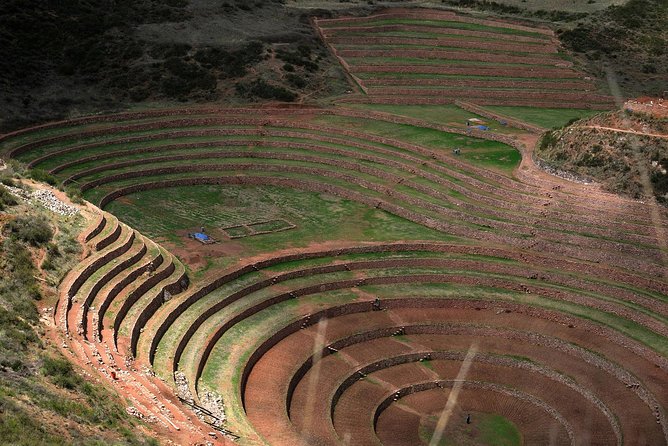
On Day 3, you transfer to the airport and fly to Cusco. The domestic flight is not included, and it must be scheduled in the morning. Arrival by noon is required because the afternoon city tour follows.
The wording in the supplied schedule contains a Lima arrival error, but the rest of the plan clearly places the afternoon tour in Cusco. Ask for the exact pickup and flight arrangements before departure.
Cusco’s first introduction starts at San Cristobal Plaza, where you get a panoramic view over the city. You then visit San Pedro Market. This is a useful choice because it shows what local food and produce supply the city, rather than presenting Cusco only as a collection of monuments.
Korikancha, the Inca Temple of the Sun, comes next. Its Quechua name means Gold Enclosure, a reminder of the wealth once associated with the temple. The Santo Domingo Church was built around the Inca site, creating one of Cusco’s clearest examples of Spanish colonial construction layered over Inca foundations.
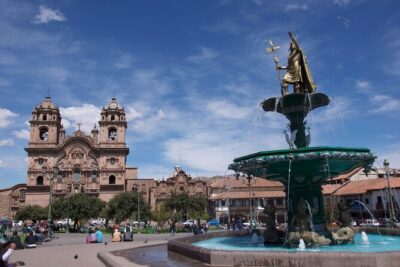
The walking route continues through San Blas, the artisans’ neighborhood, to Hatun Rumiyoc Street. You stop at the former Inca Roca Palace, now the Archbishop’s Palace, and see the famous Twelve Angle Stone. The Cathedral in the Main Square completes the visit with colonial masterpieces.
The official touring time is about two hours, but the route includes walking and uneven historic streets. Take it slowly. Altitude sickness is a real concern, and the tour specifically advises bringing medicine or asking your doctor for guidance before you go.
Sacsayhuaman leaves room to breathe
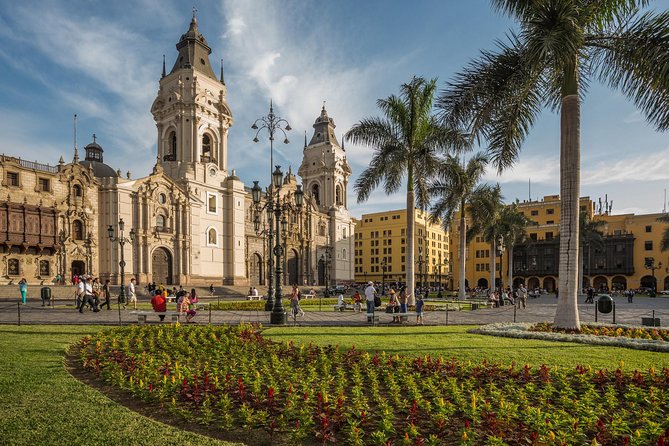
Day 4 focuses on the hills and sites outside central Cusco. Sacsayhuaman is the main event, with enormous stone construction and wide views over the city. The scale is hard to grasp from photographs, and the setting helps you understand why the site mattered.
Qenqo follows, with a sacrificial altar set inside a rock cave. You then continue to Puca Pucara and Tambomachay. Tambomachay is tied to Andean ideas of water, architecture, and the wider cosmic order.
The official visit lasts about two hours, leaving your afternoon free in Cusco. This is one of the smartest features of the route. You can rest, walk a little more, or simply give your body time to adjust before the Sacred Valley.
A first-time visitor may be tempted to fill every spare hour. I would resist that urge here. The free afternoon is part of the value, not empty time.
Pisac and Awanacancha make the Sacred Valley personal
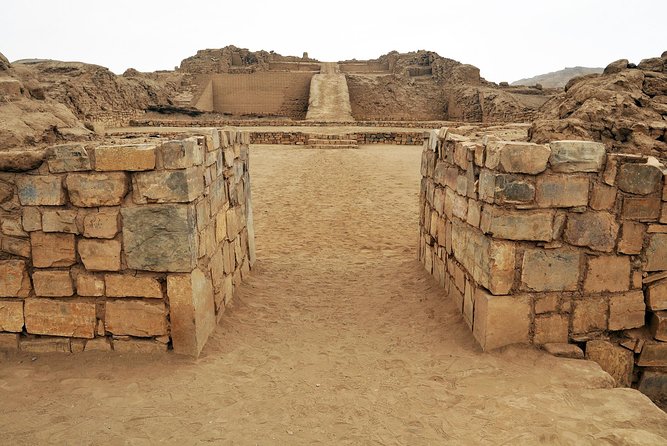
Day 5 is an eight-hour journey through the Sacred Valley, with an overnight stay in the valley rather than a return to Cusco. That saves backtracking and puts you closer to the next day’s sites.
At Awanacancha, you see and feed Andean camelids, including llamas and alpacas. Local people also demonstrate traditional textile weaving and dyeing. This stop adds human skill and living craft to a trip otherwise focused on monuments.
Pisac combines an archaeological site high above the valley with a walk through the colonial town below. The high ruins offer views over the valley, while the handicraft market gives you time to shop. I would treat the market as a chance to compare textiles and prices, not as an obligation to buy.
Lunch is included at the Inkariy Museum, followed by a guided visit. Its rooms use cultural representations of pre-Hispanic civilizations to present ancient Peru. That format may feel more theatrical than the Larco Museum, but it can help families and first-time visitors follow a broad story.
This is another demanding day. You will be moving between several stops, and the combination of high ruins, market time, lunch, and museum rooms requires steady energy. Comfortable shoes are more useful than fashionable ones.
Moray, Maras, and Ollantaytambo reveal Inca engineering
Day 6 is another eight-hour outing, but it takes you to some of the most distinctive sites in the Sacred Valley. Moray is formed by concentric terraces that resemble a large amphitheater. The tour explains them as a way to create about 20 microclimates for agricultural testing and production.
That detail matters because it changes how you look at the terraces. They are not simply dramatic stone circles. They show an attempt to work with altitude, temperature, and crops in a difficult environment.
Maras offers a sharp visual change. Its famous salt mines are made up of white pools set against the green valley. The contrast is excellent for photographs, but the site also shows how mineral-rich water and careful human labor can produce a valuable local resource.
A buffet lunch is included. Afterward, Ollantaytambo brings you back to massive Inca masonry and the techniques used to shape and fit stone. It is one of the places where the engineering story becomes physical. You can see the labor in the walls rather than only hearing about it.
The day ends with a train to Machu Picchu and assistance with hotel lodging. This is a long transition day, so keep your overnight needs compact and easy to reach. Your main luggage arrangements are not detailed in the package, so ask the operator how bags are handled on the train.
Machu Picchu gets the final word
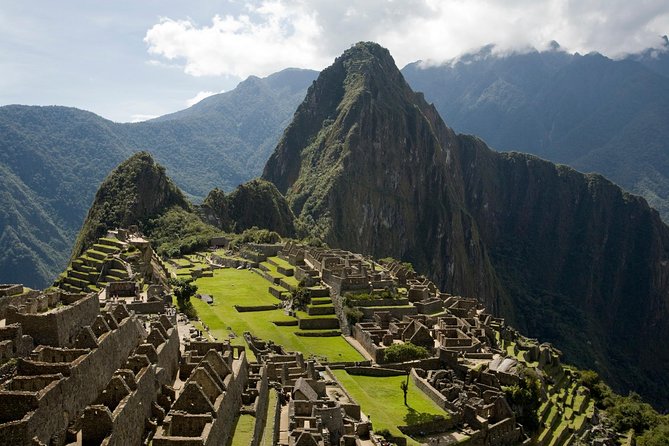
On Day 7, a bus carries you up the winding road to Machu Picchu. The approach includes views of the Urubamba River and its canyon before you enter the archaeological site.
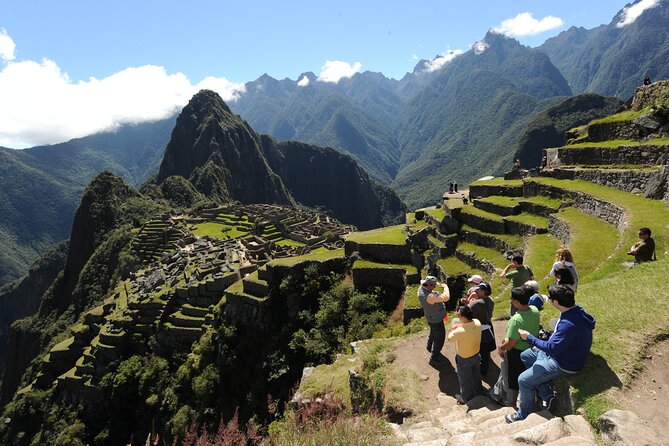
The guided visit covers terraces, ceremonial shrines, stairways, and urban areas. Four hours are scheduled for the Machu Picchu portion, including the visit and related arrangements. Lunch at a nearby restaurant follows.
The guide is important here. Machu Picchu can be visually overwhelming, but context helps you understand how the terraces, water systems, religious areas, and living spaces fit together. The tour’s arrangement means you are not left to solve the bus and site logistics alone.
Later, you return to Cusco and transfer to your hotel. That makes Day 7 a very full day, even though the site visit itself is the clear highlight. You should expect an early start and a late return, with little room for extra plans.
Machu Picchu admission is not refundable, and the date cannot be changed or amended. If you need a different date, you must buy a new ticket. Check your passport details and travel dates before finalizing the booking.
What $1,454 covers, and what it does not
The price is $1,454 per person. Included are seven nights of accommodation, breakfast each morning, two lunches, airport and station transfers, the listed tours, and entry fees.
That package can be good value if you want one company to coordinate a complicated route. Hotels in Lima, Cusco, the Sacred Valley, and near Machu Picchu would cost money on their own, while guided entry and transfers reduce the chance of costly mistakes.
The two Lima to Cusco and Cusco to Lima airfares are not included. Food and drinks are also generally your responsibility, apart from the two listed lunches and the Pueblo Libre tasting. Add those costs before comparing this with a self-planned trip.
Hotel class options are available, but the exact properties are not stated here. If room quality matters to you, ask for the hotel names and locations before paying. A direct review praised clean rooms, which is encouraging, but standards can vary by hotel class.
Who should book this eight-day plan
I would recommend this trip to a first-time Peru visitor who wants the major sights arranged in a logical order. Families may also appreciate the airport assistance, included entries, and the review’s specific praise for the pacing and clean rooms.
It also suits you if you prefer a guide at archaeological sites and do not want to coordinate train and bus connections alone. The maximum group of 12 keeps the format more personal than a large coach tour.
I would think twice if you want long unscheduled stretches, independent restaurant hunting, or strenuous mountain hikes beyond the listed sites. The program is active, and two Sacred Valley days run about eight hours each.
Book only after checking your altitude plan, morning domestic flight, hotel class, and luggage arrangements. The booking information asks for each participant’s passport name, number, expiry date, and country, plus your international and domestic flight details.
The cancellation information should also be clarified in writing. One section says a 90 percent refund is available when canceling 15 days before departure, while the general policy says full cancellation is available up to 24 hours before the start time. Since Machu Picchu tickets cannot be refunded or changed, ask which rule applies to your exact booking.
FAQ
Is airfare between Lima and Cusco included?
No. The Lima to Cusco and Cusco to Lima airfare is not included in the tour price.
How many nights of accommodation are included?
Seven nights are included, with hotels in Lima, Cusco, the Sacred Valley, and near Machu Picchu according to the route and selected hotel class.
Does the tour include breakfast?
Yes. Seven breakfasts are included.
What meals are included?
Two lunches are included. Food and drinks are otherwise not included unless specifically stated. The Pueblo Libre stop includes a Peruvian sandwich tasting and a pisco-based drink.
What time should my flight from Lima to Cusco arrive?
Your flight must be scheduled in the morning. Arrival by noon is too late for the planned afternoon Cusco city tour.
Is Machu Picchu admission refundable or changeable?
No. The Machu Picchu admission ticket is not refundable, and its date cannot be changed or amended. A new ticket is required if you need a different visit date.
Should you book it?
Book this tour if you want Peru’s major sights with the hard connections already arranged. Its best qualities are the small group, thoughtful altitude pacing, strong range of sites, and reliable transfer support praised in the feedback, including specific praise for Gabriela and Viajes Pacificos.
Skip it if you want a loose, independent schedule or plan to add demanding hikes. For a first visit, though, $1,454 can be a fair price for seven hotel nights, guides, entry fees, transfers, breakfasts, and the full Lima to Machu Picchu route. Just budget for flights and personal meals, then confirm the cancellation terms before you commit.
Just added around Lima
- Enjoy Lima Walking Historic Center, Plaza San Martin and Plaza de Armas★ 5.0 · 3 reviews
- Full Day Lima: Local Market+ CityTour+ Barranco & Miraflores★ 5.0 · 3 reviews
- City Tour 1 day Lima★ 5.0 · 3 reviews
- Lima: Lunuhuaná Extreme All In + Cerro Azul + Rafting + ATV + Canopy★ 4.4 · 3 reviews
- Lima: Street Food Tasting Tour with Pisco Sour Class★ 5.0 · 3 reviews
- Lima: Villa El Salvador Shanty Town Tour★ 5.0 · 3 reviews
- Tour Panorámico en Miraflores en Scooter Eléctrico★ 4.6 · 3 reviews
- Private Tour Casa Aliaga,San Francisco Convent, Larco Museum★ 4.8 · 3 reviews
8-Day Experiences, compared.
8-Day All-Inclusive Peru Tour: Cusco, Machu Picchu, and More
Read our review →
Browse the lists this tour appears in