
Reviewed · MACHU PICCHU TOURS
4 Days Inca Trail To Machu Picchu
Machu Picchu feels best when earned on foot. This four-day route combines three nights of tent camping with Inca ruins, mountain passes, and a guided visit to Machu Picchu. I like the strong organization, including hotel pickup in Cusco, meals, porters, train tickets, and the entrance fees. I also like the small maximum group size of 15, which should make the walking pace and guide’s explanations easier to manage.
The main caution is simple: this is a demanding trek, not a relaxed sightseeing trip. Day two climbs to 13,779 feet, camps are basic, and the bathrooms and showers may be far below what you are used to. At $725.20 per person, the package offers good value for a licensed Inca Trail experience, but you still need to budget for a sleeping bag, walking sticks if wanted, and optional tips.
In This Review
- Key Things To Know Before You Book
- What The $725.20 Price Really Covers
- Day One: Early Pickup And The First Inca Ruins
- Day Two: Warmiwañusca And The Hardest Climb
- Day Three: Runcurakay, Phuyupatamarca And Wiñaywayna
- Day Four: The Sun Gate And Machu Picchu
- Food, Porters And Camp Support
- How Fit Do You Need To Be?
- Guides And Group Size
- Who Should Book This Four-Day Trek?
- Should You Book It?
- FAQ
- How long does the Inca Trail tour last?
- What is included in the price?
- Is a sleeping bag included?
- How high does the route climb?
- How large is the tour group?
- Can I cancel for a full refund?
Key Things To Know Before You Book
- The highest point is 13,779 feet: Day two is the hardest section, with a long climb to Warmiwañusca, also called Dead Woman’s Pass.
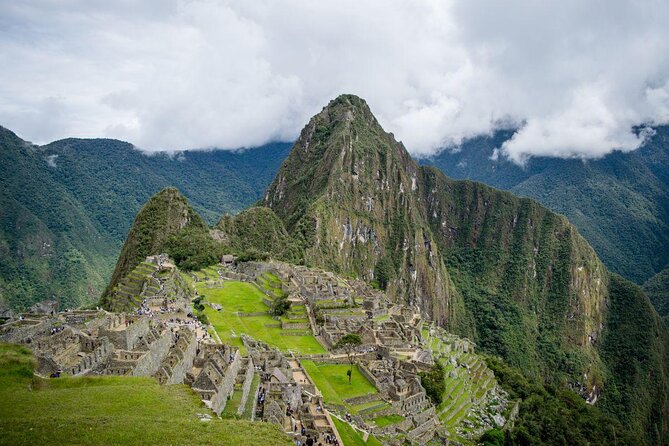
- You enter Machu Picchu through the Sun Gate: On day four, you walk through Inti Punku before reaching the citadel.
- Meals are a major part of the experience: Three breakfasts, four lunches, three dinners, and three snacks are included.
- The group is limited to 15 people: That is a useful size for a guided mountain trek.
- You need an advance reservation: The Inca Trail and Machu Picchu tickets depend on availability, and the tour is booked an average of 99 days ahead.
- The return journey includes train and road transfers: After lunch in Aguas Calientes, you take the train to Ollantaytambo, then a vehicle back to your Cusco hotel.
What The $725.20 Price Really Covers
The price is not just payment for a guide and a walk. It covers the main pieces that make the Inca Trail possible: the trail permit, Machu Picchu entrance, camping equipment, meals, porters, train tickets, buses, and transport between Cusco and the trail.
You receive a tent shared by two people and a foam mattress for each person. Food includes breakfast on three mornings, lunch on all four days, dinner on the first three nights, and three snacks. The package also includes the round-trip train between Ollantaytambo and Aguas Calientes, plus the bus between Aguas Calientes and Machu Picchu.
That is a useful bundle. Arranging these parts separately can be awkward because permits and entry times are controlled. Here, the company handles the main connections, including a representative meeting you at Ollantaytambo with a sign before the ride back to Cusco.
The price does not include unlisted meals, a sleeping bag, or walking sticks. Both sleeping bags and walking sticks can be rented from the operator. Tips for the guide, porters, and chef are optional, so you can decide what feels appropriate at the end.
One important point: the Inca Trail and Machu Picchu entrance tickets are subject to availability. You should not treat the stated price as a guarantee until the booking is confirmed. Confirmation is received at the time of booking, but the permits themselves remain the key limit.
More Inca Trail Treks in Cusco
- Cusco: 4-Day Inca Trail to Machu Picchu with Accommodation
★ 4.8 · 432 reviews - From Cusco: 7 Lakes Ausangate Trek with Breakfast and Lunch
★ 4.8 · 360 reviews - Cusco: Machu Picchu 2-Day Inca Trail with Panoramic Train
★ 4.9 · 260 reviews
Day One: Early Pickup And The First Inca Ruins
Your day begins around 4:20 a.m. with hotel pickup in Cusco. That is an early start, but it allows the group to reach kilometer 82, the official starting point, and pass through the checkpoint with enough time for the first walking section.
Bring your passport. You must show it at the checkpoint before entering the trail.
The first walk lasts about two hours before reaching Patallacta. This is an important early reward: an Inca site set beside the route, with terraces and stonework that introduce the purpose of the trail. It is not just a warm-up walk through the hills. You begin seeing the engineering that makes this route special.
At Patallacta, you meet the porters and cook and have lunch. This handoff matters because the support team carries the camping equipment and helps turn a remote trail into a workable four-day trip. The food is one of the most praised parts of the experience, with large portions and meals described as close to restaurant quality.
After lunch, you continue toward the Huayllabamba camp. The first day is generally described as the easier day, though you still have an early departure, transport from Cusco, a checkpoint, and several hours on foot. Dinner is served at camp, followed by your first night in a tent.
Do not expect comfort in the usual hotel sense. The camping facilities are basic, and some camps have limited bathrooms and showers. That is part of the bargain here, but you should be ready for a night without electricity and with only simple trail facilities.
Day Two: Warmiwañusca And The Hardest Climb
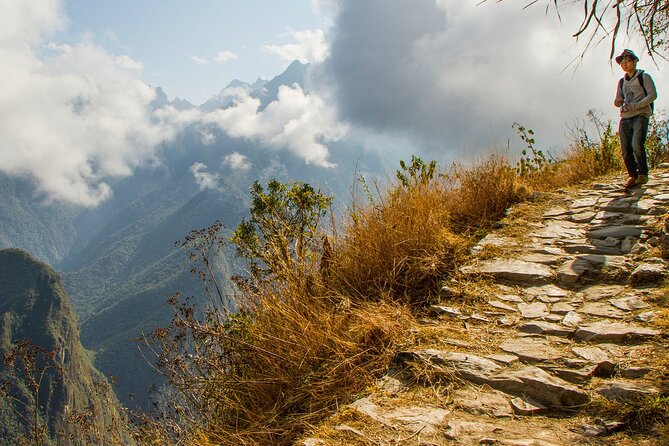
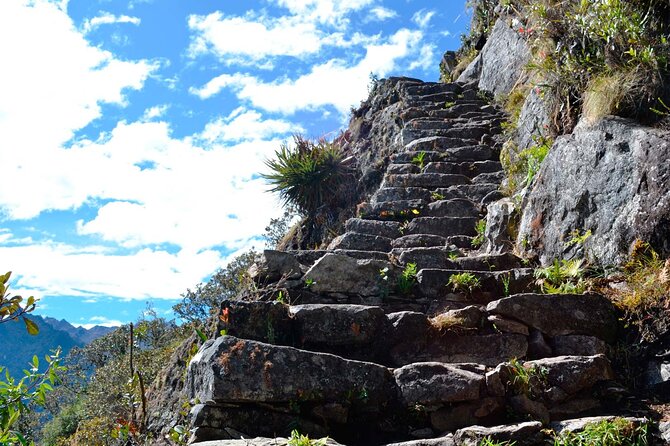
Day two is the physical test. After breakfast, the route climbs toward Warmiwañusca, the pass known as Dead Woman’s Pass. The highest point reaches 13,779 feet, so altitude adds to the effort.
The climb takes about three hours before you reach the pass, according to the planned schedule. The exact pace will depend on the group, but you should expect a steady ascent with many stone steps. One of the clearest practical lessons from the feedback is that the second day feels difficult because the stairs seem to keep going.
Reaching the top is a real achievement. You get a strong sense of why preparation matters, and the view from the pass gives the climb a clear purpose. After the pass, you have lunch and begin a long descent toward Pacaymayo.
The downhill section may sound easier, but it can be hard on knees and thighs. Walking sticks are not included, though they can be rented. If you know that descents bother you, this is the day when a pair of poles could be especially useful.
Dinner and the second night take place at Pacaymayo. By this point, the support crew becomes central to the experience. The guide sets the rhythm, the porters move camp equipment, and the cooks provide the hot meals that help restore your energy. Several comments about the trip praise the patience of the staff and the quality of the cooking, including four-course meals prepared by a chef named Dante on one departure.
Day Three: Runcurakay, Phuyupatamarca And Wiñaywayna
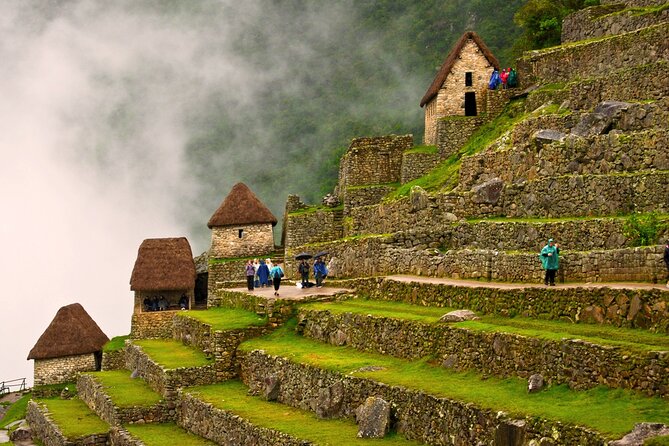
Day three covers about 15 kilometers and mixes ruins, stone paths, mountain views, and a steady series of climbs and descents. It is not as concentrated as the climb to Dead Woman’s Pass, but it is still a full day of walking.
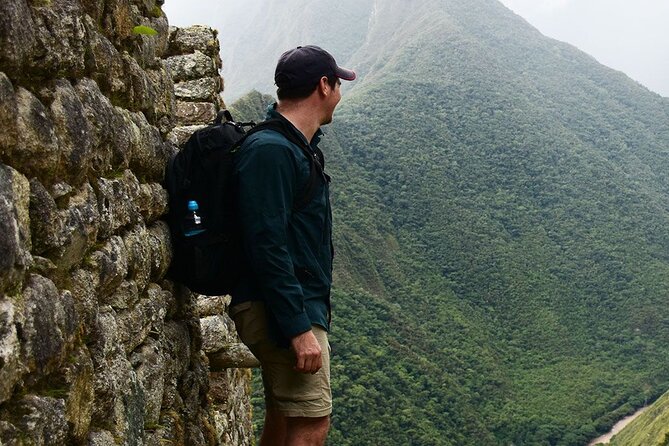
The route passes Runcurakay and Chaquicocha before lunch. These sites show how the Inca Trail works as a chain of roads, rest points, settlements, and ceremonial places rather than a single isolated path. Your guide’s explanations are particularly useful here, since the stone remains can otherwise be easy to miss among the surrounding peaks.
After lunch, you continue to Phuyupatamarca, whose Quechua name means City Above the Clouds. The location gives the site its appeal, with stone structures placed high along the route. This is one of the moments when the trek feels like more than a long walk to a famous destination. You are seeing Inca construction in stages, day after day.
The final stop is Wiñaywayna, where you spend the night. This site is one of the most memorable points on the route because of its terraces and position close to Machu Picchu. Reaching it late in the trek builds anticipation for the next morning.
Day three is also when the basic conditions may feel most noticeable. You sleep in a tent again, use simple camp facilities, and have no promise of electricity. I would pack with that in mind: keep your headlamp, warm layer, toiletries, and water easy to reach rather than buried in your main bag.
More Machu Picchu Tours in Cusco
- From Cusco: Full-Day Group Tour of Machu Picchu
★ 4.7 · 1,767 reviews - Machu Picchu Day Trip from Cusco
★ 4.5 · 1,644 reviews - Machu Picchu: Full-Day Tour from Cusco with Optional Lunch
★ 4.6 · 927 reviews - From Cusco: 2-Day Trip to the Sacred Valley and Machu Picchu
★ 4.6 · 265 reviews
Day Four: The Sun Gate And Machu Picchu
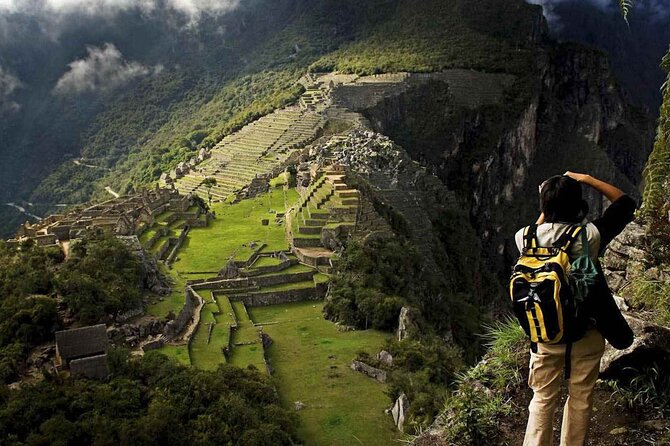
The final morning starts with a walk toward Inti Punku, the Sun Gate. This is the symbolic high point of the trek. Instead of arriving at Machu Picchu by road and seeing the citadel immediately, you approach it from the Inca Trail.
From the Sun Gate, the route descends toward Machu Picchu, at about 7,970 feet. You show your entry ticket at the entrance, then take part in a guided tour lasting about two and a half hours. The tour explains the citadel and gives structure to your first visit.
You also receive free time for photos and independent exploration. That balance works well. A guide can explain the main places, but you still get room to look around at your own pace and take in the setting without listening every minute.
The published schedule gives roughly three hours for the Inca Trail and Machu Picchu visit, though the precise time inside the site can depend on entry controls and the day’s arrangements. If you want to climb Huayna Picchu or Machu Picchu Mountain, you need to request it in advance and reserve the additional access. It is not automatically part of this package.
After Machu Picchu, you go down to Aguas Calientes for lunch. The town is the practical end point of the walking portion, and the one-hour stop gives you time to eat before the return connections.
The train takes you from Aguas Calientes to Ollantaytambo. At the station, a Chullos Travel Peru representative meets you and takes you to the vehicle returning to Cusco and your hotel. Having someone meet you at this point is useful after four tiring days, especially if you are not familiar with the station or onward road transfer.
Food, Porters And Camp Support
Food can make or break a trek, and this package puts real effort into feeding the group. You receive three breakfasts, four lunches, three dinners, and three snacks. Portions are described as generous, and the cooking receives unusually strong praise.
That does not mean every meal will suit every diet. The supplied details do not specify vegetarian, vegan, gluten-free, or allergy arrangements, so you should ask the operator before departure if you have dietary needs.
The porters and cook are not background details. They carry the equipment, prepare meals, and keep the camp functioning while you walk with a lighter day pack. The guide, porters, chef, and assistant form the working team that makes the package possible.
Tips are optional. You should view them as a personal choice, not a required charge. If the crew handles the route, meals, camp, and transfers well, you may want to set aside money for tips, but the tour price does not force you to do so.
How Fit Do You Need To Be?
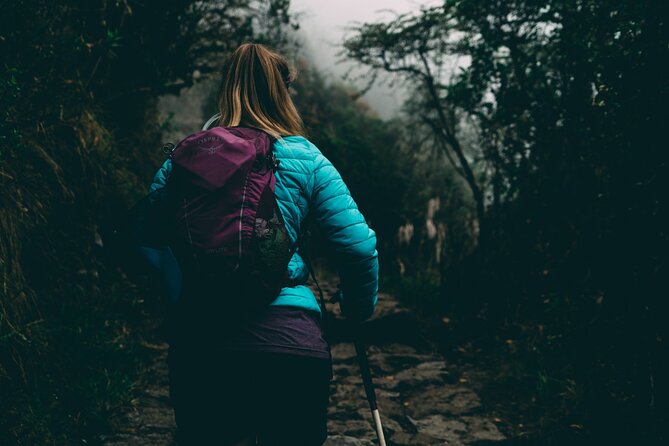
The official requirement is a moderate level of physical fitness. In practical terms, that means you should be ready for four consecutive days of walking, uneven stone paths, significant stairs, a high pass, and a long descent.
You do not need to be an elite athlete, but casual city walking alone may not prepare you for day two. The most useful preparation is regular walking with hills or stairs, especially if you can carry a small day pack. Build up gradually rather than trying one huge workout shortly before departure.
The altitude is another consideration. The high point is 13,779 feet, and the route begins after an early transfer from Cusco. The tour information does not promise a special acclimatization program, so you should take your own preparation seriously and ask a medical professional for advice if altitude is a concern.
This trip suits people who want the route itself, not just the final photograph. It is a good match for hikers interested in Inca sites, mountain scenery, and a simple outdoor experience. It is less suitable if you need private bathrooms, comfortable beds, flexible sleeping hours, or a low-effort visit to Machu Picchu.
Guides And Group Size
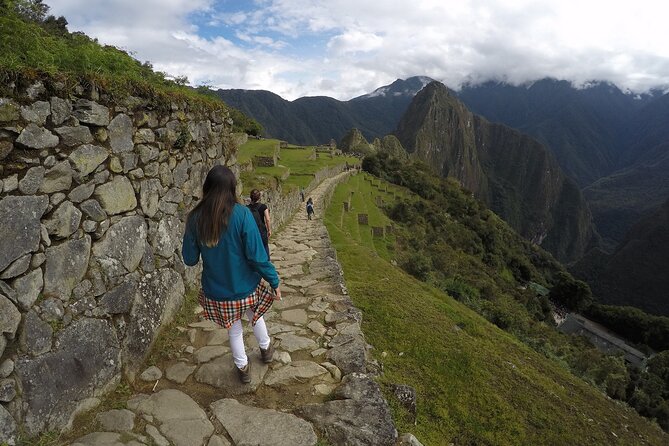
The maximum group size is 15 people. That is small enough for a guide to keep track of the group while still giving you the social energy of a shared trek.
The guide team receives high marks for fluent English, positive attitudes, cultural explanations, and patience. Guides named in the feedback include Alexsandro, Julio, Marcial, and Dante, though Dante is identified as a chef on one departure rather than a guide. The company name also appears in the support responses as Machu Picchu Journey, while the experience provider is listed as MachuPicchu Journey.
The best value of a guide is not simply finding the trail. It is learning what you are looking at. Runcurakay, Phuyupatamarca, Wiñaywayna, and the wider route make more sense when someone explains their role in the Inca road system and the meaning of the Quechua names.
Who Should Book This Four-Day Trek?
I would recommend it to you if you want a classic Inca Trail finish, enjoy active trips, and accept basic camping as part of the experience. The combination of permits, meals, porters, guide service, Machu Picchu entry, and return transport removes much of the planning burden.
Families and friend groups may also find the package appealing, provided everyone can manage the physical demands. The small maximum group and repeated praise for organization help make a shared booking easier.
I would hesitate if you want a quick visit or dislike early starts. The first pickup is around 4:20 a.m., day two is genuinely hard, and the camp facilities are modest. The tour is also not the right choice if you want a guaranteed Huayna Picchu or Machu Picchu Mountain climb, since those require advance arrangements and are not included automatically.
Free cancellation is available up to 24 hours before the experience begins. After that point, the amount paid is not refunded, and late changes are not accepted. Since permits are limited, book early, but read the ticket and cancellation terms carefully before paying.
Should You Book It?
Book this four-day Inca Trail trip if the walk to Machu Picchu matters as much as Machu Picchu itself. The price is fair for the permits, food, camping setup, guide team, porters, buses, train, and Cusco transfers included.
Before you commit, confirm ticket availability, ask about any dietary needs, arrange a sleeping bag, and consider renting walking sticks. Prepare for the high pass and basic camps. If you do those things, this gives you the full route experience, with the Sun Gate arrival providing a far more memorable entrance than simply reaching the ruins by bus.
FAQ
How long does the Inca Trail tour last?
The experience lasts approximately four days and includes three nights of tent camping before the guided Machu Picchu visit and return to Cusco.
What is included in the price?
The package includes entrance tickets for the Inca Trail and Machu Picchu, a tent shared by two people, a foam mattress per person, three breakfasts, four lunches, three dinners, three snacks, round-trip train tickets between Ollantaytambo and Aguas Calientes, round-trip bus tickets between Aguas Calientes and Machu Picchu, and transfers from Cusco.
Is a sleeping bag included?
No. A sleeping bag is not included, but it can be rented from the operator. Walking sticks are also available to rent.
How high does the route climb?
The highest point is Warmiwañusca, or Dead Woman’s Pass, at approximately 13,779 feet.
How large is the tour group?
The maximum group size is 15 people.
Can I cancel for a full refund?
Yes, if you cancel at least 24 hours before the experience start time. Cancellations made less than 24 hours before the start are not refunded, and changes within that period are not accepted.
More Treks to Machu Picchu
- Short Inca trail to MachuPicchu || 2days – 1nigth ||
★ 5.0 · 103 reviews - Salkantay Trek Challenge – 3 Days / 2 Nights
★ 5.0 · 101 reviews - Small Group 5 Days Salkantay and Machu Picchu by Llactapata Tour
★ 5.0 · 88 reviews - Choquequirao Trek 4 days and 3 nights
★ 5.0 · 81 reviews
More Ways to Reach Machu Picchu
- From Cusco: 2-Day Inca Trail to Machu Picchu
★ 4.2 · 244 reviews - Machu Picchu: Inca Trail 2-Day Overnight Guided Tour
★ 4.9 · 203 reviews - The First Class Machu Picchu Train by Inca Rail
★ 4.0 · 182 reviews - From Cusco: 1-day Machu Picchu Tour by Train
★ 4.6 · 138 reviews
Just added around Cusco
- Cusco: Rainbow Mountain and viewpoint red valley ( optional)★ 4.8 · 3 reviews
- Tour Pallay Punchu Trek Full Day★ 4.2 · 3 reviews
- Montaña de Colores: tour en cuatrimotos día completo★ 3.3 · 3 reviews
- Excursion Cusco – Puno – Titicaca Observatory Train★ 5.0 · 3 reviews
- Cusco: Palcoyo Mountain Day Trip with Breakfast and Lunch★ 4.8 · 3 reviews
- Maras Moray★ 5.0 · 3 reviews
- Tour to Laguna Humantay with breakfast and lunch from Cusco★ 4.7 · 3 reviews
- From Cusco:Chinchero, Moray, Maras, Ollantaytambo with lunch★ 5.0 · 3 reviews
Machu Picchu Tours, compared.



Machu Picchu: Full-Day Tour from Cusco with Optional Lunch
Read our review →
4-Day Inca Trail to Machu Picchu with Accommodation
Read our review →
2-Day Trip to the Sacred Valley and Machu Picchu
Read our review →
Machu Picchu 2-Day Inca Trail with Panoramic Train
Read our review →

Machu Picchu: Inca Trail 2-Day Overnight Guided Tour
Read our review →Browse the lists this tour appears in