
Reviewed · PISCO & PERUVIAN FOOD
Winery and Pisco Distillery tour
Pisco tastes better where it is made. This half-day outing gives you a useful look at Ica’s wine country, from the grand grounds of Hacienda Tacama to small family-run bodegas where pisco, wine, and cachina are still central to daily work. I like the included hotel transport and the small group limit of 12, which can make a long afternoon feel personal rather than rushed. I also like the mix of a polished historic winery and modest artisan producers.
The main drawback is the pace. Three winery visits, tastings, transport, and lunch time can fill five to six hours, and one stop may feel like one too many if you prefer a slow, focused visit. Tacama also costs an extra PEN 25, paid by card or cash, so the advertised price is not the complete cost.
In This Review
- Key points to know before booking
- Why Ica is the right place for a pisco tour
- The $30.77 price and what it covers
- Hacienda Tacama: the polished historic opening
- El Arrabal and the pace of the Pisco Route
- La Vieja Bodega Lovera and its old cellar
- Bodega Nietto and four generations of family work
- The tasting experience: compare, do not rush
- Transport, meeting points, and the small-group setup
- Timing and who will enjoy it most
- Should you book the Ica winery and pisco tour?
- FAQ
- How long does the winery and pisco tour last?
- How much does the tour cost?
- Is Tacama’s entrance fee included?
- What happens if I book on a Monday?
- Is lunch included?
- Where can I be picked up?
- Where will I be dropped off?
- How many people can join the tour?
Key points to know before booking
- Tacama is the grand opening stop: You visit South America’s oldest winery, with wine, pisco, and sparkling wine tastings.
- Three producers give you useful contrast: Tacama, El Arrabal, and Bodega Nietto show different sides of Ica’s drinks industry.
- The group is capped at 12 people: That is small enough for easier questions and a less crowded ride.
- Lunch is not included: You get free time to eat at the vineyard restaurant, but the meal is your own expense.
- Monday follows a different route: Tacama closes for the day, so Bodega Vista Alegre replaces it.
- Hotel and bus-station pickup are available: Holiday drop-offs follow a different arrangement, ending at the operator’s Ica office or Plaza de Armas.
Why Ica is the right place for a pisco tour
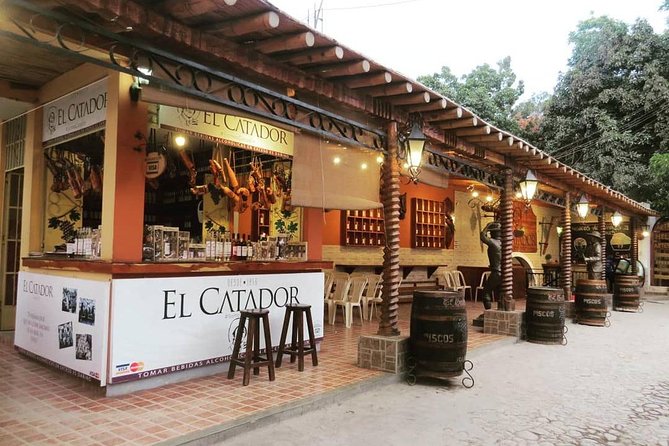
Ica is one of Peru’s key wine and pisco areas, and this tour lets you connect the drink with its setting and production. Instead of tasting pisco from a shop shelf, you visit the places that make it and hear how each producer presents its work.
Pisco is Peru’s national liquor, so this is more than a standard winery visit. You get a look at a drink that carries real national importance, along with wines and sparkling wines made from local grapes. The tasting format also lets you compare products rather than judge one bottle in isolation.
The tour works best if you want an introduction rather than a specialist production course. The supplied details do not promise an in-depth technical lesson on distillation, grape varieties, or barrel aging. You should expect guided visits, tastings, local background, and time to see several producers in one afternoon.
More pisco tastings and Peruvian food:
- ICA: Pisco and Wine Route with tasting in 03 Wineries
★ 4.3 · 80 reviews - Ica: Tacama Winery and Pisco Tasting Tour with Hotel Pickup
★ 3.1 · 3 reviews - Ica: Winery Tour with Pisco and Wine Tasting
★ 4.6 · 3 reviews
The $30.77 price and what it covers
At $30.77 per person, the tour offers solid value if you are staying in Ica or Huacachina and want transport arranged for you. The price includes pickup at an Ica hotel, pickup from a bus station, entry to the listed tourist sites, visits to El Arrabal, Bodega Nietto, and Tacama, plus pisco and wine tastings.
That transport matters. Ica’s wineries are spread around the area, and arranging several visits alone can take time and local know-how. Here, you can leave the driving and route planning to the operator, then return to your hotel in Ica after the visits.
Budget an additional PEN 25 for Tacama’s entrance fee. Meals and lodging are also excluded. The lunch break is useful, but it is not a free meal. If you are counting every sol, add the Tacama fee and lunch to the advertised price before deciding.
The tour is commonly booked about 15 days ahead. That does not mean you must always reserve two weeks in advance, but it is a sensible guide during busy periods. Several departure times are offered, which helps if you are fitting this around a bus arrival or another Ica activity.
Hacienda Tacama: the polished historic opening
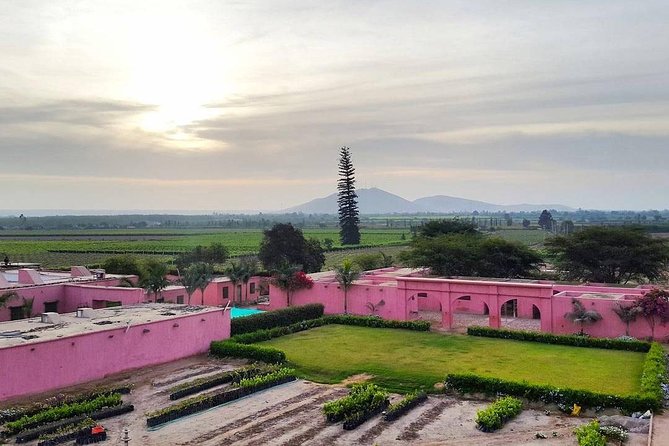
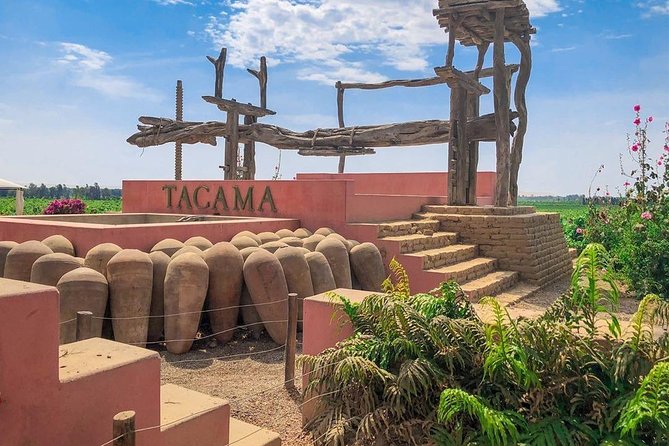
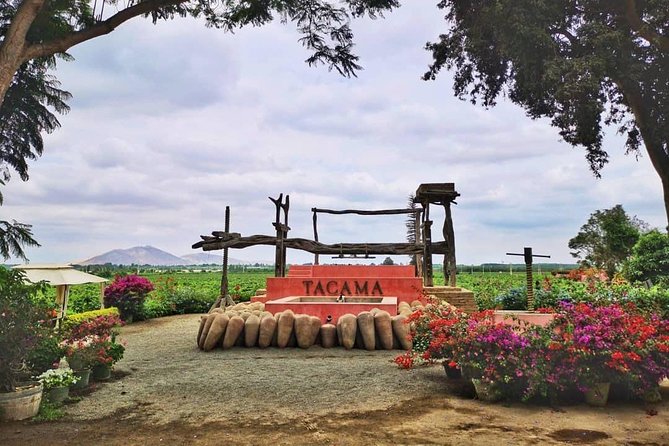
The day begins at Hacienda Tacama, described as the oldest winery in South America. Its long-running operation and formal setting give the tour an impressive first stop, especially if you enjoy buildings and places with a sense of age.
Tacama produces wine, pisco, and sparkling wine from fine grapes. The visit includes tastings of its products, so you can sample more than one style of drink while learning how the estate presents its work.
This is likely the most polished stop on the route. One particularly positive account singled out Tacama’s building and overall visit as the afternoon highlight. That makes sense: a major historic winery provides a strong visual contrast to the smaller artisan bodegas later in the day.
You should pay attention to the extra entrance cost here. Tacama’s PEN 25 ticket is not included in the tour price, even though the visit itself is part of the planned route. Keep cash or a card ready.
Tacama closes on Mondays. On that day, the tour replaces it with Bodega Vista Alegre, described as a winery of the same category. If Tacama is the main reason you want to book, avoid Monday and check the date carefully before paying.
El Arrabal and the pace of the Pisco Route
The route then moves to Fundo, Hotel El Arrabal, and its tourist winery. El Arrabal is an artisan producer where wine and pisco traditions have been kept going over the years.
This stop helps balance the more formal feel of Tacama. At a smaller winery, the focus is less on a grand estate and more on the ongoing craft of making and serving local drinks. You will have another tasting, giving you a chance to compare the products with those at Tacama.
El Arrabal also provides free time for lunch at the vineyard restaurant. This is a practical part of the schedule because five to six hours is a long outing, and a meal break prevents the tour from becoming one continuous round of samples.
The tradeoff is that lunch adds time and money. The meal is optional and not included, so you can choose what fits your budget. The tour information does not specify a set menu or meal price, so do not assume lunch is covered by the booking.
One Italian-language account praised the meal, which suggests the restaurant can be an important part of the afternoon for people who want a relaxed break. Still, I would treat lunch as a flexible stop rather than the main reason to book.
More vineyards and tastings:
- ICA! City Tours + Huacachina + Buggy + Sandboarding + Wine Cellar.
★ 4.5 · 29 reviews - From Ica or Huacachina: Tour to Tacama Vineyard and Artisanal Winery.
★ 4.0 · 4 reviews - Lima: Paracas & Huacachina Oasis Day Trip with Wine & Dunes
★ 4.7 · 266 reviews - From Lima: Ballestas Islands, Huacachina, and Vineyard Tour
★ 4.7 · 56 reviews
La Vieja Bodega Lovera and its old cellar
The route also includes La Vieja Bodega Lovera, another artisan winery. Its pisco, wine, and cachina are the main attractions, but the cellar adds a different reason to visit.
The winery keeps an authentic Spanish cava, or cellar, dating from the 16th and 17th centuries. That detail gives the stop a historical edge that goes beyond tasting. If you like old spaces and the physical side of wine production, this may be one of the more memorable visits.
The supplied tour details place Lovera within the route after El Arrabal. The included-services section names El Arrabal, Bodega Nietto, and Tacama, so it is worth confirming the exact stop sequence and inclusions when you book. The itinerary clearly describes a visit to Lovera, but the wording around inclusions is not perfectly consistent.
That small bit of uncertainty is not a reason to reject the tour. It is simply a good question to ask in advance, especially if one particular bodega matters to you.
Bodega Nietto and four generations of family work
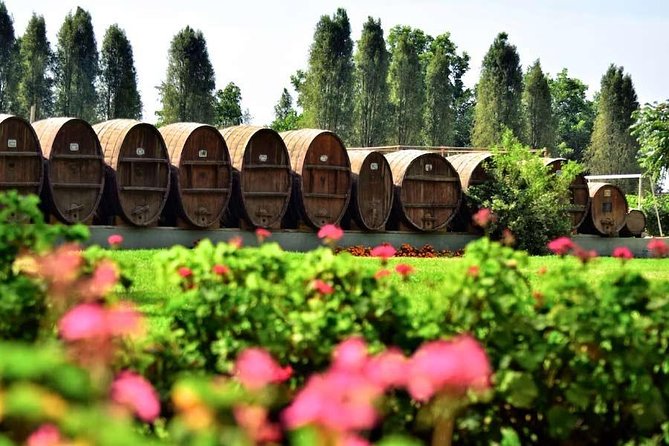
Bodega Nietto offers a more intimate family story. The winery was founded by the Gonzalez Misa family in 1857, and the fourth generation currently manages it.
Here, pisco, wine, and cachina again take center stage. The value of the visit comes from seeing how a family business has continued across generations, rather than from expecting a large industrial facility.
This is the sort of stop that makes the tour feel connected to Ica rather than like a generic tasting package. You are not visiting only one famous name. You are seeing how different producers present the same regional traditions.
Bodega Nietto is listed as an included visit, with entry and tasting covered. After the route, the operator transfers you back to your hotel in Ica. That return ride is helpful if you have had several samples and do not want to arrange your own transport.
The tasting experience: compare, do not rush
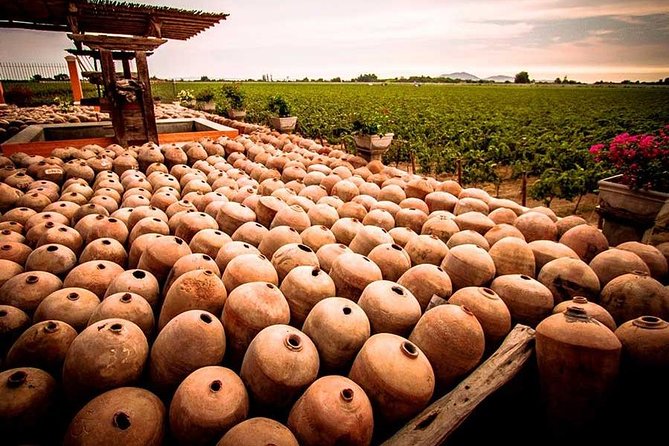
The tastings cover pisco and wine at the wineries you visit. Because the producers differ in size and character, the best approach is to compare rather than simply count how many samples you receive.
Notice which products you prefer, how each bodega explains its drinks, and how the formal Tacama setting differs from the artisan producers. Cachina is also part of the visits at the smaller bodegas, adding another local drink to the tasting line-up.
The tour is not presented as a cocktail class or a detailed spirits seminar. You should book it for a broad introduction to Ica’s wine and pisco scene, not for advanced tasting instruction.
Pace yourself. The tour includes several producers, and one rating specifically found three winery visits to be one too many. That is a fair warning for anyone who prefers long conversations and quiet tastings. If you enjoy variety, the same schedule will feel worthwhile because each stop offers a different setting and story.
Transport, meeting points, and the small-group setup
Pickup is available from hotels in Ica and Huacachina, as well as from the bus station. If you arrive by bus, give clear arrival details when booking. One guest had a smooth meeting arrangement despite coming into town by bus, which shows why advance communication matters.
On holidays, pickup is made at Plaza de Armas and Huacachina. Drop-off then changes: you may finish at the operator’s Ica office or at Plaza de Armas in Ica instead of at your hotel. This is easy enough to manage, but it affects your plans after the tour.
The group maximum is 12 people. That is not a private tour, but it is small enough to keep the guide within reach. You can ask questions without trying to catch someone’s attention across a large coach.
The exact guide may vary. Sam handles communication, while guides named in the feedback include William and Raul. William was praised for making the route feel like an outing with a local friend, and Raul was noted for sharing regional history and helping coordinate a smooth connection with a later tour.
That communication is one of the tour’s strongest practical points. Sam was described as clear and responsive, including with a last-minute booking. You should still send your hotel, bus, and return-plan details early, since good coordination depends on accurate information from both sides.
Timing and who will enjoy it most
Plan on five to six hours. The individual visits are listed at roughly two hours for Tacama and the second route segment, plus one hour for Bodega Nietto, although travel and lunch are part of the wider schedule.
This is a good choice if you are based in Ica or Huacachina and want a ready-made half-day activity. It also suits people who enjoy tasting several local products, comparing large and small producers, and hearing regional background during the drive.
You will probably like it less if you want a single long winery visit with plenty of unstructured time. The route covers several places, and the schedule can feel full. It is also not aimed at anyone seeking a fully private experience or a technical course in pisco production.
Most people can participate, according to the supplied tour information. The experience depends on good weather and a minimum number of bookings. If the operator cancels for either reason, you are offered another date or experience, or a full refund.
For cancellations, you can receive a full refund if you cancel at least 24 hours before the start time. Changes or cancellations inside that window are not accepted for a refund.
Should you book the Ica winery and pisco tour?
I would book this tour if you want an easy, well-organized introduction to Ica’s pisco country. The strongest reasons are the included transport, small group size, mix of historic and family wineries, and clear communication from Sam and the guides.
Add PEN 25 for Tacama and set aside money for lunch. Avoid Monday if Tacama is essential, and confirm the exact route if you especially want La Vieja Bodega Lovera. If three winery visits sound tiring, choose another activity or expect to keep the tastings brief.
For most people spending time in Ica or Huacachina, this is a good-value half-day. It gives you local drinks, old cellars, family history, and a practical way to reach several wineries without arranging transport yourself.
FAQ
How long does the winery and pisco tour last?
The tour lasts approximately five to six hours.
How much does the tour cost?
The listed price is $30.77 per person.
Is Tacama’s entrance fee included?
No. Tacama charges an additional PEN 25 per person, payable by card or cash.
What happens if I book on a Monday?
Hacienda Tacama is closed on Mondays. The tour visits Bodega Vista Alegre instead, described as being of the same category as Tacama.
Is lunch included?
No. You receive free time for lunch at the El Arrabal vineyard restaurant, but you pay for the meal yourself.
Where can I be picked up?
Pickup is available from hotels in Ica or Huacachina and from the bus station. On holidays, pickup is at Plaza de Armas and Huacachina.
Where will I be dropped off?
The normal arrangement includes transfer back to your hotel in Ica. On holidays, drop-off is at the operator’s Ica office or Plaza de Armas in Ica.
How many people can join the tour?
The maximum group size is 12 people.
Just added around Ica
- Ica: Tacama Winery and Pisco Tasting Tour with Hotel Pickup★ 3.1 · 3 reviews
- Ica: Winery Tour with Pisco and Wine Tasting★ 4.6 · 3 reviews
- From Ica | Buggy excursion through the Huacachina Desert★ 4.7 · 3 reviews
- Ica | Huacachina: Desert Glamping | Night Under the Stars★ 5.0 · 4 reviews
- From Ica || Full Day Excursion to Los Perdidos Canyon ||★ 3.9 · 4 reviews
- Ica / Huacachina : Canon de los Perdidos – Ica’s Hidden Gem★ 4.7 · 4 reviews
- CITY TOUR ICA-HUACACHINA+BUGGIES IN PRIVATE CAR FROM PARACAS★ 3.4 · 4 reviews
- From Ica or Huacachina: Tour to Tacama Vineyard and Artisanal Winery.★ 4.0 · 4 reviews
Pisco & Peruvian Food, compared.

Cook an Authentic Ceviche And Peruvian Pisco Sour!
Read our review →
Pisco and Wine Route with tasting in 03 Wineries
Read our review →
Cusco by Night: Planetarium Cusco, Dinner, and Pisco Sour
Read our review →
Ballestas island & Paracas reserve from PISCO CRUISESHIP TERMINAL
Read our review →
Larco Museum, Pisco Old Tavern and Magic Water Circuit Evening Tour
Read our review →
Historic Walking Tour with Pisco Sour and Music Show
Read our review →
Miraflores: Amazing Peruvian Cooking Class Ceviche Seafood and Pisco Sour
Read our review →
Browse the lists this tour appears in