
Reviewed · FOOD & DRINK
Ica: Tacama Winery and Pisco Tasting Tour with Hotel Pickup
Pisco tastes better with a story. This Ica outing links three traditional wineries with generous tastings, old production tools, and a look at the valley’s wine-making past. I like the easy hotel pickup and the small group limit of 10 people. I also like the mix of polished Tacama and more rustic family-style stops. The main concern is the low overall rating and one failed pickup, so you should confirm your meeting details before departure.
I especially like the human touch described by Tatiana, who praised her driver, William, for explaining important places along the road and suggesting food. That kind of local commentary can turn a simple transfer into part of the visit. Still, the published duration says 3 days, while the program reads like a single winery outing, so ask the operator to confirm the exact schedule before paying.
In This Review
- Key points to know before you go
- Why Ica is the right place for a pisco outing
- Starting with hotel pickup and local guidance
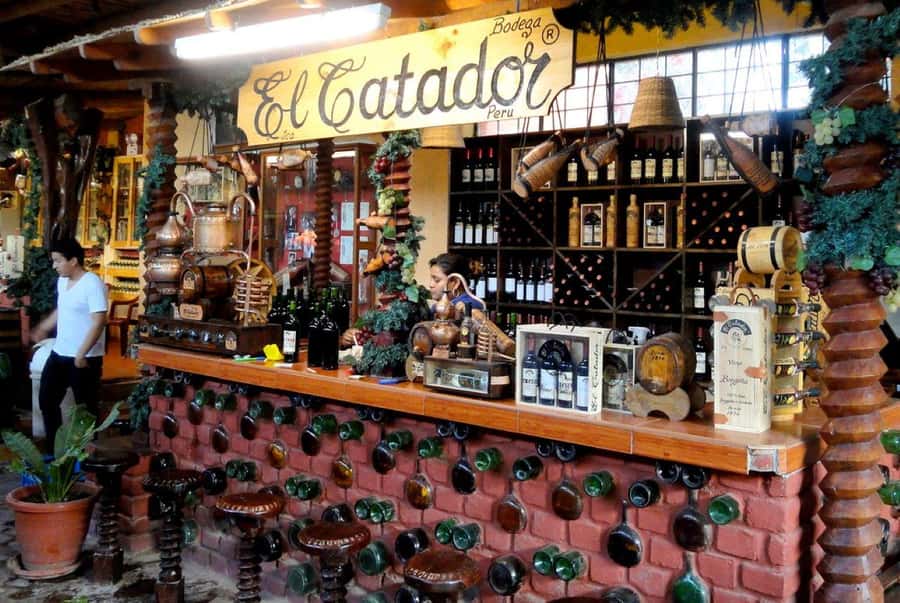
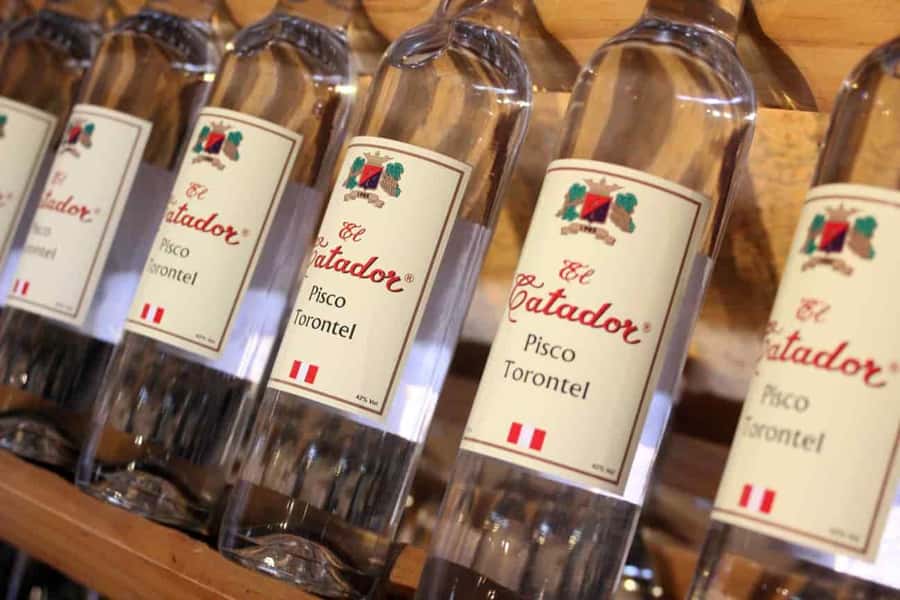
- El Catador and the hands-on side of pisco
- Lazo Winery, where wine meets a curious museum
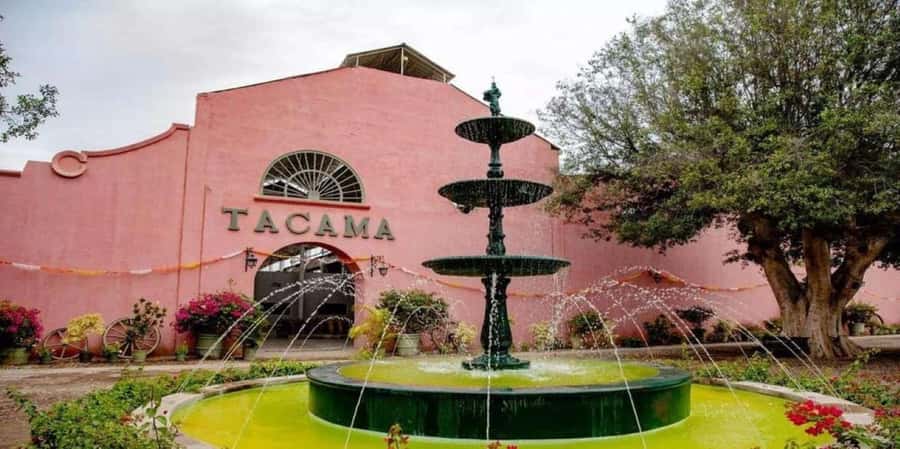
- Tacama, Peru’s oldest vineyard
- What the tasting experience is really worth
- Timing, clothing, and the odd three-day listing
- Who will enjoy this route most
- Should you book the Tacama pisco tour?
- FAQ
- Where does the tour take place?
- Is hotel pickup included?
- Which wineries are included?
- What drinks can I taste?
- Is the tour available in English?
- How large is the group?
- What should I bring?
- Can I cancel the booking?
Key points to know before you go
- Tacama is Peru’s oldest vineyard, founded in the Ica oasis and spread across 180 hectares.
- El Catador focuses on handcrafted pisco, including a semi-prepared Pisco Sour and Pisco Cream.
- Lazo Winery combines tastings with a quirky museum, a 16th and 17th century Spanish cava, ceramics, gold work, and mummified trophy heads.
- Tacama’s bell tower gives wide views over crop fields surrounded by the dry Ica region.
- Hotel pickup and return are included, with the option to finish at your hotel or the bus terminal.
- The tour costs $35 per person, a fair price if all three winery visits and transport run as described.
Why Ica is the right place for a pisco outing
Ica is an oasis region in Peru, about 300 kilometers from Lima and roughly 400 meters above sea level. Around the irrigated fields, the land is dry and open, which makes the sight of green crops and vineyards feel especially striking.
The Campiña Iqueña districts are known for traditional wine cellars. Here, pisco is not just a souvenir bottle. It is part of local agriculture, family production, and regional identity. A winery tour gives you a clearer idea of how grapes become wine, pisco, cachina, and mixed drinks.
I like this route because it does not rely on one polished tasting room. You visit El Catador, Lazo, and Tacama, each with a different character. That variety matters. One stop explains artisanal methods, another adds unusual historical objects, and the largest estate provides the broadest setting and views.
You should keep your expectations sensible. This is a tasting and production tour, not a long technical course in distillation. The emphasis is on seeing the sites, hearing the basic story, and trying several local drinks.
More pisco tastings and Peruvian food:
- Winery and Pisco Distillery tour
★ 5.0 · 82 reviews - ICA: Pisco and Wine Route with tasting in 03 Wineries
★ 4.3 · 80 reviews - Ica: Winery Tour with Pisco and Wine Tasting
★ 4.6 · 3 reviews
Starting with hotel pickup and local guidance
The tour begins with pickup from your hotel. At the end, you can return to your hotel or go to the bus terminal, which is useful if Ica is one stop in a longer Peru itinerary.
Transport can make or break a short regional tour. One booking had a failed pickup, and the customer received a full refund, but the missed meeting still caused a lost day. I would confirm your hotel name, pickup point, and departure time with Sierra Travel in advance. Do not assume that a general hotel address is enough.
On the other hand, the strongest praise went to William, who handled the transport and explained important places along the route. Tatiana also valued his suggestions about food and his help caring for her small dog during the pisco visits. That is unusually personal service, though you should not assume William will be your driver unless the company confirms it.
The group is limited to 10 people, a useful middle ground. You get more room for questions than on a large coach, but the tour is not private. English and Spanish guiding are available.
El Catador and the hands-on side of pisco
Bodega El Catador is the artisanal stop. The focus here is handcrafted pisco production, so this is the place to pay attention to the practical steps and tools rather than simply rushing toward the tasting table.
You can expect an explanation of how pisco is made, followed by samples of award-winning varieties. The tasting includes a semi-prepared Pisco Sour and Pisco Cream, giving you more range than a straight spirit tasting.
The semi-prepared Pisco Sour is likely to be the most approachable sample for anyone new to pisco. Pisco Cream offers a sweeter option. If you already enjoy spirits, you may prefer the opportunity to compare the different pisco varieties directly.
The tour description promises generous tastings of pisco, wine, and cachina across the route. Pace yourself. Three winery stops can add up quickly, especially when samples are more generous than the word tasting suggests. Eat beforehand, bring water, and remember that alcohol is not allowed inside the vehicle.
El Catador suits you if you want a less formal introduction to Ica’s drink-making traditions. It may be less satisfying if you are looking for detailed laboratory-style explanations, since the attraction here is the artisanal setting and direct sampling.
Lazo Winery, where wine meets a curious museum
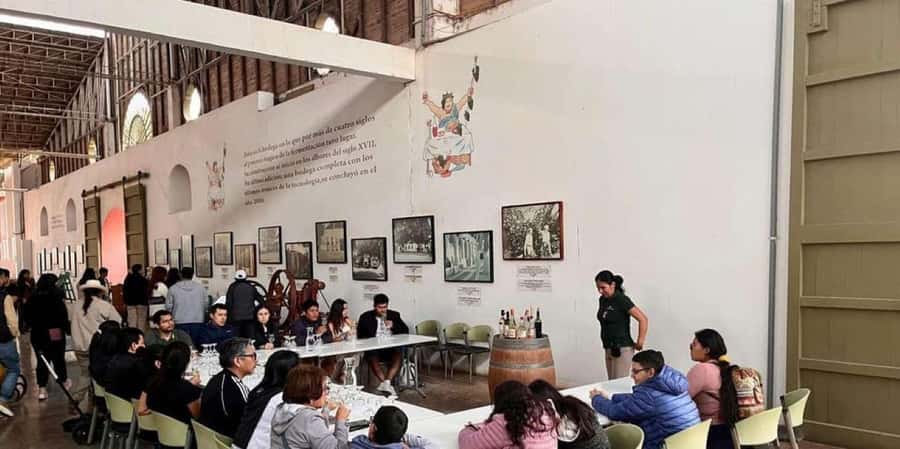
Lazo Winery adds a very different note. Along with wine and pisco samples, you see a historic Spanish cava dating from the 16th and 17th centuries. That old cellar gives the visit a physical link to the early colonial period, when wine production became established in Peru.
The winery also has a rustic museum. Its collection includes ceramics, goldsmith work, weapons from different periods, and mummified trophy heads. This is not a sleek museum arranged around one neat subject. It is an eclectic collection, and that odd mix is part of its character.
I would allow yourself time to look closely rather than treating Lazo as a quick stop between tastings. The artifacts add context to the building and make the winery feel like more than a retail room.
The drawback is that the museum’s unusual objects will not appeal to everyone. Mummified trophy heads can be confronting, and the rustic displays may feel informal compared with a purpose-built museum. If you prefer a focused wine lesson, Lazo can seem scattered. If you enjoy strange local collections, it may become one of the most memorable stops.
The tasting itself gives you a chance to compare wines and piscos in a setting with more personality than a standard bar. Ask the guide to explain which samples are dry, sweet, young, or intended for mixing, if that information is offered during your visit.
More vineyards and tastings:
- ICA! City Tours + Huacachina + Buggy + Sandboarding + Wine Cellar.
★ 4.5 · 29 reviews - From Ica or Huacachina: Tour to Tacama Vineyard and Artisanal Winery.
★ 4.0 · 4 reviews - Lima: Paracas & Huacachina Oasis Day Trip with Wine & Dunes
★ 4.7 · 266 reviews - From Lima: Ballestas Islands, Huacachina, and Vineyard Tour
★ 4.7 · 56 reviews
Tacama, Peru’s oldest vineyard
Tacama is the major stop and the historical centerpiece. Established in the Ica oasis, it is described as Peru’s oldest vineyard. The estate covers 180 hectares in a fertile valley surrounded by desert.
That setting explains much about Ica agriculture. The greenery is not spread across a naturally wet region. It depends on an oasis environment and cultivated fields, which makes the contrast between vineyard and desert especially clear.
Tacama occupies one of the oldest haciendas in the valley. The colonial estate was built in the 16th century and continues to produce wines and piscos. You see the site’s age in the buildings and production equipment, but the tour also connects that past with an active working vineyard.
The visit begins with a climb to the bell tower. From above, you get a panoramic view over the crop fields. This is one of the best reasons to bring a camera, though you should also bring a hat and sunscreen because the Ica sun can be strong.
The climb may be difficult if you have limited mobility. The experience is specifically not suitable for people with mobility impairments, and the bell tower is an important part of the visit. Wear comfortable shoes, especially if you plan to enjoy all three sites without sore feet.
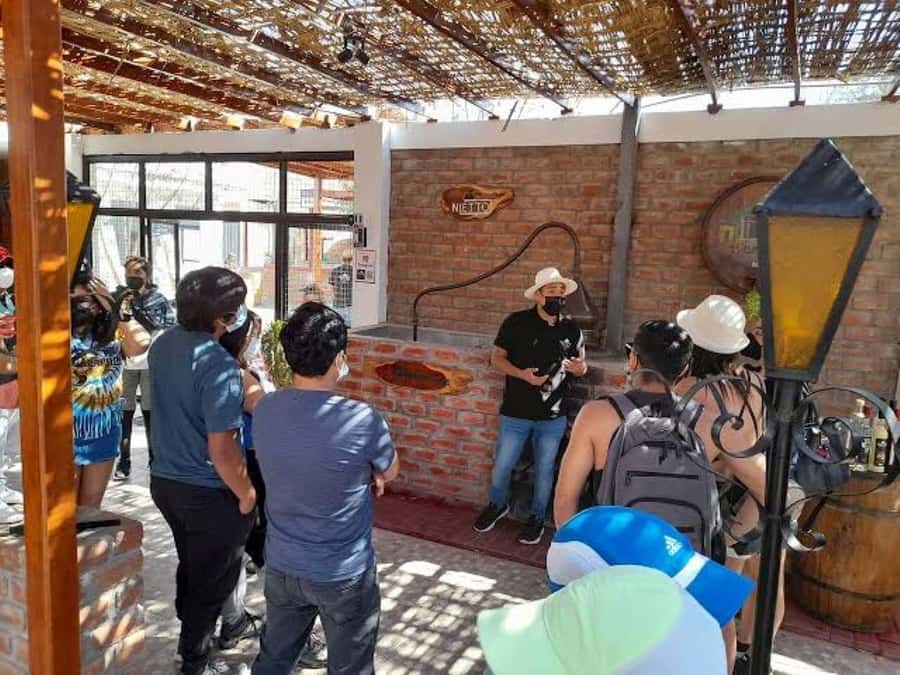
As you move through Tacama, the guide explains instruments used to make wine and pisco. You also see stills and botijas. These details help you understand the older methods behind the bottles you taste later.
A still shows the distillation side of pisco production. Botijas are traditional earthenware vessels associated with storing and handling wine and spirits. Seeing both makes the visit more useful than a simple walk through a vineyard, because you can connect the crops, equipment, storage, and finished drinks.
What the tasting experience is really worth
At $35 per person, the tour offers good potential value. The price includes hotel pickup, transport between three wineries, guided visits, tastings, and return to your hotel or bus terminal.
The value is strongest if you want convenience. Organizing three separate winery visits would take time, and local transport costs could add up. A small group also gives the day a more personal feel than a large bus route, while the included tastings help justify the price.
The value is weaker if you do not drink alcohol or want a quiet agricultural visit without samples. Pisco, wine, and cachina are central to the program. You should also remember that purchases at the wineries are not listed as included, so budget separately if you want to take bottles home.
The tastings are described as generous. That is good for sampling, but it also means the outing is not a good match for anyone who needs to avoid alcohol. Pregnant women are listed among those who should not take this tour.
I would treat the drinks as a comparison exercise, not a race. Try to notice the differences between wine, pisco, cachina, Pisco Sour, and Pisco Cream. The guide’s explanations and your own palate together will tell you more than simply choosing the sweetest sample.
Timing, clothing, and the odd three-day listing
The advertised duration is 3 days, but the actual description presents a pickup, three winery visits, tastings, and a return transfer. That wording is unclear. Before booking, check whether 3 days is a data error, a date range, or a reference to availability rather than the length of the outing.
You should also check the available starting time. The schedule can affect bus connections, hotel plans, and how comfortably you move through the tastings.
Bring comfortable shoes, a hat, sunscreen, and a camera. These are not filler suggestions. You may climb the Tacama bell tower, walk around older estate buildings, and spend time outdoors near crop fields.
Smoking is not allowed. Alcoholic drinks are not allowed in the vehicle, so keep any drinks purchased at the wineries sealed and follow the guide’s instructions about transport.
Free cancellation is available up to 24 hours before the tour for a full refund. You can also reserve and pay later, which helps if your Ica plans depend on bus connections or changing hotel arrangements.
Who will enjoy this route most
I would recommend this outing to you if you want a compact introduction to Ica’s wine and pisco culture without arranging transport yourself. It suits first-time visitors, couples, small groups of friends, and anyone curious about the contrast between artisanal cellars and a large historic vineyard.
It is also a good fit if you enjoy places with character. El Catador offers handmade production, Lazo has an eccentric museum, and Tacama supplies the broad fields, old hacienda, bell tower, stills, and botijas.
You may want another activity if you do not drink alcohol, dislike museum collections with unsettling objects, or have difficulty walking and climbing. The day also requires some tolerance for uncertainty because the pickup details and stated duration need clarification.
The overall rating is 3.1 from three reviews, so I would not ignore the service risk. One booking failed at pickup, while another gave exceptionally high praise to William’s transport, local explanations, food suggestions, and personal help. The lesson is simple: the quality may depend heavily on the driver and on clear communication before the day begins.
Should you book the Tacama pisco tour?
Book it if you want a reasonably priced, small-group route through three distinct wineries and you value included transport. The combination of El Catador’s artisanal pisco, Lazo’s old cellar and unusual museum, and Tacama’s status as Peru’s oldest vineyard gives you more variety than a single tasting room.
I would book only after confirming the pickup point, exact start time, actual duration, language, and final drop-off. If Sierra Travel confirms those details, $35 is a sensible price for the visits and tastings included.
Skip it if you need fully reliable accessibility, do not drink, or want a tightly timed technical wine course. For everyone else, this is a practical way to see the Ica oasis through its crops, colonial buildings, old vessels, local spirits, and the people who keep the tradition moving.
FAQ
Where does the tour take place?
The tour takes place in Peru’s Ica Region, in the Campiña Iqueña area and the Ica oasis. It visits El Catador, Lazo Winery, and Tacama Winery.
Is hotel pickup included?
Yes. Hotel pickup is included, and the tour also includes return to your hotel or the bus terminal.
Which wineries are included?
The route includes Bodega El Catador, Lazo Winery, and Tacama Winery.
What drinks can I taste?
The experience includes tastings of pisco, wine, and cachina. El Catador also offers a semi-prepared Pisco Sour and Pisco Cream.
Is the tour available in English?
Yes. Guiding is available in English and Spanish.
How large is the group?
The tour is listed as a small-group experience with a maximum of 10 participants.
What should I bring?
Bring comfortable shoes, a hat, a camera, and sunscreen.
Can I cancel the booking?
Yes. You can cancel up to 24 hours in advance for a full refund. Reserve now and pay later is also available.
More Food and Drink Outings
- Lima: Ultimate Peruvian Food Tour
★ 4.9 · 700 reviews - Lima: Historic Center Street Food, Market, and Eateries Tour
★ 4.9 · 216 reviews - Food and Culture Full day Tour in the Sacred Valley
★ 5.0 · 144 reviews - Lima Street Food Tour Beyond Netflix
★ 5.0 · 117 reviews
Just added around Ica
- Ica: Winery Tour with Pisco and Wine Tasting★ 4.6 · 3 reviews
- From Ica | Buggy excursion through the Huacachina Desert★ 4.7 · 3 reviews
- Ica | Huacachina: Desert Glamping | Night Under the Stars★ 5.0 · 4 reviews
- From Ica || Full Day Excursion to Los Perdidos Canyon ||★ 3.9 · 4 reviews
- Ica / Huacachina : Canon de los Perdidos – Ica’s Hidden Gem★ 4.7 · 4 reviews
- CITY TOUR ICA-HUACACHINA+BUGGIES IN PRIVATE CAR FROM PARACAS★ 3.4 · 4 reviews
- From Ica or Huacachina: Tour to Tacama Vineyard and Artisanal Winery.★ 4.0 · 4 reviews
- Lima: Ballestas Islands, Huacachina Oasis & Nazca Lines Tour★ 5.0 · 5 reviews
Food & Drink, compared.

Historic Center Street Food, Market, and Eateries Tour
Read our review →
Food and Culture Full day Tour in the Sacred Valley
Read our review →

The 10 Tastings of Lima With Locals: Private Street Food Tour
Read our review →
Market Tour, Tasting of 35 Fruits, and 4-Course Peruvian Cooking Class in Lima
Read our review →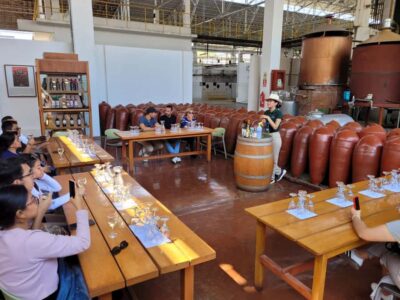
Pisco and Wine Route with tasting in 03 Wineries
Read our review →Browse the lists this tour appears in