
Reviewed · SACRED VALLEY TOURS
Super Sacred Valley
The Sacred Valley packs a lot into one day. This $50 Super Sacred Valley tour links Chinchero, Moray, Maras, Ollantaytambo, and Pisac, making it a useful choice if you have limited time in Cusco. I like the wide range of Inca sites and the included buffet lunch, and I also like that the guide explains the connection between farming, salt production, religion, and mountain life. The main drawback is the pace: you cover a huge area in roughly twelve hours, with several shopping stops that may cut into time at the ruins.
This is not a quiet, slow visit to one corner of the valley. It is a full circuit, starting around 7:00 am and returning to Cusco at about 7:00 pm. I would choose it for a first look at the valley, especially if you cannot spare two days, but I would not expect long, unhurried visits at every site.
In This Review
- Key points to know before booking
- Why this one-day route works
- Chinchero: Inca walls and a colonial church
- Moray: Inca agriculture in circular terraces
- Maras Salt Mines: thousands of small pools
- Urubamba: a welcome buffet lunch
- Ollantaytambo: the living Inca town
- Pisac: market, mountain, and polished stone
- The guide and language experience
- Transport, timing, and comfort
- Is $50 a fair price?
- Who should book this Sacred Valley tour?
- Should you book it?
- FAQ
- How long does the Super Sacred Valley tour last?
- Which places does the tour visit?
- Is hotel pickup included?
- Is lunch included?
- Are entrance fees included?
- What languages does the guide speak?
- Who was the guide praised by name?
- Does the tour visit a textile center?
- Is the Pisac market part of the tour?
- What emergency equipment is provided?
Key points to know before booking
- Five major stops in one long day: Chinchero, Moray, Maras, Ollantaytambo, and Pisac give you a broad introduction to the Cusco Region.
- The ruins ticket costs extra: Budget PEN 70 for Chinchero, Moray, Ollantaytambo, and Pisac, plus PEN 10 for the Maras Salt Mines.
- Buffet lunch is included: The meal takes place in Urubamba and received especially strong praise for quality.
- Guiding is a real strength: Emil was praised for clear explanations, and another guide repeated information in both English and Spanish for a mixed group.
- Expect a small vehicle: One recent group traveled in a 17-seat bus with limited legroom, so this may feel cramped on a full day.
- Shopping is part of the schedule: You may visit three tourist-oriented craft stops, not just the indigenous market in Pisac.
Why this one-day route works
The Sacred Valley is not one single attraction. It is a long corridor of farmland, steep peaks, old settlements, temples, terraces, and villages. The sites on this tour show different pieces of that story.
Chinchero introduces you to Inca stonework and colonial Peru. Moray shows how carefully the Incas experimented with agriculture. Maras brings you to working salt pools cut into a mountainside. Ollantaytambo gives you one of the finest surviving Inca town plans, while Pisac combines an indigenous market with a large archaeological park.
I like this sequence because the stops are not all variations of the same ruin. You keep changing the subject. The tradeoff is that the route requires plenty of road time, and the day can feel more like a fast survey than a relaxed cultural outing.
The tour costs $50 per person, with transport, hotel pickup, a professional English and Spanish speaking guide, and buffet lunch included. The required entrance fees add PEN 80 per person. That makes the true cost higher than the headline price, but the package can still offer good value if you want transport and guiding arranged in one booking.
More Sacred Valley Tours in Cusco
- Cusco:Sacred Valley Pisaq,Ollantaytambo,Chinchero with Lunch
★ 4.8 · 183 reviews - From Cusco: Chinchero, Moray, Maras and Ollantaytambo
★ 4.5 · 83 reviews - from Urubamba & Ollantaytambo:Sacred Valley Full-Day Private
★ 4.9 · 31 reviews
Chinchero: Inca walls and a colonial church
The first stop is Chinchero, a town known here for its Inca wall constructions and colonial church. This is a useful opening because it shows how Spanish colonial buildings were placed into an older Andean setting.
Look closely at the stonework. The Inca construction is valued for its precise fitting, while the church preserves another layer of the area’s past. The point is not only to photograph old walls. You are seeing how two periods of Peruvian history occupy the same town.
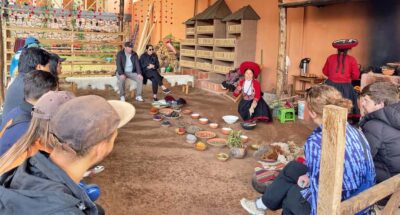
The schedule also includes a short participation at a textile center. This can give you a quick look at local weaving and craft work, but keep your expectations measured. The visit may feel brief, and the shopping element is part of the wider day.
A French-speaking guest specifically chose this tour hoping to avoid tourist shops and spend more time at the archaeological sites, but found three shop stops instead. That is the clearest warning attached to the experience. If you dislike organized craft demonstrations or sales visits, this tour may test your patience.
Moray: Inca agriculture in circular terraces
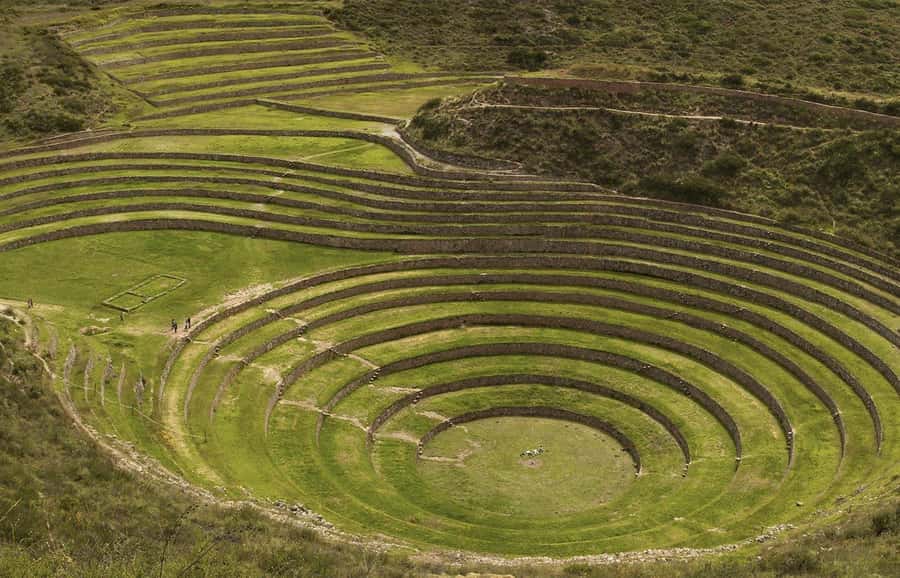
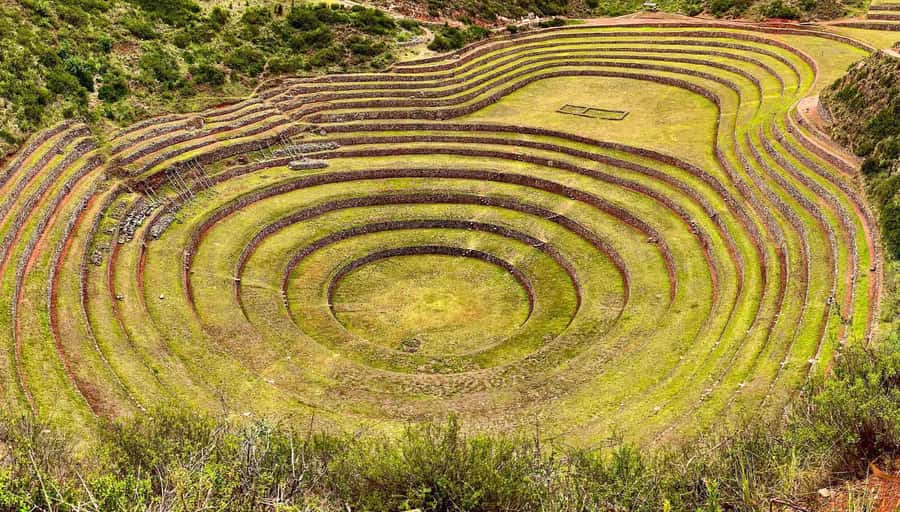
From Chinchero, the route continues to Moray. The site’s circular agricultural terraces are among the most unusual sights in the Sacred Valley.
The terraces form broad concentric rings that descend into the earth. Their shape is striking, but the larger value is the lesson they give you about Inca agriculture. This was not simply decorative stonework. Moray was important during the Inca period as a place connected with farming.
Your guide matters here. Without explanation, you may see only a large set of circles. With a good guide, you can better understand why the site mattered and how it fits into the larger story of food production in the highlands.
Moray is also a good point for appreciating the mountain setting. The site feels open and exposed, with the surrounding high country forming part of the view. Bring water and take your time with the walk as much as the schedule permits.
Maras Salt Mines: thousands of small pools
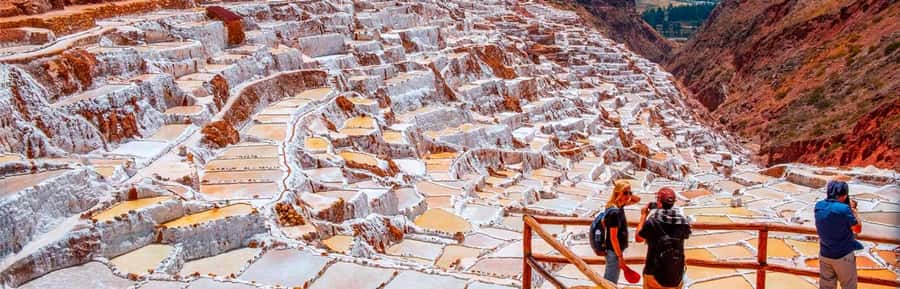
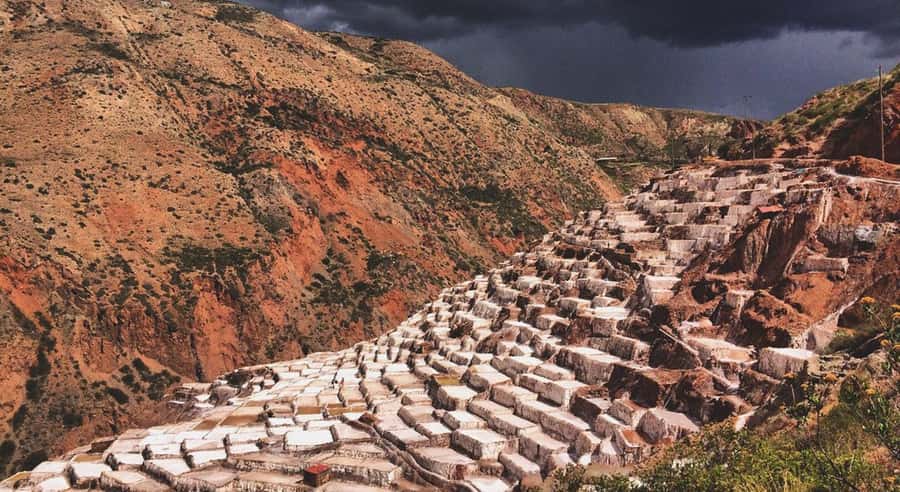
The road then drops toward the Maras Salt Mines, one of the day’s most distinctive stops. More than 3,000 salt wells spread across the slope, creating a patterned scene that looks very different from Moray’s stone circles.
The salt was used by the Incas for consumption. That detail gives the visit a practical focus. You are not looking at a palace or ceremonial platform, but at a place tied to food and daily needs.
Maras is picturesque because of the many small pools and the mountain setting around them. The appearance can change with light and weather, so this is a place where a short visit still leaves a strong impression.
The salt mine entrance fee is separate from the main tourist ticket and costs PEN 10. Add it to the PEN 70 ticket covering Chinchero, Moray, Ollantaytambo, and Pisac. These fees are modest, but you should know about them before the morning begins.
More of the Sacred Valley in a day:
- Cusco: Sacred Valley and Salt Mines Ending in Ollantaytambo
★ 4.6 · 5 reviews - From Cusco:Chinchero, Moray, Maras, Ollantaytambo with lunch
★ 5.0 · 3 reviews - From Cusco: Sacred Valley VIP Tour with Buffet Lunch
★ 4.7 · 3 reviews - Cusco | Visit Maras, Moray, Chinchero, Pisac | Valle Vip
★ 4.4 · 3 reviews
Urubamba: a welcome buffet lunch
By the time you reach Urubamba, you will have already covered two major sites and a salt-producing area. Lunch is included at a buffet restaurant in the city.
This is more than a minor convenience. A full-day route needs a proper break, and a buffet lets you choose your meal without adding another planning decision. One guest described the restaurant as excellent, which is the strongest praise given to any part of the food arrangements.
You should still think of lunch as part of a group schedule. The meal is designed to keep the circuit moving, not to become a long independent restaurant stop. Even so, the included lunch improves the value of the $50 package, since you do not have to arrange food separately during the busiest part of the day.
Ollantaytambo: the living Inca town
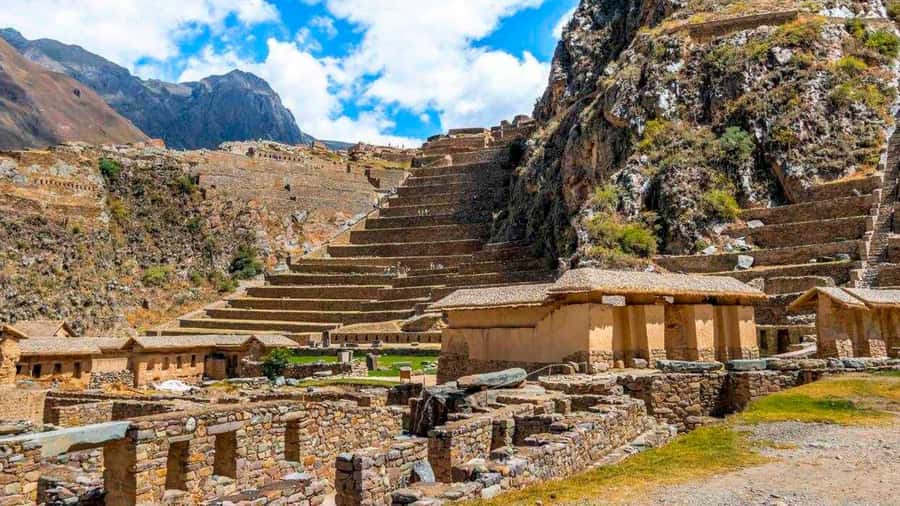
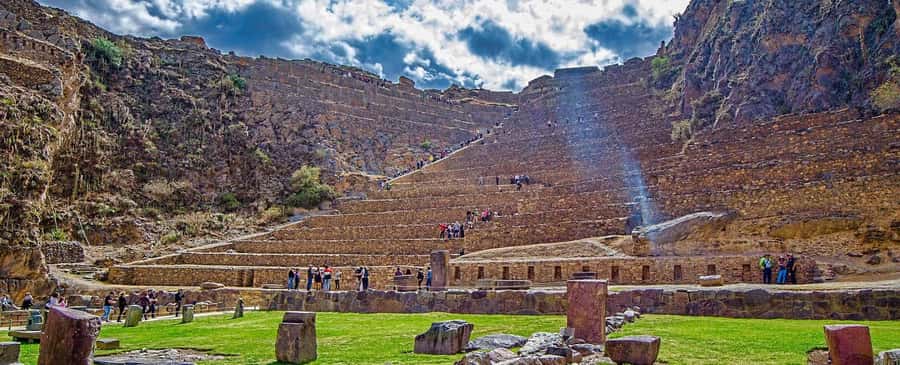
After Urubamba, the tour reaches Ollantaytambo, often called the Last Living Inca City. This is one of the most important stops on the route.
Ollantaytambo is valuable because the site is not only an archaeological park. The town itself retains an Inca layout, with old stone walls and streets still forming the backbone of daily life. You get a better sense here of how Inca planning worked on a human scale.
The archaeological area includes large stone structures and slopes that make the setting impressive. Your guide can help separate the military, religious, and practical features of the site, which is important when time is short.
I would give Ollantaytambo extra attention if you have a personal choice about where to linger. It offers both monumental ruins and a town that remains connected to its Inca design. The limitation is that this tour has to continue to Pisac, so you should not expect the slow pace of a dedicated Ollantaytambo visit.
Pisac: market, mountain, and polished stone
The final major area is Pisac, located on the slopes of Intihuatana Hill. The name is translated here as Place where the Sun is moored, giving the stop a strong link to Andean religious ideas.
The visit begins in the indigenous market. Pisac is presented as the best place on this route to shop for crafts, so this is the stop where browsing and buying make the most sense. You may find textiles, handmade goods, and other souvenirs, though the exact selection can change.
The market is followed by the Archaeological Park of Pisac. Here, you will see Inca sites and buildings made with finely assembled, polished stone. The combination of market and ruins gives Pisac two different moods. One is commercial and social, while the other is archaeological and ceremonial.
This final stop can feel rushed after a long day. Still, it gives you a strong closing image of the valley, with the ruins set high on the slopes and the town below.
The guide and language experience
The tour includes a professional guide who speaks English and Spanish. That matters because the route has many stops, and a short explanation can turn a photo stop into a meaningful visit.
Emil received particularly strong praise for explaining the sites and Inca civilization clearly. Another group was conducted in English, but the guide repeated the information in Spanish so everyone could follow along. That kind of care is useful in a mixed-language group.
The quality of the day depends heavily on the guide’s timing and explanations. The sites themselves are powerful, but you will get more from them if the guide connects Moray to agriculture, Maras to food production, and Ollantaytambo and Pisac to Inca planning and belief.
Transport, timing, and comfort
Pickup is scheduled for approximately 7:00 am, with a return to Cusco at about 7:00 pm. This is a long day, and the route includes several road sections between sites.
One recent booking used a 17-seat bus with less legroom than larger vehicles used on other tours. That does not mean every departure will feel identical, but you should be ready for compact seating. If you are tall or dislike spending much of the day in a small vehicle, this is an important point.
The early start helps fit the route into one day, but you will want practical basics close at hand: water, sun protection, and comfortable walking shoes. The tour supplies a first aid kit and an oxygen bottle for emergencies. Those items are reassuring at high altitude, though they are not substitutes for pacing yourself.
The tour is better suited to people who value coverage over leisure. You will see more places than you could reasonably reach alone in one day, but each stop has a fixed rhythm.
Is $50 a fair price?
At $50, the tour is fairly priced if you want a ready-made day with transport, guiding, and lunch. The additional PEN 80 in entrance tickets is easy to overlook, so include it in your budget from the start.
The strongest value comes from the number of major places covered. A private taxi route would require more planning and could cost far more, while a self-guided day would leave you managing the roads, tickets, and meal yourself.
The weaker part of the value is the shopping schedule. A French guest felt the tour was more expensive than alternatives without delivering better service and disliked the three tourist-oriented craft stops. If you want a pure archaeology day, a cheaper tour without those expectations may suit you just as well.
For a first visit, the included lunch and bilingual guiding help justify the price. For repeat visitors, or anyone who already knows the valley, a slower and more focused plan may be worth paying for instead.
Who should book this Sacred Valley tour?
I would recommend it to you if this is your first time in the Cusco Region and you want a broad introduction in one day. It also works well if your schedule does not allow two days in the Sacred Valley. The route gives you several of the area’s best-known sights without requiring you to arrange separate transport.
It is a good match for people who enjoy variety, guided context, mountain scenery, markets, and archaeological sites. The strong guide feedback and excellent lunch add real value.
I would hesitate if you want long visits, quiet ruins, or a day with no shopping. I would also think twice if a small bus and long hours on the road sound unpleasant. In that case, look for a smaller private outing or split the valley into two days.
Should you book it?
Book this tour if your priority is seeing the main Sacred Valley sights efficiently. Moray, Maras, Ollantaytambo, and Pisac each offer something different, and the included guide and lunch make the $50 base price useful.
Skip it if you want an unhurried archaeological experience or strongly dislike craft shops. Before paying, confirm the meeting point, vehicle size, and expected shopping stops, then set aside PEN 80 for entrance fees. For the right kind of visitor, this is a packed but rewarding introduction to the Sacred Valley.
FAQ
How long does the Super Sacred Valley tour last?
The experience lasts one day. Pickup begins at approximately 7:00 am, and the group is expected back in Cusco at about 7:00 pm.
Which places does the tour visit?
The route includes Chinchero, Moray, the Maras Salt Mines, Urubamba, Ollantaytambo, and Pisac.
Is hotel pickup included?
Pickup at your hotel is included, along with round-trip transportation.
Is lunch included?
Yes. A buffet lunch in Urubamba is included in the tour price.
Are entrance fees included?
No. The tourist ticket for Chinchero, Moray, Ollantaytambo, and Pisac costs PEN 70. The Maras Salt Mines require a separate PEN 10 ticket.
What languages does the guide speak?
The tour includes a professional guide who speaks English and Spanish.
Who was the guide praised by name?
Emil was specifically praised for explaining the sites and Inca civilization clearly.
Does the tour visit a textile center?
Yes. At Chinchero, you will have a small participation at a textile center.
Is the Pisac market part of the tour?
Yes. The itinerary includes the indigenous market of Pisac, followed by the Pisac Archaeological Park.
What emergency equipment is provided?
The tour carries a first aid kit and an oxygen bottle for emergencies.
Just added around Urubamba
- From Cusco:Chinchero, Moray, Maras, Ollantaytambo with lunch★ 5.0 · 3 reviews
- Sun and Moon Tour★ 4.5 · 3 reviews
- From Cusco: Sacred Valley VIP Tour with Buffet Lunch★ 4.7 · 3 reviews
- Cusco | Visit Maras, Moray, Chinchero, Pisac | Valle Vip★ 4.4 · 3 reviews
- 1 Day – Humantay Lake★ 3.1 · 3 reviews
- Peru in 5 days: Lima, Cusco, Machupicchu & Rainbow Mountain★ 5.0 · 3 reviews
- Guided tour of Cusco and its 4 ruins★ 3.8 · 3 reviews
- Sacred Valley Tour 1 Day★ 5.0 · 3 reviews
Sacred Valley Tours, compared.
Sacred Valley & Maras Salt Mines Tour with Lunch
Read our review →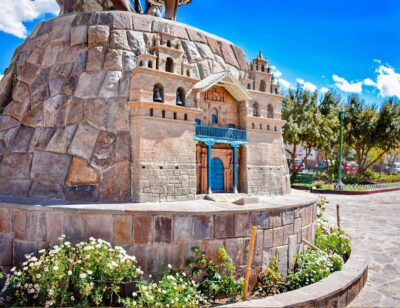
Moray, Maras Salt Mines & Chinchero Weavers Tour
Read our review →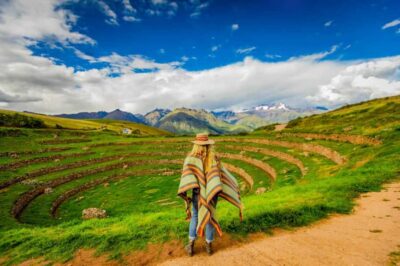
Sacred Valley, Pisac, Ollantaytambo, Salt Mines Moray
Read our review →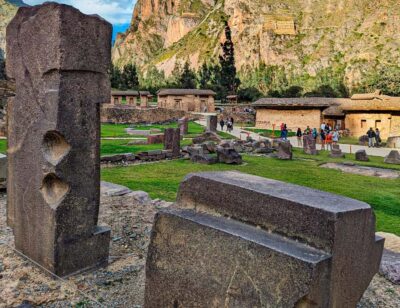
Chinchero,Moray & Salt Mines drop-off in Ollantaytambo
Read our review →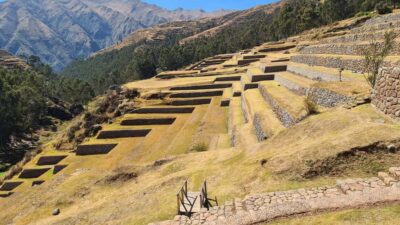
Sacred Valley: Chinchero, Moray, Ollantaytambo & Pisac+Lunch
Read our review →
Sacred Valley: Maras & Moray by Quad Bike from Cusco
Read our review →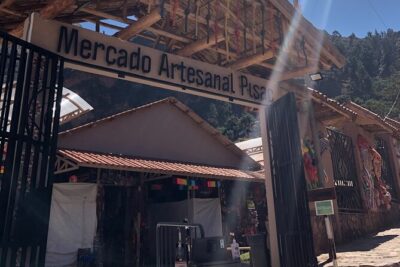
Pisac Indian Market and Ollantaytambo Fortress with Lunch
Read our review →
2-Day Trip to the Sacred Valley and Machu Picchu
Read our review →Browse the lists this tour appears in