
Reviewed · SACRED VALLEY TOURS
Sacred Valley Tour 1 Day
The Sacred Valley packs a lot into one day. This $39 tour links Chinchero, Maras, Moray, Urubamba, Ollantaytambo, and Pisac with a bilingual guide, transport, and buffet lunch, giving you a broad first look at Inca sites and living Andean culture. I especially like the mix of major ruins and working traditions, plus the way Pisac and Ollantaytambo give the day its strongest historical moments.
I also like the route’s variety. You move from textile demonstrations to salt pans, circular terraces, a market, and a fortress, so the day never feels like six versions of the same ruin. The main drawback is the pace: with about 11 hours on the road and several stops at high altitude, you will spend less time at each place than on a slower, private trip.
In This Review
- Key points at a glance
- Why this full-day route works
- Chinchero begins the day at high altitude
- Maras Salt Mines and the famous salt pans
- Moray’s circular terraces reveal Inca experimentation
- Urubamba provides the needed lunch break
- Ollantaytambo delivers the strongest ruins
- Pisac combines ruins, views, and a market
- What the $39 price really includes
- Managing altitude, weather, and a long day
- Who will enjoy this Sacred Valley tour
- Should you book the Sacred Valley Tour?
- FAQ
- How long does the Sacred Valley tour last?
- What places are visited?
- Is lunch included?
- Are entrance fees included?
- What language is the tour offered in?
- Where do I meet the guide?
Key points at a glance
- Six major stops in one day: Chinchero, Maras, Moray, Urubamba, Ollantaytambo, and Pisac are all included.
- Pisac and Ollantaytambo are the big rewards: These sites offer the most memorable combination of ruins, views, and Inca history.
- The route reaches 3,700 meters: Chinchero is the highest point, so some walking may feel harder than expected.
- Lunch is included: A buffet stop in Urubamba gives you a proper break between the morning and afternoon visits.
- The $39 price is strong value: Transport, a bilingual guide, lunch, and the listed visits are included, but site entrance fees are extra.
- Guide Auqui received special praise: Visitors appreciated his clear explanations and the steady change of scenery and sites.
Why this full-day route works
The Sacred Valley is not one single attraction. It is a long region filled with farming towns, old settlements, terraces, markets, and major archaeological sites. Seeing it well requires time on the road, and this trip uses one long day to cover a wide section from Cusco.
The route covers about 95 kilometers round trip. That figure sounds modest, but mountain roads and repeated stops make the day last roughly 10 to 11 hours. You should think of this as an overview tour, not a quiet, slow examination of every stone.
That tradeoff makes sense for a first visit. You get enough context to decide which place deserves a return trip. You also avoid the hassle of arranging separate transport between sites, which can be difficult when the attractions sit in different parts of the valley.
The guide speaks English and Spanish, and an audio guide is listed in both languages. The human guide is especially important here. The ruins are easier to appreciate when someone explains what the terraces, walls, and locations meant instead of leaving you to guess.
Guide Auqui received particularly warm praise for his explanations. The feedback also pointed to the number of different places visited as a strength. That is a useful clue about the tour’s character: it succeeds through variety and clear commentary more than through long, unhurried visits.
More Sacred Valley Tours in Cusco
- Cusco:Sacred Valley Pisaq,Ollantaytambo,Chinchero with Lunch
★ 4.8 · 183 reviews - From Cusco: Chinchero, Moray, Maras and Ollantaytambo
★ 4.5 · 83 reviews - from Urubamba & Ollantaytambo:Sacred Valley Full-Day Private
★ 4.9 · 31 reviews
Chinchero begins the day at high altitude
Chinchero is the first stop, and it introduces you to Andean culture beyond the famous ruins. The town is known for textile work and terraces, with local weavers showing traditional techniques.
This is a valuable opening because it connects the ancient world to present-day community life. You are not only looking at remains from the Inca period. You are also seeing skills and customs that continue in the region.
The altitude matters here. Chinchero reaches about 3,700 meters, or 12,139 feet, the highest point listed for the day. Even if you are comfortable walking at home, the thinner air can make stairs and uphill paths feel tougher.
Take this first stop slowly. Keep water close, avoid racing ahead, and use the early visit to judge how your body is handling the height. The tour is rated moderate, largely because of walking at altitude rather than because of technical terrain.
The textile visit may also include opportunities to buy handmade goods. Personal purchases are not included, so carry cash or a card if you plan to shop. You should treat this as both a cultural stop and a chance to see how local craft supports community identity.
Maras Salt Mines and the famous salt pans
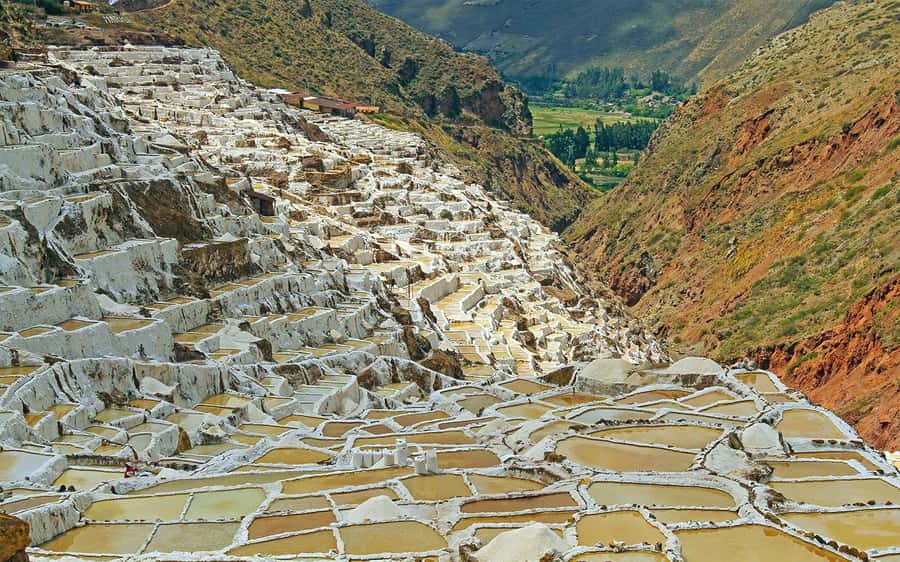
The Maras Salt Mines offer one of the day’s most unusual sights. Hundreds of small salt pans form a patchwork on the mountainside, supplied by salty spring water and used since Inca times.
The appeal is visual, but the site also shows practical Andean engineering. Salt is collected from shallow pools, and the many small terraces create a pattern that changes with the light. Bring your camera, but do not forget that the setting can be bright and dusty.
This is a good place to wear clothes that can get dirty. The recommended packing list includes a change of clothes, and that advice is sensible for a long day that includes several outdoor stops. Comfortable shoes are also important, though the supplied information does not specify a particular shoe type.
The salt mines are not just another set of ancient walls. They give you a look at production and local use, which broadens the day beyond royal sites and military structures. Your guide can help explain how the pans fit into the valley’s long history.
Moray’s circular terraces reveal Inca experimentation
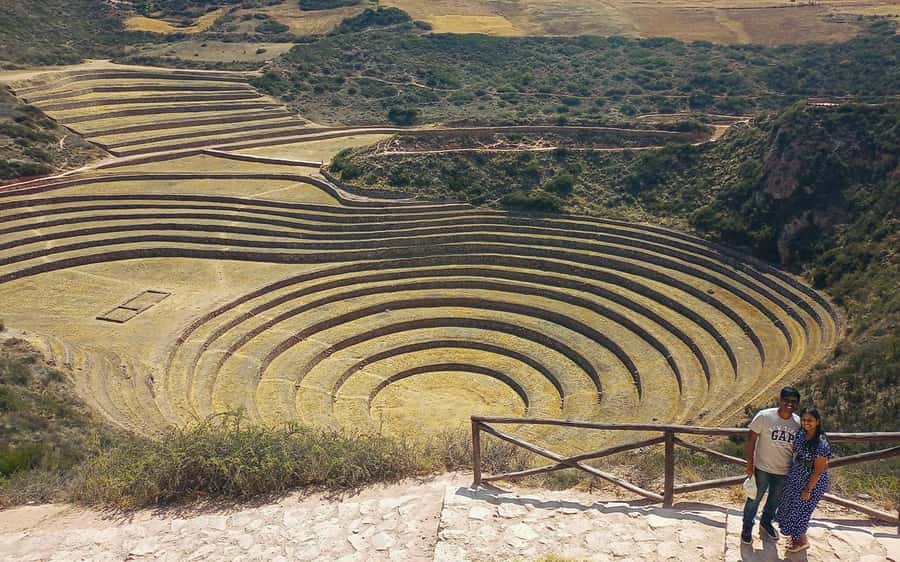
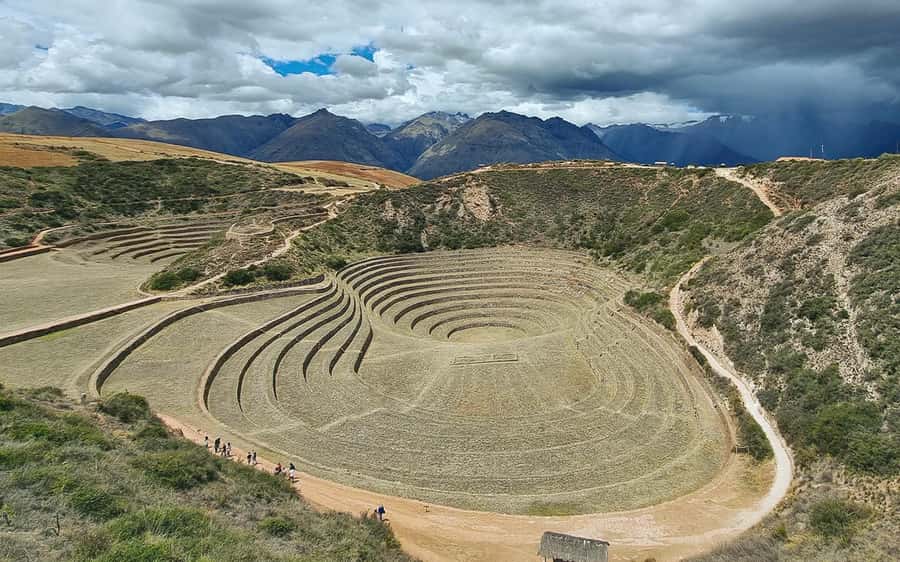
Moray is one of the most distinctive sites on the route. Its circular terraces descend into the earth in broad rings, creating an almost bowl-shaped arrangement in the highlands.
The terraces are often linked to agricultural experimentation. The exact purpose is discussed by historians, but the design clearly shows careful attention to altitude, temperature, and cultivation. Look at the way each ring changes as it drops toward the center. That shape is what makes Moray so memorable.
You will want time here for photographs, but the site works best when you pause to understand its design. A guide’s explanation helps turn a striking view into a lesson about how the Incas adapted farming to difficult mountain conditions.
Moray is another high-altitude stop, so the moderate difficulty rating remains relevant. Do not save all your energy for the ruins later in the day. The itinerary continues to Urubamba for lunch, then moves on to two of the day’s most substantial archaeological visits.
More of the Sacred Valley in a day:
- Super Sacred Valley
★ 3.8 · 6 reviews - Cusco: Sacred Valley and Salt Mines Ending in Ollantaytambo
★ 4.6 · 5 reviews - From Cusco:Chinchero, Moray, Maras, Ollantaytambo with lunch
★ 5.0 · 3 reviews - From Cusco: Sacred Valley VIP Tour with Buffet Lunch
★ 4.7 · 3 reviews
Urubamba provides the needed lunch break
After the morning stops, the tour pauses in Urubamba for a buffet lunch. Urubamba sits at about 2,792 meters, or 9,160 feet, the lowest altitude listed for the route.
That lower elevation and a seated meal should provide a welcome reset. The buffet includes local and international dishes and is described as suitable for different tastes and dietary needs. You should still mention any dietary requirements when booking or before the meal, since the supplied details do not explain the exact menu.
Lunch is included, which improves the value of the $39 price. You do not need to arrange a separate meal in the middle of a busy day, and the stop creates a clear break from the morning’s sightseeing.
Breakfast, dinner, drinks, and extra snacks are not included. Carry water and small food items if you need them. Comfort stops are provided along the way, with opportunities to use restrooms and buy snacks or souvenirs.
Ollantaytambo delivers the strongest ruins
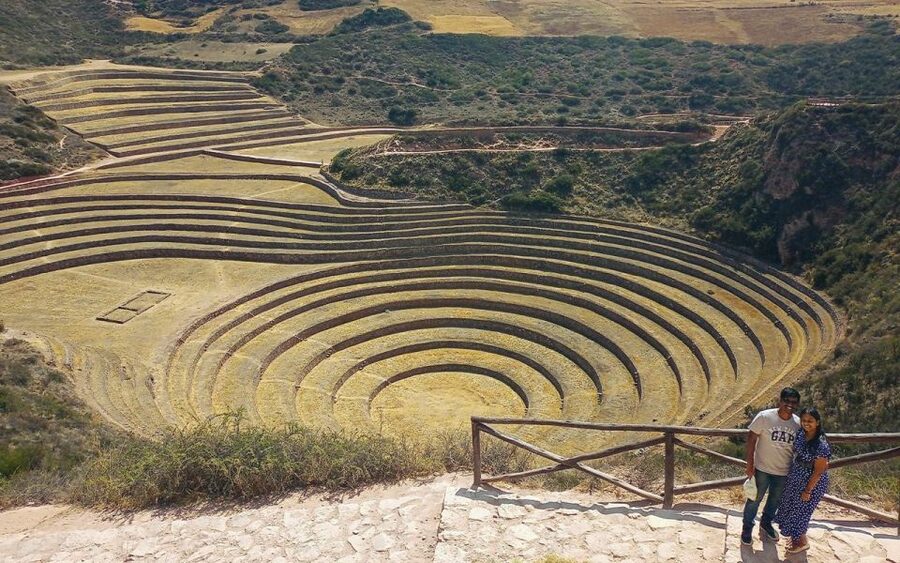
Ollantaytambo is one of the day’s essential stops. Its massive fortress and terraces show why this town mattered to the Inca state. The site also offers broad views over the valley, giving you a strong sense of how the settlement related to the surrounding mountains.
The terraces require walking and climbing, so this is where the moderate difficulty can feel real. Move at your own pace and keep your daypack light. The tour is designed for a group, so the guide will need to maintain a schedule, but you should not feel pressured to sprint up the steps.
Ollantaytambo rewards attention to construction. Look at the scale of the stonework and the way the fortress occupies the slope. The site was not built only to look impressive. Its position had strategic value, and the guide’s commentary should help you understand its role in the Inca world.
For many people, this will be the most powerful stop of the day. It has more visual drama than the smaller visits, and the combination of terraces, stone walls, and valley views makes the history easier to picture.
You should also understand the limitation. A group tour cannot give Ollantaytambo unlimited time. If this is the site you most want to study, consider returning independently another day rather than expecting the full-day route to provide an exhaustive visit.
Pisac combines ruins, views, and a market
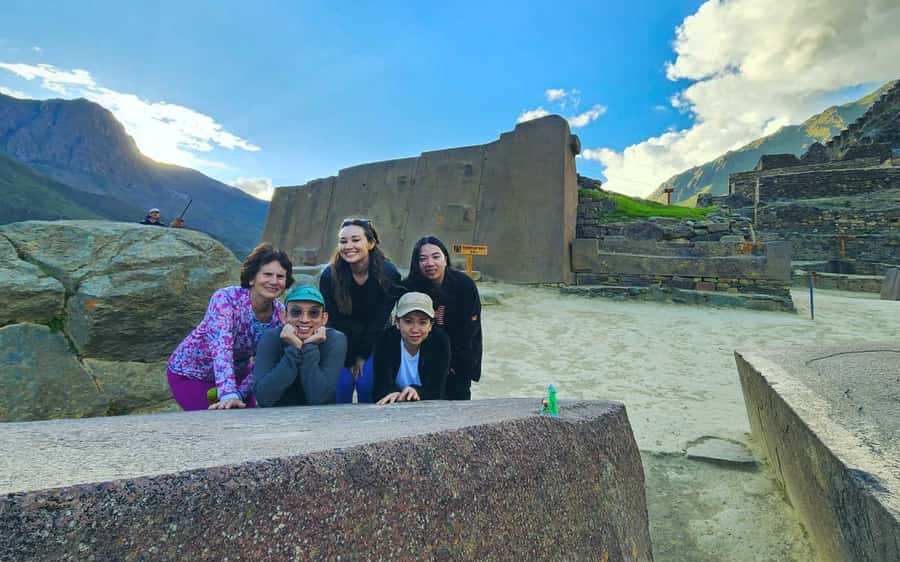
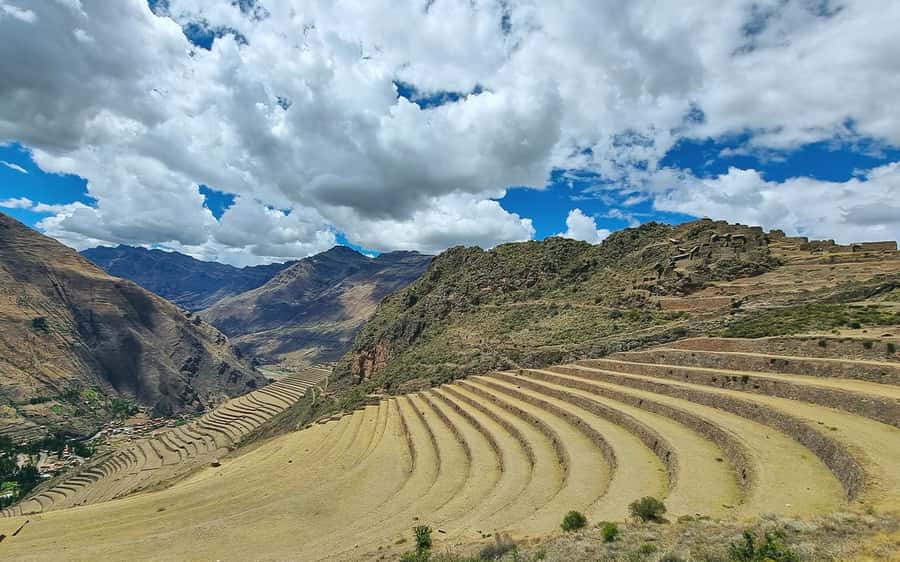
Pisac closes the sightseeing portion of the route. The town is known for both its archaeological site and its colorful market, making it a fitting final stop.
The Pisac ruins offer another look at Inca terraces and mountain settlement. The site is important not only for its stonework but also for its position above the valley. Take time to look outward, not just at the walls under your feet.
The market adds a different mood. Local artisans sell handcrafted goods, so you can browse textiles, souvenirs, and other handmade items. Personal purchases are extra, and it is wise to carry cash even though a credit card is also listed among the recommended items.
Pisac and Ollantaytambo are the clear highlights for anyone most interested in Inca history. They provide the strongest sense of scale and place. Pisac also gives you an easier way to connect the ancient sites with present-day commerce and craft.
The downside is timing. By the time you reach Pisac, you will already have spent a full day moving between stops. The market can feel rushed if you want to shop carefully, so decide in advance whether you care more about browsing, photography, or the ruins.
What the $39 price really includes
At $39 per person, this is an inexpensive way to cover a large section of the Sacred Valley. The price includes round-trip transportation from a designated meeting point in Cusco, a professional bilingual guide, the buffet lunch, and transport fees connected with the tour.
That package saves you from piecing together taxis or buses between six different sites. It also gives you one person to explain the places in English or Spanish, answer questions, and keep the day moving.
The key extra cost is the Boleto Turistico, the tourist ticket required for the historical sites. Entrance fees are not included, so you need to budget for that separately. Since the exact ticket price is not provided here, check the current cost before booking.
The meeting arrangement also deserves attention. Individual hotel pickup and drop-off are not included when the tour uses designated meeting points. Confirm where you must go in Cusco and allow time to reach it early in the morning.
Look for the guide wearing a red 69 Explorer jacket. That simple detail should make the meeting easier, particularly in a busy area.
The low price comes with the normal group-tour compromise. You get efficient transport and a packed route, but not a private schedule. If you value maximum flexibility, a private vehicle may suit you better. If you want a broad introduction without spending heavily, this is a sensible deal.
Managing altitude, weather, and a long day
The highest point is Chinchero at 3,700 meters. Urubamba is lower at 2,792 meters, but much of the day still takes place at significant elevation.
Bring a daypack with water, cash, snacks, a camera, and a light change of clothes. The packing list also recommends food and drinks, clothes that can get dirty, insect repellent, a first aid kit, and a credit card. Some of those items may not be necessary for every person, but a small emergency kit is reasonable on a long day outside Cusco.
You should bring your passport or ID card. Headphones are also listed, likely for the audio guide, although the information does not explain the exact audio setup. Goggles are included in the suggested list, but no specific activity requiring them is described.
The tour is not suitable for people with claustrophobia, non-swimmers, or people with epilepsy. Those restrictions are provided by the operator, so take them seriously and ask for clarification before booking if any apply to you.
Free cancellation is available up to 24 hours in advance for a full refund, and you can reserve now and pay later. Those terms help if your Cusco schedule may change, but they do not remove the need to plan around altitude and a demanding day.
Who will enjoy this Sacred Valley tour
I would recommend this trip to a first-time visitor who wants to see the main Sacred Valley sights in one day. It suits you particularly well if you want history, scenery, crafts, shopping, and lunch included in one straightforward package.
It is also a good choice if you have limited time in the Cusco region. The route gives you useful background before a later visit to Machu Picchu or other Inca sites, though Machu Picchu itself is not part of this tour.
You may want a different plan if you dislike early starts, long vehicle days, or fixed group schedules. The number of stops is the selling point, but it is also the reason each visit has limits.
The tour’s strongest praise focuses on the guide’s explanations and the variety of stops. Auqui, in particular, was singled out for making the sites clear and for keeping the day interesting. That matters on a route with so much ground to cover.
Should you book the Sacred Valley Tour?
Book it if you want a low-cost, full-day introduction with the major stops handled for you. The combination of Chinchero’s textiles, Maras’s salt pans, Moray’s terraces, Urubamba’s lunch, Ollantaytambo’s fortress, and Pisac’s ruins and market gives you a well-rounded day.
Before booking, check the current Boleto Turistico cost and confirm the Cusco meeting point. Be ready for high altitude, a long schedule, and group-tour pacing.
I would choose this tour for value and variety, especially if Auqui is guiding your departure. I would not choose it if your priority is a slow, detailed visit to one or two archaeological sites. For most first visits, though, it offers a practical way to see why the Sacred Valley deserves more than a quick stop between Cusco and Machu Picchu.
FAQ
How long does the Sacred Valley tour last?
The activity lasts about 11 hours. The route information also describes the sightseeing day as approximately 10 hours, so you should plan for a full day from morning until evening.
What places are visited?
The tour visits Chinchero, the Maras Salt Mines, Moray, Urubamba, Ollantaytambo, and Pisac. At Pisac, you visit both the market and archaeological site.
Is lunch included?
Yes. A buffet lunch in Urubamba is included. Breakfast, dinner, extra meals, drinks, and snacks outside the provided meal are not included.
Are entrance fees included?
No. Entrance fees are separate, and you need the Boleto Turistico for the historical sites.
What language is the tour offered in?
The live guide speaks English and Spanish. An audio guide is also listed in English and Spanish.
Where do I meet the guide?
You meet at a designated meeting point in Cusco. Look for the guide wearing a red 69 Explorer jacket. Individual hotel pickup and drop-off are not included when the tour uses designated meeting points.
More 1-Day Tours
- Cusco: One Day Tour to Machu Picchu with Train Transfers
★ 4.8 · 28 reviews - Machu Picchu: 1-day tour by Vistadome Panoramic train
★ 4.7 · 15 reviews - 1 Day – Humantay Lake
★ 3.1 · 3 reviews - Machu Picchu Day Trip from Cusco
★ 4.5 · 1,644 reviews
Just added around Urubamba
- From Cusco:Chinchero, Moray, Maras, Ollantaytambo with lunch★ 5.0 · 3 reviews
- Sun and Moon Tour★ 4.5 · 3 reviews
- From Cusco: Sacred Valley VIP Tour with Buffet Lunch★ 4.7 · 3 reviews
- Cusco | Visit Maras, Moray, Chinchero, Pisac | Valle Vip★ 4.4 · 3 reviews
- 1 Day – Humantay Lake★ 3.1 · 3 reviews
- Peru in 5 days: Lima, Cusco, Machupicchu & Rainbow Mountain★ 5.0 · 3 reviews
- Guided tour of Cusco and its 4 ruins★ 3.8 · 3 reviews
- From Cusco: Salkantay trek 5 days/4 nights meals included★ 4.0 · 3 reviews
Sacred Valley Tours, compared.
Sacred Valley & Maras Salt Mines Tour with Lunch
Read our review →
Moray, Maras Salt Mines & Chinchero Weavers Tour
Read our review →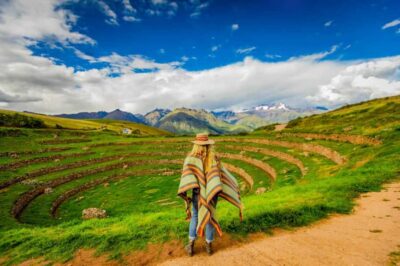
Sacred Valley, Pisac, Ollantaytambo, Salt Mines Moray
Read our review →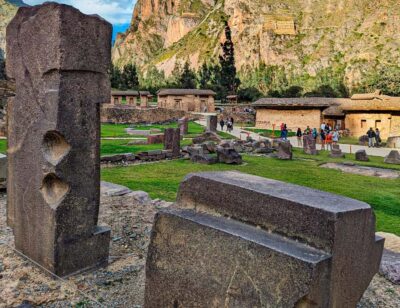
Chinchero,Moray & Salt Mines drop-off in Ollantaytambo
Read our review →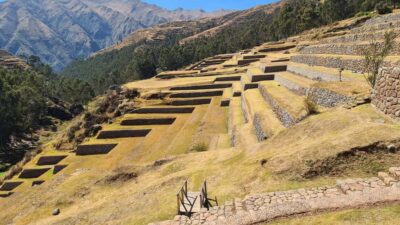
Sacred Valley: Chinchero, Moray, Ollantaytambo & Pisac+Lunch
Read our review →
Sacred Valley: Maras & Moray by Quad Bike from Cusco
Read our review →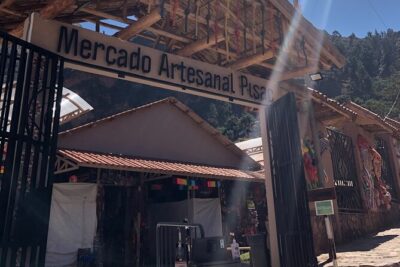
Pisac Indian Market and Ollantaytambo Fortress with Lunch
Read our review →
2-Day Trip to the Sacred Valley and Machu Picchu
Read our review →Browse the lists this tour appears in