
Reviewed · PISCO & PERUVIAN FOOD
Peruvian Experience: Interactive, Cultural & Gastronomic Guided Tour
Peru comes alive in small bites. This two-hour experience packs a dark ride through Peruvian history, a Pisco Sour lesson, hands-on cooking, and a 12-course tasting into one lively stop in Miraflores. I like the mix of entertainment and real food, especially the chance to prepare ceviche or causa yourself. I also like that the small group size is limited to 15 people. The main drawback is the price, $92.43 per person, which is a lot for two hours, and the strict nonrefundable booking rule deserves attention.
You begin at Ca. San Martín 509, arrive 15 minutes early, and finish at the same place. The program is offered Tuesday through Saturday from 10:30 a.m. to 7:30 p.m., with guides able to present in English and Spanish. Guides named in the feedback include Cesar and Andres, both praised for their warm, energetic service.
In This Review
- Key Points to Know Before You Go
- Why This Two-Hour Lima Experience Works
- Meeting In Miraflores at Ca. San Martín 509
- Meeting Inka Pachacutec and the Giant Quipu
- Riding Through Peru’s Story In a Dark Ride
- Learning Pisco In A 1920s-Themed Bar
- Preparing Ceviche Or Causa Yourself
- Finishing With A 12-Course Taste Of Peru
- What The $92.43 Price Really Buys
- Who Will Enjoy It Most
- Should You Book The Peruvian Experience?
- FAQ
- Where does the Peruvian Experience take place?
- How long does the experience last?
- What days and hours is it open?
- How early should I arrive?
- Is transportation from my hotel included?
- How many people can join the experience?
- Can children participate in the Pisco Sour class?
- What food is included?
- Are photographs included in the ticket?
Key Points to Know Before You Go
- A fast-moving introduction to Peru: Animatronic Inka Pachacutec, an enormous quipu, Andean grains, film effects, food, and music all appear in one compact visit.
- Your own Pisco Sour or fruit shake: Adults make the national cocktail in a 1920s-style bar, while minors prepare a seasonal fruit shake.
- Hands-on Peruvian cooking: You prepare either ceviche or causa, two dishes that help explain Peru’s culinary identity.
- A 12-course tasting with live dances: The final meal offers small portions of representative Peruvian dishes in a recreated local market.
- Good for a first day in Lima: The experience gives you useful food and cultural reference points before you explore restaurants and museums.
- Plan your timing carefully: There is no hotel pickup, the activity begins and ends at the meeting point, and cancellations are not refundable.
Why This Two-Hour Lima Experience Works
Lima can feel like several trips at once. Peru’s food reflects Indigenous ingredients, Spanish influence, African traditions, and other outside cultures. Its history reaches from the Inca Empire to the modern capital. In a normal museum visit, you might learn these facts separately. Here, the information arrives through movement, tasting, demonstration, and short performances.
I would treat this as an introduction, not a complete education about Peru. Two hours cannot explain every region, tradition, or historical period in much detail. But it can give you a useful framework. Afterward, you will recognize ingredients, understand why Pisco matters, and have a better idea of which dishes you want to seek out at a Lima restaurant.
The format is especially helpful if you are visiting Lima with children, have limited time, or want a break from formal sightseeing. It is also a sensible choice for solo visitors. The group setting gives you built-in company, and the cooking and cocktail activities provide easy ways to participate rather than simply watch.
The tone is cheerful and theatrical. You should expect a polished attraction rather than an intimate neighborhood food walk. That distinction matters. If you want a quiet market visit with a local cook, this is not that. If you want a tidy, organized introduction with plenty to do, it makes more sense.
More Pisco & Peruvian Food in Lima
- Cook an Authentic Ceviche And Peruvian Pisco Sour!
★ 5.0 · 107 reviews - Larco Museum, Pisco Old Tavern and Magic Water Circuit Evening Tour
★ 4.5 · 66 reviews - Miraflores: Amazing Peruvian Cooking Class Ceviche Seafood and Pisco Sour
★ 4.9 · 57 reviews
Meeting In Miraflores at Ca. San Martín 509
The experience takes place at Ca. San Martín 509 in Miraflores, a central Lima district with public transportation nearby. You arrange your own way there because hotel pickup and drop-off are not included. The same location serves as the ticket redemption point, starting point, and end point.
Arrive 15 minutes before your scheduled start. That small buffer is worthwhile because the program moves through several themed areas, and arriving late could mean joining after the opening presentation.
The stated operating schedule is Tuesday through Saturday, from 10:30 a.m. to 7:30 p.m. The supplied booking information lists this schedule through June 18, 2026. Since operating details can change, check the date and start time carefully before paying.
The group maximum is 15 people. That is small enough for a more personal cooking lesson and easier interaction with the guide, though the experience may feel more like a shared class than a private tour. Confirmation is provided at booking, and most people can participate.
Meeting Inka Pachacutec and the Giant Quipu
Your introduction begins with an animatronic version of Inka Pachacutec, the Inca ruler associated with the expansion of the empire and the building of Machu Picchu. The figure is theatrical, but it gives the opening a clear focus and makes the first few minutes more memorable than a standard welcome speech.
Next comes a presentation of what is described as the largest quipu. Quipus were arrangements of knotted cords used by the Inca Empire for recording information, including numbers and administrative details. Calling it an ancient calculator gives you a simple starting point, though you should not mistake the attraction’s short explanation for a full lesson in Inca recordkeeping.
This first section is useful because it sets up the idea that Peru’s culture is not only about famous ruins. You get a quick look at systems of communication, leadership, and food production. The presentation also helps younger visitors stay interested because it uses objects and characters rather than relying only on text panels.
You then visit an area devoted to Andean super beans and taste cookies made with these grains. The phrase super beans is promotional, but the tasting has practical value. It introduces ingredients that are important to the highlands and shows how native crops can appear in modern food.
The portion is small, yet it gives you something concrete to remember. Peru’s food culture is not just ceviche and potatoes. Grains, beans, peppers, corn, and other crops from different elevations help explain the country’s variety.
Riding Through Peru’s Story In a Dark Ride
The dark ride is the most theatrical part of the program. You sit in a cart and move through a presentation combining a film about Peru’s history, gastronomy, and outside influences with special effects.
It is designed to make information easy to absorb. Instead of standing in front of a long display, you move through a sequence of images and scenes. That can be a welcome change during a busy Lima itinerary, especially if your group includes children or anyone who prefers visual storytelling.
The attraction also offers photo opportunities with Machu Picchu, the Mountain of Seven Colors, or another chosen setting. These images use chroma key backgrounds, and they cost extra. Photos are not included in the ticket, so decide in advance if you want a souvenir or prefer to skip the added purchase.
I would keep expectations sensible here. This is a staged ride with effects, not an actual visit to Machu Picchu or the high Andes. Its purpose is to spark curiosity and provide a quick cultural overview. You will still need separate visits, books, or guided excursions to understand those places properly.
The ride’s broad subject, the history of Peru and its culinary influences, is one of the program’s strongest ideas. Food does not develop in isolation. The experience tries to show how Peru’s cooking grew through contact between Indigenous traditions and foreign cultures. One Peruvian participant specifically appreciated learning about these outside influences, which is a good sign that the program is not aimed only at people completely new to the subject.
More pisco tastings and Peruvian food:
- Flight Over the Nazca Lines from Pisco + Huacachina Oasis
★ 5.0 · 46 reviews - Lima Street Food: A gastronomic adventure through the city.
★ 4.5 · 42 reviews - Lima: Huacachina, Winery, & Nazca Lines from Pisco Airport
★ 4.7 · 31 reviews - City Tour With Demonstration & Tasting of Pisco Sour
★ 4.6 · 21 reviews
Learning Pisco In A 1920s-Themed Bar
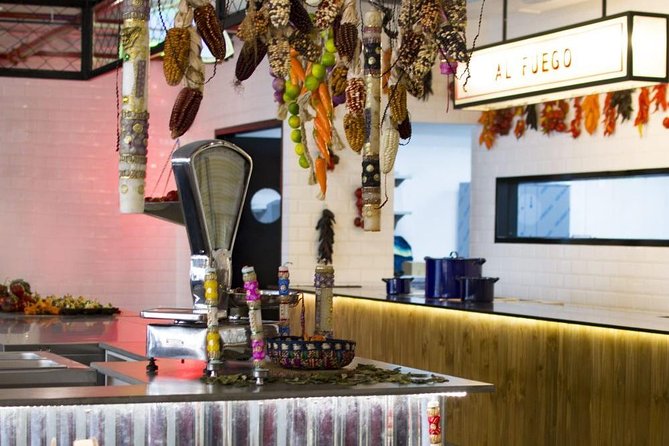
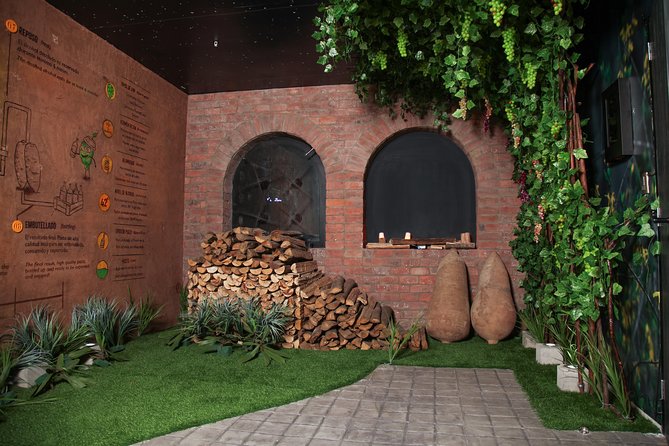
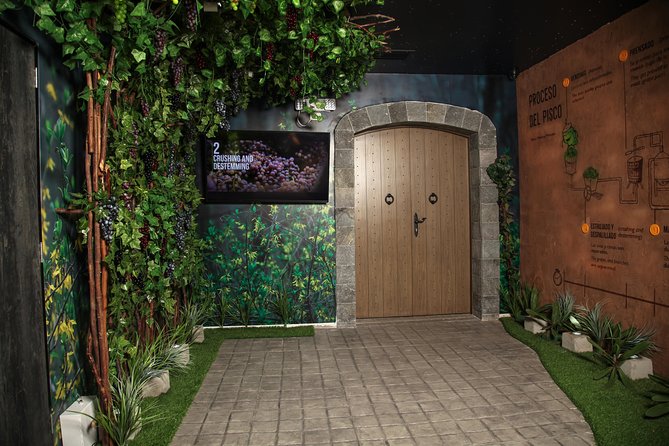
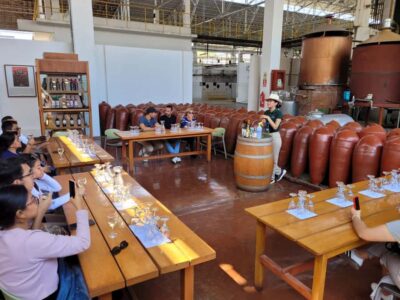
After the ride, you enter the vineyard area and learn about Pisco production. Pisco is Peru’s national drink, and the lesson gives context to the spirit before you mix it.
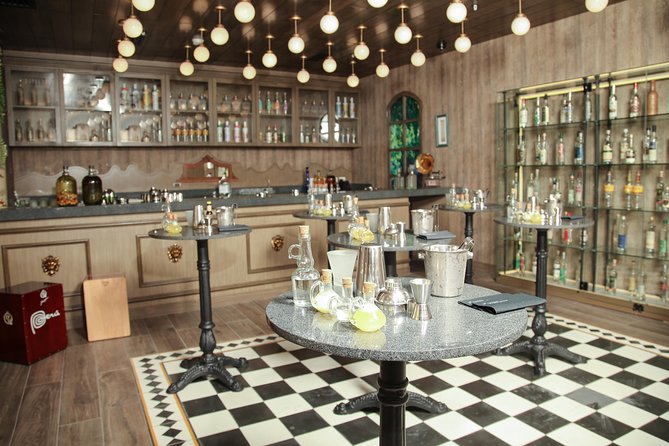
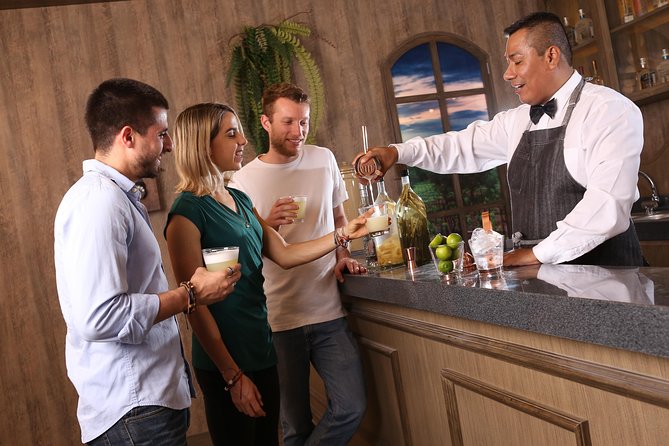
The class continues in a bar styled after the 1920s. The setting adds a little show-business charm without requiring you to visit a separate cocktail bar later. You receive a master class in preparing a Pisco Sour and make your own drink.
This is one of the most useful activities because it connects a national symbol with a simple skill you can repeat at home. You do not just taste the cocktail. You learn how it is assembled and take part in the process.
Minors can join this section, but they make a seasonal fruit shake instead of a Pisco Sour. That makes the activity more family-friendly, though adults should remember that the experience includes alcohol and plan accordingly. The supplied information does not specify how many drinks are served, so do not assume this is an open-ended tasting.
The Pisco lesson also gives you a better question to ask at a restaurant or bar later: which Peruvian Pisco is being used, and how is the drink balanced? Even a short demonstration can make the national cocktail less mysterious.
Preparing Ceviche Or Causa Yourself
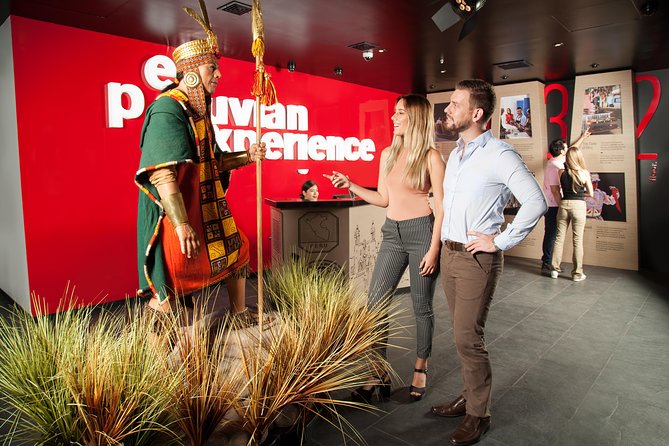
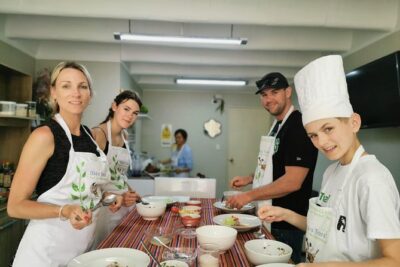
The cooking class is the most hands-on part of the experience. You prepare either ceviche or causa, two familiar names in Peruvian cuisine.
Ceviche highlights fresh seafood, acidity, seasoning, and timing. The dish is best understood by watching how ingredients come together rather than simply eating a finished plate. Causa offers a different lesson, centered on a potato-based preparation and the layering of flavor and texture.
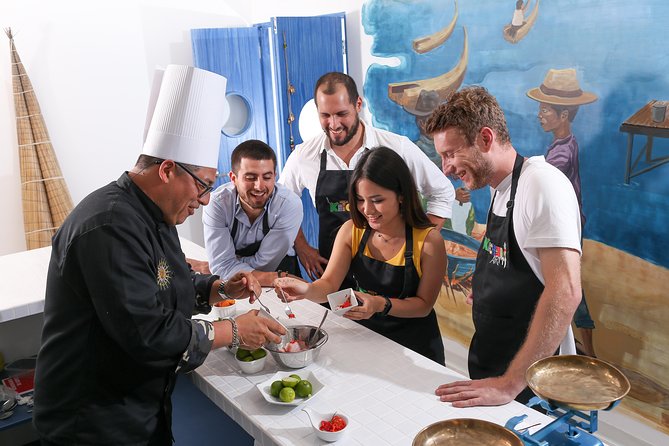
The activity is presented as a fun master class, and each person prepares the dish personally. That matters because participation changes the meal from a string of samples into something you helped create. It is also a good way to remember the difference between dishes that may look unfamiliar on a menu.
The available information does not say whether you can choose freely between ceviche and causa, so check with the staff at the start. It also does not list allergy accommodations or exact ingredients. If you have food allergies or dietary restrictions, ask before the class begins rather than waiting until the food is served.
The cooking section received especially warm attention from the supplied comments. People liked making ceviche and Pisco Sour themselves, and several praised the chefs and staff for being friendly and encouraging. That combination matters. A cooking lesson can become awkward when the instructor rushes or gives one person all the work. The small maximum group should help keep it participatory.
Finishing With A 12-Course Taste Of Peru
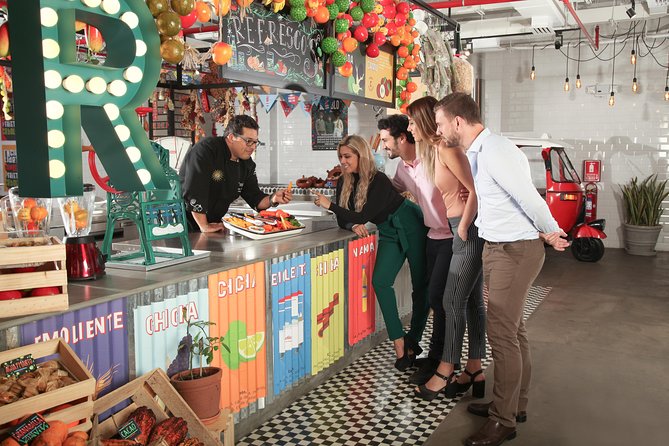
The final section recreates a typical Peruvian market, complete with theatrical staging and traditional dances. You then taste 12 representative dishes from Peruvian cuisine.
This is the part I would most look forward to if food is your main reason for booking. Twelve small tastes let you sample beyond the familiar dishes without committing to a full plate of something you may not recognize. The market setting and dancing add context, although the presentation is clearly designed as entertainment as well as dining.
The meal works best as a sampler. You should not expect 12 full restaurant portions, and you should not book it as a substitute for a serious Lima food tour. Instead, think of it as a guided introduction to the range of Peruvian cooking.
The final meal was repeatedly praised for its quality, and the staff’s warmth was a common theme. The dancers were also singled out as entertaining. That tells you where the experience puts its energy: generous hospitality, accessible food, and a cheerful finish.
The broad selection may also help you plan the rest of your stay. You could discover a dish you want to order again, or find a flavor you would rather approach more cautiously next time. Either result is useful. Food tours should help you make decisions, not just fill your stomach.
What The $92.43 Price Really Buys
At $92.43 per person, this is not a bargain activity. You are paying for a produced indoor attraction, a guide, a dark ride, tastings, a cocktail lesson, a cooking class, entertainment, and a 12-course sampling menu in one package.
The value depends on how many of those elements you would otherwise book separately. If you want a history presentation, food tasting, cooking activity, and cocktail class, the price may feel reasonable. If your main goal is only to eat Peruvian food, a good restaurant meal in Lima will likely offer better value and more substantial portions.
I see the strongest value for first-time visitors who want structure. You receive a quick orientation to the country’s culture and cuisine without spending a full day moving between sites. Families and groups with different interests may also find the package practical because the program keeps changing.
The price does not include hotel transfers, chroma key photographs, tips, or souvenir shop purchases. Those extras can push the final cost higher. Bring your own transportation budget and treat photos and souvenirs as optional rather than expected inclusions.
The experience is nonrefundable and cannot be changed for any reason. This is the largest financial risk. Do not book until you are confident about your schedule, and pay close attention to the Tuesday through Saturday operating days.
Who Will Enjoy It Most
I would recommend this for first-time visitors to Lima, families, solo visitors who like group activities, and anyone curious about Peruvian food but unsure where to begin. It also suits business groups, since the format provides a shared activity with plenty of conversation points.
It is a good choice if you want:
- A compact introduction to Peruvian culture
- Hands-on cooking rather than a lecture
- A Pisco Sour class for adults
- A child-friendly alternative drink
- Plenty of food samples in one sitting
- English or Spanish presentation
- A small group capped at 15 people
I would hesitate if you prefer quiet, highly academic history tours, independent market exploration, or large restaurant portions. The staging can feel polished and artificial compared with meeting a cook in a working market. That is not a flaw by itself, but it is important to know what you are buying.
One caution also deserves a clear mention. A serious scheduling problem was reported in the supplied information, involving locked doors and difficulty reaching the operator. That appears to be an isolated warning among otherwise very positive comments, but the nonrefundable policy makes it worth taking seriously. Confirm the operating time and meeting details before setting out.
Should You Book The Peruvian Experience?
Book it if you want a lively, efficient introduction to Peru’s food and culture in Miraflores. The best parts are the personal cooking activity, the Pisco Sour lesson, the range of small dishes, and the staff’s friendly approach. Guides such as Cesar and Andres were praised for helping create that welcoming atmosphere.
Skip it if $92.43 feels high for two hours or if you would rather spend your money on a long meal at a local restaurant. You should also skip it if your schedule is uncertain because the ticket cannot be refunded or changed.
For the right visitor, this is a fun first chapter to a Lima trip. It will not replace Machu Picchu, a museum, or a serious food crawl. It can, however, give you the background and appetite to enjoy all three more fully.
FAQ
Where does the Peruvian Experience take place?
It takes place at Ca. San Martín 509 in Miraflores, Lima, Peru. The activity starts and ends at this meeting point.
How long does the experience last?
The guided experience lasts approximately two hours.
What days and hours is it open?
The stated operating hours are Tuesday through Saturday, from 10:30 a.m. to 7:30 p.m.
How early should I arrive?
You should arrive 15 minutes before the experience begins.
Is transportation from my hotel included?
No. Hotel pickup and drop-off are not included.
How many people can join the experience?
The activity has a maximum group size of 15 people.
Can children participate in the Pisco Sour class?
Minors can participate, but they prepare a seasonal fruit shake instead of a Pisco Sour.
What food is included?
The experience includes a cooking class in which you prepare ceviche or causa, plus a tasting of 12 representative Peruvian dishes.
Are photographs included in the ticket?
No. Photos using chroma key backgrounds are not included and are available at an additional cost.
Just added around Lima
- Enjoy Lima Walking Historic Center, Plaza San Martin and Plaza de Armas★ 5.0 · 3 reviews
- Full Day Lima: Local Market+ CityTour+ Barranco & Miraflores★ 5.0 · 3 reviews
- City Tour 1 day Lima★ 5.0 · 3 reviews
- Lima: Lunuhuaná Extreme All In + Cerro Azul + Rafting + ATV + Canopy★ 4.4 · 3 reviews
- Lima: Street Food Tasting Tour with Pisco Sour Class★ 5.0 · 3 reviews
- Lima: Villa El Salvador Shanty Town Tour★ 5.0 · 3 reviews
- Tour Panorámico en Miraflores en Scooter Eléctrico★ 4.6 · 3 reviews
- Private Tour Casa Aliaga,San Francisco Convent, Larco Museum★ 4.8 · 3 reviews
Pisco & Peruvian Food, compared.
Cook an Authentic Ceviche And Peruvian Pisco Sour!
Read our review →
Pisco and Wine Route with tasting in 03 Wineries
Read our review →
Cusco by Night: Planetarium Cusco, Dinner, and Pisco Sour
Read our review →
Ballestas island & Paracas reserve from PISCO CRUISESHIP TERMINAL
Read our review →
Larco Museum, Pisco Old Tavern and Magic Water Circuit Evening Tour
Read our review →
Historic Walking Tour with Pisco Sour and Music Show
Read our review →
Miraflores: Amazing Peruvian Cooking Class Ceviche Seafood and Pisco Sour
Read our review →Browse the lists this tour appears in