
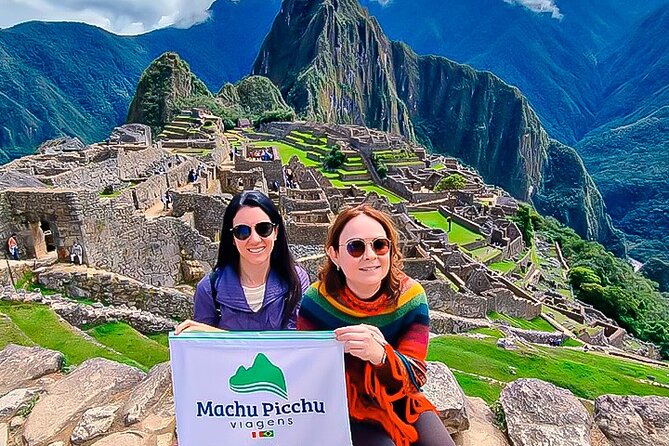
Reviewed · MACHU PICCHU TOURS
Machu Picchu, Cusco & Lima 7-Day Tour
Peru packs a lot into one week. This seven-day trip links Lima, Cusco, and Machu Picchu with hotels, transfers, trains, admission tickets, guides, and airport help arranged for you. I like the easy progression from coastal Lima to high-altitude Cusco, and I like that the Sacred Valley and Ollantaytambo are included instead of treating Machu Picchu as a quick one-day add-on. The main drawback is the pace: with two nights in Lima, three in Cusco, and only one night in Aguas Calientes, you will spend plenty of time moving between places.
The $1,311 price is strong for what is covered, especially with six breakfasts, archaeological admissions, return train tickets, return buses to Machu Picchu, and private airport transfers included. You should still budget for most lunches and dinners, flights, travel insurance, personal spending, and a possible hotel-to-airport tip. The tour is capped at 17 people, and the company offers assistance in English and Spanish around the clock.
In This Review
- Key points to know before booking
- Lima arrival and the first taste of Peru
- Lima’s Historic Center and modern Miraflores
- Flying to Cusco and handling the altitude
- Cusco’s Inca and colonial center
- Pisac, Urubamba, and Ollantaytambo
- Machu Picchu and the return to Cusco
- What the price includes, and what it does not
- Who should choose this itinerary?
- Should you book the Machu Picchu, Cusco & Lima tour?
- FAQ
- Where does the tour begin?
- How long does the tour last?
- How much does the tour cost?
- Are flights included?
- How many hotel nights are included?
- Is breakfast included?
- Is lunch included?
- Are Machu Picchu entrance and bus tickets included?
- Is the train to Aguas Calientes included?
- What languages are supported?
- How large can the group be?
- Is travel insurance included?
- Can I cancel for a refund?
Key points to know before booking
- Lima begins with food, colonial streets, and Pacific views: The opening days mix the Historic Center with Miraflores and Huaca Pucllana.
- Cusco is more than a base for Machu Picchu: You visit Qorikancha, the Cathedral, Sacsayhuaman, Q’enqo, Puka Pukara, and Tambomachay.
- The Sacred Valley day is packed but worthwhile: Pisac, its market, Urubamba, and Ollantaytambo lead directly to the train for Aguas Calientes.
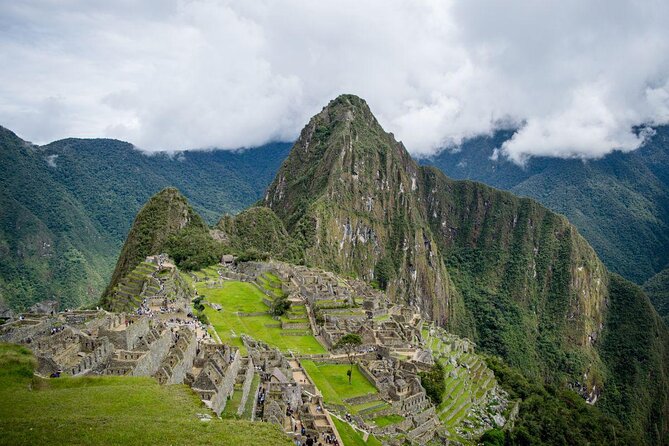
- Machu Picchu is handled with the major transport pieces included: You receive the return bus and train tickets, plus a guided visit.
- Altitude matters: Cusco sits high, and the first Cusco day includes coca tea and time to get oriented rather than an immediate hard hike.
- The strongest praise centers on organization: Specific staff members named in customer accounts include Bryan, Walter Diaz, Pamela, Alicia, and others who helped with delays, luggage, transfers, and daily plans.
Lima arrival and the first taste of Peru
Your trip starts at New Jorge Chávez International Airport, where the local team meets you and drives you to your hotel. After check-in, you receive a day-by-day explanation of the selected package, along with suggestions for nearby restaurants, shops, and sights.
That welcome matters. A trip spread across three cities can feel confusing if every transfer is yours to solve. Here, the first day is deliberately light. I would use the time to rest, adjust after the flight, and get your first Peruvian meal rather than trying to force in another tour.
The package includes two hotel nights in Lima, though the hotel category is not specified in the supplied details. The tour ends in the Miraflores area after the city sightseeing, so confirm the exact hotel before booking if neighborhood or room standards matter to you.
Other ways to reach Machu Picchu:
- 10-Day Taste Peru Experience: Lima, Nasca, Cusco & Machu Picchu
★ 5.0 · 63 reviews - 7 Days: Lima, Ica, Cusco & Machupicchu with local flights
★ 5.0 · 52 reviews - From Cusco: Full-Day Group Tour of Machu Picchu
★ 4.7 · 1,767 reviews
Lima’s Historic Center and modern Miraflores
The second day begins around Nicolás de Piérola Avenue and San Martin Square. San Martin Square honors José de San Martín, the general associated with Peru’s independence movement. It is a useful starting point because it places you in central Lima, surrounded by the city’s grand civic and religious buildings.
At the Plaza de Armas, you have about 15 minutes to see the Government Palace, Lima Cathedral, Municipal Palace, Archbishop’s Palace, and Union Palace. That is enough for orientation and photos, but not enough for a slow examination of every building. If you like architecture, keep your expectations realistic. This is a guided overview, not an open afternoon in the square.
The Basilica and Convent of Santo Domingo receives about 30 minutes. Its construction began in 1578 and took more than 50 years. Inside are the remains of Santa Rosa de Lima and San Martin de Porres, two major Peruvian saints, including South America’s first Afro-descendant saint. This stop gives the colonial center more meaning than a simple drive past old facades.
The day then shifts to Huaca Pucllana in Miraflores. This ceremonial center, dating from approximately 200 to 700 AD, is one of 54 huacas within Lima. Its location in the middle of a modern district makes the contrast especially striking. The site also has a restaurant, so you may have the option of dining beside the archaeological remains, though the supplied tour details do not say that a meal there is included.
At El Parque del Amor, you have about 20 minutes to view the Pacific coast and the Costa Verde. The ceramic benches, flowers, and Víctor Delfín’s sculpture El Beso make this a pleasant stop, but it is brief. Kennedy Park follows, also for about 20 minutes. The park is known for its large population of cared-for cats, a small and unusual detail that gives the stop its local character.
You return to your Miraflores hotel after the excursion. I like this contrast between old Lima and modern Lima, but the timetable is tight. If you want museums, long meals, or more time at Huaca Pucllana, plan to add extra days before or after the organized portion.
Flying to Cusco and handling the altitude
On day three, the team takes you to Lima airport in time for your flight to Cusco. The transfer is listed as taking about two hours, which is a sensible cushion for check-in and airport traffic. Your domestic or international airfare is not included, so you must arrange that separately.
At Alejandro Velasco Astete International Airport, staff meet you and take you to the Cusco hotel. You are offered coca tea, often used locally to ease altitude symptoms, and receive a map with information on sights, restaurants, exchange offices, and shops.
The gentle arrival plan is one of the better choices in this itinerary. Cusco is high, and the first hours should be used to rest and see how your body reacts. The tour does not promise that coca tea will prevent altitude sickness, and you should not treat it as medical care. Still, a calm arrival and clear local assistance are useful.
Three hotel nights in Cusco are included. The exact hotel category is not supplied, so ask about the property, room type, and whether breakfast is served on early departure days.
Cusco’s Inca and colonial center
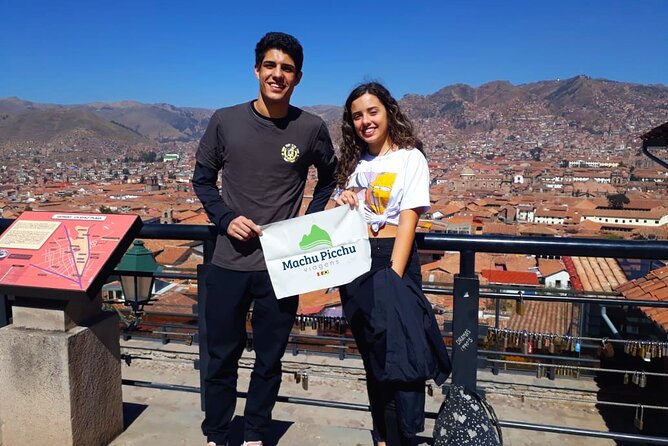
Day four is the main Cusco city and nearby ruins circuit. At Qorikancha, the former Temple of the Sun, you see one of the central worship sites of the Inca world along with the Catholic church built over its remains. The visit lasts about 30 minutes, enough to understand the layered construction and the collision of Inca and Spanish religious traditions.
The Cusco Cathedral receives another 30 minutes. Its colonial baroque design sits on foundations connected to an important Inca palace. Together, Qorikancha and the Cathedral show how Cusco was reshaped rather than simply erased.
The tour then heads uphill to Sacsayhuaman. You have about 45 minutes to examine the massive stonework, including stones reported to reach five meters and more than 120 tons. This is the day’s biggest visual moment, but the high setting can make walking feel harder than the timetable suggests.
Q’enqo follows for 20 minutes. It was a ritual center, and historians associate the site with ceremonies and sacrifices. Puka Pukara, also visited for about 20 minutes, has a fortress-like appearance and is thought to have served military and administrative purposes.
The final stop is Tambomachay, with about 30 minutes to see its channels and three fountains. The working water system is a fine example of Inca engineering. The six-stop schedule gives you a broad view of Cusco’s sacred, civic, military, and hydraulic sites, but none of the stops is leisurely. Wear practical shoes and keep water close.
A few more Peru trips worth weighing up
- 7 Day Peru Private Journey
★ 5.0 · 71 reviews - 7 Day Exploration Tour from Cusco to Lima
★ 5.0 · 85 reviews - Cusco 7 days Tour in Machu Picchu, Humantay Lake and Vinicunca
★ 5.0 · 64 reviews - 7-Day Tour from Cusco with Machu Picchu and Rainbow Mountain
★ 5.0 · 56 reviews
Pisac, Urubamba, and Ollantaytambo
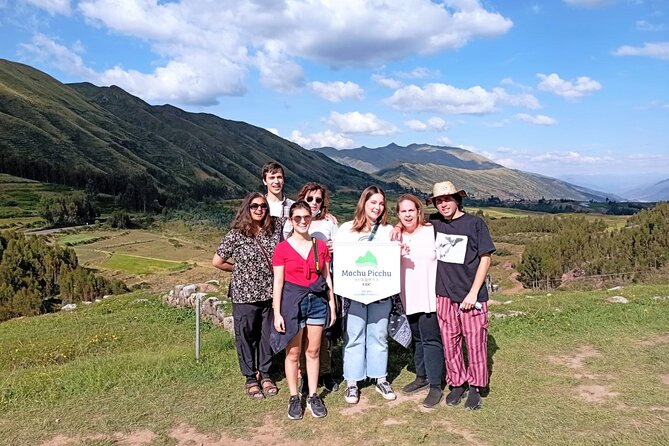
Day five begins at Awana Kancha, an animal shelter and textile exhibition featuring alpacas, llamas, and vicuñas. You have about 20 minutes. It is a short stop, but it adds a living, approachable side of Peruvian culture before the ruins and markets.
At the archaeological site of Pisac, the elevation reaches about 3,300 meters. You receive one hour for the site and its views across the Sacred Valley. The high setting is beautiful, but it is also another reminder to pace yourself. This is not the day to race up every path.
Pisac Market receives about 40 minutes. The market sells handmade art and offers a look at regional craft traditions. It is a good place for textiles and souvenirs, though a short visit means you should decide quickly what interests you. Bargaining customs and prices are not explained in the supplied material, so ask your guide for local advice.
Lunch is at Tunupa Restaurant in Urubamba, where the buffet is set beside the Urubamba River. Lunch is included, and this is one of the few clearly identified meals in the package. A buffet can be practical on a packed day because you avoid waiting for individual dishes, though food preferences and drinks beyond the included meal may cost extra.
The last major stop is Ollantaytambo. Its cobbled streets, open drainage system, and Inca town plan make it one of the most rewarding places on the route. The archaeological site is also associated with one of the few Inca victories over Spanish forces during colonization, holding them off for almost 50 years according to the tour description.
After the village, you board the train to Aguas Calientes. This timing is efficient because you do not have to return to Cusco before Machu Picchu. It also means day five is long and tightly arranged. Your one included night is at a three-star hotel in Aguas Calientes, a mountain town with hotels, restaurants, bars, and handicraft shops.
Machu Picchu and the return to Cusco
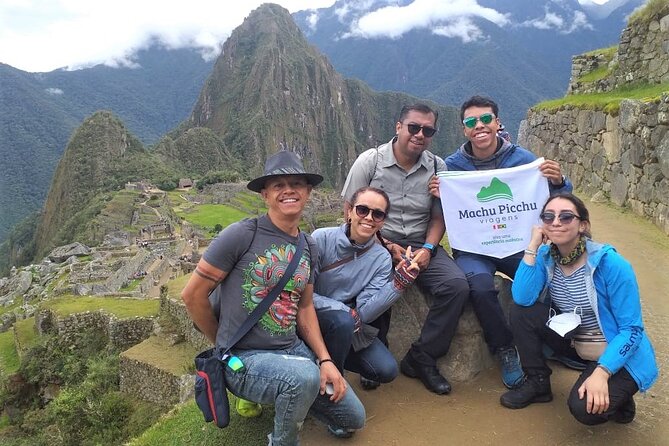
On day six, your team takes you from the Aguas Calientes hotel to the bus. The ride to the entrance of Machu Picchu takes about 30 minutes. Return bus tickets are included, as is admission to the historic sanctuary and a guided visit.
The listed time inside Machu Picchu is about two hours. That gives you a focused introduction to the site, with explanations of Inca culture, construction, and the many unanswered questions connected to the ruins. It is enough to make the visit meaningful, but it may feel short if you want long photo stops or a slow walk through every permitted section.
After Machu Picchu, you return to Aguas Calientes and board the train toward Poroy. The Poroy station is about 30 minutes from Cusco, and a driver takes you back to your hotel. The train, bus, and transfers are among the most useful inclusions here. Organizing this chain yourself can be stressful, especially when tickets and departure times are linked.
The schedule leaves little room for a second Machu Picchu circuit or an extra mountain hike. This package is built for a first visit that covers the essentials, not for travelers who want several days around the sanctuary.
What the price includes, and what it does not
At $1,311 per person, the value is strongest for anyone who wants a guided, prearranged trip rather than a low-cost independent route. Included are two Lima hotel nights, three Cusco nights, one Aguas Calientes night, six breakfasts, lunch, archaeological admission tickets, the Machu Picchu buses, the return train to Aguas Calientes, airport transfers, and organized support.
You also receive professional staff on the tours and treks, personalized concierge help, and 24-hour assistance in Spanish and English. The most praised part of the service is the coordination. Bryan was specifically credited with keeping a passenger informed about delays and problems. Alicia was praised for helping with a forgotten suitcase, while guides including Walter Diaz, Pamela, and Manuel Jesus received personal thanks for their care and guidance.
The price does not include national or international flights, travel insurance, most food and drinks, or personal expenses. Those exclusions matter. Add your flights before deciding that the package fits your total budget, and take out insurance because the experience itself is non-refundable if you cancel or request a change.
The company lists a maximum group size of 17. That is large enough to keep the price down but small enough for a guide to manage a walking group. Confirm the group size and language arrangement for your selected departure.
Who should choose this itinerary?
I would choose this tour if you want the main Peru highlights in one organized week and do not want to manage airport pickups, train tickets, archaeological admissions, or changing hotel arrangements. It suits first-time visitors, couples, and people who value prompt support more than free time.
It is less suitable if you prefer slow travel, independent dining, long museum visits, or extra time at Machu Picchu. The Lima and Cusco schedules are efficient, but they do not leave much spare time. You should also be comfortable with altitude, early transport, and a full Sacred Valley day.
The company’s customer accounts repeatedly praise punctuality, friendly guides, synchronized transfers, and help in English, Spanish, and Portuguese. That last point may matter if you are more comfortable in Portuguese. Names such as Bryan, Alicia, Walter Diaz, Pamela, Maythee, Franklin, Fernando, Henry, and Liz appear in particularly warm accounts, suggesting that personal assistance is a major strength of the operation.
Should you book the Machu Picchu, Cusco & Lima tour?
Book it if your goal is a well-supported first trip to Peru with the major sights covered in seven days. The price is fair for the number of hotels, transfers, tickets, breakfasts, and guided visits included. I especially like the Sacred Valley route into Aguas Calientes, since it makes Machu Picchu part of a larger story rather than an isolated day trip.
Before paying, confirm your flights, exact hotels, train times, group language, and what lunch or dinner arrangements apply. If you need extra rest at altitude or want a slower visit to Machu Picchu, add days on your own. For a compact, carefully coordinated introduction to Lima, Cusco, and the Inca sites, this is a practical choice.
FAQ
Where does the tour begin?
The tour begins at New Jorge Chávez International Airport in Lima, Peru.
How long does the tour last?
The tour lasts approximately seven days.
How much does the tour cost?
The listed price is $1,311 per person.
Are flights included?
No. National and international plane tickets are not included.
How many hotel nights are included?
You receive two nights in Lima, three nights in Cusco, and one night at a three-star hotel in Aguas Calientes.
Is breakfast included?
Yes. Six breakfasts are included.
Is lunch included?
Lunch is included. The itinerary identifies a buffet lunch at Tunupa Restaurant in Urubamba.
Are Machu Picchu entrance and bus tickets included?
Yes. Admission to the archaeological sites is included, along with return bus tickets between Aguas Calientes and Machu Picchu.
Is the train to Aguas Calientes included?
Yes. Round-trip train tickets to Aguas Calientes are included.
What languages are supported?
The tour offers 24-hour assistance in Spanish and English. Customer accounts also mention support for Portuguese-speaking customers.
How large can the group be?
The maximum group size is 17 people.
Is travel insurance included?
No. Travel insurance is not included, so you need to arrange it separately.
Can I cancel for a refund?
The experience is non-refundable and cannot be changed for any reason. If poor weather or an insufficient number of participants causes the operator to cancel, you are offered another date or experience, or a full refund.
Just added around Lima
- Enjoy Lima Walking Historic Center, Plaza San Martin and Plaza de Armas★ 5.0 · 3 reviews
- Full Day Lima: Local Market+ CityTour+ Barranco & Miraflores★ 5.0 · 3 reviews
- City Tour 1 day Lima★ 5.0 · 3 reviews
- Lima: Lunuhuaná Extreme All In + Cerro Azul + Rafting + ATV + Canopy★ 4.4 · 3 reviews
- Lima: Street Food Tasting Tour with Pisco Sour Class★ 5.0 · 3 reviews
- Lima: Villa El Salvador Shanty Town Tour★ 5.0 · 3 reviews
- Tour Panorámico en Miraflores en Scooter Eléctrico★ 4.6 · 3 reviews
- Private Tour Casa Aliaga,San Francisco Convent, Larco Museum★ 4.8 · 3 reviews
Machu Picchu Tours, compared.



Machu Picchu: Full-Day Tour from Cusco with Optional Lunch
Read our review →
4-Day Inca Trail to Machu Picchu with Accommodation
Read our review →
2-Day Trip to the Sacred Valley and Machu Picchu
Read our review →
Machu Picchu 2-Day Inca Trail with Panoramic Train
Read our review →

Machu Picchu: Inca Trail 2-Day Overnight Guided Tour
Read our review →Browse the lists this tour appears in