
Reviewed · FOOD & DRINK
Lima: Food Tour on Local Market
Come hungry, leave with a better feel for Lima. This three-hour walk starts at Jr. Cusco 400 and links Barrios Altos, Chinatown, Central Market, local food stalls, and several well-known eateries. You get nine Peruvian tastes, a certified English- or Spanish-speaking guide, and a useful introduction to the city through what people eat every day.
I especially like the wide range of food, from choclo con queso and papa rellena to ceviche, anticuchos, lucuma juice, picarones, and pan con chicharrón. I also like the cultural angle: Chinatown is not just a quick photo stop, but a chance to see how Chinese cooking shaped Peruvian food. The main drawback is that the pace may feel brisk, and $75 is a serious price for a three-hour food walk, especially since the Pisco Sour costs extra and transportation is not included.
The tour has earned a perfect rating from eight published bookings, with particular praise for guides who explain food, history, and local customs clearly. Giovanna, one named guide, was described as friendly and easy to spend time with, while another guide brought a cutting board so fruit could be shared neatly. Those small touches matter when you are eating your way through a busy city.
In This Review
- Five useful things to know before you go
- Why this food walk works as a Lima introduction
- Barrios Altos: starting with corn and stuffed potatoes
- Ceviche: a fresh turn in the route
- Chinatown and Lima’s Chinese-Peruvian cooking
- Central Market: spices, fruit, and the working city
- Chinitos: pan con chicharrón and emoliente
- Bolivarsito Bar and the final park stop
- Is $75 a fair price for three hours?
- What the strongest guide experience adds
- Who should book this Lima food tour?
- Should you book it?
- FAQ
- How long does the Lima Market Food Tour last?
- Where does the tour start and finish?
- How many foods will I taste?
- Is the food included in the price?
- Is the Pisco Sour included?
- What languages are available?
- Can I cancel the booking?
Five useful things to know before you go
- Nine tastings replace a full meal: You will sample small portions throughout the walk, so eat lightly beforehand.
- The route covers several sides of Lima: Barrios Altos, Chinatown, Central Market, restaurants, street vendors, and a park all appear in the three-hour plan.
- Ceviche and anticuchos are part of the food lineup: This gives you two classic Peruvian flavors, one centered on fresh fish and the other on grilled meat.
- The Chinese-Peruvian connection gets real attention: Siu mai and min pao help explain the culinary exchange between Chinatown and wider Lima.
- Pisco Sour is optional and extra: Seasonal fruit is included at the final stop, but the famous cocktail is not part of the $75 price.
Why this food walk works as a Lima introduction
Lima can feel sprawling and hard to read at first. A food tour gives you a simple way in. Instead of treating the city as a set of monuments, you move through neighborhoods and see how markets, snack stalls, restaurants, immigrant traditions, and public parks fit together.
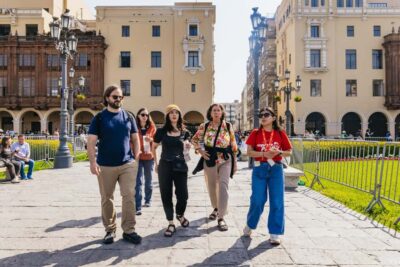
The route is also practical for a first visit because it combines food with orientation. You begin at Jr. Cusco 400, walk through Barrios Altos, reach Chinatown and the Central Market, and finish back near the starting point. Since the route returns to where it began, you are not left guessing where to go next.
The tour is described as three hours, though one booking experience lasted about two hours. I would keep the full three-hour window open. Food stops can take different amounts of time, and you will want room for questions, photographs, and the occasional pause when the streets get crowded.
The guide is important here. A good guide turns a string of snacks into a lesson about Lima. The strongest feedback focuses on guides who explain the food and the stories behind it, rather than simply handing you a bite and moving on. English and Spanish are available, and the tour is listed as wheelchair accessible.
More Food & Drink in Lima
- Lima: Ultimate Peruvian Food Tour
★ 4.9 · 700 reviews - Lima: Historic Center Street Food, Market, and Eateries Tour
★ 4.9 · 216 reviews - Lima Street Food Tour Beyond Netflix
★ 5.0 · 117 reviews
Barrios Altos: starting with corn and stuffed potatoes
The first section leads through Barrios Altos, where the food begins with familiar local comfort dishes. Choclo con queso pairs large-kernel corn with cheese. It is simple, filling, and a useful reminder that Peruvian food is not only about elaborate restaurant plates.
You also try papa rellena, a stuffed potato preparation that shows how humble ingredients can become a substantial snack. The potato is central to Peruvian cooking, and this stop gives you something hearty before the lighter fish and fruit tastings later.
The walk through the historic streets of Barrios Altos adds context without turning the outing into a formal architecture tour. You are moving through an old part of Lima while eating foods sold and prepared in everyday settings. That mix is one of the tour’s strongest points.
Still, keep your expectations realistic. This is a guided street-food walk, not a private culinary class at every stop. Portions are designed for sampling, and the route has several tastings ahead. Take your time, but do not fill up on the first two foods.
Ceviche: a fresh turn in the route
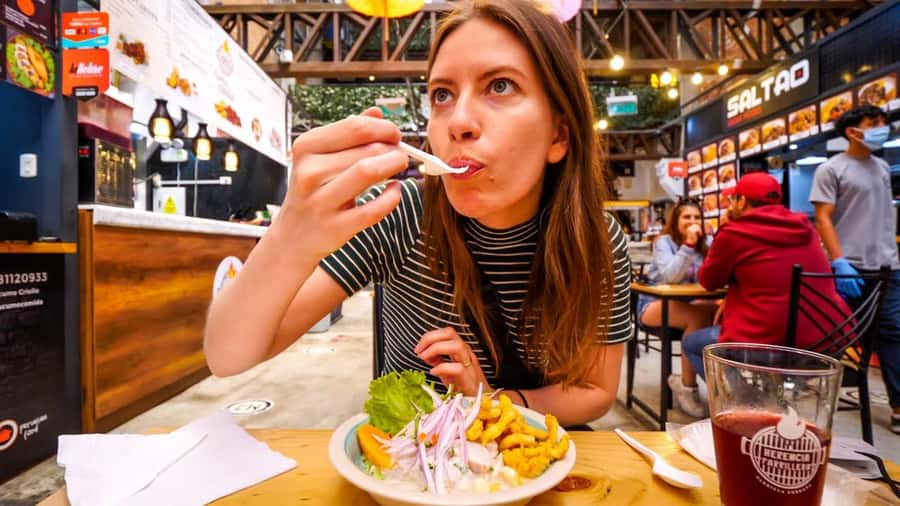
The next food stop brings ceviche, one of Peru’s best-known dishes. The tour presents it as a fresh and flavorful taste, giving you a chance to try the dish in the city where it has become a major part of national food culture.
Ceviche can be an important test for visitors who are unsure about fish prepared with citrus. The portion here is part of a larger tasting sequence, so you are not committing to a full plate. That makes the tour useful if you want to try local dishes without ordering large servings on your own.
Your guide can also help explain what you are tasting. The supplied feedback gives special credit to the guides for discussing ingredients, local customs, and the stories behind the food. That background makes a difference with ceviche, since the dish can seem simple until you understand its place in Peruvian cooking.
If you have dietary restrictions, tell the operator when booking. The tour includes food, but the information provided does not promise a specific substitute for every restriction. Advance notice is the sensible move.
Chinatown and Lima’s Chinese-Peruvian cooking
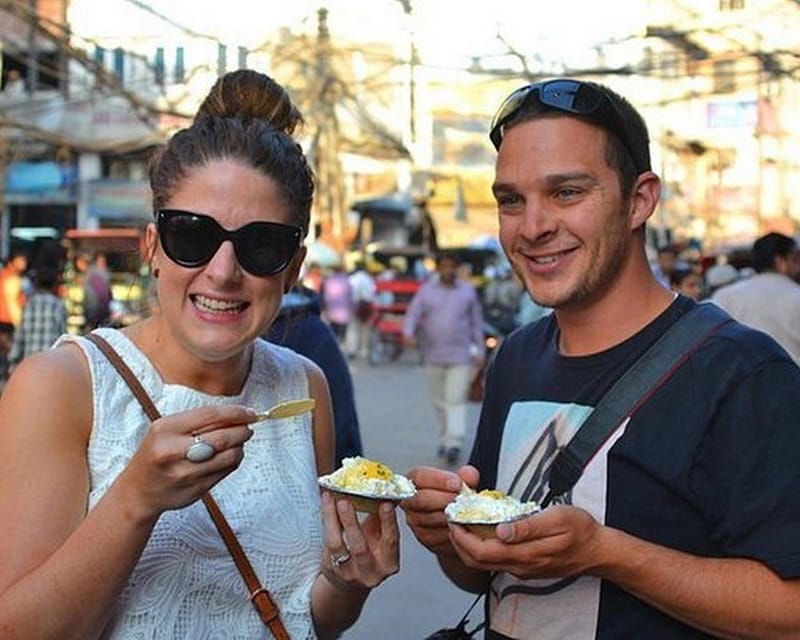
Chinatown is where the tour broadens beyond traditional Peruvian staples. You taste siu mai and min pao while learning about Chinese culture and its influence on Peruvian society.
This section helps explain why Lima’s food identity cannot be reduced to one national style. Chinese cooking became part of the city’s everyday food culture, and the Chinatown stop gives you a direct way to see that connection. The food is not just a side note. It is evidence of how communities shape a city over time.
Siu mai offers a familiar dumpling-style taste, while min pao gives you another steamed Chinese snack. You may already know these foods from elsewhere, but the point here is their place in Lima and the way Chinese traditions became part of Peruvian life.
I like this stop because it adds cultural value without asking you to sit through a long lecture. You learn while walking and eating. The tradeoff is that a three-hour route cannot provide a complete account of Chinese-Peruvian history. Think of it as an introduction, not a full cultural study.
More Markets in Lima
- Market Tour, Tasting of 35 Fruits, and 4-Course Peruvian Cooking Class in Lima
★ 5.0 · 86 reviews - #1 Rated Cooking Classes with Local Market Tour & Pickup
★ 5.0 · 69 reviews - Private Cooking + Market with Maido’s Former Creative Chef (+trasportation)
★ 5.0 · 49 reviews - Full Day Lima: Local Market+ CityTour+ Barranco & Miraflores
★ 5.0 · 3 reviews
Central Market: spices, fruit, and the working city
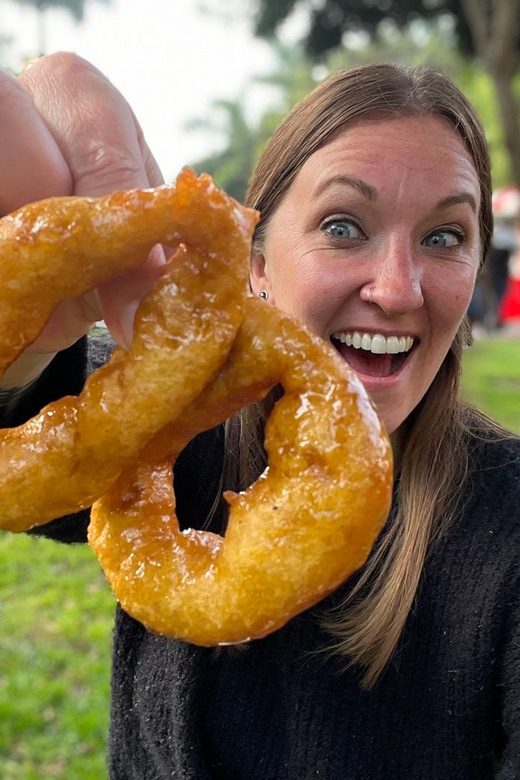
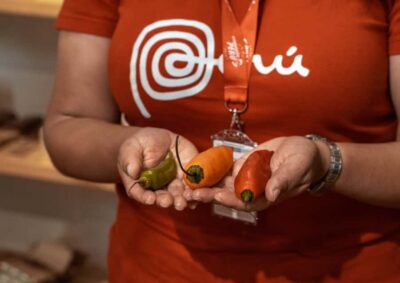
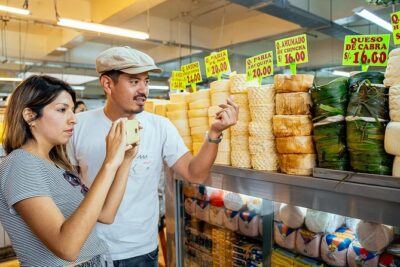
At Central Market, the tour shifts from individual snacks to the ingredients and smells that shape Lima’s kitchens. You walk among traditional products and local spices, then try lucuma juice.
Lucuma is one of the more distinctive Peruvian fruits and a good example of why a market visit adds something a standard restaurant meal cannot. You are tasting a local ingredient in a setting where food is bought, handled, and sold as part of ordinary city life.
You also try anticuchos, a popular grilled street food, and picarones, a traditional dessert. The contrast works well. Anticuchos bring a savory, smoky taste, while picarones provide a sweet finish with a texture unlike the pastries many visitors know at home.
The tour description says you may help prepare your own anticuchos. That is a small but worthwhile hands-on moment. It gives you more connection to the food than simply receiving a sample, although the exact amount of participation may depend on the vendor and the group.
The market can be a lot to take in. You have several foods already behind you, and more are coming. If you prefer slow browsing, you may wish the group had more time to stop at individual stalls. The benefit is variety: you get a concentrated look at Lima’s food culture without spending half a day planning your own route.
Chinitos: pan con chicharrón and emoliente
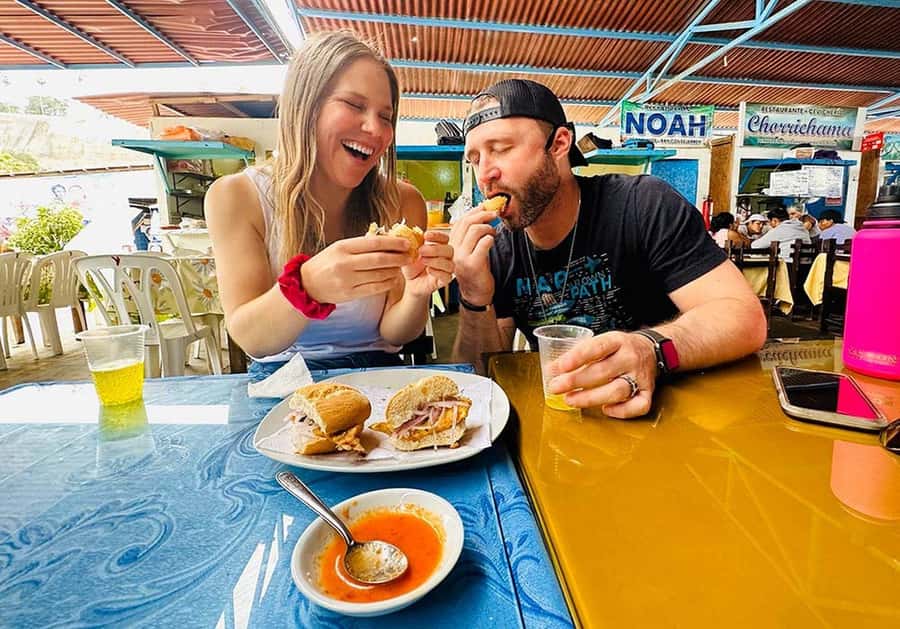
The stop at Chinitos adds one of the tour’s most substantial bites, pan con chicharrón. This sandwich combines bread with seasoned pork and is a classic choice when you want something filling and distinctly Peruvian.
It comes with emoliente, a traditional hot drink. Together, the sandwich and drink show another side of Lima’s food life, one tied to quick meals and everyday eating rather than fine dining.
This may be the point where you realize why the tour advises you not to eat much beforehand. Even when portions are tasting-size, nine foods and drinks add up. The pan con chicharrón is especially likely to feel like a small meal rather than a nibble.
The stop also gives the route some balance. You have sampled corn, potato, fish, dumplings, fruit, grilled meat, and dessert. Now you get a sandwich that pulls several textures together and gives you a clearer sense of how locals might eat on the go.
Bolivarsito Bar and the final park stop
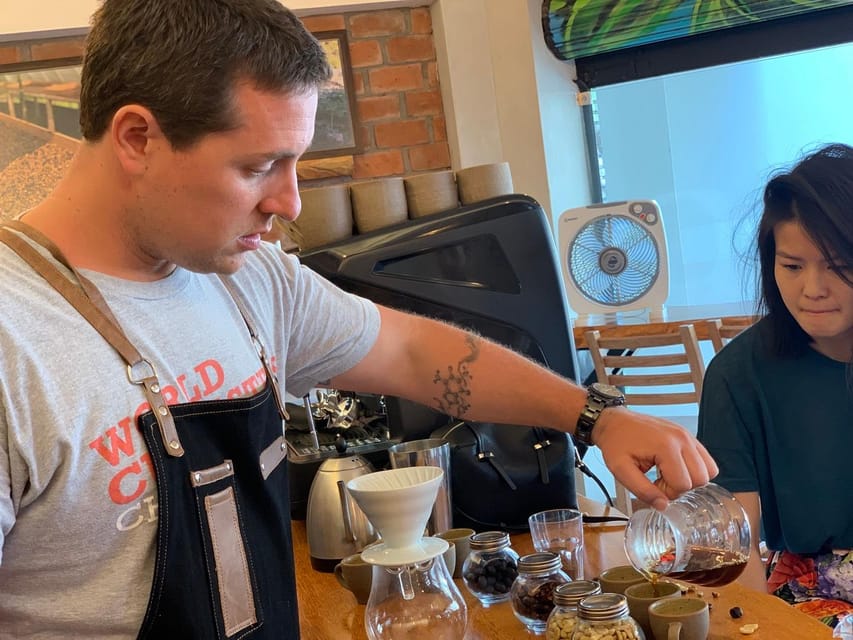
The final section takes you to Bolivarsito, where seasonal exotic fruits are available to taste. The fruit selection can change with the season, so this is one part of the tour where you should expect variety rather than one fixed item.
The tour then closes with time in a park, where you can enjoy fruit and listen to popular Peruvian music. That ending slows the pace after the market and street-food stops. It also connects the food experience to public life, rather than finishing at the last plate.
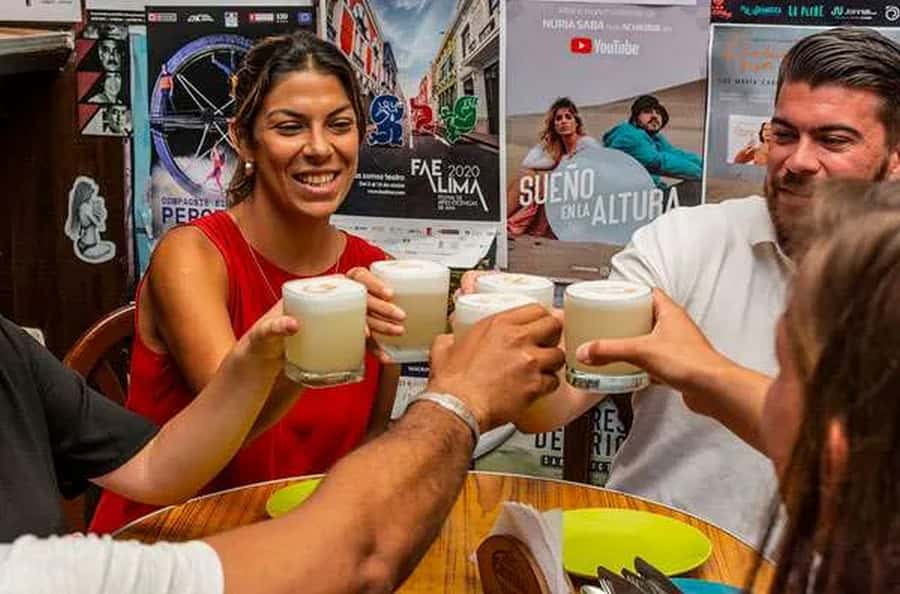
A Pisco Sour is available as an optional extra, but it is not included in the $75 price. If you want one, bring additional money and confirm the arrangement with your guide. If you do not drink alcohol, the fruit and music still give this stop a clear purpose.
The park is also where the promise of pristine vistas needs a little caution. The supplied details do not identify a particular scenic viewpoint, so I would not book this primarily for grand city views. The stronger appeal is the local atmosphere, food, and music.
Is $75 a fair price for three hours?
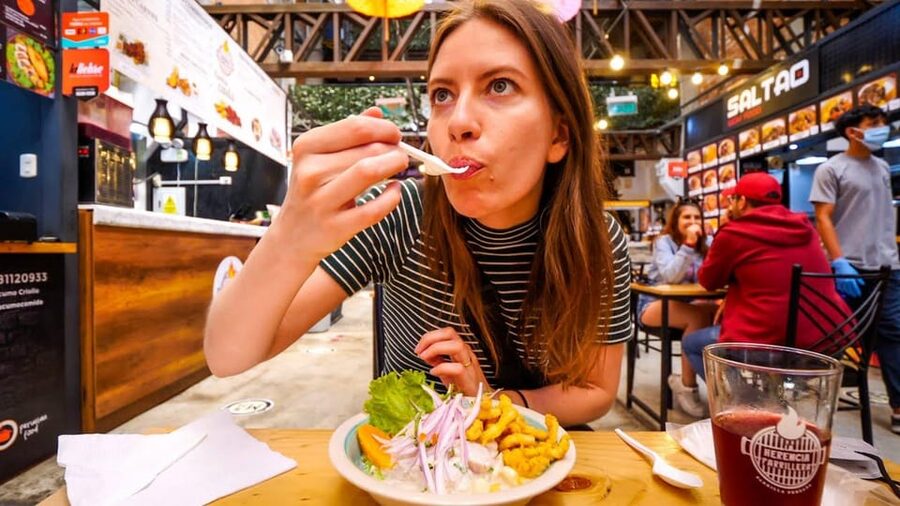
At $75 per person, this is not the cheapest way to eat in Lima. You could spend less by choosing market stalls on your own. The price pays for the guide, the organization, and the chance to taste nine foods without having to research vendors, manage language questions, or decide what to order.
The value is strongest for first-time visitors who want a guided introduction. You get Central Market, Chinatown, Barrios Altos, street food, restaurant food, drinks, dessert, and fruit in one compact route. Buying each item yourself would cost less, but you might not learn why each one matters or find the same range of stops.
The price is less appealing if you already know Lima well, dislike group pacing, or mainly want a large meal. Food is included, but the experience is designed as a progressive tasting rather than a sit-down feast. The Pisco Sour is extra, and transportation is not included.
The booking terms are helpful for uncertain plans. You can cancel up to 24 hours ahead for a full refund, and the reserve-now, pay-later option lets you hold a place without paying immediately. Those policies do not change the food value, but they reduce the risk of booking early.
What the strongest guide experience adds
The most praised part of this tour is the guiding. Giovanna was singled out for being friendly, well informed, and eager to explain the food. Another guide was praised for knowing the food and history and for bringing a cutting board to divide fruit for the group.
Those details tell you what to look for. The best version of this tour is not just a checklist of nine samples. It is a conversation as you walk, with explanations about ingredients, Chinese influence, local eating habits, and the stories behind the stops.
You should also have opportunities to take photos and video. One booking specifically praised the guide for allowing time to do so. Even so, keep your camera ready but do not let it replace the tasting. Some of the value is in watching food being prepared and noticing the market around you.
Group size is not specified. One booking ended up as a private tour, but you should not assume that will happen every time. A private outing can feel more relaxed, while a larger group may require more patience at crowded stalls.
Who should book this Lima food tour?
I would recommend it most strongly to first-time visitors who want an organized introduction to Peruvian food. It suits curious eaters who want to sample many dishes, ask questions, and understand the connection between food and local culture.
It is also a good fit if you are nervous about ordering unfamiliar street food on your own. The guide gives you a route and a framework, and the smaller tastings let you try more dishes with less risk of ordering a full serving you do not enjoy.
Families and mixed-interest groups may find the variety useful, since the menu includes potatoes, corn, fish, meat, fruit, dumplings, a sandwich, drinks, and dessert. Still, picky eaters should review the food list before booking, and anyone with dietary restrictions should contact the operator in advance.
I would hesitate if your priority is a quiet, slow meal, a major sightseeing landmark, or a scenic viewpoint. The route is active and food-centered. You are paying for access to several tastes and a guide’s local explanation, not a luxury dining experience.
Should you book it?
Book this tour if you want to understand Lima through everyday food and prefer a guide to lead the way. The combination of Barrios Altos, Chinatown, Central Market, street vendors, Chinitos, and Bolivarsito gives you a broad introduction in a short time.
The $75 price makes sense for the structure, the included food, and the cultural explanations, but only if you plan to use the guide fully. Ask questions, tell the operator about dietary needs, and arrive hungry but not stuffed. Skip the tour if you want maximum independence or a full restaurant meal.
For many first visits, this is a useful opening move. It gives you enough context to return later to ceviche, anticuchos, lucuma, picarones, or pan con chicharrón with a better idea of what you are ordering.
FAQ
How long does the Lima Market Food Tour last?
The listed duration is three hours. One booking experience lasted about two hours, so it is wise to keep a full three-hour period available.
Where does the tour start and finish?
The tour starts and returns to Jr. Cusco 400.
How many foods will I taste?
The tour includes nine popular Peruvian snacks and food samples, including ceviche, lucuma, anticuchos, picarones, pan con chicharrón, choclo con queso, papa rellena, siu mai, and min pao.
Is the food included in the price?
Yes. Food is included in the $75 tour price. The Pisco Sour is not included.
Is the Pisco Sour included?
No. A Pisco Sour is an optional tasting at Bolivarsito and costs extra.
What languages are available?
The tour is offered with a live guide in English or Spanish.
Can I cancel the booking?
Yes. You can cancel up to 24 hours in advance for a full refund. You can also reserve now and pay later.
More Food Outings
- Experience Lima: Taste 12 Snacks and Visit Top Monuments
★ 5.0 · 138 reviews - Lima Just For Foodies
★ 5.0 · 96 reviews - Lima: Flavors and Tradition Walking Tour with Food Tasting
★ 4.6 · 40 reviews - Barranco Art and Food Tour: Graffiti Walk and Culinary Delights
★ 4.5 · 32 reviews
More Food and Drink Outings
- The 10 Tastings of Lima With Locals: Private Street Food Tour
★ 5.0 · 92 reviews - Trending Flavors: Miraflores Walking Tour Including Food and Drinks Tasting
★ 5.0 · 63 reviews - 5 iconic restaurants of Lima a 3-hour guided food tour in Barranco
★ 4.5 · 48 reviews - Lima Street Food: A gastronomic adventure through the city.
★ 4.5 · 42 reviews
Just added around Lima
- Enjoy Lima Walking Historic Center, Plaza San Martin and Plaza de Armas★ 5.0 · 3 reviews
- Full Day Lima: Local Market+ CityTour+ Barranco & Miraflores★ 5.0 · 3 reviews
- City Tour 1 day Lima★ 5.0 · 3 reviews
- Lima: Lunuhuaná Extreme All In + Cerro Azul + Rafting + ATV + Canopy★ 4.4 · 3 reviews
- Lima: Street Food Tasting Tour with Pisco Sour Class★ 5.0 · 3 reviews
- Lima: Villa El Salvador Shanty Town Tour★ 5.0 · 3 reviews
- Tour Panorámico en Miraflores en Scooter Eléctrico★ 4.6 · 3 reviews
- Private Tour Casa Aliaga,San Francisco Convent, Larco Museum★ 4.8 · 3 reviews
Food & Drink, compared.
Historic Center Street Food, Market, and Eateries Tour
Read our review →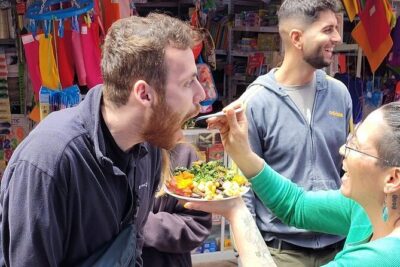
Food and Culture Full day Tour in the Sacred Valley
Read our review →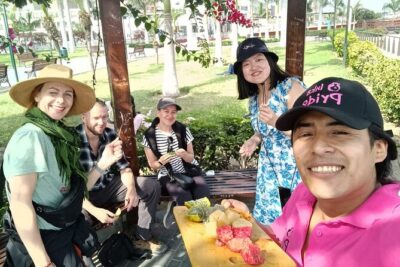
The 10 Tastings of Lima With Locals: Private Street Food Tour
Read our review →
Market Tour, Tasting of 35 Fruits, and 4-Course Peruvian Cooking Class in Lima
Read our review →
Pisco and Wine Route with tasting in 03 Wineries
Read our review →Browse the lists this tour appears in